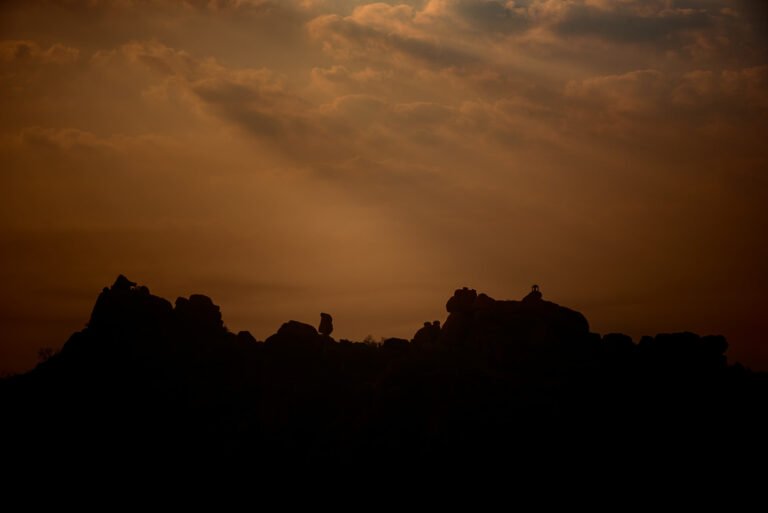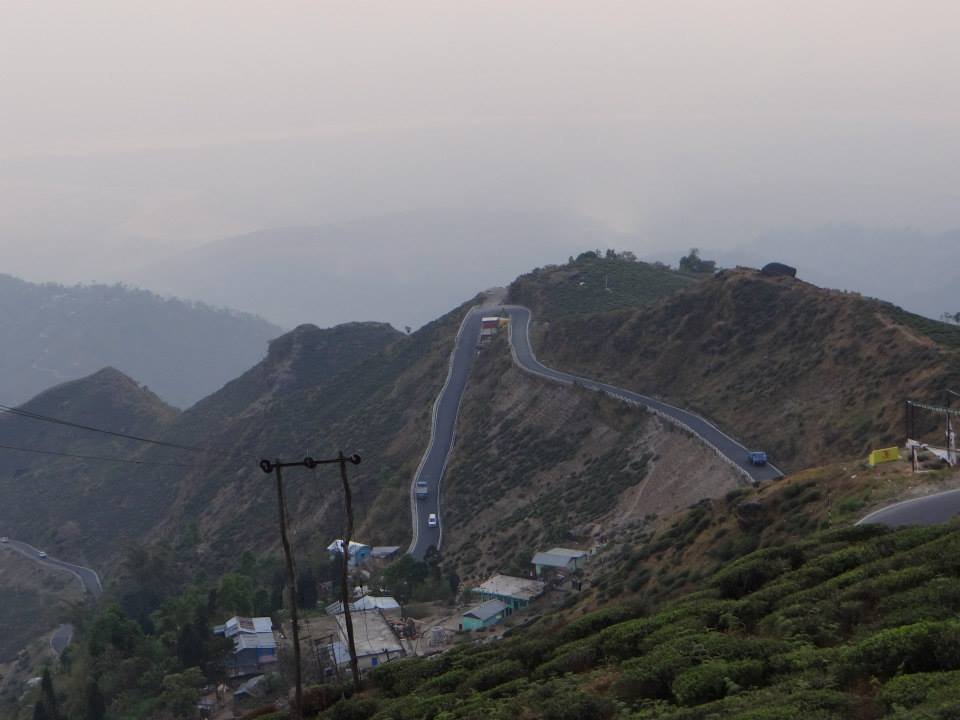
Gangtok Lachung Itinerary: 6-Day North Sikkim Trip (2026)
Last updated: July 8, 2026
The Gangtok–Lachung route takes you into the wild, high heart of North Sikkim — from the cheerful capital of Gangtok up to the alpine village of Lachung, the flower-filled Yumthang Valley, and, for the well-acclimatised, the sacred high-altitude Gurudongmar Lake. It is one of the most spectacular mountain journeys in India, climbing through dramatic gorges and waterfalls to a realm of snow peaks, hot springs and glacial valleys. Remote and breathtaking, it rewards travellers who plan carefully and respect the altitude.
This 2026 itinerary guide for Indian travellers covers how to get there, the permits you need, the best time to go, what it costs, a day-by-day plan, where to stay and eat, and the practical tips for a safe North Sikkim trip.
- Getting there & permits: Reach Gangtok via Bagdogra or NJP; North Sikkim (Lachung, Yumthang, Gurudongmar) requires permits and must be booked through a registered Sikkim operator.
- Best time: March–May for rhododendrons in Yumthang and October–early December for clear skies; the monsoon brings landslide risk.
- Budget: ₹3,000–7,000 per day, usually as an operator package including permits.
- Don’t miss: The Yumthang “Valley of Flowers”, Lachung, and Gurudongmar Lake (altitude permitting).
Part 1 of 8
Why this North Sikkim route works so well
North Sikkim is the dramatic high country that makes a Sikkim trip unforgettable. Beyond Gangtok’s comfortable charm lies a world of plunging gorges, roaring waterfalls, alpine villages and valleys carpeted with rhododendrons or dusted with snow, rising to one of the highest lakes you can reach by road. A few well-planned days take you from the capital to this remote realm and back, with scenery that shifts dramatically by the hour.
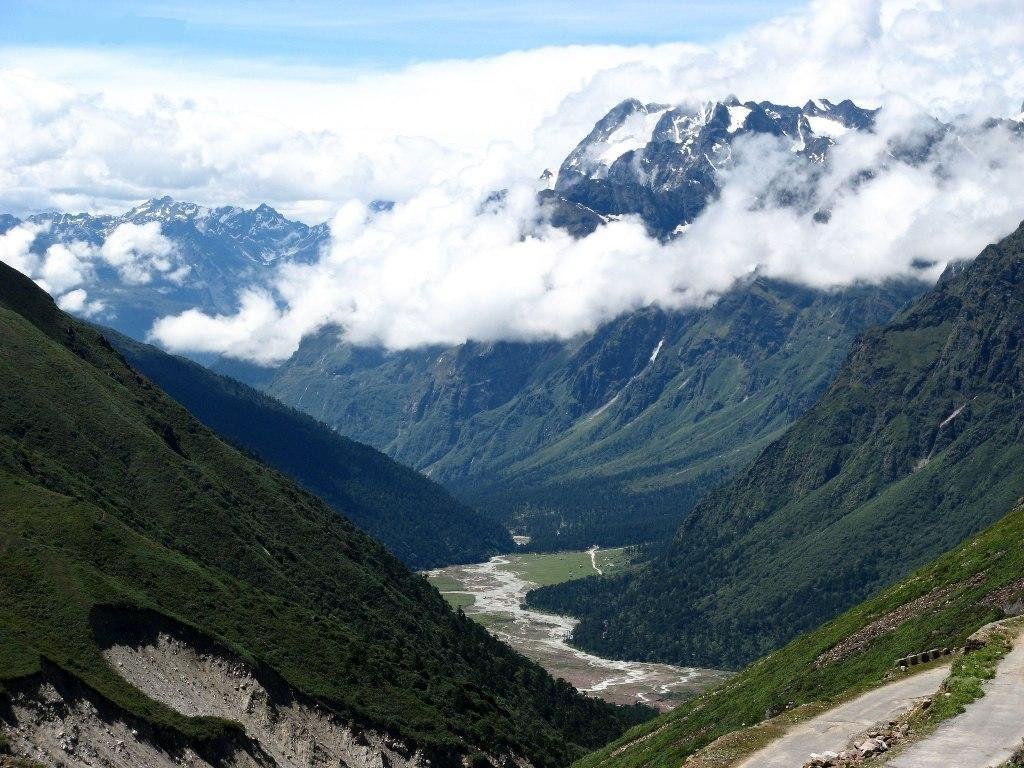
Yumthang Valley
The “Valley of Flowers”, ablaze with rhododendrons in spring.
Lachung
A pretty alpine village and base for the high valleys.
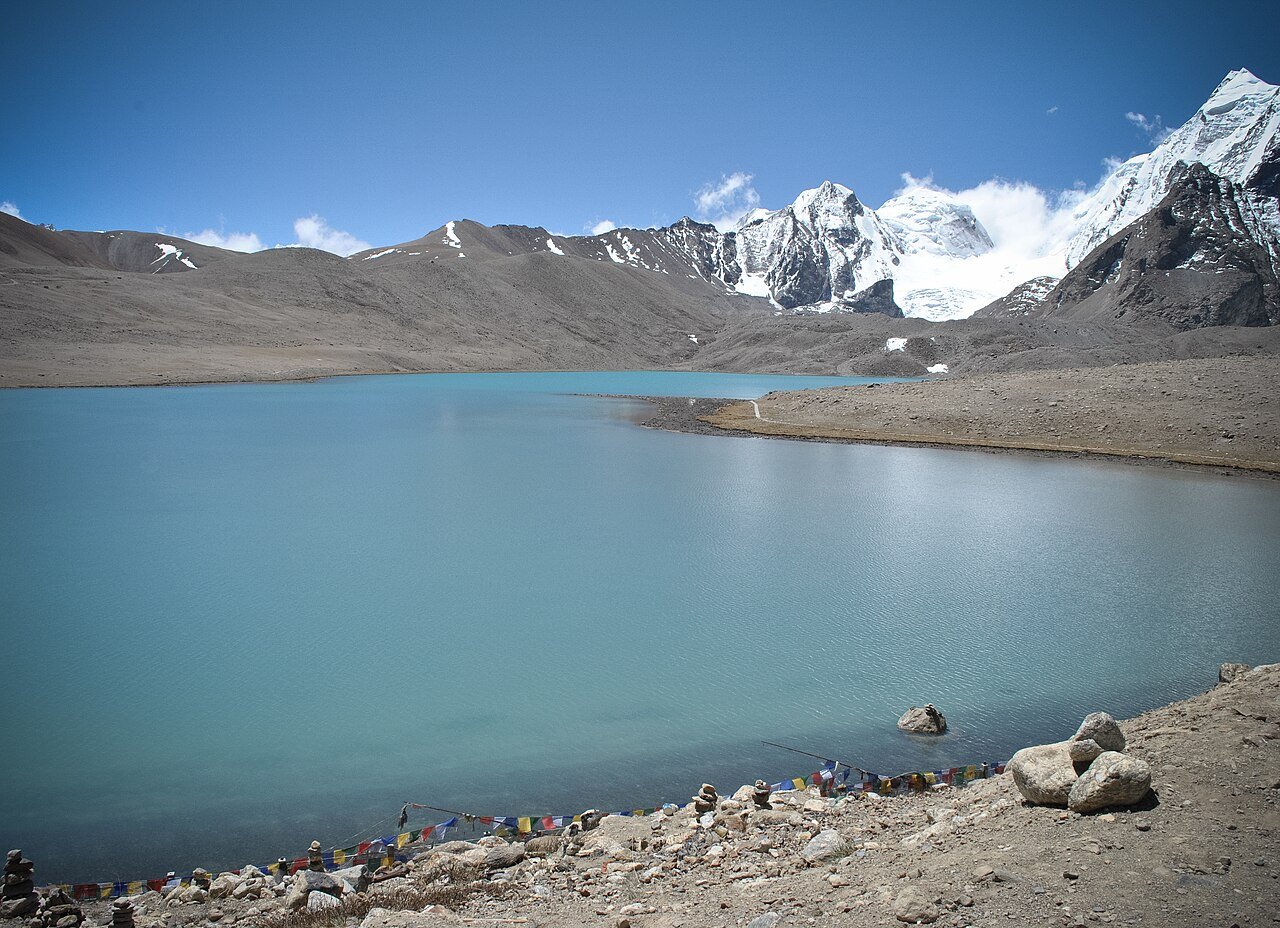
Gurudongmar Lake
A sacred, sky-high glacial lake near the frontier (altitude permitting).
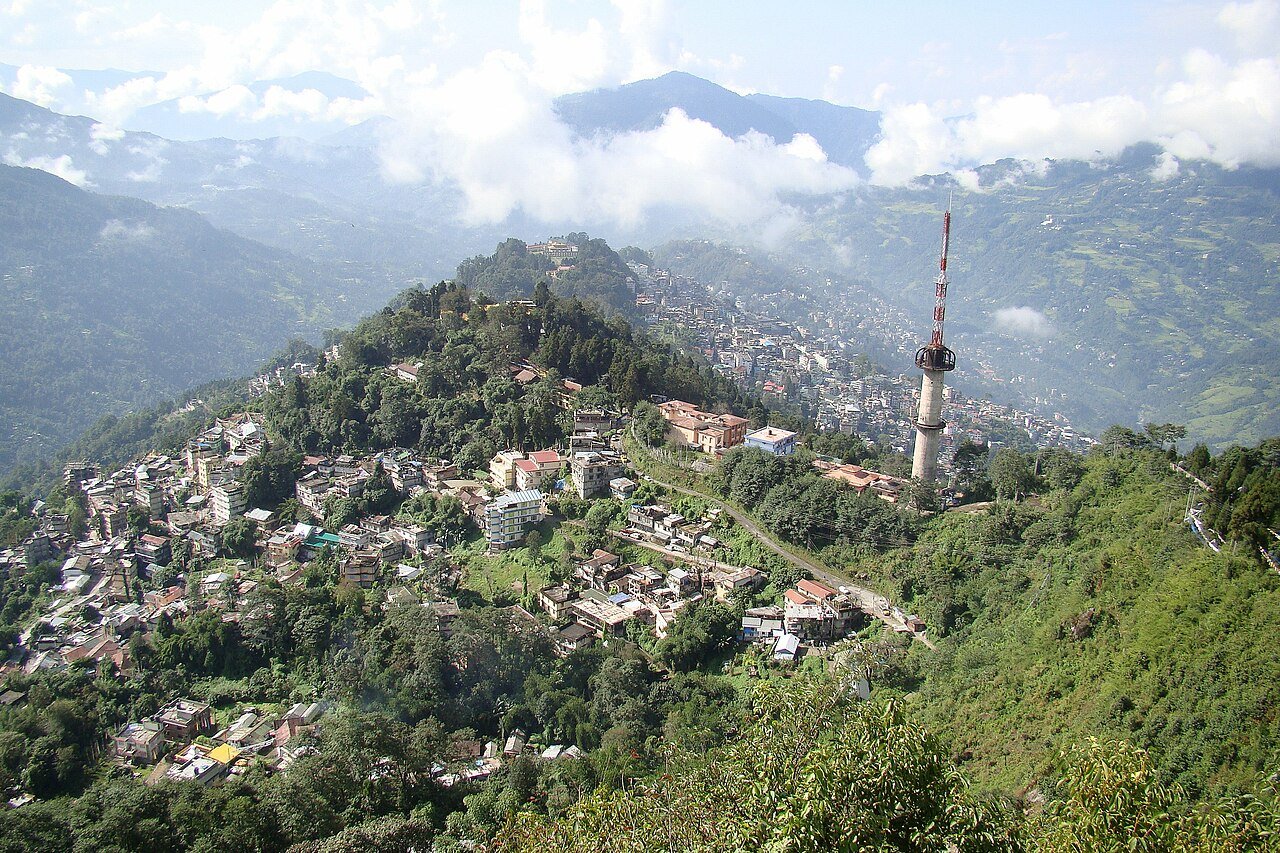
Gangtok
The clean, lively capital with MG Marg and monasteries.
Hot springs
Yumthang’s natural hot springs amid the peaks.
Waterfalls & gorges
Dramatic falls and river gorges on the drive up.
Whether you come for the flowers, the snow or the sheer high-Himalayan drama, this Gangtok–Lachung route delivers some of the most spectacular scenery in the country.
Gangtok to Lachung is the road into Sikkim’s wild high country — gorges and waterfalls giving way to flower valleys and a lake near the roof of the world.
Part 2 of 8
Getting there and permits
North Sikkim is reached via Gangtok, and the high valleys are tightly controlled, so they must be arranged through a registered operator.
By air/rail: Fly to Bagdogra or train to New Jalpaiguri (NJP), then drive up to Gangtok (4–5 hours), the base for North Sikkim trips.
Permits: Lachung, Yumthang and Gurudongmar lie in protected North Sikkim, so Indian travellers need permits arranged through a registered Sikkim tour operator, who organises the paperwork, vehicle and stays as a package. Carry photo ID and passport-size photos; foreign nationals face additional restrictions in these border areas.
Pro tip
Book North Sikkim as a package through a reputable registered operator from Gangtok — independent travel is not permitted to Lachung, Yumthang and Gurudongmar, and the operator handles permits, the 4×4 and the village homestays.
Getting around: Travel is by shared or reserved 4×4 (the only vehicles allowed on these rough high routes), arranged by your operator. The roads are demanding, so allow time and take altitude seriously.
Part 3 of 8
Best time for this trip
North Sikkim’s high valleys are very seasonal, and the timing shapes whether you see flowers, snow or clear skies.
| Season | Months | What to expect |
|---|---|---|
| Spring | Mar–May | Rhododendrons blaze in Yumthang — the famous “Valley of Flowers” season. |
| Early summer | Jun | Green and pleasant, though some routes may still be clearing snow. |
| Monsoon | Jul–Sep | Heavy rain and serious landslide risk; routes often closed or unsafe. |
| Autumn | Oct–early Dec | Crisp, clear skies and superb views; cold, with snow possible at the lakes. |
For the rhododendron bloom in Yumthang, come in spring (March–May); for the clearest skies and snow-dusted peaks, choose October to early December. Avoid the monsoon, when landslides frequently close the high North Sikkim roads, and note that Gurudongmar in particular can be snowbound or closed at the coldest times.
Part 4 of 8
Costs and budgeting for Indians
North Sikkim is usually sold as an operator package, which keeps costs predictable. Here is a realistic per-person, per-day guide for 2026, excluding flights.
| Style | Daily budget | What it covers |
|---|---|---|
| Backpacker | ₹2,500–4,000 | A shared-jeep North Sikkim package with basic homestays, permits and meals. |
| Mid-range | ₹4,500–7,000 | A reserved or small-group package, comfortable village stays, permits and meals. |
| Premium | ₹9,000+ | A private vehicle, the best available stays and a more flexible, curated package. |
The North Sikkim leg is typically a bundled package (permits, 4×4, homestay and meals), often cheaper when shared in a full jeep. Accommodation in Lachung is basic but characterful. Carry plenty of cash — there are essentially no ATMs and no connectivity beyond Gangtok, so digital payments will not work in the high valleys.
Good to know
Gurudongmar Lake sits above 5,000 m — acclimatise in Gangtok and Lachung first, ascend gradually, and skip it if you feel unwell. Carry cash, warm gear and any medication, as facilities are minimal in North Sikkim.
Part 5 of 8
The Gangtok–Lachung itinerary
This plan acclimatises in Gangtok before the high North Sikkim valleys.
Day 1 — Gangtok: Arrive from Bagdogra/NJP, settle in, explore MG Marg and nearby monasteries, and acclimatise.
Day 2 — Gangtok to Lachung: Drive the spectacular road north past gorges and waterfalls to the alpine village of Lachung, staying overnight.
Day 3 — Yumthang Valley: Visit the Yumthang “Valley of Flowers” and its hot springs (and the higher Zero Point if open), then return to Lachung or Gangtok.
Day 4 (optional) — Lachen & Gurudongmar: For the well-acclimatised, continue to Lachen and the sacred high-altitude Gurudongmar Lake, weather and altitude permitting.
Day 5 — Return to Gangtok: Drive back to Gangtok, with time for Tsomgo Lake or city sights before departure.
Extend your trip: Pair with Darjeeling, Pelling or West Sikkim for a fuller eastern-Himalaya journey.
Pro tip
Do not rush to Gurudongmar — its extreme altitude (over 5,000 m) makes acclimatisation essential. Spend nights in Gangtok and Lachung first, and be willing to skip the lake if you or anyone in your group feels the altitude.
Part 6 of 8
Where to stay, what to eat and experiences
Where to stay: Base in Gangtok near MG Marg at either end, and stay in simple but cosy homestays or guesthouses in Lachung (and Lachen if doing Gurudongmar), arranged by your operator. Accommodation in the high villages is basic, so set expectations accordingly.
What to eat: Sikkimese and Tibetan food is the staple — momos, thukpa, gundruk and warming local dishes, with home-cooked meals at the village homestays. Eat light and hydrate well at altitude, and carry some snacks for the long drives.
Yumthang flowers
Walk the rhododendron-filled valley in spring.
Hot springs
Soak in Yumthang’s natural hot springs amid the peaks.
Gurudongmar
Reach the sacred sky-high lake (altitude permitting).
Gangtok base
Enjoy MG Marg and monasteries before and after the high valleys.
For more, add Tsomgo Lake near Gangtok, the higher Zero Point beyond Yumthang when open, and the monasteries and viewpoints around the capital.
Part 7 of 8
Practical tips for Indian travellers
North Sikkim’s altitude and remoteness make careful planning essential for a safe trip.
Book via operator
North Sikkim needs permits and a registered operator — no independent travel.
Acclimatise
Spend nights in Gangtok and Lachung before Gurudongmar’s extreme altitude.
Carry cash
No ATMs or connectivity beyond Gangtok; digital payments will not work.
Pack for cold
Even in spring the high valleys are freezing; bring serious warm layers.
Altitude is the single biggest consideration: Yumthang is high and Gurudongmar sits above 5,000 m, so acclimatise gradually, hydrate, avoid overexertion and alcohol, and descend or skip the highest points if symptoms appear. Consult a doctor beforehand if you have heart or respiratory conditions. The roads are rough and weather-dependent, so keep a flexible, buffered schedule, respect Sikkim’s plastic-free ethos, and travel only with a trusted registered operator.
This route is the high-altitude highlight of a Sikkim trip and pairs naturally with the rest of the region — Gangtok and Tsomgo, Darjeeling’s tea and toy train, or West Sikkim’s Pelling and monasteries. Building one of these in turns a Gangtok–Lachung adventure into a fuller eastern-Himalaya journey.
Part 8 of 8
Frequently asked questions
Do I need permits for Lachung and Yumthang?
Yes. Lachung, Yumthang and Gurudongmar are in protected North Sikkim, so Indian travellers need permits arranged through a registered Sikkim operator, who handles the paperwork, 4×4 and stays as a package. Independent travel is not allowed on these routes.
When is the best time to visit North Sikkim?
Spring (March–May) for the Yumthang rhododendron bloom, and October to early December for clear skies and snow-dusted peaks. Avoid the monsoon (July–September), when landslides frequently close the high roads.
How high is Gurudongmar Lake and is it safe?
Gurudongmar sits above 5,000 m, so it is a serious altitude. Acclimatise in Gangtok and Lachung/Lachen first, ascend gradually, and be ready to skip it if you feel unwell. Those with heart or respiratory conditions should consult a doctor before attempting it.
How do I get to Lachung from Gangtok?
By a shared or reserved 4×4 arranged by your registered operator, on a spectacular but rough mountain road of around 6–7 hours past gorges and waterfalls. Private vehicles other than permitted 4×4s are not allowed on these routes.
How many days do I need for this trip?
Around four to five days — acclimatising in Gangtok, driving to Lachung, visiting Yumthang, and optionally adding Lachen and Gurudongmar before returning. Combine with Gangtok’s Tsomgo Lake or Darjeeling for a longer trip.
Is there phone signal and ATM access in North Sikkim?
Essentially no. Connectivity and ATMs are limited to Gangtok, with nothing reliable in the high valleys. Carry plenty of cash, download offline maps, and do not count on mobile data beyond the capital.
Is North Sikkim suitable for families?
It can be for older children and fit families, but the high altitude, long rough drives and basic facilities make it unsuitable for very young children or anyone with health concerns. Acclimatise carefully and consider skipping Gurudongmar with young kids.
What can I combine with a Gangtok–Lachung trip?
It pairs naturally with Gangtok and Tsomgo Lake, Darjeeling’s tea and toy train, or West Sikkim’s Pelling and monasteries, for a fuller eastern-Himalaya journey.
Is Yumthang or Gurudongmar the better day trip?
They suit different travellers. Yumthang (the Valley of Flowers) is lower, more accessible and stunning in spring, while Gurudongmar is far higher (above 5,000 m), more demanding and weather-dependent but unforgettable. If altitude is a concern, prioritise Yumthang; if you are fit and acclimatised, do both.
How many days does North Sikkim need from Gangtok?
Allow at least three to four days from Gangtok — a night or two in Lachung for Yumthang, plus extra time and a Lachen night if you want to add Gurudongmar. Building in acclimatisation and weather buffer makes the high valleys safer and more enjoyable.
The bottom line
The Gangtok–Lachung route is North Sikkim at its most spectacular — gorges and waterfalls climbing to flower-filled valleys, hot springs and a sacred lake near the roof of the world. Travel in spring for the rhododendrons or autumn for clear skies, book through a registered operator for the permits and 4×4, acclimatise carefully, and carry cash and warm gear. Do that, and this high-Himalayan adventure will reward you with some of the most breathtaking scenery in all of India. Go with a trusted operator, take the altitude seriously, and the high valleys of North Sikkim will reward you with a Himalayan experience few other journeys can match.
Related reading
 Darjeeling Gangtok Itinerary: 6-Day Eastern Himalaya Trip (2026)
 Ooty Kodaikanal Itinerary: 5-Day Hill Station Trip (2026)
 Shimla Manali Itinerary: 6-Day Himachal Trip Plan (2026)
Photos sourced from Wikimedia Commons under their respective Creative Commons licences. Permit, road and altitude details are indicative for 2026; confirm with a registered Sikkim operator before you travel.