Shimla Manali Itinerary: 6-Day Himachal Trip Plan (2026)
Last updated: July 8, 2026
The Shimla–Manali road trip is the classic Himachal holiday — a journey from the colonial charm of the old summer capital to the snow-streaked peaks and adventure valleys around Manali, linked by some of the most scenic mountain driving in North India. Over six or seven days you can stroll Shimla’s Mall, ride a toy train, play in the snow at Solang, cross the engineering marvel of the Atal Tunnel, and soak up the Beas valley’s pine-and-river beauty. Accessible from Delhi and Chandigarh, it is North India’s favourite mountain getaway.
This 2026 itinerary guide for Indian travellers covers how to get there, the best time to go, what it costs, a day-by-day plan, where to stay and eat, and the practical tips for a smooth Shimla–Manali trip.
- Getting there: Fly to Chandigarh or take the Kalka–Shimla toy train, then continue by road; overnight Volvo buses run from Delhi to both towns.
- Best time: March–June for pleasant weather and accessible snow points; December–February for snow, with the monsoon best avoided.
- Budget: ₹2,500–6,000 per day, plus a hired car or Volvo for the legs between towns.
- Don’t miss: Shimla’s Ridge and toy train, Solang Valley, the Atal Tunnel and Old Manali.
Part 1 of 8
Why the Shimla–Manali route works so well
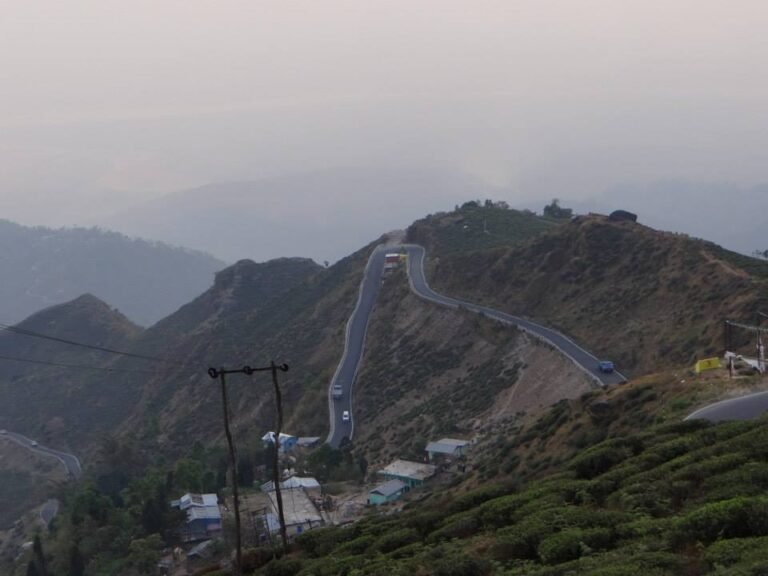
This trip pairs two very different sides of Himachal. Shimla offers heritage, gentle walks and a buzzing pedestrian Mall, while Manali brings dramatic high mountains, snow points, adventure sports and a laid-back café culture in Old Manali. The drive between them, through the Kullu valley along the Beas river, is an attraction in itself — making for a varied, scenic and well-loved mountain holiday.
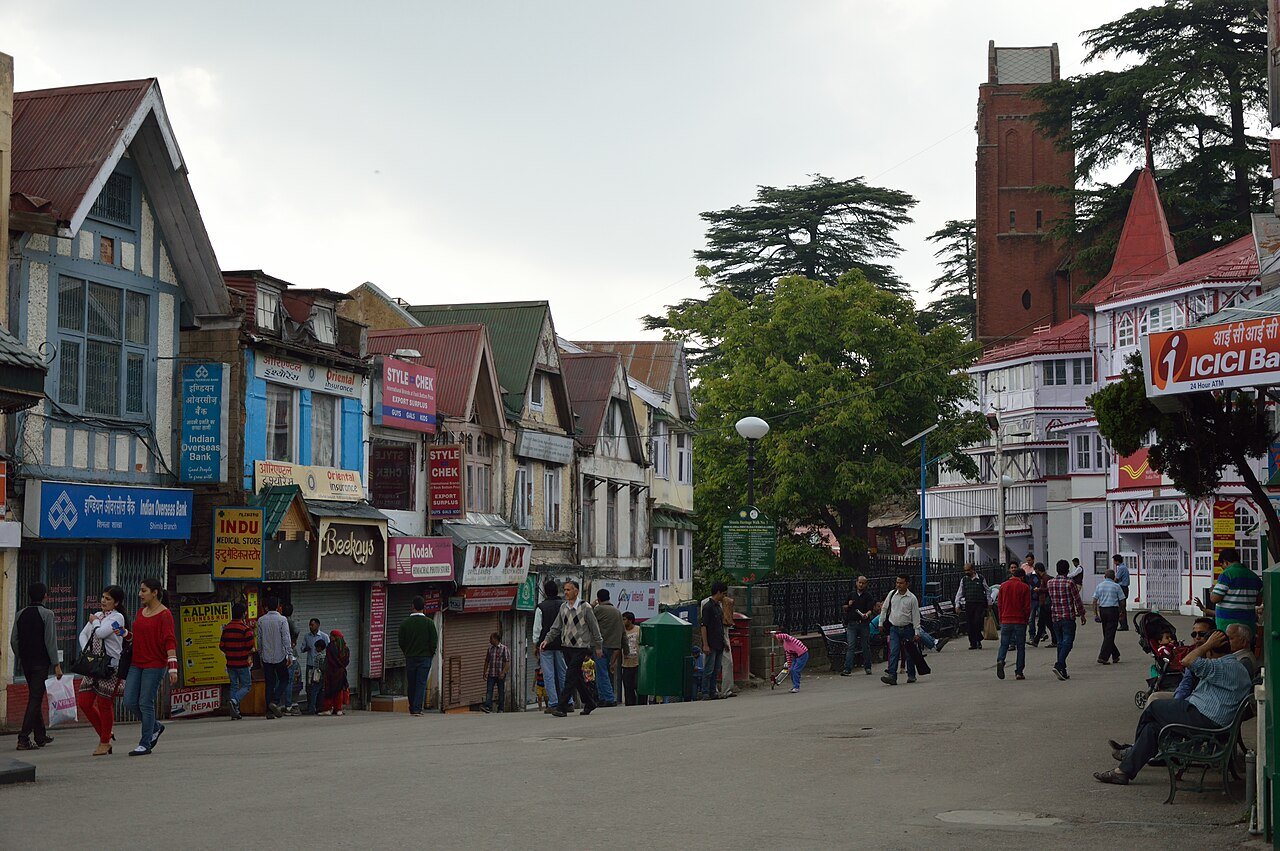
Shimla Ridge & Mall
A breezy, traffic-free promenade and colonial landmarks.
Toy train
The UNESCO Kalka–Shimla railway through tunnels and pine.
Solang Valley
Snow play, skiing and paragliding above Manali.
Atal Tunnel
A drive through the world-class tunnel into the Lahaul valley.
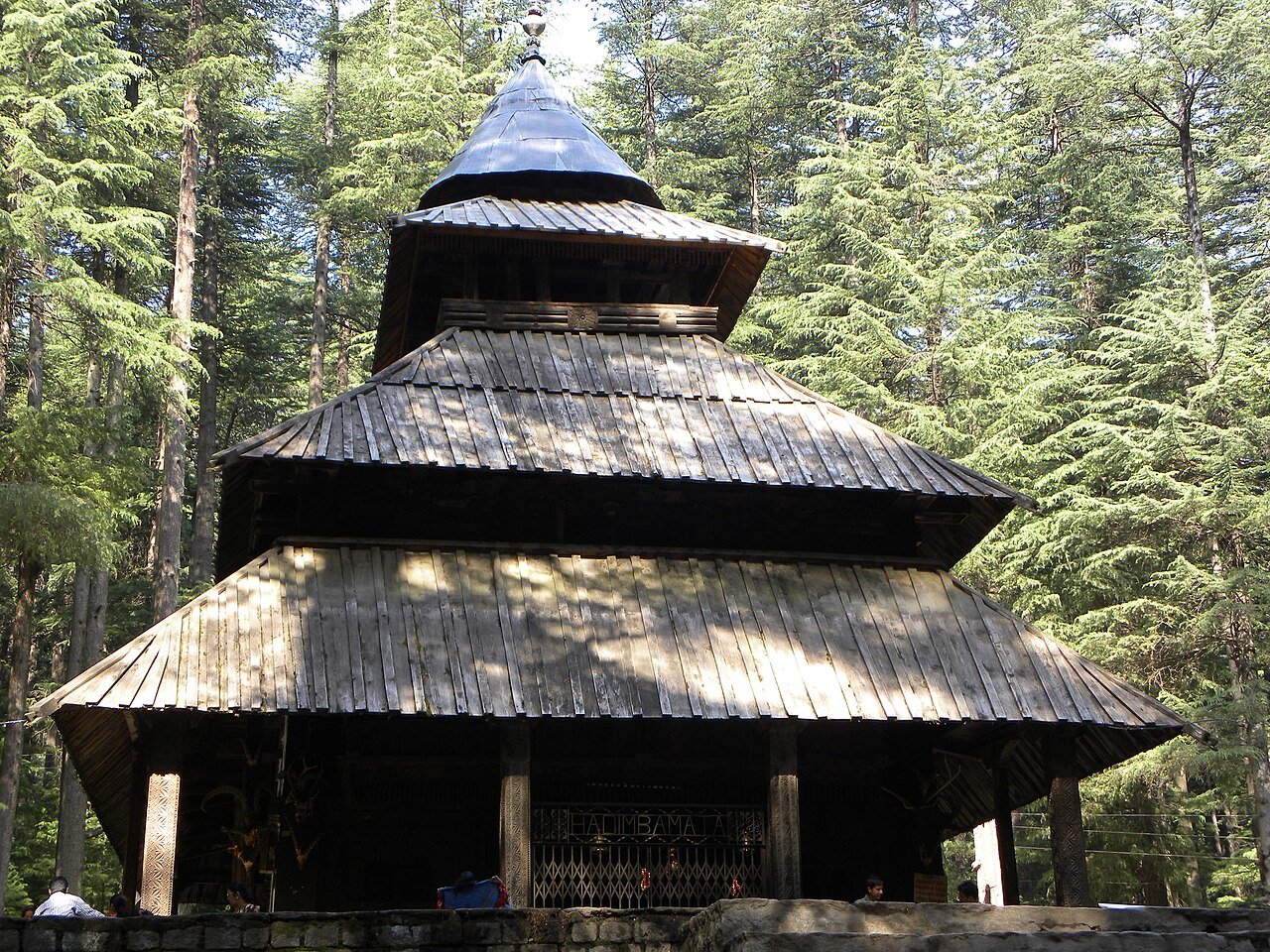
Hadimba Temple
A serene cedar-forest temple in the heart of Manali.
Old Manali
Riverside cafés, a relaxed vibe and mountain views.
Whether you want heritage and gentle sightseeing or snow and adventure, the Shimla–Manali loop delivers both in one accessible Himalayan road trip.
Shimla to Manali is Himachal’s greatest road trip — a colonial Mall, a toy train, a snow valley and a tunnel through the mountains, all in one week.
Part 2 of 8
Getting there and the route
Both towns are reached via Chandigarh and the foothills, with the scenic toy train an option for the Shimla leg.
By air: Chandigarh (around 115 km from Shimla) is the main airport; Kullu-Manali’s Bhuntar airport has limited flights. Most travellers fly to Chandigarh and continue by road or train.
By train: The Kalka–Shimla toy train is a scenic way to reach Shimla; Kalka connects to Delhi and the main network.
By road: Overnight Volvo and HRTC buses run from Delhi to both Shimla and Manali, and a hired car is ideal for the Shimla–Manali leg (roughly 7–8 hours through the Kullu valley) so you can stop at viewpoints along the way.
Pro tip
Do the trip as a loop — Delhi/Chandigarh to Shimla, across to Manali, then back — rather than backtracking. A private car or driver makes the scenic Shimla–Manali leg far more comfortable and lets you stop at Kullu and riverside spots.
Getting around: Both Malls are pedestrian-friendly and walkable, with taxis for Kufri, Solang, the Atal Tunnel and other outlying sights. Agree taxi rates in advance, especially for snow points.
Part 3 of 8
Best time for this trip
Himachal’s mountains are a year-round draw, but the experience changes dramatically between summer crowds, snow season and the risky monsoon.
| Season | Months | What to expect |
|---|---|---|
| Summer | Mar–Jun | The classic escape from the plains — pleasant days and accessible snow at Solang/Rohtang. Peak season; book ahead. |
| Monsoon | Jul–Sep | Lush but with heavy rain and a real landslide risk on the mountain roads — best avoided. |
| Autumn | Oct–Nov | Crisp, clear and uncrowded, with beautiful mountain views. |
| Winter | Dec–Feb | Cold with snow around Manali and Solang — magical, but some high passes and roads can close. |
For pleasant weather with the best chance of accessible snow points, come in spring to early summer. Autumn offers clear views and fewer crowds, and deep winter brings snow to Manali for those prepared for the cold. Avoid the peak monsoon, when landslides frequently disrupt the Kullu valley roads.
Part 4 of 8
Costs and budgeting for Indians
The Shimla–Manali route suits a range of budgets, with transport between towns the main added cost. Here is a realistic per-person, per-day guide for 2026.
| Style | Daily budget | What it covers |
|---|---|---|
| Backpacker | ₹1,800–3,000 | Budget guesthouses, Volvo and local buses, local meals and basic activities. |
| Mid-range | ₹3,500–6,500 | Comfortable hotels, a hired car for the legs and sightseeing, snow activities and good meals. |
| Premium | ₹9,000+ | Resorts or boutique stays, private car throughout, guided adventures and fine dining. |
The biggest variables are accommodation, which spikes in peak summer, and the hired car or Volvo for the Shimla–Manali leg and the snow-point excursions. Snow activities and paragliding at Solang are sold as packages. Carry cash for taxis, snow points and small eateries, though UPI works in the towns.
Good to know
Rohtang Pass requires a permit and is weather-dependent, and snow-point taxi and activity prices can be inflated — agree rates in advance. The Atal Tunnel offers a reliable all-weather route into Lahaul when Rohtang is closed.
Part 5 of 8
The 6-7 day Shimla–Manali itinerary
This loop gives you Shimla’s heritage, the scenic drive, and Manali’s mountains and adventure.
Day 1 — Arrive in Shimla: Travel up from Delhi or Chandigarh (or by toy train), settle in, and enjoy the Ridge, Mall Road and Christ Church in the evening.
Day 2 — Shimla & Kufri: Visit Jakhoo Temple and the Viceregal Lodge, then a Kufri day trip for snow or views.
Day 3 — Drive to Manali: Take the scenic Kullu-valley road to Manali, stopping for river views and Kullu shawls, arriving by evening.
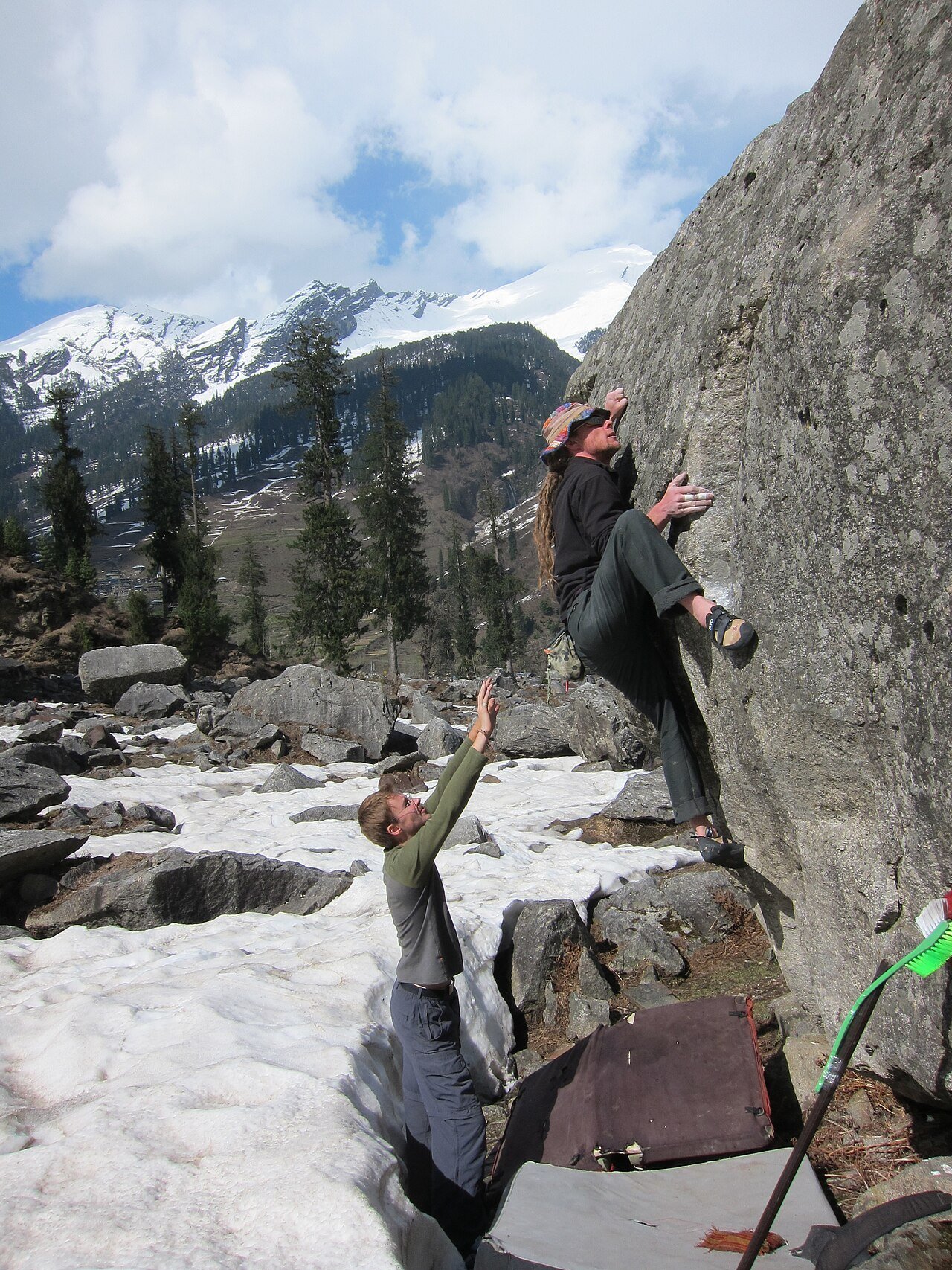
Day 4 — Solang Valley: Spend the day at Solang for snow play, skiing or paragliding, with Hadimba Temple and Old Manali in the late afternoon.
Day 5 — Atal Tunnel & Lahaul: Drive through the Atal Tunnel into the dramatic Lahaul valley, or up towards Rohtang (permit and weather permitting).
Days 6-7 — Leisure & return: Explore Old Manali’s cafés, the Mall and Vashisht hot springs, then begin your journey back to the plains.
Pro tip
Snow points like Solang and Rohtang are busiest and best in the morning. Start early, hire snow gear locally rather than buying, and use the Atal Tunnel as a reliable alternative when Rohtang is closed by weather or permits.
Part 6 of 8
Where to stay, what to eat and experiences
Where to stay: In Shimla, stay near the Mall and Ridge for walkability, or in quieter Mashobra for views. In Manali, choose the Mall area for convenience, Old Manali for cafés and a relaxed vibe, or a riverside resort for tranquillity and mountain scenery.
What to eat: Try Himachali specialities like siddu, madra and chana madra, alongside the cafés, bakeries and street snacks of both Malls. Old Manali is known for its traveller cafés serving everything from Israeli food to wood-fired pizzas, plus hot chai with a view.
Toy train
Ride the Kalka–Shimla heritage railway.
Solang snow
Play in the snow, ski or paraglide above Manali.
Atal Tunnel drive
Cross into the stark beauty of the Lahaul valley.
Vashisht springs
Soak in the natural hot springs near Manali.
For more, add Kufri and Chail near Shimla, the Kullu valley’s shawl workshops, a Beas-river rafting stretch, or a day trip towards Naggar Castle and the Parvati valley.
Part 7 of 8
Practical tips for Indian travellers
Pre-book the train
The Kalka–Shimla toy train sells out, so reserve seats ahead.
Layer up
Evenings are cool year-round and snow points are cold — pack warm clothing.
Plan for crowds
Summer brings traffic and parking limits; arrive early and stay central.
Rohtang permit
Rohtang needs a permit and is weather-dependent; the Atal Tunnel is the all-weather route.
Both towns are busy, popular destinations, so the main frustrations are crowds, traffic and inflated snow-point prices rather than safety. Travelling midweek or in the shoulder seasons helps, as does starting sightseeing early. Drive carefully on the winding mountain roads, take motion-sickness precautions if needed, agree taxi and activity rates in advance at Solang and Rohtang, and keep buffer time for weather delays on the high routes.
The route also pairs well with the wider Himachal. From Manali you can extend to the Parvati valley and Kasol, the Spiti valley in the right season, or the quieter towns of Naggar and Tirthan. Building one of these into your route turns the classic Shimla–Manali loop into a fuller Himalayan journey.
Part 8 of 8
Frequently asked questions
How many days do I need for Shimla and Manali?
Six to seven days is ideal — two in Shimla, the scenic drive across, and three to four in Manali for Solang, the Atal Tunnel and Old Manali. A shorter five-day trip is possible but feels rushed given the driving distances.
How do I get from Shimla to Manali?
The two are linked by a roughly 7–8 hour scenic drive through the Kullu valley. A hired car or taxi is the most comfortable option and lets you stop en route, while Volvo and HRTC buses also connect the towns.
When is the best time for this trip?
March to June is the popular summer window with accessible snow points, autumn offers clear views and fewer crowds, and December to February brings snow to Manali. Avoid the monsoon (July–September), when landslides disrupt the roads.
Do I need a permit for Rohtang Pass?
Yes. Rohtang Pass requires a permit and is weather-dependent, with limited daily numbers. The Atal Tunnel provides a reliable all-weather route into the Lahaul valley when Rohtang is closed, and is a spectacular drive in itself.
Where can I see snow near Manali?
Solang Valley is the main snow point near Manali, with snow play, skiing and paragliding, while Rohtang (in season and with a permit) and the Lahaul side of the Atal Tunnel also offer snow. Solang is busiest in the morning, so start early.
Is the Shimla–Manali trip good for families?
Very. Families enjoy Shimla’s toy train and Mall, Kufri and Solang snow play, the Atal Tunnel drive and Manali’s gentle sights. Just plan realistic driving times and book ahead in peak summer.
How do I deal with summer crowds and prices?
Travel midweek or in the shoulder seasons if you can, arrive early at snow points and viewpoints, stay centrally so you can walk the Malls, agree taxi and activity rates in advance, and book accommodation well ahead.
What can I add to this itinerary?
From Manali you can extend to the Parvati valley and Kasol, the Spiti valley in season, or the quieter towns of Naggar and Tirthan, turning the classic Shimla–Manali loop into a longer Himachal journey.
The bottom line
The Shimla–Manali loop is the definitive Himachal road trip — colonial heritage and a toy train at one end, snow valleys, a landmark tunnel and riverside cafés at the other, joined by a gorgeous mountain drive. Come in spring for accessible snow or autumn for clear views, travel as a loop with a hired car, start your snow-point days early, and keep buffer time for the weather. Do that, and this classic route will reward you with one of North India’s most enjoyable and varied mountain holidays.
Related reading
 Self-Drive Car Rentals in India: A Complete Guide (2026)
 Gangtok Lachung Itinerary: 6-Day North Sikkim Trip (2026)
 Darjeeling Gangtok Itinerary: 6-Day Eastern Himalaya Trip (2026)
Photos sourced from Wikimedia Commons under their respective Creative Commons licences. Travel details, permits and road conditions are indicative for 2026; confirm locally before you travel.