Vietnam + Cambodia 10-Day Itinerary 2026 — Hanoi, Ha Long, Hoi An & Angkor Wat
Last updated: July 8, 2026
Vietnam and Cambodia make one of Southeast Asia’s most rewarding two-country combinations — pairing Vietnam’s dramatic landscapes, buzzing cities and incredible food with the timeless temples of Cambodia’s Angkor. Over ten days you can cruise the karst islands of Halong Bay, wander the lantern-lit streets of Hoi An, feel the energy of Ho Chi Minh City, and watch sunrise over the largest religious monument on earth. Affordable, varied and easy to enter on e-visas, it is a bucket-list trip that Indian travellers can do comfortably in well under a fortnight.
This 2026 itinerary guide for Indian travellers covers visas and flights, the best time to go, what it costs, a day-by-day plan, where to stay and eat, and the practical tips for a smooth two-country journey.
- Visas: Indians need a Vietnam e-visa and a Cambodia e-visa (or visa on arrival), both applied for online before travel.
- Getting there: No direct flights — connect via Bangkok, Kuala Lumpur or Singapore; fly into Hanoi and out of Siem Reap to avoid backtracking.
- Best time: November to March for the best overall weather across both countries.
- Don’t miss: Halong Bay, Hoi An, Ho Chi Minh City and Angkor Wat.
Part 1 of 8
Why this two-country trip works so well
Combining Vietnam and Cambodia gives you enormous variety in one journey: limestone seascapes and rice-terrace mountains, French-colonial cities and ancient temples, street-food feasts and riverside calm. A short flight links the two countries, the costs are low, and both are welcoming and easy to navigate, making this an ideal introduction to Southeast Asia or a satisfying return trip.
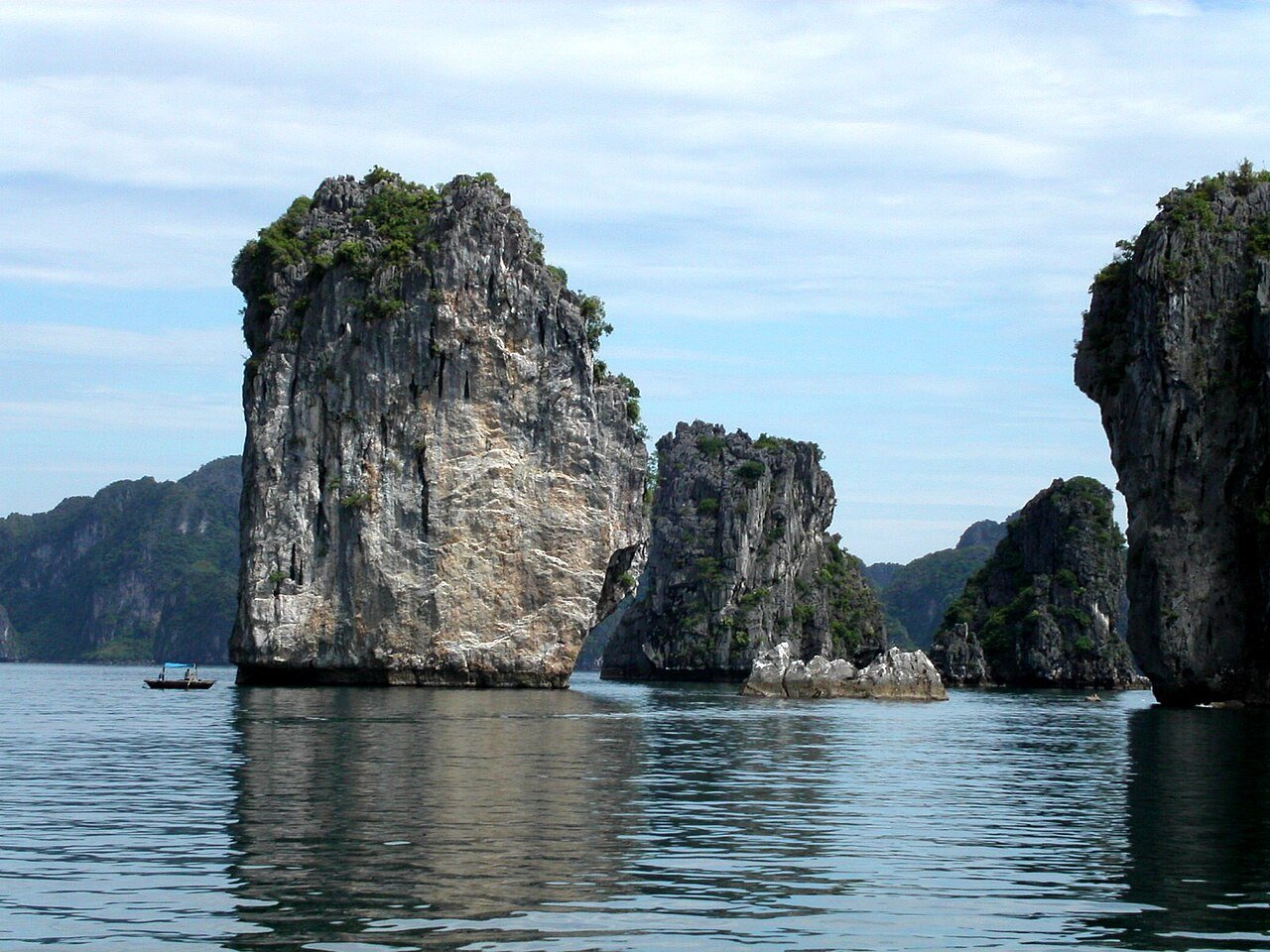
Halong Bay
An overnight cruise among thousands of emerald limestone islands.
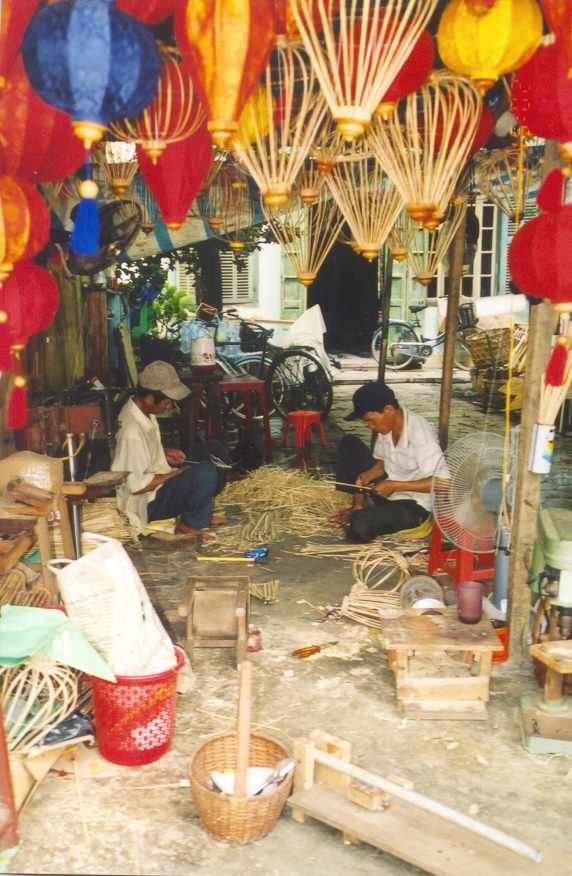
Hoi An
A UNESCO old town of lantern-lit lanes, tailors and riverside cafés.
Ho Chi Minh City
Energetic Saigon, with history, markets and the Cu Chi tunnels nearby.
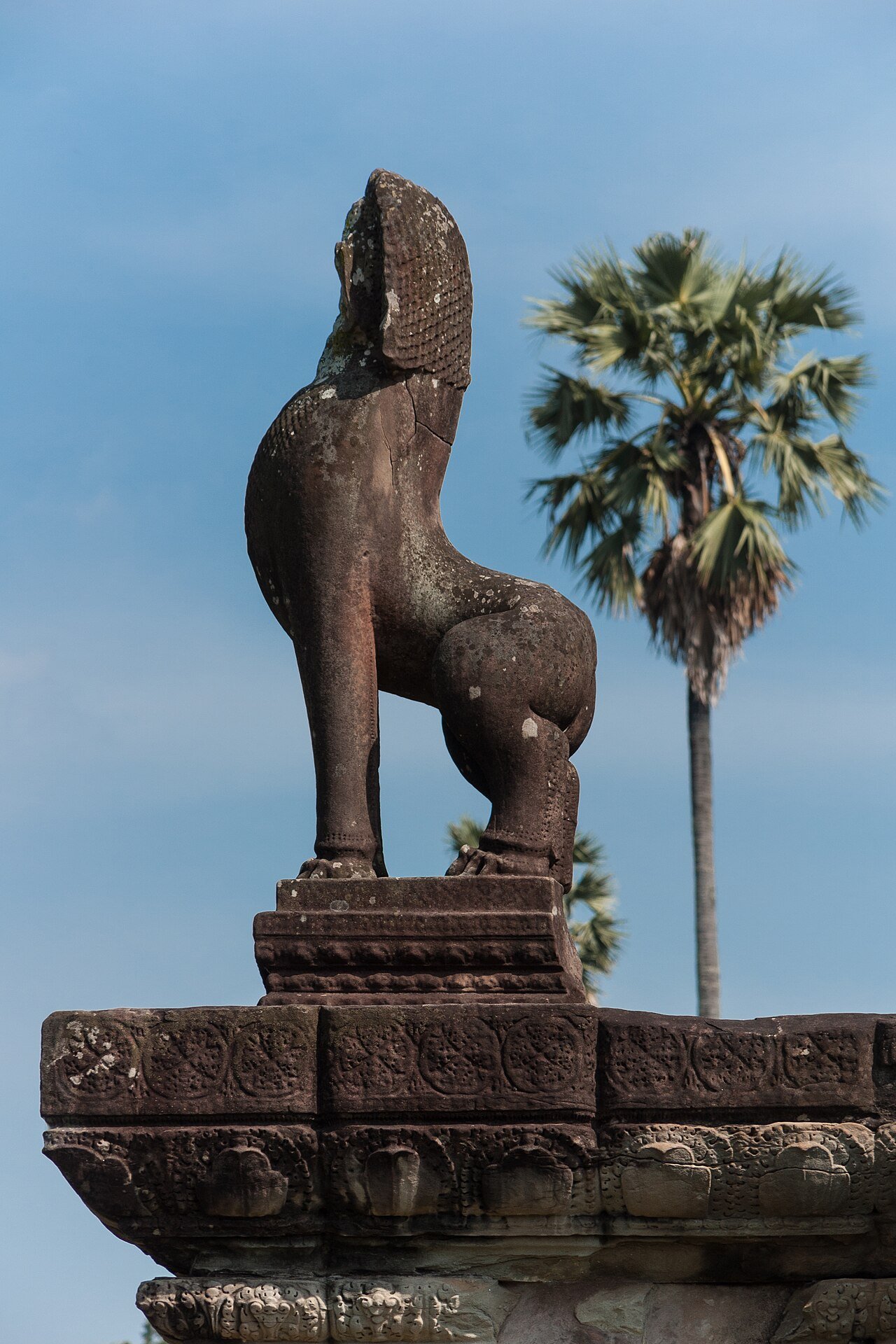
Angkor Wat
Sunrise over the vast temple-city near Siem Reap.
Incredible food
Pho, banh mi and Khmer amok across two great cuisines.
Hanoi & the north
The old quarter, street food and the gateway to Halong Bay.
Whether you crave nature, history, cities or cuisine, this Vietnam–Cambodia loop delivers a hugely satisfying spread across two of the region’s most loved countries.
Vietnam and Cambodia in one trip — karst bays and lantern towns, then sunrise over Angkor: Southeast Asia’s greatest hits in ten days.
Part 2 of 8
Visas and getting there
Both countries are easy for Indians to enter, and an open-jaw flight makes the route efficient.
Visas: Indian passport holders need a Vietnam e-visa, applied for online before travel, and a Cambodia e-visa or visa on arrival, also straightforward to obtain online. Carry a passport valid at least six months, photos and the fees, and confirm the latest rules and processing times before booking.
By air: There are no direct flights from India, so connect via Bangkok, Kuala Lumpur or Singapore. The smartest routing flies into Hanoi (or Ho Chi Minh City) and out of Siem Reap, with a short internal flight linking Vietnam and Cambodia, so you never retrace your steps.
Pro tip
Book an open-jaw ticket (into Hanoi, out of Siem Reap) and a short flight from Ho Chi Minh City to Siem Reap. It saves a full day of backtracking and keeps the itinerary moving forward.
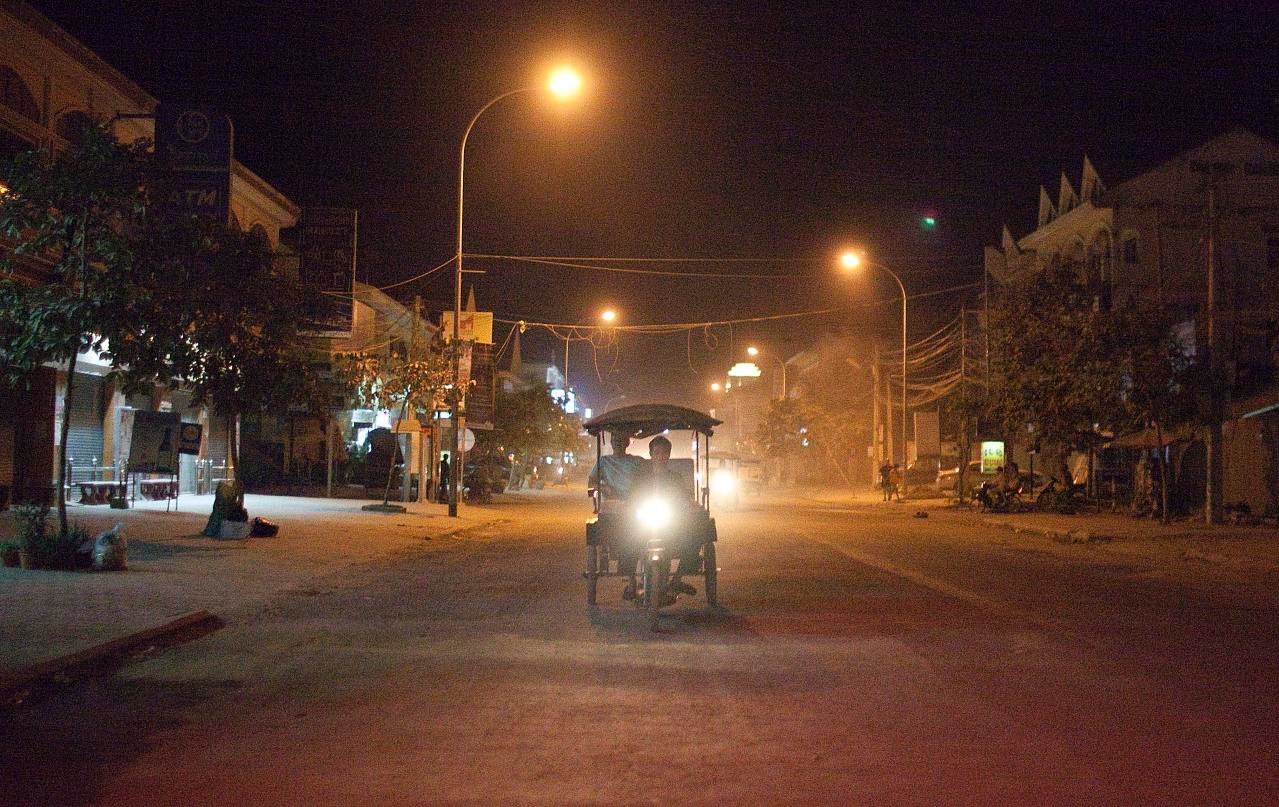
Getting around: Domestic flights link Vietnam’s cities quickly, while trains, buses and private transfers cover shorter hops. In Cambodia, tuk-tuks tour the Angkor temples, and ride-hailing apps operate in the bigger cities.
Part 3 of 8
Best time for this trip
Vietnam spans several climate zones and Cambodia has a tropical monsoon, so the cooler, drier months generally work best across both.
| Season | Months | What to expect |
|---|---|---|
| Peak | Nov–Mar | The best overall window — pleasant and mostly dry across both countries. |
| Hot | Apr–May | Hot and humid, especially in Cambodia; start early and rest at midday. |
| Wet | Jun–Sep | Tropical downpours, lush scenery and lower prices; central Vietnam can flood late in the year. |
| Shoulder | Oct | Rains easing, green landscapes and fewer crowds. |
For the smoothest two-country trip, aim for November to March. Vietnam’s weather varies north to south, so there is no single perfect month everywhere, but this window gives you the best balance of dry days for Halong Bay, the central towns and the Angkor temples.
Part 4 of 8
Costs and budgeting for Indians
Both countries offer excellent value. Here is a realistic per-person, per-day guide for 2026, excluding international flights.
| Style | Daily budget | What it covers |
|---|---|---|
| Backpacker | $30–50 | Hostels and guesthouses, buses and trains, street food and shared tours. |
| Mid-range | $70–130 | Comfortable hotels, an overnight Halong cruise, domestic flights and good meals. |
| Premium | $200+ | Boutique and luxury stays, private guides and transfers, premium cruises and dining. |
Food and local transport are cheap, while the main planned costs are the Halong Bay cruise, internal flights, and the Angkor pass in Cambodia. Carry US dollars (widely used in Cambodia and useful in Vietnam) alongside local dong and riel for everyday spending.
Good to know
Buy your Angkor pass only from official counters or the official site, agree taxi and tuk-tuk fares in advance, and use reputable operators for the Halong cruise, which varies hugely in quality.
Part 5 of 8
The 10-day Vietnam & Cambodia itinerary
This route flows north to south through Vietnam, then crosses to Cambodia for the grand finale at Angkor.
Days 1–2 — Hanoi: Explore the old quarter, street food, Hoan Kiem Lake and the city’s history before heading to the coast.
Day 3 — Halong Bay: Take an overnight cruise among the limestone islands, with kayaking, caves and a sunrise on the water.
Days 4–5 — Hoi An & Da Nang: Fly central, wander Hoi An’s lantern-lit old town, get clothes tailored, and enjoy the beaches and bridges around Da Nang.
Days 6–7 — Ho Chi Minh City: Fly south to energetic Saigon for history, markets and a Cu Chi tunnels or Mekong Delta day trip.
Days 8–10 — Siem Reap & Angkor: Fly to Cambodia for three days of temples — sunrise at Angkor Wat, the Bayon, Ta Prohm and Angkor Thom — with evenings at Pub Street before flying home.
Pro tip
Give Angkor the full three days with a three-day pass rather than cramming it into one. Start at sunrise, rest through the heat, and return for golden-hour temples for the best light and fewest crowds.
Part 6 of 8
Where to stay, what to eat and experiences
Where to stay: In Hanoi and Ho Chi Minh City, stay central near the old quarter or District 1 for food and sights. Choose a reputable overnight boat for Halong Bay, a riverside or old-town stay in Hoi An, and a hotel near Pub Street and the night markets in Siem Reap.
What to eat: Feast on Vietnamese pho, banh mi, fresh spring rolls and strong Vietnamese coffee, then switch to Khmer fish amok, lok lak and red curry in Cambodia. Both cuisines are cheap, fresh and vegetarian-friendly with a little asking.
Halong cruise
Overnight among the karsts with kayaking and caves.
Hoi An tailoring
Get custom clothes made overnight in the old town.
Cu Chi tunnels
Explore the wartime tunnel network near Saigon.
Angkor sunrise
Watch dawn break over Angkor Wat.
For more, add a Mekong Delta boat trip, a Hanoi street-food walk, the beaches of Da Nang, or a Tonle Sap floating village near Siem Reap.
Part 7 of 8
Practical tips for Indian travellers
A few practical notes will keep this two-country trip smooth and stress-free.
Two e-visas
Arrange both the Vietnam and Cambodia e-visas online before you fly.
Open-jaw route
Fly into Hanoi, out of Siem Reap, with an internal hop between countries.
Carry US dollars
Dollars are used in Cambodia and handy in Vietnam, with local currency for small spends.
Temple dress code
Cover shoulders and knees at Angkor and other religious sites.
Both countries are generally safe and very used to tourists, suiting families, couples and solo travellers, with the usual care against petty theft and bag-snatching in busy cities — keep bags secure, especially on scooters passing by. Agree taxi and tuk-tuk fares in advance or use ride-hailing apps, choose reputable Halong cruise operators, and buy the Angkor pass only through official channels. Drink bottled water and pace yourself in the tropical heat.
This itinerary also extends easily. With more time you can add Sapa’s rice terraces or Ninh Binh in Vietnam, the beaches of Phu Quoc or Cambodia’s south coast, or fold in neighbouring Thailand or Laos for a broader Southeast Asia adventure. Building one of these in turns a ten-day loop into a fuller regional journey.
Part 8 of 8
Frequently asked questions
Do Indians need visas for Vietnam and Cambodia?
Yes, both. Indian passport holders need a Vietnam e-visa and a Cambodia e-visa (or Cambodian visa on arrival), all applied for online before travel. Carry a passport valid six months, photos and the fees, and confirm current rules before booking.
How do I reach Vietnam and Cambodia from India?
There are no direct flights, so connect via Bangkok, Kuala Lumpur or Singapore. The smartest routing flies into Hanoi or Ho Chi Minh City and out of Siem Reap, with a short internal flight linking the two countries.
How many days do I need for both countries?
Around ten days works well — roughly a week in Vietnam (Hanoi, Halong Bay, Hoi An and Ho Chi Minh City) and three days in Cambodia for Angkor. Two weeks lets you add more slowly.
When is the best time for this trip?
November to March offers the best overall weather across both countries. Vietnam’s climate varies north to south, so no single month is perfect everywhere, but this window gives the best balance for the key sights.
Is this trip expensive?
No, both countries are very affordable. Food and local transport are cheap, with the main costs being the Halong cruise, internal flights and the Angkor pass. It offers excellent value for a two-country trip.
Should I do an overnight Halong Bay cruise?
Yes, an overnight cruise is the best way to experience Halong Bay, with kayaking, caves and a magical sunrise. Cruise quality varies a lot, so book a reputable operator and read recent reviews before paying.
Is this trip safe for families and solo travellers?
Yes. Both countries are generally safe and tourist-friendly. Take normal precautions against petty theft in cities, secure bags against scooter snatch-thefts, agree fares in advance, and drink bottled water.
What can I add to this itinerary?
With more time you can add Sapa or Ninh Binh in Vietnam, Phu Quoc or southern Cambodia’s beaches, or extend into Thailand or Laos for a broader Southeast Asia journey.
Is 10 days enough for both Vietnam and Cambodia?
Yes, ten days covers the highlights comfortably — about a week in Vietnam for Hanoi, Halong Bay, Hoi An and Ho Chi Minh City, plus three days in Cambodia for Angkor. Using domestic flights between cities keeps the pace relaxed; if you have two weeks, you can add slower stops without rushing.
How do I travel between Vietnam and Cambodia?
The easiest way is a short internal flight, typically from Ho Chi Minh City to Siem Reap, which takes about an hour. Overland bus and Mekong boat routes also exist and are cheaper but much slower, so most travellers on a ten-day trip fly to save time.
The bottom line
A combined Vietnam and Cambodia trip is Southeast Asia’s greatest hits in one journey — karst seascapes, lantern towns, vibrant cities and the sublime temples of Angkor. Arrange both e-visas, fly an open-jaw route to avoid backtracking, come in the cooler dry months, and give Angkor the time it deserves. Do that, and these ten days will deliver one of the most varied and rewarding overseas adventures an Indian traveller can take. From a cruise among the karsts to a sunrise over Angkor, it is the kind of trip that delivers a new highlight almost every single day.
Related reading
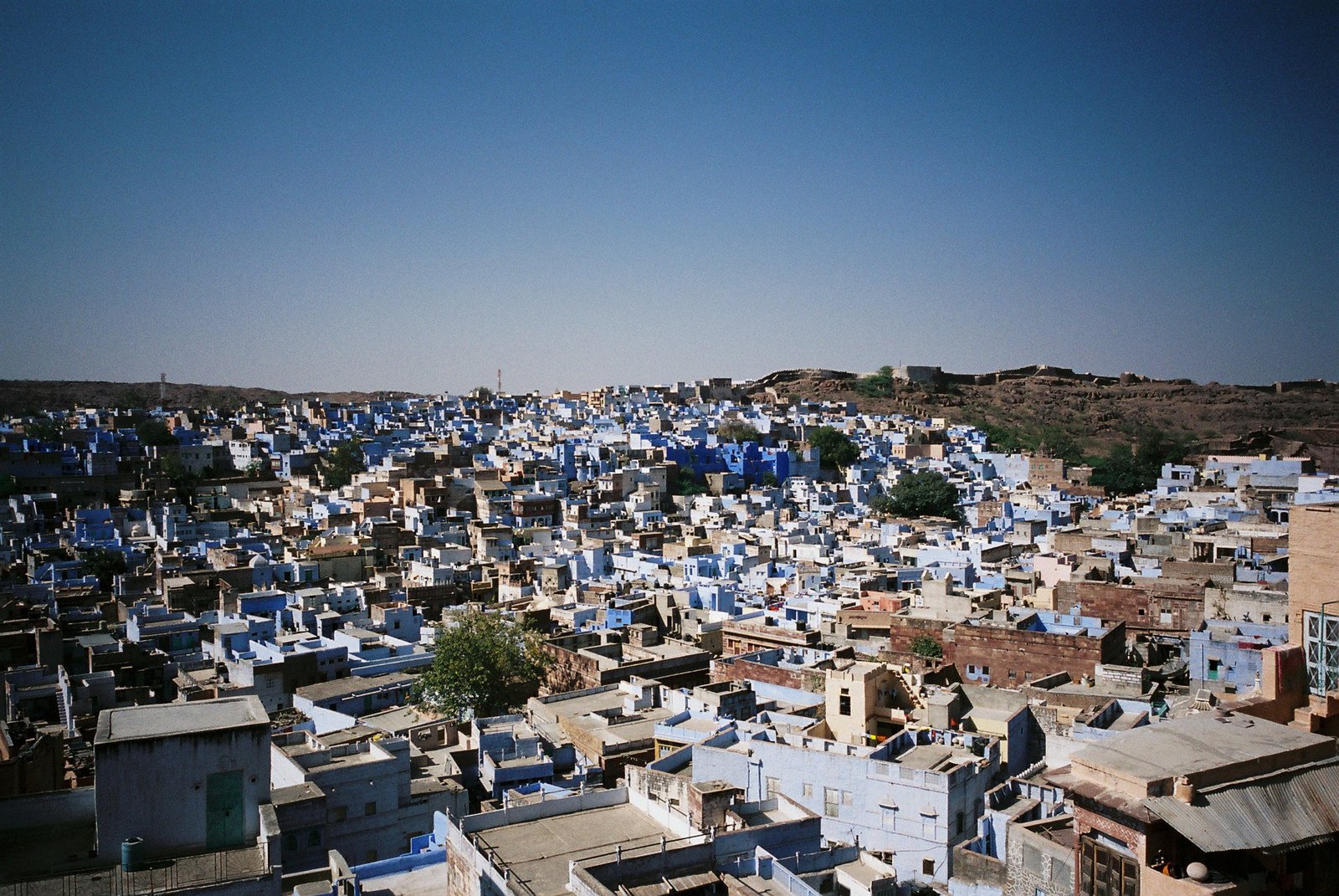 Jodhpur Itinerary: 2-Day Blue City Plan (2026)
 Thailand + Cambodia 10-Day Itinerary for Indians (2026)
 South Korea Travel Guide for Indians (2026)
Photos sourced from Wikimedia Commons under their respective Creative Commons licences. Visa, flight and travel details are indicative for 2026; confirm current e-visa rules and bookings before you travel.