Egypt 8-Day Itinerary 2026 — Cairo, Nile Cruise, Luxor, Aswan & Abu Simbel
Last updated: July 8, 2026
Eight days is the ideal length to experience the wonders of ancient Egypt — enough to combine the Pyramids of Giza, the temples and tombs of Luxor, a magical Nile cruise to Aswan, and even the colossal monuments of Abu Simbel. This well-paced route takes you through 4,500 years of history, from Cairo’s treasures to the timeless river that gave birth to a civilisation, with comfort and minimal backtracking.
This 2026 itinerary for Indian travellers lays out a practical day-by-day 8-day plan for Egypt, with tips on visas, internal travel, the Nile cruise, costs and what not to miss.
- Visa: Indians need a visa for Egypt — the e-Visa online is the easiest route; apply before travel.
- Getting around: Fly Cairo–Luxor/Aswan to save time, and let the Nile cruise handle the south.
- Best time: October to April for comfortable temperatures; this route runs year-round.
- This route: Cairo → Luxor → Nile cruise → Aswan → (Abu Simbel) → Cairo, in 8 days.
Part 1 of 8
Why 8 days in Egypt works so well
Eight days lets you see Egypt’s essential icons without rushing. You get Cairo’s Pyramids, Sphinx and the Grand Egyptian Museum, Luxor’s extraordinary temples and royal tombs, the relaxed magic of a Nile cruise past riverside temples, and Aswan’s gentler charms — with the option to add Abu Simbel. Internal flights and the cruise do the heavy lifting, so you spend your time among monuments, not on long road journeys.
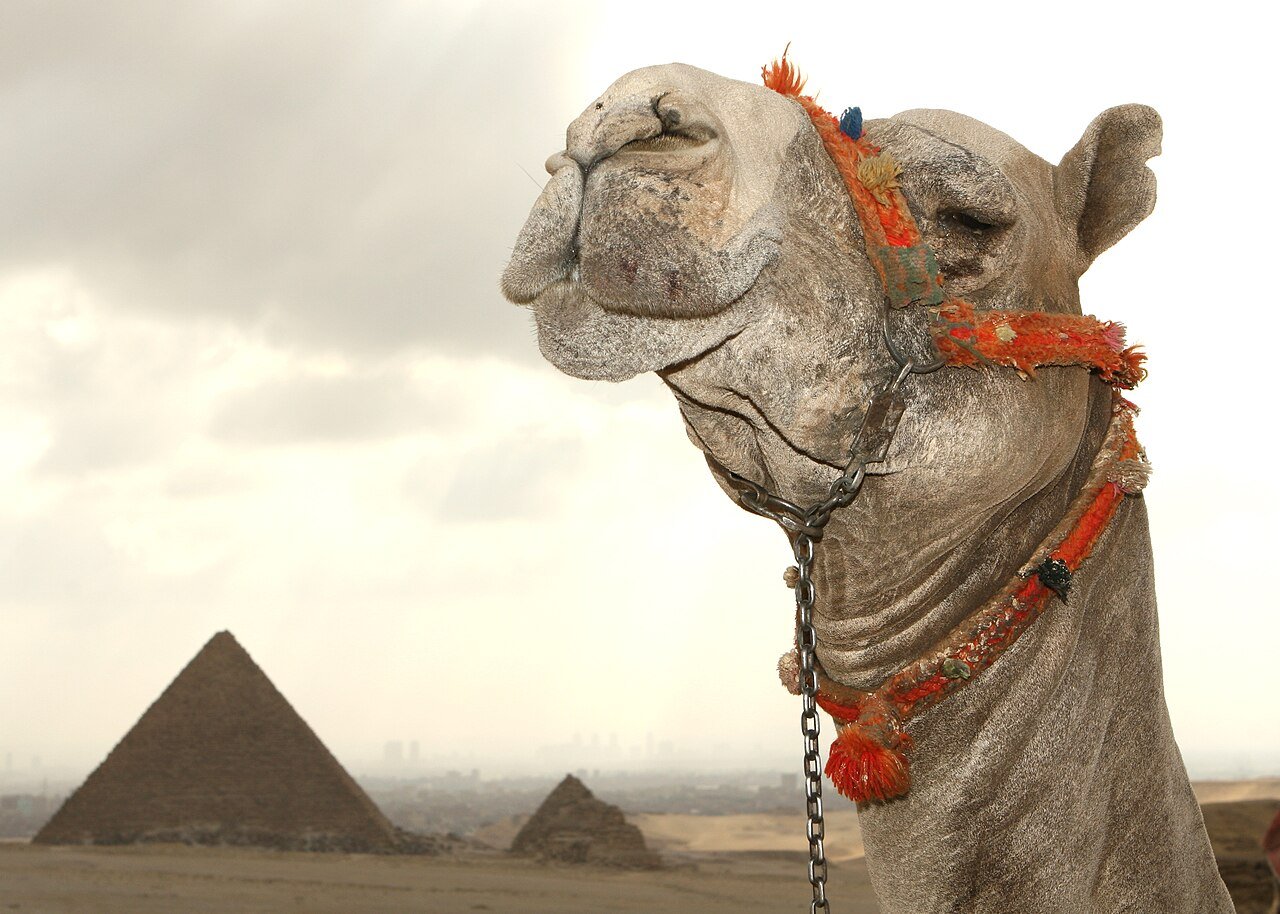
Giza Pyramids
The last ancient wonder and the Sphinx.
Luxor
Karnak, the Valley of the Kings and more.
Nile cruise
Sail to Aswan past Edfu and Kom Ombo.
Aswan
Felucca rides, Philae Temple and Nubian culture.
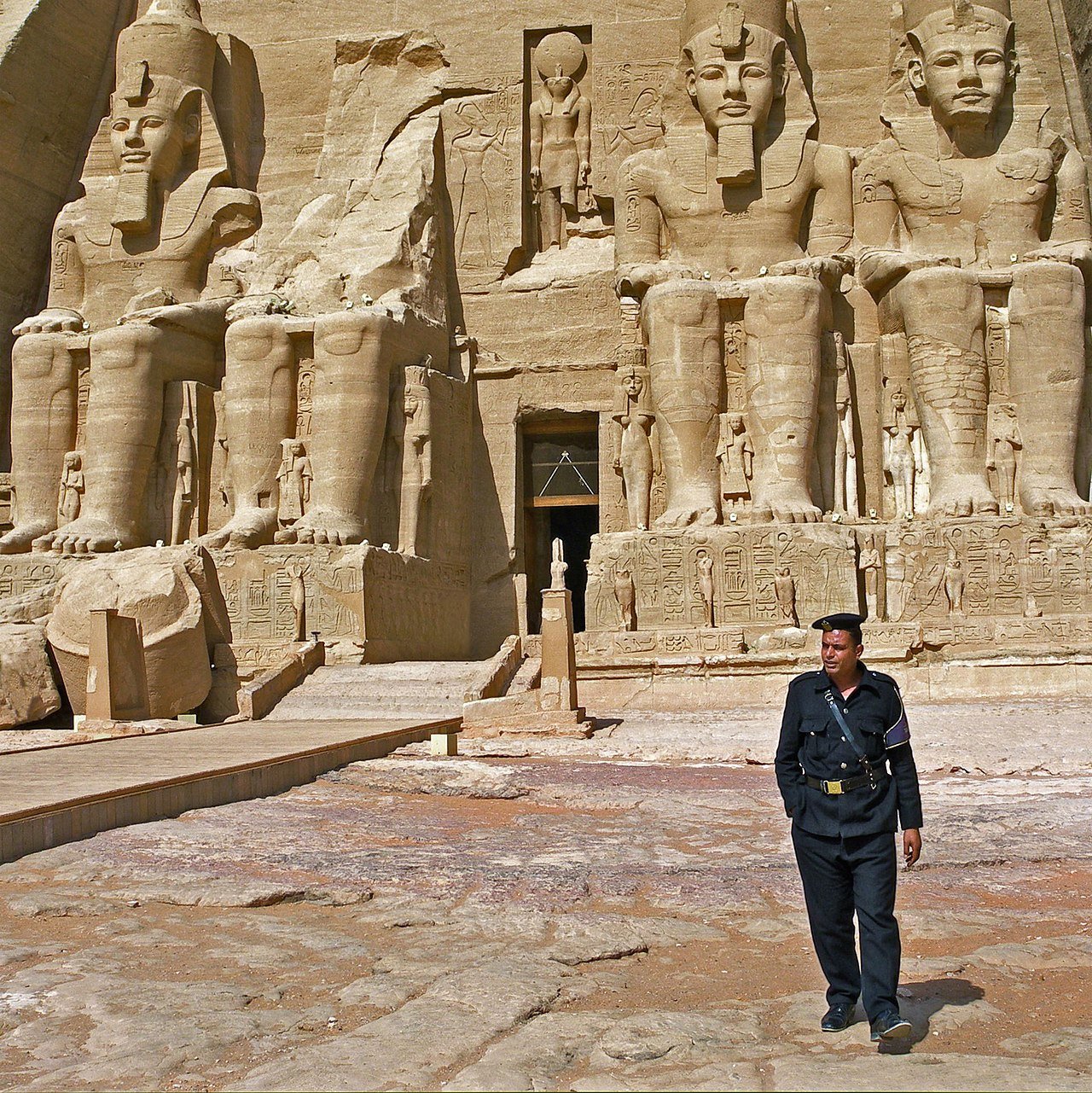
Abu Simbel
Ramses II’s colossal rock-cut temples.
Grand Egyptian Museum
Tutankhamun and Cairo’s vast collection.
This itinerary suits first-timers wanting the definitive ancient-Egypt experience, balancing busy sightseeing days with the leisurely pace of the river.
Eight days on the Nile is a journey through time — pyramids, temples, tombs and a river cruise straight out of the age of the pharaohs.
Part 2 of 8
Visa, flights and internal travel
A little planning on visas and internal flights makes this route smooth and time-efficient.
Visa: Indian passport holders need a visa. The Egypt e-Visa, applied for online before travel, is the easiest option. Those with a valid US/UK/Schengen visa may qualify for visa-on-arrival, but the e-Visa is safest. Confirm current rules before booking.
Flights: Fly into Cairo from India via the Gulf or on EgyptAir. Within Egypt, a short domestic flight from Cairo to Luxor (and back from Aswan to Cairo) saves long overland journeys and fits this 8-day plan perfectly.
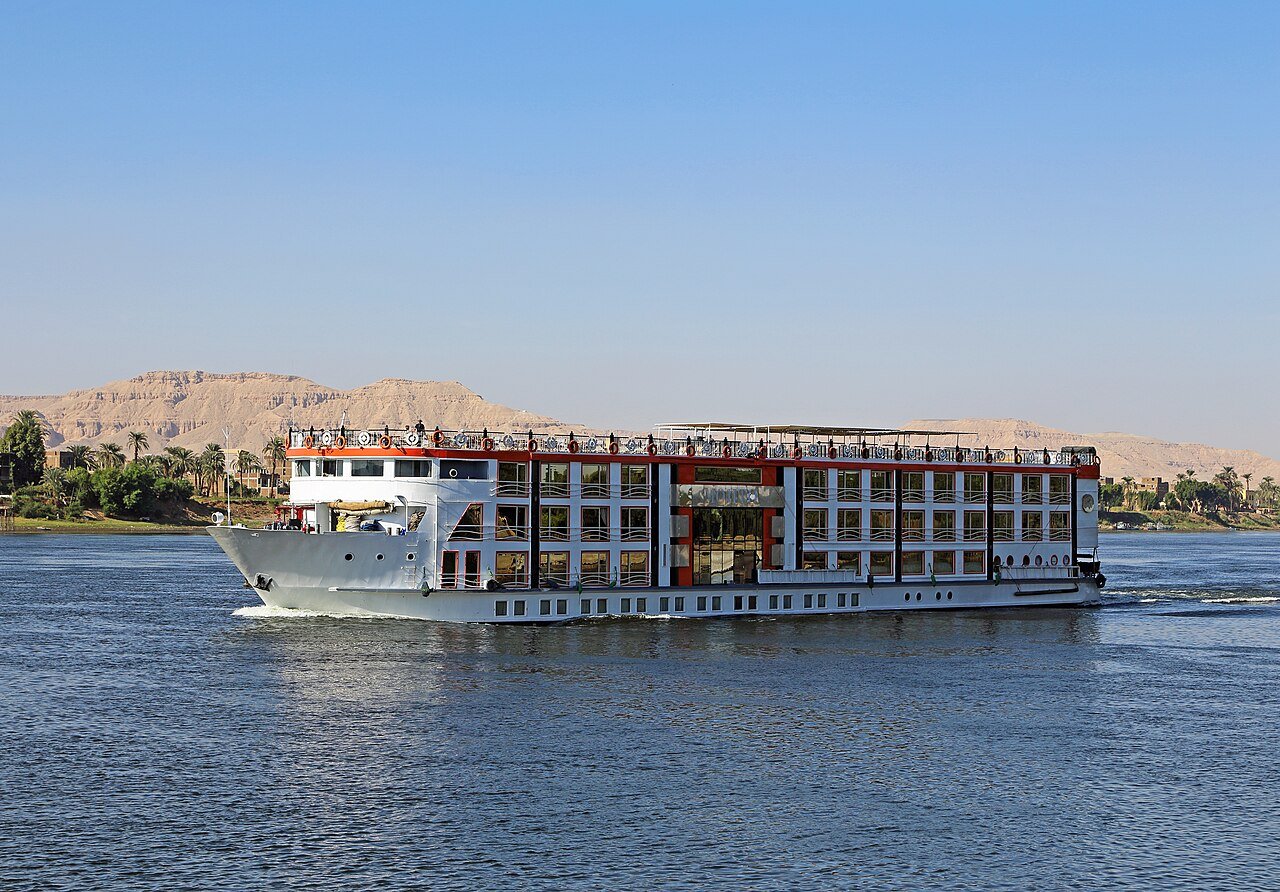
The Nile cruise: Most travellers book a 3–4 night cruise from Luxor to Aswan, which includes guided temple visits at Edfu and Kom Ombo, meals and accommodation on board — a highlight and a smart use of time.
Pro tip
Book a Cairo–Luxor flight at the start and an Aswan–Cairo flight near the end, with the Nile cruise in between, so you never backtrack. A reputable tour operator can package the flights, cruise and guides seamlessly.
Getting around Cairo: Use ride-hailing apps for convenience and a guide for the Pyramids and museum. The cruise and guided tours handle transport in the south.
Part 3 of 8
Best time to do this itinerary
Egypt’s desert climate makes timing important, as the south gets extremely hot in summer.
| Season | Months | What to expect |
|---|---|---|
| Peak/cool | Oct–Apr | The best time — warm days, cool nights, ideal for temples and cruising. |
| Festive | Dec–Jan | Peak crowds and prices around Giza and on Nile cruises; book early. |
| Shoulder | Apr & Oct | Pleasant edges of the season with thinner crowds. |
| Summer | May–Sep | Very hot in Luxor and Aswan (40°C+); start sightseeing at dawn. |
For comfortable temple-hopping and cruising, travel between October and April. Winter is peak season, so book your cruise and key sites in advance. Summer is punishingly hot in the south, though cheaper and quieter, if you can handle early starts and the heat.
Part 4 of 8
Costs and budgeting for Indians
Egypt offers great value, and a Nile cruise is often surprisingly affordable. Here is a realistic per-person, per-day guide for 2026, excluding international flights.
| Style | Daily budget | What it covers |
|---|---|---|
| Budget | $40–70 | Budget hotels, a standard cruise, trains/flights and local food. |
| Mid-range | $100–180 | Good hotels, a quality Nile cruise, internal flights and guides. |
| Premium | $250+ | Luxury hotels and cruise ships, private Egyptologist guides and transfers. |
The Nile cruise and internal flights are the main planned costs, alongside site and tomb entry tickets, which add up. A knowledgeable Egyptologist guide greatly enriches the temples. Carry Egyptian pounds for tips (baksheesh is customary throughout) and small purchases; cards work in hotels and on cruises.
Good to know
Egypt’s tourist areas are well policed and generally safe. Expect persistent vendors and a strong tipping culture — be polite but firm and agree prices upfront. Use reputable operators for the cruise and tours, and check advisories for remote desert areas this route avoids.
Part 5 of 8
The 8-day Egypt itinerary, day by day
This route flows from Cairo south to Aswan and back, with the Nile cruise at its heart.
Day 1 — Arrive Cairo: Settle in, with an optional evening in Islamic Cairo or by the Nile.
Day 2 — Giza & Cairo: The Pyramids and Sphinx in the morning, the Grand Egyptian Museum, and Khan el-Khalili bazaar.
Day 3 — Fly to Luxor: Karnak and Luxor Temples on the East Bank; board your Nile cruise.
Day 4 — Luxor West Bank: The Valley of the Kings, Hatshepsut’s Temple and the Colossi of Memnon, then sail south.
Day 5 — Edfu & Kom Ombo: Visit the well-preserved temples of Edfu and Kom Ombo as you cruise toward Aswan.
Day 6 — Aswan: Philae Temple, the High Dam and a felucca ride; optional dawn trip to Abu Simbel.
Day 7 — Abu Simbel & fly to Cairo: See Abu Simbel’s colossal temples (or relax in Aswan), then fly back to Cairo.
Day 8 — Depart Cairo: Last-minute sightseeing or shopping before your flight home.
Pro tip
Start temple visits early to beat the heat and crowds, especially in the south. If you want Abu Simbel, plan it as a dawn excursion from Aswan or a short flight, and confirm it is included in your package.
Part 6 of 8
Where to stay along the route
Choosing the right bases keeps this itinerary efficient and comfortable.
Cairo: Stay in Giza for pyramid-view hotels, or in central Cairo/Zamalek for the city and Nile. You sleep in Cairo on the first and last nights.
Luxor to Aswan: Your Nile cruise ship is your hotel for 3–4 nights, with temples, meals and onboard comfort included — the easiest and most atmospheric way to travel the south.
Aswan: If you add a night off the cruise, riverside hotels and Nubian guesthouses offer lovely views and culture.
Cairo: Giza views
Pyramid-view hotels or central Cairo/Zamalek.
The Nile cruise
Your floating hotel between Luxor and Aswan.
Aswan: riverside
Nubian guesthouses and Nile-view hotels.
Comfort first
Choose well-reviewed cruise ships and hotels.
Booking a reputable cruise and Cairo hotel early is wise in the busy October–April season, when the best ships fill quickly.
Part 7 of 8
Practical tips for this Egypt trip
A few practical pointers make this 8-day route run smoothly.
Get the e-Visa
Apply online before travel for the easiest entry.
Fly internally
Cairo–Luxor and Aswan–Cairo flights save time.
Carry pounds
Keep small notes for baksheesh, bazaars and taxis.
Beat the heat
Start early, hydrate, and pack sun protection.
This itinerary is designed to be efficient yet relaxed, with the Nile cruise providing a restful middle while you see incredible temples. Apply for your e-Visa early, book a reputable cruise with a good Egyptologist guide, and use internal flights to avoid long drives. Carry small Egyptian pound notes throughout for the customary tipping.
Dress modestly at religious and ancient sites, drink bottled water, and protect yourself from the strong sun, especially in Luxor and Aswan. Manage the persistent vendors with polite firmness and agree prices in advance. Halal and vegetarian-friendly food is widely available, suiting many Indian travellers. With these basics covered, your 8 days will deliver an unforgettable journey through the heart of ancient Egypt.
Part 8 of 8
Frequently asked questions
Is 8 days enough for Egypt?
Yes — eight days is ideal for a first trip, covering Cairo’s Pyramids and museum, Luxor’s temples and tombs, a Nile cruise to Aswan, and even Abu Simbel. Internal flights and the cruise keep travel efficient, so you spend your time at the monuments rather than on the road.
Do Indians need a visa for Egypt?
Yes. The easiest route is the Egypt e-Visa, applied for online before travel. Those holding a valid US, UK or Schengen visa may qualify for visa-on-arrival, but the e-Visa is the safest option. Confirm the latest rules before booking your trip.
Should I book a Nile cruise for this itinerary?
Absolutely — a 3–4 night Luxor-to-Aswan cruise is the highlight of this route and a smart use of time, including guided temple visits at Edfu and Kom Ombo, meals and accommodation on board. It is often surprisingly affordable and wonderfully relaxing.
When is the best time to do this Egypt itinerary?
October to April offers comfortable temperatures for temples and cruising. December and January are peak season with the best weather but the biggest crowds, so book early. Summer is extremely hot in the south, requiring dawn starts, but is cheaper and quieter.
How much does an 8-day Egypt trip cost?
Excluding international flights, budget travellers manage on roughly $40–70 a day, mid-range trips $100–180 including a quality cruise and internal flights, and premium trips $250 plus. Budget separately for site tickets, guides and the customary tips throughout.
Is Abu Simbel worth adding?
For many travellers, yes. The colossal rock-cut temples of Ramses II are among Egypt’s most spectacular sights. They are reached by a short flight or a long dawn drive from Aswan, so factor in the time and cost, but the scale and setting make a memorable addition.
How do I get between Cairo, Luxor and Aswan?
The most time-efficient way is to fly Cairo–Luxor at the start and Aswan–Cairo near the end, with the Nile cruise connecting Luxor and Aswan. Overnight trains are a cheaper alternative between Cairo and the south if you prefer rail to flying.
Is Egypt safe and suitable for Indian travellers?
Tourist areas are well policed and generally safe, and the food is largely halal and vegetarian-friendly, suiting many Indian travellers. The main things to manage are persistent vendors and tipping culture — stay polite but firm, agree prices upfront, and use reputable operators.
What should I pack for an Egypt and Nile cruise trip?
Pack light, breathable clothing that covers shoulders and knees for sites, plus a hat, sunglasses and strong sunscreen for the desert sun. Bring comfortable walking shoes, a scarf, a refillable water bottle, swimwear for the cruise pool, and a light layer for cool evenings and air-conditioned cabins.
Can I do this itinerary by train instead of flying?
Yes. Comfortable overnight sleeper trains run between Cairo and Luxor or Aswan, a cheaper and scenic alternative to internal flights. They take longer, so build in the extra time, but they pair well with the Nile cruise and can reduce costs if you are travelling on a tighter budget.
The bottom line
This 8-day Egypt itinerary delivers the definitive journey through the land of the pharaohs — the Pyramids and Sphinx of Giza, the temples and royal tombs of Luxor, a relaxing Nile cruise to Aswan, and the colossal monuments of Abu Simbel. Sort your e-Visa early, fly internally to save time, book a reputable Nile cruise with a good guide, and carry small notes for tips. Follow this well-paced route between October and April, and Egypt will reward you with one of the most awe-inspiring trips of a lifetime.
Related reading
 Middle Eastern Food Guide for Indians 2026 — What to Eat & Veg Tips
 Best Street Food Cities in the World 2026 — Where & What to Eat
Photos sourced from Wikimedia Commons under their respective Creative Commons licences. Visa, flight and travel details are indicative for 2026; confirm current visa rules and advisories before you travel.