Darjeeling Gangtok Itinerary: 6-Day Eastern Himalaya Trip (2026)
Last updated: July 8, 2026
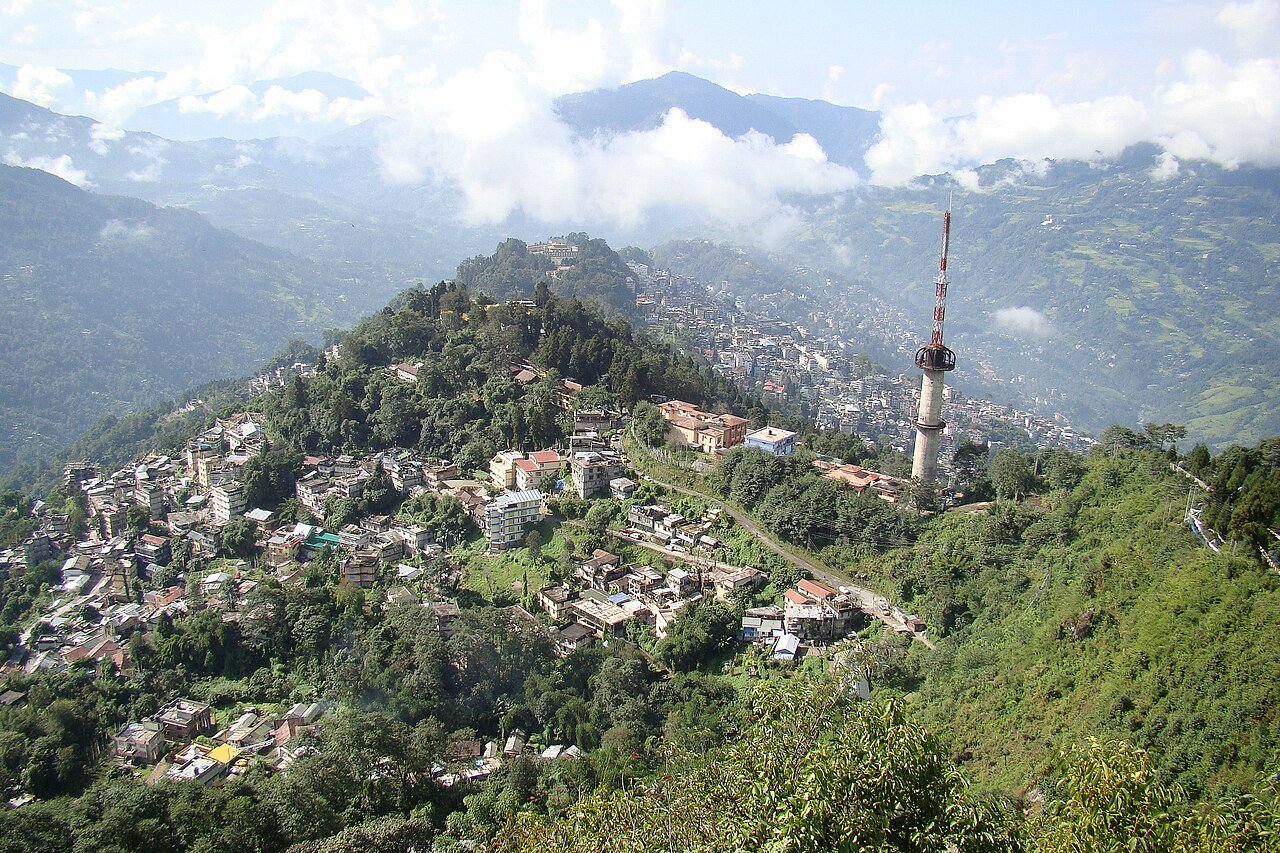
Darjeeling and Gangtok make the classic eastern-Himalaya pairing — the tea-and-toy-train romance of Darjeeling alongside the clean, monastery-dotted mountain charm of Gangtok, capital of Sikkim. Over a week you can watch sunrise light up Kanchenjunga from Tiger Hill, ride a heritage steam train through the tea gardens, stroll Gangtok’s spotless MG Marg, and drive up to the sacred Tsomgo Lake, all framed by snow peaks. It is scenic, varied and deeply atmospheric, and a wonderful introduction to the region.
This 2026 itinerary guide for Indian travellers covers how to get there, the permits you need, the best time to go, what it costs, a day-by-day plan, where to stay and eat, and the practical tips for a smooth trip.
- Getting there & permits: Fly to Bagdogra or train to New Jalpaiguri (NJP), then drive up; Indians need permits for Tsomgo Lake and Nathula in Sikkim.
- Best time: March–May and October–December for the clearest Kanchenjunga views; the monsoon brings landslide risk.
- Budget: ₹2,500–6,500 per day, including a vehicle and stays.
- Don’t miss: A Tiger Hill sunrise, the Darjeeling toy train, Gangtok’s MG Marg and Tsomgo Lake.
Part 1 of 8
Why this Darjeeling–Gangtok route works so well
The two hill destinations complement each other beautifully. Darjeeling brings colonial charm, world-famous tea, a heritage railway and dawn Kanchenjunga views; Gangtok adds clean mountain streets, glittering monasteries and dramatic high-altitude day trips. They are linked by a scenic few-hour drive, so a week lets you experience both without backtracking, with a constant backdrop of the eastern Himalaya.
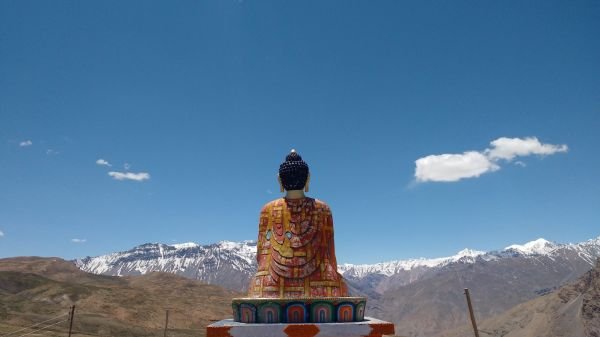
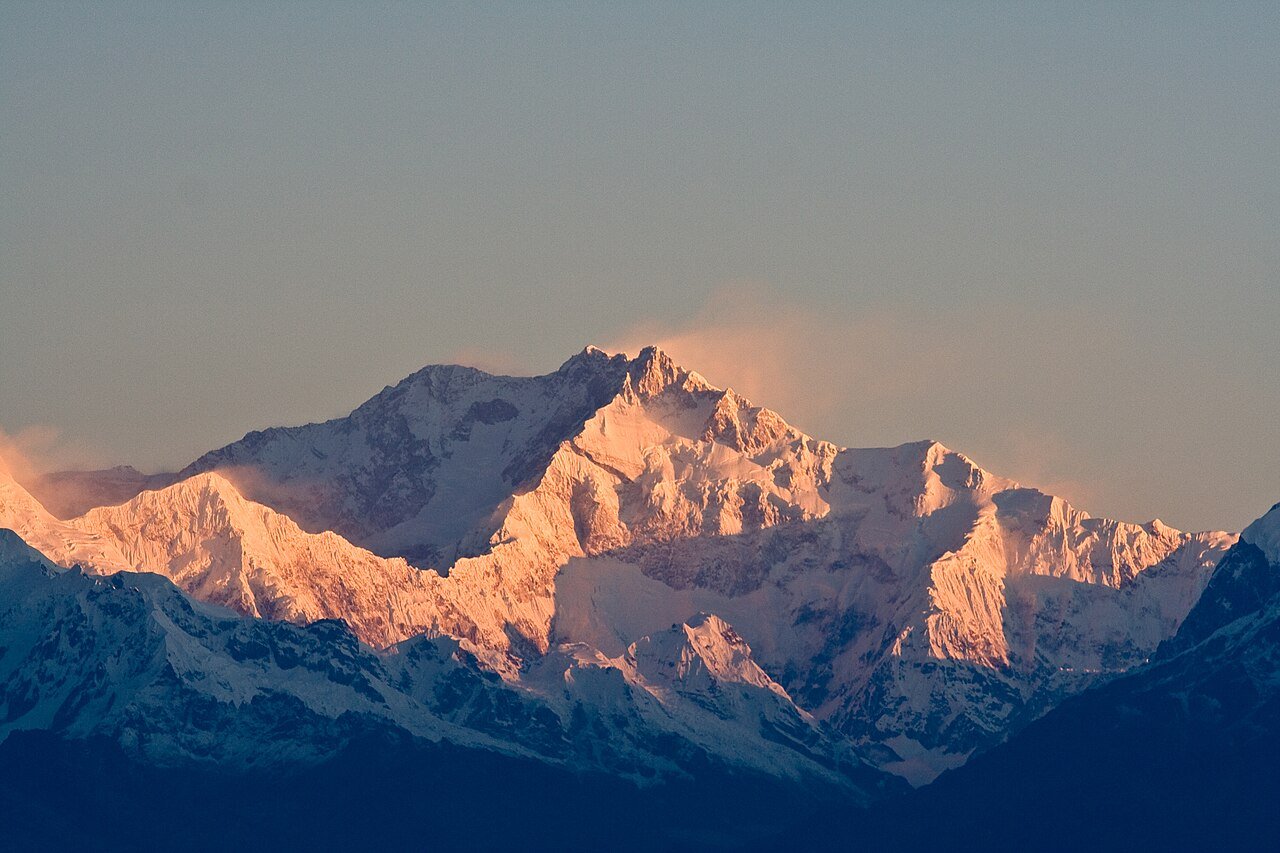
Tiger Hill sunrise
Dawn over Kanchenjunga from the famous Darjeeling viewpoint.
Toy train
The UNESCO Darjeeling Himalayan Railway through the tea.
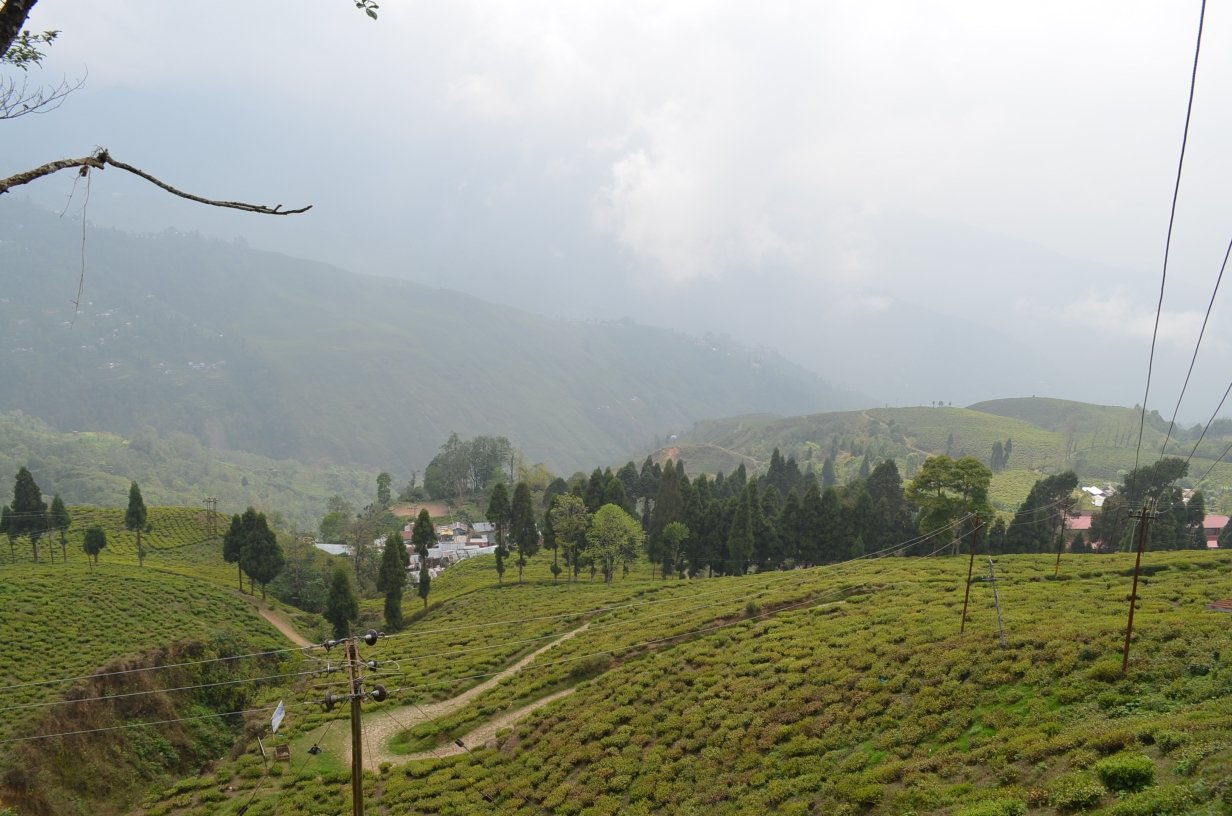
Tea estates
Tour Happy Valley and taste Darjeeling’s celebrated brews.
MG Marg, Gangtok
A spotless, traffic-free boulevard of cafés and shops.
Tsomgo Lake
A sacred glacial lake high above Gangtok (permit needed).
Monasteries
Rumtek and Enchey, serene seats of Tibetan Buddhism.
Whether you want tea-country nostalgia, Himalayan views or high-altitude adventure, this seven-day Darjeeling–Gangtok loop delivers the best of the eastern hills.
Darjeeling to Gangtok is the eastern Himalaya in one trip — a toy train through the tea, a Kanchenjunga dawn, and a glacial lake above a spotless mountain capital.
Part 2 of 8
Getting there and permits
Both hill towns are reached via the plains of North Bengal, with the final stretches climbing into the mountains.
By air: Bagdogra Airport near Siliguri is the main gateway, with onward drives of around 3 hours to Darjeeling and 4–5 hours to Gangtok.
By train: New Jalpaiguri (NJP) is the nearest major railhead, well connected across India, from where you continue by shared jeep or taxi.
Permits: No permit is needed for Darjeeling or Gangtok town, but Indian travellers require permits for Tsomgo Lake, Baba Mandir and Nathula in Sikkim, easily arranged through registered local operators with ID and photos. Foreign nationals need an Inner Line Permit for Sikkim.
Pro tip
Carry several passport-size photos and ID copies to speed up the Sikkim permits for Tsomgo and Nathula, which must be booked through an authorised operator with a registered vehicle.
Getting around: Shared and reserved jeeps are the backbone of travel here. Within the towns, the Mall, MG Marg and tea estates are walkable, and the Darjeeling–Gangtok leg is a scenic drive.
Part 3 of 8
Best time for this trip
Mountain views and the monsoon are the key factors to plan around in the eastern Himalaya.
| Season | Months | What to expect |
|---|---|---|
| Spring | Mar–May | Rhododendrons, pleasant days and good visibility — a lovely window. |
| Monsoon | Jun–Sep | Lush but wet, with frequent cloud and landslide risk on the roads. |
| Autumn | Oct–Nov | Crisp, clear skies and the best Kanchenjunga views — peak season. |
| Winter | Dec–Feb | Cold and clear, with snow at Tsomgo and quieter towns. |
For the clearest Kanchenjunga views and comfortable weather, aim for October–December or spring. Avoid the peak monsoon if you can, as cloud often hides the peaks and landslides can disrupt the hill roads and the high-altitude Sikkim excursions.
Part 4 of 8
Costs and budgeting for Indians
This eastern-Himalaya loop is good value, with transport and the Sikkim excursions the main planned costs. Here is a realistic per-person, per-day guide for 2026, excluding flights.
| Style | Daily budget | What it covers |
|---|---|---|
| Backpacker | ₹1,800–3,000 | Guesthouses, shared jeeps, momos and local eateries, plus a share of excursions. |
| Mid-range | ₹3,500–6,500 | Comfortable hotels, reserved taxis, the toy train and a guided Tsomgo trip. |
| Premium | ₹9,000+ | Heritage or boutique stays, private vehicle, curated experiences and dining. |
The Tsomgo–Nathula excursion is usually sold as a per-vehicle package including permits, so it is cheaper shared. The toy train, tea-estate visits and Tiger Hill trips are individually modest. Carry cash, as ATMs are reliable in the towns but scarce on the high-altitude routes, where digital payments rarely work.
Good to know
Nathula Pass is open only on select days and is weather- and security-dependent, so confirm with your operator. Acclimatise before the high-altitude Tsomgo and Nathula trips, which sit above 3,700 m.
Part 5 of 8
The 7-day Darjeeling–Gangtok itinerary
This loop covers Darjeeling first, then crosses to Gangtok and its high-altitude day trip.
Day 1 — Arrive in Darjeeling: Drive up from Bagdogra or NJP, settle in, and explore the Mall, Chowrasta and Observatory Hill.
Day 2 — Sunrise & sights: Rise pre-dawn for Tiger Hill and Kanchenjunga, then the Batasia Loop, the zoo and HMI museum, and a Happy Valley tea estate.
Day 3 — Toy train & transfer: Ride the heritage toy train, then drive to Gangtok in the afternoon.
Day 4 — Gangtok city: Explore MG Marg, Rumtek and Enchey monasteries, Tashi Viewpoint and the ropeway.
Day 5 — Tsomgo & Nathula: Take the permit-based excursion to the glacial Tsomgo Lake and Baba Mandir, adding Nathula if open.
Days 6–7 — Around & return: Visit nearby viewpoints and waterfalls or begin a North Sikkim add-on, then return to Bagdogra/NJP for departure.
Extend your trip: Add North Sikkim (Lachung, Yumthang, Gurudongmar), Kalimpong, or Pelling for a longer eastern-Himalaya journey.
Pro tip
Book the Darjeeling toy train joy ride and the Sikkim permits in advance, and keep a buffer day — mountain weather, the Tiger Hill convoy and Nathula’s limited opening days can all affect timing.
Part 6 of 8
Where to stay, what to eat and experiences
Where to stay: In Darjeeling, stay near the Mall and Chowrasta for atmosphere, or a tea-estate property for views. In Gangtok, base yourself near MG Marg for walkability and dining, or a ridge-top hotel for Kanchenjunga views.
What to eat: The food leans Tibetan and Himalayan — momos, thukpa and hearty local fare — best followed by a pot of Darjeeling tea in the hills and Sikkimese dishes in Gangtok. The cafés of both towns are lovely for a slow brew with a mountain view.
Tiger Hill dawn
Sunrise over Kanchenjunga from Darjeeling.
Toy train ride
The Darjeeling–Ghum steam joy ride via the Batasia Loop.
Tsomgo day trip
Drive up to the sacred glacial lake near Gangtok.
Monastery visits
Rumtek and Enchey for living Tibetan Buddhism.
For more, add the Padmaja Naidu zoo and red pandas in Darjeeling, Gangtok’s flower exhibition and Banjhakri Falls, or a North Sikkim extension to the high valleys.
Part 7 of 8
Practical tips for Indian travellers
A few practical notes help this eastern-Himalaya loop run smoothly.
Sort Sikkim permits
Carry ID and photos; book Tsomgo/Nathula via a registered operator.
Pre-book the train
The Darjeeling toy train joy rides sell out — reserve ahead.
Time for clear views
Favour autumn or spring and rise early for Kanchenjunga.
Carry cash
ATMs are scarce on the high-altitude routes; agree jeep fares ahead.
This region is friendly and generally safe, suiting families, couples and solo travellers, with the main care points being mountain weather, altitude and permits rather than security. The high-altitude Tsomgo and Nathula trips sit above 3,700 m, so acclimatise, dress warmly and ascend gradually. Roads are winding, so take motion-sickness precautions, keep buffer time for weather, and book the permit-based excursions through trusted registered operators.
This loop also pairs with more of the eastern Himalaya. You can extend to North Sikkim’s Lachung, Yumthang and Gurudongmar, to quieter Kalimpong and Pelling, or to Bhutan via the nearby border. Building one of these in turns a seven-day Darjeeling–Gangtok trip into a grander Himalayan journey.
Part 8 of 8
Frequently asked questions
How many days do I need for Darjeeling and Gangtok?
About a week is ideal — two to three days in Darjeeling for Tiger Hill, the toy train and tea estates, and three in Gangtok for the city, monasteries and the Tsomgo Lake excursion. Add days for North Sikkim or Kalimpong.
Do I need permits for this trip?
No permit is needed for Darjeeling or Gangtok town, but Indian travellers require permits for Tsomgo Lake, Baba Mandir and Nathula in Sikkim, easily arranged through registered operators with ID and photos. Foreigners need an Inner Line Permit for Sikkim.
When is the best time to visit?
October to December and spring (March–May) offer the clearest Kanchenjunga views and the best weather. The monsoon (June–September) brings cloud and landslide risk, so it is best avoided for views and the high-altitude excursions.
How do I get from Darjeeling to Gangtok?
The two are linked by a scenic drive of around four to five hours via shared jeep or private taxi. The route is winding but beautiful, and most travellers do Darjeeling first before transferring to Gangtok.
Is the Nathula Pass always open?
No. Nathula is open only on select days, usually Wednesday to Sunday, and access depends on weather and security clearance. Confirm with your operator and keep Tsomgo Lake and Baba Mandir as the reliable core of that excursion.
Should I pre-book the Darjeeling toy train?
Yes. The Darjeeling Himalayan Railway joy rides, including the Batasia Loop and Ghum, are very popular and sell out quickly in peak season, so reserve your seats in advance.
Is this trip safe for families and solo travellers?
Yes, it is friendly and generally safe. The main considerations are mountain weather, altitude on the Tsomgo and Nathula trips, and permits, rather than safety. Acclimatise, dress warmly and book excursions through registered operators.
What can I add to this itinerary?
You can extend to North Sikkim’s Lachung, Yumthang and Gurudongmar, to quieter Kalimpong and Pelling, or to Bhutan via the nearby border, for a longer eastern-Himalaya journey.
Can I combine Darjeeling, Gangtok and North Sikkim?
Yes, with more time. Adding North Sikkim’s Lachung, Yumthang Valley and Gurudongmar Lake to this loop makes a fuller 9–11 day eastern-Himalaya trip. North Sikkim requires its own permits and a registered operator, and the high altitudes need careful acclimatisation.
Is Darjeeling or Gangtok better for Kanchenjunga views?
Both offer superb views in clear weather. Darjeeling’s Tiger Hill is the classic sunrise viewpoint over Kanchenjunga, while Gangtok and ridge-top spots like Tashi Viewpoint also frame the range beautifully. Visiting in autumn or spring maximises your chances at both.
The bottom line
A Darjeeling–Gangtok trip is the eastern Himalaya at its most rewarding — a tea-and-toy-train classic paired with a clean, monastery-dotted mountain capital and a glacial-lake adventure, all under the gaze of Kanchenjunga. Come in autumn or spring for the clearest peaks, sort your Sikkim permits, book the toy train ahead, and respect the altitude on the high excursions. Do that, and this seven-day loop will reward you with some of the finest mountain scenery and hill-town charm in India. Sip the tea where it grows, ride the train through the clouds, and watch Kanchenjunga glow at dawn — this eastern-Himalaya loop is the kind of trip travellers return to again and again.
Related reading
 Gangtok Lachung Itinerary: 6-Day North Sikkim Trip (2026)
 Luxury & Tourist Trains in India: A Complete Guide (2026)
 Ooty Kodaikanal Itinerary: 5-Day Hill Station Trip (2026)
Photos sourced from Wikimedia Commons under their respective Creative Commons licences. Permit, road and travel details are indicative for 2026; confirm with a registered operator and check conditions before you travel.