Tirupati Tirumala Darshan Plan: 2-Day Itinerary & Booking (2026)
Last updated: July 8, 2026
Tirumala, near Tirupati in Andhra Pradesh, is home to the Sri Venkateswara Temple — one of the world’s most visited and richest temples, drawing tens of thousands of devotees daily for darshan of Lord Balaji. With its hilltop setting, vast crowds and multiple darshan options, a well-planned trip makes all the difference. This day-by-day Tirupati plan helps Indian pilgrims organise their visit — from reaching Tirumala and choosing a darshan type to where to stay and what to expect.
This 2026 Tirupati Tirumala plan lays out a practical itinerary, with tips on darshan options, getting there, the best time to go, costs, accommodation and what not to miss.
- Darshan: Book darshan (e.g. special-entry/Sarva Darshan) in advance via the TTD system where possible; free darshan has long waits.
- Getting there: Reach Tirupati by train/flight/road, then go uphill to Tirumala by bus, car or the footpath.
- Best time: Cooler months (roughly Oct–Mar); avoid major festival peaks for shorter queues.
- Plan: Allow time for darshan queues, the laddu prasadam and nearby temples.
Part 1 of 8
About Tirumala and planning your visit
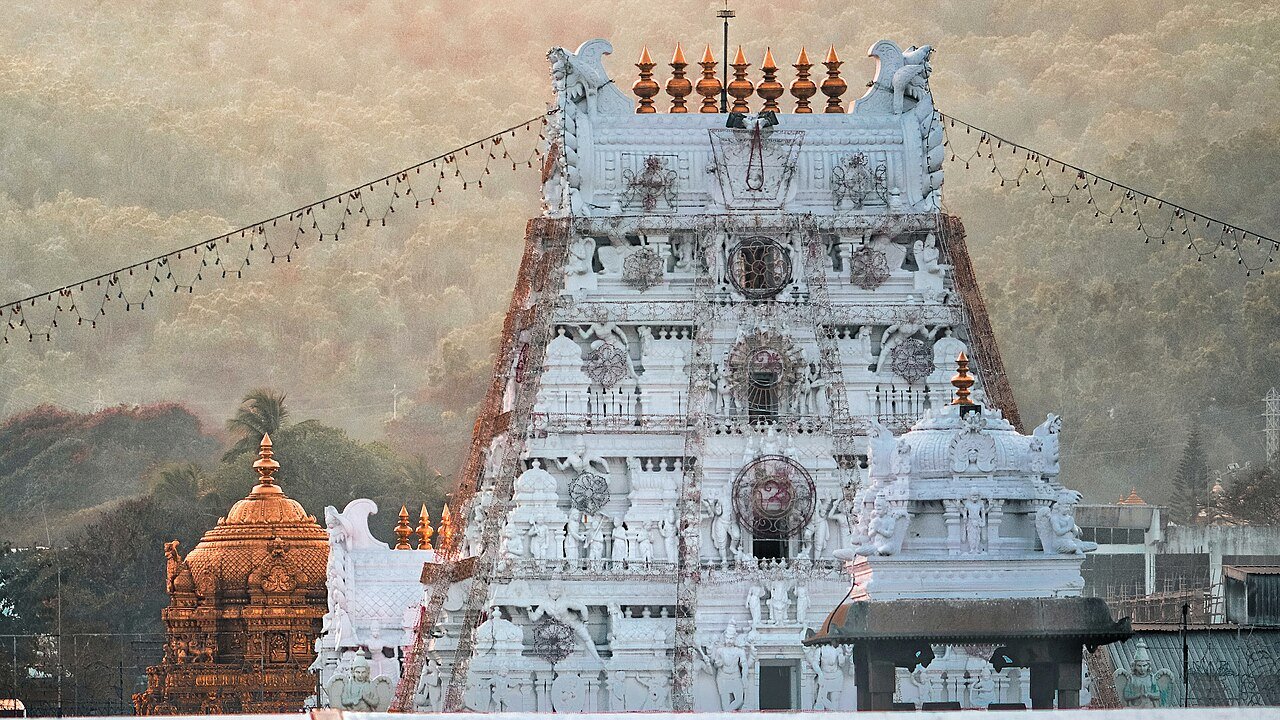
The Sri Venkateswara Temple at Tirumala is among the holiest and busiest pilgrimage sites in the world, set atop the seven Tirumala hills. Pilgrims come for darshan of Lord Venkateswara (Balaji), the famous Tirupati laddu prasadam, and the deeply moving temple atmosphere. Because crowds are enormous, the key to a smooth visit is planning your darshan type and timing in advance, along with travel and accommodation. With preparation, even a short trip can be serene and fulfilling.
Sri Venkateswara
Darshan of Lord Balaji at the main temple.
Darshan options
Free, special-entry and other darshan types.
Laddu prasadam
The famous Tirupati laddu.
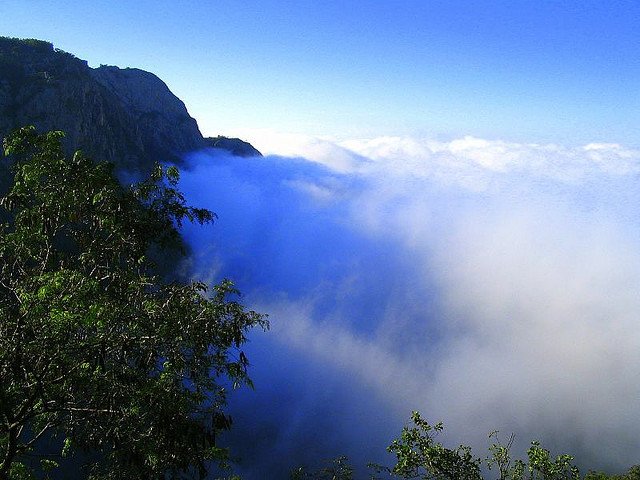
Tirumala hills
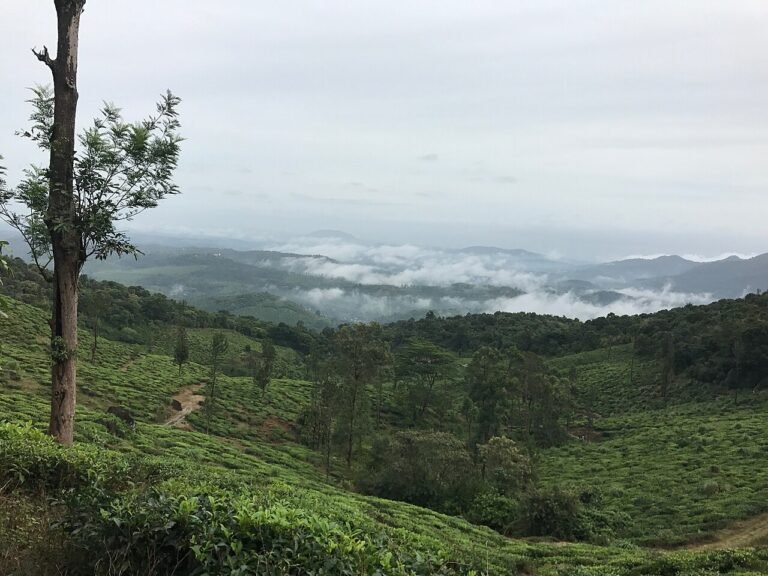
The sacred seven-hill hilltop setting.
Footpath option
The traditional steps up to Tirumala.
Nearby temples
Other shrines around Tirupati and Tirumala.
Whether you have a single day or a relaxed weekend, planning your darshan, travel and stay in advance turns a potentially overwhelming visit into a smooth and spiritually rewarding pilgrimage.
Tirumala rewards the prepared — plan your darshan and travel ahead, and the visit to Lord Balaji becomes serene rather than stressful.
Part 2 of 8
Darshan options, getting there and around
Choosing a darshan type and planning travel are the keys to a smooth Tirumala visit.
Darshan options: The TTD (Tirumala Tirupati Devasthanams) offers free Sarva Darshan (long waits), special-entry darshan (a paid quota, often bookable in advance), and various seva and arjitha darshans. Book online via the official TTD portal where possible, and carry ID. Time-slot tokens and queue complexes (vaikuntam) manage the crowds.
Getting there: Reach Tirupati by train (a major railhead), flight (Tirupati airport) or road from Chennai, Bengaluru and Hyderabad. From Tirupati, go uphill to Tirumala by APSRTC bus, taxi or the traditional footpath (Alipiri or Srivari Mettu steps).
Pro tip
Book special-entry darshan and accommodation online via the official TTD system in advance to avoid the longest free-darshan waits. Carry ID for booking and entry, and start early to make the most of the day.
Getting around: Free and paid buses run between Tirupati and Tirumala and around the hilltop. Cloakrooms, queue complexes and free meals (annaprasadam) are available; travel light, as many items are restricted in the temple.
Part 3 of 8
Best time to visit Tirumala
Tirumala is busy year-round, but timing affects crowds and comfort.
| Period | What to expect |
|---|---|
| Cooler months (Oct–Mar) | Pleasant weather on the hills — the most comfortable time to visit. |
| Summer (Apr–Jun) | Warmer in Tirupati town; the hilltop is cooler but can be busy. |
| Weekdays | Generally shorter darshan queues than weekends and holidays. |
| Festivals (e.g. Brahmotsavam) | Spiritually special but extremely crowded with very long waits. |
For the most comfortable visit, come in the cooler months (roughly October–March) and on weekdays, when darshan queues tend to be shorter. Major festivals like Brahmotsavam are spiritually powerful but draw enormous crowds and long waits, so plan extra time (or avoid them) if you prefer a quicker darshan.
Part 4 of 8
Costs and budgeting
A Tirumala pilgrimage is very affordable, with free darshan and meals available. Here is a rough per-person guide for 2026, excluding travel to Tirupati.
| Style | Approx. cost | What it covers |
|---|---|---|
| Budget | ₹500–1,500 | TTD/dharamshala stay or free queue, free darshan, annaprasadam meals. |
| Mid-range | ₹2,500–5,000 | Paid special-entry darshan, a decent hotel and meals. |
| Comfort | ₹8,000+ | Better hotels, faster darshan/seva options and private transport. |
Free darshan, free meals (annaprasadam) and subsidised TTD accommodation make Tirumala accessible to all, while paid special-entry darshan and seva tickets and hotels add comfort. The laddu prasadam is sold separately at a nominal price. Carry some cash, though digital payments are increasingly accepted.
Good to know
Expect large crowds and long queues, so be patient, stay hydrated, and keep children and elders close. Follow TTD rules, dress traditionally/modestly, and note restrictions on items inside the temple. Use cloakrooms for luggage, and beware touts offering “quick darshan” outside official channels.
Part 5 of 8
The Tirumala visit, day by day
This plan covers a comfortable one- to two-day Tirumala visit.
Day 1 — Arrive & settle: Reach Tirupati, travel up to Tirumala (bus/car/footpath), check into your booked TTD or hotel accommodation, and rest. Visit nearby shrines if time allows.
Day 2 — Darshan: Have darshan of Lord Venkateswara via your chosen option (special-entry or free), collect the laddu prasadam, and visit other temples on the hilltop. Descend to Tirupati for any town temples before departing.
Single-day option: Fit, well-organised pilgrims with pre-booked special-entry darshan can complete the visit in a long day, arriving early and leaving by evening.
Pro tip
Pre-book special-entry darshan and accommodation to save hours of queuing, arrive at your slot on time, and tonsure (head-shaving offering) if you wish at the designated kalyanakatta. Carry minimal belongings, as items are restricted inside.
Part 6 of 8
Where to stay and nearby temples
Tirumala and Tirupati offer accommodation for all budgets, plus several other temples.
Where to stay: TTD-run cottages, choultries and guesthouses at Tirumala are affordable and convenient (book via TTD), while Tirupati town has hotels of all categories. Staying at Tirumala saves travel time for early darshan; book well ahead in peak season and around festivals.
Nearby temples: Beyond the main shrine, visit the Sri Padmavathi Ammavari Temple at Tiruchanur, the Govindaraja Swamy Temple in Tirupati, the Kapila Theertham and the Sri Kalahasti temple a little further out for a fuller pilgrimage.
TTD stays
Affordable cottages and guesthouses at Tirumala.
Tirupati hotels
All budgets in the town below.
Padmavathi temple
Tiruchanur, traditionally visited with Tirumala.
Sri Kalahasti
A famous Shiva temple nearby.
Book TTD accommodation and darshan together online where possible, and combine the main darshan with Tiruchanur and other nearby temples for a complete pilgrimage.
Part 7 of 8
Practical tips for your Tirumala trip
A few pointers make a Tirumala pilgrimage smoother.
Book darshan ahead
Use the official TTD portal to skip the longest waits.
Carry ID
Required for booking and temple entry.
Travel light
Use cloakrooms; items are restricted inside.
Be patient
Expect crowds and queues; allow plenty of time.
A Tirumala visit rewards planning. Book your darshan type (special-entry where possible) and accommodation in advance through the official TTD system, carry ID, and arrive at your slot on time to avoid the longest free-darshan queues. Dress traditionally and modestly, and follow the temple’s rules and item restrictions, using cloakrooms for luggage.
Expect large crowds and be patient, staying hydrated and keeping children and elders close. Beware touts offering unofficial “quick darshan,” and book only through TTD channels. Take advantage of the free annaprasadam meals and affordable TTD stays, collect the famous laddu prasadam, and consider nearby temples like Tiruchanur for a fuller pilgrimage. With a little preparation, your visit to Lord Balaji will be serene, smooth and deeply fulfilling.
Part 8 of 8
Frequently asked questions
How do I book darshan at Tirumala?
Use the official TTD (Tirumala Tirupati Devasthanams) online portal to book special-entry darshan, seva and accommodation where available, and carry ID. Free Sarva Darshan is available without booking but involves long waits in the queue complexes. Booking ahead is strongly recommended, especially in peak season.
How do I reach Tirumala from Tirupati?
Reach Tirupati by train (a major railhead), flight (Tirupati airport) or road from Chennai, Bengaluru and Hyderabad. From Tirupati, go uphill to Tirumala by APSRTC bus, taxi, or the traditional footpath (the Alipiri or Srivari Mettu steps) for those who wish to walk.
When is the best time to visit Tirumala?
The cooler months (roughly October–March) and weekdays are most comfortable and tend to have shorter darshan queues. Major festivals like Brahmotsavam are spiritually special but extremely crowded with very long waits, so allow extra time or avoid them if you prefer a quicker darshan.
How long does darshan take at Tirumala?
It varies hugely with the darshan type and crowds. Pre-booked special-entry darshan is faster, while free Sarva Darshan can involve several hours of queuing, longer on weekends and festivals. Allow plenty of time, arrive at your slot punctually, and be patient, as waits are part of the experience.
How much does a Tirumala pilgrimage cost?
It is very affordable. Free darshan, free annaprasadam meals and subsidised TTD accommodation keep budgets low (₹500–1,500 a day), while paid special-entry darshan, seva tickets and better hotels add comfort (₹2,500–5,000), and premium options more. The laddu prasadam is sold separately at a nominal price.
Where should I stay for a Tirumala visit?
TTD-run cottages, choultries and guesthouses at Tirumala are affordable and convenient for early darshan, bookable via the TTD system, while Tirupati town has hotels of all budgets. Staying at Tirumala saves travel time; book well ahead in peak season and around festivals, as demand is huge.
What are the rules and restrictions at the temple?
Dress traditionally and modestly, carry ID, and note that many items are restricted inside the temple, so travel light and use the cloakrooms. Follow the TTD queue and seva rules, avoid touts offering unofficial darshan, and respect the rituals and the sanctity of the shrine throughout your visit.
Which other temples can I visit near Tirumala?
Beyond the main Sri Venkateswara shrine, pilgrims traditionally visit the Sri Padmavathi Ammavari Temple at Tiruchanur, the Govindaraja Swamy Temple in Tirupati, Kapila Theertham, and the famous Sri Kalahasti Shiva temple a little further away, making for a fuller and more complete pilgrimage.
What is the laddu prasadam at Tirupati?
The Tirupati laddu is the famous sweet prasadam offered to pilgrims after darshan, made at the temple and protected by a Geographical Indication tag. Pilgrims can buy laddus at nominal prices using prasadam tokens. It is one of the most cherished takeaways from a Tirumala visit, and many devotees carry several home for family.
Should I tonsure my head at Tirumala?
Offering one’s hair (tonsure) at Tirumala is a traditional vow many devotees fulfil, symbolising surrender and gratitude, but it is entirely optional. If you wish to, it is done at the designated Kalyanakatta near the temple under hygienic, organised conditions. Plan it before darshan if it is part of your vow, and carry a cap or scarf for afterwards.
The bottom line
A trip to Tirumala for darshan of Lord Venkateswara is among the most revered pilgrimages in India, and a little planning transforms it from overwhelming to serene. Book your darshan type and accommodation in advance through the official TTD system, reach Tirumala via Tirupati, travel in the cooler months and on weekdays for shorter queues, and carry ID. Travel light, be patient with the crowds, enjoy the free meals and the famous laddu prasadam, and add nearby temples like Tiruchanur. Prepared and unhurried, your visit to Lord Balaji will be a smooth and deeply fulfilling experience.
Related reading
 Tirupati Darshan Booking Guide: Tirumala Made Simple (2026)
 Ayodhya Ram Mandir Darshan: A Practical Guide (2026)
 Adventure Travel in India: Activities & How to Plan Safely
Photos sourced from Wikimedia Commons under their respective Creative Commons licences. Darshan, booking and cost details are indicative for 2026; confirm current TTD rules, darshan options and timings before you travel.