Vaishno Devi Yatra Guide: Katra, Registration & Trek (2026)
Last updated: July 8, 2026
The cave shrine of Mata Vaishno Devi in the Trikuta hills of Jammu is one of the most visited and revered pilgrimage sites in India, drawing millions of devotees each year to seek the blessings of the Mother Goddess. This complete guide explains everything pilgrims need to know — the significance of the shrine, the mandatory Yatra Parchi, the trek and its options, facilities along the route, and practical advice — to help Indian travellers undertake the Vaishno Devi Yatra smoothly and meaningfully.
This 2026 Vaishno Devi guide covers the shrine and the dip, registration, getting there, the trek and travel options, the best time, costs, facilities and key tips.
- Registration: A free Yatra Parchi (travel slip) is mandatory — obtain it online or at Katra before starting the trek.
- The trek: About 12–13 km uphill from Katra to the Bhawan; walk, pony, palki, battery car or helicopter.
- Best time: March to October overall; spring and autumn are most comfortable, winters cold.
- Facilities: Cloakrooms, food, medical aid and rest points line the well-developed route.
Part 1 of 8
About the Vaishno Devi shrine
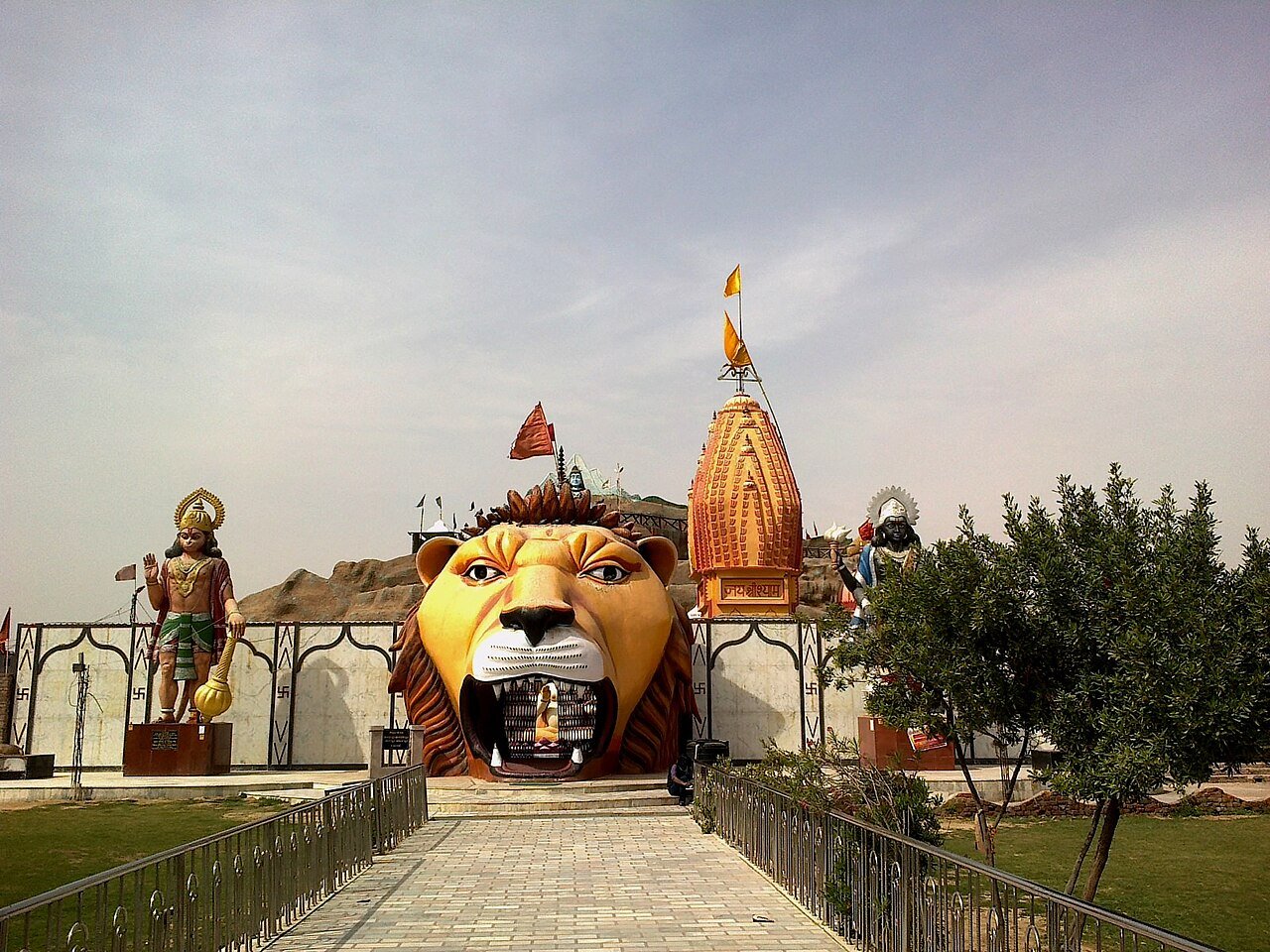
Mata Vaishno Devi is worshipped as a powerful manifestation of the Mother Goddess (Adi Shakti), and her holy cave in the Trikuta hills, where devotees have darshan of three natural rock formations (pindis) representing Maha Kali, Maha Lakshmi and Maha Saraswati, is among the holiest shrines in India. Pilgrims traditionally also visit the nearby Bhairavnath temple. With excellent facilities, multiple travel options and deep spiritual significance, the yatra is both moving and accessible for pilgrims of all ages.
The Bhawan
The holy cave shrine and the three pindis.
Yatra Parchi
The free, mandatory registration slip.
The trek
About 12–13 km uphill from Katra.
Travel options
Foot, pony, palki, battery car or helicopter.
Bhairavnath
The nearby temple, visited after the Bhawan.
Trikuta hills
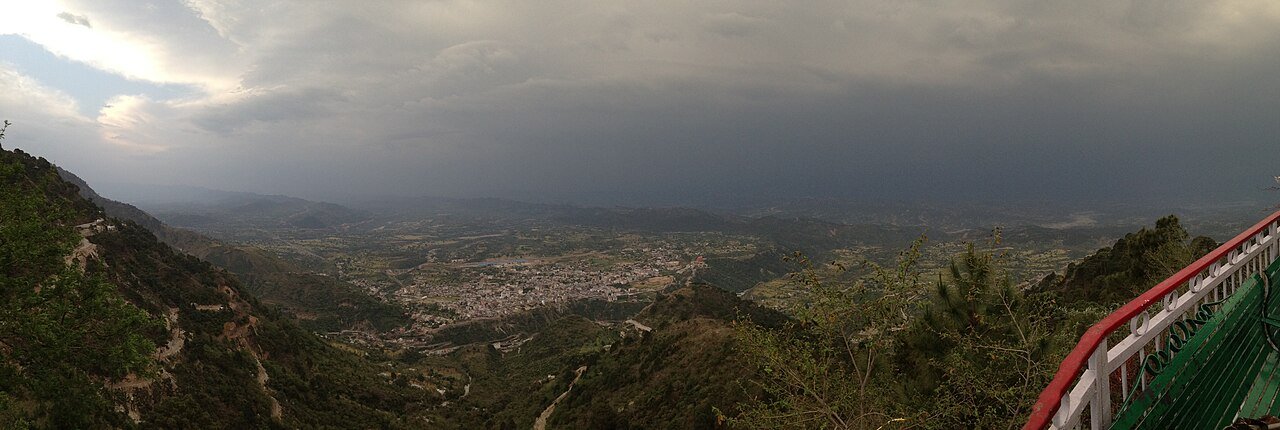
A scenic Himalayan-foothill setting.
Whether you walk the well-paved path as devotees have for generations or use the helicopter and battery cars, the Vaishno Devi Yatra is a profound, uplifting and well-organised pilgrimage suited to families, elders and solo travellers alike.
Vaishno Devi is faith made accessible — a holy cave shrine in the Trikuta hills, reached by trek, pony or helicopter, welcoming millions each year.
Part 2 of 8
Registration, getting there and the trek
A free registration slip and a little planning make the yatra smooth.
Registration (Yatra Parchi): A free Yatra Parchi (travel slip) is mandatory to begin the trek. Obtain it online via the Shri Mata Vaishno Devi Shrine Board (SMVDSB) website/app or at the registration counter in Katra, and carry ID. Helicopter and certain services are booked separately.
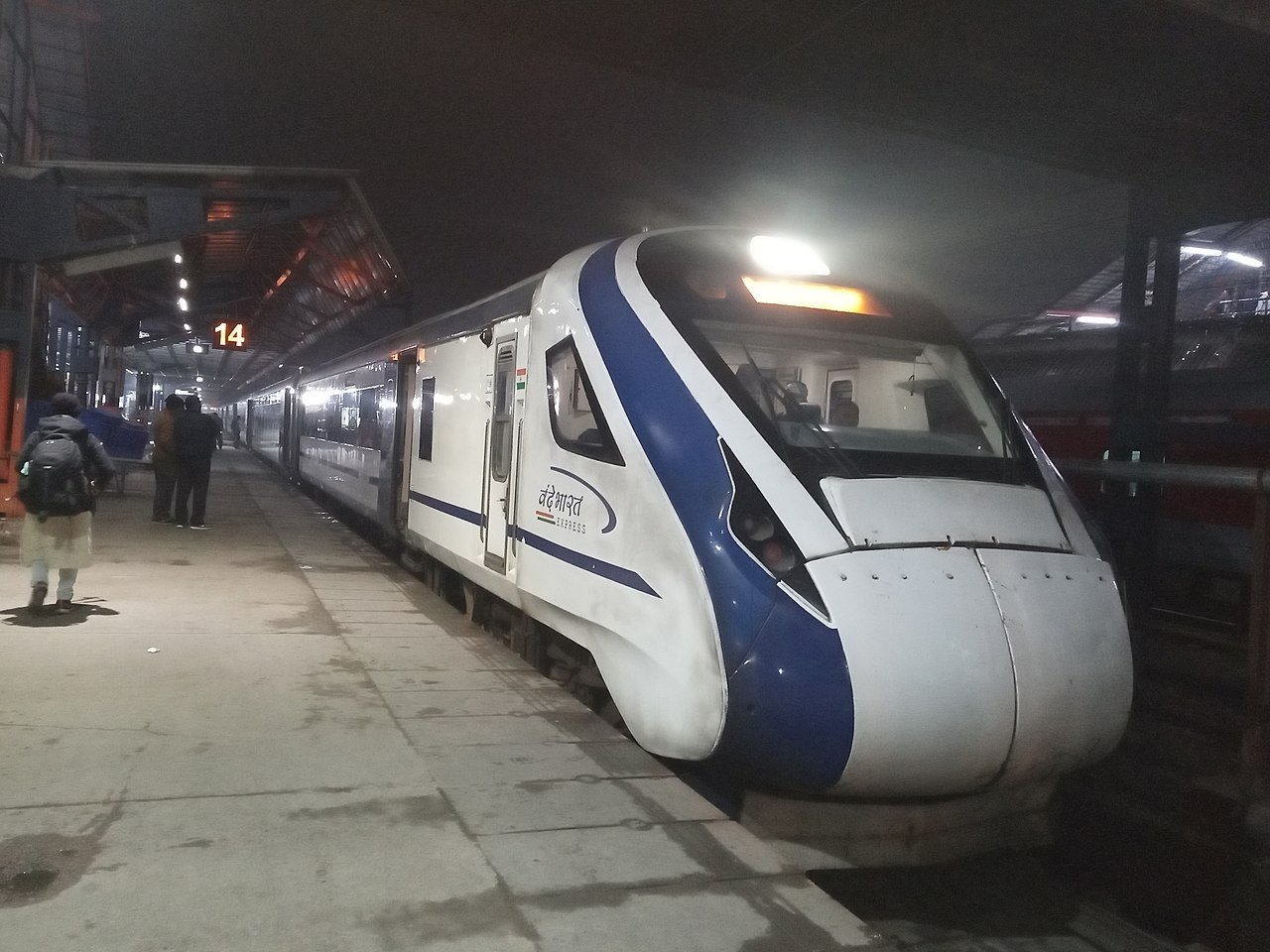
Getting there: Reach Katra, the base town, via Jammu — by train (Jammu Tawi or the Katra railway station), flight to Jammu, or road. The trek to the Bhawan begins from Katra.
The trek and options: The main route is about 12–13 km uphill. You can walk the well-paved path, hire a pony or palki, take a battery car on parts of the new track, or fly by helicopter from Katra to Sanjichhat (a short onward journey to the Bhawan).
Pro tip
Get your free Yatra Parchi before starting, and book helicopter tickets in advance to save time and effort. Start the trek in the cool evening or early morning, travel light, and use the cloakrooms, as some items are restricted near the shrine.
Facilities: The route is well developed, with cloakrooms, food stalls, free and subsidised meals (bhojanalayas), drinking water, medical aid and rest points throughout.
Part 3 of 8
Best time for the Vaishno Devi Yatra
The shrine is open year-round, but the season affects comfort and crowds.
| Season | Months | What to expect |
|---|---|---|
| Spring/autumn | Mar–Apr & Sep–Oct | The best time — pleasant weather for the trek and fewer extremes. |
| Summer | May–Jun | Hot in the lower stretches; trek in the cooler evening or early morning. |
| Monsoon | Jul–Aug | Rain and landslide risk on the hills; trek with caution. |
| Winter | Nov–Feb | Cold, with possible snow higher up; atmospheric but chilly, fewer crowds. |
For the most comfortable trek, visit in spring (March–April) or autumn (September–October). Summers are hot in the lower stretches, so walk in the cooler hours, while the monsoon brings rain and some landslide risk. Winters are cold with possible snow near the top but have a special charm and thinner crowds. Navratri (around September–October) is spiritually special but extremely crowded.
Part 4 of 8
Costs, facilities and budgeting
The Vaishno Devi Yatra is affordable, with the trek and basic facilities essentially free. Here is a rough per-person guide for 2026, excluding travel to Jammu/Katra.
| Style | Approx. cost | What it covers |
|---|---|---|
| Budget | ₹1,500–3,500 | Basic Katra hotel/dharamshala, local food, trek on foot. |
| Mid-range | ₹5,000–10,000 | Good Katra hotel, pony/palki or battery car, meals. |
| With helicopter | ₹12,000+ | Helicopter to Sanjichhat, better stays and quicker darshan. |
Registration is free, and the trek on foot costs nothing, so the main expenses are Katra accommodation, food and any pony, palki, battery car or helicopter. Free and subsidised bhojanalayas line the route, and the shrine board maintains clean facilities throughout. Carry some cash, though digital payments are increasingly accepted in Katra.
Good to know
The trek is long and uphill, so pace yourself, stay hydrated and wear comfortable shoes. Older pilgrims or those with health conditions should consider ponies, palki or the helicopter and consult a doctor. Follow the shrine board’s rules, mind luggage restrictions near the Bhawan, and heed weather advisories in the monsoon and winter.
Part 5 of 8
Facilities, accommodation and the route
The yatra route and Katra are well equipped for pilgrims of all kinds.
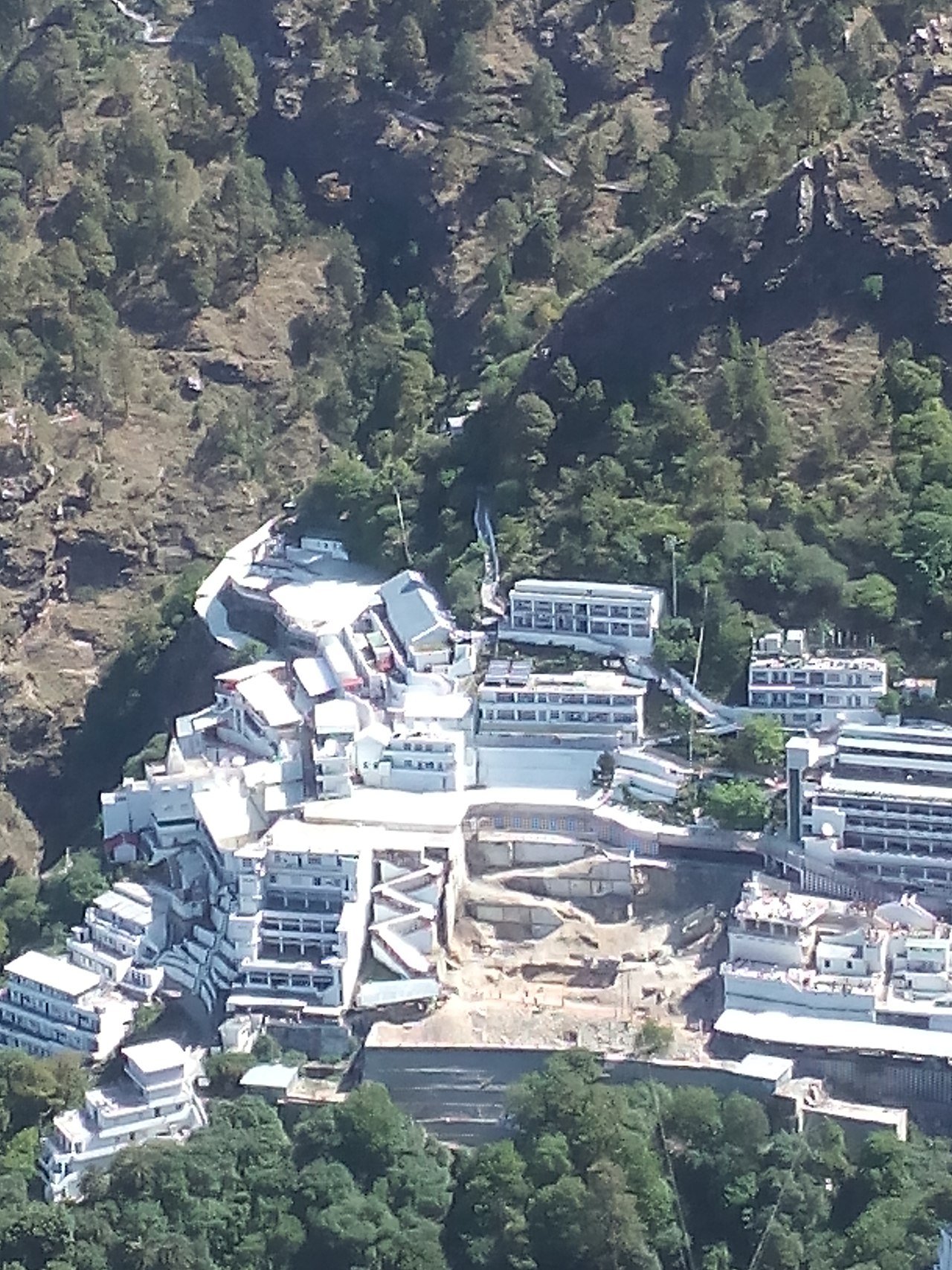
Where to stay: Katra has plenty of hotels, dharamshalas and SMVDSB-run accommodation for all budgets, plus limited rooms near the Bhawan and at Sanjichhat for those staying overnight on the hill. Book ahead in peak season and during Navratri.
On the route: The well-paved path has cloakrooms (at Katra and the Bhawan), food courts and bhojanalayas, drinking water, medical posts, rest shelters, and clean toilets, making the trek manageable. Battery cars and a newer track ease parts of the climb.
Katra: all budgets
Hotels, dharamshalas and shrine-board stays.
On the hill
Limited rooms near the Bhawan/Sanjichhat.
Bhojanalayas
Free and subsidised meals en route.
Facilities
Cloakrooms, water, medical posts, rest points.
Choose your accommodation and travel option by fitness and time, and take advantage of the well-developed facilities that make the Vaishno Devi Yatra one of India’s most accessible major pilgrimages.
Part 6 of 8
Travel options up the trek
Several options suit different fitness levels and budgets for the climb to the Bhawan.
On foot: The traditional way, on a well-paved, gradual path of about 12–13 km, with rest points throughout.
Pony or palki: Ride a pony or be carried in a palki (palanquin) for those who cannot walk the full distance.
Battery cars: Operate on parts of the newer track, reducing the walking distance.
Helicopter: Fly from Katra to Sanjichhat to skip most of the climb, leaving a short onward journey to the Bhawan — book early as it sells out.
On foot
The traditional ~12–13 km paved path.
Pony/palki
Assisted options up the trek.
Battery cars
On parts of the newer track.
Helicopter
Katra to Sanjichhat, saving the climb.
Mix and match as needed — for example, a helicopter up and walk down, or battery cars and a pony for elders — to make the yatra comfortable for your whole group.
Part 7 of 8
Practical tips for the Vaishno Devi Yatra
A few pointers make the Vaishno Devi Yatra smoother.
Get the Yatra Parchi
Free and mandatory before the trek.
Wear good shoes
It is a long uphill walk; pace yourself.
Book heli ahead
Helicopter tickets sell out fast.
Travel light
Use cloakrooms; some items restricted near the shrine.
The Vaishno Devi Yatra is well organised and accessible, but a little planning helps. Obtain the free, mandatory Yatra Parchi before starting, wear comfortable shoes, and pace yourself on the long uphill trek, using the rest points and bhojanalayas. Older pilgrims and those with health issues should consider ponies, palki, battery cars or the helicopter and consult a doctor.
Travel light, as some items are restricted near the Bhawan and cloakrooms are available at Katra and en route. Book helicopter tickets and peak-season or Navratri accommodation well in advance, carry some cash, and heed weather advisories in the monsoon and winter. Respect the shrine board’s rules and the sanctity of the site, and the yatra will be a smooth, safe and deeply uplifting pilgrimage for the whole family.
Part 8 of 8
Frequently asked questions
Is registration mandatory for the Vaishno Devi Yatra?
Yes. A free Yatra Parchi (travel slip) is mandatory to begin the trek. Obtain it online via the Shri Mata Vaishno Devi Shrine Board (SMVDSB) website or app, or at the registration counter in Katra, and carry ID. Helicopter and some other services are booked separately.
How long is the trek to the Vaishno Devi shrine?
The main route is about 12–13 km uphill from Katra to the Bhawan (the cave shrine). On foot it takes several hours depending on fitness, but ponies, palki, battery cars and a helicopter (Katra to Sanjichhat) can significantly reduce the time and effort required.
What travel options are available for the climb?
You can walk the well-paved path, hire a pony or palki, use battery-operated cars on parts of the newer track, or fly by helicopter from Katra to Sanjichhat. Many pilgrims mix options — for example, helicopter up and walk down, or battery cars and a pony for elderly family members.
When is the best time to visit Vaishno Devi?
Spring (March–April) and autumn (September–October) offer the most comfortable weather for the trek. Summers are hot in the lower stretches, so walk in the cooler hours, the monsoon brings rain and landslide risk, and winters are cold with possible snow but fewer crowds. Navratri is special but very crowded.
How much does the Vaishno Devi Yatra cost?
It is affordable. Registration and the trek on foot are free, with free and subsidised bhojanalaya meals en route, so the main costs are Katra accommodation and any pony, palki, battery car or helicopter. Budget trips run ₹1,500–3,500, mid-range ₹5,000–10,000, and helicopter-assisted trips ₹12,000 plus per person.
Are there facilities along the route?
Yes, the route is well developed, with cloakrooms (at Katra and the Bhawan), food courts and bhojanalayas, drinking water, medical posts, rest shelters and clean toilets throughout. Battery cars and a newer track ease parts of the climb, making the yatra one of India’s most accessible major pilgrimages.
Is the Vaishno Devi Yatra suitable for elderly pilgrims and families?
Yes. It is family-friendly and accessible, with ponies, palki, battery cars and a helicopter making it manageable for older pilgrims and children. Those with health conditions should consult a doctor and choose assisted options, and everyone should pace themselves, hydrate and use the rest facilities en route.
Where should I stay for the Vaishno Devi Yatra?
Katra, the base town, has hotels, dharamshalas and SMVDSB-run accommodation for all budgets, with limited rooms also near the Bhawan and at Sanjichhat for those staying overnight on the hill. Book well ahead in peak season and during Navratri, as demand is very high.
The bottom line
The Vaishno Devi Yatra is one of India’s most beloved and accessible pilgrimages — a journey to the holy cave shrine of the Mother Goddess in the Trikuta hills above Katra. Obtain your free, mandatory Yatra Parchi, reach Katra via Jammu, and choose your way up the roughly 12–13 km trek, whether on foot, by pony, palki, battery car or helicopter. Travel in spring or autumn for the best weather, book helicopter tickets and Navratri stays early, wear good shoes and pace yourself. With excellent facilities throughout, the yatra rewards pilgrims of all ages with a smooth, safe and deeply uplifting spiritual experience.
Related reading
 Char Dham Yatra Registration: Rules & Planning (2026)
 Amarnath Yatra Registration & Planning Guide (2026)
 Ayodhya Ram Mandir Darshan: A Practical Guide (2026)
Photos sourced from Wikimedia Commons under their respective Creative Commons licences. Registration, route and cost details are indicative for 2026; confirm current registration rules, services and advisories before you travel.