Khajuraho Travel Guide 2026 — Temples, Best Time & 1-2 Day Plan
Last updated: July 8, 2026
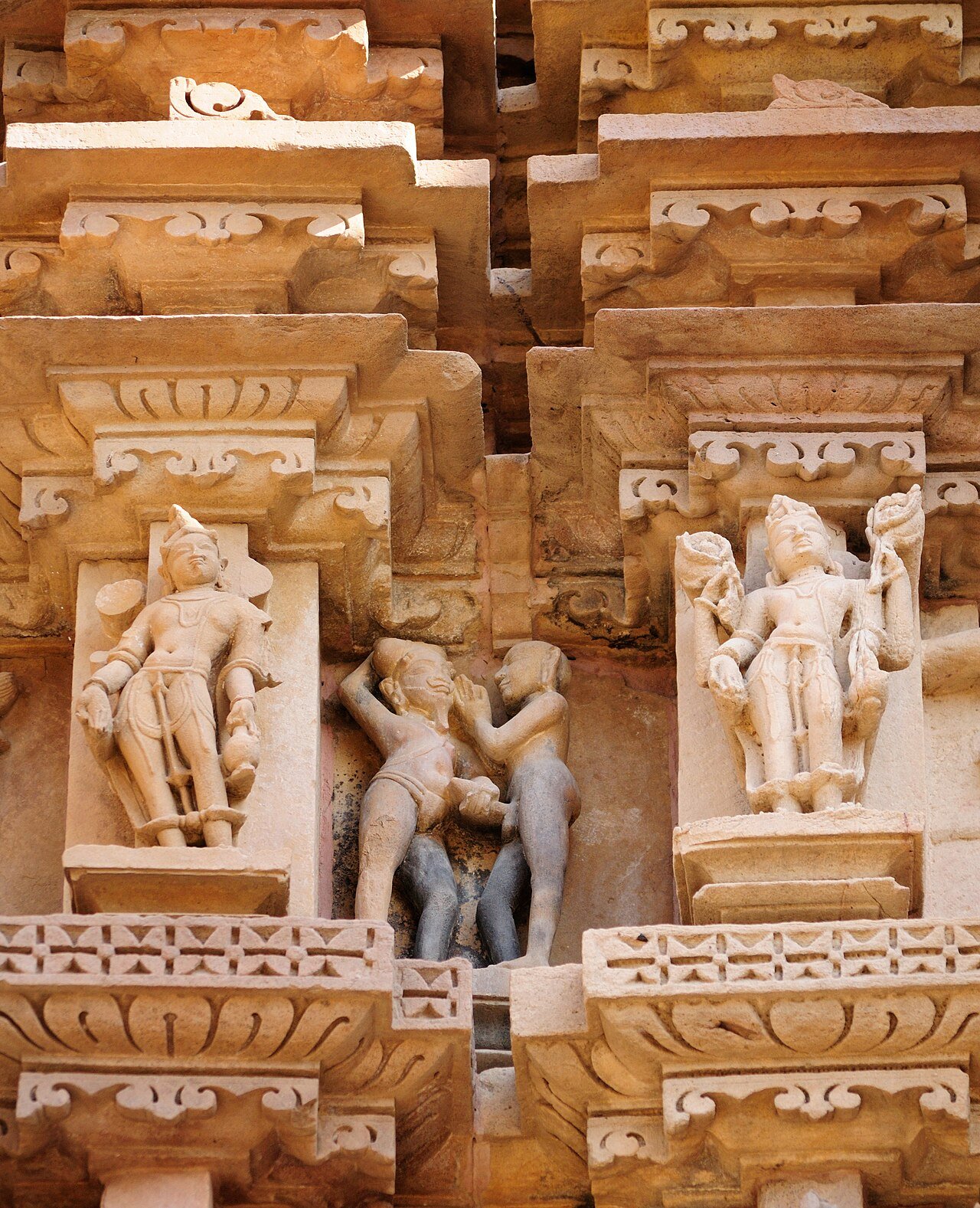
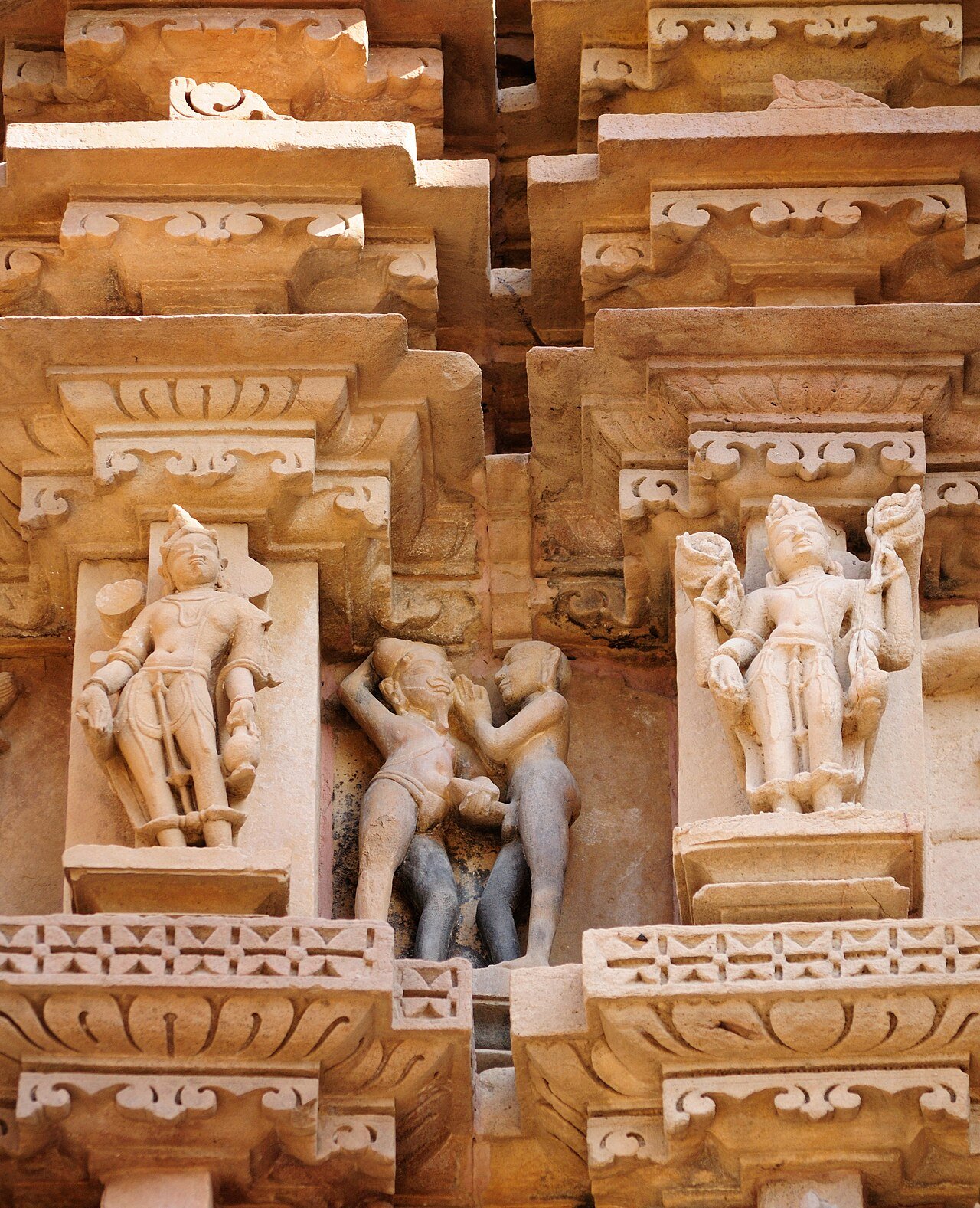
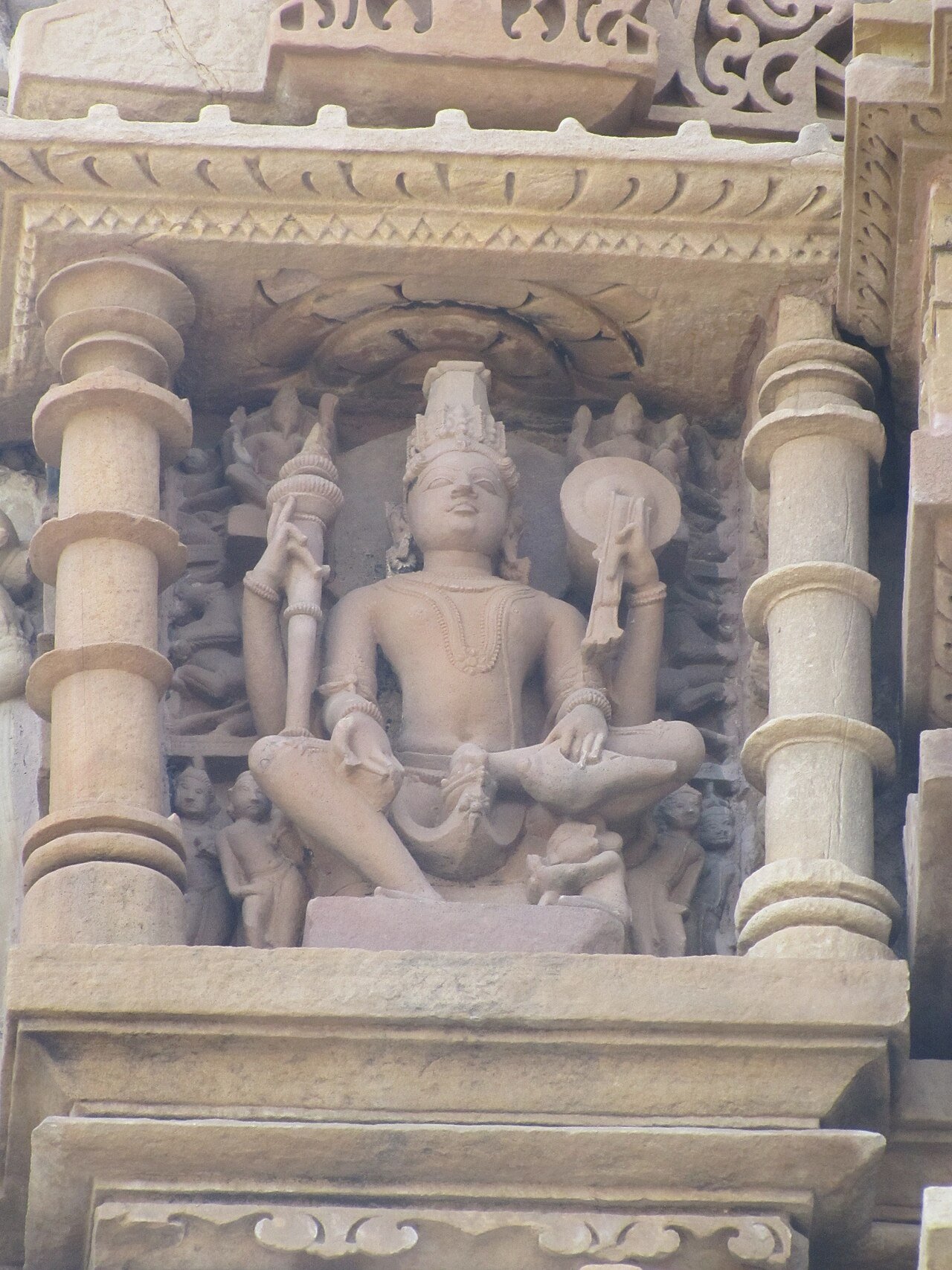
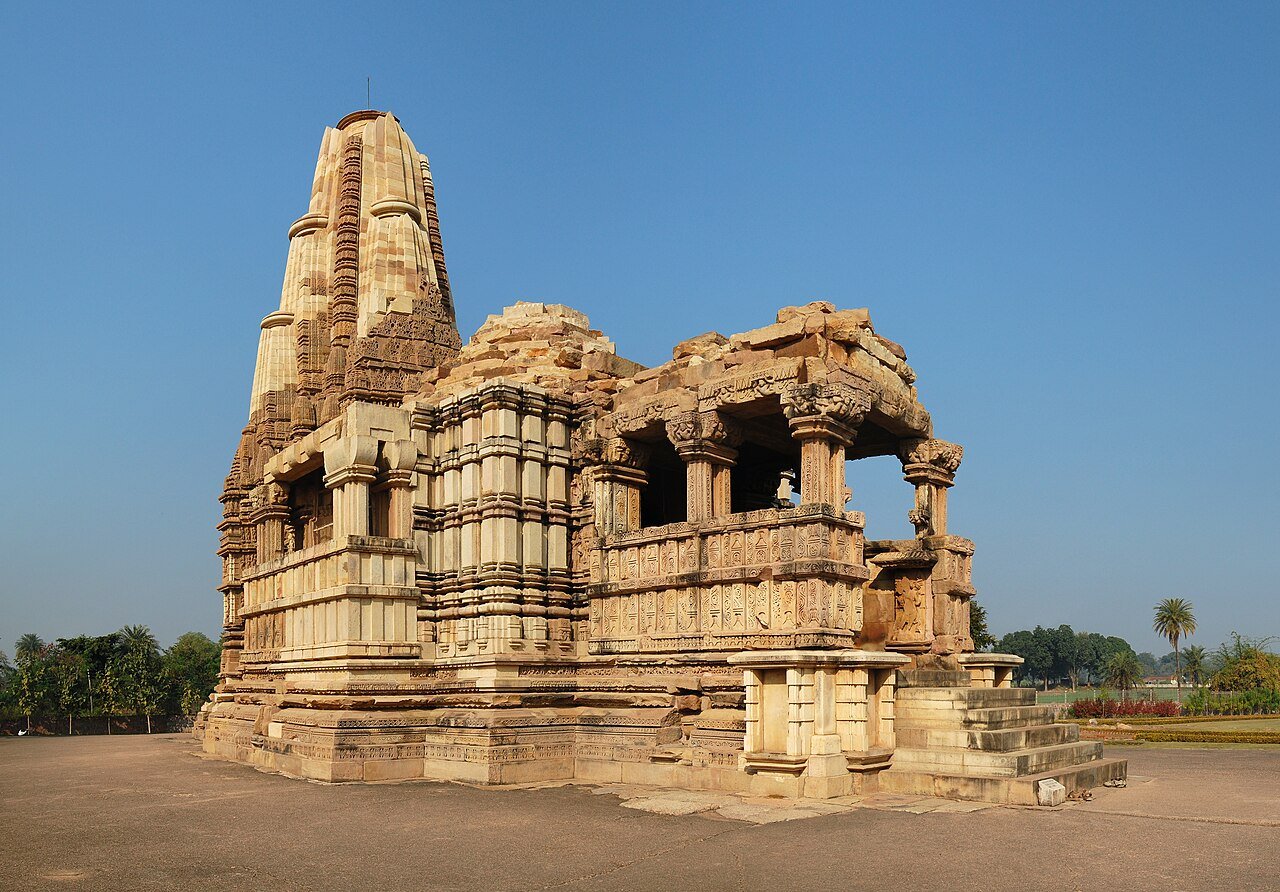
Khajuraho is one of India’s great artistic wonders — a cluster of thousand-year-old sandstone temples in the heart of Madhya Pradesh, carved with some of the most refined and exuberant sculpture anywhere in the world. Built by the Chandela dynasty around 950–1050 CE and now a UNESCO World Heritage Site, the temples are famous for their sensuous figures, but that is only part of the story: gods, dancers, musicians, animals and scenes of everyday life cover every surface in astonishing detail. To stand before the towering Kandariya Mahadeva temple is to grasp just how sophisticated medieval Indian art and architecture truly were.
This 2026 guide for Indian travellers covers how to reach Khajuraho, the best time to go, what it costs, where to stay and eat, and how to plan a rewarding visit that pairs the temples with the nearby tiger country of Panna.
- Getting there: Khajuraho has its own airport (HJR) and railway station, with road links from Jhansi, Orchha and Panna.
- Best time: October to March, when the weather is cool and comfortable for exploring the open temple complexes.
- Budget: ₹2,000–5,000 per day for a comfortable trip; a good guide is a worthwhile small add-on.
- Don’t miss: The Western Group temples, the evening sound-and-light show, and a safari at nearby Panna National Park.
Part 1 of 8
Why Khajuraho belongs on your list
Khajuraho is not just about its famous erotic carvings — those make up only a small fraction of the sculpture. What truly stuns visitors is the sheer scale and finesse of the artistry: soaring spires that mimic Himalayan peaks, friezes alive with deities and dancers, and stonework so fine it looks almost woven. Set in tidy gardens and easy to explore, the temples are among the most accessible and impressive heritage sites in central India.
Western Group
The largest and finest temples, crowned by the magnificent Kandariya Mahadeva.
Master carving
Thousands of intricate figures — gods, musicians, dancers and daily life in stone.
Eastern Group
Elegant Jain temples and shrines a short ride from the main complex.
Sound & light
An atmospheric evening show that brings the Chandela story to life.
Panna NP
A tiger reserve just a short drive away for a memorable safari add-on.
Raneh Falls
A colourful canyon of crystalline rock carved by the Ken river nearby.
Compact, walkable and rich in history, Khajuraho rewards travellers who take the time to understand what they are looking at — ideally with a knowledgeable guide to decode the symbolism.
Khajuraho is medieval India showing off — a thousand years on, its sandstone gods and dancers still leave visitors speechless.
Part 2 of 8
Getting to Khajuraho and getting around
Despite its small-town feel, Khajuraho is surprisingly well connected, with its own airport and railway station making it easy to reach.
By air: Khajuraho Airport (HJR) has flights from Delhi and Varanasi, and seasonal links to other cities, putting the temples within a short hop of major hubs. The airport is just a few kilometres from the temple complex.
By train: Khajuraho railway station is connected to Delhi and other cities, including via convenient overnight services. It is a short ride from the main sights.
By road: Many travellers arrive overland from Jhansi (around 175 km), often combined with Orchha, or from the Bundelkhand region and Panna. Buses and taxis serve these routes.
Pro tip
Pair Khajuraho with Orchha and Jhansi. The three sit on a natural heritage route, and arriving by road via Orchha lets you see two very different medieval Indian capitals in one trip.
Getting around: The Western Group is walkable from most hotels, and the compact town centre is easy on foot. Autos and cycle-rickshaws cover the Eastern and Southern groups and the short trips to Raneh Falls.
Part 3 of 8
Best time to visit Khajuraho
Khajuraho lies in the plains of central India, where summers are fierce, so the cooler months are by far the most comfortable for exploring the open temple grounds.
| Season | Months | What to expect |
|---|---|---|
| Winter | Oct–Mar | The best window — cool, clear and pleasant for sightseeing. Peak season. |
| Summer | Apr–Jun | Very hot, often 40°C or more. Sightseeing is tiring; stick to early morning and evening. |
| Monsoon | Jul–Sep | Warm with showers; the surroundings turn green and crowds thin out. |
| Festival time | Feb | The Khajuraho Dance Festival sets classical dance against the floodlit temples — a special time to visit. |
Aim for October to March for the most comfortable conditions. If you can, time your trip to coincide with the Khajuraho Dance Festival in February, when leading classical dancers perform with the illuminated temples as a backdrop — one of India’s most evocative cultural experiences.
Part 4 of 8
Costs and budgeting for Indians
Khajuraho is an affordable heritage destination, with most of the cost going on where you stay rather than the sights. Here is a realistic per-person, per-day guide for 2026.
| Style | Daily budget | What it covers |
|---|---|---|
| Backpacker | ₹1,200–2,000 | Budget guesthouse near the temples, local transport, monument entry and simple meals. |
| Mid-range | ₹2,500–5,000 | Comfortable hotel, a guide for the Western Group, the sound-and-light show and good meals. |
| Premium | ₹7,000+ | Heritage or luxury hotel, private car, guided tours and a Panna safari package. |
The ASI charges a single modest ticket for the Western Group, with small separate fees for the other groups and the evening show. A licensed guide is inexpensive and genuinely transforms the visit, helping you read the iconography rather than just admiring the surface.
Good to know
UPI and cards work in hotels and larger shops, but guides, rickshaws and small vendors often prefer cash. Carry water and sun protection, as shade is limited around the temple grounds.
Part 5 of 8
Where to stay, what to eat and top experiences
Where to stay: Most hotels cluster near the Western Group, ranging from budget guesthouses to heritage and luxury properties, all within easy reach of the main temples. Staying close lets you visit at opening time and return for the evening show without long transfers.
What to eat: Try simple, hearty Madhya Pradesh and North Indian fare — dal, sabzi, kebabs and tandoori breads — along with the traveller-friendly cafés near the temples. A few hotels offer regional Bundelkhandi dishes worth seeking out.
Dawn at the temples
Enter the Western Group early for soft light and quiet before the tour groups.
Hire a guide
Unlock the meaning behind the carvings with a licensed local guide.
Evening show
Watch the sound-and-light show illuminate the Chandela legacy after dark.
Panna safari
Drive out to Panna National Park for a morning tiger safari.
With extra time, visit the colourful Raneh Falls canyon or the Pandav Falls, both easy excursions that pair the cultural highlights with the region’s natural beauty.
Part 6 of 8
A 2-day Khajuraho itinerary
Two days let you appreciate the temples properly and add a taste of the surrounding region.
Day 1 — The temples: Start early at the Western Group with a guide, taking your time over the Kandariya Mahadeva and its neighbours. After a midday break, explore the Eastern Group’s Jain temples and the Southern temples in the cooler afternoon, then return for the evening sound-and-light show.
Day 2 — Nature and nearby sights: Take a morning safari at Panna National Park, or visit Raneh Falls and the Ken river canyon. Spend the afternoon shopping for local crafts or revisiting a favourite temple in the golden evening light.
Extend your trip: Khajuraho slots neatly into a wider Madhya Pradesh and Bundelkhand circuit. Combine it with Orchha and Gwalior to the west, or continue towards Varanasi for a heritage-rich journey across central and northern India.
Pro tip
Book a Panna safari in advance during peak season, as permits and jeeps are limited. Morning safaris generally offer the best wildlife sightings and cooler, more comfortable conditions.
Part 7 of 8
Practical tips for Indian travellers
A little preparation helps you get the most from Khajuraho, which is as much about understanding the art as simply seeing it.
Guide first
A good guide turns rows of carvings into a vivid story of Chandela India.
Keep your ticket
The ASI ticket covers the Western Group; carry it and buy separate ones as needed.
Sun protection
Hat, water and sunscreen are essential around the shadeless temple grounds.
Plan for Panna
Book safaris ahead and check the park’s seasonal opening before you go.
Khajuraho is a relaxed, tourist-friendly town and the temples are family-friendly heritage rather than anything sensational — the famous erotic sculptures are a small, tastefully integrated part of a vast artistic programme, and a guide will set them in proper context. As at any major site, decline overly persistent touts politely, agree rickshaw fares in advance, and keep an eye on your belongings in busier moments.
The town’s strong air and rail links make it easier to combine with the rest of central India than you might expect. With Orchha, Gwalior and Jhansi to the west and Varanasi reachable to the north-east, Khajuraho works beautifully as one stop on a heritage-rich loop. Building in even one of these turns a temple day trip into a memorable multi-stop journey.
Part 8 of 8
Frequently asked questions
How many days do I need in Khajuraho?
A day and a half to two days is ideal — one for the Western, Eastern and Southern temple groups plus the evening show, and a half or full day for Panna National Park or Raneh Falls nearby.
How do I reach Khajuraho?
Khajuraho has its own airport with flights from Delhi and Varanasi, and a railway station with services from Delhi and other cities. Many travellers also arrive by road from Jhansi and Orchha.
Is a guide necessary at the temples?
Not mandatory, but highly recommended. The carvings are dense with mythology and symbolism, and a licensed guide brings them to life far better than a guidebook, making the visit much more rewarding.
Are the Khajuraho temples suitable for families?
Yes. The famous erotic sculptures are a small part of a vast artistic programme and are integrated tastefully among gods, dancers and scenes of daily life. Families visit comfortably, and a guide helps frame the art in context.
When is the Khajuraho Dance Festival?
It is usually held in February, featuring leading classical dancers performing against the floodlit temples. It is a spectacular time to visit, so book accommodation well in advance if you plan around it.
Can I combine Khajuraho with a tiger safari?
Yes. Panna National Park is a short drive away and offers tiger safaris. Book permits and jeeps ahead in peak season, and aim for a morning safari for the best sightings and cooler weather.
What is the best time to visit Khajuraho?
October to March, when the weather is cool and pleasant for exploring the open temple complexes. Summers are very hot, so if visiting then, stick to early morning and evening.
What can I combine with a Khajuraho trip?
Khajuraho pairs naturally with Orchha, Gwalior and Jhansi to the west, with Panna for wildlife, and with Varanasi to the north-east, making for a rich central and northern India heritage circuit.
The bottom line
Khajuraho is a masterclass in medieval Indian art — a compact, walkable group of temples whose carvings reward every minute you spend looking closely. Come in the cooler months, hire a good guide, catch the evening show, and pair the temples with a Panna safari or the Raneh Falls canyon. Set it within a wider Madhya Pradesh or Varanasi route, and this small town delivers one of the most culturally rich experiences in central India.
Related reading
 Ayodhya Ram Mandir Darshan: A Practical Guide (2026)
 Varanasi Itinerary 2 Days: Ghats & Temples Plan (2026)
 Goa Itinerary 3 Days: North & South Goa Plan (2026)
Photos sourced from Wikimedia Commons under their respective Creative Commons licences. Travel details, festival dates and park timings are indicative for 2026; confirm locally before you travel.