Rishikesh Travel Guide 2026 — Yoga, Rafting, Best Time & Itinerary
Last updated: July 8, 2026
Rishikesh is where the Ganga rushes out of the Himalaya onto the plains — a holy town that doubles as the “Yoga Capital of the World” and India’s adventure-sports hub. Saffron-robed sadhus and ashram chants share the riverbanks with white-water rafters and bungee jumpers, while suspension bridges, riverside cafés and the mesmerising evening Ganga aarti give the town its unmistakable spiritual buzz. For Indian travellers it offers a rare mix of devotion, wellness and adrenaline, all an easy journey from Delhi.
This 2026 guide for Indian travellers covers how to reach Rishikesh, the best time to go, what it costs, where to stay and eat, and how to plan a rewarding two-to-three day trip blending the spiritual and the adventurous.
- Getting there: Fly to Dehradun (about 20 km), train to Haridwar or Rishikesh, or drive roughly 6 hours from Delhi.
- Best time: September–November and February–May for pleasant weather and the rafting season; the monsoon closes river sports.
- Budget: ₹1,800–5,000 per day, with rafting and adventure activities as add-ons.
- Don’t miss: The Ganga aarti, river rafting, the iconic bridges and a yoga or meditation session.
Part 1 of 8
Why Rishikesh belongs on your list
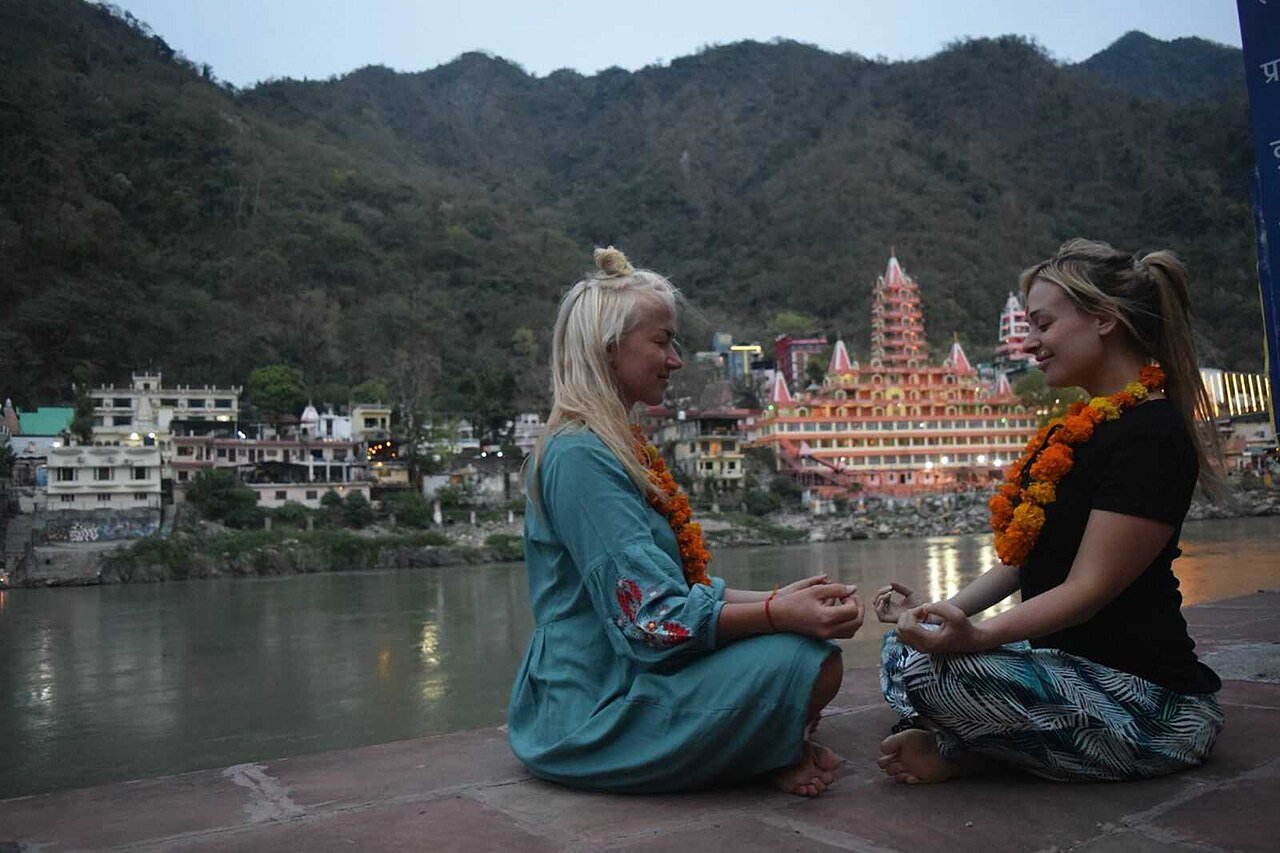
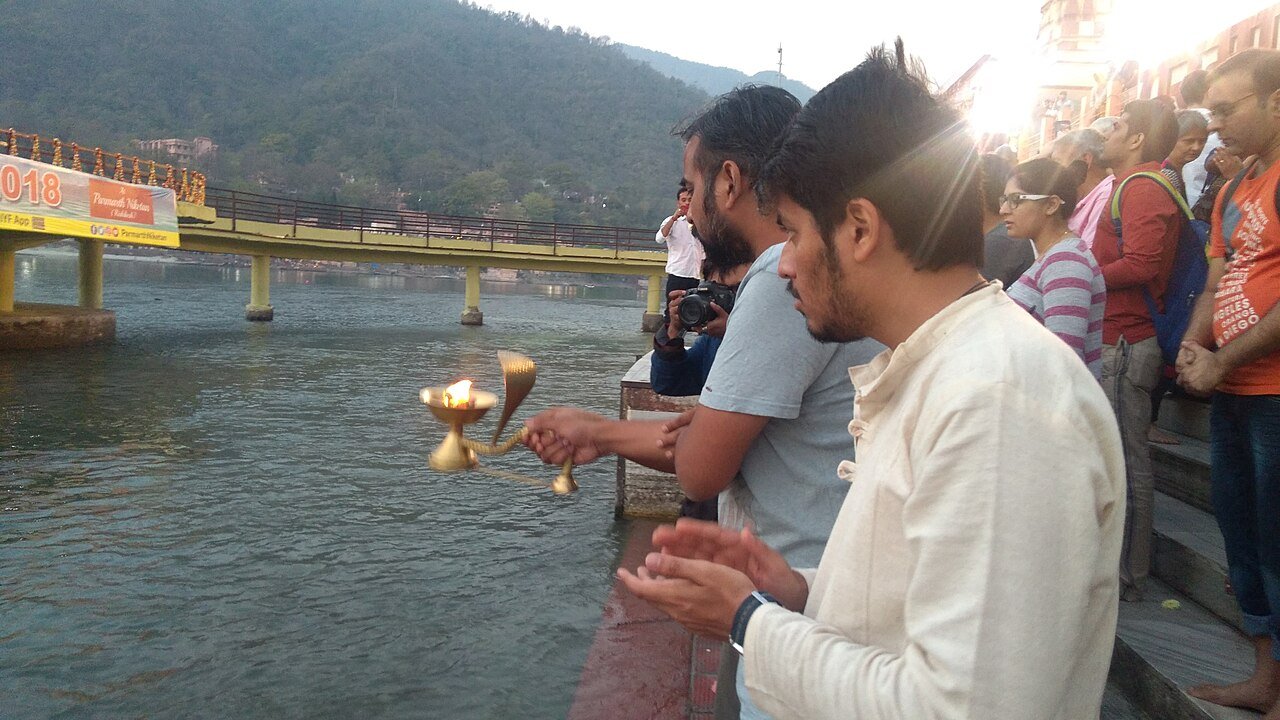
Rishikesh wears many hats at once. You can start the day with sunrise yoga by the river, raft a stretch of Himalayan rapids by afternoon, and end with the hypnotic Ganga aarti as lamps float on the water at dusk. Between the ashrams, the cafés and the adventure operators, it suits pilgrims, wellness seekers, backpackers and thrill-chasers alike — and it remains refreshingly affordable.
Ganga aarti
The mesmerising evening river worship at Parmarth Niketan and Triveni Ghat.
River rafting
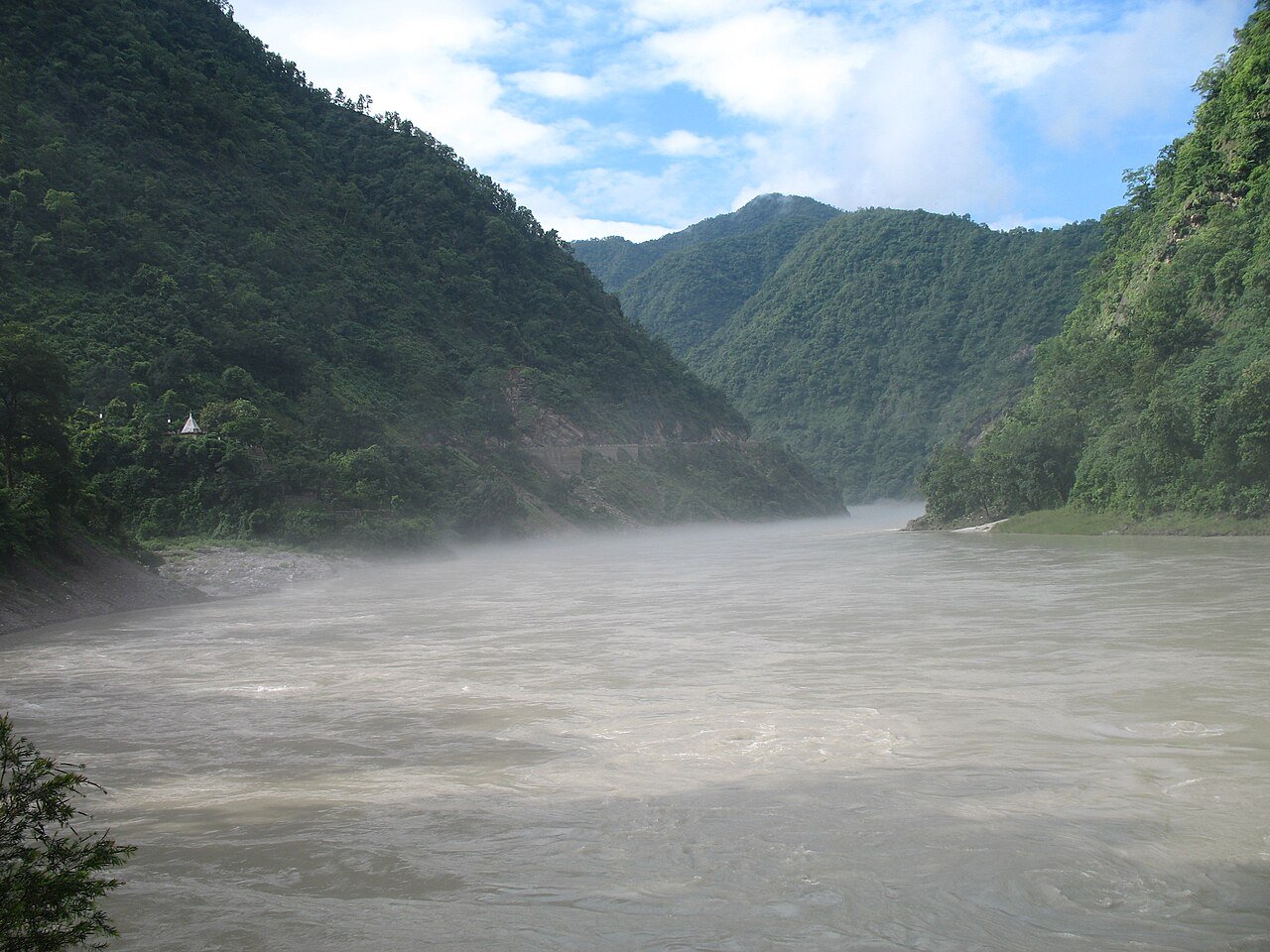
White-water rapids on the Ganga from Shivpuri and Brahmpuri.
Bungee & zip-line
India’s famous bungee jump and giant swing near Mohanchatti.
Yoga & meditation
World-renowned ashrams, retreats and drop-in classes.
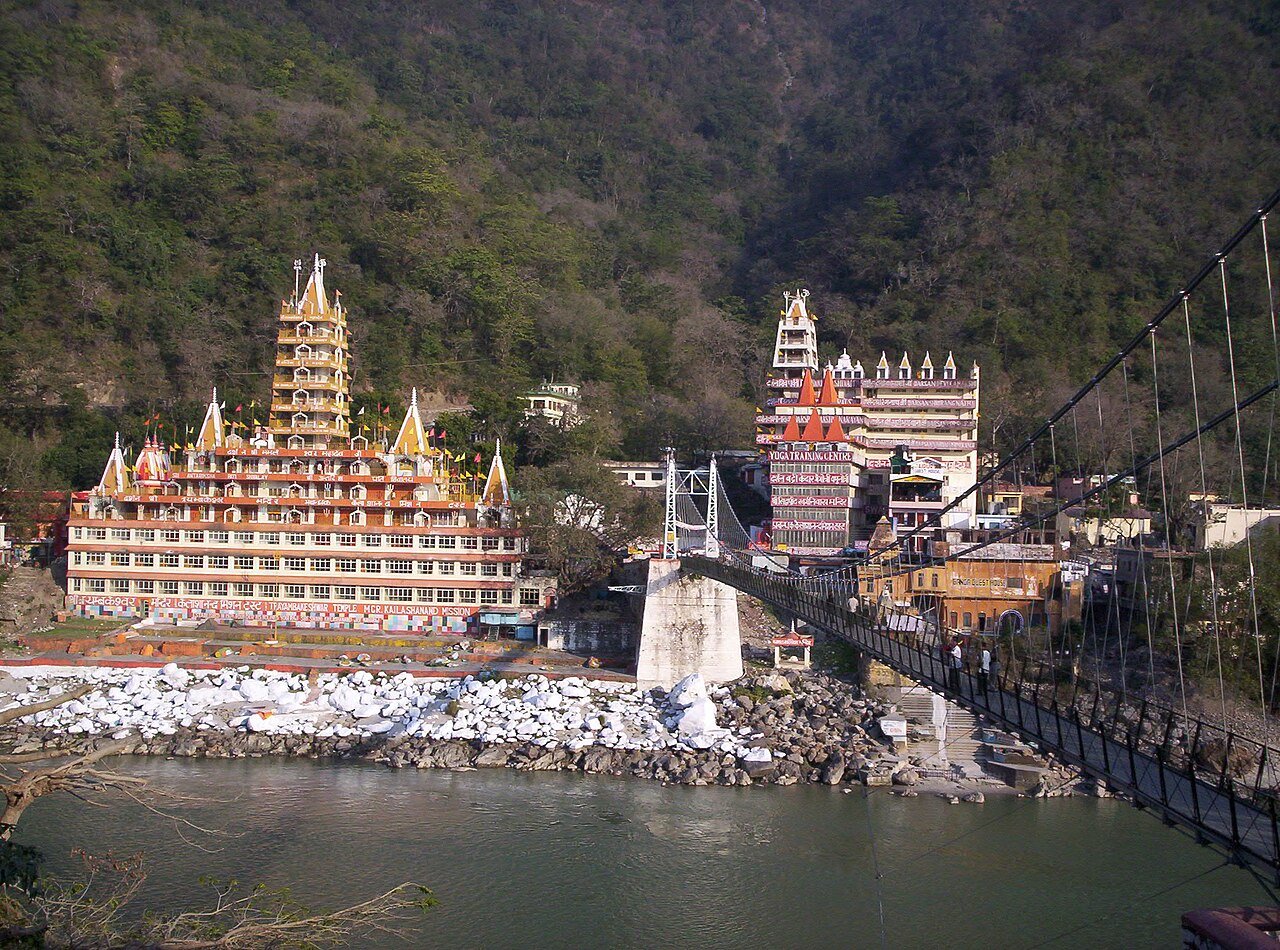
Iconic bridges
The Laxman Jhula and Ram Jhula suspension bridges over the Ganga.
Beatles Ashram
The graffiti-covered Chaurasi Kutia where the Beatles once meditated.
Whether you come to find calm, chase rapids or simply soak up the riverside energy, Rishikesh offers one of the most distinctive and versatile short breaks in North India.
Rishikesh is sacred and supercharged at once — yoga at dawn, rapids by day, and lamps drifting down the Ganga at dusk.
Part 2 of 8
Getting to Rishikesh and getting around
Rishikesh is one of the easiest Himalayan-foothill destinations to reach, well connected by air, rail and road from Delhi and the north.
By air: Dehradun’s Jolly Grant Airport is just around 20 km away, about 35–45 minutes by road, with good domestic connectivity. From there, taxis run straight to Rishikesh.
By train: Haridwar is the major railhead about 25 km away, extremely well connected across India, with Rishikesh’s own station handling some services. From Haridwar, taxis and buses run to Rishikesh.
By road: Delhi to Rishikesh takes around 6 hours on a good highway, with frequent buses and taxis. Many travellers combine the trip with Haridwar.
Pro tip
Stay in the Laxman Jhula or Tapovan area for cafés, yoga and a backpacker vibe, or near Triveni Ghat for the main aarti and a more traditional, pilgrim atmosphere.
Getting around: Much of central Rishikesh around the bridges is pedestrian-friendly, with autos and shared vehicles for longer hops. Activity operators usually arrange transport to rafting and bungee points.
Part 3 of 8
Best time to visit Rishikesh
Rishikesh is a year-round destination, but the river-sports season and the weather shape the best windows to visit.
| Season | Months | What to expect |
|---|---|---|
| Autumn | Sep–Nov | Pleasant weather, post-monsoon Ganga and the rafting season in full swing — ideal. |
| Winter | Dec–Feb | Cool and calm, great for yoga and ashram stays; rafting continues on milder days. |
| Spring | Mar–May | Warm, lively and excellent for rafting before the summer peak heat. |
| Monsoon | Jun–Aug | Hot, humid and wet; river sports close due to high, fast water. |
For the best mix of comfortable weather and adventure, aim for September to November or February to May, when rafting and other river sports are open. Avoid the monsoon for adventure activities, as the swollen Ganga makes rafting unsafe and operators suspend trips.
Part 4 of 8
Costs and budgeting for Indians
Rishikesh is very affordable, with options from riverside hostels to wellness retreats. Here is a realistic per-person, per-day guide for 2026.
| Style | Daily budget | What it covers |
|---|---|---|
| Backpacker | ₹1,200–2,000 | Hostel or budget guesthouse, café meals, the aarti and one activity like rafting. |
| Mid-range | ₹2,500–5,000 | Comfortable hotel or ashram stay, rafting and adventure, good café dining. |
| Premium | ₹7,000+ | Riverside resort or yoga retreat, private transport, curated wellness and dining. |
Adventure activities are the main planned expense — rafting and bungee are sold as fixed-price packages and are good value. Ashram stays are inexpensive and often include yoga and simple meals, while the riverside cafés are affordable and atmospheric.
Good to know
Rishikesh is a holy town: meat, eggs and alcohol are largely prohibited in the core areas, and respectful dress and behaviour are expected, especially at ghats and ashrams.
Part 5 of 8
Where to stay, what to eat and top experiences
Where to stay: The Laxman Jhula and Tapovan areas suit cafés, yoga and a relaxed traveller scene, while Triveni Ghat puts you near the main aarti and a more traditional atmosphere. For wellness, choose an ashram or a riverside retreat a little out of the centre.
What to eat: Rishikesh is fully vegetarian, and its café culture is a highlight — think hearty thalis, healthy bowls, South Indian breakfasts and the famous riverside German Bakery treats. There is no alcohol, but plenty of fresh juices, herbal teas and lassis.
Evening aarti
Join the Ganga aarti at Parmarth Niketan or Triveni Ghat at dusk.
Raft the Ganga
Take on the Shivpuri-to-Rishikesh white-water stretch.
Yoga session
Drop into a riverside class or a multi-day ashram course.
Waterfall walk
Hike to Neer Garh waterfall or up to Neelkanth Mahadev temple.
For more, explore the Beatles Ashram’s art-covered domes, cross the iconic bridges on foot, try the giant swing or zip-line, and simply linger over a riverside coffee watching the Ganga flow by.
Part 6 of 8
A 3-day Rishikesh itinerary
This plan balances the spiritual and the adventurous so you experience both sides of Rishikesh.
Day 1 — Arrive and absorb: Settle in, cross the Laxman and Ram Jhula bridges, explore the cafés and temples, and end with the evening Ganga aarti.
Day 2 — Adventure day: Take on river rafting in the morning, then try the bungee jump or giant swing, or relax with a riverside afternoon and a sunset by the water.
Day 3 — Yoga & nature: Begin with a sunrise yoga or meditation session, visit the Beatles Ashram, and hike to Neer Garh waterfall or up to Neelkanth Mahadev temple before your onward journey.
Extend your trip: Pair Rishikesh with neighbouring Haridwar for its grand Har Ki Pauri aarti, or use it as the gateway to the Char Dham pilgrimage and the wider Garhwal Himalaya.
Pro tip
Book rafting and bungee with licensed, well-reviewed operators and follow all safety briefings. Choose your rafting stretch to match your group’s comfort, as rapids range from gentle to genuinely challenging.
Part 7 of 8
Practical tips for Indian travellers
A few practical notes help you enjoy Rishikesh respectfully and safely, given its dual identity as a holy town and an adventure hub.
Respect the customs
No meat, eggs or alcohol in the core areas; dress modestly at ghats and ashrams.
Adventure safely
Use licensed operators, wear safety gear and heed all briefings.
Mind the monkeys
Keep food and bags secured on the bridges and near temples.
Carry some cash
UPI is common, but small cafés, autos and stalls may prefer notes.
Rishikesh is generally safe and very used to travellers, including solo visitors and women, though the usual care applies in crowds and after dark. The Ganga’s currents can be deceptively strong, so swim only where it is permitted and supervised, and respect the river’s religious significance. When choosing yoga retreats or ashrams, pick reputable, well-reviewed ones, and be mindful that some impose rules on timings, diet and conduct.
Rishikesh also works as a springboard to the wider region. It pairs naturally with Haridwar just downstream, serves as the gateway to the Char Dham shrines of Kedarnath, Badrinath, Gangotri and Yamunotri, and links to hill destinations like Mussoorie and the Garhwal Himalaya. Building one of these into your route turns a Rishikesh break into a fuller Uttarakhand journey.
Part 8 of 8
Frequently asked questions
How many days are enough for Rishikesh?
Two to three days are ideal — one for the bridges, cafés and the evening aarti, one for adventure activities like rafting and bungee, and an optional third for yoga, the Beatles Ashram and a waterfall or temple hike.
How do I reach Rishikesh?
Fly to Dehradun (about 20 km), take a train to Haridwar or Rishikesh, or drive roughly 6 hours from Delhi. Haridwar is the major railhead, with frequent onward taxis and buses to Rishikesh.
When is the best time for rafting in Rishikesh?
The rafting season generally runs from around September to June, with autumn and spring offering the best conditions. River sports close during the monsoon (roughly July and August) when the Ganga runs too high and fast.
Is alcohol and non-vegetarian food available in Rishikesh?
No. As a holy town, Rishikesh largely prohibits meat, eggs and alcohol in its core areas. The food scene is fully vegetarian, with an excellent café culture, fresh juices and herbal teas instead.
Is Rishikesh safe for solo and women travellers?
Yes, it is generally safe and very accustomed to travellers, including solo visitors and women. Take normal precautions in crowds and after dark, swim only where permitted, and choose reputable ashrams and adventure operators.
Can beginners try rafting and bungee in Rishikesh?
Yes. Rafting stretches range from gentle to challenging, so beginners can pick an easier section, and the bungee and giant swing are run by professional operators with full safety gear and briefings. Always follow the instructions given.
Is Rishikesh good for a yoga or wellness trip?
Very. It is world-renowned for yoga and meditation, with everything from drop-in riverside classes to multi-week ashram courses and luxury wellness retreats, making it ideal for both beginners and serious practitioners.
What can I combine with a Rishikesh trip?
Rishikesh pairs naturally with Haridwar, serves as the gateway to the Char Dham pilgrimage, and links to hill stations like Mussoorie and the wider Garhwal Himalaya, making for a fuller Uttarakhand itinerary.
Which is better, the Rishikesh or Haridwar Ganga aarti?
Both are special but different. Rishikesh’s aarti at Parmarth Niketan and Triveni Ghat is intimate and serene, set against a backdrop of yoga and cafés. Haridwar’s Har Ki Pauri aarti is grander and more crowded, a powerful mass spectacle. Many travellers see both, as the towns are only about 25 km apart.
How do I choose a yoga retreat in Rishikesh?
Look for established, well-reviewed ashrams or schools that match your level and goals, whether a drop-in class or a multi-week course. Check the daily schedule, accommodation standard, dietary arrangements and any conduct rules in advance, and read recent traveller reviews before booking.
The bottom line
Rishikesh is a one-of-a-kind destination — spiritual and adrenaline-fuelled in equal measure, where the Ganga sets the rhythm for yoga, rafting and the unforgettable evening aarti. Come in the autumn or spring rafting season, base yourself by the bridges, respect the holy town’s customs, and balance adventure with calm. Do that, and this riverside town will reward you with one of the most distinctive and rejuvenating short trips in North India. Whether you leave with sore arms from the rapids or a calmer mind from the mat, Rishikesh has a way of sending travellers home a little lighter than they arrived.
Related reading
 Char Dham Yatra Registration: Rules & Planning (2026)
 Kumbh Mela Planning Guide: Dates, Tips & Logistics (2026)
 Kedarnath Badrinath Itinerary: 6-Day Do Dham Yatra (2026)
Photos sourced from Wikimedia Commons under their respective Creative Commons licences. Travel details and activity seasons are indicative for 2026; confirm operators, timings and river conditions locally before you travel.