Bhutan 5-Day Itinerary 2026 — Paro, Thimphu, Punakha & Tiger’s Nest
Last updated: July 8, 2026
Bhutan, the last Himalayan kingdom, is a land of cliff-hugging monasteries, towering dzongs, prayer-flag passes and a philosophy that measures Gross National Happiness. Five days is the ideal first taste, taking in the three western valleys — Paro, with the iconic Tiger’s Nest; the capital Thimphu; and beautiful Punakha — over scenic mountain drives. Deeply Buddhist, pristine and carefully protected, Bhutan offers Indian travellers a serene, unspoiled Himalayan experience unlike anywhere else.
This 2026 itinerary guide covers entry rules and the SDF, how to get there, the best time to go, what it costs, a day-by-day plan, where to stay and eat, and the practical tips for a smooth Bhutan trip.
- Entry: Indians do not need a visa but need an entry permit and must pay the Sustainable Development Fee (SDF), a reduced rate per night for Indians — confirm the current amount.
- Getting there: Fly to Paro (Drukair/Bhutan Airlines) from Delhi, Kolkata, Bagdogra or Guwahati, or enter by road via Phuentsholing.
- Best time: March–May and September–November for clear skies, pleasant weather and festivals.
- Don’t miss: The Tiger’s Nest hike, Punakha Dzong, Thimphu’s Buddha Dordenma and Dochula Pass.
Part 1 of 8
Why this 5-day Bhutan route works so well
Bhutan’s western valleys hold the country’s greatest sights within comfortable driving distance, so five days lets you experience the kingdom’s highlights without rushing. You hike to the breathtaking Tiger’s Nest, explore majestic fortress-monasteries, cross a prayer-flag mountain pass, and immerse yourself in a living Buddhist culture — all in a clean, calm and beautifully preserved country that feels a world apart.
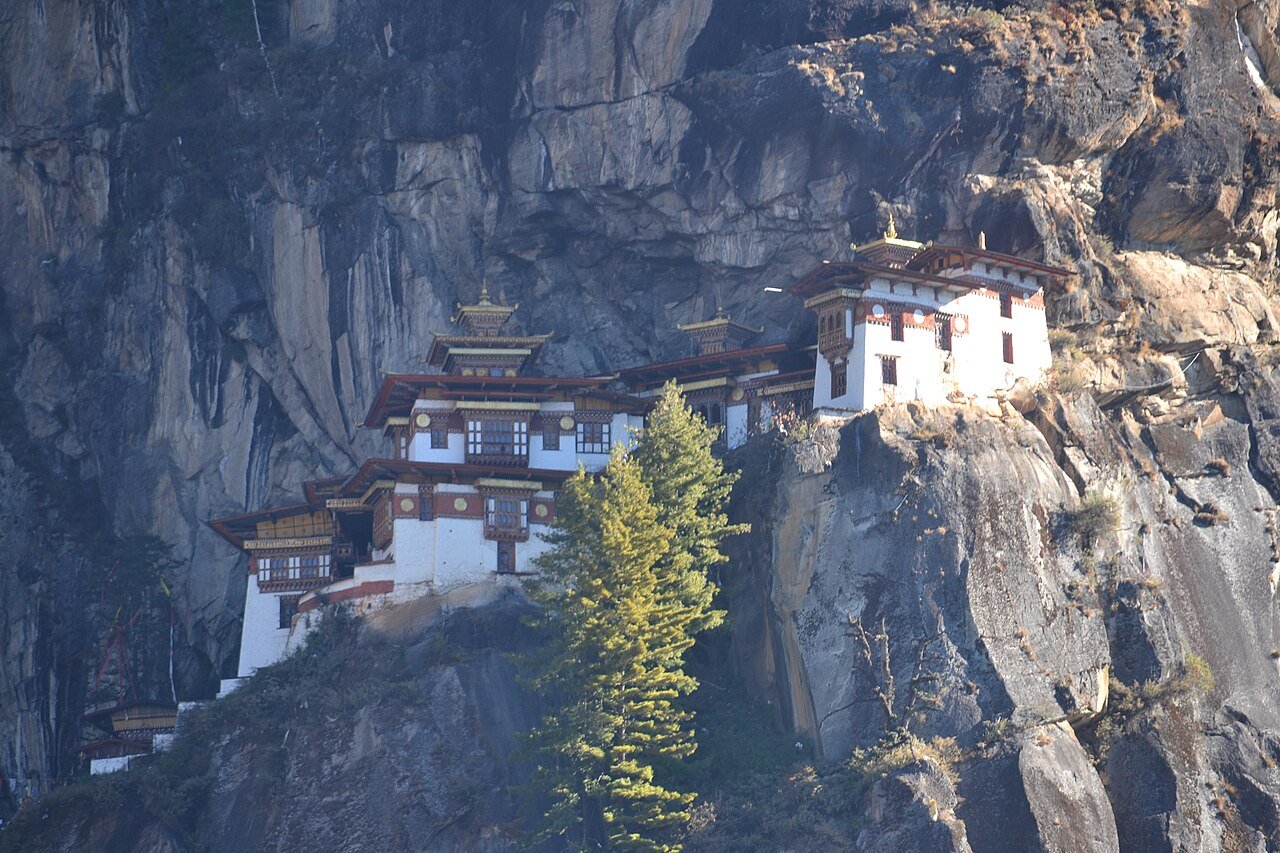
Tiger’s Nest
The cliffside Taktsang monastery, Bhutan’s iconic hike above Paro.
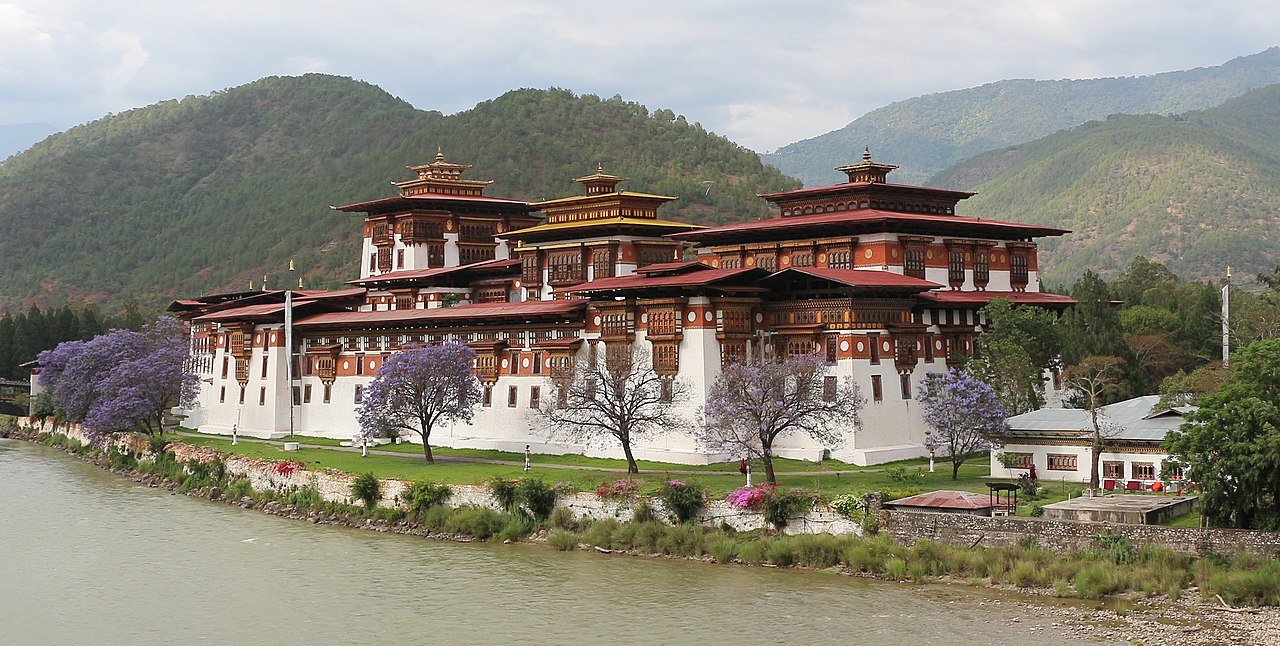
Punakha Dzong
A magnificent fortress-monastery at the meeting of two rivers.
Dochula Pass
108 chortens and Himalayan views on the drive to Punakha.
Thimphu
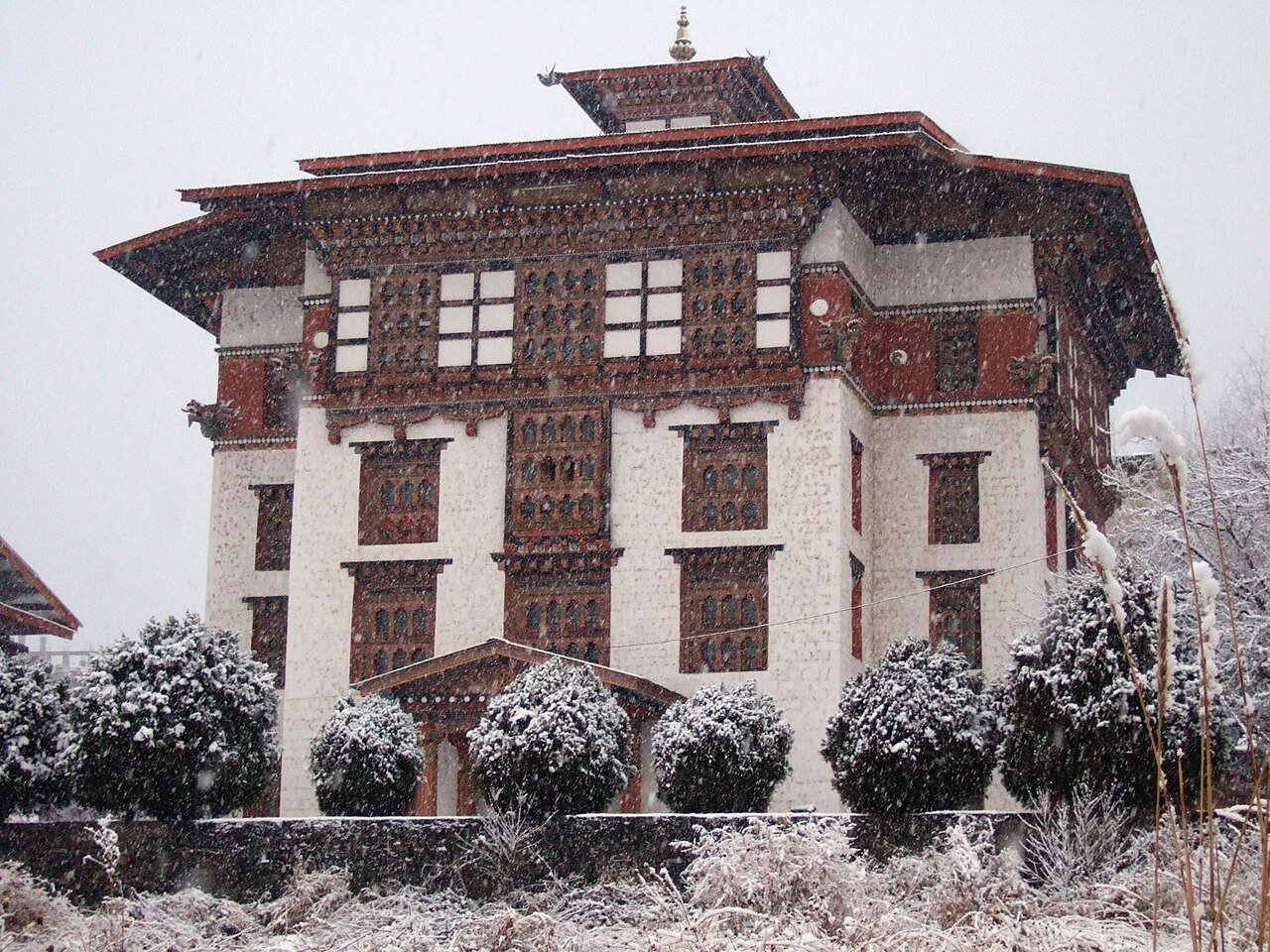
The giant Buddha Dordenma, Tashichho Dzong and the relaxed capital.
Living culture
Archery, festivals, fortress architecture and warm hospitality.
Bhutanese food
Ema datshi, red rice and butter tea in a uniquely flavoured cuisine.
Whether you come for the monasteries, the mountain scenery or the unhurried, mindful pace of life, this five-day Bhutan route delivers a serene and unforgettable Himalayan journey.
Bhutan in five days — a cliffside monastery, river-fork fortresses and a prayer-flag pass, in a kingdom that measures happiness above all.
Part 2 of 8
Entry rules, the SDF and getting there
Bhutan is easy for Indians to enter but has a permit system and a daily fee designed to keep tourism sustainable.
Entry & SDF: Indian nationals do not need a visa but do need an entry permit (arranged online or on arrival) and must pay the Sustainable Development Fee, charged per person per night at a concessional rate for Indians. Carry a passport (recommended) or voter ID, and confirm the current SDF amount and permit process before booking, as policies change.
By air: Drukair and Bhutan Airlines fly into Paro — the only international airport — from Delhi, Kolkata, Bagdogra and Guwahati, on one of the world’s most scenic (and skilled) landings.
By road: You can also enter overland via the Phuentsholing border (near Jaigaon/Bagdogra), then drive up to Thimphu and Paro.
Pro tip
Sort your entry permit and SDF and confirm the current rules well before you travel. Flights into Paro are limited and weather-dependent, so book early and keep some buffer time around your arrival and departure.
Getting around: Travel is by road between the valleys, typically with a licensed driver or as part of an arranged tour. The mountain drives are scenic but winding, so allow time and take motion-sickness precautions if needed.
Part 3 of 8
Best time for this trip
Bhutan’s spring and autumn offer the clearest skies, the best weather and the famous festivals.
| Season | Months | What to expect |
|---|---|---|
| Spring | Mar–May | Blossoms, mild weather and clear views; the Paro Tshechu festival falls in spring. |
| Autumn | Sep–Nov | Crisp, clear skies, superb mountain views and major festivals — the prime window. |
| Summer | Jun–Aug | Warm and green with monsoon rain and some cloud; lush but wetter. |
| Winter | Dec–Feb | Cold and clear in the western valleys, quieter and atmospheric; some passes snowbound. |
For the best mix of weather, mountain views and cultural festivals, come in spring (March–May) or autumn (September–November). These are peak seasons, so book flights and stays early, especially around the vibrant tshechu festivals.
Part 4 of 8
Costs and budgeting for Indians
Bhutan is pricier than neighbouring destinations largely because of the daily SDF, but it remains achievable with planning. Here is a realistic per-person, per-day guide for 2026, excluding flights and the SDF.
| Style | Daily budget | What it covers |
|---|---|---|
| Budget | ₹2,500–4,000 | Simple hotels, a shared vehicle, local meals (plus the SDF per night). |
| Mid-range | ₹5,000–9,000 | Comfortable hotels, a private vehicle with driver, guide and good meals (plus SDF). |
| Premium | ₹15,000+ | Boutique and luxury lodges, private guide and car, curated experiences (plus SDF). |
The Sustainable Development Fee is a fixed per-night cost on top of your spending, so factor it in carefully. Beyond that, the ngultrum is pegged to the Indian rupee and INR is widely accepted, keeping everyday costs predictable. Carry cash, as card acceptance is limited outside main hotels.
Good to know
Confirm the current SDF rate and permit rules before you book, as they have changed in recent years. INR is accepted (smaller notes are easiest), but carry cash, as ATMs and card machines are limited.
Part 5 of 8
The 5-day Bhutan itinerary
This plan covers the three western valleys with scenic drives between them.
Day 1 — Arrive in Paro, drive to Thimphu: Land at Paro, then drive to the capital Thimphu, visiting the memorial chorten and settling in.
Day 2 — Thimphu: See the giant Buddha Dordenma, Tashichho Dzong, the weekend market and viewpoints, soaking up the relaxed capital.
Day 3 — Punakha: Drive over the prayer-flag Dochula Pass to Punakha for its magnificent riverside dzong and the suspension bridge.
Day 4 — Paro & valley: Return to Paro to explore Rinpung Dzong, the National Museum and the valley, resting up for the big hike.
Day 5 — Tiger’s Nest: Hike up to the cliffside Taktsang (Tiger’s Nest) monastery, Bhutan’s unforgettable highlight, before departure.
Extend your trip: Add the Phobjikha Valley (winter home of black-necked cranes) or Bumthang’s sacred valleys for a deeper, longer Bhutan journey.
Pro tip
Save the Tiger’s Nest hike for after a few days at altitude so you are acclimatised, and start early. The round-trip climb takes four to five hours, so wear good shoes, carry water, and pace yourself — the view at the top is worth every step.
Part 6 of 8
Where to stay, what to eat and experiences
Where to stay: Thimphu and Paro have the widest range of hotels, from comfortable mid-range to luxury lodges, while Punakha has scenic riverside resorts. Staying in each valley as you travel keeps the drives manageable and lets you experience all three.
What to eat: Bhutanese cuisine is distinctive and chilli-forward — try ema datshi (chillies with cheese, the national dish), red rice, momos, and buckwheat dishes, washed down with butter tea or local ara. Vegetarians are well catered for, and Indian food is widely available.
Tiger’s Nest hike
Climb to the cliffside Taktsang monastery above Paro.
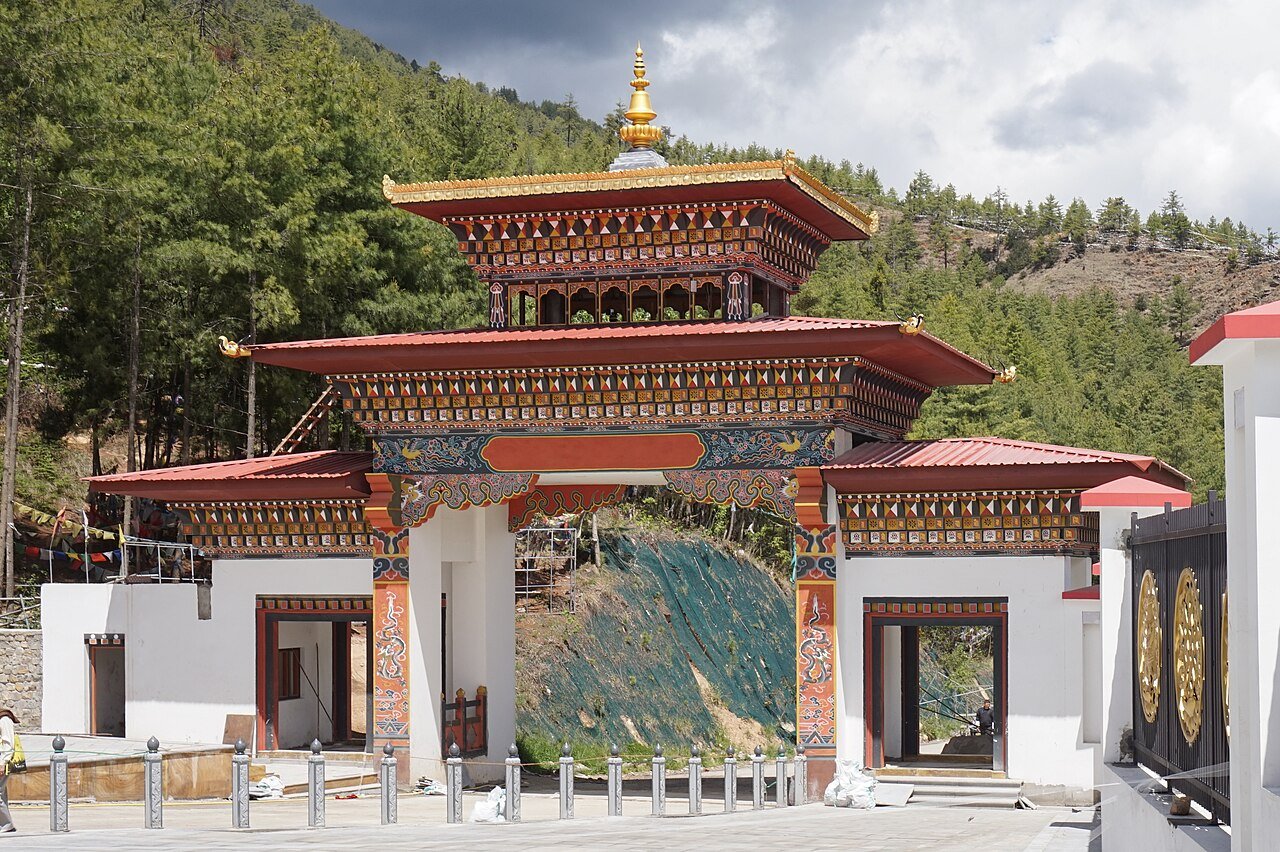
Dzong visits
Explore the grand fortress-monasteries of Punakha and Paro.
Dochula Pass
Pause at the 108 chortens with Himalayan views.
Bhutanese culture
Watch traditional archery and, in season, a colourful tshechu festival.
For more, visit the Buddha Dordenma and weekend market in Thimphu, cross the Punakha suspension bridge, and, with extra days, the crane valley of Phobjikha.
Part 7 of 8
Practical tips for Indian travellers
A few practical notes help you plan a smooth and respectful Bhutan trip.
Permit & SDF
Arrange the entry permit and confirm the current Sustainable Development Fee.
Carry cash (INR ok)
INR is accepted; bring smaller notes, as cards and ATMs are limited.
Train for the hike
The Tiger’s Nest climb is demanding — acclimatise and pace yourself.
Dress respectfully
Cover up for dzongs and temples, where modest dress is required.
Bhutan is one of the safest and cleanest countries in the region, welcoming and easy for Indian travellers, with the main considerations being the permit and SDF rather than safety. Respect the deeply Buddhist culture — dress modestly at dzongs and temples, remove shoes and hats where required, walk clockwise around religious structures, and follow photography rules inside temples. The scenic drives are winding, so allow time, and the Tiger’s Nest hike rewards a gradual, well-paced ascent.
Bhutan also pairs naturally with the eastern Himalaya. It combines well with a Nepal trip, with the road entry via Bagdogra linking to Darjeeling, Sikkim and the Dooars, or with a wider Buddhist-Himalayan journey. Building one of these into your route turns a five-day Bhutan trip into a grander Himalayan adventure.
Part 8 of 8
Frequently asked questions
Do Indians need a visa for Bhutan?
No visa is required, but Indian nationals need an entry permit and must pay the Sustainable Development Fee (SDF) per person per night, at a concessional rate for Indians. Carry a passport (recommended) or voter ID, and confirm the current SDF and permit rules before booking.
How do I reach Bhutan from India?
Drukair and Bhutan Airlines fly into Paro from Delhi, Kolkata, Bagdogra and Guwahati. You can also enter overland via the Phuentsholing border near Jaigaon/Bagdogra and drive up to Thimphu and Paro.
How much does the Bhutan SDF cost for Indians?
Indians pay a concessional Sustainable Development Fee per person per night, lower than the rate for other foreign nationals. The exact amount has changed in recent years, so confirm the current SDF with official sources before you book.
When is the best time to visit Bhutan?
Spring (March–May) and autumn (September–November) are best, with clear skies, pleasant weather, mountain views and major tshechu festivals. Summer is green but rainy, and winter is cold and clear with some passes snowbound.
How difficult is the Tiger’s Nest hike?
It is moderately demanding — a four-to-five hour round-trip climb gaining significant altitude to the cliffside monastery. Reasonably fit travellers manage it well; acclimatise first, start early, wear good shoes and carry water, and the iconic view rewards the effort.
Can I use Indian rupees in Bhutan?
Yes. The Bhutanese ngultrum is pegged to the Indian rupee and INR is widely accepted, with smaller notes easiest. Carry cash, as card acceptance and ATMs are limited outside main hotels and towns.
Is 5 days enough for Bhutan?
Yes, five days comfortably covers the three western valleys — Paro (and the Tiger’s Nest), Thimphu and Punakha — with scenic drives between them. Add days for the Phobjikha or Bumthang valleys for a deeper trip.
What can I combine with a Bhutan trip?
Bhutan pairs naturally with a Nepal trip, and via the Bagdogra road entry with Darjeeling, Sikkim and the Dooars, or with a wider Buddhist-Himalayan journey across the eastern Himalaya.
The bottom line
Bhutan is the Himalaya at its most serene and unspoiled — a kingdom of cliffside monasteries, river-fork fortresses and prayer-flag passes, where a mindful pace and deep Buddhist culture set the tone. Sort your permit and SDF, come in spring or autumn, take the valleys at an easy rhythm, and save the Tiger’s Nest hike for the finale. Do that, and five days in the Land of the Thunder Dragon will reward you with one of the most peaceful and memorable journeys in the Himalaya.
Related reading
 Gangtok Lachung Itinerary: 6-Day North Sikkim Trip (2026)
 Darjeeling Gangtok Itinerary: 6-Day Eastern Himalaya Trip (2026)
 Varanasi Itinerary 2 Days: Ghats & Temples Plan (2026)
Photos sourced from Wikimedia Commons under their respective Creative Commons licences. Entry, SDF and travel details are indicative for 2026; confirm current permit rules and fees with official sources before you travel.