Meghalaya 5-Day Itinerary 2026 — Shillong, Cherrapunji, Root Bridge & Dawki
Last updated: July 8, 2026
Meghalaya — the “abode of clouds” — is one of India’s most magical destinations, a lush hill state of living root bridges, thundering waterfalls, crystal-clear rivers, limestone caves and Asia’s cleanest village. Five days is the ideal length to experience its highlights, from the colonial charm of Shillong to the waterfalls and root bridges of Cherrapunji and the turquoise Umngot river at Dawki. Cool, green and refreshingly offbeat, Meghalaya is a dream trip for nature-loving Indian travellers.
This 2026 5-day itinerary lays out a practical day-by-day plan for Meghalaya, with tips on getting around, the best time to go, costs, where to stay and what not to miss.
- Getting there: Fly or train to Guwahati (Assam), then drive about 3 hours to Shillong; no permits needed for Indians.
- Best time: October to April for clear weather; the monsoon is spectacular but very wet.
- This route: Shillong → Cherrapunji (Sohra) → Dawki & Mawlynnong → back, over 5 days.
- Don’t miss: The living root bridges, Nohkalikai Falls, the Dawki river and Mawlynnong village.
Part 1 of 8
Why 5 days in Meghalaya works so well
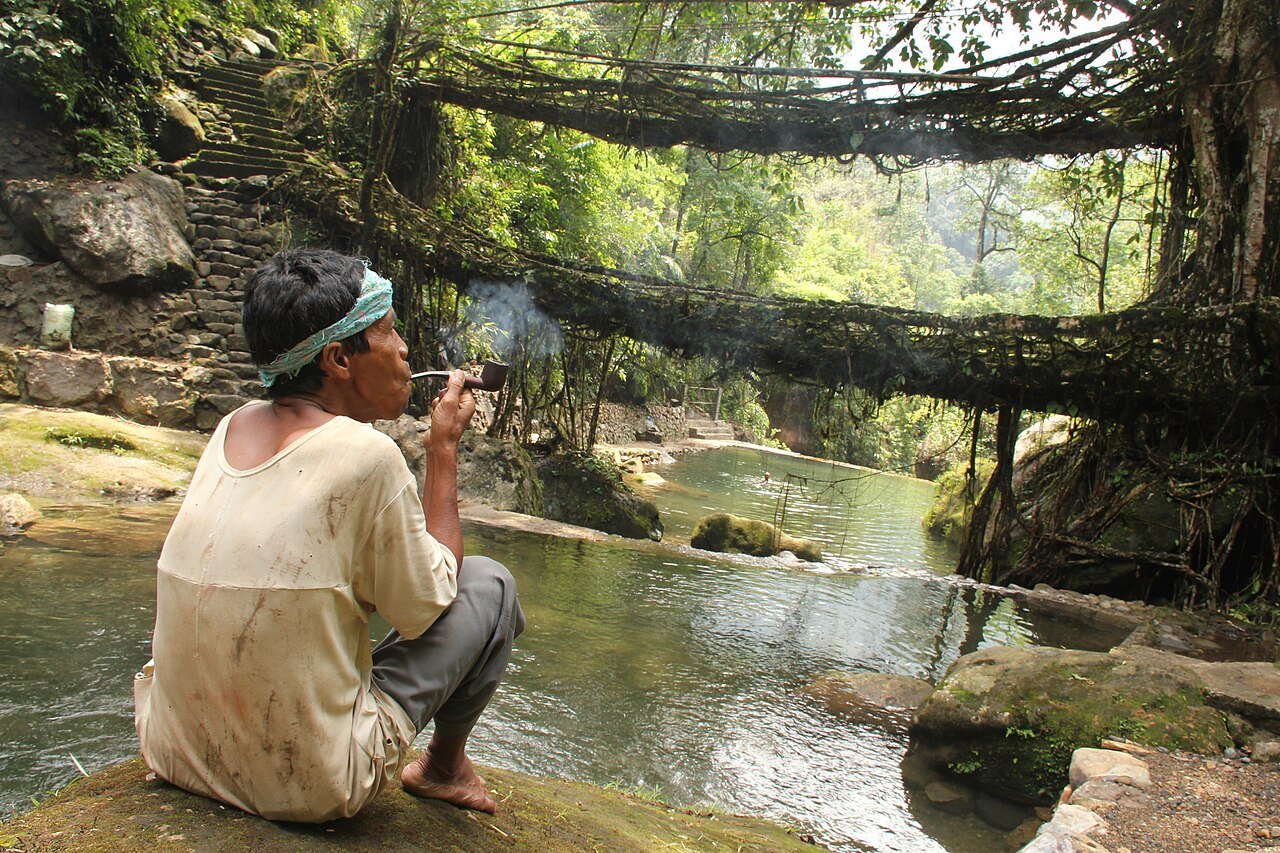
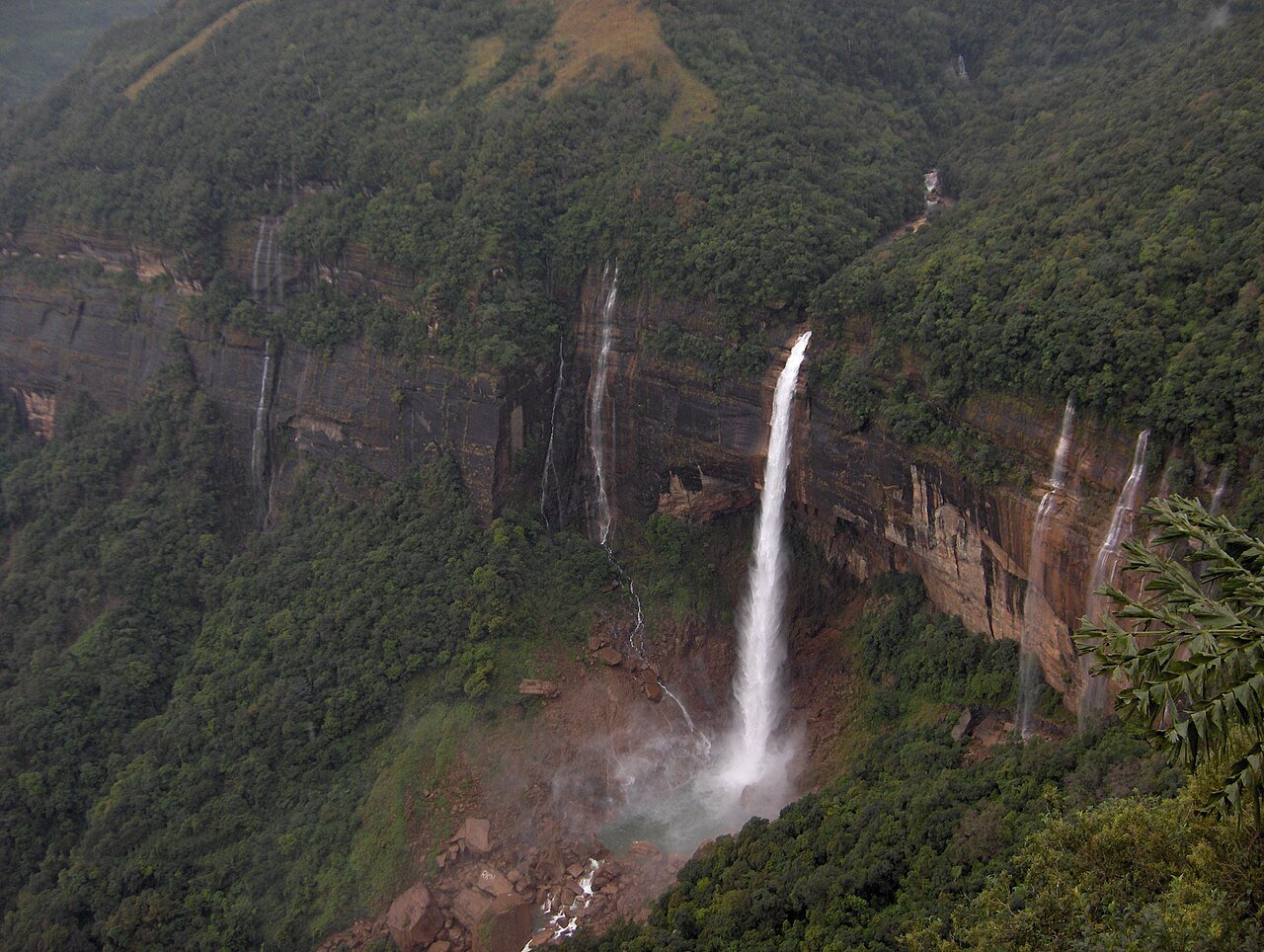
Five days lets you experience Meghalaya’s wonders without rushing. Trek to the famous double-decker living root bridge at Nongriat, marvel at the plunging Nohkalikai and Seven Sisters waterfalls, boat on the astonishingly clear Umngot river at Dawki, stroll Asia’s cleanest village at Mawlynnong, and explore limestone caves and Shillong’s lakes and markets. Cool, green and uncrowded, Meghalaya delivers nature and culture in equal measure.
Root bridges
The double-decker living root bridge at Nongriat.
Waterfalls
Nohkalikai, Seven Sisters and more.
Dawki river
Crystal-clear boating on the Umngot.
Mawlynnong
Asia’s cleanest village.
Caves
Mawsmai and other limestone caves.
Shillong
Lakes, markets and colonial charm.
Whether you love trekking, waterfalls, rivers or village life, this 5-day Meghalaya route captures the state’s magic, and pairs beautifully with Assam for a longer Northeast trip.
Five days in Meghalaya is pure magic — living root bridges, plunging falls and a river so clear the boats seem to float on air.
Part 2 of 8
Getting there and around
Meghalaya is easy to reach via Assam, and no special permits are needed for Indian travellers.
Getting there: Fly or take a train to Guwahati in Assam, the main gateway, then drive about three hours to Shillong, Meghalaya’s capital. Shared taxis, cabs and buses run the route, and the scenic drive is part of the experience.
Getting around: A hired car with driver is the most convenient way to explore the spread-out sights and winding hill roads. Shared taxis (sumos) connect the main towns more cheaply, and local taxis cover sightseeing. Some sights, like the Nongriat root bridge, require a trek on foot.
Pro tip
Base in Cherrapunji (Sohra) for the root bridges and waterfalls, and consider an overnight at Nongriat to enjoy the double-decker bridge without rushing the steep trek. Hire a car with driver for comfort on the hill roads.
Note: Indian travellers do not need an Inner Line Permit for Meghalaya, but carry ID. Distances are slow on winding roads, so plan realistic days.
Part 3 of 8
Best time to do this itinerary
Meghalaya is one of the wettest places on earth, so the season hugely affects the experience.
| Season | Months | What to expect |
|---|---|---|
| Peak/clear | Oct–Apr | The best time — pleasant, clear and green after the rains; ideal for sightseeing. |
| Winter | Dec–Feb | Cool to cold, clear and atmospheric; pack warm layers. |
| Spring | Mar–Apr | Pleasant and green — a lovely time to visit. |
| Monsoon | Jun–Sep | Extremely heavy rain (Cherrapunji is among the wettest on earth); waterfalls roar but roads and treks can be disrupted. |
For clear views, safe roads and comfortable trekking, visit between October and April. The monsoon brings the waterfalls to their thundering best and the landscape to its greenest, but the torrential rain, leeches and landslide risk make sightseeing and treks harder, so it is best for those happy to embrace the wet. Winter is cool, so carry layers.
Part 4 of 8
Costs and budgeting
Meghalaya is affordable, from homestays to comfortable hotels. Here is a realistic per-person, per-day guide for 2026, excluding transport to the region.
| Style | Daily budget | What it covers |
|---|---|---|
| Budget | ₹1,500–3,000 | Homestays and guesthouses, local food, shared transport. |
| Mid-range | ₹4,000–7,500 | Good hotels, a car with driver, guided sights and activities. |
| Comfort | ₹10,000+ | Premium stays, private transport and curated experiences. |
Homestays, especially around Cherrapunji and Nongriat, are affordable and authentic, and local food is cheap. The main cost is a private car for the spread-out route. Carry cash, as ATMs and connectivity can be limited outside Shillong, and the Dawki boat ride and cave entries are modest extras.
Good to know
Meghalaya is generally safe and welcoming, but hill roads are winding, so use reliable drivers and avoid night driving. The Nongriat root-bridge trek is steep (3,500+ steps each way), so go prepared, and in the monsoon watch for leeches and slippery paths. Carry warm layers for the cool evenings.
Part 5 of 8
The 5-day Meghalaya itinerary, day by day
This route covers Shillong, Cherrapunji and Dawki at a comfortable pace.
Day 1 — Shillong: Arrive via Guwahati, explore Ward’s Lake, Police Bazaar, the Don Bosco Museum and Shillong’s viewpoints.
Day 2 — Cherrapunji (Sohra): Drive to Cherrapunji for Nohkalikai Falls, the Seven Sisters Falls, Mawsmai Cave and Eco Park.
Day 3 — Root bridges: Trek down to Nongriat for the double-decker living root bridge and natural pools (consider an overnight at Nongriat).
Day 4 — Dawki & Mawlynnong: Boat on the crystal-clear Umngot river at Dawki and visit Mawlynnong, Asia’s cleanest village, and its single-decker root bridge.
Day 5 — Return: Drive back to Shillong/Guwahati, with last sights or shopping before departing.
Pro tip
The Nongriat trek is steep and tiring — start early, carry water, and consider staying overnight at the bottom to enjoy the bridge and pools at a relaxed pace. Visit Dawki early for the calmest, clearest water.
Part 6 of 8
Where to stay along the route
Choosing the right bases keeps this route comfortable.
Shillong: Central hotels near Police Bazaar for amenities, dining and arrival/departure.
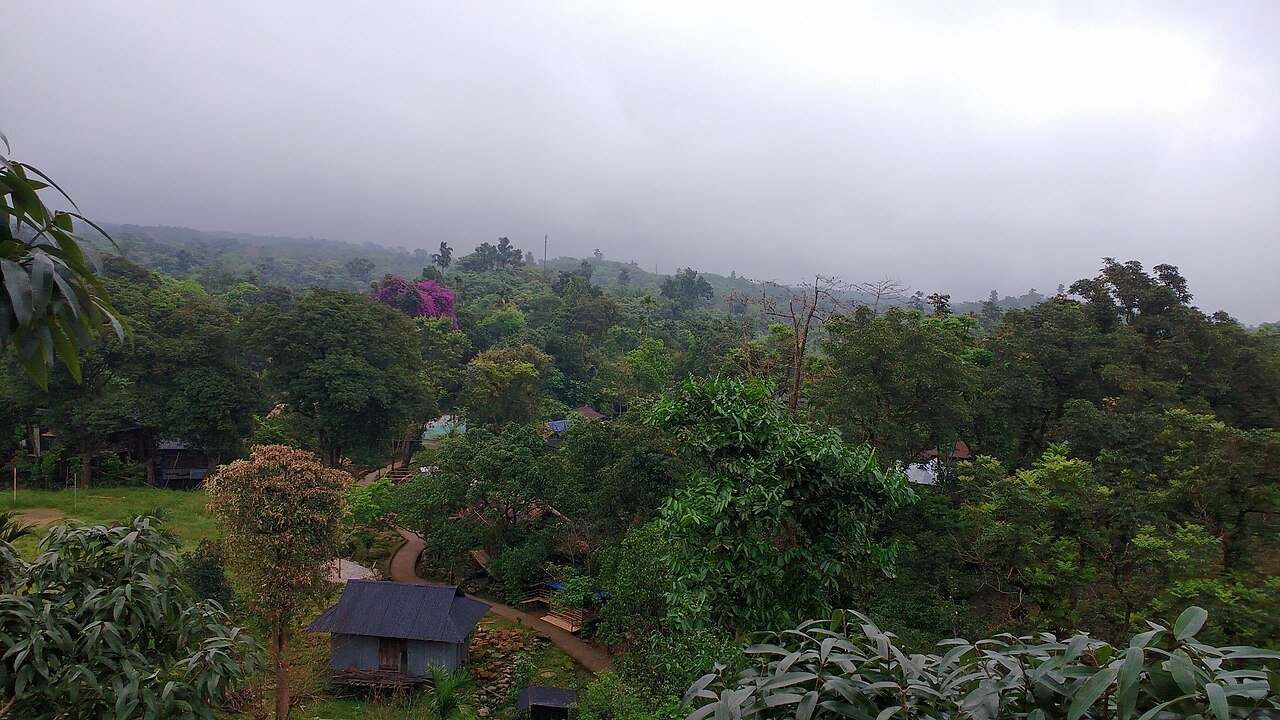
Cherrapunji (Sohra): Resorts and homestays here put you near the waterfalls, caves and root-bridge trailheads.
Nongriat: Basic guesthouses at the bottom of the trek let you enjoy the double-decker bridge overnight.
Dawki/Mawlynnong: Homestays near Mawlynnong offer a peaceful village stay close to Dawki.
Shillong: central
Near Police Bazaar for amenities.
Cherrapunji: homestays
Close to falls and root bridges.
Nongriat: guesthouse
Overnight by the double-decker bridge.
Mawlynnong: village stay
Peaceful, near Dawki.
Book ahead in peak season (autumn and spring), and choose homestays for the most authentic and affordable Meghalaya experience.
Part 7 of 8
Practical tips for this Meghalaya trip
A few habits make a Meghalaya itinerary run smoothly.
Hire a driver
Best for the spread-out, winding route.
Prepare for treks
The Nongriat root bridge is a steep climb.
Carry cash
ATMs and network are limited outside Shillong.
Pack layers & rain gear
Cool evenings; very wet in the monsoon.
Meghalaya rewards a little preparation. Hire a car with driver for the spread-out sights and winding hill roads, base in Cherrapunji for the waterfalls and root bridges, and consider an overnight at Nongriat to enjoy the famous double-decker bridge without rushing the steep trek. Indian travellers need no permit, but carry ID.
Carry cash, as ATMs and connectivity are limited outside Shillong, and pack warm layers for the cool evenings plus rain gear (and salt for leeches) if visiting in the wet season. Travel between October and April for the clearest weather and safest roads, respect local Khasi customs and the famously clean villages, and start treks and the Dawki boat ride early. With its root bridges, waterfalls and clear rivers, Meghalaya offers an unforgettable five-day escape.
Part 8 of 8
Frequently asked questions
How do I reach Meghalaya for this itinerary?
Fly or take a train to Guwahati in Assam, the main gateway, then drive about three hours to Shillong, Meghalaya’s capital. Shared taxis, cabs and buses run the scenic route. Indian travellers do not need an Inner Line Permit for Meghalaya, but should carry ID.
When is the best time to visit Meghalaya?
October to April offers the best weather — pleasant, clear and green after the rains, ideal for sightseeing and trekking. The June–September monsoon brings the waterfalls to their thundering best but with torrential rain, leeches and landslide risk that can disrupt travel. Winter is cool, so pack layers.
Is 5 days enough for Meghalaya?
Yes — five days covers the highlights: Shillong, Cherrapunji’s waterfalls and caves, the living root bridges at Nongriat, and the Dawki river and Mawlynnong village. It is a comfortable length, and you can extend with Assam (Kaziranga, Majuli) for a fuller Northeast trip.
How difficult is the living root bridge trek?
The trek to the famous double-decker bridge at Nongriat involves a steep descent and climb of around 3,500 steps each way, so it is moderately challenging and takes several hours round trip. Start early, wear good shoes, carry water, and consider an overnight at Nongriat to avoid rushing.
How much does a Meghalaya trip cost?
Excluding transport to the region, budget travellers manage on roughly ₹1,500–3,000 a day using homestays and shared transport, mid-range trips ₹4,000–7,500 including a car with driver, and comfort trips from ₹10,000. Homestays and local food are cheap; a private car is the main cost.
Is the Dawki river really that clear?
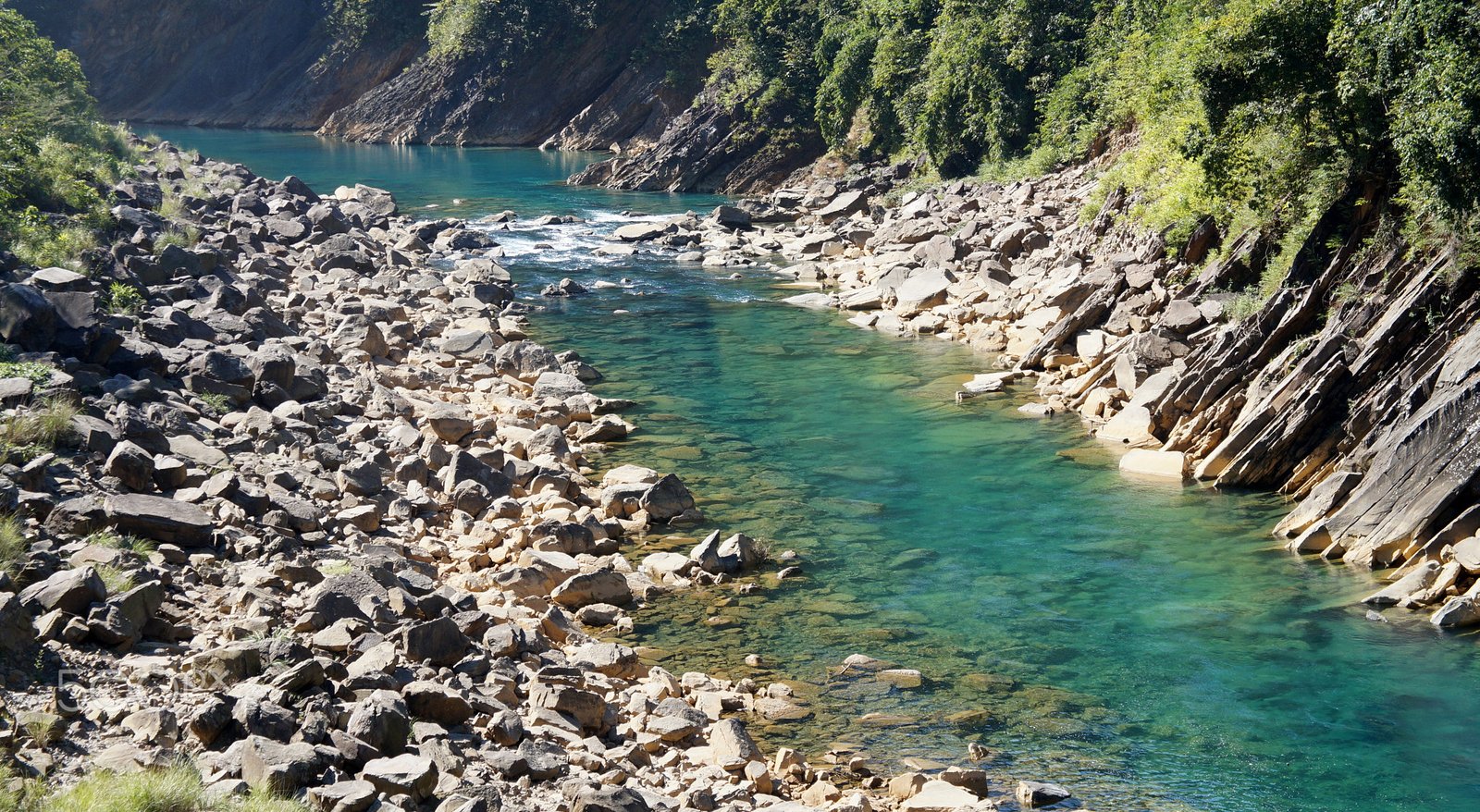
Yes — the Umngot river at Dawki is famously crystal-clear, especially in the dry winter months, when boats appear to float on glass over the riverbed. Visit early in the morning for the calmest, clearest water and fewer crowds, as it gets busier and choppier later in the day.
Do I need permits for Meghalaya?
No — Indian travellers do not need an Inner Line Permit for Meghalaya, unlike some neighbouring states such as Arunachal Pradesh. Simply carry a valid ID. Foreign nationals should check the latest registration requirements, but for Indian passport holders entry is straightforward.
Can I combine Meghalaya with Assam?
Absolutely. Meghalaya pairs naturally with Assam, as you arrive via Guwahati. Adding Kaziranga National Park (rhinos) and the river island of Majuli makes a fuller 8–10 day Northeast trip, combining Meghalaya’s waterfalls and root bridges with Assam’s wildlife and culture.
What should I pack for Meghalaya?
Pack layers for the cool hill climate, especially in the evenings and winter, plus a good rain jacket and quick-dry clothing, as Meghalaya can be wet even outside the monsoon. Bring sturdy walking shoes for the root-bridge trek, a torch, a power bank, and salt or repellent for leeches if visiting in the rainy season.
Is Meghalaya suitable for families and older travellers?
Much of Meghalaya is family-friendly — Shillong’s lakes and markets, the waterfalls viewpoints, the Dawki boat ride and Mawlynnong village are easy and enjoyable for all ages. The main challenge is the steep Nongriat root-bridge trek, which older travellers or young children may find tough; you can skip it and still enjoy the single-decker bridge at Mawlynnong.
The bottom line
This 5-day Meghalaya itinerary captures the magic of the “abode of clouds” — the living root bridges of Nongriat, the thundering Nohkalikai and Seven Sisters falls, the crystal-clear Umngot river at Dawki, and Asia’s cleanest village at Mawlynnong. Reach it via Guwahati, hire a car with driver, base in Cherrapunji, and travel between October and April for clear weather. Prepare for the steep root-bridge trek, carry cash, and pack layers, and Meghalaya will reward you with an unforgettable, refreshingly offbeat escape into nature.
Related reading
 South Africa Travel Guide for Indians (2026)
 Shillong Cherrapunji Itinerary: 5-Day Meghalaya Trip (2026)
 Pondicherry Itinerary: 2-3 Day French Riviera Plan (2026)
Photos sourced from Wikimedia Commons under their respective Creative Commons licences. Travel details are indicative for 2026; confirm road, weather and access conditions before you travel.