Himachal Pradesh 7-Day Itinerary 2026 — Shimla, Manali & Kasol
Last updated: July 8, 2026
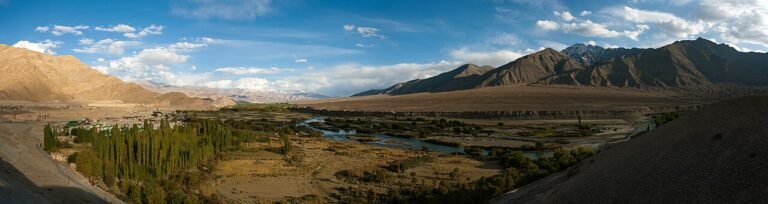
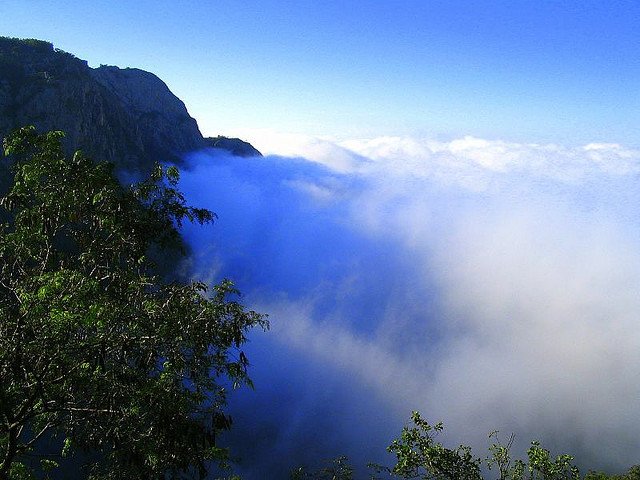
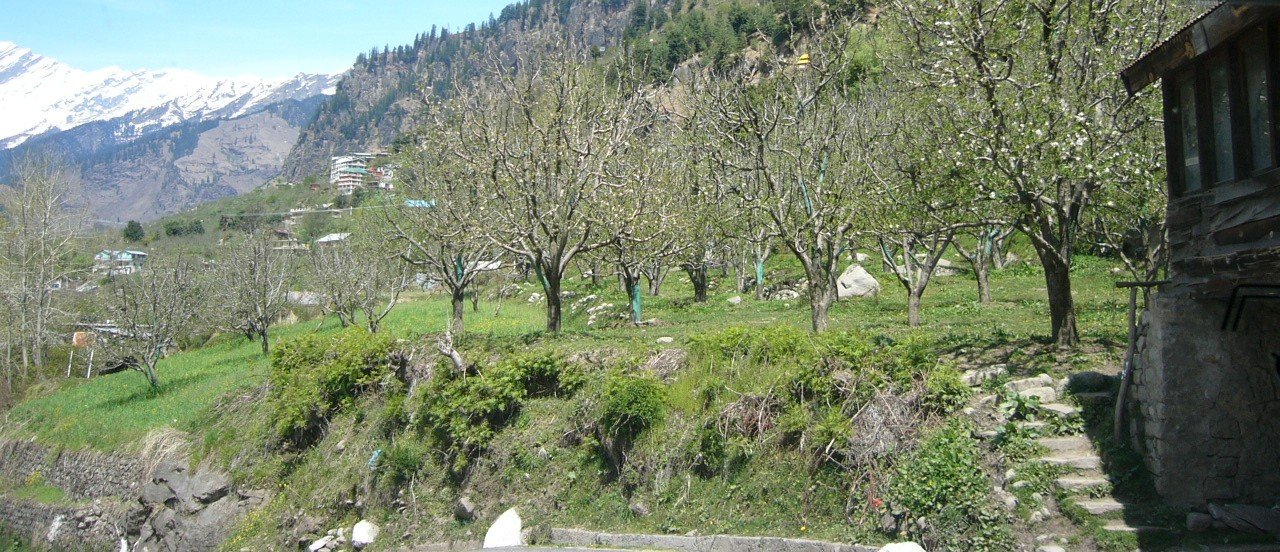
Himachal Pradesh is the heart of the Indian Himalayas — a land of pine-clad hills, snow-capped peaks, apple orchards, gushing rivers and charming hill stations. A week here lets you experience its best, from the colonial elegance of Shimla to the adventure hub of Manali, the dramatic Atal Tunnel and the laid-back Parvati Valley. Cool, scenic and endlessly refreshing, this 7-day Himachal itinerary is a perfect mountain escape for Indian travellers seeking nature, adventure and calm.
This 2026 itinerary lays out a practical, well-paced 7-day route through Himachal, with tips on getting around, the best time to go, costs, where to stay and what not to miss.
- Getting there: Fly to Chandigarh or Bhuntar, or drive/bus from Delhi/Chandigarh; this route is best by road.
- Best time: March to June and September to November for pleasant weather; December to February for snow.
- This route: Shimla → Manali → Solang/Atal Tunnel → Kasol/Parvati Valley, over 7 days.
- Don’t miss: Shimla Ridge, Solang Valley, the Atal Tunnel and the Parvati Valley.
Part 1 of 8
Why 7 days in Himachal works so well
Seven days lets you sample Himachal’s variety without rushing. Stroll Shimla’s colonial Mall Road and Ridge, ride into the high mountains around Manali, drive through the engineering marvel of the Atal Tunnel to snowy Lahaul, and unwind in the riverside cafés of the Parvati Valley. From hill-station charm to alpine adventure to backpacker calm, this route captures the spirit of the Himachal Himalayas, all within an easy trip from Delhi.
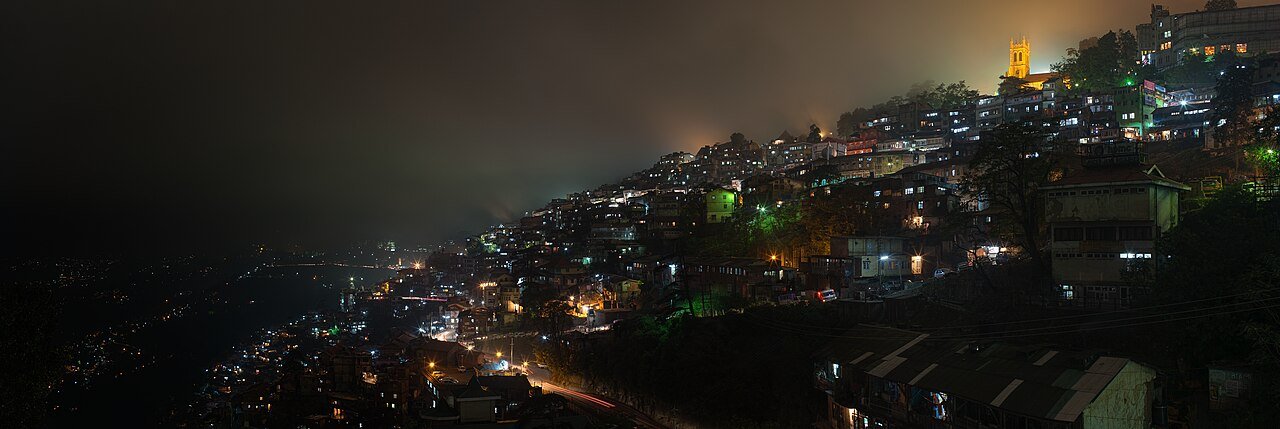
Shimla
Colonial Mall Road, the Ridge and toy train.
Manali
Adventure hub, Solang Valley and Old Manali.
Atal Tunnel
Drive to the snowy Lahaul valley and Sissu.
Parvati Valley
Kasol, Tosh and laid-back riverside cafés.
Orchards & rivers
Apple orchards, pine forests and mountain streams.
Adventure
Trekking, paragliding and river crossings.
Whether you want hill-station relaxation, mountain adventure or a backpacker vibe, this 7-day Himachal route delivers a refreshing, scenic escape into the Indian Himalayas.
Seven days in Himachal is the Himalayas distilled — colonial Shimla, adventurous Manali and the laid-back Parvati Valley, all pine, snow and mountain air.
Part 2 of 8
Getting there and around
Himachal is best explored by road, with scenic mountain drives connecting its hill stations and valleys.
Getting there: Most travellers reach Himachal by an overnight Volvo bus or cab from Delhi or Chandigarh, or fly to Chandigarh (then drive) or to Bhuntar (Kullu) near Manali, which has limited flights. The journey through the hills is part of the experience.
Getting around: A hired car with driver gives the most flexibility for this multi-stop route, handling winding mountain roads. Alternatively, use HRTC and private buses between towns, and local taxis for sightseeing. The Shimla toy train (from Kalka) is a scenic, charming way to arrive in Shimla.
Pro tip
Hire a car with driver for the full route, as it handles the winding roads and lets you stop at viewpoints. Take an overnight bus from Delhi to save a day, and check road and weather updates, especially near the Atal Tunnel.
Note: Mountain distances take longer than they look, so plan realistic travel days and avoid night driving on ghat roads.
Part 3 of 8
Best time to do this itinerary
Himachal’s seasons offer different experiences across its hill stations and high valleys.
| Season | Months | What to expect |
|---|---|---|
| Spring/summer | Mar–Jun | Pleasant and popular — ideal for hill stations and a cool escape from the heat. |
| Autumn | Sep–Nov | Clear skies, golden scenery and fewer crowds — excellent for views. |
| Winter | Dec–Feb | Cold with snow in Manali and the heights — magical, but some roads limited. |
| Monsoon | Jul–Aug | Lush and green but heavy rain and landslide risk; some disruption. |
For the best mix of pleasant weather and full access, travel in spring/summer (March–June) or autumn (September–November). Winter brings beautiful snow to Manali and the high valleys but can limit access (e.g. the Atal Tunnel after heavy snowfall). The monsoon is lush but prone to landslides, so it is best avoided for a road trip.
Part 4 of 8
Costs and budgeting
Himachal is affordable and suits all budgets, from backpacker hostels to boutique mountain resorts. Here is a realistic per-person, per-day guide for 2026, excluding transport to Himachal.
| Style | Daily budget | What it covers |
|---|---|---|
| Backpacker | ₹1,200–2,500 | Hostels and guesthouses, local food, buses and shared transport. |
| Mid-range | ₹3,500–7,000 | Good hotels, a car with driver, activities and nicer dining. |
| Comfort | ₹10,000+ | Boutique resorts, private transport and curated experiences. |
A car with driver is the main transport cost but adds flexibility across the route. Food and stays are cheap, especially in the Parvati Valley’s backpacker scene, and activities like paragliding or Solang sports are affordable extras. Carry cash, as ATMs and connectivity can be patchy in remote valleys, though cards and UPI work in towns.
Good to know
Himachal’s mountain roads are winding, so use experienced drivers and avoid night driving. Carry warm layers as it gets cold at altitude and in the evenings, check weather and road status (especially the Atal Tunnel), and be cautious near rivers. Acclimatise if heading to high valleys.
Part 5 of 8
The 7-day Himachal itinerary, day by day
This route flows from Shimla to Manali and the Parvati Valley.
Days 1–2 — Shimla: Arrive (toy train or road), explore Mall Road, the Ridge, Christ Church and Jakhoo Temple, and enjoy the colonial hill-station charm.
Day 3 — Shimla to Manali: A scenic drive via Kullu to Manali, settling into the mountain town and Old Manali’s cafés.
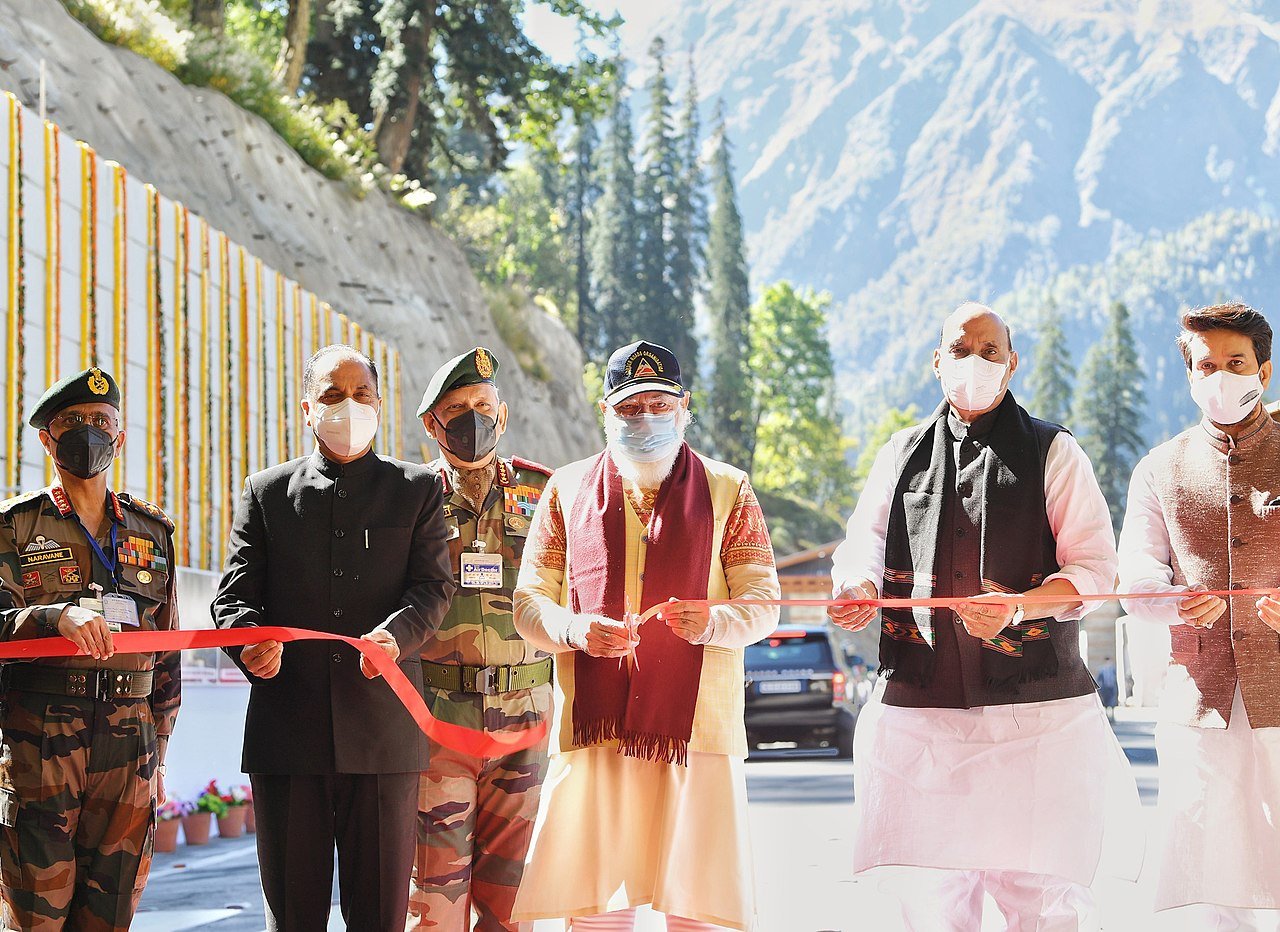
Days 4–5 — Manali & around: Solang Valley for adventure and views, the Hidimba Temple, and a drive through the Atal Tunnel to snowy Sissu in Lahaul.
Days 6–7 — Parvati Valley: Head to Kasol and the Parvati Valley for riverside cafés, Tosh or Malana walks, and a relaxed end to the trip before returning.
Alternative: Swap the Parvati Valley for Dharamshala/McLeod Ganj if you prefer Tibetan culture and the Dalai Lama’s town.
Pro tip
Check Atal Tunnel access before planning the Sissu drive, as heavy snow can close it. Don’t over-pack the route — Himachal’s roads are slow, so build in buffer time and enjoy the scenery.
Part 6 of 8
Where to stay along the route
Choosing the right bases keeps this mountain route comfortable.
Shimla: Stay near the Mall Road/Ridge for the colonial heart, or a quieter hillside hotel for views.
Manali: Old Manali for cafés and a relaxed vibe, central Manali for convenience, or the road toward Solang for resorts with mountain views.
Parvati Valley: Kasol for cafés and a backpacker scene, or Tosh and Kalga for higher, quieter riverside stays.
Shimla: the Ridge
Colonial heart and Mall Road.
Manali: Old Manali
Cafés and a relaxed vibe.
Parvati: Kasol/Tosh
Riverside cafés and mountain calm.
Plan by road
Cluster stays to limit long drives.
Book ahead in peak season (summer holidays and winter snow weeks), when the best-located stays fill quickly and prices rise, especially in Manali.
Part 7 of 8
Practical tips for this Himachal trip
A few habits make this 7-day route run smoothly.
Hire a driver
Best for the winding multi-stop route.
Pack layers
It gets cold at altitude and in the evenings.
Check the roads
Mind weather and Atal Tunnel access.
Carry cash
ATMs and network can be patchy in valleys.
This itinerary is designed to be scenic yet relaxed. Hiring a car with driver simplifies the winding multi-stop route and lets you stop at viewpoints, while overnight buses from Delhi save a day. Don’t over-pack the route, as mountain distances are slow, and build in buffer time around weather.
Pack warm layers, as it gets cold at altitude and in the evenings even in summer, and check road and weather updates, particularly for the Atal Tunnel which can close after heavy snow. Carry cash for remote valleys with patchy ATMs and connectivity, be cautious near fast-flowing rivers, and acclimatise if heading to higher areas. With its hill stations, mountains and laid-back valleys, this 7-day Himachal route offers a refreshing Himalayan escape.
Part 8 of 8
Frequently asked questions
How do I reach Himachal for this itinerary?
Most travellers take an overnight Volvo bus or cab from Delhi or Chandigarh, or fly to Chandigarh (then drive) or to Bhuntar near Manali, which has limited flights. The scenic toy train from Kalka to Shimla is a charming way to begin. This route is best explored by road.
When is the best time for a 7-day Himachal trip?
March to June and September to November offer the best mix of pleasant weather and full access, ideal for hill stations and mountain drives. Winter (December–February) brings magical snow to Manali and the heights but can limit road access, while the monsoon risks landslides.
How do I get around Himachal?
A hired car with driver is the most flexible option for this multi-stop route, handling the winding mountain roads and letting you stop at viewpoints. Alternatively, use HRTC and private buses between towns and local taxis for sightseeing. Build in buffer time, as distances are slow.
How much does a 7-day Himachal trip cost?
Excluding transport to Himachal, backpackers manage on roughly ₹1,200–2,500 a day, mid-range trips ₹3,500–7,000 including a car with driver, and comfort trips from ₹10,000. Food and stays are cheap, especially in the Parvati Valley; the car and activities are the main extras.
Is the Atal Tunnel always open?
The Atal Tunnel usually stays open, giving access to the snowy Lahaul valley and Sissu, but it can close temporarily after heavy snowfall for safety and clearing, especially in winter. Always check the day’s status locally before planning the drive, and keep your itinerary flexible.
Can I customise this Himachal route?
Yes. You can swap the Parvati Valley for Dharamshala and McLeod Ganj for Tibetan culture, add Spiti Valley for a high-altitude adventure (in summer), or include Dalhousie and Khajjiar. Just keep the pace realistic, as Himachal’s mountain roads make distances slow, and adjust for the season.
What should I pack for a Himachal trip?
Pack warm layers, as it gets cold at altitude and in the evenings even in summer, plus a rain jacket, comfortable walking shoes, sunscreen and sunglasses. Add heavier woollens and waterproof footwear for winter snow, any personal medicines, and a power bank for areas with patchy connectivity.
Is this Himachal itinerary good for families and groups?
Yes. The route suits families wanting hill-station relaxation and gentle sightseeing in Shimla and Manali, as well as groups and backpackers drawn to Solang adventure and the Parvati Valley’s cafés. Hire a comfortable car, pace the drives, and tailor activities to your group for an enjoyable trip.
Shimla and Manali, or should I add more places?
For seven days, Shimla, Manali and the Parvati Valley make a well-balanced route without rushing. Adding more — like Dharamshala, Dalhousie or Spiti — means long drives and less time enjoying each spot. If you have ten days or more, you can extend; for a week, depth and a relaxed pace beat cramming in too many destinations.
Is this Himachal route doable in winter?
Yes, with adjustments. Winter brings beautiful snow to Manali, Solang and the higher valleys, making it magical, but heavy snowfall can limit road access, including the Atal Tunnel, and the Parvati Valley gets very cold. Pack heavy woollens and waterproof boots, check road conditions daily, keep plans flexible, and use experienced drivers for icy mountain roads.
The bottom line
This 7-day Himachal itinerary distils the Indian Himalayas into one refreshing trip — colonial Shimla, adventurous Manali, the engineering marvel of the Atal Tunnel to snowy Lahaul, and the laid-back riverside cafés of the Parvati Valley. Travel by road for the scenic drives, visit between March–June or September–November (or winter for snow), hire a car with driver, and pack warm layers. Check the roads and keep the pace relaxed, and Himachal will reward you with pine forests, mountain air and a true Himalayan escape.
Related reading
 Adventure Travel in India: Activities & How to Plan Safely
 Shimla Manali Itinerary: 6-Day Himachal Trip Plan (2026)
 Himachal Honeymoon Itinerary: 6 Romantic Days (2026)
Photos sourced from Wikimedia Commons under their respective Creative Commons licences. Travel details are indicative for 2026; confirm road, weather and access conditions before you travel.