Varanasi Itinerary 2 Days: Ghats & Temples Plan (2026)
Last updated: July 8, 2026
Two days is enough to experience the soul of Varanasi — and with a focused plan you can capture the eternal city’s most powerful moments without rushing. This itinerary builds around the two unmissable experiences, a sunrise boat ride on the Ganga and the hypnotic evening aarti, and weaves in the temples, ancient lanes and the nearby Buddhist site of Sarnath. Intense, sacred and unforgettable, a well-planned 48 hours in Kashi leaves a deep impression on every traveller.
This 2026 itinerary guide covers how to get there, the best time to go, what it costs, a day-by-day plan, where to stay and eat, and the practical tips for a meaningful Varanasi trip.
- Getting there: Fly into Varanasi (VNS, about 25 km), or take a train — Varanasi is a major rail hub well connected across India.
- Best time: October to March, when the weather is cool and comfortable for the ghats and lanes.
- Budget: ₹1,800–5,000 per day; Varanasi is very affordable.
- Don’t miss: A sunrise Ganga boat ride, the evening aarti, Kashi Vishwanath and Sarnath.
Part 1 of 8
Why a 2-day Varanasi itinerary works so well
Varanasi’s essence is captured at dawn and dusk on the river, so two days, anchored by a sunrise boat ride and the evening aarti, deliver its most profound experiences. Around these you can explore the temples, the maze of old lanes, the cremation ghats (respectfully) and Sarnath, with time for the city’s legendary food. It is intense and chaotic, but two focused days are enough to feel its extraordinary power.
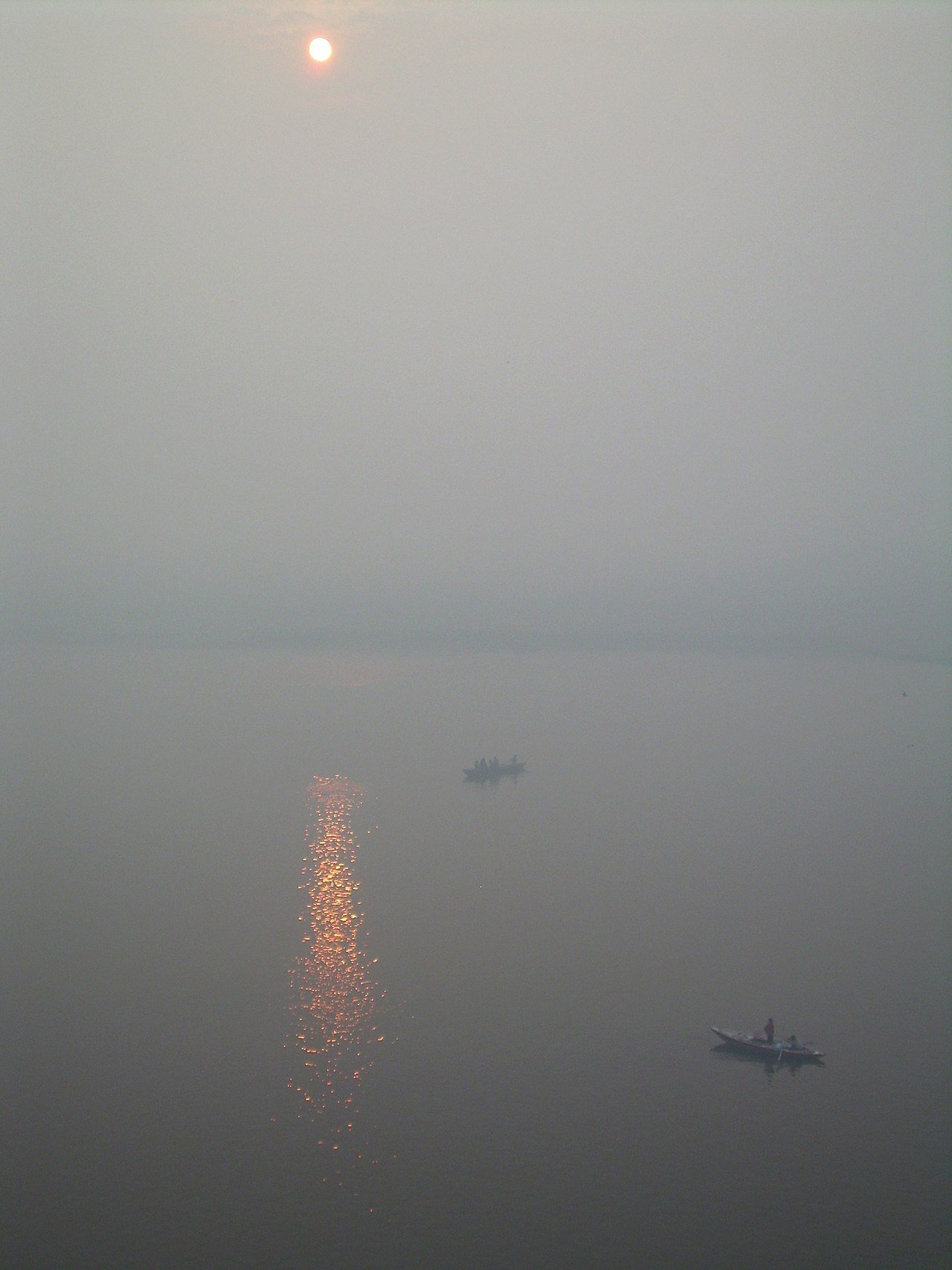
Sunrise boat ride
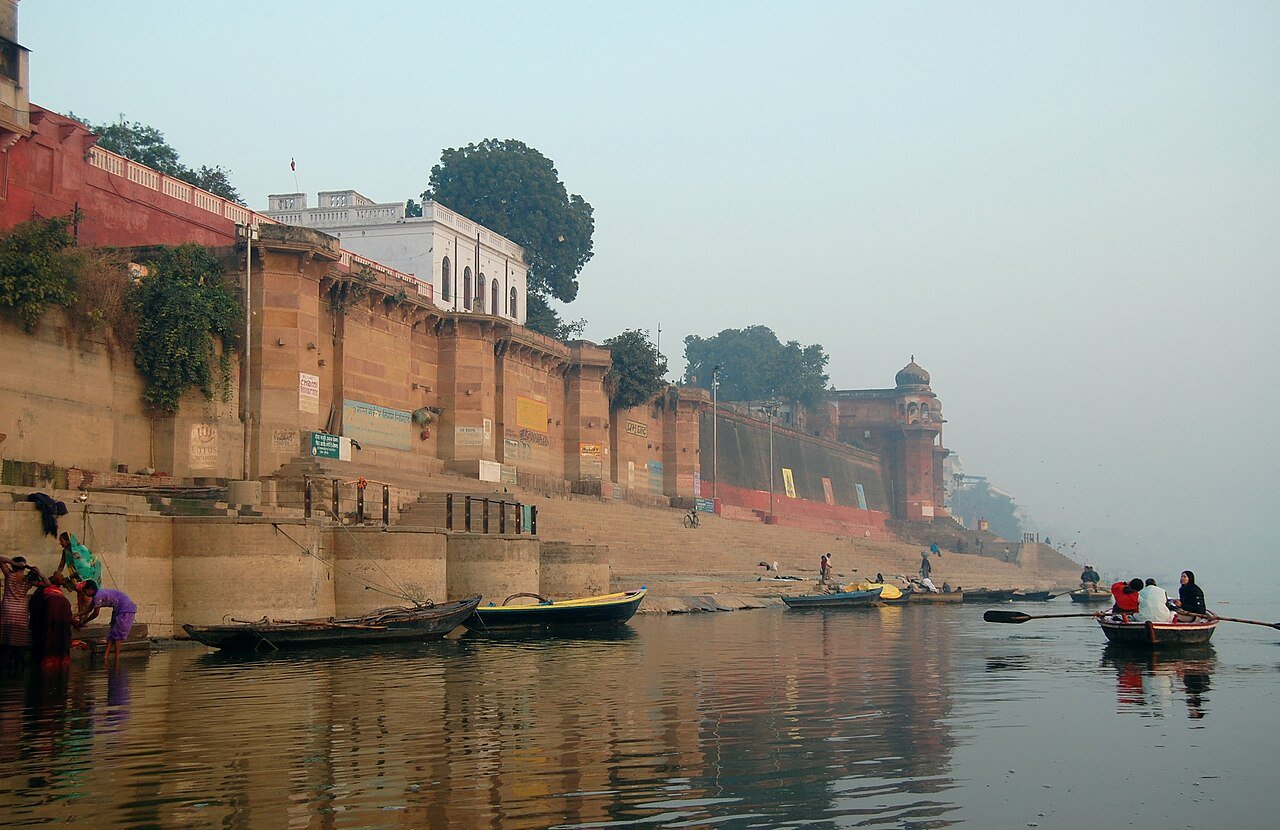
Drift past the ghats as the city wakes and bathes in the Ganga.
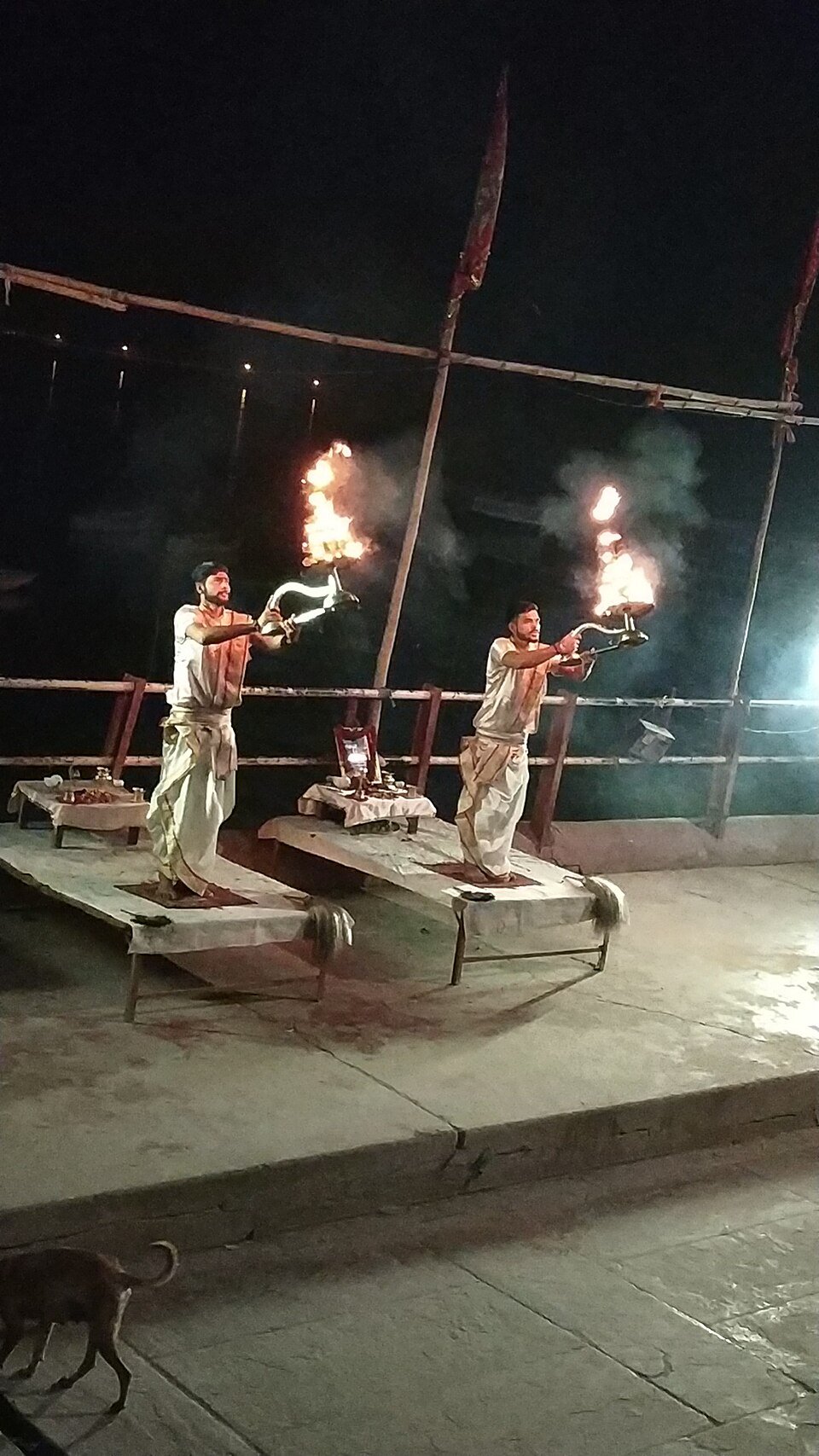
Ganga aarti
The grand evening fire ritual at Dashashwamedh Ghat.
Kashi Vishwanath
One of the holiest Shiva temples, with its grand new corridor.
The ghats
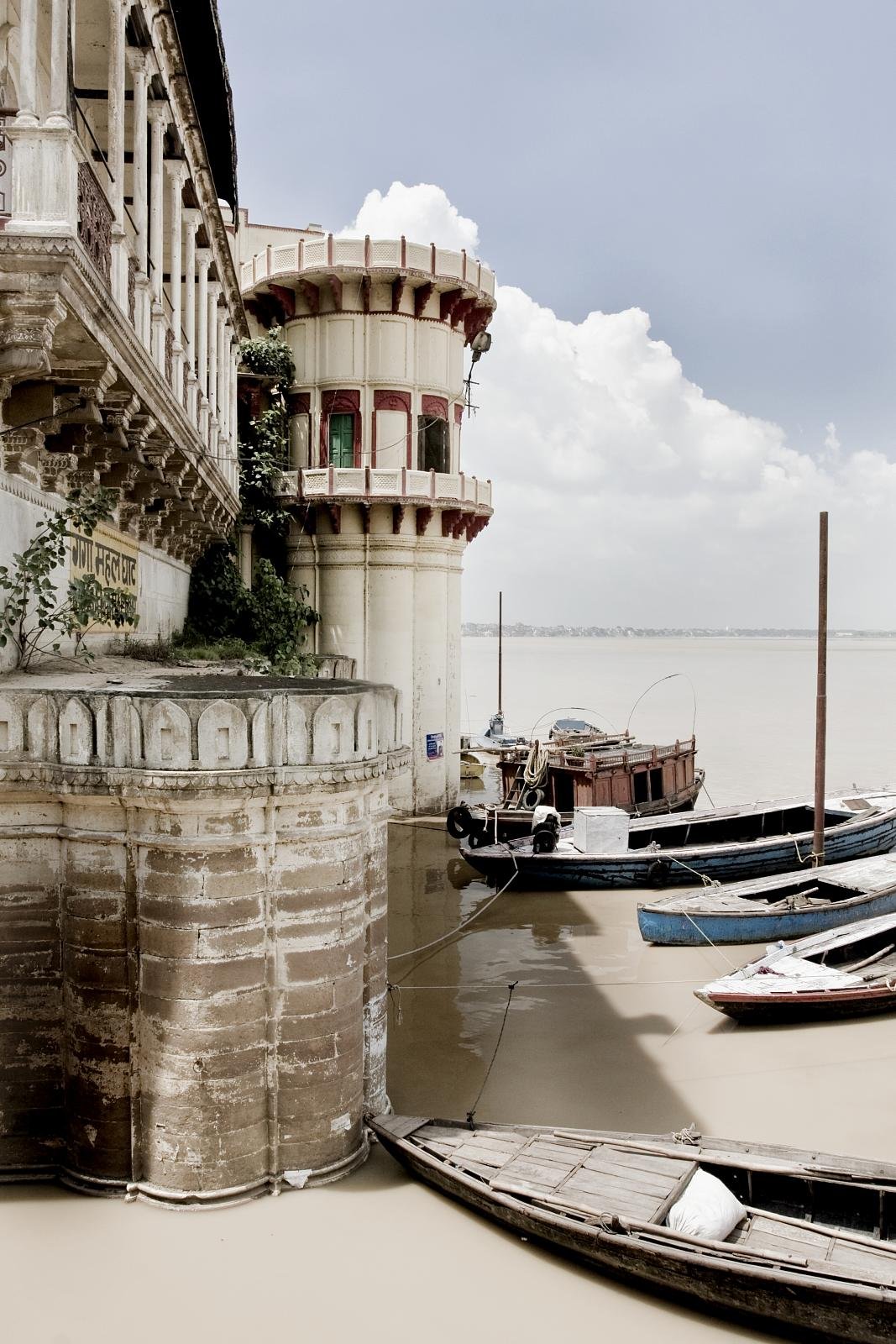
Dozens of riverfront steps, each with its own rituals and stories.
Sarnath
Where the Buddha gave his first sermon, with the Dhamek Stupa.
Banarasi food
Kachori-sabzi, chaat, lassi and the famous paan.
Whether you come for faith, culture or simply to witness one of the world’s most ancient cities, two well-planned days in Varanasi offer an experience unlike anywhere else.
Two days in Kashi — a sunrise on the Ganga, lamps and chants at dusk, ancient lanes and Sarnath in between: the soul of India in 48 hours.
Part 2 of 8
Getting there and getting around
As a major pilgrimage and cultural hub, Varanasi is very well connected by air, rail and road.
By air: Lal Bahadur Shastri International Airport (VNS), about 25 km from the centre, has flights from Delhi, Mumbai, Bengaluru and other cities, plus some international routes.
By train: Varanasi is a major railway hub, with Varanasi Junction (Cantt), Banaras and other stations very well connected to Delhi, Kolkata, Mumbai and beyond.
By road: Good highways link Varanasi with Ayodhya, Prayagraj and Bodh Gaya, with buses and taxis available.
Pro tip
On a two-day trip, stay close to the ghats so you can walk to both the sunrise boat and the evening aarti. The old city around the ghats is a vehicle-free maze, so a central stay saves time and hassle.
Getting around: The old city is a pedestrian warren best explored on foot, with autos, e-rickshaws and app cabs for the station, airport and Sarnath. Boats are the way to experience the river itself.
Part 3 of 8
Best time for this trip
Varanasi lies in the hot northern plains, so the cool months are far more comfortable for exploring the ghats and lanes.
| Season | Months | What to expect |
|---|---|---|
| Winter | Oct–Mar | The best window — cool, pleasant days and atmospheric misty mornings. Peak season. |
| Summer | Apr–Jun | Very hot, often above 40°C; sightseeing is tiring, so stick to early morning and evening. |
| Monsoon | Jul–Sep | Hot and humid, with the Ganga high; some lower ghats can flood. |
| Festivals | Nov & Mar | Dev Deepawali lights up the ghats with countless lamps, and Maha Shivratri draws huge crowds. |
Aim for October to March for the most comfortable conditions and atmospheric, misty river mornings. If you can time it, Dev Deepawali (usually November) sees the ghats glow with thousands of lamps — spectacular, but very crowded, so book well ahead.
Part 4 of 8
Costs and budgeting for Indians
Varanasi is very affordable, with most spending on stays and the odd boat or guide. Here is a realistic per-person, per-day picture for 2026.
| Style | Daily budget | What it covers |
|---|---|---|
| Backpacker | ₹1,200–2,000 | Budget guesthouse near the ghats, walking, boat ride and local meals. |
| Mid-range | ₹2,500–5,000 | Comfortable or heritage hotel, a guide, boat rides and good meals. |
| Premium | ₹7,000+ | Riverside heritage or luxury hotel, private guide and boat, fine dining. |
A shared sunrise boat ride is inexpensive (private boats cost more), the aarti is free to watch, and entry to most temples is free. A knowledgeable local guide is a worthwhile small spend to navigate the lanes and explain the rituals. Carry cash for boats, autos and small eateries, though UPI is increasingly common.
Good to know
Photography is not allowed at the Manikarnika and Harishchandra cremation ghats — respect this completely. Agree boat and auto fares in advance, and be wary of unsolicited “guides” and donation demands at the ghats.
Part 5 of 8
The 2-day Varanasi itinerary
This plan captures the ghats by dawn and dusk, plus the temples and Sarnath.
Day 1 — Ghats & aarti: Arrive and settle in near the ghats, explore the riverfront and old lanes in the afternoon, visit Kashi Vishwanath Temple, and end with the evening Ganga aarti at Dashashwamedh Ghat.
Day 2 — Sunrise & Sarnath: Take a sunrise boat ride along the ghats, then head to Sarnath for the Dhamek Stupa and museum. Spend the afternoon on a guided old-city walk, shopping for Banarasi silk and tasting the street food, before your onward journey.
Extend your trip: Varanasi pairs naturally with Ayodhya, Prayagraj and Bodh Gaya nearby, and with Khajuraho for a wider heritage and pilgrimage circuit across north-central India.
Pro tip
Book a shared sunrise boat the evening before and arrive at the ghats before first light — the soft early glow over the river and the bathing rituals are the most magical experience in Varanasi, and far calmer than the busy evening aarti.
Part 6 of 8
Where to stay, what to eat and experiences
Where to stay: Staying near the main ghats (around Assi or Dashashwamedh) puts you in the heart of the action, within walking distance of the boats and aarti, though the lanes are narrow. For more space and quiet, the Cantonment area has larger hotels a short ride away.
What to eat: Varanasi is a vegetarian food paradise — start the day with kachori-sabzi and jalebi, snack on chaat and tamatar chaat, cool off with a thick lassi or seasonal malaiyo, and finish with the city’s famous paan. The street food is a highlight in itself.
Sunrise boat
Glide along the ghats as pilgrims bathe and the city wakes.
Evening aarti
Witness the grand fire ritual at Dashashwamedh Ghat.
Kashi Vishwanath
Visit the great Shiva temple and its riverfront corridor.
Sarnath
Explore the Buddhist stupas and museum just outside the city.
For more, take a guided walk through the old lanes, shop for genuine Banarasi silk, attend the morning Subah-e-Banaras aarti at Assi Ghat, and simply sit by the river to absorb the city’s rhythm.
Part 7 of 8
Practical tips for Indian travellers
A little awareness makes a Varanasi visit smoother and more respectful, given its intensity and sacred nature.
No cremation photos
Never photograph the Manikarnika or Harishchandra cremation ghats.
Dress modestly
Cover up for temples and the ghats; remove shoes where required.
Mind the lanes
The old city is a crowded maze — watch your step and belongings.
Agree fares first
Settle boat and auto prices in advance to avoid overcharging.
Varanasi is generally safe but intense and crowded, so the main care points are about navigating the chaos respectfully. Be firm but polite with persistent touts, self-styled guides and donation-seekers at the ghats, watch your belongings in the crush, and treat the cremation ghats with solemn respect — observe quietly from a distance and never take photos. The lanes can be confusing, so a guide or offline map helps, and women travellers should take the usual precautions in crowds.
The city is also a gateway to north-central India’s spiritual and heritage circuit. It pairs naturally with the Buddhist site of Bodh Gaya, the temple cities of Ayodhya and Prayagraj, and the temples of Khajuraho a little further away. Building one of these into your route turns a two-day Varanasi visit into a richer pilgrimage-and-heritage journey.
Part 8 of 8
Frequently asked questions
Is 2 days enough for Varanasi?
Yes, two focused days capture the essence — the ghats and evening aarti on the first, and a sunrise boat ride, Kashi Vishwanath, Sarnath and the old lanes on the second. A third day lets you slow down and add more temples or silk shopping.
How do I reach Varanasi?
Fly into Lal Bahadur Shastri International Airport (about 25 km), or take a train — Varanasi is a major rail hub very well connected to Delhi, Kolkata, Mumbai and beyond, with several stations serving the city.
What are the two must-do experiences in Varanasi?
A sunrise boat ride along the ghats and the evening Ganga aarti at Dashashwamedh Ghat are the two unmissable experiences. Building your two-day plan around these dawn and dusk highlights captures the city at its most magical.
Can I take photos at the ghats?
You can photograph most ghats, the boats and the aarti, but photography is strictly not allowed at the Manikarnika and Harishchandra cremation ghats. Respect this completely and observe those areas quietly from a distance.
When is the best time to visit Varanasi?
October to March, when the weather is cool and pleasant with atmospheric misty mornings. Summers are very hot, so sightsee early and late. Dev Deepawali in November lights up the ghats spectacularly but draws huge crowds.
Is Varanasi safe for solo and women travellers?
Yes, with the usual precautions. It is intense and crowded, so watch your belongings, be firm but polite with persistent touts and donation-seekers, avoid the cremation ghats for photos, and use offline maps or a guide to navigate the lanes.
How early should I start the sunrise boat ride?
Aim to be at the ghats before first light, so book a shared boat the evening before. The soft early glow and the bathing rituals are the most beautiful and peaceful moments of the day, well worth the early start.
What can I combine with a 2-day Varanasi trip?
Varanasi pairs naturally with the Buddhist site of Bodh Gaya, the temple cities of Ayodhya and Prayagraj, and the temples of Khajuraho a little further away, making for a richer pilgrimage and heritage circuit.
Is 2 days too short to visit Sarnath as well?
Not at all. Sarnath is only about 10 km from Varanasi and a half-morning is enough to see the Dhamek Stupa, the ruins and the excellent museum. It fits comfortably into the second day after a sunrise boat ride, offering a peaceful Buddhist contrast to the intensity of the ghats.
Should I hire a guide for a short Varanasi trip?
It is well worth it on a two-day trip. A knowledgeable local guide helps you navigate the confusing old lanes, explains the rituals at the ghats and aarti, and saves time so you see more. Book through your hotel or an official channel and agree the fee in advance.
The bottom line
Two days in Varanasi is not a city you simply see — it is one you feel. Anchor your plan around a sunrise boat ride and the evening aarti, weave in Kashi Vishwanath, Sarnath, the ancient lanes and the extraordinary food, and move through the city with respect. Come in the cooler months, stay near the ghats, and let the eternal city of Kashi leave the kind of mark on you that few other places can. Even in 48 hours, the dawn river, the evening lamps and the timeless lanes add up to one of the most moving experiences in all of India.
Related reading
 Ayodhya Ram Mandir Darshan: A Practical Guide (2026)
 Udaipur Itinerary 2 Days: Lakes & Palaces Plan (2026)
 Nepal Travel Guide for Indians 2026 — No Visa, Costs, Best Time & Itinerary
Photos sourced from Wikimedia Commons under their respective Creative Commons licences. Travel details are indicative for 2026; confirm timings, rituals and local customs respectfully before you travel.