Hampi Itinerary: 2-3 Day Plan to the Ruins (2026)
Last updated: July 8, 2026
Hampi rewards a proper plan. Spread across a surreal landscape of giant boulders and the Tungabhadra river, the ruins of the Vijayanagara Empire are too vast and too special to rush, and a well-paced two-to-three day itinerary lets you experience the sacred centre, the royal quarter and the laid-back river side at their best. This guide turns the UNESCO wonder into a clear, day-by-day plan — from sunrise on Matanga Hill to a coracle ride across the river — so you see the highlights without melting in the midday heat.
This 2026 itinerary guide for Indian travellers covers how to get there, the best time to go, what it costs, a detailed day-by-day plan, where to stay and eat, and the practical tips for a smooth Hampi trip.
- Getting there: Train or bus to Hosapete (Hospet, about 13 km), or fly to Hubli; overnight buses run from Bengaluru, Goa and Hyderabad.
- Best time: October to February, when the weather is cool enough to explore the open ruins comfortably.
- Budget: ₹1,500–4,500 per day; Hampi is very affordable, especially on the hippie-island side.
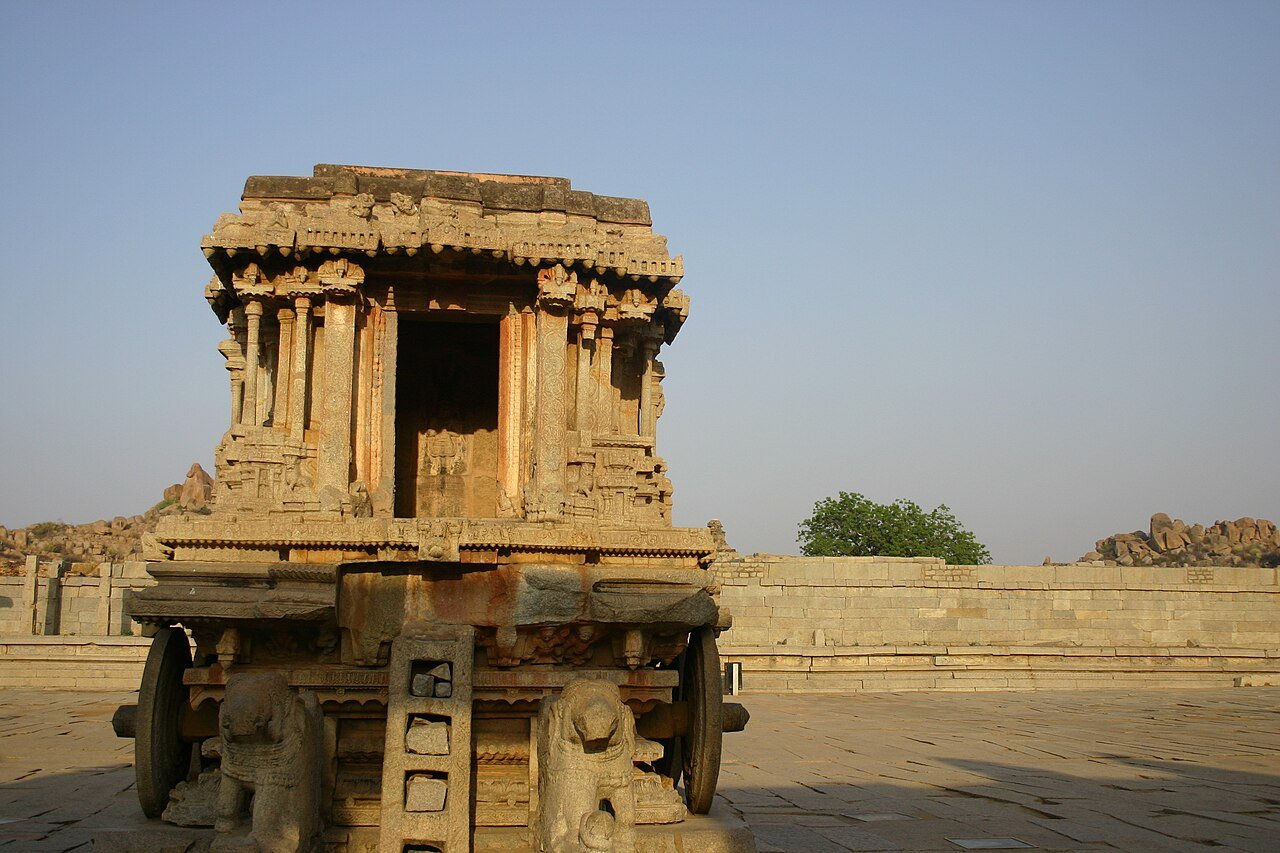
- Don’t miss: The Vittala stone chariot, Virupaksha Temple, a Matanga Hill sunrise and a Tungabhadra coracle ride.
Part 1 of 8
Why a planned Hampi itinerary works so well
Hampi’s sights are scattered across a huge area split by a river, so a little structure makes a big difference. Grouping the sacred centre, the royal quarter and the river side into separate days keeps the driving down and lets you time the open-air ruins for cool mornings and golden evenings. The result is a relaxed trip that takes in history, surreal scenery and chilled-out riverside cafés in equal measure.
Vittala Temple
The famous stone chariot and the legendary musical pillars.
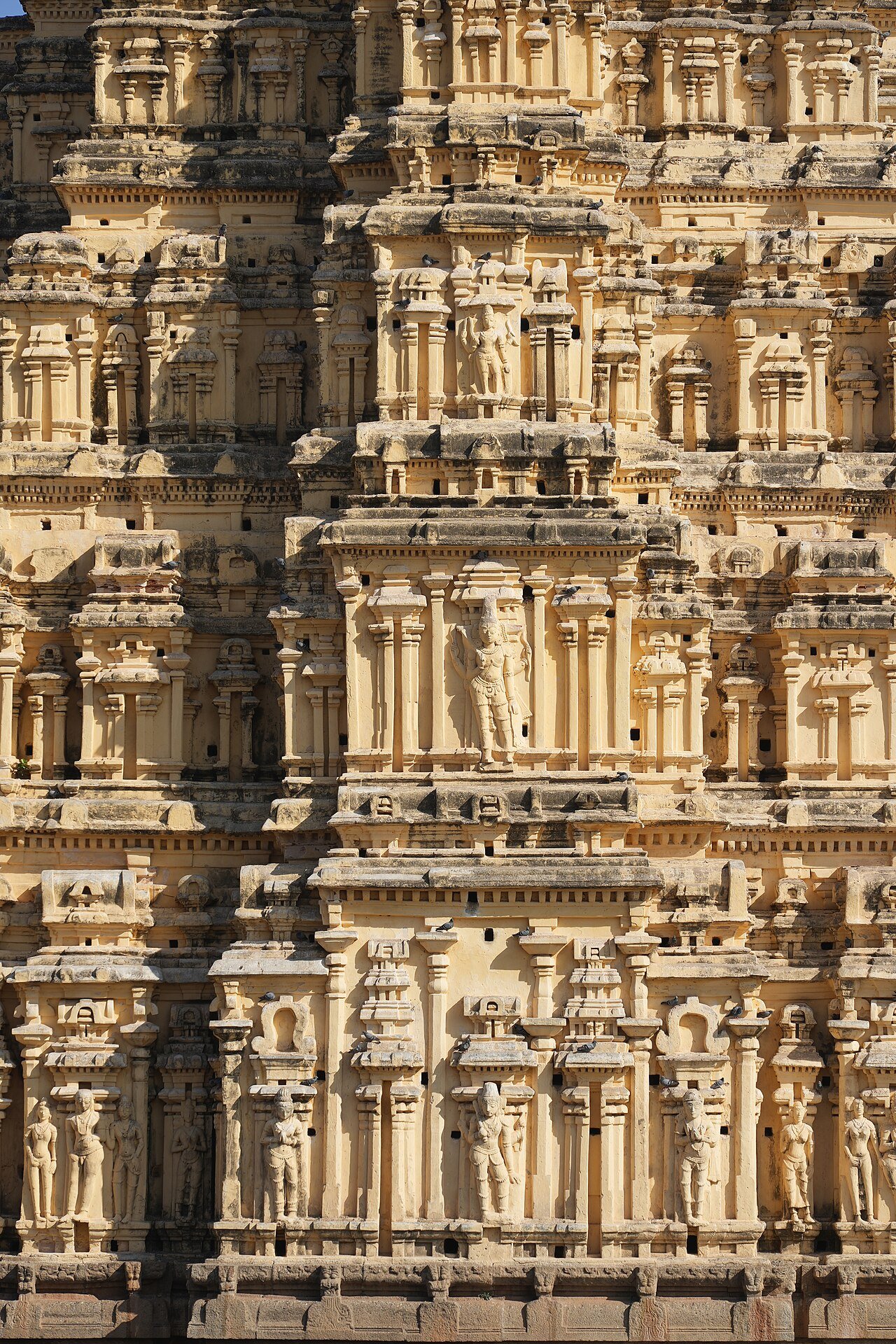
Virupaksha Temple
Hampi’s living temple towering over the old bazaar.
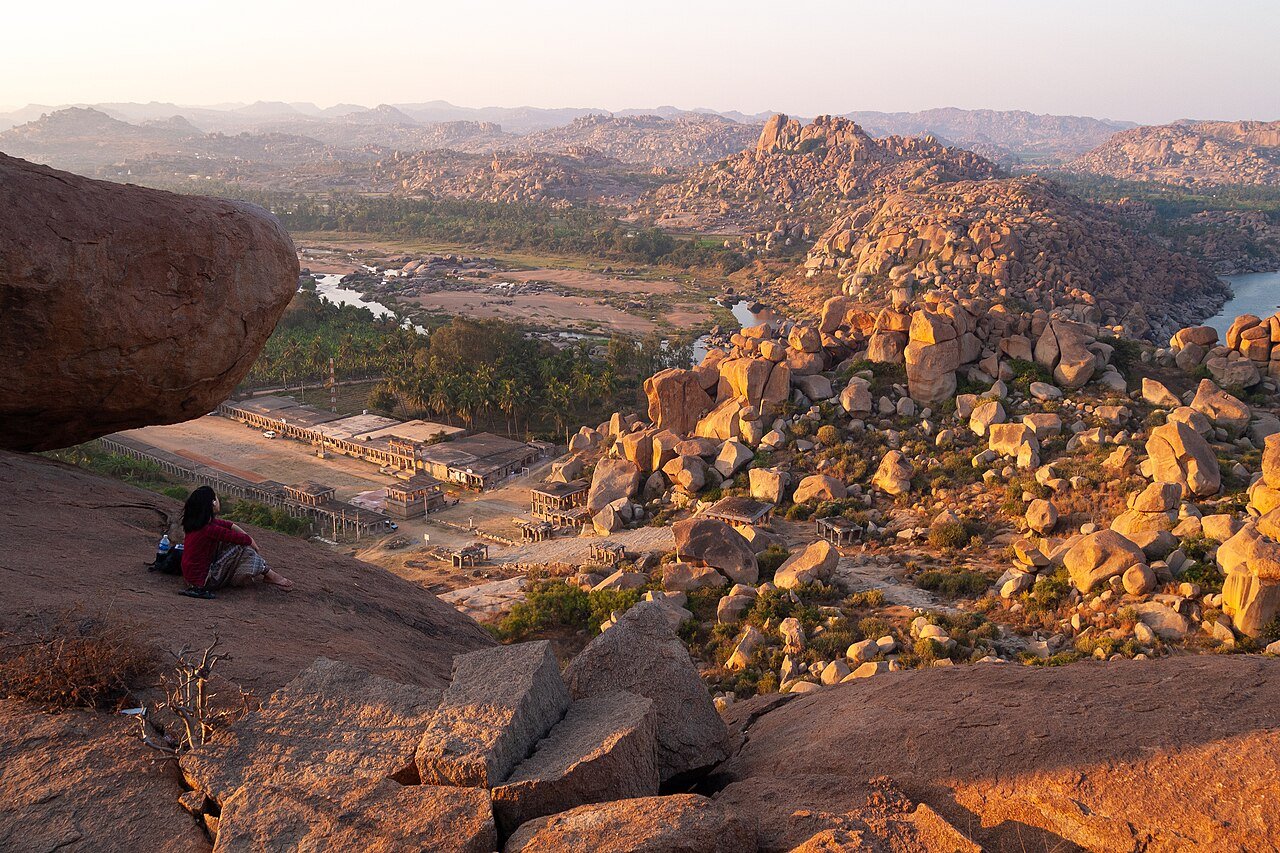
Boulder landscape
Surreal hills of giant granite, magical at sunrise and sunset.
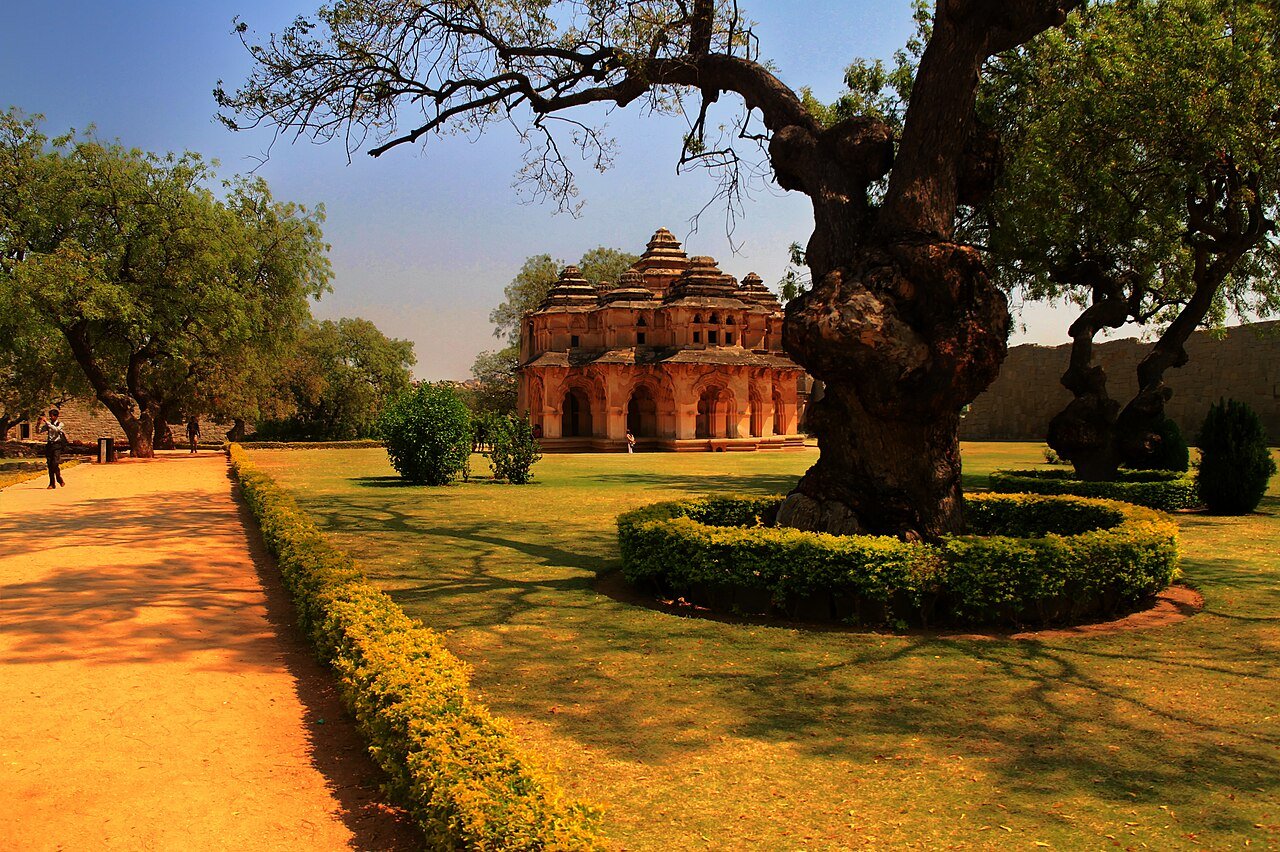
Royal quarter
The Lotus Mahal, Elephant Stables and Queen’s Bath.
Matanga Hill
The best sunrise and sunset viewpoint over the ruins.
River & island
Coracle rides and the laid-back hippie island across the water.
Whether you have two days or three, a thought-out route lets you cover Hampi’s greatest hits comfortably while soaking up its one-of-a-kind atmosphere.
Hampi is best taken slow — sunrise over a sea of boulders, temples like lace by day, and a coracle drifting across the river at dusk.
Part 2 of 8
Getting there and getting around
Hampi is well connected by overnight transport from several major cities, with Hosapete as its hub.
By train: Hosapete (Hospet) Junction, about 13 km away, has services from Bengaluru, Hubli, Goa and beyond, with autos and buses onward to Hampi.
By air: Hubli airport is around 160 km away, with the small Jindal Vidyanagar airport closer but limited. Many travellers fly to Bengaluru or Goa and continue by overnight bus or train.
By bus: Convenient overnight sleeper buses connect Hampi/Hosapete with Bengaluru, Goa and Hyderabad — popular and economical.
Pro tip
Decide which side of the river to base on: the temple (Hampi Bazaar) side is close to the main monuments, while the quieter hippie island (Virupapur Gaddi) has relaxed cafés, linked by a short boat crossing.
Getting around: The ruins are spread out, so hire a moped, bicycle or auto, or join a guided tour. An auto for the day easily covers the main monuments, while cycles and mopeds suit the island side.
Part 3 of 8
Best time to visit Hampi
Hampi sits in the hot Deccan plains, so the cool season is by far the most comfortable for exploring its largely shadeless ruins.
| Season | Months | What to expect |
|---|---|---|
| Winter | Oct–Feb | The best window — cool, clear and pleasant for the open monuments. Peak season. |
| Summer | Mar–Jun | Very hot, often above 38°C; stick to early morning and evening. |
| Monsoon | Jul–Sep | Warm with showers; the landscape greens up and the river runs full. |
| Festival | Nov | The Hampi Utsav fills the ruins with music, dance and light. |
Aim for October to February for the most comfortable conditions. If your dates are flexible, the Hampi Utsav in November stages dance, music and processions among the floodlit monuments — a memorable, if busier, time to visit.
Part 4 of 8
Costs and budgeting for Indians
Hampi is one of the most budget-friendly destinations in India. Here is a realistic per-person, per-day guide for 2026.
| Style | Daily budget | What it covers |
|---|---|---|
| Backpacker | ₹1,000–1,800 | Guesthouse or hostel, moped or cycle hire, café meals and monument entry. |
| Mid-range | ₹2,200–4,500 | Comfortable hotel in Hosapete or a riverside stay, auto or guide, good meals. |
| Premium | ₹6,000+ | Boutique resort, private car and guide, curated experiences and dining. |
A single ASI ticket covers several major monuments including Vittala and the Zenana enclosure, with many sites free to wander. Moped and cycle hire are cheap, making independent exploring easy. Carry cash, as ATMs are limited and digital payments patchy, especially on the island side.
Good to know
Keep your combined ASI ticket — it is checked at more than one monument. Carry water, a hat and sunscreen, as shade is scarce, and note that the last river-crossing boats run early evening.
Part 5 of 8
The detailed Hampi itinerary
This two-to-three day plan groups the sights to minimise driving and maximise good light.
Day 1 — Sacred centre: Start early at Virupaksha Temple and Hampi Bazaar, climb Hemakuta Hill, and see the monolithic Narasimha and Badavilinga. Rest through midday, then catch sunset from Matanga Hill over the boulder-strewn ruins.
Day 2 — Royal quarter & Vittala: Explore the Royal Enclosure, Lotus Mahal, Elephant Stables and Queen’s Bath in the morning, then the Vittala Temple with its stone chariot and musical pillars, ending with a riverside evening.
Day 3 (optional) — River & boulders: Cross to the hippie island, take a coracle ride on the Tungabhadra, climb Anjanadri Hill for sunset, and relax at Sanapur Lake or a riverside café before your onward journey.
Extend your trip: Pair Hampi with the cave temples of Badami, Aihole and Pattadakal, a Goa beach add-on via the overnight route, or a wider Karnataka heritage circuit.
Pro tip
Do the open-air ruins early and save shaded temples or café breaks for midday. Sunrise from Matanga or Hemakuta Hill is the coolest and most magical time to experience Hampi.
Part 6 of 8
Where to stay, what to eat and experiences
Where to stay: The Hampi Bazaar side keeps you near the main temples but is basic, while the hippie island of Virupapur Gaddi has relaxed cafés and guesthouses among paddy fields. For more comfort, base yourself in nearby Hosapete, which has a wider range of hotels.
What to eat: Expect simple South Indian thalis and dosas, plus the famous traveller-café fare on the island — pancakes, pizzas, fresh juices and Israeli dishes. The temple side is largely vegetarian and alcohol-free in keeping with its sacred status.
Sunrise on Matanga
Climb up for first light over the ruins.
Temple circuit
Explore Virupaksha, Vittala and the Achyutaraya temples.
Coracle ride
Spin across the Tungabhadra in a round boat.
Anjanadri Hill
Climb the believed birthplace of Hanuman for sunset.
For more, scramble among the boulders of the hippie island, cool off at Sanapur Lake, and wander the Royal Enclosure’s stepwell, Queen’s Bath and underground temple.
Part 7 of 8
Practical tips for Indian travellers
A little preparation makes a Hampi itinerary run smoothly, mainly because of the heat and the spread-out ruins.
Sun protection
Hat, sunscreen and plenty of water are essential among the open ruins.
Hire wheels
A moped, cycle or auto makes the scattered monuments easy to cover.
Carry cash
ATMs are limited and digital payments patchy, especially on the island side.
Mind the boat times
The river-crossing coracles and boats stop running in the early evening.
Hampi is a relaxed, traveller-friendly destination and generally safe, including for solo and women travellers, though the usual care applies when climbing boulders and exploring isolated ruins around dusk. Wear sturdy shoes for the rocky terrain, respect the working temples by dressing modestly and removing footwear where required, and be mindful of monkeys near the temples. Plan your river crossings around the boat timings so you are not stranded after dark.
Hampi also pairs well with the wider region. It combines naturally with the cave temples of Badami, Aihole and Pattadakal, with a beach add-on in Goa via the overnight route, or with a broader Karnataka heritage circuit. Building one of these into your route turns a Hampi itinerary into a fuller exploration of South India’s history and landscapes.
Part 8 of 8
Frequently asked questions
How many days do I need for Hampi?
Two to three days are ideal — one for the sacred centre and a Matanga sunset, one for the royal quarter and the Vittala Temple, and an optional third for the hippie island, coracle rides and Anjanadri Hill.
How do I reach Hampi?
Take a train or bus to Hosapete (Hospet), about 13 km away, then an auto or local bus to Hampi. You can also fly to Hubli or to Bengaluru and Goa and continue by overnight bus or train.
What is the best order to see Hampi’s sights?
Group them by area to cut down on driving — the sacred centre (Virupaksha, Hemakuta) on one day, the royal quarter and Vittala on another, and the river and island on a third. Time the open-air ruins for sunrise and sunset.
When is the best time to visit Hampi?
October to February, when the weather is cool enough to explore the open ruins comfortably. Summers are very hot, so stick to early morning and evening, and the Hampi Utsav in November is a vibrant time to visit.
Is one ticket enough for the monuments?
A single ASI ticket covers several major monuments, including the Vittala Temple and the Zenana enclosure, and is checked at more than one site. Many other ruins are free to wander, so keep your ticket handy.
Should I stay on the temple side or the hippie island?
It depends on your style. The Hampi Bazaar side is close to the main monuments but basic, while the hippie island of Virupapur Gaddi is quieter with relaxed cafés. Hosapete offers more comfortable hotels a short drive away.
Is Hampi safe for solo and women travellers?
Yes, it is generally safe and very used to travellers. Take normal precautions when climbing boulders or exploring isolated ruins around dusk, wear sturdy shoes, and plan river crossings around the boat timings.
What can I combine with a Hampi itinerary?
Hampi pairs well with the cave temples of Badami, Aihole and Pattadakal, with a Goa beach add-on via the overnight route, or with a wider Karnataka heritage circuit for a fuller South India journey.
Can I see Hampi in just one day?
You can cover the headline sights — Virupaksha, the Vittala stone chariot and the royal quarter — in a packed single day, but it will be rushed and hot. Two days is far more comfortable and lets you enjoy a sunrise and sunset, while three days adds the relaxed river-and-island side without any hurry.
Is Hampi better explored on foot, cycle or auto?
A mix works best. The sacred centre around Virupaksha is walkable, but the royal quarter and Vittala are spread out, so a cycle, moped or hired auto saves time and energy in the heat. Many travellers hire an auto for a full day to link the main clusters, then walk within each.
The bottom line
A planned Hampi itinerary turns a sprawling, sun-baked site into a smooth, unforgettable trip — sacred centre, royal quarter and river side, each at its best light. Come in the cooler months, group the sights by area, explore at sunrise, hire wheels for the distances, and leave time for a coracle ride and a hilltop sunset. Do that, and this UNESCO wonder will reward you with one of the most atmospheric and rewarding journeys in all of India. Take it slow, chase the light, and Hampi’s lost empire will stay with you long after the boulders fade from view.
Related reading
 Adventure Travel in India: Activities & How to Plan Safely
 Sustainable & Eco-Tourism: How to Travel Responsibly
 Kumbh Mela Planning Guide: Dates, Tips & Logistics (2026)
Photos sourced from Wikimedia Commons under their respective Creative Commons licences. Travel details are indicative for 2026; confirm timings, fees and boat services locally before you travel.