Nepal Travel Guide for Indians 2026 — No Visa, Costs, Best Time & Itinerary
Last updated: July 8, 2026
Nepal is the Himalayan dream next door — a country of soaring snow peaks, ancient temple cities, serene lakes and warm, welcoming people, all just a short hop from India and visa-free for Indian travellers. From the medieval Durbar Squares and stupas of the Kathmandu Valley to the lakeside calm of Pokhara beneath the Annapurnas, the jungle safaris of Chitwan and the world’s greatest treks, Nepal packs astonishing variety into one accessible, affordable destination. It is one of the most rewarding overseas trips an Indian can make.
This 2026 guide for Indian travellers covers entry rules and how to get there, the best time to go, what it costs, where to stay and eat, and how to plan a trip across Kathmandu, Pokhara and beyond.
- Entry: Indians do not need a visa for Nepal — carry a passport or voter ID; a passport is recommended.
- Getting there: Direct flights from Delhi and other cities reach Kathmandu in around 1.5–2.5 hours; road and bus routes cross the border too.
- Best time: October–November and March–April for the clearest mountain views and pleasant weather.
- Don’t miss: Kathmandu’s temples, Pokhara and the Annapurnas, a Chitwan safari and a Sarangkot sunrise.
Part 1 of 8
Why Nepal belongs on your list
Nepal offers Himalayan grandeur with the ease of a visa-free, short-haul trip. You can explore living medieval cities and golden stupas, watch sunrise light up the Annapurnas from a lakeside town, track rhinos in a jungle park, and — if you have time — trek to some of the most spectacular viewpoints on earth. It is affordable, deeply spiritual and famously friendly, making it ideal for first-time and returning travellers alike.
Kathmandu Valley
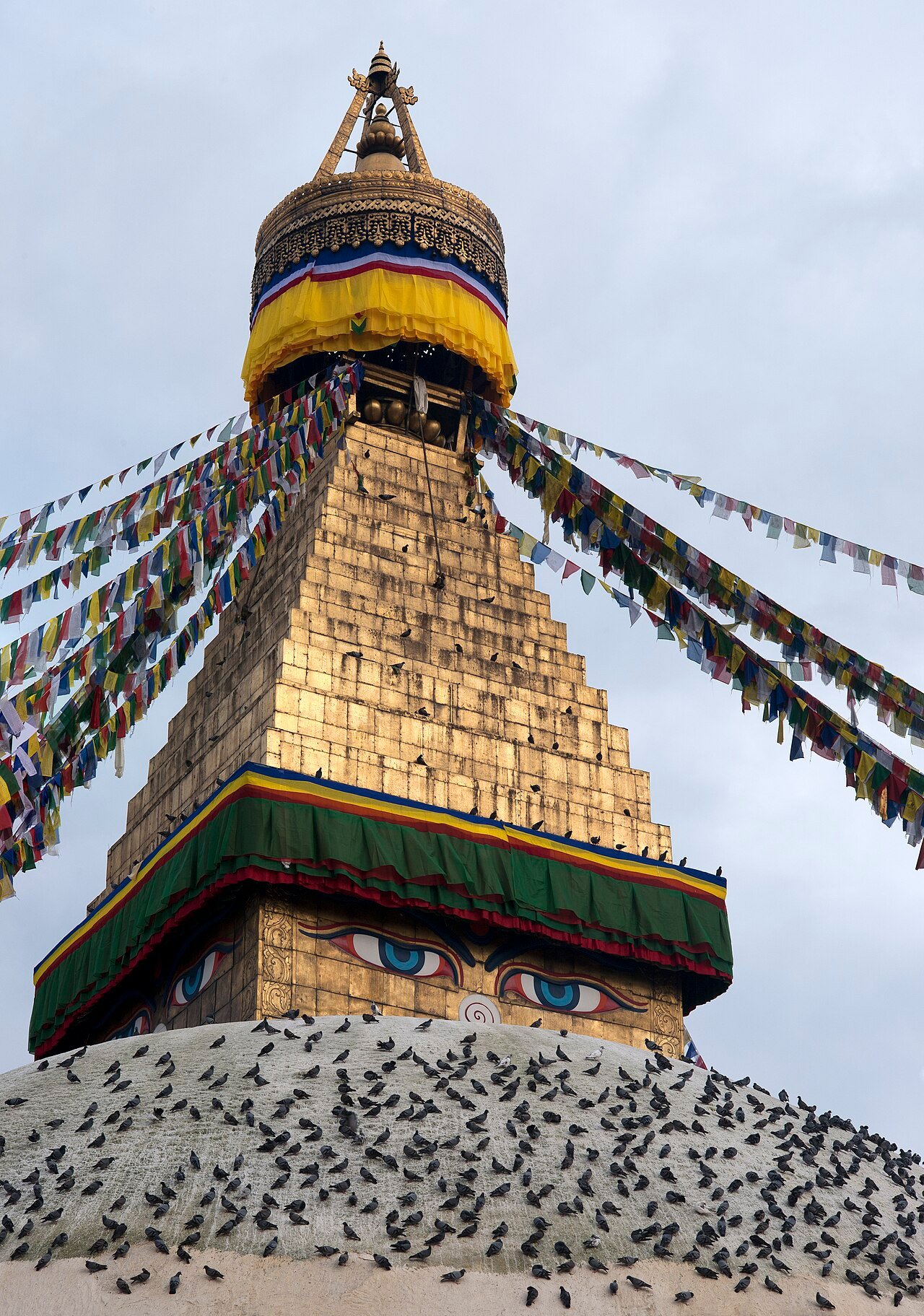
Durbar Squares, Swayambhunath, Boudhanath and Pashupatinath.
Pokhara & Annapurna
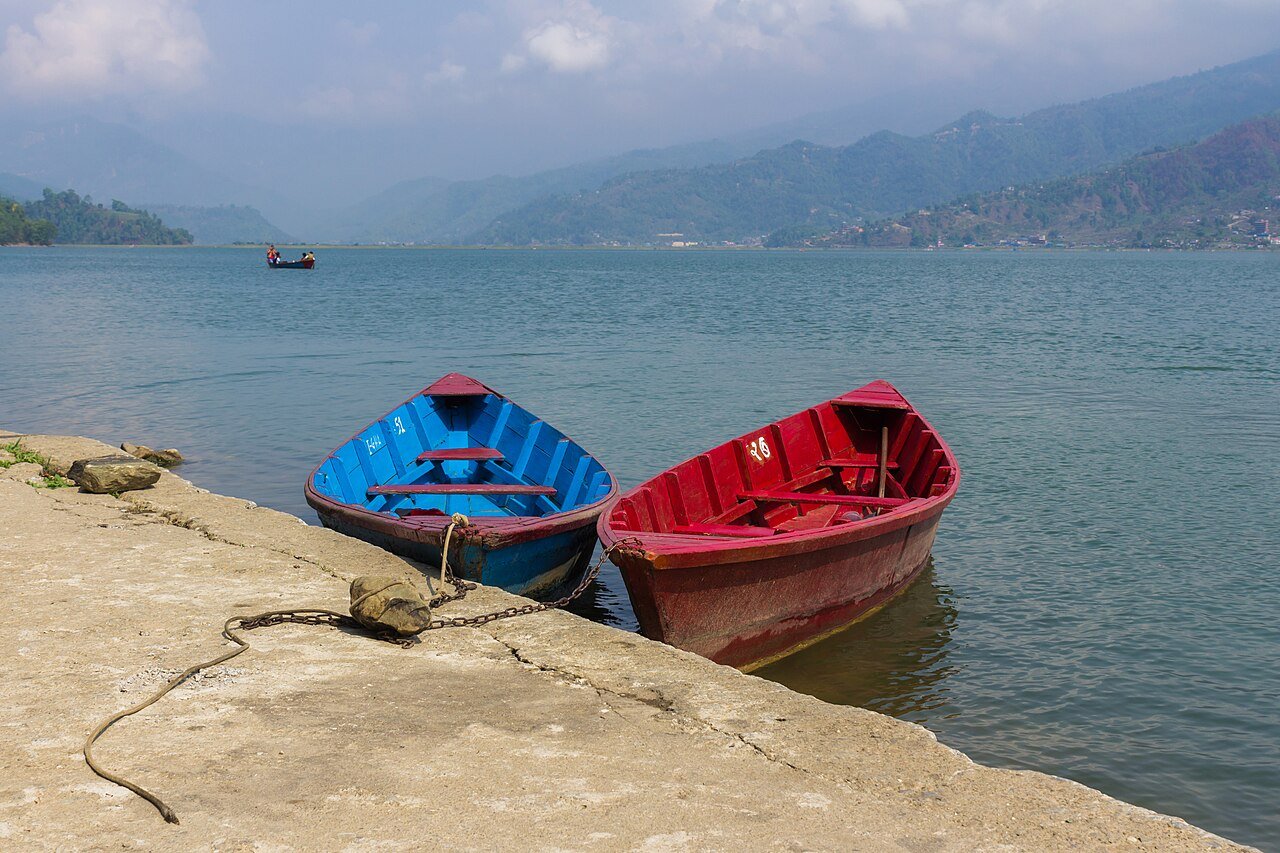
Phewa Lake, paragliding and front-row Himalayan views.
Sarangkot sunrise
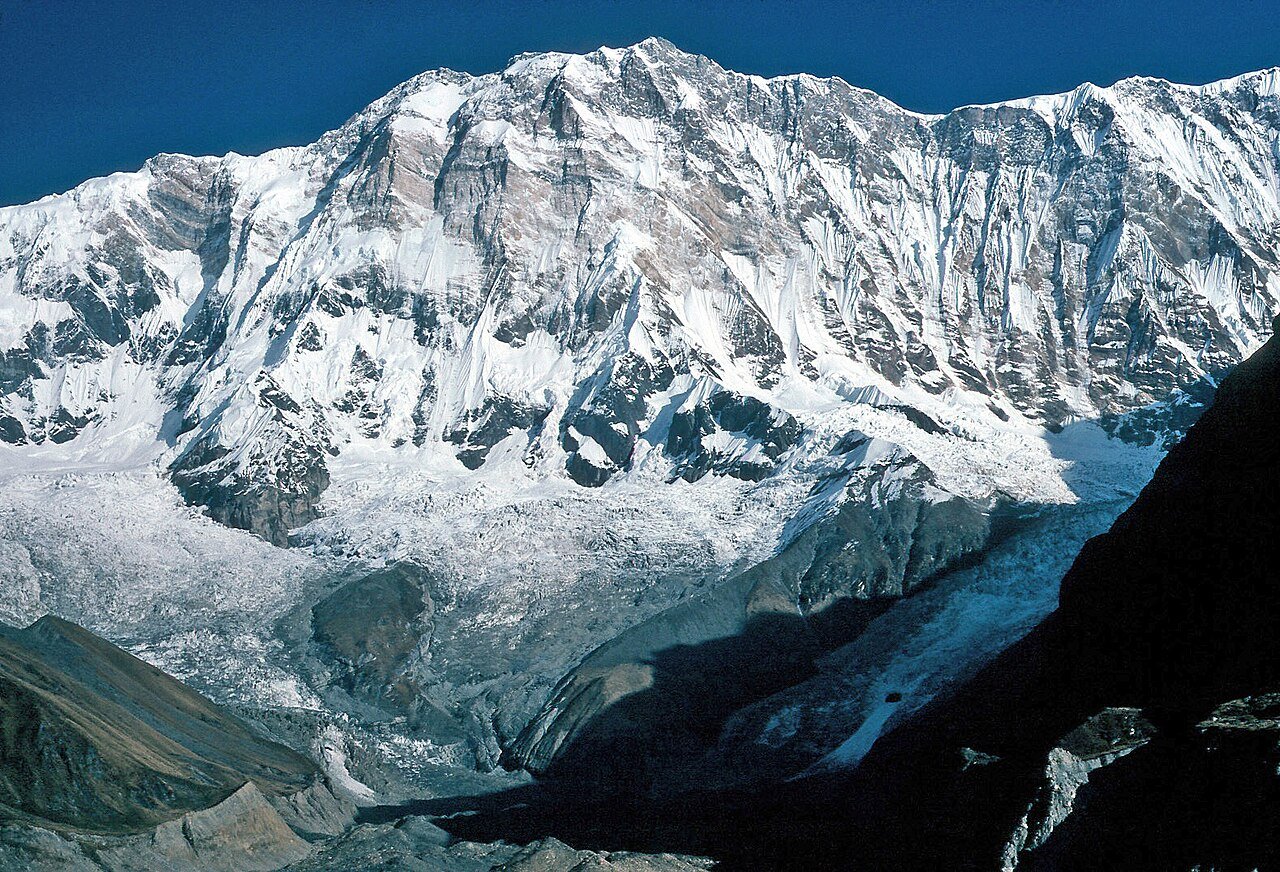
Dawn over the Annapurna and Machhapuchhre peaks.
Chitwan safari
Jungle safaris for rhinos, deer and birdlife in the Terai.
World-class trekking
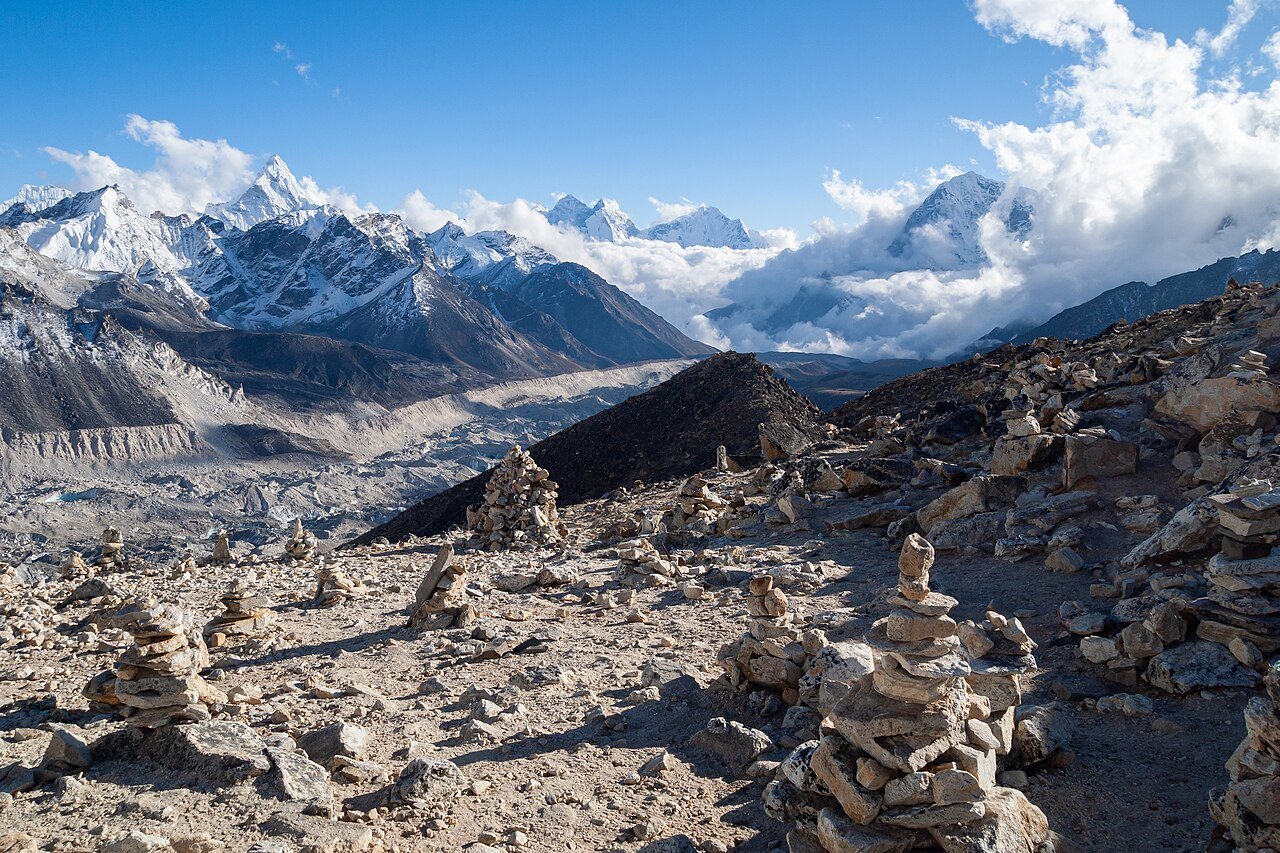
Everest Base Camp, Annapurna Base Camp and the easy Poon Hill trek.
Lumbini
The birthplace of the Buddha and its peaceful monastic gardens.
Whether you want culture, mountains, wildlife or trekking, Nepal delivers an extraordinary range — and remarkable value — in one welcoming Himalayan country.
Nepal is the Himalaya made easy — visa-free, a short flight away, with stupas, lakeside sunrises and the world’s greatest mountains all on one trip.
Part 2 of 8
Entry rules and getting to Nepal
Nepal is one of the easiest international destinations for Indians, with no visa required and quick flights or overland routes.
Entry: Indian nationals do not need a visa or passport-visa to enter Nepal and can travel on a valid passport or voter ID card. A passport is strongly recommended as it is the most widely accepted ID, especially for flights and hotels. Carry a couple of passport photos and ID copies to be safe.
By air: Direct flights from Delhi, Mumbai, Kolkata, Bengaluru and Varanasi reach Kathmandu’s Tribhuvan International Airport in around 1.5–2.5 hours, with some flights to Pokhara and Bhairahawa too.
By road: You can also cross overland at borders like Sunauli, Raxaul and Kakarbhitta, by bus or car, which is cheaper but slower.
Pro tip
Carry your passport even though voter ID is accepted, and bring some Indian rupees in smaller notes (₹100 and below), which are widely accepted in Nepal, alongside Nepalese rupees for everyday spending.
Getting around: Domestic flights link Kathmandu, Pokhara and trekking gateways quickly (and scenically), while tourist buses and private cars cover the main routes. Within cities, taxis and ride apps work well.
Part 3 of 8
Best time to visit Nepal
Nepal’s weather and mountain visibility vary sharply by season, so timing matters, especially for views and trekking.
| Season | Months | What to expect |
|---|---|---|
| Autumn | Oct–Nov | The best window — clear skies, superb mountain views and ideal trekking weather. Peak season. |
| Spring | Mar–Apr | Warm, with blooming rhododendrons and good visibility — excellent for trekking too. |
| Monsoon | Jun–Sep | Wet, cloudy and humid in the lowlands, with hidden peaks and leech-prone trails. |
| Winter | Dec–Feb | Cold and clear in the hills; high treks are tough, but cities and Pokhara are fine. |
For the clearest Himalayan views and the best trekking, come in October–November or March–April. The monsoon obscures the mountains and makes trails muddy, while winter is fine for cities and lower-altitude sightseeing but cold for high treks.
Part 4 of 8
Costs and budgeting for Indians
Nepal is very affordable, and the visa-free entry and short flights keep overall costs low. Here is a realistic per-person, per-day guide for 2026, excluding flights.
| Style | Daily budget | What it covers |
|---|---|---|
| Backpacker | ₹1,500–2,500 | Guesthouses, tourist buses, dal bhat and momos, and budget sightseeing. |
| Mid-range | ₹3,000–6,000 | Comfortable hotels, domestic flights or private car, safaris and good meals. |
| Premium | ₹9,000+ | Boutique and luxury stays, private guides, scenic flights and curated experiences. |
Food, transport and stays are inexpensive, with treks and the Chitwan safari being the main planned costs (plus permits and a guide for treks). Indian rupees in small notes are widely accepted, but carry Nepalese rupees too, and note that higher-denomination Indian notes are often not accepted.
Good to know
For any trekking, use registered guides and obtain the required permits (such as TIMS and conservation-area cards), and acclimatise properly at altitude. Carry cash, as card acceptance is limited outside cities and tourist hubs.
Part 5 of 8
Where to stay, what to eat and top experiences
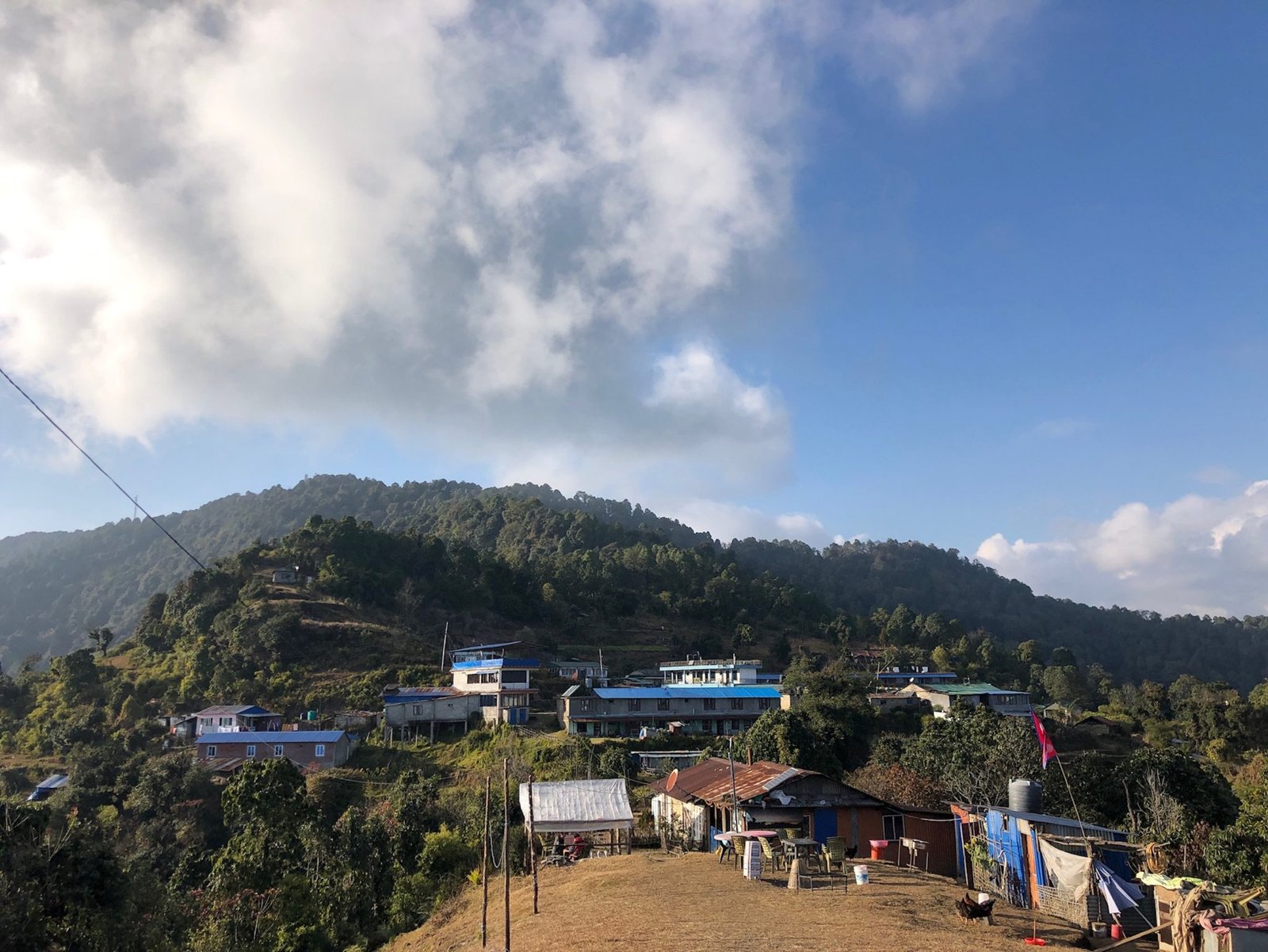
Where to stay: In Kathmandu, the Thamel area is the traveller hub for hotels, food and trek operators, while Boudhanath offers a calmer, spiritual base. In Pokhara, the Lakeside area by Phewa Lake is ideal. Chitwan has jungle lodges near the park.
What to eat: The staple is dal bhat (rice, lentils and sides), endlessly refillable and great fuel for trekking. Don’t miss momos, thukpa noodle soup, Newari dishes and the famous lakeside cafés of Pokhara. Vegetarians eat very well across Nepal.
Valley temples
Tour Kathmandu’s Durbar Squares, Boudhanath and Swayambhunath.
Pokhara paragliding
Soar over Phewa Lake with the Annapurnas behind you.
Sarangkot dawn
Catch sunrise on the Himalaya from the Pokhara viewpoint.
Chitwan safari
Spot rhinos and wildlife on a jungle safari in the Terai.
For more, take an easy Poon Hill or Australian Camp trek for big mountain views without a long expedition, visit Nagarkot for Everest views, or make a pilgrimage to Lumbini, the Buddha’s birthplace.
Part 6 of 8
A 6-7 day Nepal itinerary
This plan pairs the Kathmandu Valley with Pokhara and a wildlife or mountain add-on.
Days 1–2 — Kathmandu: Explore the Durbar Square, Swayambhunath, Boudhanath and Pashupatinath, and the lanes of Thamel.
Days 3–4 — Pokhara: Travel to Pokhara (scenic flight or drive), enjoy Phewa Lake, a Sarangkot sunrise, paragliding and the lakeside cafés.
Day 5 — Short trek or Chitwan: Take an easy Poon Hill or Australian Camp trek for Himalayan views, or head to Chitwan for a jungle safari.
Days 6–7 — Return & extend: Return to Kathmandu for last-minute sights and shopping, or add a Nagarkot Everest-view sunrise or a Lumbini pilgrimage before flying home.
Extend your trip: Trekkers can add the Annapurna Base Camp or Everest Base Camp routes (allow extra days and proper acclimatisation), turning the trip into a full Himalayan adventure.
Pro tip
Book the short Kathmandu–Pokhara flight for the spectacular Himalayan views, or take a tourist bus to save money. For any high trek, build in acclimatisation days and never rush the ascent.
Part 7 of 8
Practical tips for Indian travellers
A few practical notes make a Nepal trip smooth and rewarding, especially around money and any trekking.
Carry a passport
No visa needed, but a passport is the most accepted ID; bring photos too.
Small Indian notes
₹100-and-below notes are widely accepted; carry Nepalese rupees as well.
Trek prepared
Use registered guides, get the required permits, and acclimatise at altitude.
Time it for views
Come in autumn or spring for the clearest Himalayan vistas.
Nepal is welcoming and generally safe, suiting families, couples, solo travellers and trekkers, with the usual precautions in busy areas and against altitude sickness on high treks. Respect the many temples and shrines by dressing modestly and following local customs (for example, walking clockwise around stupas), and be mindful at sacred sites like Pashupatinath. Carry cash, drink bottled or purified water, and choose reputable trek operators.
Nepal also pairs beautifully with the wider Himalayan region. It combines naturally with a Bhutan extension, with Buddhist pilgrimage routes through Lumbini and on to Bodh Gaya in India, and with India’s own Himalayan destinations. Building one of these into your route turns a Nepal trip into a grander Himalayan and spiritual journey.
Part 8 of 8
Frequently asked questions
Do Indians need a visa for Nepal?
No. Indian nationals do not need a visa to enter Nepal and can travel on a valid passport or voter ID card. A passport is strongly recommended as the most widely accepted ID, and it helps to carry passport photos and ID copies.
How do I reach Nepal from India?
Direct flights from Delhi, Mumbai, Kolkata, Bengaluru and Varanasi reach Kathmandu in around 1.5–2.5 hours. You can also cross overland at borders like Sunauli, Raxaul and Kakarbhitta by bus or car, which is cheaper but slower.
When is the best time to visit Nepal?
October–November and March–April are best, with clear skies, superb mountain views and ideal trekking weather. The monsoon (June–September) hides the peaks, and winter is cold for high treks but fine for cities and Pokhara.
Can I use Indian rupees in Nepal?
Yes, Indian rupees in smaller denominations (₹100 and below) are widely accepted, though you should also carry Nepalese rupees for everyday spending. Note that higher-value Indian notes are often not accepted, so plan accordingly.
Do I need to trek to enjoy Nepal?
Not at all. Many travellers enjoy Nepal through its cities, Pokhara’s lakeside and viewpoints, and a Chitwan safari without any serious trekking. Easy options like the Poon Hill trek or Nagarkot offer big mountain views with minimal effort.
Is Nepal safe for families and solo travellers?
Yes, it is welcoming and generally safe, suiting families, couples, solo travellers and trekkers. Take normal precautions in busy areas, use reputable trek operators, acclimatise at altitude, and drink bottled or purified water.
How many days do I need for Nepal?
Six to seven days cover Kathmandu, Pokhara and a wildlife or short-trek add-on comfortably. Add several more days if you plan a longer trek such as Annapurna or Everest Base Camp, which require proper acclimatisation.
What can I combine with a Nepal trip?
Nepal pairs well with a Bhutan extension, with Buddhist pilgrimage routes through Lumbini and on to Bodh Gaya in India, and with India’s own Himalayan destinations, making for a grander Himalayan and spiritual journey.
Is Nepal a cheap destination for Indians?
Yes, very. With no visa fee, short flights and low costs for food, transport and stays, Nepal is one of the most affordable overseas trips from India. Indian rupees in small notes are widely accepted, keeping spending simple and economical.
Can beginners do a trek in Nepal?
Absolutely. Short, lower-altitude treks like Poon Hill, Australian Camp or the Annapurna foothills offer spectacular Himalayan views with modest effort and no technical skills. Go with a registered guide, get the basic permits, and you will enjoy the mountains without committing to a long expedition.
The bottom line
Nepal is the Himalaya at its most accessible — visa-free, affordable and a short flight from India, yet packed with ancient cities, sacred stupas, lakeside sunrises, jungle wildlife and the greatest mountains on earth. Come in autumn or spring for the clearest views, pair Kathmandu with Pokhara and a safari or short trek, carry small Indian notes, and respect the country’s deep spiritual traditions. Do that, and Nepal will reward you with one of the most varied and uplifting trips an Indian traveller can take. From a momo lunch in Thamel to a sunrise blazing across the Annapurnas, Nepal turns a short, easy trip into the kind of journey you remember for a lifetime.
Related reading
 Gangtok Lachung Itinerary: 6-Day North Sikkim Trip (2026)
 Darjeeling Gangtok Itinerary: 6-Day Eastern Himalaya Trip (2026)
 Nepal 7-Day Itinerary 2026 — Kathmandu, Pokhara & Nagarkot
Photos sourced from Wikimedia Commons under their respective Creative Commons licences. Entry, flight and travel details are indicative for 2026; confirm current rules and trekking permits before you travel.