Istanbul Travel Guide 2026 — Hagia Sophia, Bazaars, Bosphorus & Tips
Last updated: July 8, 2026
Istanbul, the magnificent city straddling Europe and Asia, is where continents, empires and cultures meet across the shimmering Bosphorus. Once the capital of the Byzantine and Ottoman empires, it dazzles with the soaring Hagia Sophia and Blue Mosque, the treasure-filled Topkapı Palace, labyrinthine bazaars, atmospheric streets and a vibrant food scene. Historic yet electric, exotic yet welcoming, Istanbul is one of the world’s great cities and a captivating destination for Indian travellers.
This 2026 guide for Indian travellers covers visas and flights, the best time to go, what it costs, where to stay and eat, and how to make the most of a few days in Istanbul.
- Visa: Indians need a visa for Turkey — an e-Visa is available for those holding a valid Schengen/US/UK/Ireland visa; others apply for a sticker visa.
- Getting there: Direct and one-stop flights from Indian cities to Istanbul, a major global hub.
- Best time: April to June and September to November for pleasant weather and fewer crowds.
- Don’t miss: Hagia Sophia, the Blue Mosque, Topkapı Palace, the Grand Bazaar and a Bosphorus cruise.
Part 1 of 8
Why Istanbul belongs on your list
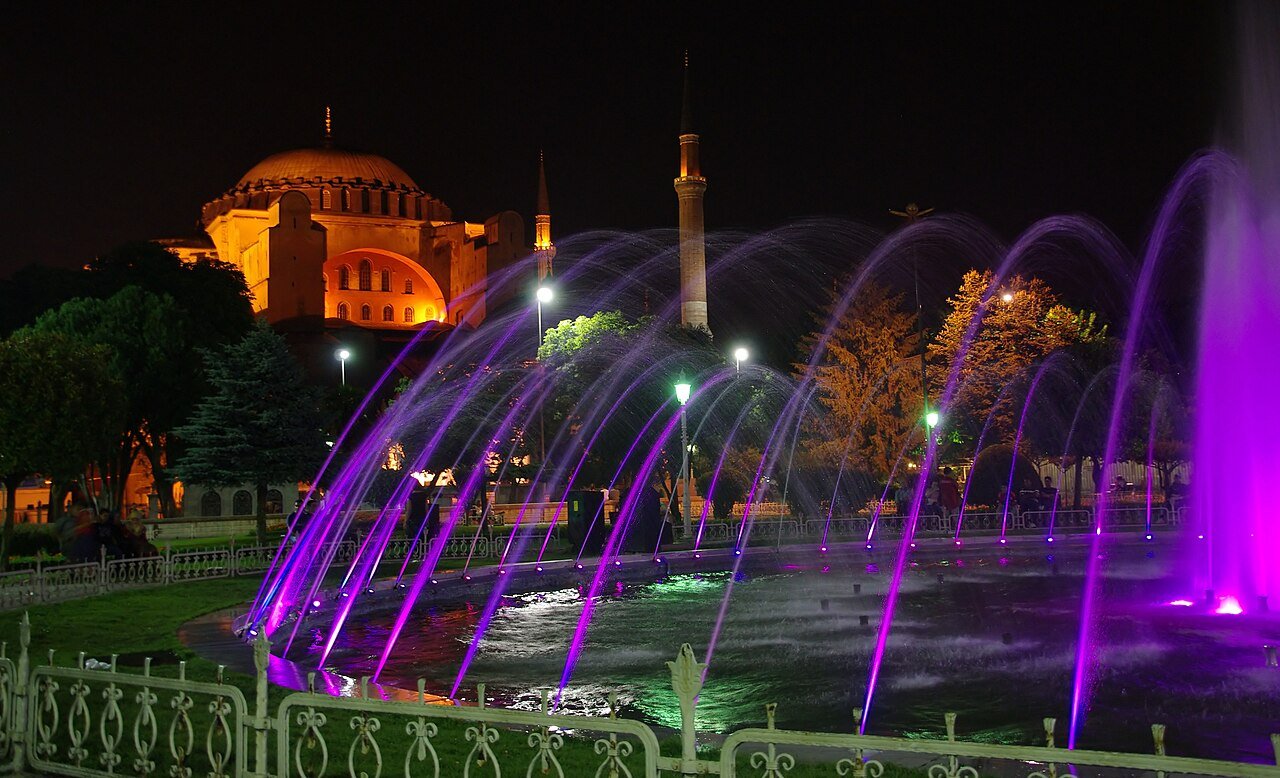
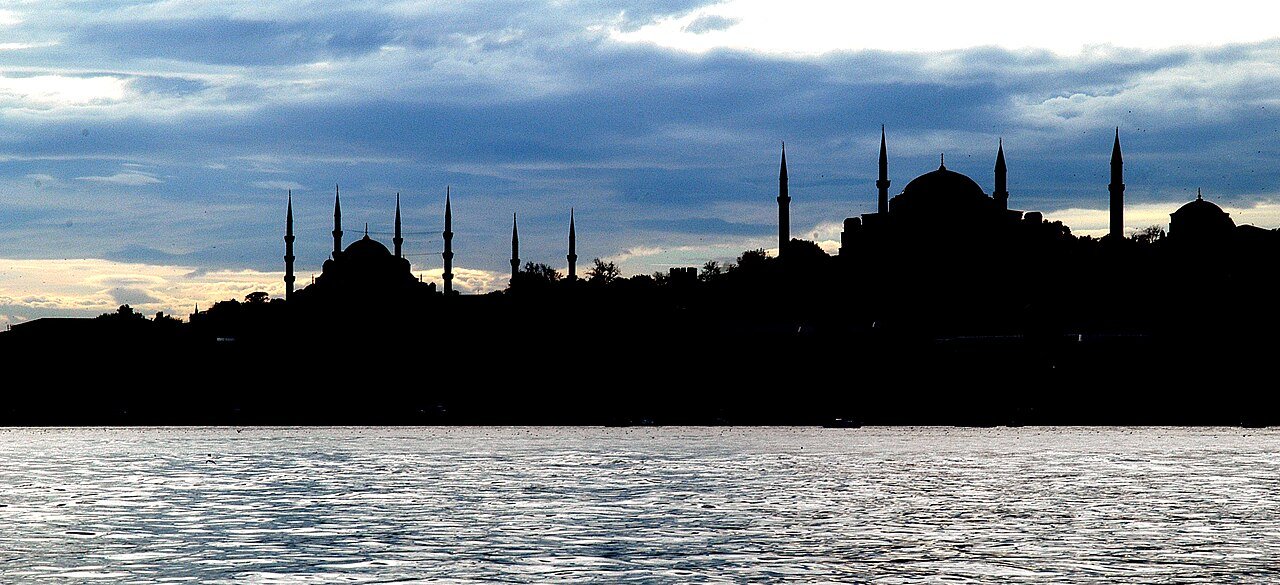
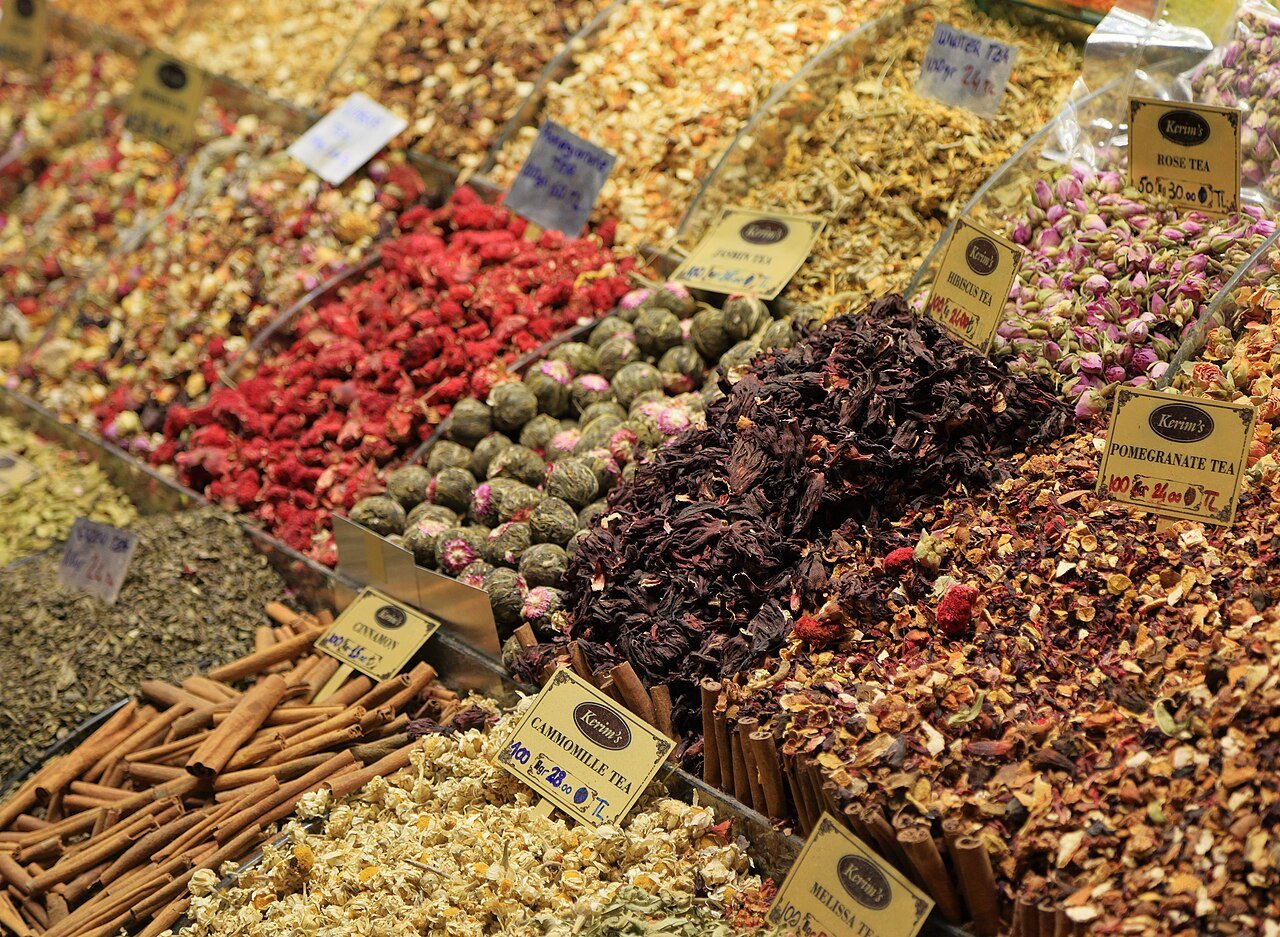
Few cities match Istanbul’s depth and drama. Stand inside the 1,500-year-old Hagia Sophia, admire the Blue Mosque’s cascade of domes, explore the opulent Topkapı Palace of the sultans, descend into the eerie Basilica Cistern, and haggle in the vast Grand and Spice Bazaars. Cruise the Bosphorus between two continents, sip Turkish tea in atmospheric cafés, and feast on kebabs, mezes and baklava. It is a sensory, history-soaked experience like no other.
Hagia Sophia
The awe-inspiring former church and mosque.
Blue Mosque
The iconic six-minareted Sultan Ahmed Mosque.
Topkapı Palace
Opulent Ottoman palace and treasury.
Grand Bazaar
One of the world’s oldest, largest markets.
Bosphorus cruise
Sail between Europe and Asia.
Turkish food
Kebabs, mezes, baklava and endless çay.
Whether you love history, architecture, culture, shopping or food, Istanbul delivers an unforgettable city break that bridges East and West, and serves as a gateway to the rest of Turkey.
Istanbul is where two continents and a thousand years of empire meet — domes and bazaars, the Bosphorus and the call to prayer.
Part 2 of 8
Visas and getting to Istanbul
Istanbul is well connected to India and easy to reach, with a simple e-Visa for many travellers.
Visa: Indian passport holders need a visa for Turkey. Those holding a valid (used) Schengen, US, UK or Ireland visa or residence can apply for a quick, cheap Turkish e-Visa online. Indians without one must apply for a sticker visa through the Turkish consulate. Always confirm the latest rules before booking.
By air: Turkish Airlines and IndiGo offer direct flights from cities like Delhi and Mumbai to Istanbul, with many one-stop options via the Gulf. Istanbul is a major global hub, so connections and fares are good. Use the metro, buses or transfers from the airport to the city.
Pro tip
If you hold a valid Schengen, US or UK visa, apply for the e-Visa online a few days before travel. Get an Istanbulkart for cheap travel on the trams, metro and ferries, and stay in Sultanahmet to be near the main sights.
Getting around: Istanbul’s trams, metro, funiculars and ferries are cheap and efficient with an Istanbulkart, and the historic Sultanahmet area is walkable. Ferries across the Bosphorus are a scenic, cheap way to travel between the European and Asian sides.
Part 3 of 8
Best time to visit Istanbul
Istanbul has a temperate climate with four seasons, so timing affects comfort and crowds.
| Season | Months | What to expect |
|---|---|---|
| Spring | Apr–Jun | Mild, pleasant and blooming — among the best times, with fewer crowds. |
| Summer | Jul–Aug | Hot and busy; peak season at the major sights. |
| Autumn | Sep–Nov | Warm, settled weather and thinner crowds — another excellent window. |
| Winter | Dec–Mar | Cold and sometimes snowy, but atmospheric and cheapest, with the fewest crowds. |
For the best mix of pleasant weather and manageable crowds, visit in spring (April–June) or autumn (September–November). Summer is warm but the busiest and most crowded at the major sights, while winter is cold yet atmospheric and offers the best value and quietest experience. Check Ramadan dates, which affect timings and dining.
Part 4 of 8
Costs and budgeting for Indians
Istanbul offers strong value thanks to the favourable exchange rate. Here is a realistic per-person, per-day guide for 2026, excluding international flights.
| Style | Daily budget | What it covers |
|---|---|---|
| Budget | $35–60 | Hostels or budget hotels, street food, public transport, key sights. |
| Mid-range | $90–160 | Good hotels, dining out, museums, palaces and a Bosphorus cruise. |
| Luxury | $250+ | Boutique and luxury hotels, fine dining, private tours and a hammam. |
Food and transport are cheap, the weak lira stretches your budget, and street food is delicious and affordable. The main costs are major-site entry tickets (Hagia Sophia, Topkapı, Basilica Cistern), so a museum pass can help. Carry Turkish lira; cards are widely accepted in the city, and gentle haggling is expected in the bazaars.
Good to know
Istanbul is generally safe and welcoming. Watch for common tourist scams (overcharging, persistent shop touts, the “shoeshine” trick), use licensed taxis or apps and agree fares, and keep an eye on belongings in crowded bazaars and the tram. Dress modestly at mosques and respect prayer times.
Part 5 of 8
Where to stay, what to eat and top experiences
Where to stay: Sultanahmet (the old city) puts you within walking distance of Hagia Sophia, the Blue Mosque and Topkapı; Beyoğlu/Taksim is livelier and more modern; and Kadıköy on the Asian side is local and trendy. Choose Sultanahmet for sights or Beyoğlu for nightlife and dining.
What to eat: Feast on Turkish cuisine — kebabs and köfte, mezes, simit, börek, fresh fish by the Bosphorus, and sweets like baklava and Turkish delight, with çay and Turkish coffee. Vegetarians do well with abundant meze and vegetable dishes, halal food is the norm, and there are Indian restaurants for familiar flavours.
Hagia Sophia & Blue Mosque
The twin icons of Sultanahmet.
Topkapı Palace
Ottoman opulence and the harem.
Bosphorus cruise
Sail between two continents.
Turkish hammam
A traditional bath and scrub experience.
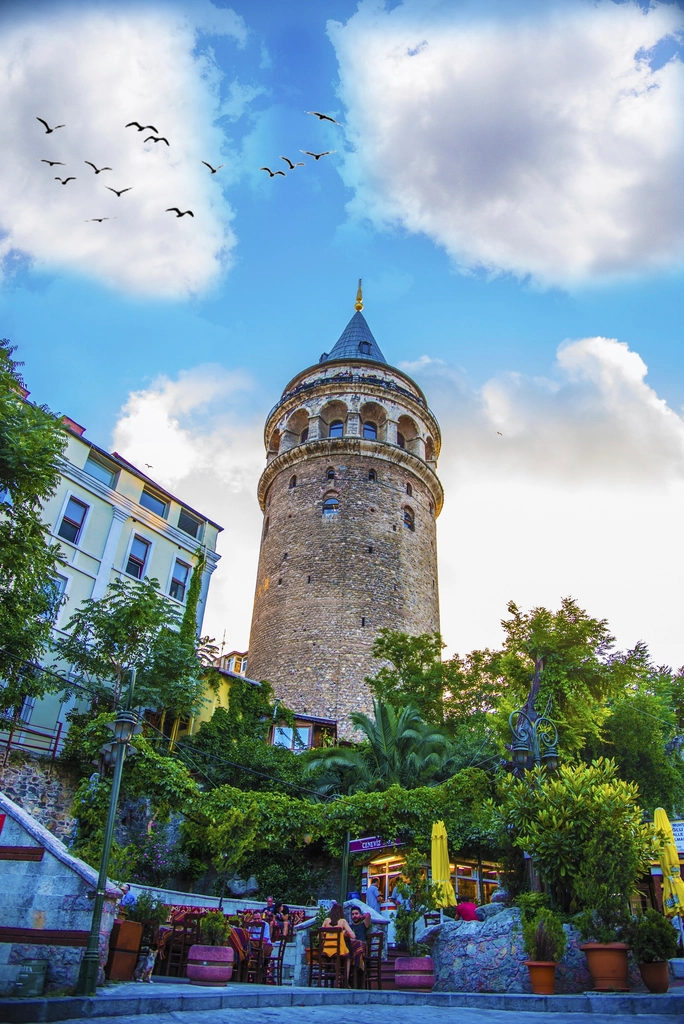
For more, explore the Grand and Spice Bazaars, the Basilica Cistern, the Galata Tower and the trendy streets of Beyoğlu, take a ferry to the Asian side or the Princes’ Islands, and enjoy the city’s vibrant café culture.
Part 6 of 8
A 3-4 day Istanbul itinerary
This route covers Istanbul’s highlights with time to soak up the atmosphere.
Day 1 — Sultanahmet: Hagia Sophia, the Blue Mosque, the Hippodrome and the Basilica Cistern, ending with dinner in the old city.
Day 2 — Palace & bazaars: Topkapı Palace, then the Grand Bazaar and Spice Bazaar for shopping and street food.
Day 3 — Bosphorus & Beyoğlu: A Bosphorus cruise, the Galata Tower, and the cafés and nightlife of Beyoğlu/Taksim, perhaps with a hammam.
Day 4 — Asian side or islands: A ferry to Kadıköy on the Asian side or the Princes’ Islands, before departing.
Extend: Add Cappadocia and Pamukkale on a longer Turkey trip via cheap domestic flights.
Pro tip
Visit Hagia Sophia and the Blue Mosque early to beat crowds, and check mosque timings as they close to tourists during prayers. A Bosphorus ferry is a cheap, scenic alternative to pricier tourist cruises.
Part 7 of 8
Practical tips for Indian travellers
A few pointers make an Istanbul trip smoother.
Sort your visa
Use the e-Visa if eligible; else apply for a sticker visa.
Get an Istanbulkart
Cheap travel on trams, metro and ferries.
Dress for mosques
Cover shoulders and knees; women carry a scarf.
Mind scams
Agree taxi fares and watch for shop touts.
Istanbul rewards a little street smarts. Sort your e-Visa (or sticker visa) in advance, get an Istanbulkart for cheap, easy transport, and base yourself in Sultanahmet for the main sights or Beyoğlu for nightlife. Visit the major mosques and museums early to beat crowds, and consider a museum pass for the big-ticket sites.
Dress modestly at mosques, covering shoulders and knees with a scarf for women, and respect prayer times when they close to visitors. Watch for common scams — agree taxi fares or use apps, be polite but firm with persistent touts, and haggle gently in the bazaars. Halal and vegetarian food is plentiful, and there are Indian restaurants for familiar flavours. With its history, culture and food bridging East and West, Istanbul offers Indian travellers an unforgettable, great-value city break.
Part 8 of 8
Frequently asked questions
Do Indians need a visa for Istanbul (Turkey)?
Yes. Indians holding a valid Schengen, US, UK or Ireland visa or residence can apply for a Turkish e-Visa online quickly and cheaply. Those without one must apply for a sticker visa through the Turkish consulate. Always confirm the latest rules before booking your trip.
How do I reach Istanbul from India?
Turkish Airlines and IndiGo offer direct flights from cities like Delhi and Mumbai to Istanbul, with many one-stop options via the Gulf. As a major global hub, Istanbul has good connections and fares. From the airport, use the metro, buses or transfers to reach the city.
When is the best time to visit Istanbul?
Spring (April–June) and autumn (September–November) offer the best mix of pleasant weather and manageable crowds. Summer is warm but busiest at the major sights, while winter is cold yet atmospheric and offers the best value and quietest experience. Check Ramadan dates too.
How much does an Istanbul trip cost?
Istanbul is good value. Excluding flights, budget travellers manage on $35–60 a day, mid-range trips $90–160, and luxury stays $250 plus. Food and transport are cheap thanks to the favourable exchange rate; the main costs are entry tickets to major sites, where a museum pass can help.
How many days do I need in Istanbul?
Three to four days cover the highlights — Hagia Sophia, the Blue Mosque, Topkapı Palace, the bazaars and a Bosphorus cruise, plus the Asian side or Princes’ Islands. Add more time to relax, or extend to Cappadocia and Pamukkale via cheap domestic flights on a longer Turkey trip.
Is Istanbul safe for tourists?
Istanbul is generally safe and welcoming, but watch for common tourist scams like overcharging and persistent shop touts, and keep an eye on belongings in crowded bazaars and on the tram. Agree taxi fares or use apps, dress modestly at mosques, and take standard city precautions.
Is Istanbul good for vegetarians and Indian travellers?
Yes. Turkish cuisine has abundant vegetable mezes, salads and dishes, so vegetarians eat well, and halal meat is the norm, which suits many Indian travellers. There are also Indian restaurants in the city for familiar food, and English is understood in tourist areas.
What is the best way to get around Istanbul?
Istanbul’s trams, metro, funiculars and ferries are cheap and efficient with an Istanbulkart, and the historic Sultanahmet area is very walkable. Ferries across the Bosphorus are a scenic, inexpensive way to travel between the European and Asian sides of the city.
The bottom line
Istanbul is one of the world’s most captivating cities — where Europe meets Asia across the Bosphorus, and 1,500 years of Byzantine and Ottoman glory live on in the Hagia Sophia, Blue Mosque, Topkapı Palace and the great bazaars. Sort your e-Visa, travel in spring or autumn, get an Istanbulkart, and base yourself in Sultanahmet. Watch for scams, dress modestly at mosques, and feast on Turkish food, and Istanbul will reward Indian travellers with a rich, atmospheric and superb-value city break bridging two continents.
Related reading
 Middle Eastern Food Guide for Indians 2026 — What to Eat & Veg Tips
 Best Street Food Cities in the World 2026 — Where & What to Eat
 Greece Travel Guide for Indians: Visa, Islands & Itinerary
Photos sourced from Wikimedia Commons under their respective Creative Commons licences. Visa, flight and travel details are indicative for 2026; confirm current visa rules and prices before you travel.