South Korea Travel Guide for Indians (2026)
Last updated: July 8, 2026
South Korea is one of Asia’s most exciting destinations — a dynamic blend of ancient palaces and cutting-edge technology, K-pop and Korean drama, sizzling street food and serene temples, neon-lit cities and beautiful mountains and islands. From the buzzing capital Seoul and the beaches of Busan to the volcanic island of Jeju and the DMZ, South Korea offers culture, cuisine, shopping and natural beauty in equal measure. For Indian travellers, it is a fascinating, safe and increasingly popular trip — and the home of the Hallyu wave many already love.
This 2026 guide for Indian travellers covers visas and flights, the best time to go, costs, getting around, where to stay and eat, and what not to miss.
- Visa: Indians need a visa for South Korea — apply via the Korean visa centre.
- Getting there: Direct and one-stop flights from Indian cities to Seoul.
- Best time: Spring (Apr–May, cherry blossoms) and autumn (Sep–Nov foliage).
- Don’t miss: Seoul, Busan, Jeju, palaces, K-food and the DMZ.
Part 1 of 8
Why South Korea belongs on your list
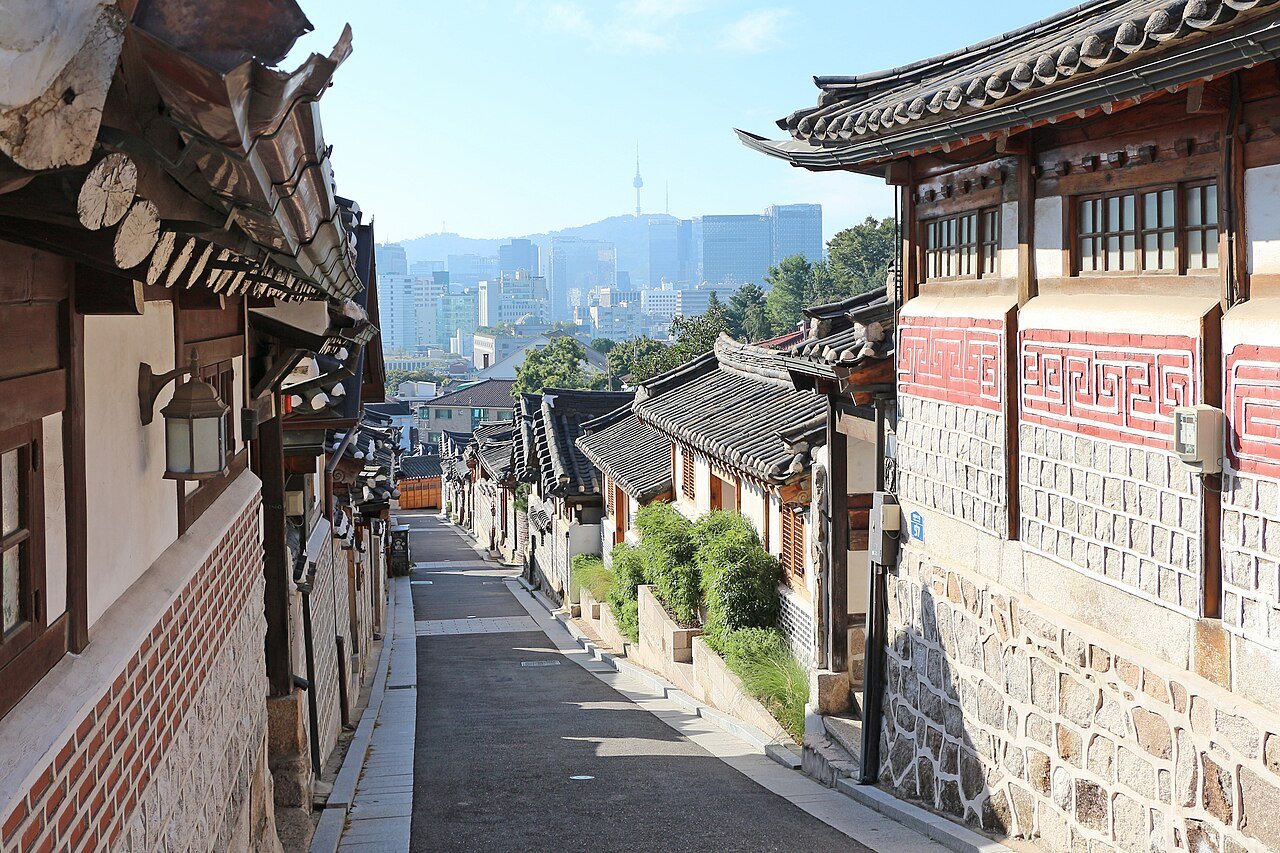
South Korea fascinates with contrasts. Explore grand royal palaces and traditional hanok villages in Seoul, then dive into futuristic skylines, K-pop culture and round-the-clock shopping; feast on Korean BBQ, bibimbap and street food; relax on Busan’s beaches and Jeju’s volcanic landscapes; and peer into history at the DMZ. Add cherry blossoms in spring, fiery foliage in autumn and famously safe, efficient cities, and Korea delivers a uniquely modern Asian adventure.
Seoul
Palaces, hanok villages and neon nightlife.
Busan
Beaches, seafood and colourful villages.
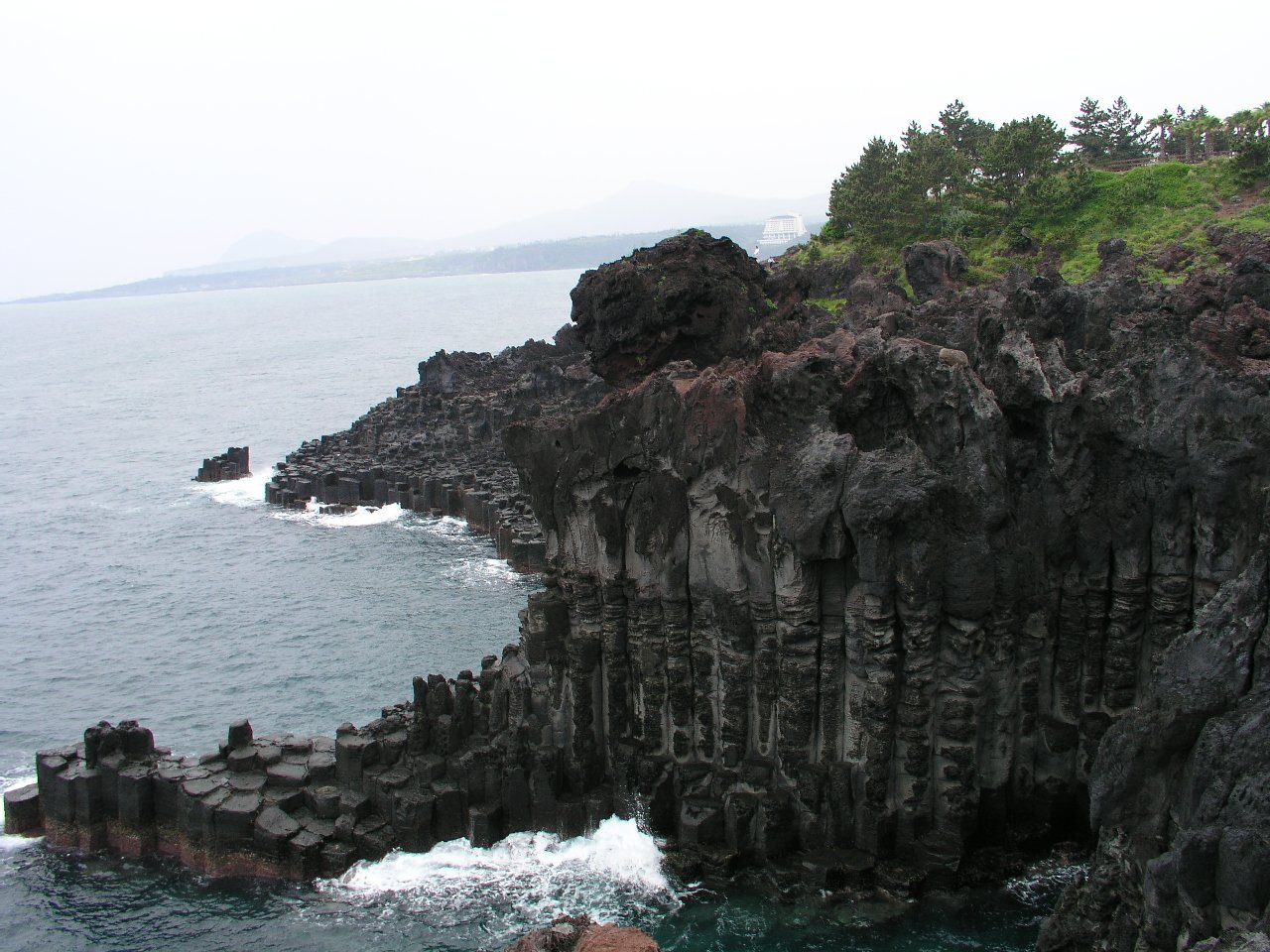
Jeju Island
Volcanic scenery, beaches and craters.
Korean food
BBQ, bibimbap, kimchi and street food.
K-culture
K-pop, K-drama and shopping.
The DMZ
The fascinating border with North Korea.
Whether you love culture, food, shopping, nature or all things Hallyu, South Korea offers a safe, modern and unforgettable Asian experience.
South Korea is past and future at once — royal palaces and K-pop neon, temple stays and Korean BBQ, cherry blossoms and the DMZ.
Part 2 of 8
Visas and getting to South Korea
A visa and good flight links make Korea easy to plan.
Visa: Indian passport holders need a visa to visit South Korea. Apply through the Korean visa application centre with your itinerary, flights, hotels and financial documents; check the latest requirements and any e-visa or K-ETA rules before you travel, as these can change.
By air: Direct and one-stop flights connect Indian metros to Seoul (Incheon), a major Asian hub, on Korean, Indian and other carriers. Incheon is one of the world’s best airports, with excellent onward transport. Booking early lands the best fares.
Pro tip
Check the latest visa and K-ETA requirements before booking, as rules change. Buy a T-money transport card on arrival for seamless travel on Seoul’s superb metro, buses and trains, and use high-speed KTX trains between cities.
Getting around: South Korea has world-class public transport. Seoul’s metro is fast, cheap and easy in English, and high-speed KTX trains link cities like Busan in a few hours. A rechargeable T-money card works across transport. For Jeju, fly or ferry, then use buses or a rental car.
Part 3 of 8
Best time to visit South Korea
South Korea has four distinct seasons, each with its own appeal.
| Season | Months | What to expect |
|---|---|---|
| Spring | Apr–May | Mild with famous cherry blossoms — beautiful and popular. |
| Summer | Jun–Aug | Hot, humid and rainy (monsoon); lively but sticky. |
| Autumn | Sep–Nov | Clear, crisp and stunning foliage — arguably the best time. |
| Winter | Dec–Feb | Cold and dry with snow; ski season and festive lights. |
For the best experience, visit in spring (April–May) for cherry blossoms or autumn (September–November) for crisp weather and brilliant foliage — both are gorgeous and ideal for sightseeing. Summer is hot, humid and rainy with monsoon spells, while winter is cold and snowy, great for skiing and seasonal charm. Pack for the season you choose.
Part 4 of 8
Costs and budgeting for Indians
South Korea is moderately priced — cheaper than Japan or Western Europe but pricier than Southeast Asia. Here is a realistic per-person, per-day guide for 2026, excluding international flights.
| Style | Daily budget | What it covers |
|---|---|---|
| Budget | ₩70,000–110,000 | Guesthouses or hostels, street food, transport, key sights. |
| Mid-range | ₩160,000–280,000 | Good hotels, restaurant dining, attractions and tours. |
| Luxury | ₩500,000+ | Upscale hotels, fine dining and private experiences. |
Public transport is cheap and excellent, street food and casual eateries are affordable and delicious, and many palaces, parks and neighbourhoods cost little to explore. Accommodation and dining are the main costs. Cards are widely accepted, but carry some cash; convenience stores are everywhere and great value.
Good to know
South Korea is one of the world’s safest countries, with very low crime and excellent infrastructure. Take normal precautions, mind the language barrier outside tourist areas (translation apps help), and follow guidance on any DMZ tours. Carry copies of your passport and visa.
Part 5 of 8
Where to stay, what to eat and top experiences
Where to stay: In Seoul, base in Myeongdong, Hongdae or Insadong for shopping, nightlife and culture with great metro access. In Busan, stay near Haeundae Beach or Seomyeon; on Jeju, near the airport or a coastal town. Central, metro-connected areas make exploring effortless.
What to eat: Korean food is a highlight — Korean BBQ, bibimbap, kimchi, bulgogi, tteokbokki, fried chicken and endless street food. Vegetarians can find bibimbap, pancakes, tofu dishes and temple cuisine, though many dishes contain meat or fish; Indian restaurants exist in Seoul, so Indian travellers have options.
Seoul palaces
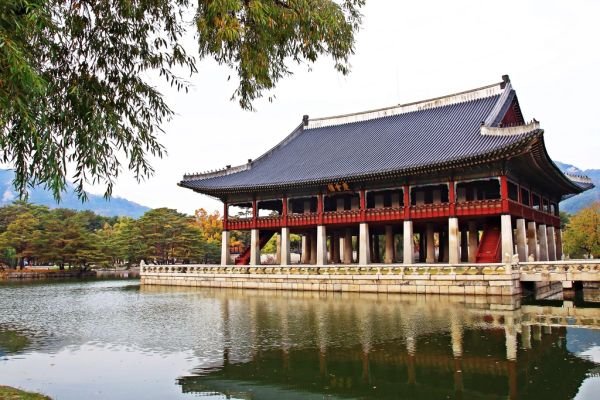
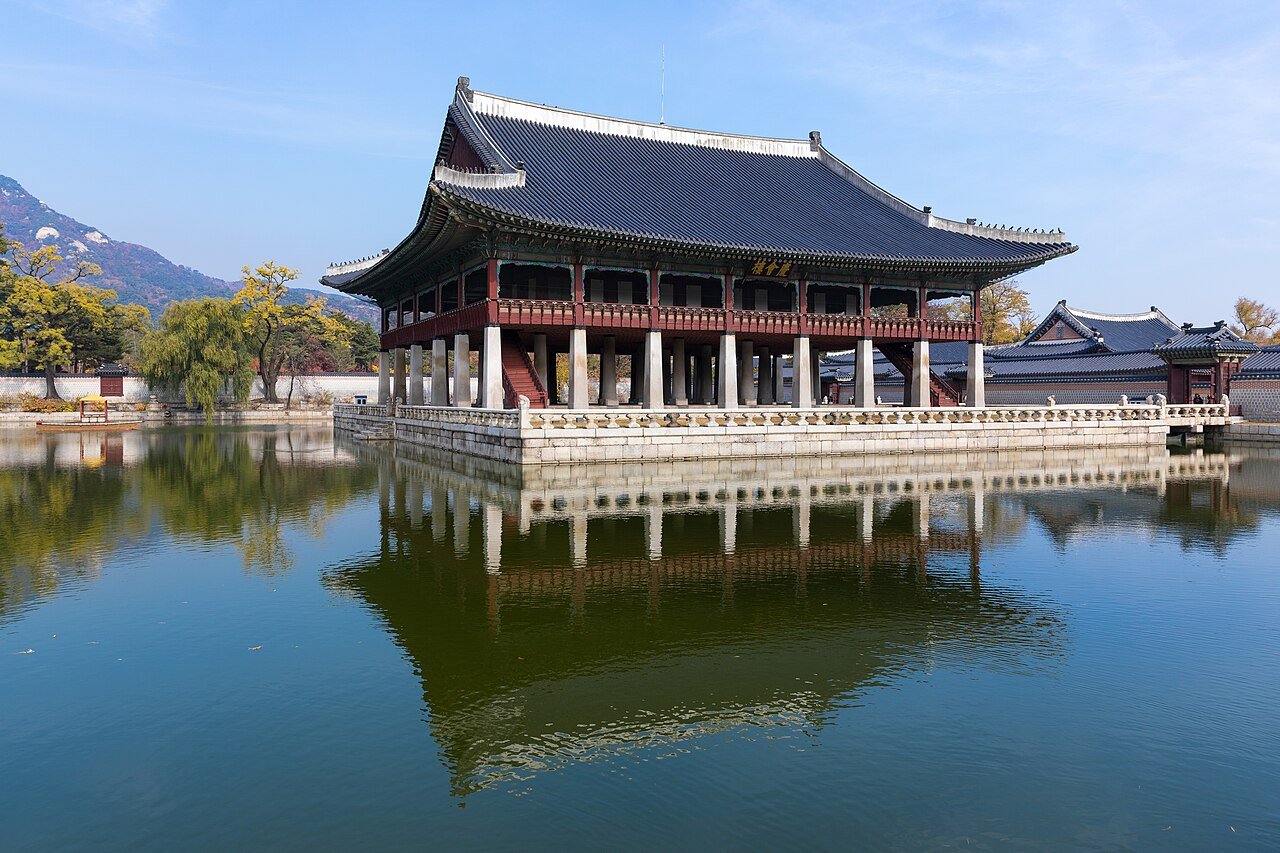
Gyeongbokgung and Bukchon Hanok Village.
Korean BBQ
Grill your own meal, a must-do experience.
DMZ tour
The border zone with North Korea.
Jeju Island
Volcanic craters, beaches and waterfalls.
For more, explore the temples of Gyeongju, the colourful Gamcheon Culture Village in Busan, the shopping of Myeongdong and Dongdaemun, and K-pop and K-drama experiences across Seoul.
Part 6 of 8
A 7-10 day South Korea itinerary
This route pairs Seoul with Busan and Jeju.
Days 1–4 — Seoul: Palaces, Bukchon Hanok Village, Myeongdong and Hongdae, N Seoul Tower, markets and a DMZ day tour.
Days 5–6 — Busan (via KTX): Haeundae Beach, Gamcheon Culture Village, seafood markets and temples.
Days 7–9 — Jeju Island: Volcanic craters, waterfalls, beaches, lava tubes and coastal drives.
Day 10 — Return via Seoul: Last-minute shopping and any missed sights before flying home.
Pro tip
Use the fast, cheap metro and KTX trains, and get a T-money card on arrival. Rent a hanbok to enter Seoul’s palaces free, book DMZ tours in advance, and download a translation and navigation app (Naver Map or KakaoMap) for getting around.
Part 7 of 8
Practical tips for Indian travellers
A few pointers make a Korea trip smoother.
Check visa rules
Apply early; verify K-ETA requirements.
Get a T-money card
Seamless metro, bus and train travel.
Use Korean map apps
Naver Map and KakaoMap beat Google here.
Ask about ingredients
Many dishes contain meat or seafood.
South Korea rewards a little preparation. Apply for your visa early and verify the latest K-ETA and entry requirements before booking, as rules change. On arrival, buy a T-money card for the superb, cheap public transport, and use KTX trains between cities. Download Naver Map or KakaoMap, as Google Maps is limited in Korea.
Korea is extremely safe with world-class infrastructure, so you can explore freely. The main hurdle is the language barrier outside tourist areas — translation apps help greatly. Korean food is a highlight, though vegetarians should check ingredients as many dishes contain meat or seafood; Seoul has Indian restaurants and vegetarian-friendly options. Spring blossoms and autumn foliage are the prettiest times. With its culture, cuisine, safety and K-wave appeal, South Korea offers Indian travellers a thrilling modern Asian adventure.
Part 8 of 8
Frequently asked questions
Do Indians need a visa for South Korea?
Yes. Indian passport holders need a visa to visit South Korea. Apply through the Korean visa application centre with your itinerary, flights, hotels and financial documents. Check the latest requirements and any e-visa or K-ETA rules before you travel, as entry regulations can change.
How do I reach South Korea from India?
Direct and one-stop flights connect Indian metros to Seoul’s Incheon Airport, a major Asian hub, on Korean, Indian and other carriers. Incheon is one of the world’s best airports with excellent onward transport into the city. Booking early lands the best fares.
When is the best time to visit South Korea?
Spring (April–May) for cherry blossoms and autumn (September–November) for crisp weather and brilliant foliage are the best and most beautiful times. Summer is hot, humid and rainy with monsoon spells, while winter is cold and snowy — great for skiing and festive charm but chilly for sightseeing.
How much does a South Korea trip cost?
Korea is moderately priced — cheaper than Japan but pricier than Southeast Asia. Excluding flights, budget travellers manage on ₩70,000–110,000 a day, mid-range trips ₩160,000–280,000, and luxury stays ₩500,000 plus. Cheap transport, affordable street food and many low-cost sights help keep budgets reasonable.
How do I get around South Korea?
South Korea has world-class public transport. Seoul’s metro is fast, cheap and English-friendly, and high-speed KTX trains link cities like Busan in a few hours. Buy a rechargeable T-money card for all transport, and use Naver Map or KakaoMap for navigation. For Jeju, fly or take a ferry, then use buses or a rental car.
Is South Korea good for vegetarians and Indian travellers?
Vegetarians can find bibimbap, vegetable pancakes, tofu dishes and Buddhist temple cuisine, though many Korean dishes contain meat or seafood, so check ingredients. Seoul has Indian restaurants and growing vegetarian options. Convenience stores are everywhere, so Indian travellers, with a little planning, eat comfortably.
How many days do I need for South Korea?
Seven to ten days lets you enjoy Seoul plus Busan and Jeju at a comfortable pace using KTX trains and short flights. A shorter four to five day trip can focus on Seoul with a DMZ tour and a day trip, while longer stays allow more of the countryside, temples and additional cities.
Is South Korea safe for tourists?
South Korea is one of the world’s safest countries, with very low crime and excellent infrastructure, so tourists can explore freely, even at night. Take normal precautions, follow guidance on DMZ tours, and use translation apps for the language barrier outside tourist areas. Carry copies of your passport and visa.
What should I not miss in South Korea?
Beyond Seoul, Busan and Jeju, don’t miss a DMZ tour to the North Korean border, the ancient temples and tombs of Gyeongju, Busan’s colourful Gamcheon Culture Village, and a Korean BBQ meal. Renting a hanbok to enter Seoul’s palaces free, and experiencing K-pop and K-drama culture, are memorable highlights too.
Can I experience K-pop and K-drama culture in Korea?
Absolutely. Seoul offers K-pop concerts, entertainment company stores, themed cafés, and tours of K-drama filming locations across the city and countryside. Districts like Hongdae and Gangnam buzz with music and dance culture, and you can visit spots featured in famous dramas, making Korea a dream for Hallyu fans.
The bottom line
South Korea is a thrilling modern Asian trip — the palaces and neon of Seoul, the beaches of Busan, the volcanic beauty of Jeju, the sizzle of Korean BBQ, the buzz of K-culture and the history of the DMZ, all in one of the world’s safest and most efficient countries. Check the latest visa and K-ETA rules, travel in spring for cherry blossoms or autumn for foliage, grab a T-money card for the superb transport, and use Korean map apps. South Korea will reward Indian travellers with culture, cuisine and unforgettable contrasts.
Related reading
 Thailand + Cambodia 10-Day Itinerary for Indians (2026)
 Vietnam + Cambodia 10-Day Itinerary 2026 — Hanoi, Ha Long, Hoi An & Angkor Wat
 South Africa Travel Guide for Indians (2026)
Photos sourced from Wikimedia Commons under their respective Creative Commons licences. Visa, flight and travel details are indicative for 2026; confirm current visa and K-ETA rules and prices before you travel.