Tokyo Travel Guide 2026 — Things to Do, Best Time, Food & 4-Day Plan
Last updated: July 8, 2026
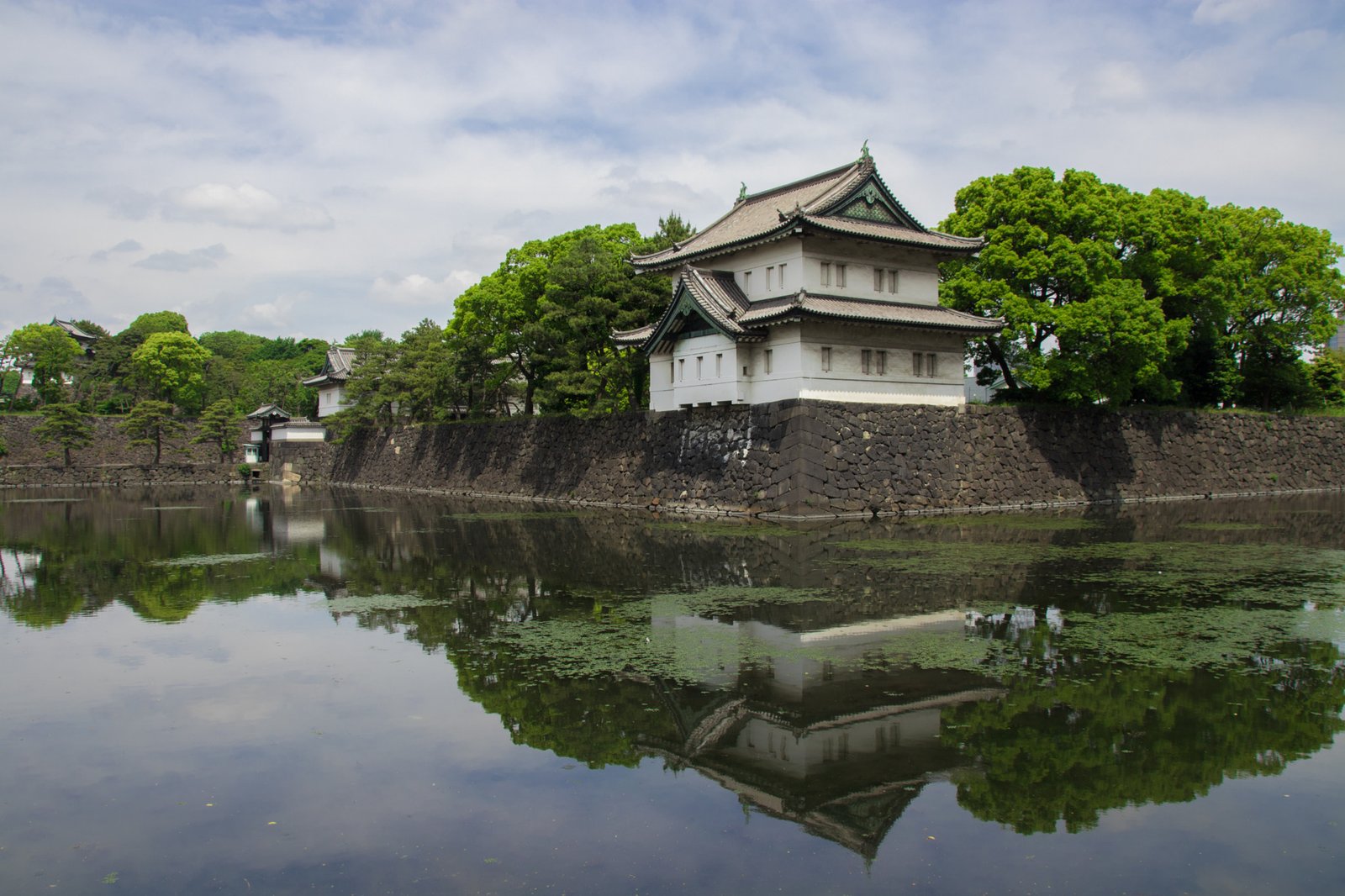
Tokyo is a city like no other — a dazzling, ever-changing metropolis where neon-lit streets and futuristic towers stand beside ancient temples, tranquil gardens and centuries-old traditions. From the famous Shibuya Crossing and the electric energy of Shinjuku to the serenity of Senso-ji temple, the pop culture of Akihabara and some of the best food on earth, Japan’s capital overwhelms the senses in the best way. Safe, spotless and endlessly fascinating, Tokyo is an unforgettable destination for Indian travellers.
This 2026 guide for Indian travellers covers visas and flights, the best time to go, what it costs, where to stay and eat, and how to make the most of a few days in Tokyo.
- Visa: Indians need a visa for Japan; apply in advance (an e-visa option exists for eligible applicants).
- Getting there: Direct and one-stop flights from Indian cities to Tokyo (Narita/Haneda).
- Best time: Spring (cherry blossoms) and autumn (foliage) are loveliest; the city is great year-round.
- Don’t miss: Shibuya and Shinjuku, Senso-ji and Meiji Shrine, Akihabara, and day trips to Mount Fuji.
Part 1 of 8
Why Tokyo belongs on your list
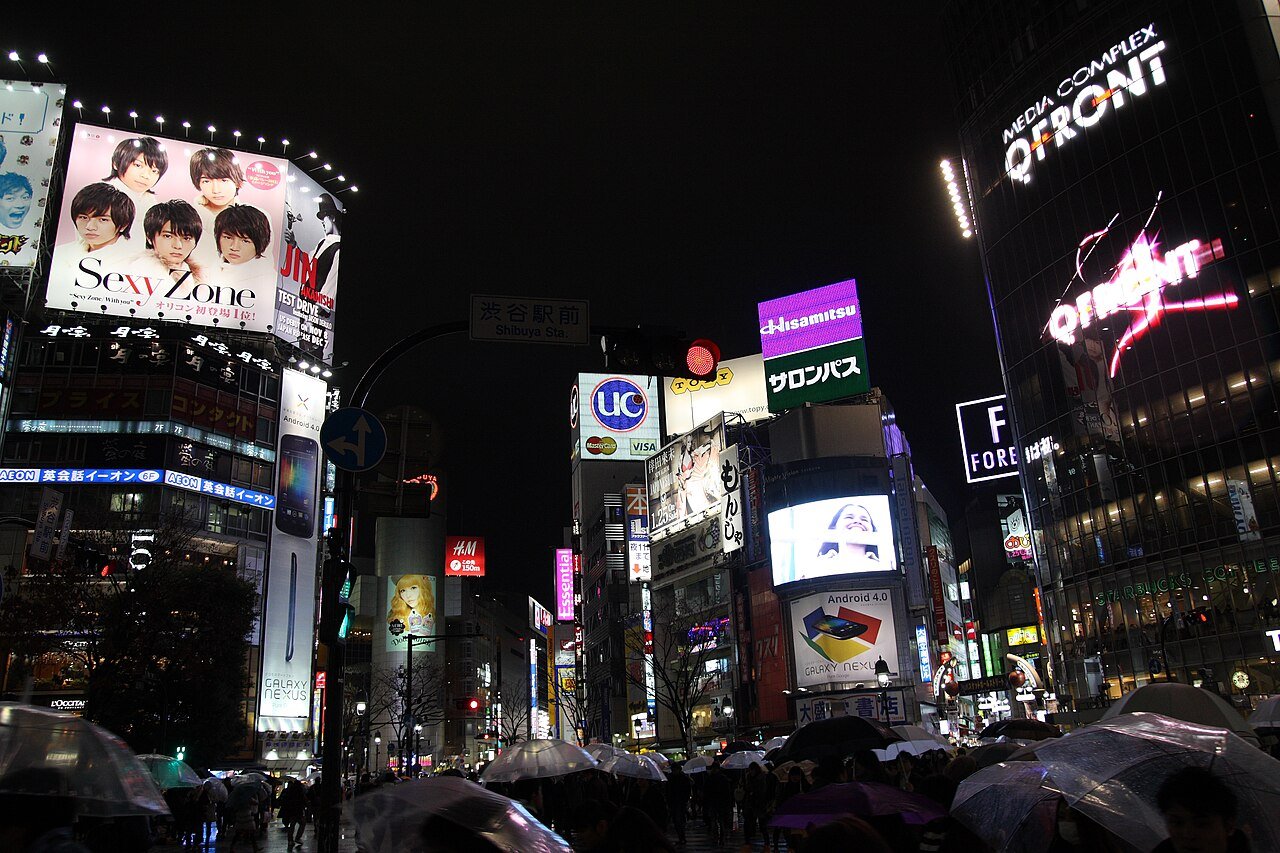
Tokyo is a feast of contrasts and discoveries. Cross the world’s busiest intersection at Shibuya, lose yourself in Shinjuku’s neon nightlife, find calm at the Meiji Shrine and Senso-ji temple, geek out in Akihabara, and shop the elegance of Ginza. Eat everything from convenience-store wonders to Michelin-starred sushi, ride the seamless metro, and take day trips to Mount Fuji, Nikko or Kamakura. It is futuristic yet traditional, chaotic yet calm, and impeccably organised throughout.
Shibuya & Shinjuku
Iconic crossing, neon nightlife and shopping.
Temples & shrines
Senso-ji in Asakusa and the Meiji Shrine.
Akihabara
Anime, gaming and electronics paradise.
Views
Tokyo Tower, Skytree and skyscraper observatories.
Food
Sushi, ramen, izakaya and Michelin dining.
Day trips
Mount Fuji, Hakone, Nikko and Kamakura.
Whether you crave culture, technology, food, shopping or nature day trips, Tokyo delivers an exhilarating, deeply rewarding city experience that ranks among the world’s greatest.
Tokyo is the future and the past at once — neon and shrines, sushi and skyscrapers, all wrapped in flawless Japanese order.
Part 2 of 8
Visas and getting to Tokyo
A little planning on the visa and transport sets up a smooth Tokyo trip.
Visa: Indian passport holders need a tourist visa for Japan. A tourist e-visa is available through authorised channels for eligible applicants; otherwise apply via the embassy or an accredited agent, well in advance, with your itinerary and bookings.
By air: Direct and one-stop flights connect Indian metros to Tokyo’s Narita and Haneda airports. Haneda is closer to the city; both link in by train. Booking early lands the best fares.
Pro tip
Get a Suica or PASMO IC card on arrival for tap-and-go travel on Tokyo’s trains and metro, and pick up a pocket Wi-Fi or travel SIM. Google Maps works brilliantly for Tokyo’s complex but punctual rail network.
Getting around: Tokyo’s metro and JR trains are fast, punctual and extensive — the best way to get around. Use an IC card to tap through gates, and note trains stop around midnight. Taxis are pricey; walking between nearby sights is easy and pleasant.
Part 3 of 8
Best time to visit Tokyo
Tokyo is a year-round city, but the season shapes the experience and crowds.
| Season | Months | What to expect |
|---|---|---|
| Spring | Mar–May | Cherry blossoms (late Mar–early Apr) — beautiful but busy and pricey. |
| Summer | Jun–Aug | Hot and humid, with festivals; June is rainy season. |
| Autumn | Sep–Nov | Gorgeous fall foliage and comfortable weather — a favourite season. |
| Winter | Dec–Feb | Cold, crisp and clear, with fewer crowds, festive lights and Fuji views. |
Spring (cherry blossoms) and autumn (fall colours) are the loveliest and most popular times, so book early and expect crowds at famous spots. Winter is crisp and clear with festive illuminations and great Mount Fuji views, while summer is lively but hot and humid. Tokyo rewards a visit in any season — just pack accordingly.
Part 4 of 8
Costs and budgeting for Indians
Tokyo has a pricey reputation, but smart choices keep it manageable. Here is a realistic per-person, per-day guide for 2026, excluding international flights.
| Style | Daily budget | What it covers |
|---|---|---|
| Budget | $70–110 | Hostels/capsules, convenience-store and ramen meals, IC-card travel. |
| Mid-range | $150–250 | Business hotels, mix of dining, attractions and day trips. |
| Premium | $350+ | Upscale hotels, fine dining, private experiences and more. |
Accommodation is the main variable, with hostels, capsules and business hotels keeping it affordable. Food can be very cheap via convenience stores, ramen and set-meal shops, or a splurge at sushi counters. Many temples, parks and neighbourhoods are free. Carry yen alongside an IC card, as Japan is still fairly cash-reliant, and there is no tipping.
Good to know
Tokyo is extremely safe with very low crime, but it can be cash-heavy and the language a barrier — carry yen and use a translation app. Trains are punctual to the minute, so allow time and mind the last-train timings. Vegetarian and Jain travellers should research restaurants, as fish stock (dashi) is common.
Part 5 of 8
Where to stay, what to eat and top experiences
Where to stay: Stay near a JR Yamanote line station for easy access — Shinjuku and Shibuya for buzz and nightlife, Tokyo/Ginza for central convenience, and Asakusa or Ueno for traditional charm and value. Business hotels and capsules offer great-value, well-located stays.
What to eat: Tokyo is arguably the world’s greatest food city — sushi, ramen, tempura, tonkatsu, izakaya plates, conveyor-belt sushi and incredible convenience-store fare. Vegetarians and Jains should research veg-friendly spots and carry snacks (dashi is common), though options and Indian restaurants exist, especially in central areas.
Shibuya Crossing
Experience the world’s busiest intersection.
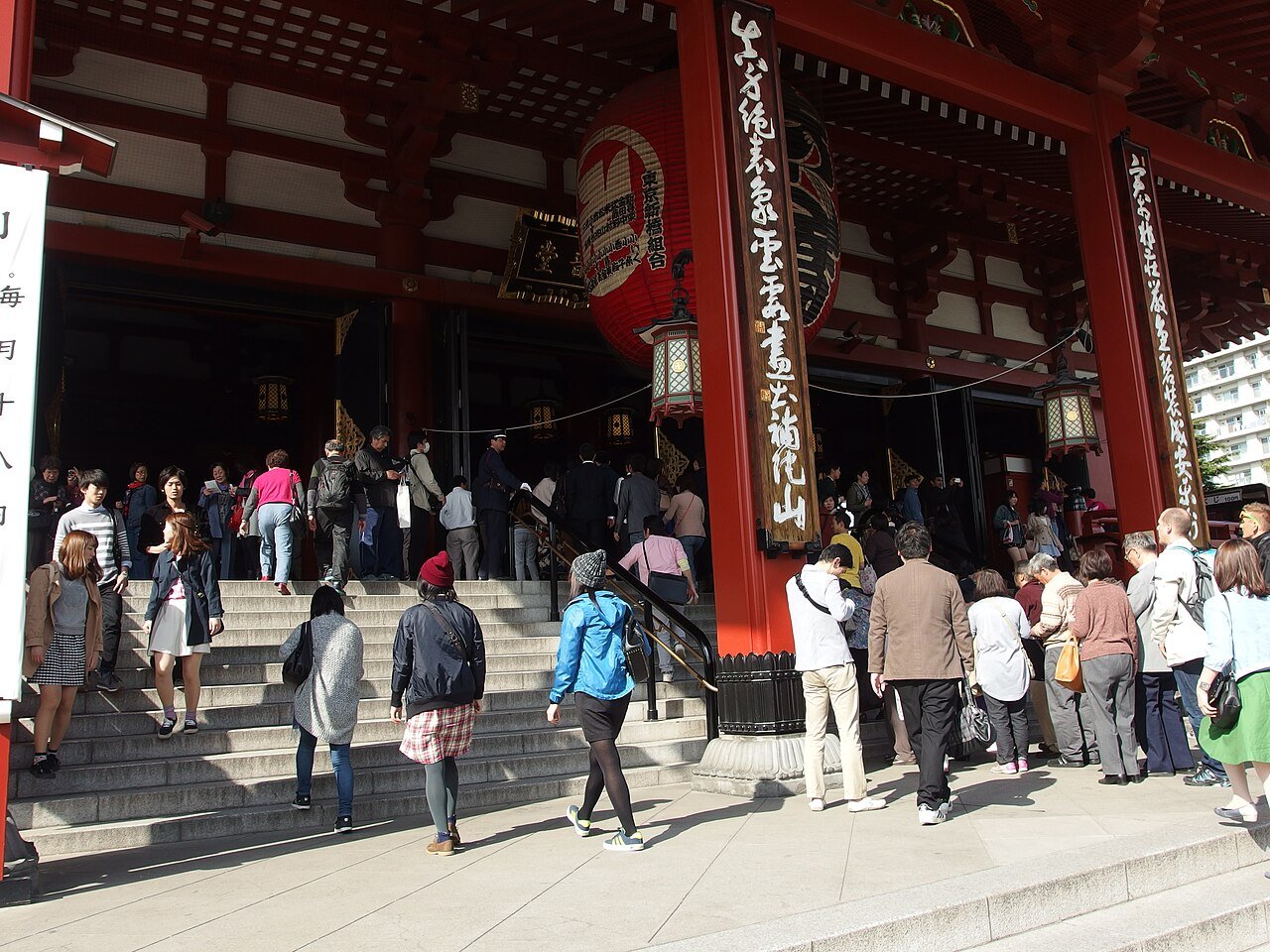
Senso-ji & Meiji
Tokyo’s most famous temple and shrine.
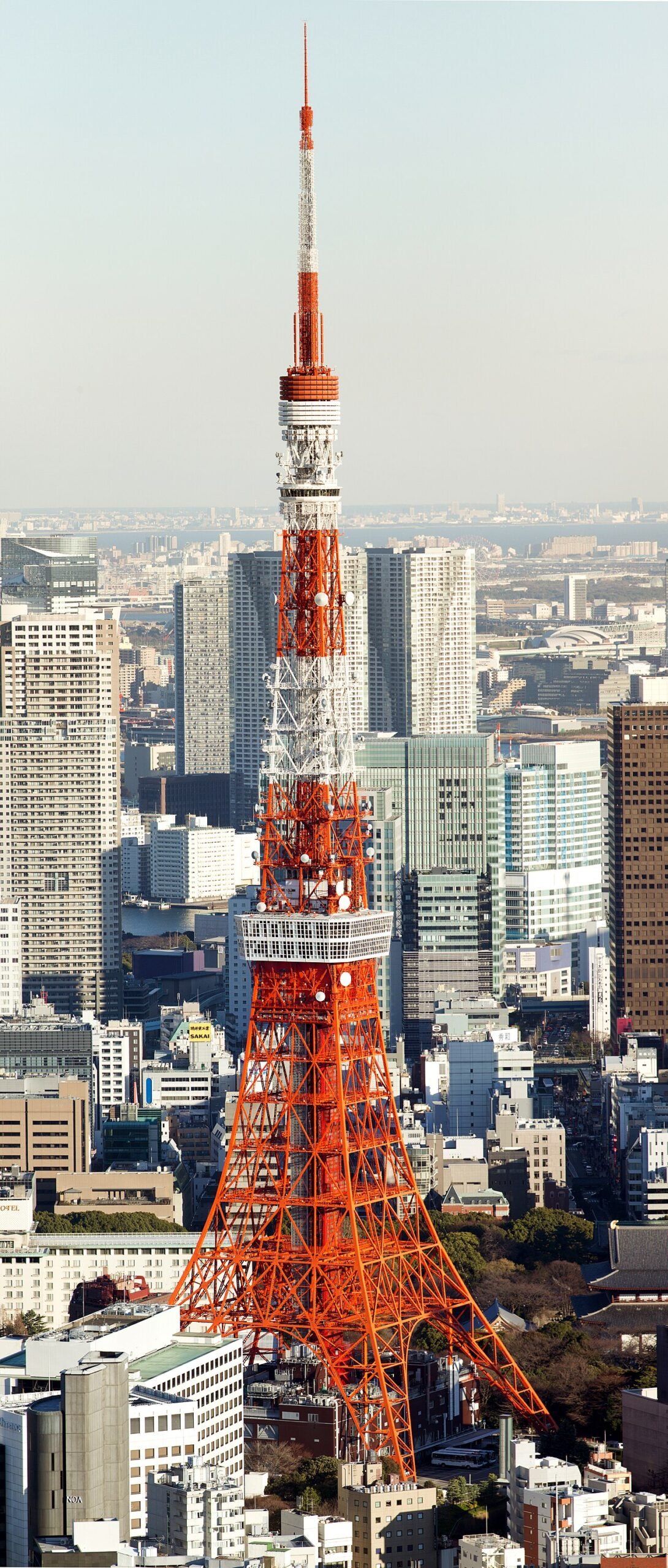
City views
Skytree, Tokyo Tower or a free observatory.
Mount Fuji day trip
Hakone or the Fuji Five Lakes.
For more, explore Akihabara and Harajuku, the gardens of Shinjuku Gyoen, the teamLab digital art museums, the Tsukiji outer market, Ginza shopping, and easy day trips to Nikko, Kamakura or Mount Fuji.
Part 6 of 8
A 3-4 day Tokyo itinerary
This route covers Tokyo’s highlights with room for a day trip.
Day 1 — West Tokyo: Shibuya Crossing, Harajuku and Takeshita Street, the Meiji Shrine, and Shinjuku’s nightlife and a free skyscraper observatory.
Day 2 — East & traditional Tokyo: Asakusa’s Senso-ji temple, the Tokyo Skytree, Akihabara, and Ginza or the Tsukiji outer market.
Day 3 — Day trip: Mount Fuji and Hakone, or Nikko or Kamakura for temples and nature.
Day 4 — Your choice: teamLab digital art, the Imperial Palace gardens, Odaiba, Ueno’s museums, or more shopping and food.
Extend: Add Kyoto, Osaka and more on a longer Japan trip via the Shinkansen.
Pro tip
Cluster sights by area to minimise travel, and use free skyscraper observatories (like the Metropolitan Government Building) for skyline views without paying. Start day trips early, as Mount Fuji is clearest in the morning.
Part 7 of 8
Practical tips for Indian travellers
A few habits make a Tokyo trip run smoothly.
Apply early for the visa
Sort your Japan visa well before booking.
Get an IC card
Suica/PASMO for tap-and-go train travel.
Stay connected
Pocket Wi-Fi or a travel SIM for maps and translation.
Carry yen
Japan is still cash-friendly in many places.
Tokyo is one of the world’s most rewarding and orderly cities. Apply for your visa early, get an IC card and pocket Wi-Fi on arrival, and rely on the superb metro and JR trains, minding the last-train timings around midnight. Carry yen as a backup, since some places remain cash-only, and use translation apps to bridge the language gap.
Respect local etiquette — be quiet on trains, queue neatly, don’t eat while walking, and don’t tip (it isn’t customary). Vegetarian and Jain travellers should research veg-friendly restaurants and carry some snacks, as dashi (fish stock) is widespread, though dedicated veg spots and Indian restaurants exist. With its blend of the futuristic and the traditional, world-class food and flawless organisation, Tokyo offers Indian travellers an exhilarating and unforgettable city break.
Part 8 of 8
Frequently asked questions
Do Indians need a visa for Tokyo (Japan)?
Yes. Indian passport holders need a tourist visa for Japan. A tourist e-visa is available through authorised channels for eligible applicants; otherwise apply via the embassy or an accredited agent. Apply well in advance with your itinerary, flights and accommodation bookings.
How do I reach Tokyo from India?
Direct and one-stop flights connect Indian metros to Tokyo’s Narita and Haneda airports. Haneda is closer to the city, but both link in by train. Booking early lands the best fares, and the airports connect smoothly to central Tokyo via express trains.
When is the best time to visit Tokyo?
Spring (late March to early April) for cherry blossoms and autumn (October to November) for fall foliage are the loveliest and most popular seasons, so book early. Winter is crisp, clear and quieter with great Fuji views, while summer is lively but hot and humid.
How much does a Tokyo trip cost?
Excluding international flights, budget travellers manage on roughly $70–110 a day, mid-range trips $150–250, and premium stays $350 plus. Accommodation is the main variable; food can be cheap via convenience stores and ramen, and many temples, parks and views are free.
How do I get around Tokyo?
Tokyo’s metro and JR trains are fast, punctual and extensive — the best way to get around. Use a Suica or PASMO IC card to tap through gates, and note trains stop around midnight. Walking between nearby sights is easy, while taxis are pricey.
Is Tokyo good for vegetarian Indian travellers?
It can be challenging, as dashi (fish stock) is common, so research veg-friendly restaurants, learn key phrases and carry some snacks. That said, vegetarian spots, Indian restaurants and convenience-store options exist, especially in central areas, making a vegetarian trip manageable with planning.
How many days do I need in Tokyo?
Three to four days cover the highlights — Shibuya and Shinjuku, Senso-ji and Meiji Shrine, Akihabara, city views and a Mount Fuji or Nikko day trip. Add more time for teamLab, museums and shopping, or extend to Kyoto and Osaka on a longer Japan trip.
Can I see Mount Fuji from Tokyo?
Yes. On clear days, especially in winter, Mount Fuji is visible from Tokyo’s skyscraper observatories. For a closer view, take a day trip to Hakone or the Fuji Five Lakes, where you can enjoy the mountain, hot springs and lake scenery. Mornings offer the clearest views.
What are the best day trips from Tokyo?
Top day trips include Hakone and the Fuji Five Lakes for Mount Fuji views and hot springs, Nikko for ornate shrines and waterfalls, Kamakura for its Great Buddha and temples by the sea, and Yokohama for its waterfront and Chinatown. All are reachable in one to two hours by train, making them easy additions to a Tokyo trip.
Is Tokyo expensive to visit?
Tokyo has a pricey reputation, but it can be done on a range of budgets. Accommodation and taxis are the main costs, while food can be very cheap via convenience stores, ramen and set-meal shops, and many temples, parks and observation decks are free. Smart choices and an IC card for transport keep a Tokyo trip more affordable than expected.
The bottom line
Tokyo is one of the world’s great cities — a thrilling blend of neon-lit modernity and timeless tradition, from Shibuya Crossing and Shinjuku’s nightlife to the serenity of Senso-ji and Meiji Shrine, with food, shopping and Mount Fuji day trips to match. Sort your visa early, get an IC card and pocket Wi-Fi, ride the flawless trains, and respect local etiquette. Travel in spring or autumn for the prettiest scenery, and Tokyo will reward Indian travellers with an exhilarating, unforgettable and impeccably organised city adventure.
Related reading
Photos sourced from Wikimedia Commons under their respective Creative Commons licences. Visa, flight and travel details are indicative for 2026; confirm current visa rules and prices before you travel.