Singapore Travel Guide for Indians 2026 — Visa, Cost, Best Time & Tips
Last updated: July 8, 2026
Singapore is one of the easiest and most rewarding international destinations for Indian travellers — spotless, super-safe, English-speaking and home to a large Indian community, with world-class attractions in a compact, walkable city. From the futuristic Marina Bay and Gardens by the Bay to the family fun of Sentosa, the colour of Little India and Chinatown, and a hawker-food scene with brilliant (and cheap) Indian options, Singapore is a perfect first trip abroad or family holiday. This guide focuses on making the most of it as an Indian visitor.
This 2026 guide for Indian travellers covers visas and flights, the best time to go, costs, where to stay and eat (including Indian food), family attractions and what not to miss.
- Visa: Indians need a visa for Singapore — apply for the e-visa via an authorised agent before travel.
- Getting there: Frequent direct flights from many Indian cities to Changi, among the world’s best airports.
- Indian-friendly: Large Indian community, superb Indian food in Little India and English everywhere.
- Don’t miss: Gardens by the Bay, Sentosa, the free light shows and the cultural quarters.
Part 1 of 8
Why Singapore is great for Indian travellers
Singapore is famously easy for Indian visitors — one of the safest, cleanest cities in the world, with English as an official language, a large Indian community, and excellent Indian food in Little India and beyond. Add the gleaming Marina Bay and Gardens by the Bay, the family attractions of Sentosa, world-class (and free) light shows, a superb metro and a vibrant multicultural mix, and Singapore becomes a polished, comfortable and exciting destination, ideal for families and first-time international travellers.
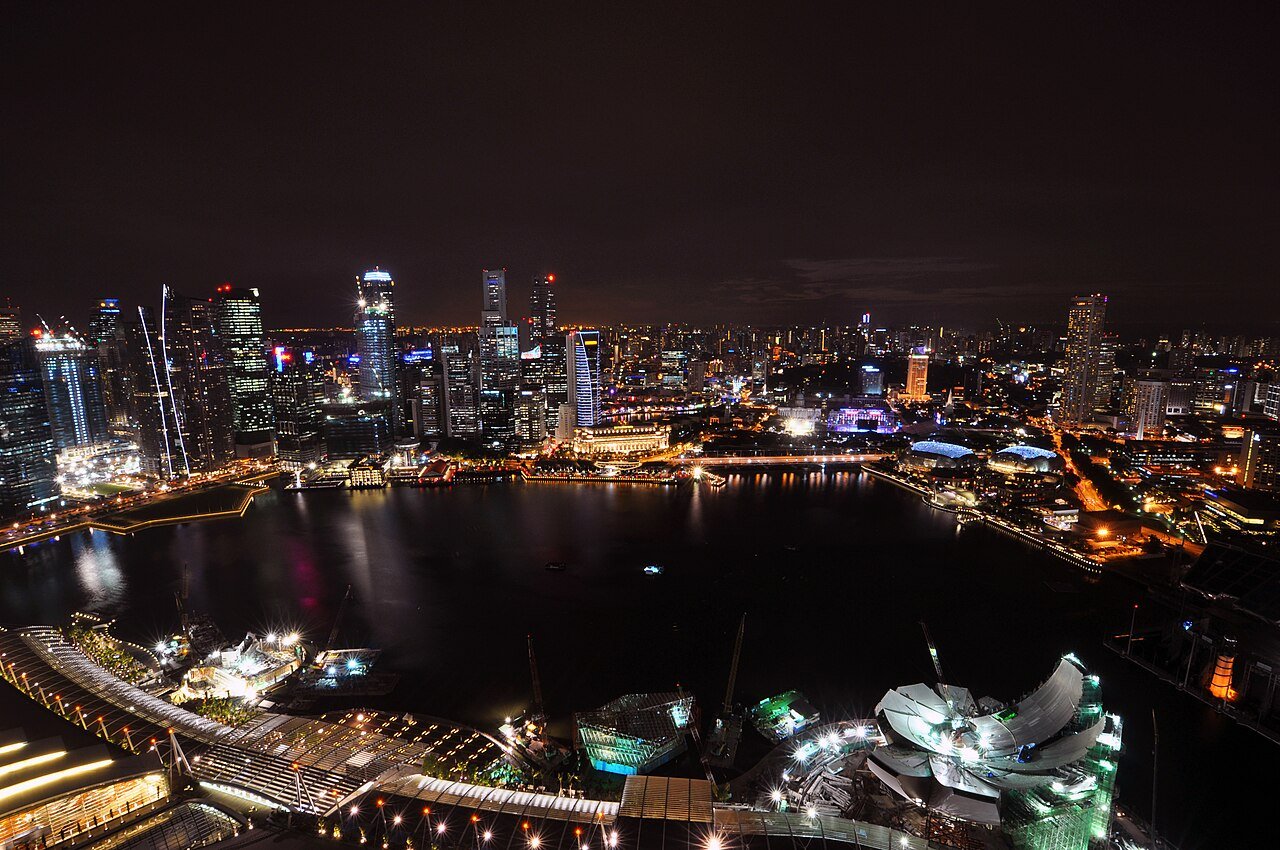
Marina Bay
Marina Bay Sands, the Merlion and the Spectra show.
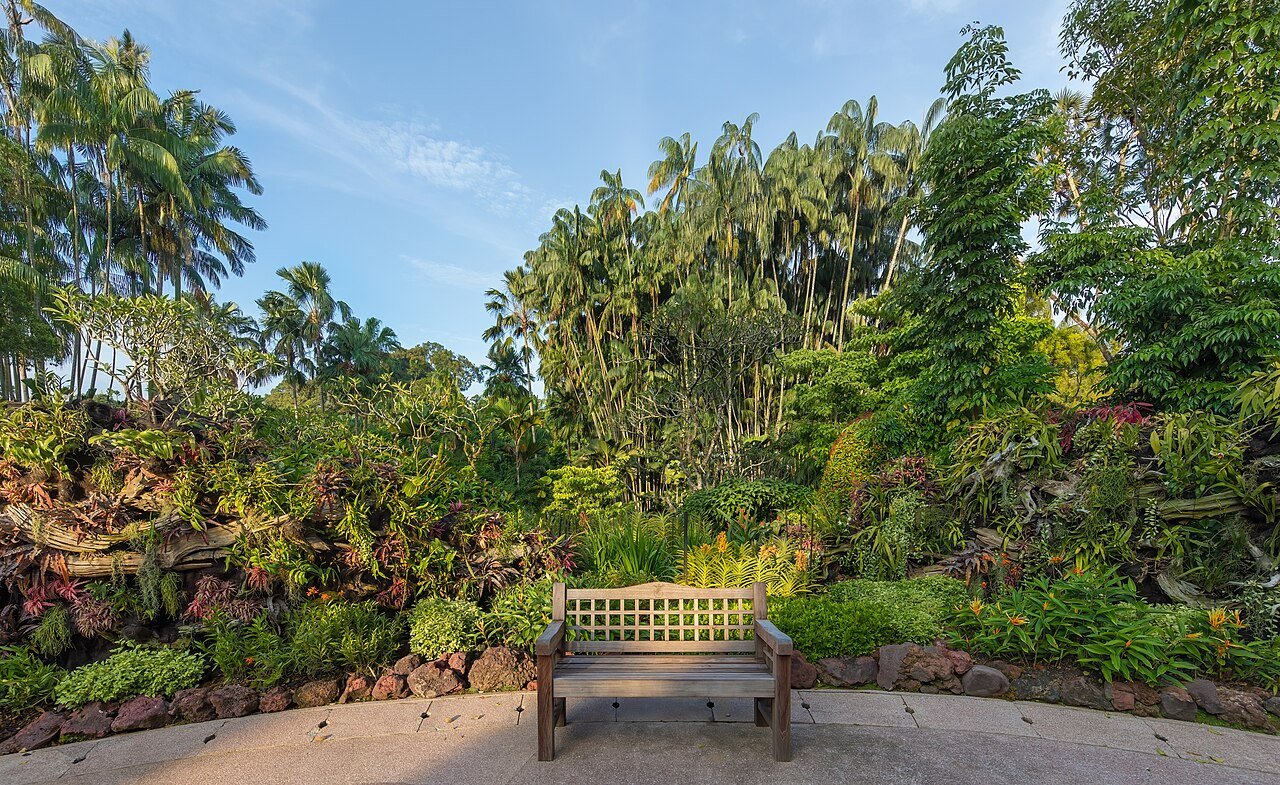
Gardens by the Bay
Supertrees, cooled domes and the light show.
Sentosa
Universal Studios, beaches and the aquarium.
Little India
Colour, temples and superb Indian food.
Hawker food
Michelin-level street food at tiny prices.
Zoo & nature
World-famous zoo, Night Safari and gardens.
Whether you want futuristic sights, family fun, culture or unbeatable food, Singapore delivers a polished, stress-free trip that is especially comfortable and rewarding for Indian travellers.
Singapore is the easiest trip abroad for Indians — spotless, safe and English-speaking, with world-class sights and superb Little India food.
Part 2 of 8
Visas and getting to Singapore
Singapore is easy to reach and a breeze to navigate.
Visa: Indian passport holders need a visa for Singapore, applied for as an e-visa through an authorised agent or airline before travel. It is usually quick and inexpensive; apply in advance with your documents, and confirm the current requirements.
By air: Frequent direct flights connect many Indian cities to Singapore’s Changi Airport, regularly rated the world’s best, in around five to six hours, with competitive fares.
Pro tip
Take the MRT from Changi instead of a taxi to save money, and buy an EZ-Link/tourist card or use contactless payment for cheap travel all trip. Book Universal Studios and major attractions online in advance to save and skip queues.
Getting around: Singapore’s MRT metro is fast, cheap, clean and covers all the sights, including a quick ride from Changi to the city. Use an EZ-Link card or contactless payment, and walk between nearby attractions — the city is very walkable.
Part 3 of 8
Best time to visit Singapore
Singapore is hot and humid year-round with no real seasons, so timing is mainly about rain, events and prices.
| Period | What to expect |
|---|---|
| Feb–Apr | Slightly drier and among the more pleasant times to visit. |
| May–Jul | Hot and humid; the Great Singapore Sale can mean shopping deals. |
| Sep–Oct | Events like the F1 night race (pricier hotels) but generally good. |
| Nov–Jan | Wetter monsoon months and a busy, dearer festive season. |
You can visit Singapore any time, as it stays warm throughout. February to April is marginally drier and pleasant. For value, avoid the September F1 race and the December festive peak, when hotel prices spike. The wetter months bring short, heavy showers rather than all-day rain, so carry an umbrella and proceed as normal.
Part 4 of 8
Costs and budgeting for Indians
Singapore can be pricey, but smart choices keep it affordable. Here is a realistic per-person, per-day guide for 2026, excluding international flights.
| Style | Daily budget | What it covers |
|---|---|---|
| Budget | $50–80 | Hostels, hawker meals, MRT travel, free attractions. |
| Mid-range | $120–200 | Good hotels, mix of dining, attractions and the odd taxi. |
| Luxury | $350+ | Marina Bay hotels, fine dining, shows and private tours. |
Accommodation is the main expense, so book early and consider value areas like Little India or Bugis. Hawker centres offer brilliant food for a few dollars, the MRT is cheap, and many top experiences — the light shows, the waterfront, the cultural quarters — are free. Tap water is safe, there is no tipping, and cards are widely accepted.
Good to know
Singapore is one of the world’s safest, cleanest cities. Note its strict laws and fines (no littering, jaywalking, eating or drinking on the MRT, and a chewing-gum import ban) and follow them. It is very welcoming and easy for solo, family and first-time travellers.
Part 5 of 8
Where to stay, Indian food and family fun
Where to stay: Little India is great value, atmospheric and full of Indian food; Bugis and Chinatown are central and affordable; Marina Bay is upscale; and Sentosa suits a resort-style family break. Staying near an MRT station keeps the whole city within easy reach.
Indian food: Little India and the hawker centres offer superb, cheap Indian and vegetarian food, from dosas and thalis to North Indian fare, and vegetarian options abound citywide, so Indian travellers — including vegetarians — eat exceptionally well.
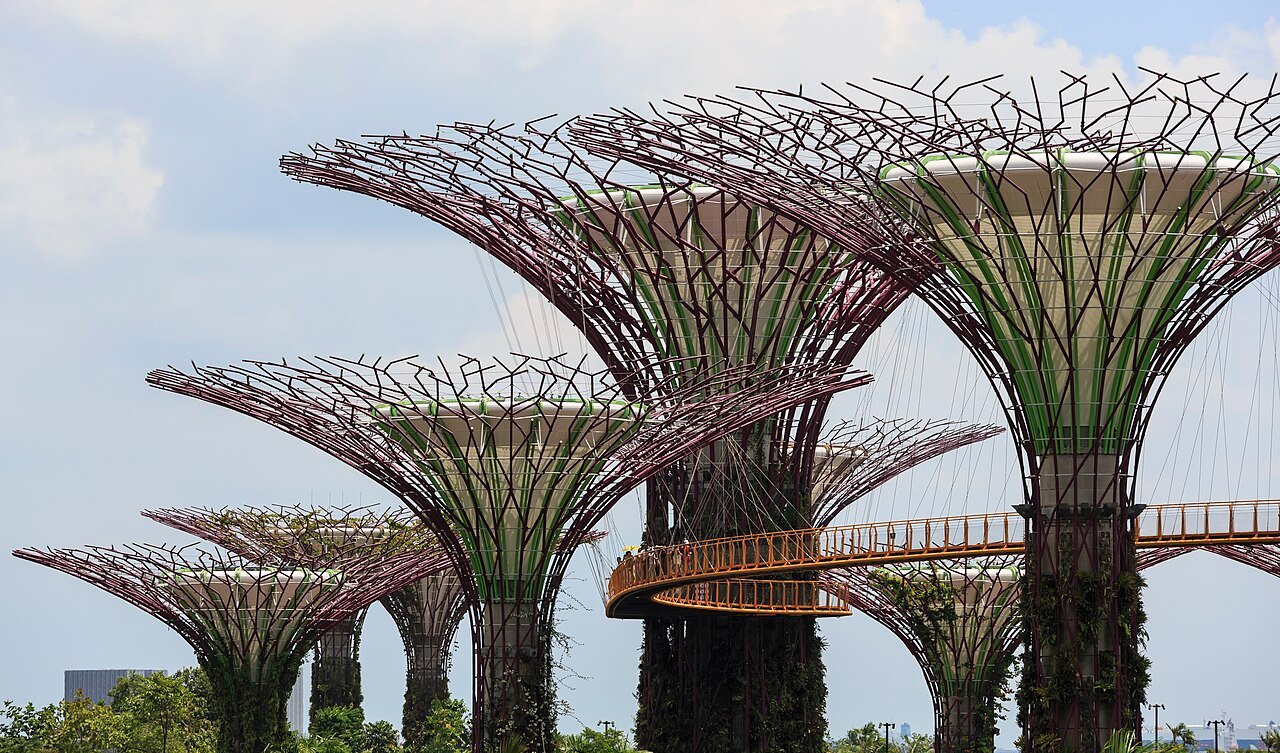
Gardens by the Bay
Supertrees and the free nightly light show.
Sentosa
Universal Studios, beaches and the aquarium.
Little India
Temples, colour and superb Indian food.
Singapore Zoo
World-class zoo and Night Safari for families.
For more, see Marina Bay Sands and the Spectra show, the Merlion and waterfront, Chinatown and Kampong Glam, the Botanic Gardens, Clarke Quay and Orchard Road shopping.
Part 6 of 8
A 3-4 day Singapore itinerary
This route suits families and first-timers.
Day 1 — Marina Bay & Gardens: The waterfront, Merlion and Marina Bay, then Gardens by the Bay, ending with the free Supertree and Spectra light shows.
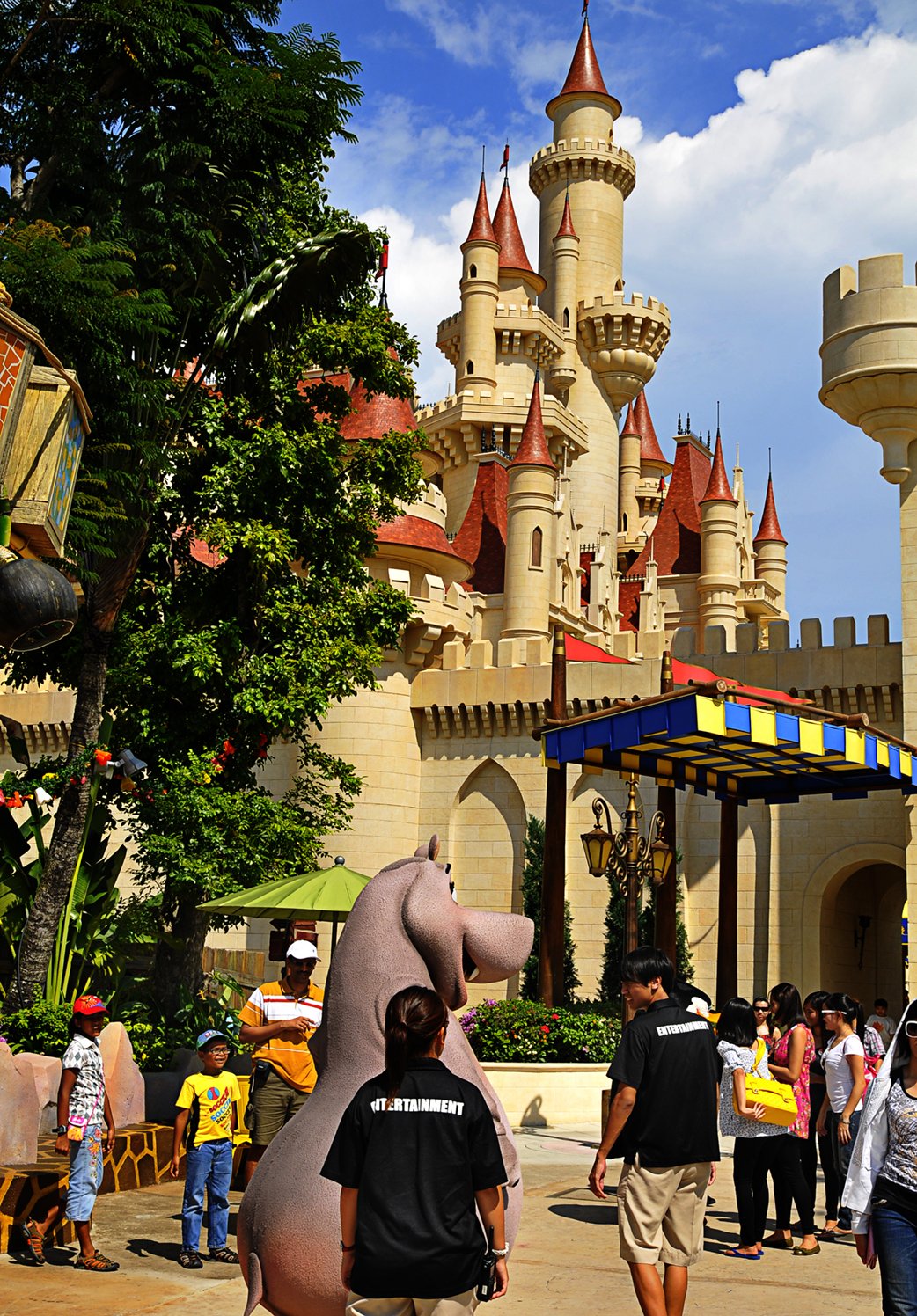
Day 2 — Sentosa: A full day on Sentosa — Universal Studios, the S.E.A. Aquarium, beaches and the cable car.
Day 3 — Culture & nature: Little India, Chinatown and Kampong Glam, plus the Singapore Zoo or Botanic Gardens, with hawker meals throughout.
Day 4 — Your choice: Orchard Road shopping, the Singapore Flyer, the Night Safari or more nature before departing.
Extend: Add a Malaysia day trip (Johor Bahru) or pair with Kuala Lumpur or Bali.
Pro tip
Plan evenings around the free light shows at Gardens by the Bay and Marina Bay Sands, dedicate a full day to Sentosa, and base near an MRT station for easy, cheap travel with kids.
Part 7 of 8
Practical tips for Indian travellers
A few pointers make a Singapore trip seamless for Indian visitors.
Apply for the e-visa
Sort your Singapore visa via an authorised agent.
Use the MRT
Cheap, fast travel with an EZ-Link card.
Eat in Little India
Superb, cheap Indian and vegetarian food.
Follow the rules
Avoid fines for littering and eating on the MRT.
Singapore is one of the easiest and most rewarding international cities for Indian travellers — short flights, English everywhere, a large Indian community, superb and cheap Indian food, and a famously safe, clean environment. Apply for your e-visa in advance, base yourself near an MRT station, and use an EZ-Link or contactless card for cheap travel.
Build your days around the free light shows, dedicate a full day to Sentosa for families, and eat at hawker centres and Little India to balance the higher costs. Follow Singapore’s strict rules to avoid fines, carry an umbrella for sudden showers, and drink the safe tap water. With its blend of futuristic sights, culture, nature and world-class food, Singapore makes an unforgettable, effortless trip for Indian families, couples and first-timers.
Part 8 of 8
Frequently asked questions
Do Indians need a visa for Singapore?
Yes. Indian passport holders need a visa, applied for as an e-visa through an authorised agent or airline before travel. It is usually quick and inexpensive. Apply in advance with your documents, and always confirm the latest requirements before booking your trip.
Why is Singapore popular with Indian travellers?
Singapore is one of the safest, cleanest and easiest cities in the world, with English as an official language, a large Indian community, and superb, affordable Indian food in Little India and beyond. Add world-class attractions, family fun and a simple metro, and it is an ideal first trip abroad or family holiday.
Where can I find Indian food in Singapore?
Little India is the hub for superb, cheap Indian and vegetarian food — dosas, thalis and North Indian fare — and the hawker centres and the wider city offer plentiful vegetarian options too. Indian travellers, including vegetarians, eat exceptionally well across all budgets.
When is the best time to visit Singapore?
Singapore is warm and visitable year-round. February to April is marginally drier and pleasant. For value, avoid the September F1 race and the December festive peak, when hotel prices spike. The wetter months bring short showers rather than all-day rain, so carry an umbrella.
How much does a Singapore trip cost?
It can be pricey, but smart choices help. Excluding flights, budget travellers manage on $50–80 a day, mid-range trips run $120–200, and luxury stays start around $350. Accommodation is the main cost, while hawker food and the MRT are cheap and many attractions are free.
Is Singapore good for families and first-timers?
Very much so. It is one of the safest, cleanest and easiest cities in the world, with Sentosa’s theme parks, a world-class zoo, gardens and interactive attractions for families, plus English everywhere, a simple metro and plentiful Indian food. It makes a stress-free first international trip.
How many days do I need in Singapore?
Three to four days cover the highlights — Marina Bay and Gardens by the Bay, Sentosa, the cultural quarters and the zoo or Botanic Gardens. Add a day for shopping or nature, or extend with a Malaysia day trip or a pairing with Kuala Lumpur or Bali.
What are the best free things to do in Singapore?
The nightly Supertree light show at Gardens by the Bay and the Spectra show at Marina Bay Sands are free highlights, along with the waterfront and Merlion, and exploring Little India, Chinatown and Kampong Glam. The Botanic Gardens are also free, offering plenty without spending much.
Can I combine Singapore with Malaysia or Bali?
Yes, easily. Singapore is a major hub, so it pairs well with Malaysia (Kuala Lumpur, or a Johor Bahru day trip across the causeway), Bali, Phuket or Vietnam. Many Indian travellers use it as a stopover or the start of a wider Southeast Asia trip, splitting costs and seeing more in one journey.
Is Singapore expensive for an Indian family?
It is pricier than most Southeast Asian cities, mainly for accommodation, but everyday costs can be kept low. Hawker centres and Little India offer brilliant, cheap meals, the MRT is inexpensive, and many top attractions — the light shows, gardens, waterfront and cultural quarters — are free, so a Singapore family trip is more affordable than its reputation suggests with smart planning.
The bottom line
Singapore is the easiest and most rewarding trip abroad for Indian travellers — a spotless, ultra-safe, English-speaking garden city with world-class attractions, a large Indian community and superb, cheap Indian food in Little India. Sort your e-visa, ride the cheap MRT, build your evenings around the free light shows, and dedicate a day to Sentosa for families. With familiar food, easy logistics and a polished, welcoming feel, Singapore rewards Indian families, couples and first-timers with an unforgettable and effortless holiday.
Related reading
 Bangkok Pattaya Itinerary: 5-Day Thailand Plan (2026)
 Singapore Malaysia Itinerary: 7 Days from India (2026)
 Thailand + Cambodia 10-Day Itinerary for Indians (2026)
Photos sourced from Wikimedia Commons under their respective Creative Commons licences. Visa, flight and travel details are indicative for 2026; confirm current visa rules and prices before you travel.