Munnar Travel Guide 2026 – Tea Estates, Best Stays, Day Trips, Realistic Budget
Last updated: July 8, 2026
Munnar, nestled high in Kerala’s Western Ghats, is South India’s most enchanting hill station — a cool, misty world of endless emerald tea plantations, rolling hills, waterfalls and winding mountain roads. Once a summer retreat for the British, it remains a beloved escape from the heat, perfect for honeymooners, families and nature lovers. With its tea estates, national parks, viewpoints and crisp mountain air, Munnar offers a refreshing, scenic break unlike anywhere else in the south.
This 2026 guide for Indian travellers covers how to reach Munnar, the best time to visit, what it costs, where to stay and eat, and how to plan a memorable hill-station getaway.
- Getting there: Nearest airport is Kochi (about 110 km); reach Munnar by road via scenic ghat drives.
- Best time: September to March for cool, clear weather; the monsoon is lush but wet.
- Don’t miss: Tea plantations and museum, Eravikulam National Park, Mattupetty Dam and viewpoints.
- Vibe: Cool climate, tea-scented hills and serene mountain scenery — ideal for relaxation.
Part 1 of 8
Why Munnar belongs on your list
Munnar is a feast for the senses — hillsides carpeted in manicured tea bushes, mist drifting through the valleys, and cool air scented with eucalyptus and tea. Beyond the postcard plantations lie the Eravikulam National Park (home to the rare Nilgiri tahr), the lakes and dams of Mattupetty and Kundala, tumbling waterfalls, spice gardens and panoramic viewpoints. It is a place to slow down, breathe deep and soak in nature.
Tea plantations
Endless emerald estates and the Tea Museum.
Eravikulam Park
Home to the Nilgiri tahr and Anamudi peak.
Dams & lakes
Mattupetty and Kundala for boating and views.
Viewpoints
Top Station and Echo Point panoramas.
Waterfalls
Attukal, Lakkam and Nyayamakad falls.
Spice gardens
Cardamom, pepper and tea estate tours.
Whether you want a romantic honeymoon, a family nature trip or a peaceful retreat, Munnar’s cool climate and stunning scenery make it one of South India’s most rewarding hill destinations.
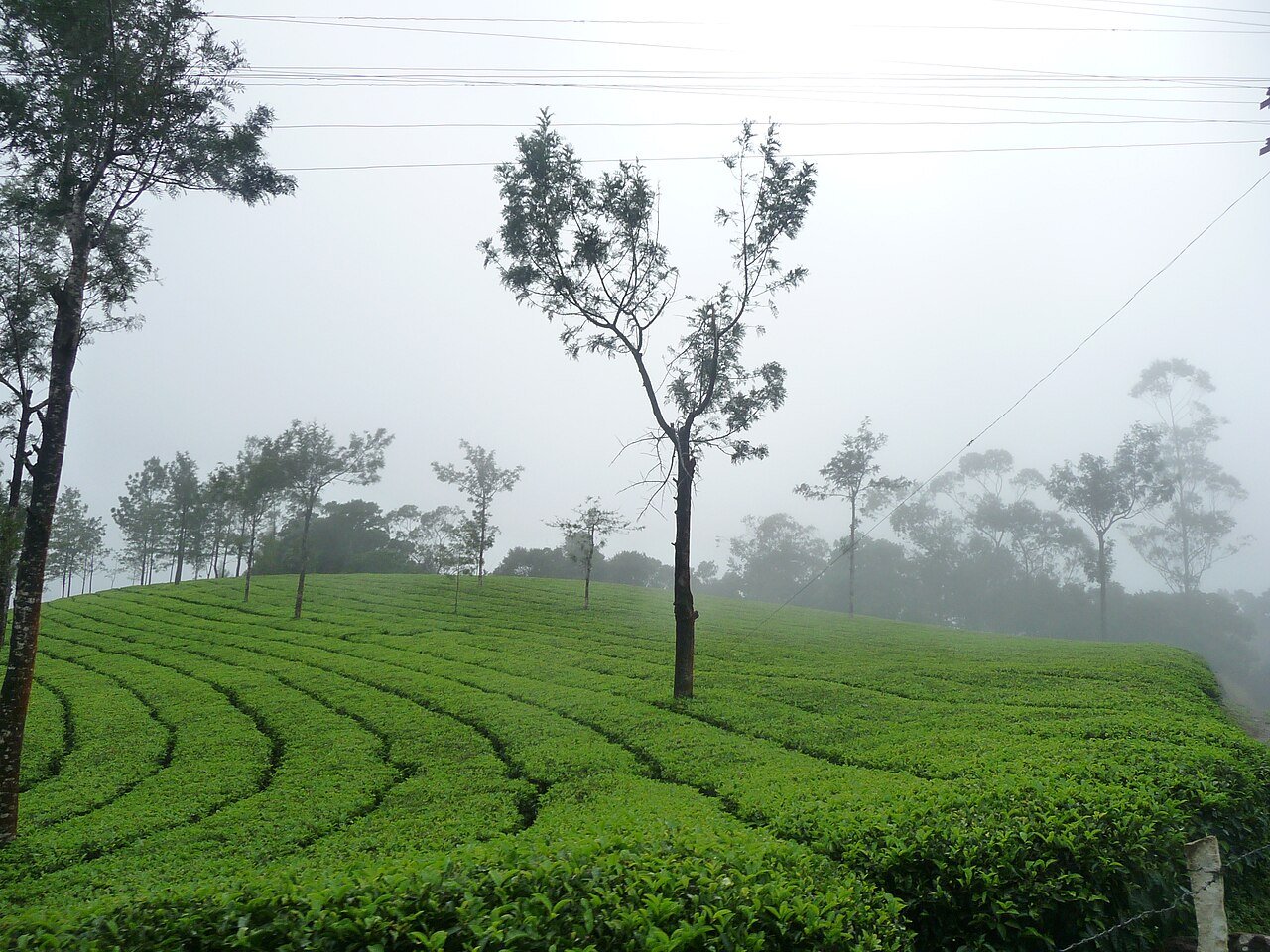
Munnar is a sea of green — endless tea hills, drifting mist and cool mountain air that soothe the soul.

Part 2 of 8
How to reach Munnar
Munnar has no airport or railway of its own, so the journey is by road through beautiful Western Ghats scenery.
By air: The nearest airport is Cochin International (Kochi), about 110 km away (roughly 4 hours by road). Madurai airport in Tamil Nadu is another option from the east. From the airport, hire a taxi or take a bus to Munnar.
By train: The nearest major railheads are Aluva/Ernakulam (Kochi) and Madurai, both connected to the rest of India. From there, continue to Munnar by road.
By road: Munnar is reached by scenic ghat roads from Kochi, Madurai and other Kerala towns, with regular KSRTC and private buses, plus taxis. The drive itself, past waterfalls and tea estates, is part of the experience.
Pro tip
Build in time to enjoy the spectacular drive up to Munnar, with stops at waterfalls and viewpoints. A hired car or self-drive gives the most flexibility to explore the spread-out sights around the town.
Getting around: Hire a taxi for sightseeing (sights are spread out and hilly), or self-drive. Autos work for short hops in town, but a car or jeep is best for the plantations, parks and viewpoints.
Part 3 of 8
Best time to visit Munnar
Munnar is pleasant for much of the year, but the seasons shape the experience.
| Season | Months | What to expect |
|---|---|---|
| Peak/cool | Sep–Mar | The best time — cool, clear and green after the rains; ideal for sightseeing. Peak in winter. |
| Summer | Apr–May | Mild and pleasant compared to the plains; a good escape from the heat. |
| Monsoon | Jun–Aug | Very lush and misty with heavy rain; waterfalls in full flow but some activities limited. |
| Special | Once in ~12 yrs | The Neelakurinji bloom carpets the hills purple — a rare spectacle. |
For the best weather and clear views, visit between September and March, when the hills are lush and the air crisp. Summer is a mild escape from the lowland heat, while the monsoon brings dramatic mist and roaring waterfalls but limits some sightseeing. The rare Neelakurinji bloom, every twelve years or so, turns the slopes purple.
Part 4 of 8
Costs and budgeting
Munnar caters to all budgets, from backpacker stays to luxury plantation resorts. Here is a realistic per-person, per-day guide for 2026, excluding transport to Munnar.
| Style | Daily budget | What it covers |
|---|---|---|
| Budget | ₹1,500–2,800 | Guesthouses and homestays, local food, shared sightseeing. |
| Mid-range | ₹4,000–8,000 | Good hotels and resorts, private cab sightseeing, park entries. |
| Luxury | ₹12,000+ | Plantation and luxury resorts, spa, and curated experiences. |
Homestays and budget hotels are affordable, while plantation resorts with valley views are the splurge. Local Kerala food is cheap and delicious, and sightseeing costs are modest beyond taxi hire and park entry fees. Carry some cash for smaller places, though cards and UPI work in town. Prices rise in peak season and on weekends, so book ahead.
Good to know
Munnar is safe and family-friendly. Roads are winding, so use experienced drivers and avoid night driving in the hills. Carry warm layers as evenings get cold, watch for leeches in the monsoon, and respect park rules and wildlife at Eravikulam.
Part 5 of 8
Where to stay, what to eat and top experiences
Where to stay: Stay in or near Munnar town for convenience and dining, or choose a plantation resort or hilltop homestay for stunning views and tranquillity (often a little outside town). Areas toward Chinnakanal and Pothamedu offer scenic valley-view stays.
What to eat: Enjoy Kerala cuisine — appam with stew, puttu, Malabar parotta, fish and vegetable curries, and fresh local produce. Don’t miss freshly brewed Munnar tea and cardamom-spiced treats. Restaurants in town serve South Indian, North Indian and some international fare, with good vegetarian options throughout.
Tea estate & museum
Tour a plantation and the Tea Museum.
Eravikulam Park
See the Nilgiri tahr and mountain views.
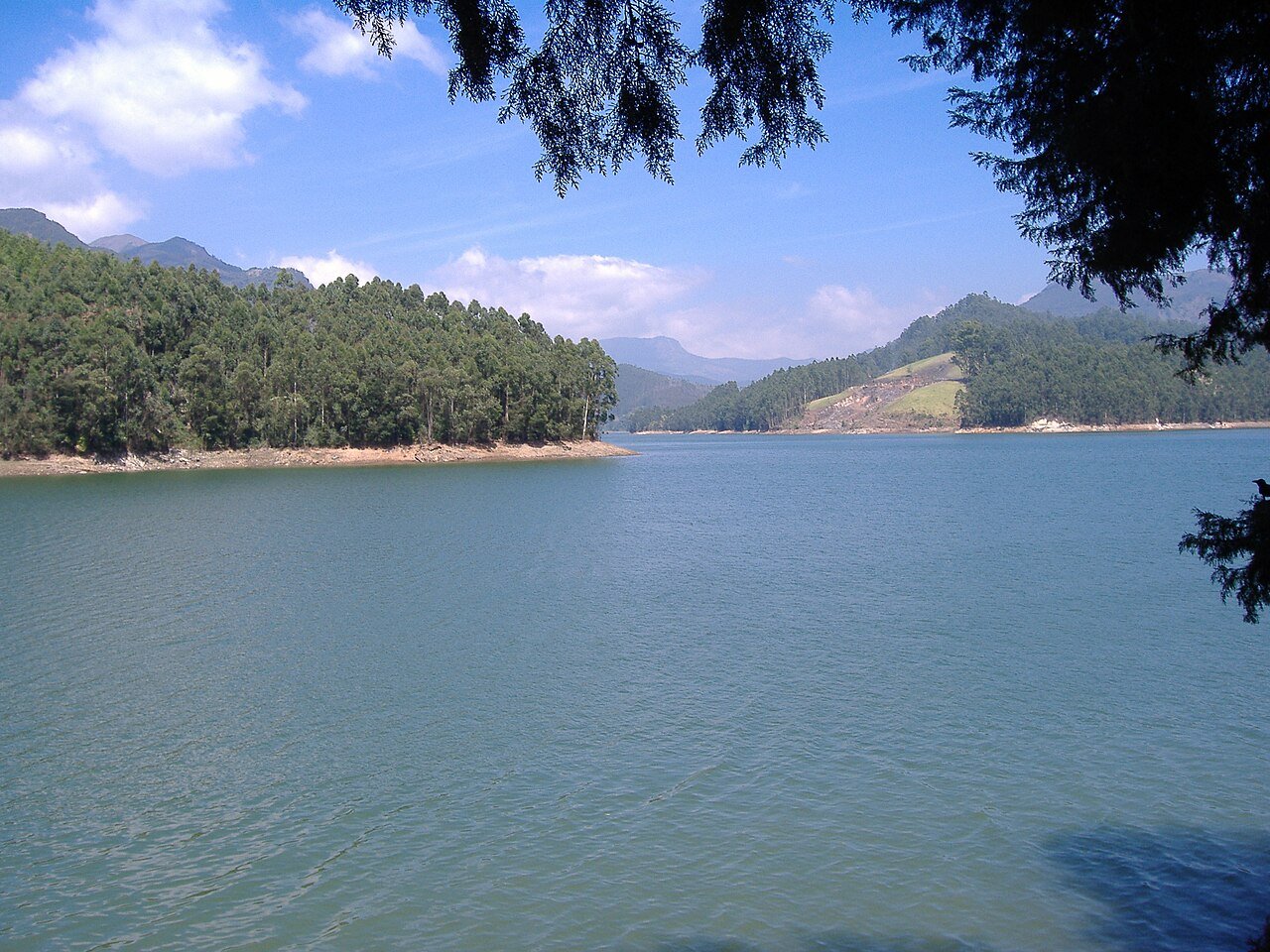
Mattupetty Dam
Boating and lakeside scenery.
Top Station
Panoramic views over the Western Ghats.
For more, visit Echo Point and Kundala Lake, chase the Attukal and Lakkam waterfalls, tour a spice garden, or simply take long walks among the tea bushes and soak in the cool, misty atmosphere.
Part 6 of 8
A 2-3 day Munnar itinerary
This route covers Munnar’s highlights at a relaxed hill-station pace.
Day 1 — Arrive & tea country: Enjoy the scenic drive up, settle in, then visit a tea plantation and the Tea Museum, and watch the sunset over the hills.
Day 2 — Parks, lakes & viewpoints: Eravikulam National Park in the morning, then Mattupetty Dam, Echo Point, Kundala Lake and Top Station for panoramas.
Day 3 — Waterfalls & spice gardens: Attukal or Lakkam falls, a spice garden tour, and a leisurely walk among the tea estates before departing.
Extend: Combine Munnar with Thekkady (Periyar), Alleppey’s backwaters or Kochi for a fuller Kerala trip.
Pro tip
Visit Eravikulam National Park early to beat the crowds (it sometimes closes during the tahr calving season, so check ahead). Cluster the lakes and viewpoints together as they lie along the same scenic route.
Part 7 of 8
Practical tips for travellers
A few practical pointers make a Munnar trip smoother.
Pack layers
Evenings are cold even in summer — bring warm clothing.
Hire a driver
Winding hill roads are best left to experienced drivers.
Mind the monsoon
Lush but wet; watch for leeches and limited activities.
Book ahead
Peak season and weekends fill fast — reserve early.
Munnar is an easy, rewarding hill-station trip with a little planning. Pack warm layers as the evenings get cold year-round, and hire an experienced driver for the winding ghat roads, avoiding night driving in the hills. The sights are spread out, so a car or jeep makes exploring far easier than relying on autos.
Check whether Eravikulam National Park is open (it closes seasonally for tahr calving) and arrive early to beat crowds. In the monsoon, carry rain gear and salt for leeches, and accept that some activities may pause. Book accommodation ahead for peak season and weekends, carry some cash for remote spots, and respect plantation and park rules. With its cool air, tea-scented hills and serene scenery, Munnar offers one of South India’s most refreshing escapes.
Part 8 of 8
Frequently asked questions
How do I reach Munnar?
Munnar has no airport or railway, so you travel by road. The nearest airport is Kochi (about 110 km, roughly 4 hours), with Madurai an alternative from the east. The nearest railheads are Aluva/Ernakulam and Madurai. From there, take a taxi or bus up the scenic ghat roads to Munnar.
When is the best time to visit Munnar?
September to March offers the best weather — cool, clear and lush after the rains, ideal for sightseeing, with winter the peak. Summer is a mild escape from the heat, while the monsoon (June–August) is very green and misty with roaring waterfalls but limits some activities.
How many days do I need in Munnar?
Two to three days cover the highlights — tea plantations, Eravikulam National Park, the dams, lakes, viewpoints and waterfalls. Add more time to relax at a plantation resort, or combine Munnar with Thekkady, Alleppey’s backwaters or Kochi for a fuller Kerala trip.
What is Munnar famous for?
Munnar is famous for its vast, scenic tea plantations and cool hill-station climate, along with Eravikulam National Park (home to the Nilgiri tahr), dams and lakes like Mattupetty, waterfalls, spice gardens and panoramic viewpoints. The rare Neelakurinji bloom, every twelve years or so, is another draw.
Is Munnar good for honeymooners and families?
Very much so. Munnar’s cool climate, romantic plantation resorts and misty scenery make it a popular honeymoon spot, while families enjoy the national park, boating, waterfalls and easy nature outings. Its relaxed pace and natural beauty suit couples, families and nature lovers alike.
What should I pack for Munnar?
Pack warm layers, as evenings are cold even in summer, plus comfortable walking shoes for plantations and viewpoints. Add rain gear in the monsoon (and salt for leeches), sunscreen, and any personal medicines. Modest, comfortable clothing works well for the hills and any temple visits.
Is Eravikulam National Park always open?
No — Eravikulam typically closes for a period during the Nilgiri tahr calving season (usually early in the year), so check current dates before planning. When open, arrive early to beat the crowds, as entry is regulated and the park is one of Munnar’s most popular attractions.
What food should I try in Munnar?
Enjoy Kerala specialities like appam with stew, puttu, Malabar parotta with curries, and fresh fish and vegetable dishes, along with freshly brewed Munnar tea and cardamom-spiced treats. Town restaurants serve South Indian, North Indian and some international food, with plenty of vegetarian options.
Can I combine Munnar with other Kerala destinations?
Absolutely. Munnar pairs beautifully with Thekkady (Periyar wildlife sanctuary) just a few hours away, the Alleppey and Kumarakom backwaters for a houseboat stay, and the historic port city of Kochi. A popular Kerala loop links Kochi, Munnar, Thekkady and Alleppey over six to eight days for hills, wildlife and backwaters.
Is Munnar suitable for trekking and adventure?
Yes. Munnar offers gentle tea-estate walks as well as more challenging treks around the Western Ghats, including peaks like Anamudi (within Eravikulam, with restrictions) and trails near Kolukkumalai. Always use authorised guides, check park rules, and avoid trekking alone, especially in the misty monsoon when paths can be slippery and leeches are common.
The bottom line
Munnar is South India’s tea-country jewel — endless emerald plantations, misty hills, waterfalls, lakes and the cool mountain air of the Western Ghats. Visit between September and March for the clearest views, base yourself near the tea estates or in a plantation resort, hire a driver for the winding roads, and pack warm layers for the chilly evenings. Whether for a honeymoon, a family nature trip or a peaceful retreat, Munnar rewards travellers with serene scenery and a refreshing escape from the heat of the plains.
Related reading
 Adventure Travel in India: Activities & How to Plan Safely
 Resort vs Hotel for Family Trips: Which Is Better? (2026)
 Self-Drive Car Rentals in India: A Complete Guide (2026)
Photos sourced from Wikimedia Commons under their respective Creative Commons licences. Travel details are indicative for 2026; confirm timings, park openings and prices before you travel.