Hanoi Travel Guide 2026 — Old Quarter, Day Trips, Food & Best Time
Last updated: July 8, 2026
Hanoi, Vietnam’s captivating capital, is a city of timeless charm — a place where ancient pagodas and tree-lined boulevards meet the chaotic energy of the Old Quarter, where motorbikes swarm past lakeside temples and the aroma of pho and egg coffee fills the air. Steeped in history and culture, and the gateway to the world-famous Halong Bay, Hanoi offers Indian travellers an affordable, fascinating and delicious introduction to Vietnam and Southeast Asia.
This 2026 guide for Indian travellers covers visas and flights, the best time to go, what it costs, where to stay and eat, and how to plan a memorable Hanoi trip.
- Visa: Indians need a visa for Vietnam — the e-visa is available online; apply in advance.
- Getting there: Direct and one-stop flights from Indian cities to Hanoi (Noi Bai Airport).
- Best time: October to April for cooler, pleasant weather; avoid the hot, wet summer.
- Don’t miss: The Old Quarter, Hoan Kiem Lake, the Temple of Literature and a Halong Bay cruise.
Part 1 of 8
Why Hanoi belongs on your list
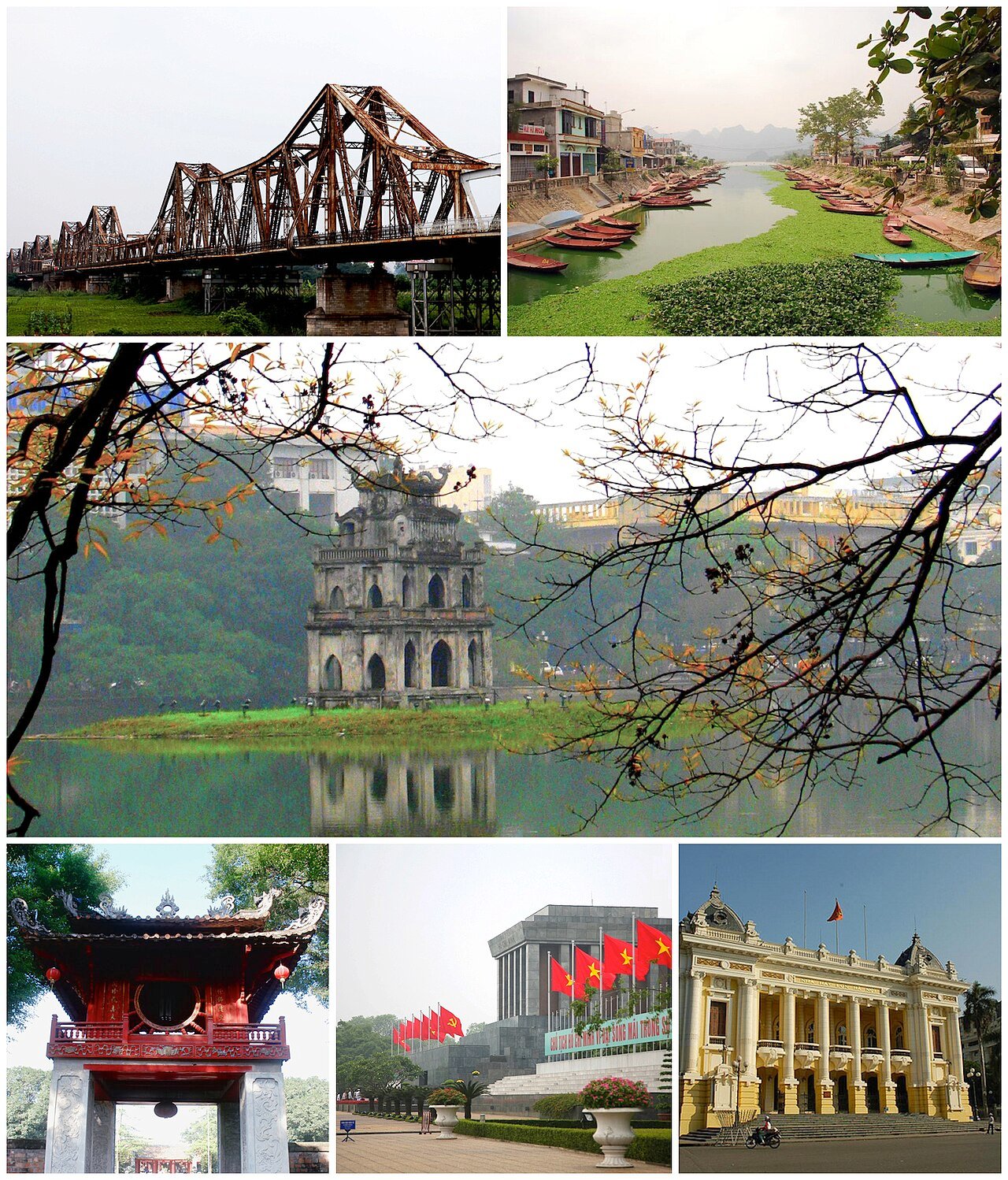
Hanoi is endlessly atmospheric. Lose yourself in the buzzing Old Quarter’s narrow lanes and street markets, sip egg coffee by tranquil Hoan Kiem Lake, explore the ancient Temple of Literature and historic pagodas, and sample some of the best street food in Asia. Beyond the city, the legendary limestone seascape of Halong Bay and the mountains of Sapa beckon. Affordable, walkable and full of character, Hanoi is a sensory delight.
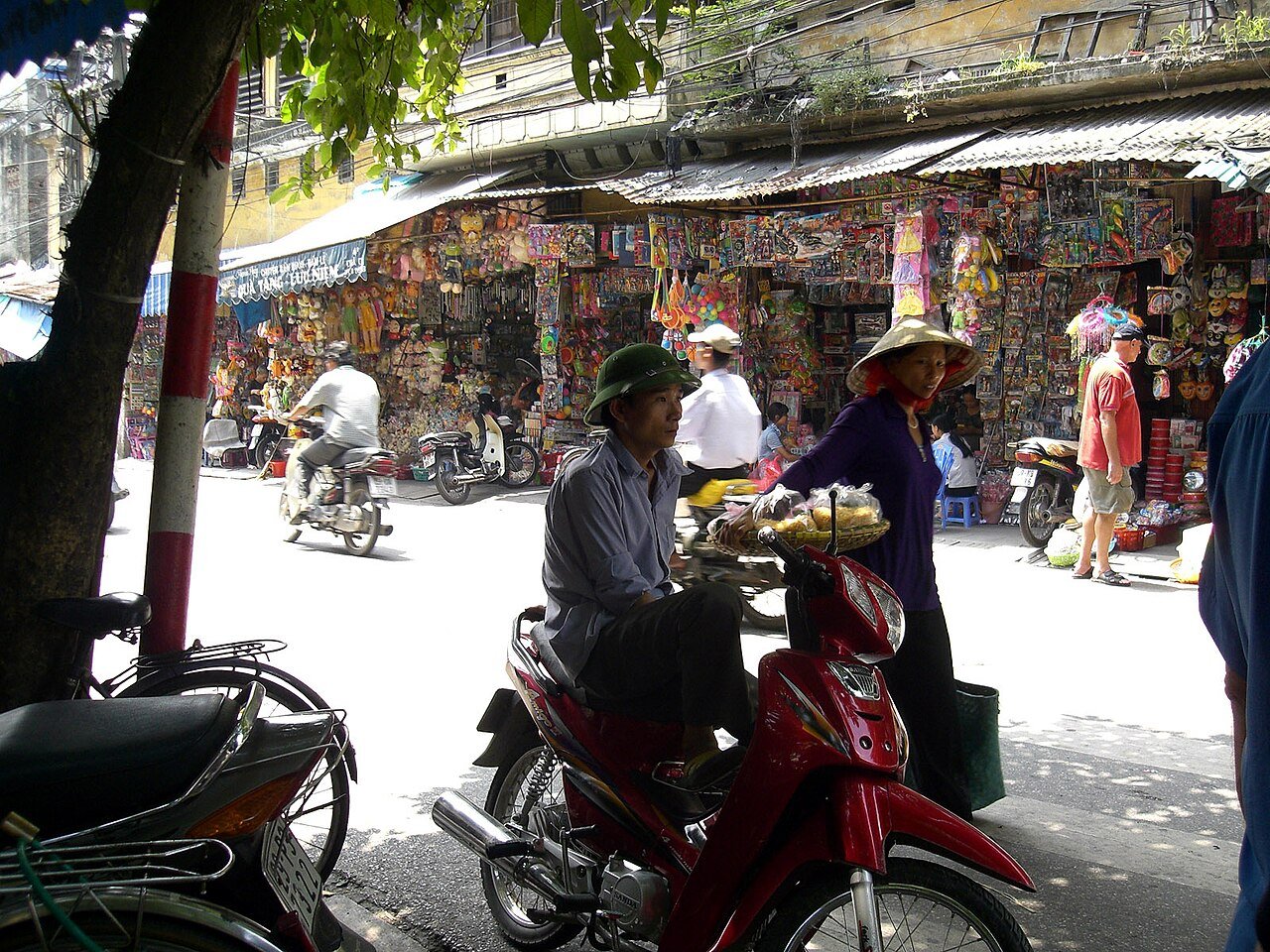
Old Quarter
Buzzing lanes, markets and street-food stalls.
Hoan Kiem Lake
The serene heart of the city and Ngoc Son Temple.
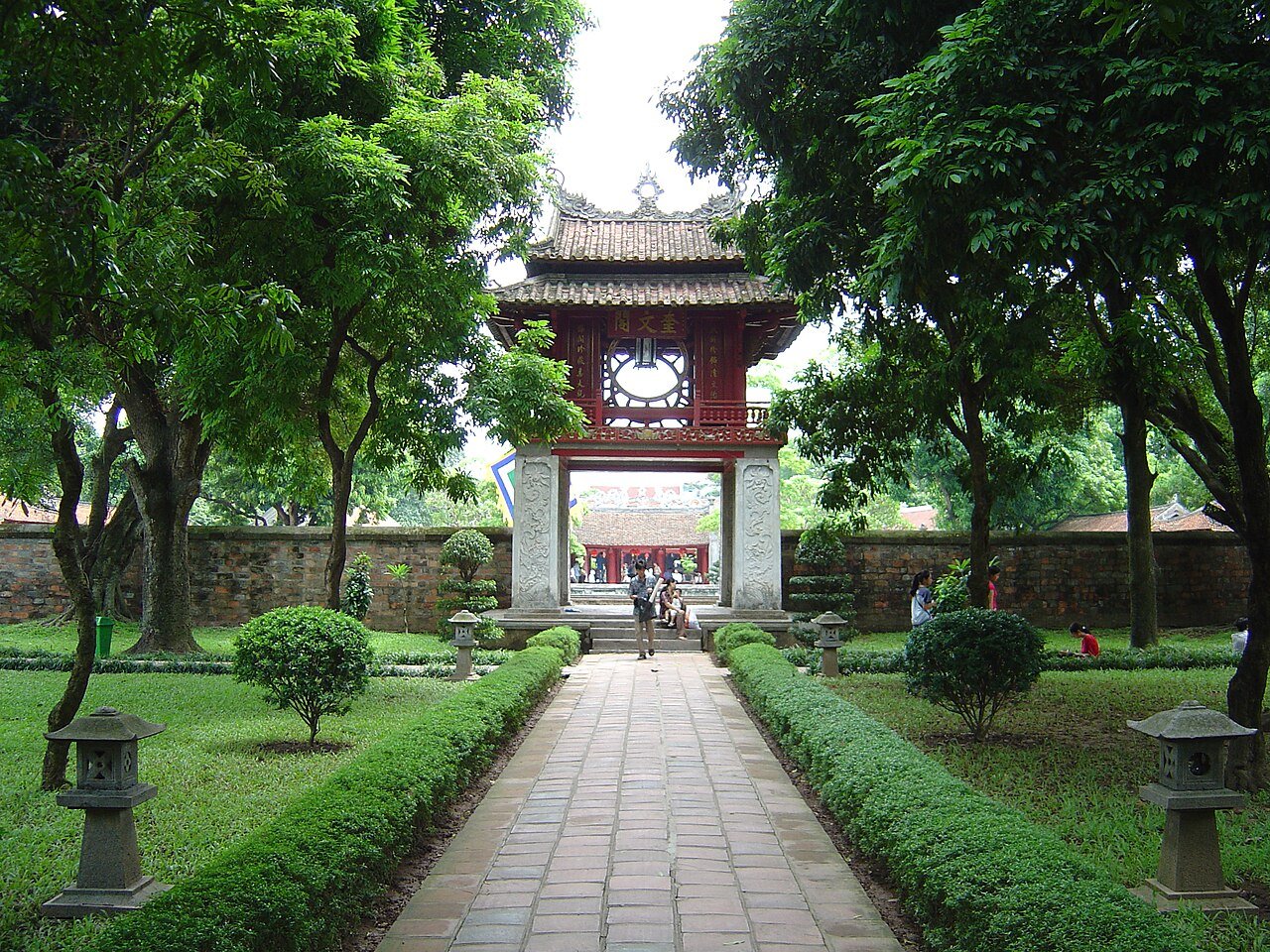
Temple of Literature
Vietnam’s first university and a tranquil retreat.
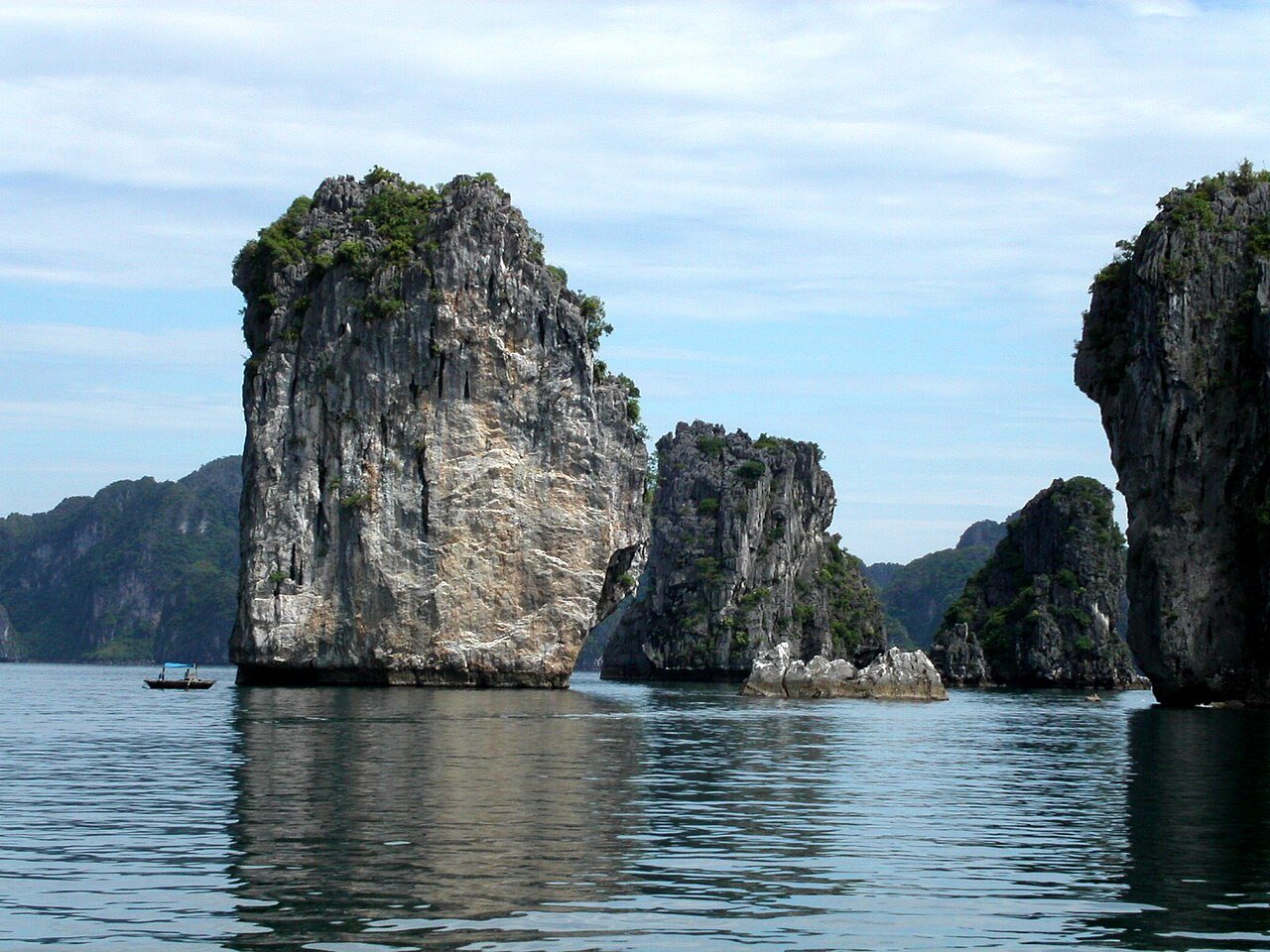
Halong Bay
World-famous limestone karsts on a cruise.
Street food
Pho, bun cha, banh mi and egg coffee.
Culture
Water-puppet shows and rich history.
Whether you crave culture, history, food or natural wonders, Hanoi delivers a rich and affordable experience, and serves as the perfect base for exploring northern Vietnam’s most spectacular sights.
Hanoi is Vietnam at its most soulful — ancient temples, lakeside calm and the joyful chaos of the Old Quarter, all over a cup of egg coffee.
Part 2 of 8
Visas and getting to Hanoi
Hanoi is straightforward to reach from India with a simple e-visa and good flight links.
Visa: Indian passport holders need a visa for Vietnam. The easiest route is the Vietnam e-visa, applied for online before travel, which is quick and inexpensive. Apply in advance with your documents, and always confirm the current rules before booking.
By air: Direct and one-stop flights connect Indian cities to Hanoi’s Noi Bai International Airport, often via Bangkok, Singapore or Kuala Lumpur, with low-cost options. Booking early lands the cheapest fares.
Pro tip
Apply for your e-visa a few days before travel to avoid delays. From Noi Bai Airport, pre-book a transfer or use Grab into the city, and base yourself in the Old Quarter to explore Hanoi’s highlights on foot.
Getting around: The Old Quarter is best explored on foot. Use Grab (ride-hailing) for cars and bikes, and book reputable tours for Halong Bay and beyond. Cross roads slowly and steadily amid the famous motorbike traffic — it flows around you.
Part 3 of 8
Best time to visit Hanoi
Hanoi has four distinct seasons, unlike the tropical south, so timing matters for comfort.
| Season | Months | What to expect |
|---|---|---|
| Autumn | Sep–Nov | Among the best — cool, dry and pleasant, ideal for sightseeing. |
| Winter | Dec–Feb | Cool to cold and sometimes misty; atmospheric, pack warm layers. |
| Spring | Mar–Apr | Mild and pleasant, occasionally drizzly, with blossoms. |
| Summer | May–Aug | Hot, humid and rainy, with the heaviest downpours. |
For the most comfortable weather, visit between October and April, with autumn (September–November) and spring especially pleasant. Winter can be cool and misty (bring layers), while the summer is hot, humid and wet, which can affect Halong Bay cruises. Plan Halong Bay for clearer, calmer days where possible.
Part 4 of 8
Costs and budgeting for Indians
Hanoi is wonderfully affordable, even by Southeast Asian standards. Here is a realistic per-person, per-day guide for 2026, excluding international flights.
| Style | Daily budget | What it covers |
|---|---|---|
| Backpacker | $25–40 | Hostels and guesthouses, street food, walking and shared tours. |
| Mid-range | $60–110 | Good hotels, a Halong Bay cruise, dining out and some private transport. |
| Comfort | $150+ | Boutique hotels, premium cruises, private guides and experiences. |
Street food and local eateries are remarkably cheap and delicious, and guesthouses are great value. The main planned cost is a Halong Bay cruise (day trip or overnight). Carry Vietnamese dong in cash for street stalls and markets, though cards work in hotels and bigger restaurants. Booking tours locally or via reputable operators keeps costs down.
Good to know
Hanoi is generally safe but watch for petty scams and overcharging (agree taxi/tour prices, use Grab), and mind your belongings in crowds. Cross the motorbike-heavy roads slowly and predictably. Choose reputable Halong Bay operators with good safety standards, and carry small change for street vendors.
Part 5 of 8
Where to stay, what to eat and top experiences
Where to stay: The Old Quarter is the classic base — central, atmospheric and packed with food, markets and budget-to-boutique hotels. The nearby Hoan Kiem and French Quarter areas offer quieter, more upscale stays. Staying central lets you explore Hanoi’s highlights on foot.
What to eat: Hanoi is a street-food paradise — pho (the city’s signature noodle soup), bun cha (grilled pork with noodles), banh mi, fresh spring rolls and the famous Hanoi egg coffee. Vegetarian options exist (look for “chay” eateries and Buddhist restaurants), and the food is cheap, fresh and delicious.
Halong Bay cruise
Day or overnight cruise among the karsts.
Old Quarter walk
Explore the lanes, markets and street food.
Water puppets
A traditional Vietnamese water-puppet show.
Temple of Literature
Hanoi’s serene ancient university.
For more, walk around Hoan Kiem Lake and Ngoc Son Temple, visit the Ho Chi Minh Mausoleum and the Tran Quoc Pagoda, see the famous Train Street (where permitted), and consider day or multi-day trips to Sapa, Ninh Binh or Halong.
Part 6 of 8
A 3-4 day Hanoi itinerary
This route combines the city’s highlights with the must-do Halong Bay trip.
Day 1 — Old Quarter & lake: Explore the Old Quarter, Hoan Kiem Lake and Ngoc Son Temple, with a street-food crawl and an evening water-puppet show.
Day 2 — Culture & history: The Temple of Literature, Ho Chi Minh Mausoleum and complex, Tran Quoc Pagoda, and the French Quarter, ending with egg coffee.
Day 3 — Halong Bay: A full-day or overnight cruise among Halong Bay’s spectacular limestone karsts, with kayaking and caves.
Day 4 — Day trip or relax: A trip to Ninh Binh (the “Halong Bay on land”) or more time in Hanoi’s markets and cafés before departing.
Extend: Add Sapa for mountains and hill-tribe culture, or continue south on a longer Vietnam trip.
Pro tip
An overnight Halong Bay cruise is more rewarding than a rushed day trip if you have time. Book reputable cruises and tours in advance, and keep a flexible day for weather, which can affect the bay.
Part 7 of 8
Practical tips for Indian travellers
A few practical pointers make a Hanoi trip smoother.
Get the e-visa
Apply online before travel — quick and inexpensive.
Use Grab
Ride-hailing avoids taxi overcharging.
Carry dong
Cash rules at street stalls and markets.
Cross roads calmly
Walk slowly and steadily; traffic flows around you.
Hanoi is affordable and rewarding with a little street smarts. Apply for your e-visa in advance, use Grab to avoid overcharging, and carry Vietnamese dong in cash for the abundant street food and markets. Base yourself in the Old Quarter to walk to most sights, and book Halong Bay and other tours with reputable operators.
Cross the motorbike-heavy roads slowly and predictably — the traffic flows around you — and keep an eye on belongings in crowds. Vegetarian travellers can seek out “chay” eateries, and Indian restaurants exist in the city for familiar food. Choose well-reviewed Halong Bay cruises for safety and comfort, and allow flexibility for weather. With its culture, history, food and the wonder of Halong Bay, Hanoi offers Indian travellers a brilliant-value Southeast Asian adventure.
Part 8 of 8
Frequently asked questions
Do Indians need a visa for Vietnam?
Yes. Indian passport holders need a visa, and the easiest route is the Vietnam e-visa, applied for online before travel. It is quick and inexpensive. Apply in advance with your documents, and always confirm the current rules and validity before booking your trip.
How do I reach Hanoi from India?
Direct and one-stop flights connect Indian cities to Hanoi’s Noi Bai International Airport, often via Bangkok, Singapore or Kuala Lumpur, with low-cost options available. Booking early lands the cheapest fares. From the airport, pre-book a transfer or use Grab into the city.
When is the best time to visit Hanoi?
October to April offers the most comfortable weather, with autumn (September–November) and spring especially pleasant. Winter can be cool and misty, so pack layers, while the summer (May–August) is hot, humid and rainy, which can affect Halong Bay cruises.
How much does a Hanoi trip cost?
Hanoi is very affordable. Excluding flights, backpackers manage on $25–40 a day, mid-range trips run $60–110 including a Halong Bay cruise, and comfort trips from $150. Street food and guesthouses are cheap; the Halong Bay cruise is the main planned cost.
Is a Halong Bay cruise worth it?
Absolutely — Halong Bay’s thousands of limestone karsts rising from emerald waters are a highlight of northern Vietnam. An overnight cruise with kayaking and caves is more rewarding than a rushed day trip if you have time. Book reputable operators and allow flexibility for weather.
Is Hanoi safe for tourists?
Hanoi is generally safe, but watch for petty scams and overcharging — agree taxi and tour prices or use Grab, and mind belongings in crowds. Cross the motorbike-heavy roads slowly and predictably, and choose reputable Halong Bay operators with good safety standards.
Is Hanoi good for vegetarians and Indian travellers?
Yes. Hanoi has “chay” (vegetarian) eateries and Buddhist restaurants, plus some Indian restaurants for familiar food, so vegetarians and Indian travellers eat well. The abundant, cheap and fresh street food, along with affordable stays, makes Hanoi a very budget-friendly destination.
How many days do I need in Hanoi?
Three to four days cover the city highlights plus a Halong Bay cruise. Add more time for day trips to Ninh Binh or multi-day trips to Sapa for mountains and hill-tribe culture, or use Hanoi as the start of a longer journey through Vietnam.
What day trips can I take from Hanoi?
Popular day and overnight trips include Halong Bay for its limestone karsts, Ninh Binh (often called “Halong Bay on land”) for rivers and rice paddies, the Perfume Pagoda, and the Bat Trang ceramic village. With more time, Sapa in the northern mountains offers spectacular terraced landscapes and hill-tribe culture, usually as an overnight trip.
Is Hanoi a good base for exploring northern Vietnam?
Yes, it is the ideal base. Hanoi connects easily to Halong Bay, Ninh Binh and Sapa, and is the starting point for most northern Vietnam itineraries. Many travellers spend a few days in the city, add a Halong Bay cruise, and then continue to Sapa or head south to Hoi An and beyond on a longer Vietnam trip.
The bottom line
Hanoi is Vietnam’s soulful capital — the buzzing Old Quarter, tranquil Hoan Kiem Lake, ancient temples, world-class street food and the gateway to the breathtaking Halong Bay. Sort your e-visa, travel between October and April, base yourself in the Old Quarter to explore on foot, and don’t miss an overnight cruise among Halong’s karsts. Affordable, atmospheric and delicious, Hanoi rewards Indian travellers with a rich, brilliant-value introduction to Vietnam and the wonders of the north.
Related reading
 Jodhpur Itinerary: 2-Day Blue City Plan (2026)
 Thailand + Cambodia 10-Day Itinerary for Indians (2026)
 Vietnam + Cambodia 10-Day Itinerary 2026 — Hanoi, Ha Long, Hoi An & Angkor Wat
Photos sourced from Wikimedia Commons under their respective Creative Commons licences. Visa, flight and travel details are indicative for 2026; confirm current visa rules and prices before you travel.