South India 10-Day Itinerary 2026 — Tamil Nadu & Kerala Highlights
Last updated: July 8, 2026
South India is a world apart — a lush, languid land of palm-fringed backwaters, ancient temples, misty hill stations, golden beaches, spice plantations and a rich culture of art, music and cuisine. A 10-day journey through Kerala, Tamil Nadu and Karnataka reveals the region’s incredible variety, from Alleppey’s houseboats and Munnar’s tea hills to Madurai’s soaring temples and Mysore’s palaces. Relaxed, beautiful and deeply cultural, South India is a rewarding trip for every traveller.
This 2026 itinerary lays out a practical, well-paced 10-day route through South India, with tips on getting around, the best time to go, costs, where to stay and what not to miss.
- Getting there: Fly into Kochi (Kerala) and out of Bengaluru or Chennai; trains and cars link the route.
- Best time: October to March for pleasant weather across the south.
- This route: Kochi → Munnar → Alleppey → Madurai → Mysore → Bengaluru, over 10 days.
- Don’t miss: Kerala backwaters, Munnar tea hills, Madurai’s Meenakshi Temple and Mysore Palace.
Part 1 of 8
Why 10 days in South India works so well
Ten days lets you experience South India’s remarkable diversity at a relaxed pace. You can cruise Kerala’s tranquil backwaters on a houseboat, wander Munnar’s emerald tea plantations, marvel at the towering, colourful temples of Tamil Nadu, admire the grandeur of Mysore Palace, and savour some of India’s finest vegetarian cuisine throughout. From coast to hills to heritage cities, this route captures the soul of the south without rushing.
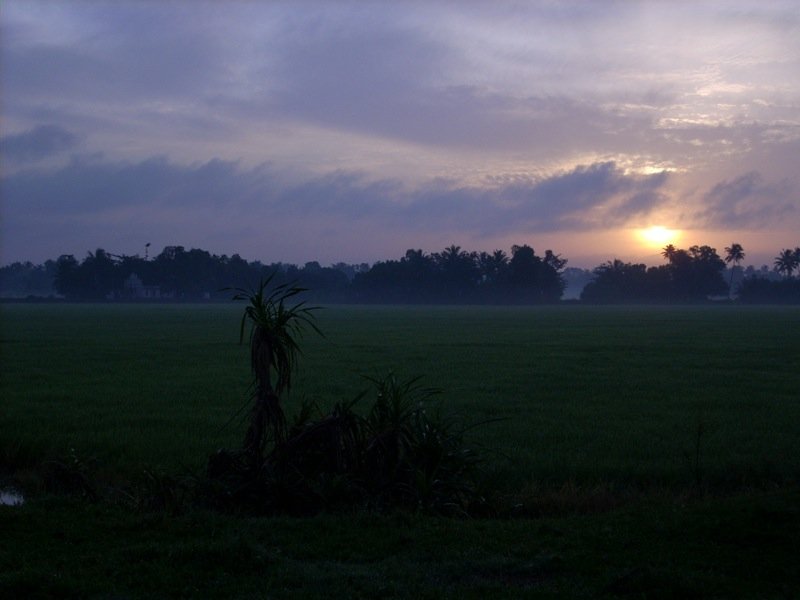
Kerala backwaters
Houseboat cruises through palm-lined canals.
Munnar tea hills
Cool, misty plantations in the Western Ghats.
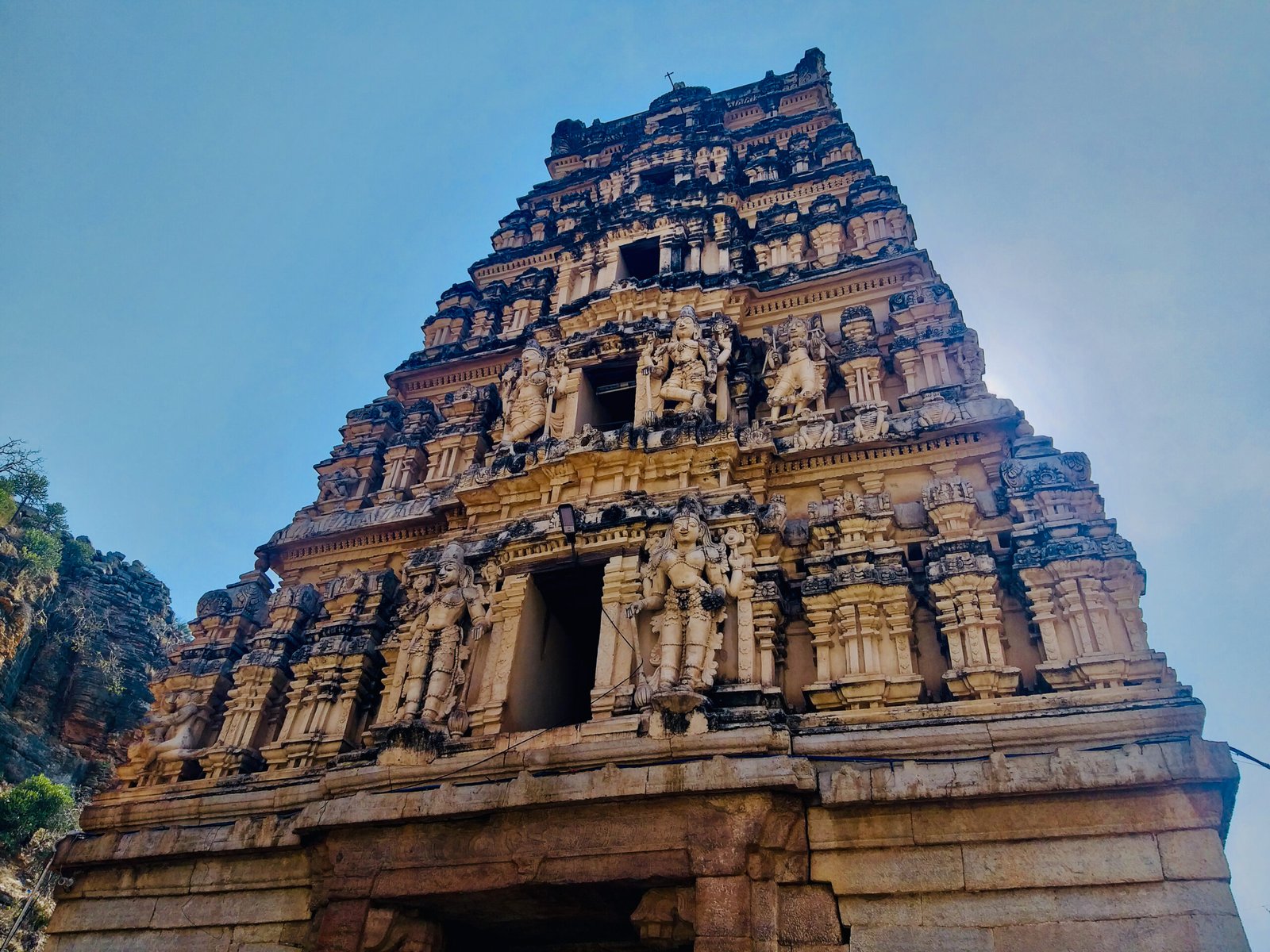
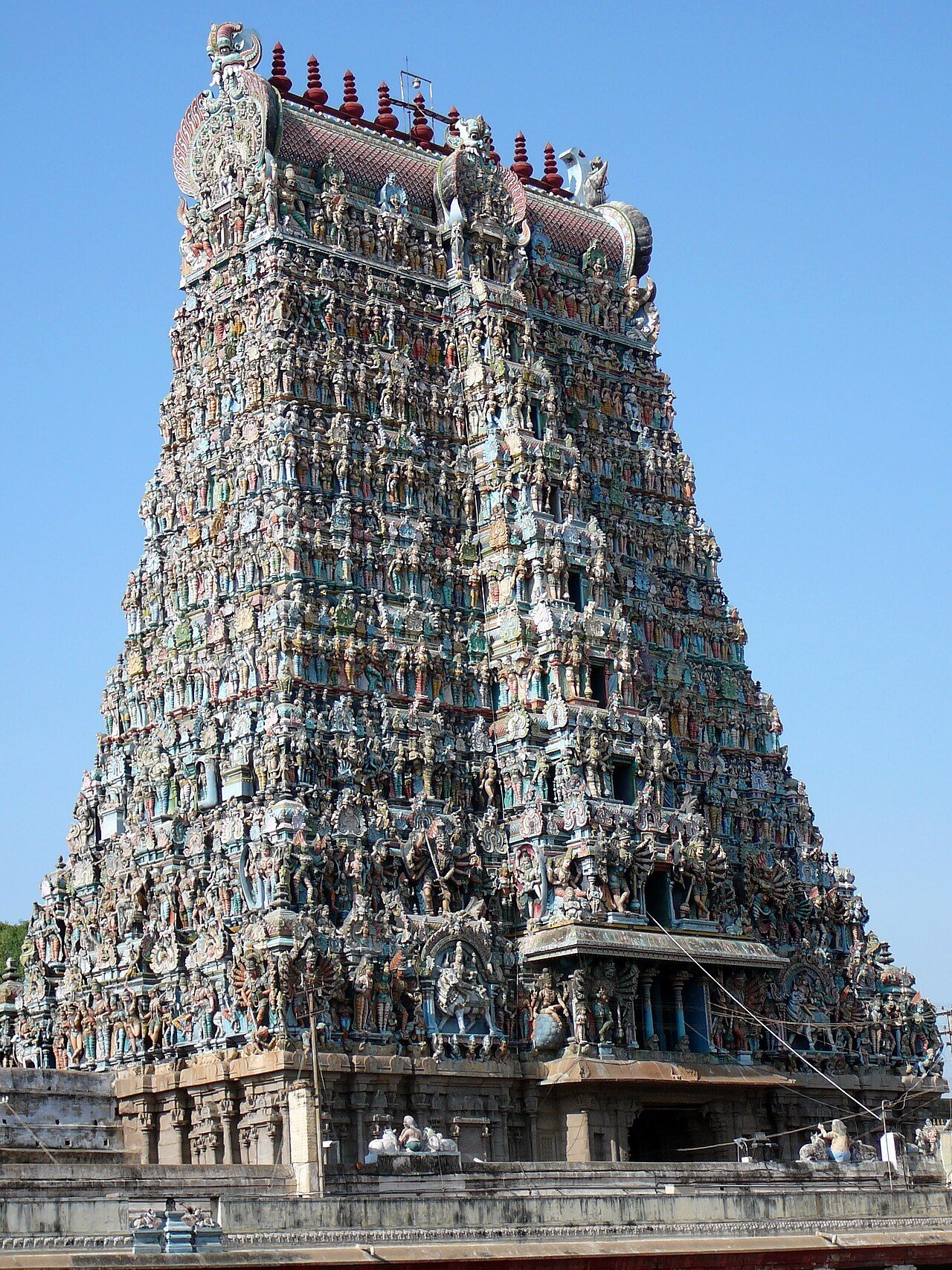
Tamil Nadu temples
Madurai’s Meenakshi Temple and more.
Mysore Palace
Karnataka’s opulent royal palace.
Beaches & coast
Kochi’s heritage coast and Kerala shores.
South Indian food
Dosas, sadya feasts and filter coffee.
This itinerary suits travellers wanting a rich, varied introduction to South India — backwaters, hills, temples and heritage — combining relaxation with culture and natural beauty.
Ten days in South India is a journey through green and gold — backwaters and tea hills, soaring temples and palace grandeur, all served with a banana-leaf feast.
Part 2 of 8
Getting there and around
South India is well connected, and this route flows logically from Kerala into Tamil Nadu and Karnataka.
Getting there: Fly into Kochi (Cochin) in Kerala to start, and out of Bengaluru or Chennai at the end — an open-jaw routing that avoids backtracking. All three are major airports with flights from across India.
Getting around: A hired car with driver is the most flexible way to cover this route, handling hill roads and spread-out sights. Trains connect the major cities affordably and scenically, and you can mix both — for example, a train between cities and a car for hill and backwater areas.
Pro tip
Hire a car with driver for the Kerala hill-and-backwater legs (Munnar, Alleppey), and consider trains for longer city-to-city hops. Book your Alleppey houseboat and key temple-town stays in advance, especially in peak season.
Note: Distances can take longer than expected on winding ghat and rural roads, so plan realistic travel days and don’t over-pack the itinerary.
Part 3 of 8
Best time to do this itinerary
South India’s climate is tropical, so the cooler, drier months are most comfortable for this varied route.
| Season | Months | What to expect |
|---|---|---|
| Peak/cool | Oct–Mar | The best time — pleasant across coast, hills and plains; ideal for the whole route. |
| Hot | Apr–Jun | Hot and humid in the plains; hill stations like Munnar stay cooler. |
| Monsoon | Jun–Sep | Heavy rain (the southwest monsoon); lush and green but wet, with some disruption. |
| Festive | varies | Temple festivals and Onam (Kerala, Aug–Sep) add colour but also crowds. |
For comfortable weather across backwaters, hills and temple towns, travel between October and March. The summer is hot in the plains, though hill stations remain pleasant, while the monsoon brings lush scenery but heavy rain that can disrupt travel. Aim for the cool season, and check festival dates for added colour or crowds.
Part 4 of 8
Costs and budgeting
South India offers excellent value, from budget homestays to luxury resorts and houseboats. Here is a realistic per-person, per-day guide for 2026, excluding flights to the region.
| Style | Daily budget | What it covers |
|---|---|---|
| Budget | ₹2,000–3,500 | Homestays and budget hotels, local food, trains and shared transport. |
| Mid-range | ₹5,000–9,000 | Good hotels, a houseboat night, a car with driver and nicer dining. |
| Luxury | ₹16,000+ | Luxury resorts, premium houseboats, private guides and experiences. |
A car with driver is the main transport cost but adds great flexibility; the Alleppey houseboat is a signature splurge worth budgeting for. Food is cheap and delicious, especially the vegetarian fare, and temple entries are modest. Carry some cash for rural areas and small vendors, though cards and UPI work in cities and hotels.
Good to know
South India is generally safe and welcoming. Roads can be winding in the hills, so use experienced drivers and avoid night driving on ghat routes. Dress modestly at temples (some have strict dress codes and photography rules), stay hydrated, and respect local customs and festival etiquette.
Part 5 of 8
The 10-day South India itinerary, day by day
This route flows from Kerala’s coast and hills through Tamil Nadu’s temples to Karnataka.
Days 1–2 — Kochi: Explore Fort Kochi’s heritage — Chinese fishing nets, colonial streets, churches and a Kathakali performance.
Days 3–4 — Munnar: Drive up to the tea hills for plantations, Eravikulam National Park, viewpoints and cool mountain air.
Day 5 — Alleppey (Alappuzha): A backwater houseboat cruise and overnight stay among the palm-lined canals.
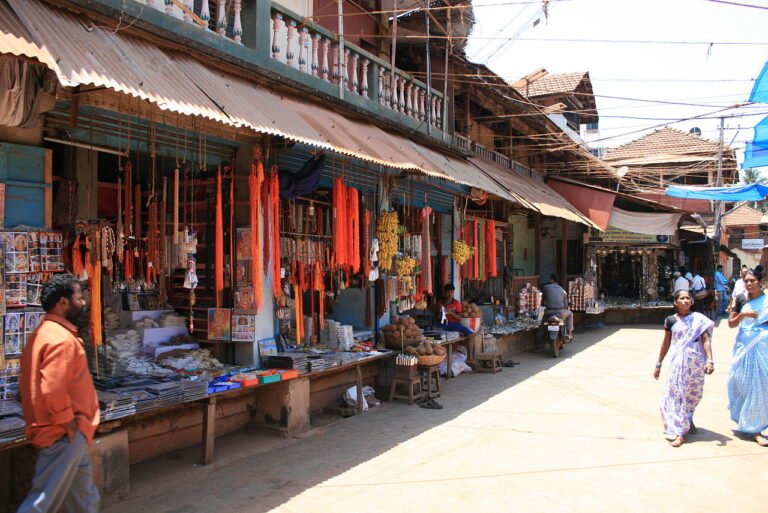
Days 6–7 — Madurai: Travel to Tamil Nadu for the magnificent Meenakshi Amman Temple and the city’s vibrant culture.
Days 8–9 — Mysore: Head to Karnataka for the opulent Mysore Palace, markets and nearby Srirangapatna.
Day 10 — Bengaluru: Finish in Bengaluru with its gardens, café culture and shopping before flying home.
Pro tip
Spend your Alleppey night on the houseboat for the full backwater experience, and break up long drives with scenic stops. Swap Hampi or Ooty in if you prefer ruins or another hill station to a city finish.
Part 6 of 8
Where to stay along the route
Choosing the right bases makes this varied route comfortable.
Kochi: Stay in atmospheric Fort Kochi for heritage, cafés and easy sightseeing.
Munnar: Choose a plantation resort or hilltop homestay for tea-country views and cool air.
Alleppey: Spend a night on a houseboat, or in a lakeside resort, for the backwater experience.
Madurai & Mysore: Stay centrally near the temple/palace for easy access, with options from heritage hotels to budget stays.
Kochi: Fort Kochi
Heritage streets and cafés.
Munnar: plantation stay
Tea-country views and cool air.
Alleppey: houseboat
A night on the backwaters.
Madurai/Mysore: central
Near the temple and palace.
Book the houseboat and peak-season stays in advance, and choose central locations in the temple and palace cities to minimise travel time.

Part 7 of 8
Practical tips for this South India trip
A few habits make this 10-day route run smoothly.
Hire a driver
Best for hill roads and the spread-out route.
Respect temple rules
Dress modestly; mind dress codes and photo bans.
Book the houseboat
Reserve your Alleppey cruise in advance.
Travel Oct–Mar
Avoid the heavy southwest monsoon.
This itinerary is designed to be varied yet relaxed. Hiring a car with driver simplifies the hill-and-backwater legs, while trains work well for longer city hops — book the Alleppey houseboat and peak-season stays ahead. Don’t over-pack the route, as winding ghat and rural roads make distances slow.
Dress modestly at temples, where some have strict dress codes (covering shoulders and legs) and photography restrictions, and remove footwear as required. Travel between October and March for the most comfortable weather, carry some cash for rural areas, and stay hydrated in the tropical heat. South India is famously vegetarian-friendly with superb food, and the people are warm and welcoming. With these basics covered, your 10 days will reveal the rich, beautiful soul of the south.
Part 8 of 8
Frequently asked questions
How do I plan the route for 10 days in South India?
A classic, well-paced route runs Kochi → Munnar → Alleppey → Madurai → Mysore → Bengaluru, flying into Kochi and out of Bengaluru or Chennai to avoid backtracking. This covers Kerala’s coast, hills and backwaters, Tamil Nadu’s temples and Karnataka’s palaces in one logical loop.
When is the best time to visit South India?
October to March offers the most comfortable weather across the coast, hills and plains, ideal for this route. Summer (April–June) is hot in the plains, though hill stations stay cooler, while the June–September southwest monsoon brings lush scenery but heavy rain and some disruption.
How do I get around South India?
A hired car with driver is the most flexible option for the hill and backwater legs and spread-out sights, while trains connect the major cities affordably and scenically. Many travellers mix both — trains for long city hops and a car for Munnar, Alleppey and rural areas.
How much does a 10-day South India trip cost?
Excluding flights to the region, budget travellers manage on roughly ₹2,000–3,500 a day, mid-range trips ₹5,000–9,000 including a houseboat and car, and luxury from ₹16,000. The car with driver and the Alleppey houseboat are the main costs; food and temple entries are cheap.
Is the Alleppey houseboat experience worth it?
Absolutely — an overnight houseboat cruise through Kerala’s palm-lined backwaters is a signature South India experience, with meals cooked on board and serene village views. Book in advance, especially in peak season, and choose a reputable operator for the best comfort and value.
What should I know about visiting South Indian temples?
Dress modestly, covering shoulders and legs, and be ready to remove footwear before entering. Some temples have strict dress codes (and may restrict non-Hindus from inner sanctums) and photography bans, so check the rules at each. Respect rituals and queues, and visit early to avoid the heat and crowds.
Is South India good for vegetarians?
Exceptionally so. South India is one of the most vegetarian-friendly regions in the world, with dosas, idlis, vadas, sadya banana-leaf feasts and filter coffee everywhere. Vegetarian and vegan travellers eat extremely well, and even non-vegetarian travellers will want to sample the superb veg cuisine.
Can I modify this itinerary?
Yes. You can swap in Ooty or Kodaikanal for another hill station, Hampi for ancient ruins, Pondicherry for French colonial charm, or extend with Kerala’s beaches like Varkala or Kovalam. Just keep the pace realistic, as South India’s distances take time on winding roads.
Is 10 days enough to see South India?
Ten days is enough for a satisfying first taste, covering Kerala’s coast, hills and backwaters, plus a Tamil Nadu temple city and Mysore in Karnataka. It cannot cover everything — the south is vast — but this route gives a rich, varied introduction. With two weeks you could add beaches, Hampi, Pondicherry or more hill stations.
Should I take trains or a private car in South India?
A mix works best. A private car with driver is ideal for the Munnar hills, the Alleppey backwaters and rural stretches where public transport is limited and roads wind. Trains are comfortable, scenic and affordable for longer city-to-city hops like Madurai to Bengaluru. Combining the two balances flexibility, cost and comfort.
The bottom line
This 10-day South India itinerary captures the rich, varied soul of the south — Kerala’s tranquil backwaters and misty Munnar tea hills, Tamil Nadu’s soaring temples at Madurai, and the palace grandeur of Mysore, all served with some of India’s finest vegetarian cuisine. Fly into Kochi and out of Bengaluru, hire a car with driver for the scenic legs, book your houseboat ahead, and travel between October and March. Respect temple customs and keep the pace relaxed, and South India will reward you with an unforgettable journey through green, gold and heritage.
Related reading
 Adventure Travel in India: Activities & How to Plan Safely
 Resort vs Hotel for Family Trips: Which Is Better? (2026)
 Self-Drive Car Rentals in India: A Complete Guide (2026)
Photos sourced from Wikimedia Commons under their respective Creative Commons licences. Travel details are indicative for 2026; confirm timings, fares and temple rules before you travel.