Ayodhya Ram Mandir Darshan: A Practical Guide (2026)
Last updated: July 8, 2026
Ayodhya, the sacred birthplace of Lord Rama on the banks of the Saryu river in Uttar Pradesh, has become one of India’s most visited pilgrimage destinations following the consecration of the grand Ram Mandir. Millions of devotees now flock to this ancient holy city for darshan at the temple, evening aarti on the ghats and visits to its many shrines. A little planning makes the trip smooth amid the crowds. This guide helps Indian pilgrims plan their Ayodhya visit and Ram Mandir darshan.
This 2026 Ayodhya guide covers how to reach the city, darshan tips, the best time to go, costs, where to stay and what not to miss.
- Getting there: Ayodhya has an airport and railway station; it is well connected by road from Lucknow and across UP.
- Darshan: Check current Ram Mandir darshan timings and any online booking/aarti pass system before you go.
- Best time: October to March for pleasant weather; avoid the summer heat and festival crowds if you prefer calm.
- Don’t miss: The Ram Mandir, Hanuman Garhi, the Saryu river aarti and Ayodhya’s many temples.
Part 1 of 8
About Ayodhya and the Ram Mandir
Ayodhya is revered as the janmabhoomi (birthplace) of Lord Rama and is one of Hinduism’s seven holiest cities. With the consecration of the magnificent Ram Mandir, it has seen a surge of pilgrims and rapid development. Beyond the main temple, the city brims with sacred sites — Hanuman Garhi, Kanak Bhawan, the Saryu river ghats and their soothing evening aarti, and numerous ancient temples. For devotees, a visit to Ayodhya is a profound and long-awaited spiritual experience.
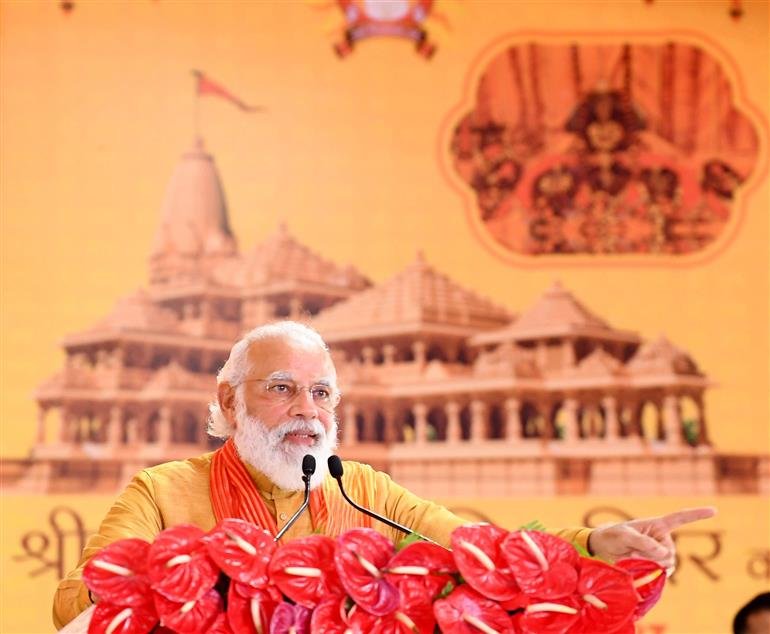
Ram Mandir
The grand temple at Ram Janmabhoomi.
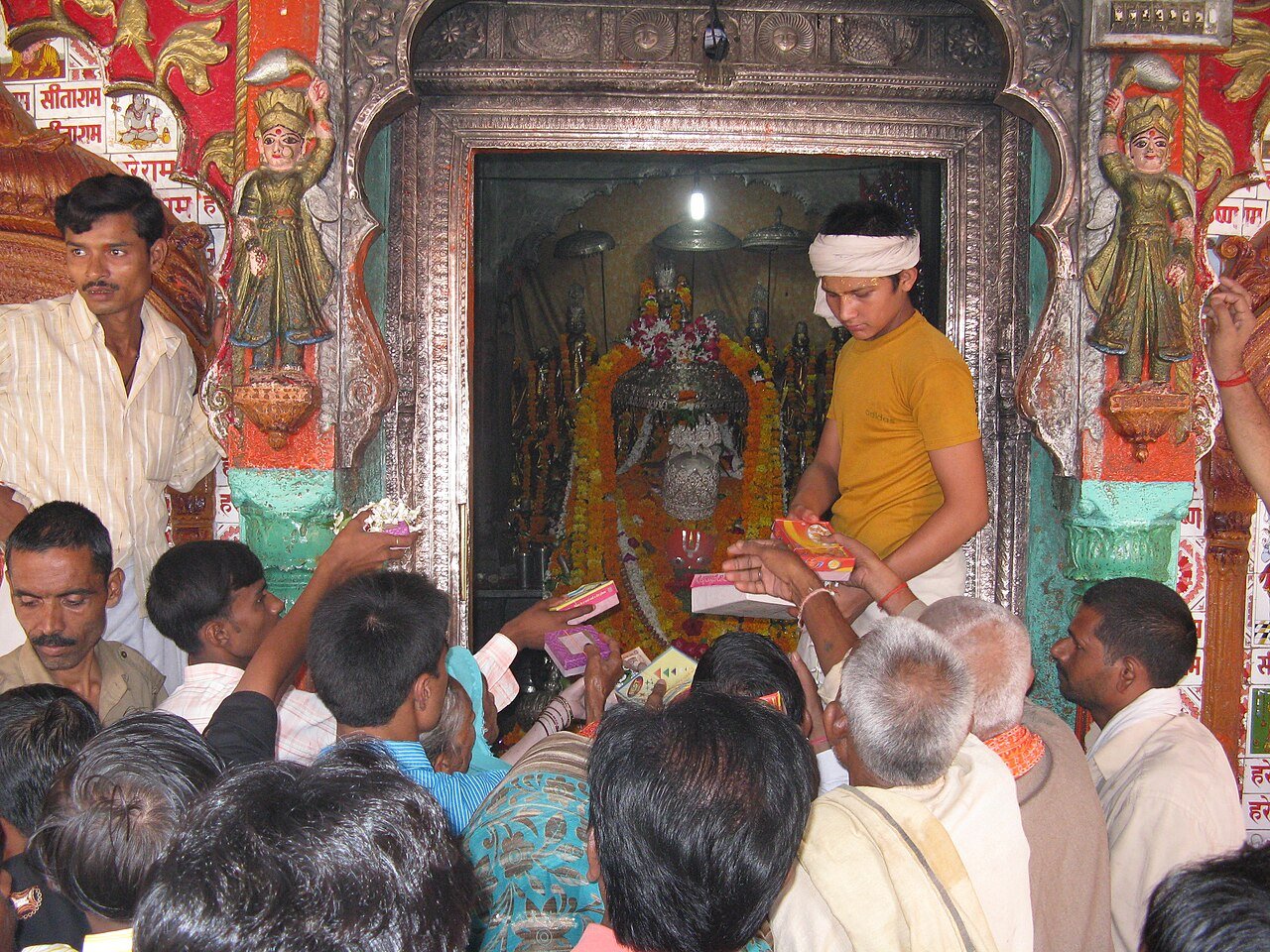
Hanuman Garhi
A revered hilltop Hanuman temple.
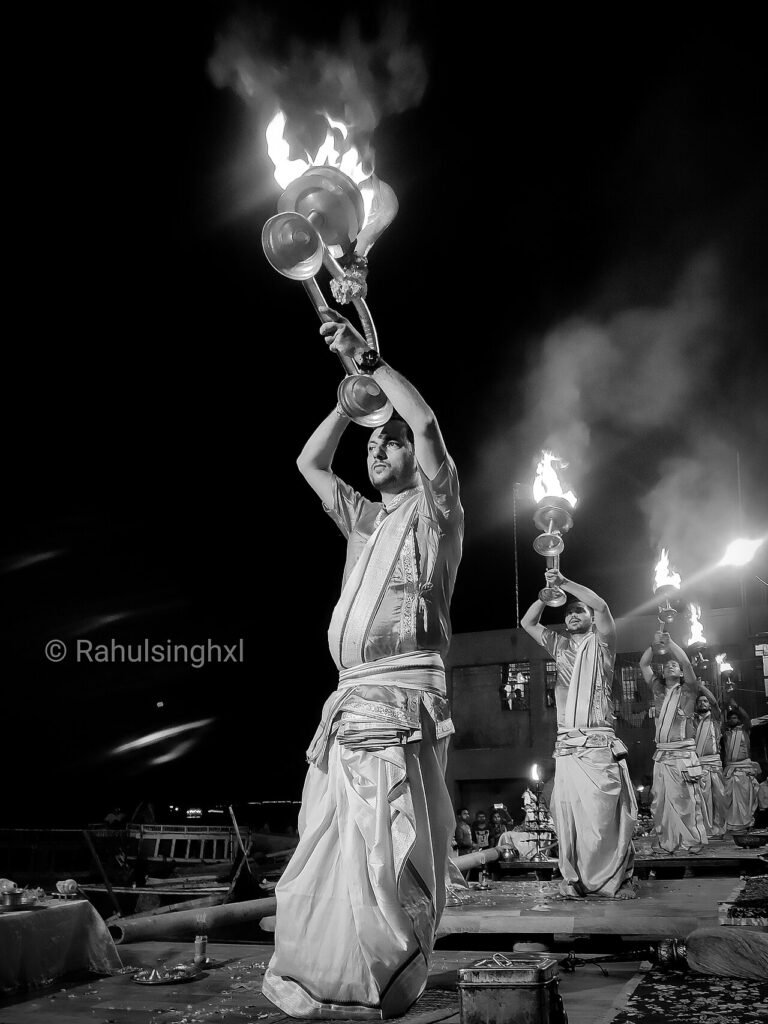
Saryu aarti
The serene evening aarti on the ghats.
Kanak Bhawan
A beautiful temple dedicated to Ram-Sita.
Deepotsav
Ayodhya’s spectacular Diwali lamp festival.
Holy city
One of Hinduism’s seven sacred cities.
Whether you come for the Ram Mandir darshan, the riverside aarti or the city’s deep spiritual heritage, Ayodhya offers a moving pilgrimage — best approached with a little planning given the large and growing crowds.
Ayodhya is the birthplace of Lord Rama reborn as a pilgrimage hub — the grand Ram Mandir, the Saryu aarti and a holy city alive with devotion.
Part 2 of 8
Darshan, getting there and around
Ayodhya is now well connected, and a little darshan planning helps amid the crowds.
Getting there: Ayodhya has its own airport (Maharishi Valmiki International Airport) and a redeveloped railway station, with good connections, and is an easy road trip from Lucknow (around 2.5–3 hours) and across Uttar Pradesh.
Darshan: Check the current Ram Mandir darshan timings and any online booking, aarti-pass or special-darshan system before you travel, as arrangements evolve with the crowds. Carry ID, arrive early, and follow the queue and security procedures.
Getting around: The temple area and many sites are walkable, with e-rickshaws, autos and taxis for longer hops. Expect crowds and security checks near the Ram Mandir, and note restrictions on items (phones, bags) inside.
Pro tip
Check the official Shri Ram Janmabhoomi Teerth Kshetra arrangements for darshan and aarti passes before your trip, arrive early to beat the crowds, and travel light, as bags and phones are restricted near the temple — use the cloakrooms provided.
Tip: Weekends, festivals and special days see huge crowds, so plan darshan for early morning and consider weekdays for a calmer experience.
Part 3 of 8
Best time to visit Ayodhya
Ayodhya has a hot summer and a pleasant winter, so timing matters for comfort.
| Season | Months | What to expect |
|---|---|---|
| Winter | Oct–Mar | The best time — pleasant weather for darshan and the ghats. |
| Festive | Oct–Nov | Diwali/Deepotsav is spectacular but extremely crowded. |
| Summer | Apr–Jun | Very hot; start early and stay hydrated. |
| Monsoon | Jul–Sep | Humid with rain, but greener; fewer crowds outside festivals. |
For the most comfortable visit, come between October and March, when the weather is pleasant for temple visits and the Saryu aarti. The Deepotsav (Diwali) celebrations are breathtaking, with the ghats lit by lakhs of lamps, but draw enormous crowds, so plan carefully. Summer is very hot, so start early, and weekdays are calmer than weekends and festivals.
Part 4 of 8
Costs and budgeting
An Ayodhya pilgrimage is affordable, with darshan free. Here is a rough per-person, per-day guide for 2026, excluding travel to Ayodhya.
| Style | Daily budget | What it covers |
|---|---|---|
| Budget | ₹800–2,000 | Dharamshalas and budget hotels, local food, autos. |
| Mid-range | ₹2,500–5,000 | Good hotels, private transport and meals. |
| Comfort | ₹7,000+ | Better hotels, guided visits and private cars. |
Darshan at the Ram Mandir is free, and Ayodhya has plentiful budget dharamshalas and guesthouses alongside a growing range of hotels as the city develops. Local vegetarian food (Ayodhya is largely vegetarian and alcohol-free as a holy city) is cheap and satvik. Carry some cash for autos and offerings, though digital payments are common.
Good to know
Expect large crowds and security checks near the Ram Mandir, so be patient, keep children and elders close, and travel light as bags and phones are restricted inside. Respect the temple’s rules and the city’s religious character — dress modestly, and note Ayodhya is a vegetarian, alcohol-free holy city.

Part 5 of 8
The Ayodhya visit and key temples
Ayodhya’s sacred sites can be covered in a day or two of darshan and exploration.
Ram Mandir: The grand temple at Ram Janmabhoomi is the centrepiece — plan early darshan and allow time for the crowds and security.
Hanuman Garhi: A revered hilltop Hanuman temple, traditionally visited before the Ram Mandir, reached by a flight of steps.
Kanak Bhawan: A beautiful temple dedicated to Ram and Sita, known for its idols and architecture.
Saryu river ghats: Take a holy dip or boat ride and witness the serene evening Saryu aarti.
Ram Mandir
Early darshan at Ram Janmabhoomi.
Hanuman Garhi
Hilltop Hanuman temple.
Kanak Bhawan
Ram-Sita temple with fine idols.
Saryu aarti
Evening aarti and a river dip.
For more, visit Nageshwarnath Temple, Dashrath Mahal, the Ram Ki Paidi ghats and Ayodhya’s many other shrines, and time your trip with Deepotsav if you want to see the city ablaze with lamps.
Part 6 of 8
Where to stay and plan
Ayodhya’s accommodation is growing fast as pilgrim numbers rise.
Where to stay: The city has dharamshalas, guesthouses and budget hotels, plus a growing number of mid-range and better hotels, with more options in nearby Faizabad and along the route from Lucknow. Book well ahead in peak season and around Deepotsav, when demand is very high.
Plan your darshan: Check official timings and any pass system, arrive early, and allow buffer time for crowds and security. Combine the Ram Mandir with Hanuman Garhi, Kanak Bhawan and the Saryu aarti for a complete visit.
Hotels & dharamshalas
Growing range; book ahead in peak season.
Faizabad/Lucknow
More options nearby and en route.
Early darshan
Beat the crowds at the Ram Mandir.
Deepotsav
Spectacular but very crowded.
Book accommodation and check darshan arrangements well in advance, especially around festivals, and keep your plans flexible given the city’s rapid development and high pilgrim volumes.
Part 7 of 8
Practical tips for your Ayodhya trip
A few pointers make an Ayodhya pilgrimage smoother.
Arrive early
Beat crowds at the Ram Mandir.
Travel light
Bags and phones restricted inside; use cloakrooms.
Check darshan rules
Confirm timings and any pass system.
Respect the city
Vegetarian, alcohol-free; dress modestly.
An Ayodhya visit rewards a little planning. Check the official Ram Mandir darshan timings and any online booking or aarti-pass system before you travel, arrive early to beat the crowds, and travel light, as bags and phones are restricted near the temple — use the cloakrooms provided. Carry ID and follow the queue and security procedures patiently.
Respect Ayodhya’s religious character as a vegetarian, alcohol-free holy city, dress modestly, and keep children and elders close in the crowds. Book accommodation well ahead, especially around Deepotsav and festivals, combine the Ram Mandir with Hanuman Garhi, Kanak Bhawan and the Saryu aarti, and consider weekdays for a calmer darshan. With these basics covered, your Ayodhya pilgrimage will be a smooth and deeply moving experience.
Part 8 of 8
Frequently asked questions
How do I reach Ayodhya?
Ayodhya has its own airport (Maharishi Valmiki International Airport) and a redeveloped railway station with good connections. It is also an easy road trip from Lucknow (around 2.5–3 hours) and is well linked across Uttar Pradesh by bus and taxi, making it accessible by air, rail or road.
How do I get darshan at the Ram Mandir?
Check the current Ram Mandir darshan timings and any online booking, aarti-pass or special-darshan system on the official Shri Ram Janmabhoomi Teerth Kshetra channels before you travel, as arrangements evolve with the crowds. Carry ID, arrive early, travel light (bags and phones are restricted), and follow the queue and security procedures.
When is the best time to visit Ayodhya?
October to March offers the most pleasant weather for darshan and the Saryu aarti. The Deepotsav (Diwali) celebrations are spectacular, with the ghats lit by lakhs of lamps, but extremely crowded. Summer is very hot, so start early, and weekdays are calmer than weekends and festival days.
How much does an Ayodhya pilgrimage cost?
It is affordable. Darshan is free, and budget travellers manage on roughly ₹800–2,000 a day using dharamshalas and local food, mid-range trips ₹2,500–5,000, and comfort trips ₹7,000 plus. Accommodation is the main cost, and prices rise sharply around Deepotsav and major festivals.
What are the must-visit temples in Ayodhya?
Beyond the grand Ram Mandir at Ram Janmabhoomi, visit Hanuman Garhi (the hilltop Hanuman temple, traditionally before the main darshan), Kanak Bhawan (a Ram-Sita temple), Nageshwarnath Temple and Dashrath Mahal, along with the Saryu river ghats for a holy dip and the evening aarti.
What can I carry inside the Ram Mandir?
Restrictions apply near the Ram Mandir — bags, phones and many personal items are generally not allowed inside, so travel light and use the cloakrooms provided. Carry only essentials and your ID, follow the security checks, and confirm the current rules on arrival, as arrangements are updated to manage the large crowds.
Is Ayodhya a vegetarian city?
Yes. As one of Hinduism’s holiest cities, Ayodhya is largely vegetarian and alcohol-free, with satvik food widely available and very affordable. Respect the city’s religious character by dressing modestly and observing local customs, and you will find plenty of simple, wholesome vegetarian meals throughout your stay.
How many days do I need in Ayodhya?
One to two days are enough to cover the main sites — the Ram Mandir, Hanuman Garhi, Kanak Bhawan and the Saryu aarti — at a comfortable pace, allowing for crowds. Add more time around Deepotsav to experience the festival, or combine Ayodhya with nearby Lucknow, Varanasi or Prayagraj for a fuller pilgrimage.
Can I combine Ayodhya with other pilgrimage cities?
Yes. Ayodhya pairs well with nearby sacred and historic cities — Varanasi and Prayagraj (Allahabad) for the Ganga and Triveni Sangam, Lucknow for heritage and food, and Naimisharanya. Many pilgrims build a wider Uttar Pradesh spiritual circuit, combining Ayodhya’s Ram Mandir with these cities over several days for a richer journey.
What is Deepotsav in Ayodhya?
Deepotsav is Ayodhya’s grand Diwali celebration, when the Saryu ghats and the city are illuminated by lakhs of earthen lamps (diyas), often setting world records, along with cultural performances and a re-enactment of Lord Rama’s return. It is a spectacular, deeply atmospheric time to visit, but draws enormous crowds, so book accommodation far in advance and plan for heavy congestion.
The bottom line
Ayodhya, the birthplace of Lord Rama, has become one of India’s most significant pilgrimage destinations with the grand Ram Mandir at its heart, alongside Hanuman Garhi, Kanak Bhawan and the serene Saryu river aarti. Reach it easily by its new airport, train or road, check the official darshan timings and any pass system, arrive early, and travel light given the security and crowds. Visit between October and March for pleasant weather, respect the holy city’s vegetarian, alcohol-free character, and book ahead around festivals. With a little planning, your Ayodhya pilgrimage will be smooth and deeply moving.
Related reading
 Adventure Travel in India: Activities & How to Plan Safely
 Char Dham Yatra Registration: Rules & Planning (2026)
 Vaishno Devi Yatra Guide: Katra, Registration & Trek (2026)
Photos sourced from Wikimedia Commons under their respective Creative Commons licences. Darshan, timing and cost details are indicative for 2026; confirm current Ram Mandir darshan arrangements and rules before you travel.