Golden Triangle 5-Day Itinerary 2026 — Delhi, Agra & Jaipur
Last updated: July 8, 2026
The Golden Triangle is India’s most iconic route — a five-day loop linking the capital Delhi, the Taj Mahal city of Agra, and the Pink City of Jaipur. In one compact, well-connected circuit you take in Mughal monuments, a wonder of the world, mighty forts, palaces and colourful bazaars, with superb food throughout. It is the classic first-time India itinerary and the perfect introduction to the country’s history, culture and grandeur, easily done in under a week.
This 2026 itinerary guide covers how to get around, the best time to go, what it costs, a day-by-day plan, where to stay and eat, and the practical tips for a smooth Golden Triangle trip.
- Getting around: Fly into Delhi, then travel by expressway car or train — Delhi–Agra–Jaipur–Delhi forms a neat triangle.
- Best time: October to March, when the weather is cool and comfortable for sightseeing.
- Budget: ₹3,000–8,000 per day, including a car and monument entries.
- Don’t miss: The Taj Mahal at sunrise, Agra Fort, Amber Fort and Old Delhi.
Part 1 of 8
Why the Golden Triangle works so well
The Golden Triangle packs an extraordinary amount of India’s headline heritage into a short, logical loop. Delhi blends Mughal and modern India, Agra delivers the sublime Taj Mahal and a great fort, and Jaipur adds Rajput forts, palaces and bazaars. The cities are close, well connected by expressway and rail, and full of fabulous food, making it the most efficient and rewarding introduction to the country.
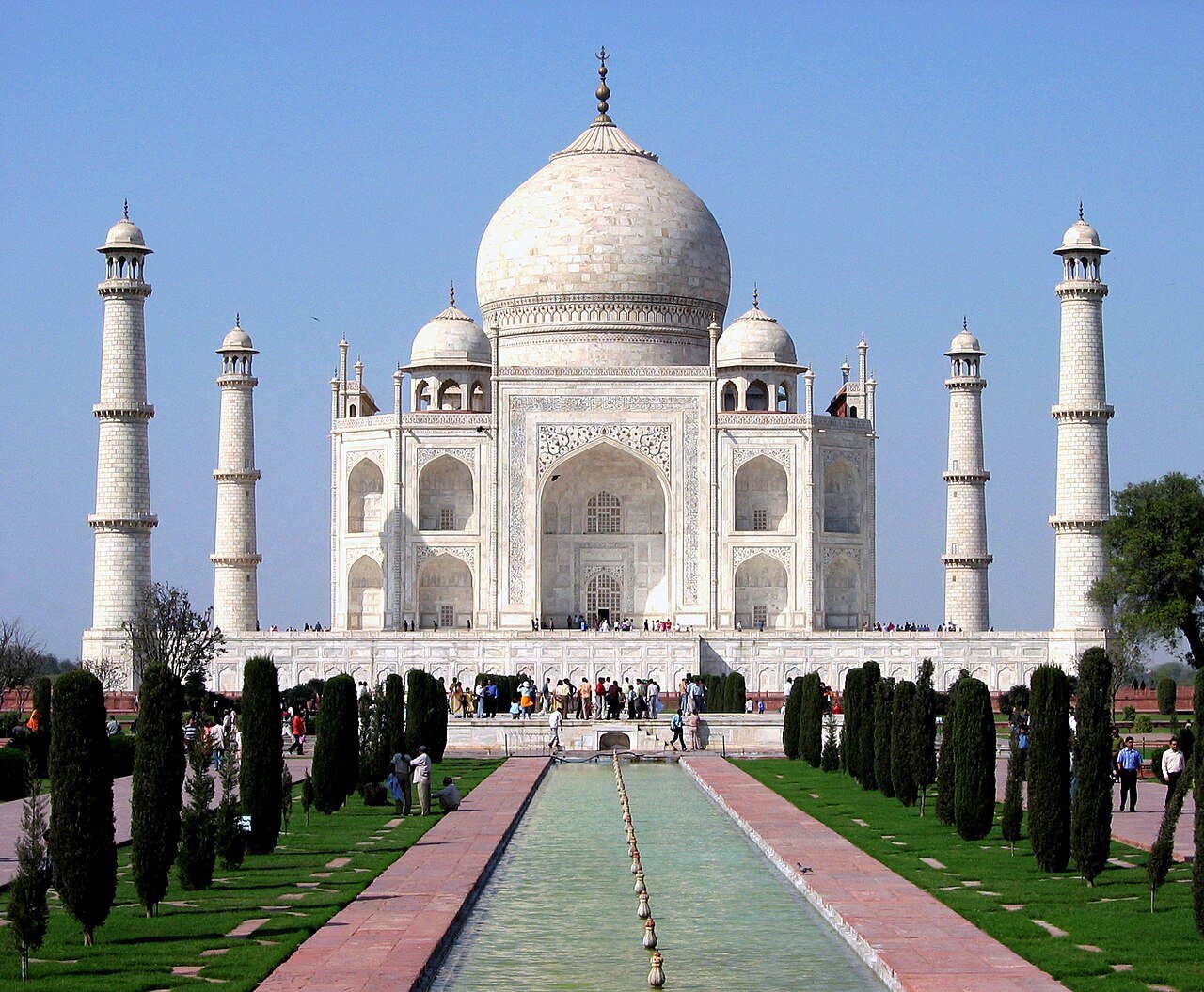
Taj Mahal
The world wonder of white marble, magical at sunrise.
Agra Fort
The mighty red-sandstone Mughal fort beside the Taj.
Amber Fort
Jaipur’s hilltop fort-palace with its dazzling Sheesh Mahal.
Delhi heritage
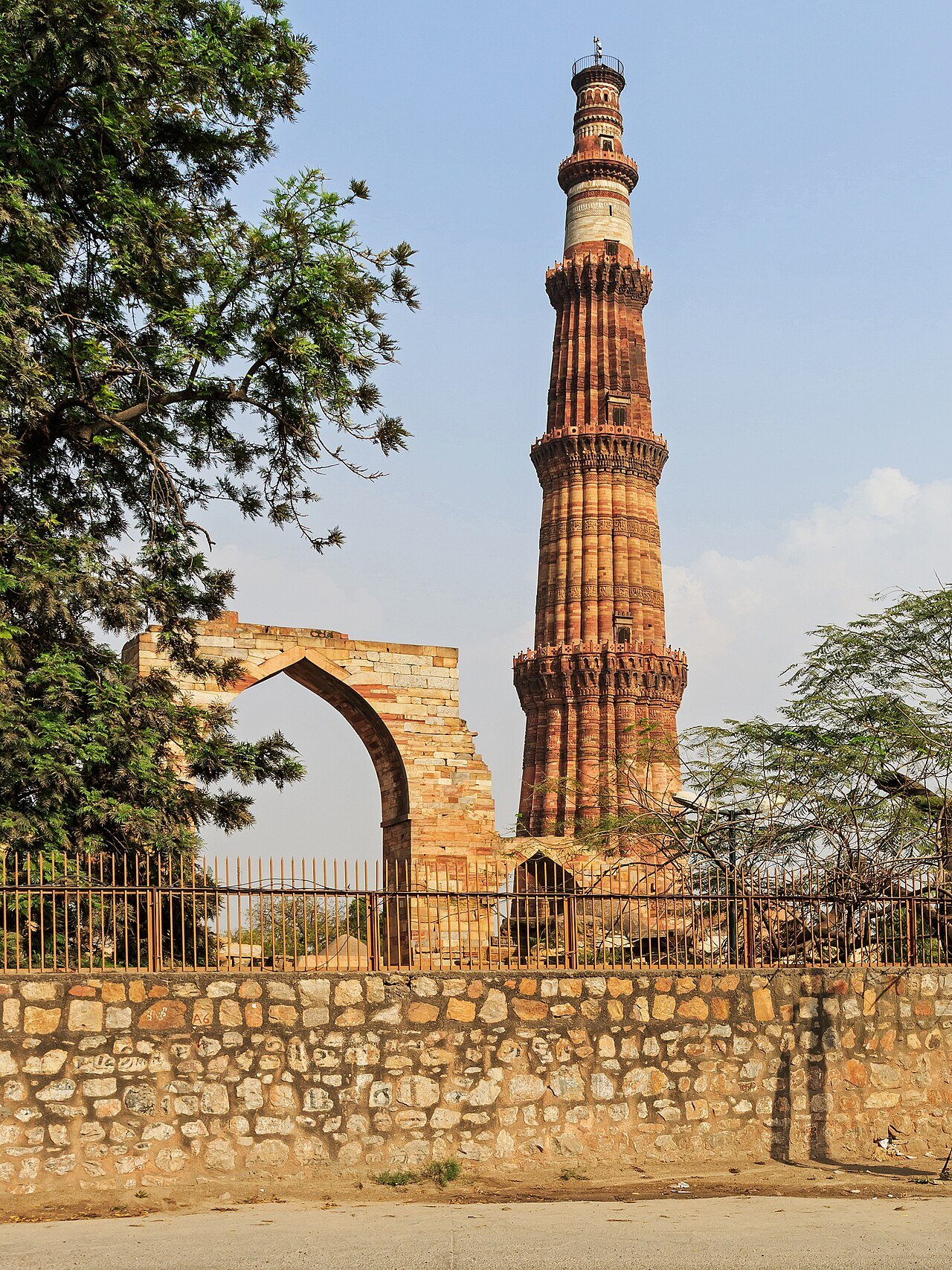
Qutub Minar, Humayun’s Tomb, Red Fort and Old Delhi.
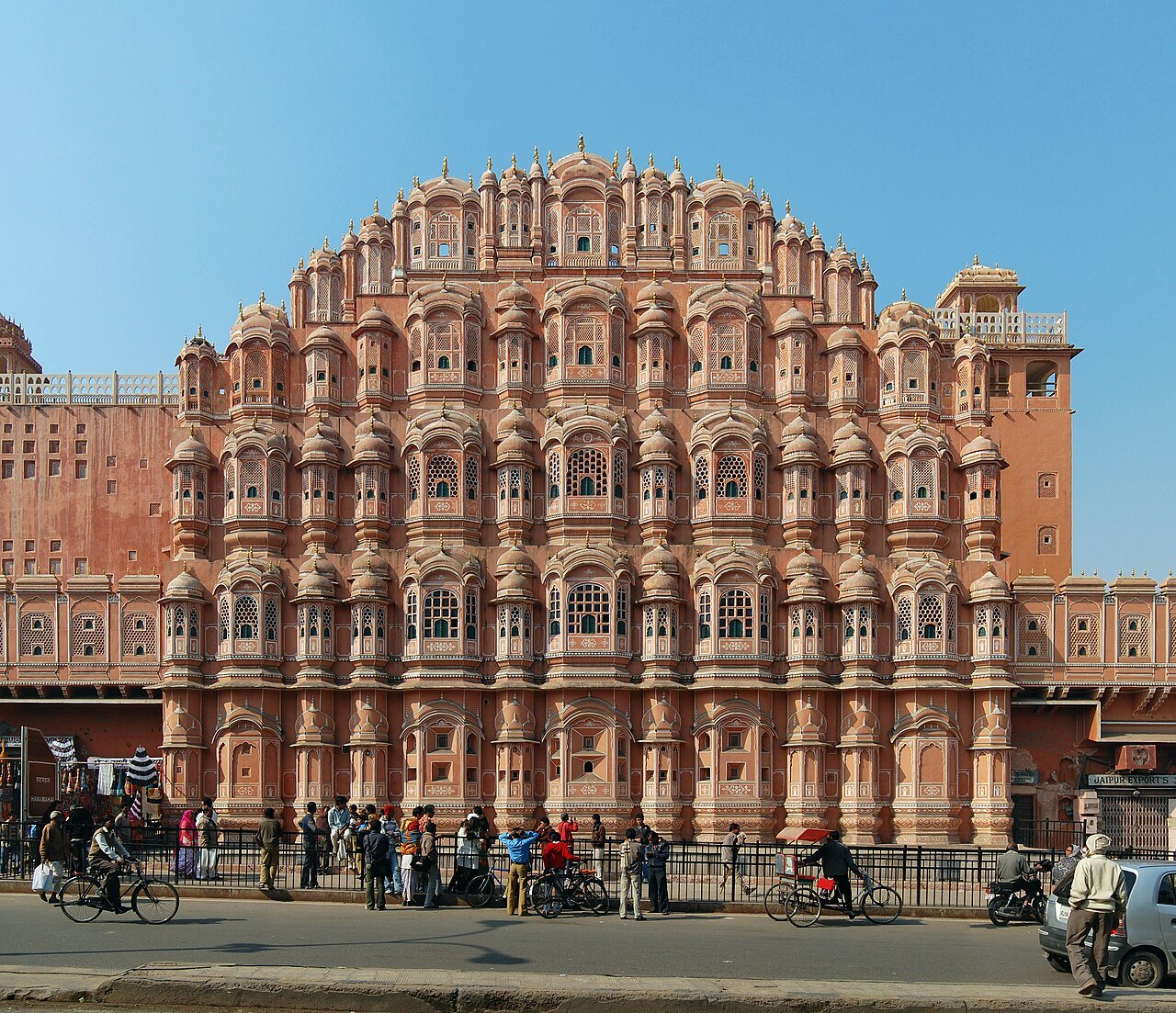
Hawa Mahal
Jaipur’s iconic honeycomb “Palace of Winds”.
Bazaars & food
Chandni Chowk, Johari Bazaar and legendary street food.
Whether it is your first trip to India or a quick heritage hit, the Golden Triangle delivers the country’s greatest icons in one smooth, satisfying circuit.
The Golden Triangle is India’s greatest hits in five days — a sunrise at the Taj, Mughal Delhi and the Pink City’s forts, all in one neat loop.
Part 2 of 8
Getting around and the route
The three cities form a triangle of roughly 200–250 km legs, easily linked by road or rail.
By air: Delhi’s international airport is the main gateway, well connected worldwide and across India. Most travellers start and end in Delhi.
By road: The Yamuna Expressway makes Delhi–Agra a fast 3–4 hour drive, and Agra–Jaipur is around 4–5 hours via Fatehpur Sikri. A hired car with a driver is the most popular and flexible option.
By train: Fast trains like the Gatimaan and Shatabdi connect Delhi, Agra and Jaipur quickly and comfortably, a great alternative to driving for the main legs.
Pro tip
Break the Agra–Jaipur drive at Fatehpur Sikri, the beautifully preserved abandoned Mughal capital — it adds a major sight to a travel day with little extra time.
Getting around within cities: Delhi has an excellent metro plus app cabs; in Agra and Jaipur, use autos, app cabs or your hired car. The monuments themselves are explored on foot.
Part 3 of 8
Best time for this trip
The Golden Triangle lies in the northern plains, where summers are fierce and winters cool, so timing matters for comfort.
| Season | Months | What to expect |
|---|---|---|
| Winter | Oct–Mar | The best window — cool, pleasant days ideal for sightseeing. Peak season. |
| Summer | Apr–Jun | Very hot, often above 40°C; sightseeing is tiring, so start early and rest at midday. |
| Monsoon | Jul–Sep | Warm and humid with showers; greener surroundings and thinner crowds. |
| Winter mornings | Dec–Jan | Cool and atmospheric, though Delhi and Agra can have morning fog that affects travel. |
Aim for October to March for the most comfortable conditions. Note that dense winter fog in December and January can occasionally delay flights, trains and the Delhi–Agra drive, so build in a little buffer if you travel then.
Part 4 of 8
Costs and budgeting for Indians
The Golden Triangle suits every budget, from backpacker hostels to palace hotels. Here is a realistic per-person, per-day guide for 2026, excluding flights.
| Style | Daily budget | What it covers |
|---|---|---|
| Backpacker | ₹1,800–3,000 | Hostels and budget hotels, trains and metro, monument entries and local food. |
| Mid-range | ₹3,500–7,000 | Comfortable hotels, a car with driver, guides and good meals. |
| Premium | ₹12,000+ | Heritage and luxury hotels, private car and guide, fine dining and experiences. |
Monument entries (especially the Taj Mahal) and a hired car are the main planned costs, while composite tickets in Jaipur save money. Your biggest variable is accommodation. Carry some cash for autos, bazaars and street food, though cards and UPI are widely accepted in the cities.
Good to know
The Taj Mahal is closed on Fridays — plan your Agra day accordingly. Be wary of common tourist scams and commission-driven touts and drivers steering you to particular shops; use official ticket counters and app cabs.
Part 5 of 8
The 5-day Golden Triangle itinerary
This classic loop runs Delhi to Agra to Jaipur and back to Delhi.
Day 1 — Delhi: Explore Old Delhi (Red Fort, Jama Masjid, Chandni Chowk) and New Delhi (India Gate, Humayun’s Tomb, Qutub Minar).
Day 2 — Delhi to Agra: Drive the expressway to Agra, visit Agra Fort and Mehtab Bagh for a Taj sunset across the river.
Day 3 — Agra to Jaipur: See the Taj Mahal at sunrise, then drive to Jaipur via Fatehpur Sikri.
Day 4 — Jaipur: Explore Amber Fort, the City Palace, Jantar Mantar, Hawa Mahal and the bazaars, with a Nahargarh sunset.
Day 5 — Jaipur to Delhi: Enjoy a final morning in Jaipur, then return to Delhi for departure.
Extend your trip: Add Ranthambore for a tiger safari, the holy town of Pushkar, or extend the Jaipur leg into a fuller Rajasthan circuit with Jodhpur, Jaisalmer and Udaipur.
Pro tip
See the Taj Mahal at sunrise — it is at its most beautiful and least crowded in the soft early light, and you beat both the heat and the day-tripper rush. Buy tickets online in advance to skip the queue.
Part 6 of 8
Where to stay, what to eat and experiences
Where to stay: In Delhi, choose central areas like Connaught Place or the airport zone for connectivity. In Agra, stay near the Taj (the Taj Ganj area) for an easy sunrise visit. In Jaipur, the old “Pink City” or a heritage haveli puts you near the sights and bazaars.
What to eat: Feast on North Indian and Mughlai cuisine — kebabs, biryani, chaat and parathas in Delhi, Mughlai dishes and petha in Agra, and Rajasthani classics like dal baati churma in Jaipur. The street food, especially in Old Delhi, is a highlight.
Taj at sunrise
See the marble glow in the soft early light.
Amber Fort
Explore the hilltop fort and Sheesh Mahal in Jaipur.
Old Delhi walk
A rickshaw and street-food tour of Chandni Chowk.
Fatehpur Sikri
Stop at the abandoned Mughal capital en route to Jaipur.
For more, add a Delhi food walk, the Akshardham temple, a Jaipur cooking class, or a Ranthambore tiger safari as an extension.
Part 7 of 8
Practical tips for Indian travellers
A few practical notes keep this fast-moving heritage circuit smooth and hassle-free.
Taj closed Fridays
Plan your Agra day around the Friday closure.
Pre-book tickets
Buy Taj and composite Jaipur tickets online to skip queues.
Car or fast train
Use the expressway car or Gatimaan/Shatabdi trains for the legs.
Allow for fog
Winter mornings can bring delays — keep buffer time in December–January.
The Golden Triangle is well-trodden and generally safe, including for solo and women travellers, but it is also where tourist scams are most common, so stay alert. Use official ticket counters, app cabs and reputable guides, ignore touts claiming a monument is “closed”, and agree any auto fares in advance. Start sightseeing early to beat the heat and crowds, dress modestly at religious sites, and protect yourself from the sun and Delhi’s winter chill alike.
This route is also the gateway to more of India. It extends naturally into Rajasthan via Jaipur towards Jodhpur, Jaisalmer and Udaipur, to Ranthambore for tigers, or to Varanasi and beyond. Building one of these in turns a five-day taster into a fuller north-India journey.
Part 8 of 8
Frequently asked questions
Is 5 days enough for the Golden Triangle?
Yes, five days comfortably covers Delhi, Agra and Jaipur with the major monuments, including a Taj Mahal sunrise and Fatehpur Sikri en route. Six or seven days lets you add Ranthambore, Pushkar or a deeper Delhi exploration.
What is the best way to travel the Golden Triangle?
A hired car with a driver is the most flexible, using the Yamuna Expressway for Delhi–Agra and the road via Fatehpur Sikri for Agra–Jaipur. Fast trains like the Gatimaan and Shatabdi are an excellent alternative for the main legs.
When is the best time to visit?
October to March, when the weather is cool and pleasant for sightseeing. Summers are very hot, and winter mornings can bring fog that delays travel in December and January, so allow a little buffer then.
Is the Taj Mahal closed on any day?
Yes, the Taj Mahal is closed every Friday. Plan your Agra visit around this, and aim for a sunrise visit on an open day for the best light, smallest crowds and coolest conditions.
Which order should I do the cities in?
The classic loop is Delhi to Agra to Jaipur and back to Delhi, which keeps the driving efficient and lets you stop at Fatehpur Sikri between Agra and Jaipur. You can reverse it, but starting and ending in Delhi is most convenient for flights.
Is the Golden Triangle safe for first-time and women travellers?
Yes, it is well-trodden and generally safe, though it is also where tourist scams are most common. Use official tickets, app cabs and reputable guides, ignore touts, agree fares in advance, and take the usual precautions in crowds and after dark.
How much time do I need at the Taj Mahal?
Allow two to three hours, ideally at sunrise. This gives you time to enjoy the marble in the best light, walk the gardens and take photos before the crowds and heat build. Buy tickets online to skip the entry queue.
What can I add to the Golden Triangle?
Popular extensions include Ranthambore for a tiger safari, the holy town of Pushkar, a deeper Rajasthan circuit through Jodhpur, Jaisalmer and Udaipur, or onward to Varanasi for a fuller north-India journey.
Can the Golden Triangle be done as a fast 3-4 day trip?
Yes, a compressed version covering Delhi, Agra and Jaipur in three to four days is possible using fast trains or the expressway, though it is rushed. Five days is far more comfortable and lets you enjoy a Taj sunrise, Fatehpur Sikri and the Jaipur forts without racing between cities.
Should I hire a guide for the monuments?
A licensed guide is well worth it at the Taj Mahal, Agra Fort and Jaipur’s Amber Fort and City Palace, where the history and detail are rich. Book through your hotel or official channels rather than accepting freelance offers at the gates, and agree the fee in advance.
The bottom line
The Golden Triangle remains the perfect introduction to India — the Taj Mahal, Mughal Delhi and the forts and palaces of Jaipur, all in one efficient five-day loop. Come in the cooler months, see the Taj at sunrise, use the expressway or fast trains, and stay alert to scams while soaking up the food and heritage. Whether it is your first India trip or a quick heritage hit, this classic circuit delivers the country’s greatest icons in unforgettable style. Move efficiently between the three cities, start early at each great monument, and in just five days you will have seen the very best of India’s Mughal and Rajput heritage.
Related reading
 Resort vs Hotel for Family Trips: Which Is Better? (2026)
 Self-Drive Car Rentals in India: A Complete Guide (2026)
 Luxury & Tourist Trains in India: A Complete Guide (2026)
Photos sourced from Wikimedia Commons under their respective Creative Commons licences. Travel details are indicative for 2026; confirm timings, monument closures and ticket options locally before you travel.