Amritsar Travel Guide 2026 — Golden Temple, Wagah Border & Food
Last updated: June 30, 2026
Amritsar is the spiritual and cultural heart of Punjab — home to the luminous Golden Temple, the moving memorial at Jallianwala Bagh, the theatrical Wagah border ceremony, and food so good it draws people across the country. It’s a city of faith, history and warmth, where the world’s largest free community kitchen feeds tens of thousands daily and strangers are treated as guests. For Indian travellers it’s one of the most emotionally resonant and rewarding short trips in the north.
Why visit Amritsar
Few places combine spirituality, history and hospitality like Amritsar. The Golden Temple at dawn or after dark is unforgettable; the city’s history (Partition, Jallianwala Bagh) is deeply affecting; and Punjabi food and the famous langar are experiences in themselves. It’s compact, friendly and easy to cover in a day or two.
Best time to visit Amritsar
The best months are October to March, with pleasant weather for walking and the border ceremony. Winters can be cold but atmospheric (the Golden Temple in winter mist is magical). Festivals like Baisakhi (April) and Guru Nanak Jayanti (autumn/winter) are special but crowded. Summers (May–June) are very hot.
How to reach Amritsar
By air: Sri Guru Ram Dass Jee International Airport has good domestic (and some international) connections. By train: Amritsar Junction is well connected, including fast trains from Delhi. By road: Delhi is about 450 km (8–9 hours) via good highways; buses and taxis are frequent.
Where to stay
Stay near the Golden Temple for atmosphere and easy early-morning/late-night visits — the area has everything from budget lodges to comfortable hotels. The temple complex also offers basic pilgrim accommodation. The Heritage Street leading to the temple is pedestrianised and convenient.
Top things to do in Amritsar
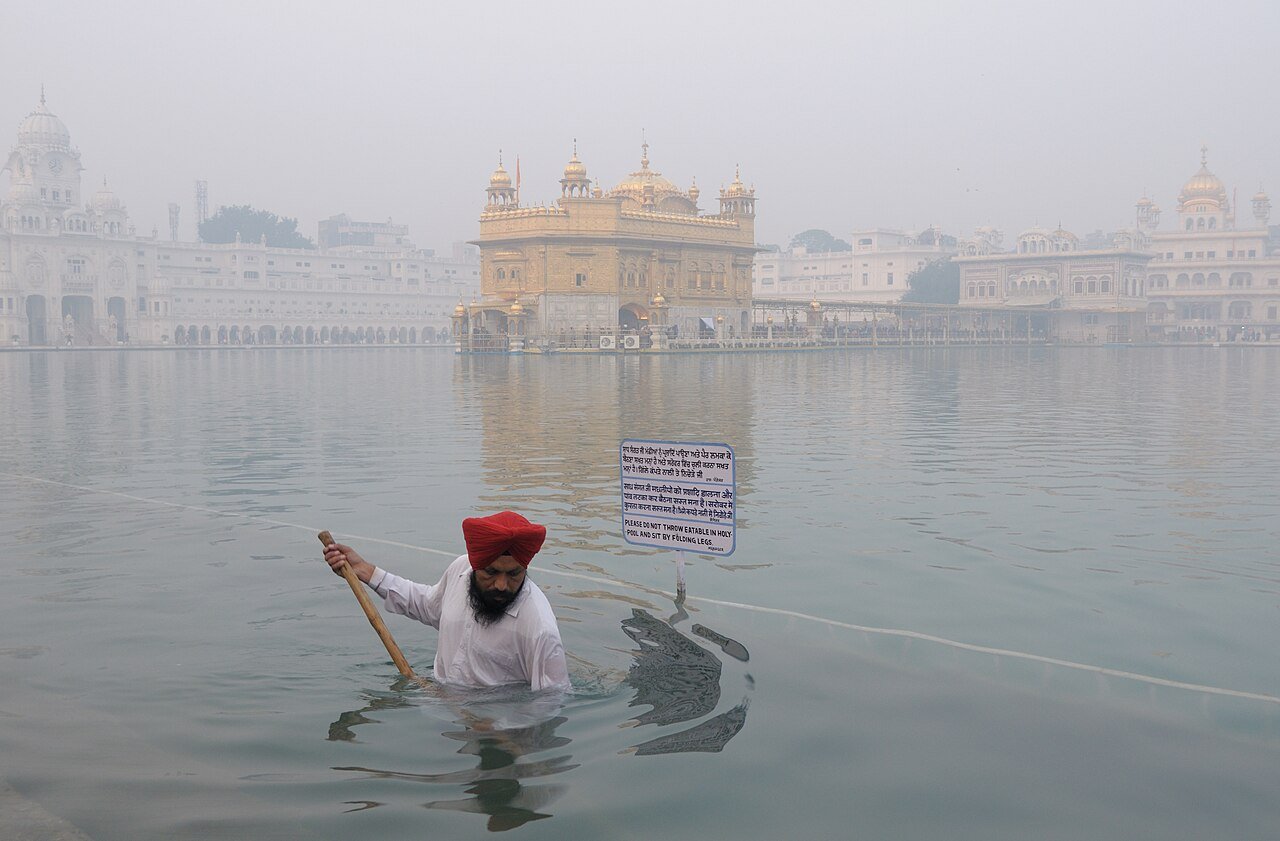
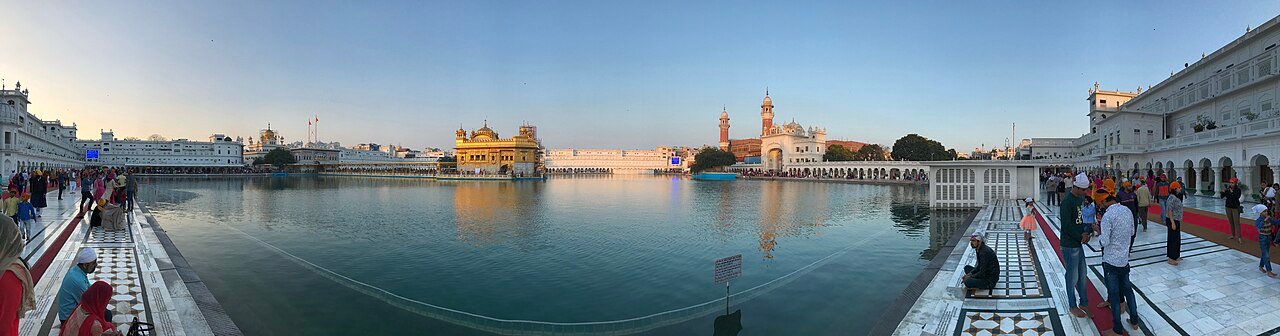
The Golden Temple (Harmandir Sahib): the holiest shrine in Sikhism, its gilded sanctum glowing above the sacred sarovar (pool). Visit at dawn for serenity and after dark for the illuminated reflection; witness or join the langar, the volunteer-run free kitchen serving all visitors regardless of faith. Jallianwala Bagh: the poignant memorial garden marking the 1919 massacre, with bullet marks still visible. Wagah–Attari border ceremony: the high-energy daily flag-lowering ceremony with the Border Security Force — arrive early for seating. Partition Museum: a powerful, world-class museum on the 1947 Partition. Add the Durgiana Temple (a Hindu temple resembling the Golden Temple), Gobindgarh Fort (now a living-history attraction) and the gardens of Ram Bagh.
Food in Amritsar
Amritsar is a legendary food city. Try the stuffed, griddled Amritsari kulcha with chole, creamy dal makhani, paneer dishes, and thick lassi in a clay kulhar; non-vegetarians seek out Amritsari fried fish and tandoori. The langar at the Golden Temple — simple dal, roti and kheer served with extraordinary devotion — is a humbling must-do. The lanes around the temple and Lawrence Road are food-lovers’ territory.
Suggested 1–2 day itinerary
Day 1: Early-morning Golden Temple visit and langar, Jallianwala Bagh and the Partition Museum nearby, lunch of kulcha, then the afternoon drive to the Wagah border ceremony, returning for the illuminated Golden Temple at night. Day 2: Gobindgarh Fort, Durgiana Temple and Heritage Street, with time for more food and shopping (phulkari textiles, juttis, papad/wadiyan).
Budget
Budget travellers manage on ₹1,200–2,200/day (lodge near the temple, langar and street food, autos). Mid-range runs ₹2,800–5,000/day (good hotel, restaurant meals, a car for the Wagah trip). Most key sights are free or inexpensive; the border ceremony and temple are free.
Practical tips
At the Golden Temple, cover your head (scarves available), remove shoes (free deposit) and wash feet at the entrance; dress modestly and maintain decorum. For Wagah, leave by mid-afternoon, carry minimal bags (restrictions apply) and expect crowds. Mornings (around dawn) are the most peaceful time at the temple. Carry cash for street food and small shops, and stay hydrated in summer.
Is Amritsar safe?
Amritsar is welcoming and generally very safe, including for families and solo and women travellers, with the usual care in crowds. The Golden Temple area is busy late into the night and feels secure. Use registered taxis or app cabs for the Wagah trip and agree fares in advance.
Frequently asked questions
How many days are enough for Amritsar? One full day covers the essentials; two days allow a relaxed pace with extra sights and food.
Is the langar really free? Yes — the Golden Temple’s community kitchen serves free meals to all; you can also volunteer.
What time is the Wagah ceremony? Late afternoon before sunset, daily; arrive well ahead for seating.
The Golden Temple: history and how to experience it
The Golden Temple (Sri Harmandir Sahib) is the holiest gurdwara in Sikhism, its lower marble levels topped by a gold-leaf dome that shimmers above the sacred sarovar (water tank). Founded in the 16th century and rebuilt over time, it enshrines the Guru Granth Sahib and welcomes people of all faiths through doors on four sides — a symbol of openness. To experience it fully, visit at dawn for the serene Palki Sahib ceremony and quiet reflection, and again after dark when the illuminated temple mirrors in the water. Walk the parikrama (circumambulation), join the queue across the causeway to the inner sanctum if you wish, and simply sit by the water to absorb the atmosphere of devotion.
Volunteering at the langar
The Golden Temple’s langar is the world’s largest free community kitchen, serving simple vegetarian meals — dal, roti, kheer — to tens of thousands of people every day, regardless of religion, caste or background, all run by volunteers (sewadars). Eating here, seated in rows on the floor, is deeply moving. Many visitors also volunteer for an hour — rolling rotis, serving food or washing the mountains of steel plates — a humbling, welcoming experience and one of the most authentic things you can do in Amritsar.
The Wagah border ceremony in detail
Each evening before sunset, the Beating Retreat ceremony at the Attari–Wagah border (about 30 km from the city) draws big, patriotic crowds. Soldiers of India’s Border Security Force and Pakistan’s Rangers perform a high-kicking, theatrical flag-lowering drill to roaring chants on both sides. Arrive well ahead for seating, carry minimal belongings (bag restrictions apply), and expect a festive, energetic atmosphere. It’s a short drive from Amritsar by taxi or shared cab, usually combined with a late-afternoon departure and return after dark.
Understanding the history: Jallianwala Bagh & Partition Museum
Amritsar carries profound historical weight. Jallianwala Bagh, steps from the Golden Temple, is the memorial garden where hundreds of peaceful protesters were killed in the 1919 massacre; bullet marks and the martyrs’ well remain, and the site is quietly powerful. The nearby Partition Museum, housed in the old Town Hall, is a world-class, deeply affecting institution documenting the 1947 Partition through personal stories, objects and oral histories — essential context for understanding Punjab and the subcontinent. Allow time and emotional space for both.
An Amritsari food crawl
Amritsar is a pilgrimage for food lovers. Start with a stuffed, crisp Amritsari kulcha with chole and white butter; sample dal makhani, paneer dishes and tandoori breads; cool down with a thick, creamy lassi in a clay kulhar; and try jalebi or phirni for dessert. Non-vegetarians seek out the famous Amritsari fried fish and tandoori chicken. Beyond restaurants, the langar offers the most soulful meal of all. The lanes around the Golden Temple and Lawrence Road are the heart of the food scene.
Detailed budget breakdown
Per person, per day: budget travellers manage ₹1,200–2,200 (lodge near the temple ₹600–1,200, langar and street food keeping food costs minimal, autos). Mid-range runs ₹2,800–5,000 (comfortable hotel ₹1,800–3,000, restaurant meals, a car for the Wagah trip). Most major experiences — the Golden Temple, langar, Jallianwala Bagh and the Wagah ceremony — are free, making Amritsar an exceptionally good-value destination.
More frequently asked questions
What should I wear at the Golden Temple? Modest clothing with your head covered (scarves are available); you’ll remove shoes and wash your feet at the entrance.
How far is the Wagah border? About 30 km from Amritsar, roughly 45 minutes by road; go in the late afternoon for the evening ceremony.
Is Amritsar good for a short trip? Yes — one to two days cover the Golden Temple, history sites, food and the Wagah ceremony comfortably.
Best time to visit and festivals
The most comfortable months are October to March, with pleasant days for the Golden Temple, walking and the Wagah ceremony; winter mornings can be foggy and atmospheric. Two festivals are especially special in Amritsar: Baisakhi (mid-April), the Punjabi harvest and Sikh new-year festival celebrated with great fervour, and Guru Nanak Gurpurab (autumn/winter), when the Golden Temple is beautifully illuminated and processions fill the city. These are magical but very crowded, so plan and book ahead. Summers (May–June) are very hot and best avoided.
Where to stay by area
Staying near the Golden Temple is the obvious choice — it lets you visit at peaceful dawn and again at night when the temple glows, and the pedestrianised Heritage Street is lined with hotels from budget to mid-range. The temple complex also runs basic, donation-based pilgrim lodging (Sarais). For more comfort and quiet, a handful of upscale hotels sit a short drive away. Wherever you stay, the centre is compact enough to explore on foot and by auto.
Day trips and nearby sights
Beyond the Wagah border, Amritsar has worthwhile add-ons. Gobindgarh Fort in the city is now a living-history attraction with museums, shows and food. The historic Khalsa College campus is architecturally striking. Further out, Tarn Taran has a revered gurdwara with the largest sarovar, and the restored Pul Kanjari near the border preserves Maharaja Ranjit Singh-era structures. History enthusiasts can also visit the Maharaja Ranjit Singh Museum at the Ram Bagh summer palace.
Getting around Amritsar
The old city around the Golden Temple is best explored on foot — many lanes are pedestrianised and traffic is dense. For the Wagah border and outlying sights, use a hired taxi or app cab (shared cabs to Wagah are common in the afternoon), and cycle-rickshaws and autos cover short hops. Agree fares in advance where meters aren’t used, and allow extra time around the temple during festivals and weekends.
Plan it faster: estimate spend with the Trip Cost Calculator, build a route in the Trip Planner, and browse more India travel guides.
Related reading: Madurai Travel Guide 2026 — Meenakshi Temple, Best Time, Food & 2-Day Plan · Gokarna Travel Guide 2026 — Beaches, Beach Trek, Temple & Tips · Jaisalmer Travel Guide 2026 — Golden Fort, Desert Safari & Best Time