Hong Kong Travel Guide 2026 — Skyline, Markets, Lantau & 3-Day Plan
Last updated: July 8, 2026
Hong Kong is one of the world’s most thrilling cities — a dazzling skyline rising over Victoria Harbour, neon-lit streets and buzzing markets, world-class food and shopping, yet with green hills, beaches and outlying islands just minutes away. This compact, ultra-efficient metropolis blends Chinese tradition with global energy, all wrapped in one of the best public-transport systems on earth. For Indian travellers it makes a fantastic short-haul city break or a stopover packed with experiences.
This 2026 guide for Indian travellers covers visas and flights, the best time to go, what it costs, where to stay and eat, and how to make the most of a few days in Hong Kong.
- Visa: Indians can enter Hong Kong visa-free for up to 14 days for tourism, but must complete the free online pre-arrival registration (PAR) first.
- Getting there: Direct flights from Delhi, Mumbai and Bengaluru, plus many one-stop options, to Hong Kong International Airport.
- Best time: October to December for cool, clear, comfortable weather.
- Don’t miss: Victoria Peak, the harbour skyline and Symphony of Lights, Big Buddha and the markets.
Part 1 of 8
Why Hong Kong belongs on your list
Hong Kong delivers an extraordinary amount in a small space. Ride the tram up Victoria Peak for one of the world’s great city views, cross the harbour on the Star Ferry, eat your way through dim sum houses and street stalls, shop from luxury malls to chaotic markets, then escape to Lantau’s Big Buddha or a quiet beach — all in a day. It is fast, safe, easy to navigate and endlessly stimulating.
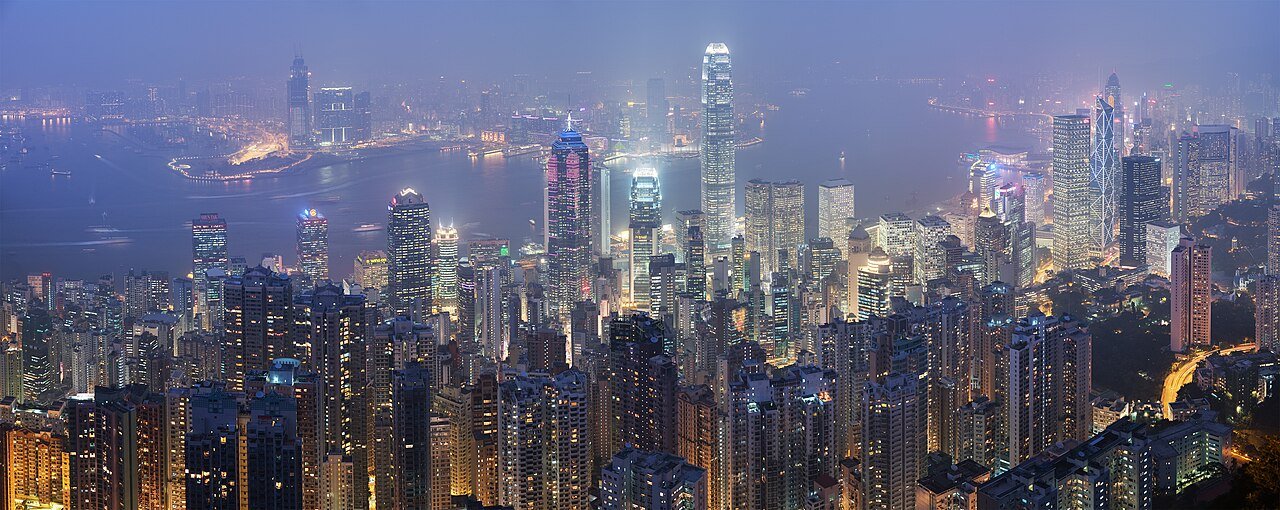
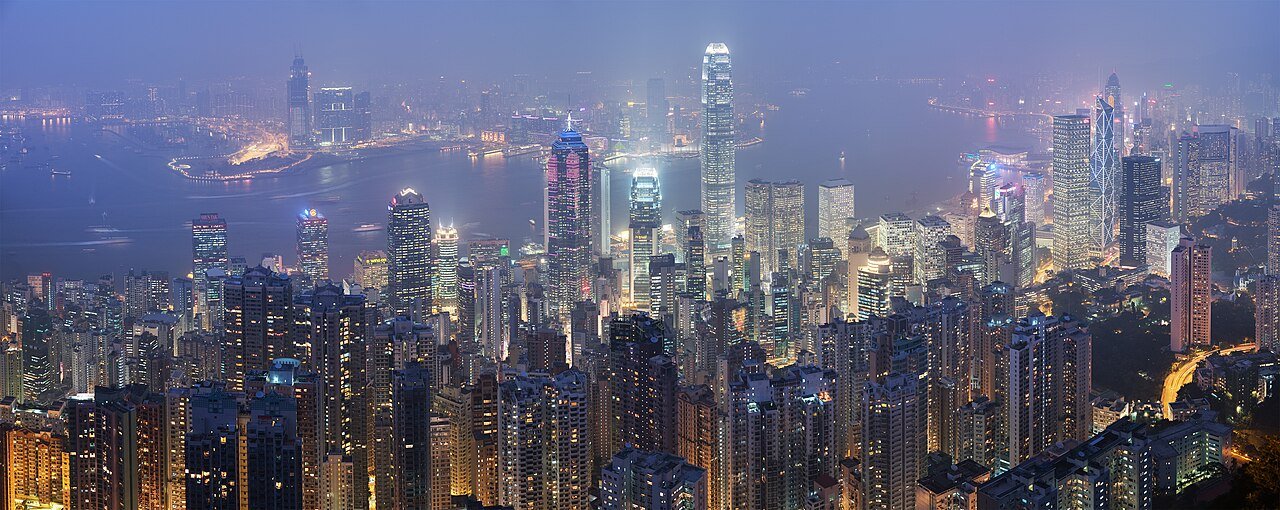
Victoria Peak
The iconic skyline view, reached by the historic Peak Tram.
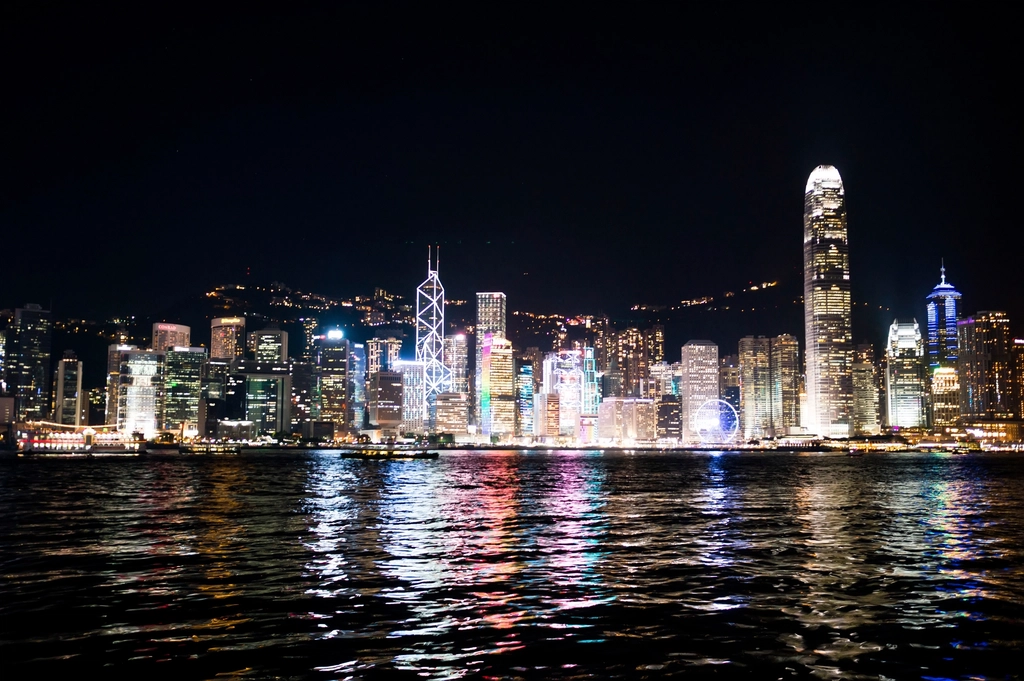
Victoria Harbour
Star Ferry rides and the nightly Symphony of Lights show.
Big Buddha
Lantau’s Tian Tan Buddha and Po Lin Monastery by cable car.
Food & dim sum
From Michelin street food to classic teahouses.
Markets & malls
Temple Street, Ladies’ Market and glitzy shopping.
Islands & nature
Beaches, hikes and laid-back outlying islands.
Whether you want city buzz, incredible food, family fun at Disneyland and Ocean Park, or a quick taste of Asia on a stopover, Hong Kong packs it all into a compact, efficient and exciting destination.
Hong Kong is a city of contrasts — skyscrapers and temples, dim sum and Michelin stars, neon streets and green hills, all minutes apart.
Part 2 of 8
Visas and getting to Hong Kong
Hong Kong is easy for Indian travellers, with visa-free entry after a simple online step, and good flight links.
Visa: Indian passport holders can visit Hong Kong visa-free for up to 14 days for tourism, but you must first complete the free online Pre-arrival Registration (PAR) before travelling. The registration is quick, valid for six months and allows multiple entries within that period. Always confirm current rules before booking.
By air: Cathay Pacific, IndiGo and others operate direct flights from Delhi, Mumbai and Bengaluru to Hong Kong International Airport (HKIA), with many one-stop options too. The airport is among the world’s best and links to the city in about 24 minutes by the Airport Express train.
Pro tip
Complete the free Pre-arrival Registration online before you fly — without it, airlines may not let you board. Buy an Octopus card on arrival for seamless travel on the metro (MTR), buses, trams and ferries.
Getting around: Hong Kong’s MTR metro is fast, cheap and covers the whole city, supplemented by iconic trams, buses, the Star Ferry and taxis. An Octopus card works across all of them and even in many shops, making getting around effortless.
Part 3 of 8
Best time to visit Hong Kong
Hong Kong’s subtropical climate means hot, humid summers and mild winters, so timing affects comfort.
| Season | Months | What to expect |
|---|---|---|
| Autumn | Oct–Dec | The best time — cool, dry, clear skies, ideal for views and walking. |
| Winter | Jan–Feb | Mild and pleasant, occasionally chilly; good for sightseeing. |
| Spring | Mar–Apr | Warming up and humid, sometimes foggy, with rising greenery. |
| Summer | May–Sep | Hot, very humid and rainy, with a typhoon risk that can disrupt travel. |
For clear skyline views and comfortable exploring, visit between October and December. Winter is also pleasant, while summer is hot, humid and prone to typhoons that can ground flights and ferries. Crowds and prices peak around Chinese New Year, so check the dates if you prefer to avoid the busiest period.
Part 4 of 8
Costs and budgeting for Indians
Hong Kong can be pricey, but smart choices keep it affordable, helped by cheap transport and street food. Here is a realistic per-person, per-day guide for 2026, excluding international flights.
| Style | Daily budget | What it covers |
|---|---|---|
| Budget | $50–80 | Hostels or guesthouses, street food, MTR travel and free sights. |
| Mid-range | $120–200 | Good hotels, mix of dining, attractions and the odd taxi. |
| Premium | $300+ | Harbour-view hotels, fine dining, shopping and private tours. |
Accommodation is the biggest cost, as space is at a premium, so book early and consider Kowloon for value. Food ranges from cheap, brilliant street eats and cha chaan teng diners to Michelin-starred dining. Transport is excellent value via the Octopus card, and many top experiences — the harbour, markets, hikes — are free or cheap.
Good to know
Hong Kong is very safe with low crime and easy navigation in English. Watch for pickpockets in crowded markets, stay hydrated in summer humidity, and monitor typhoon warnings in the wet season, when services may pause.
Part 5 of 8
Where to stay, what to eat and top experiences
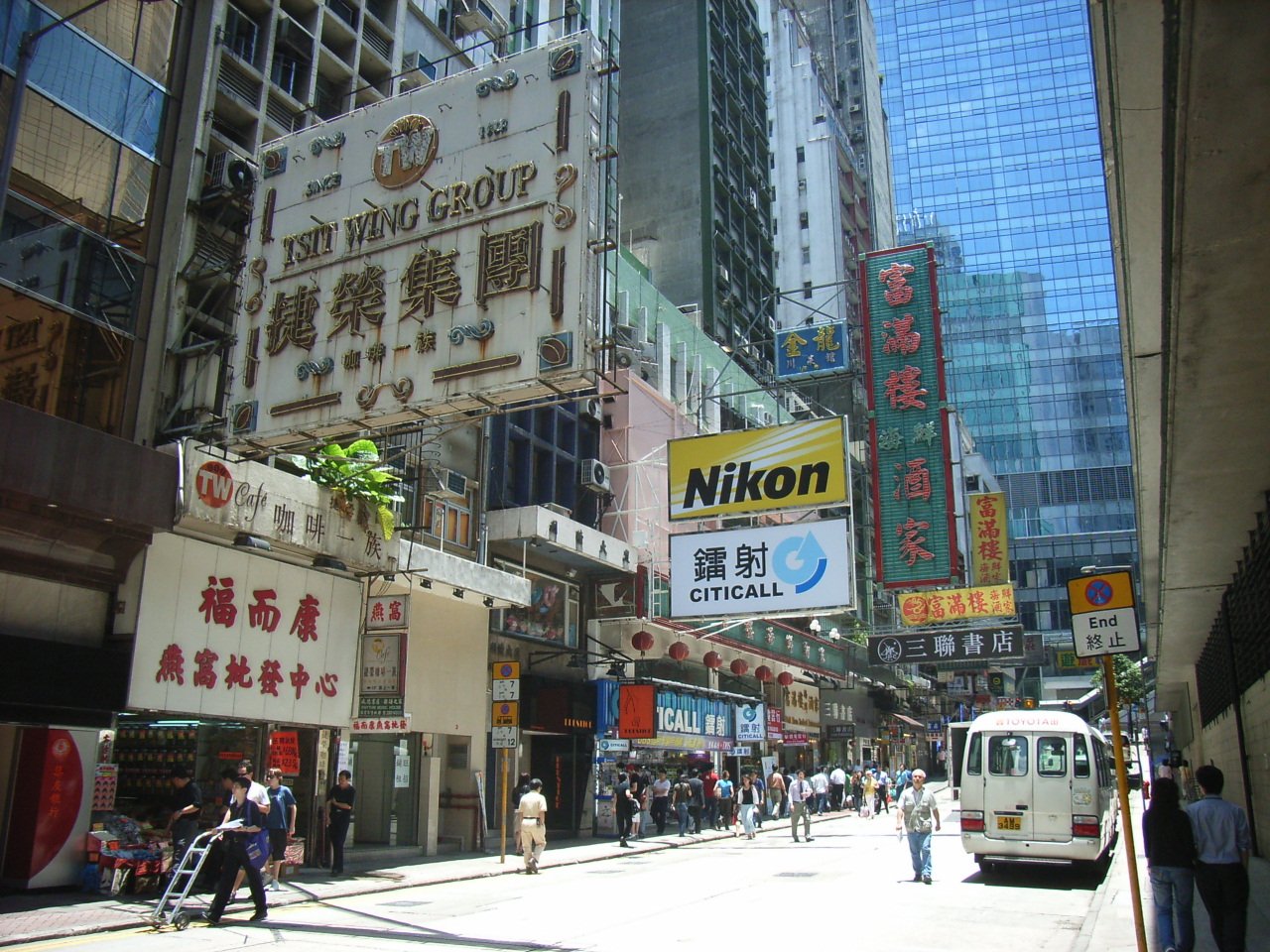
Where to stay: Tsim Sha Tsui in Kowloon offers harbour views, shopping and good value; Causeway Bay and Wan Chai on Hong Kong Island are central and lively; and Central is upscale and convenient. Staying near an MTR station is the key to an easy trip.
What to eat: Hong Kong is a food paradise — dim sum, roast meats, wonton noodles, egg tarts and milk tea at cha chaan teng, plus everything from street stalls to Michelin restaurants. Vegetarians can find Buddhist and international options, though it helps to seek them out. Don’t miss a classic dim sum brunch.
Peak Tram
Ride up Victoria Peak for the skyline panorama.
Symphony of Lights
Watch the nightly harbour light show from the waterfront.
Lantau & Big Buddha
Cable car to Ngong Ping and the Tian Tan Buddha.
Night markets
Browse Temple Street and the Ladies’ Market.
For more, ride the Star Ferry, explore Disneyland or Ocean Park with kids, hike the Dragon’s Back trail, and shop from Mong Kok’s markets to Central’s malls.
Part 6 of 8
A 3-4 day Hong Kong itinerary
This compact route hits the highlights, perfect for a short break or extended stopover.
Day 1 — Hong Kong Island: Victoria Peak by tram, Central and the Mid-Levels escalator, then the harbourfront for the evening Symphony of Lights.
Day 2 — Kowloon: The Star Ferry, Tsim Sha Tsui promenade and museums, Wong Tai Sin Temple, and the Temple Street and Ladies’ markets after dark.
Day 3 — Lantau Island: Ngong Ping cable car to the Big Buddha and Po Lin Monastery, plus Tai O fishing village or Disneyland.
Day 4 — Your choice: A hike like the Dragon’s Back, a beach, more shopping and food, or a day trip to Macau by ferry.
Pro tip
Cluster sights by area to minimise travel, and ride the Star Ferry at dusk for a cheap, magical harbour crossing. A day trip to Macau pairs well if you have an extra day.
Part 7 of 8
Practical tips for Indian travellers
A few practical pointers make a Hong Kong trip seamless.
Do the PAR
Complete the free Pre-arrival Registration online before flying.
Get an Octopus
One card for metro, buses, trams, ferries and many shops.
Plan veg meals
Seek out Buddhist and Indian restaurants for variety.
Watch the weather
Avoid typhoon season; carry an umbrella for sudden rain.
Hong Kong is one of the easiest international cities for Indian travellers — compact, safe, English-friendly and superbly connected, with a short flight and visa-free entry after the simple online registration. The MTR and Octopus card make getting around effortless, and there is excellent Indian food in areas like Tsim Sha Tsui if you want familiar flavours.
Carry some Hong Kong dollars for street stalls and small shops, though cards and the Octopus are widely accepted. Stay alert to typhoon warnings in summer, dress for the humidity, and respect local customs at temples. With its mix of skyline, food, culture and nature in a tiny, efficient package, Hong Kong rewards even a short visit handsomely and pairs perfectly with a stopover or a wider Asia trip.
Part 8 of 8
Frequently asked questions
Do Indians need a visa for Hong Kong?
Indians can visit Hong Kong visa-free for up to 14 days for tourism, but must first complete the free online Pre-arrival Registration (PAR), which is valid for six months and allows multiple entries. Without it, airlines may deny boarding. Confirm current rules before booking.
Are there direct flights from India to Hong Kong?
Yes. Cathay Pacific, IndiGo and others fly direct from Delhi, Mumbai and Bengaluru to Hong Kong International Airport, with many one-stop options too. The Airport Express links the airport to the city in about 24 minutes.
When is the best time to visit Hong Kong?
October to December offers cool, dry and clear weather ideal for skyline views and walking. Winter is also pleasant, while summer is hot, humid and prone to typhoons. Avoid Chinese New Year if you prefer fewer crowds and lower prices.
Is Hong Kong expensive for Indian travellers?
It can be, mainly for accommodation, but transport and street food are great value. Budget travellers manage on $50–80 a day, mid-range trips run $120–200, and premium stays from $300. Booking hotels early and eating local keeps costs down.
How many days do I need in Hong Kong?
Three to four days covers the highlights — Victoria Peak, the harbour, Kowloon’s markets and Lantau’s Big Buddha. Add a day for a hike, a beach or a Macau day trip. It also makes an excellent two- to three-day stopover.
How do I get around Hong Kong?
The MTR metro is fast, cheap and extensive, complemented by trams, buses, the Star Ferry and taxis. Buy an Octopus card on arrival to tap across all transport and many shops, making getting around effortless and cashless.
Is Hong Kong good for vegetarians?
Yes, with a little planning. You will find Buddhist vegetarian restaurants, international options and Indian eateries, especially around Tsim Sha Tsui. Many dim sum and noodle dishes contain meat or seafood, so it helps to seek out dedicated vegetarian spots.
Can I combine Hong Kong with Macau?
Easily. Macau is about an hour away by ferry (or via the bridge) and makes a great day trip, blending Portuguese heritage, casinos and food. If you have an extra day, it pairs perfectly with a Hong Kong itinerary.
What is the Octopus card and do I need one?
The Octopus is a rechargeable stored-value card you tap to pay on the MTR, buses, trams, the Star Ferry and at many shops and convenience stores. It is the easiest way to get around Hong Kong cashlessly. Buy one at the airport or any MTR station on arrival and top it up as needed.
Is Hong Kong good for a stopover?
Excellent. With a fast airport link, visa-free entry after the online registration, and so much packed into a small area, Hong Kong is ideal for a one- to three-day stopover on the way to or from East Asia. You can ride the Peak Tram, see the harbour light show and eat dim sum even in a short window.
The bottom line
Hong Kong is one of Asia’s most exciting and accessible cities — a stunning skyline, world-class food, vibrant markets and easy escapes to islands and hills, all in a compact, ultra-efficient package. Complete the free online registration, travel between October and December, grab an Octopus card, and base yourself near an MTR station. Whether as a short break, a family trip or a stopover, Hong Kong rewards Indian travellers with an unforgettable burst of energy, culture and flavour.
Related reading
 Bangkok Pattaya Itinerary: 5-Day Thailand Plan (2026)
 Singapore Malaysia Itinerary: 7 Days from India (2026)
 Thailand + Cambodia 10-Day Itinerary for Indians (2026)
Photos sourced from Wikimedia Commons under their respective Creative Commons licences. Visa, flight and travel details are indicative for 2026; confirm current visa rules and advisories before you travel.