Kuala Lumpur Travel Guide 2026 — Petronas, Batu Caves, Food & Tips
Last updated: July 8, 2026
Kuala Lumpur, Malaysia’s dynamic capital, is a dazzling mix of soaring skyscrapers, golden temples, colonial architecture and multicultural buzz. Crowned by the iconic Petronas Twin Towers and home to the spectacular Batu Caves, vibrant street markets, lush parks and some of Asia’s best and cheapest food, KL blends modern glamour with Malay, Chinese and Indian heritage. Affordable, easy and welcoming, with a large Indian community, it is a fantastic city destination for Indian travellers.
This 2026 guide for Indian travellers covers visas and flights, the best time to go, what it costs, where to stay and eat, and how to make the most of a few days in Kuala Lumpur.
- Visa: Malaysia currently offers visa-free entry for Indian tourists for short stays — confirm the latest rules before travel.
- Getting there: Direct and one-stop flights from many Indian cities to Kuala Lumpur International Airport.
- Best time: Visitable year-round; May to July and December to February are slightly drier.
- Don’t miss: The Petronas Towers, Batu Caves, KL Tower, Chinatown and the food.
Part 1 of 8
Why Kuala Lumpur belongs on your list
Kuala Lumpur offers world-class sights at a fraction of Western prices. Marvel at the gleaming Petronas Twin Towers and the views from the KL Tower, climb the colourful steps to the Hindu shrines of the Batu Caves, explore bustling Chinatown and the Central Market, relax in the KLCC park, and shop in vast malls. With its blend of cultures, brilliant street food and easy day trips, KL is a vibrant, affordable and friendly Southeast Asian capital.
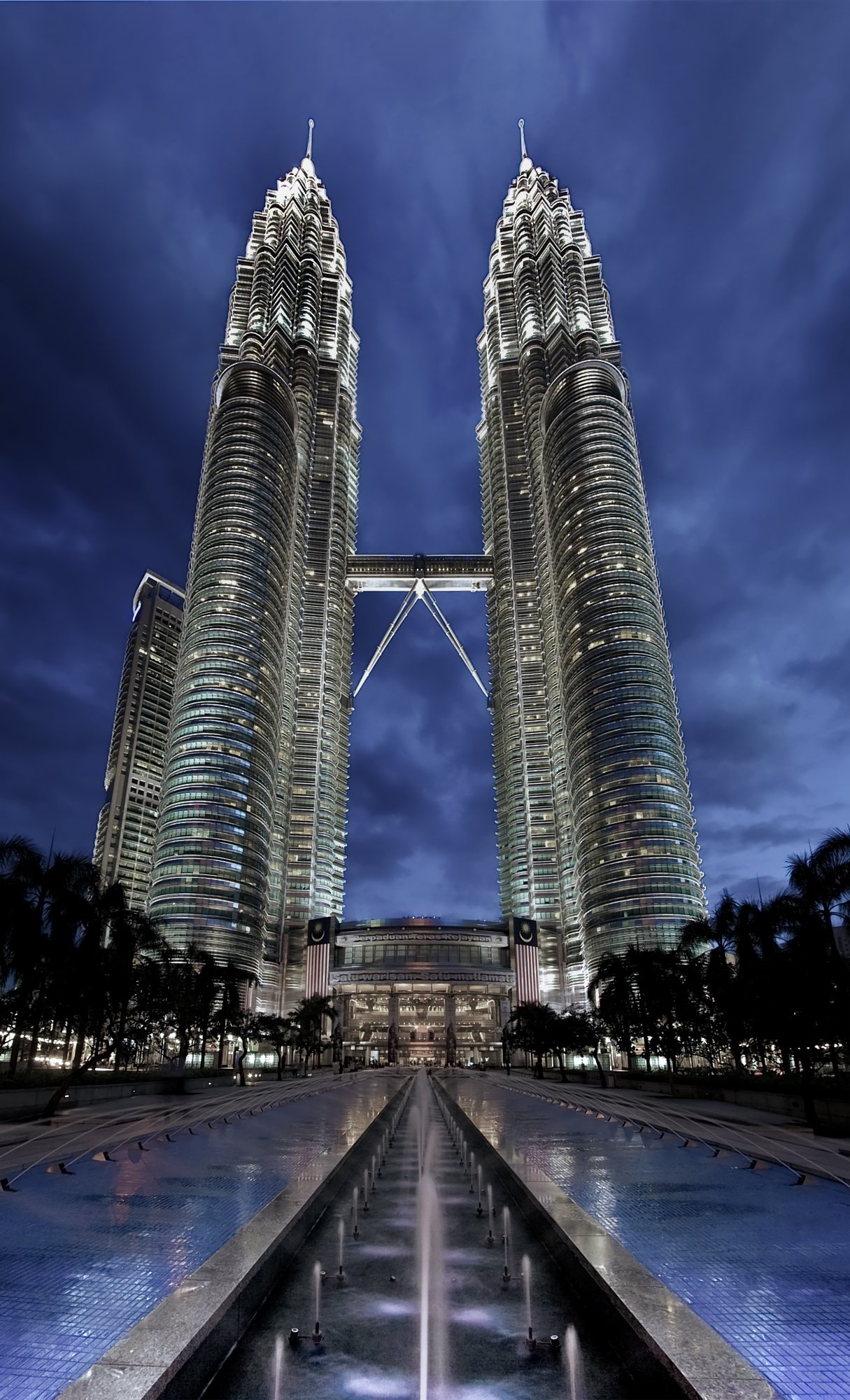
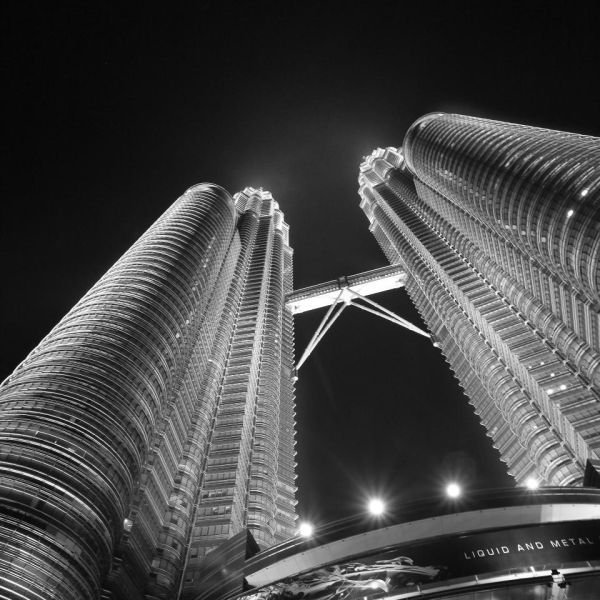
Petronas Towers
The iconic twin towers and skybridge.
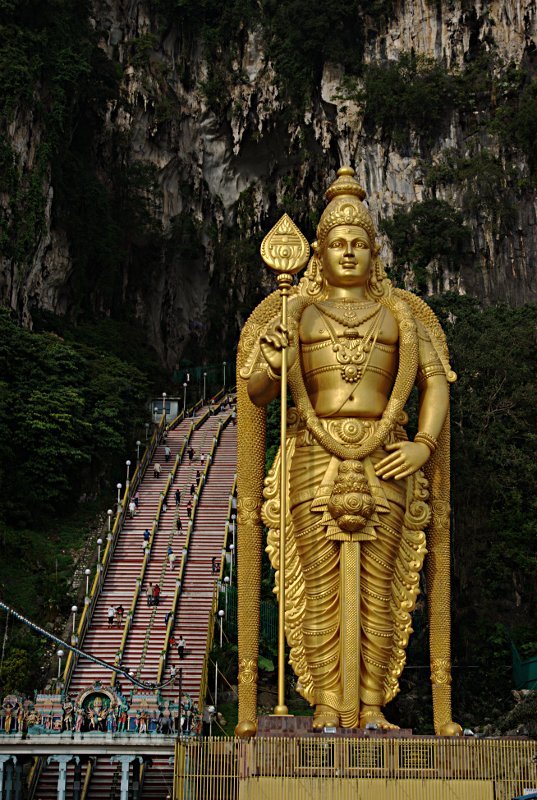
Batu Caves
Colourful steps and Hindu cave temples.
KL Tower
Sweeping city views from the observation deck.
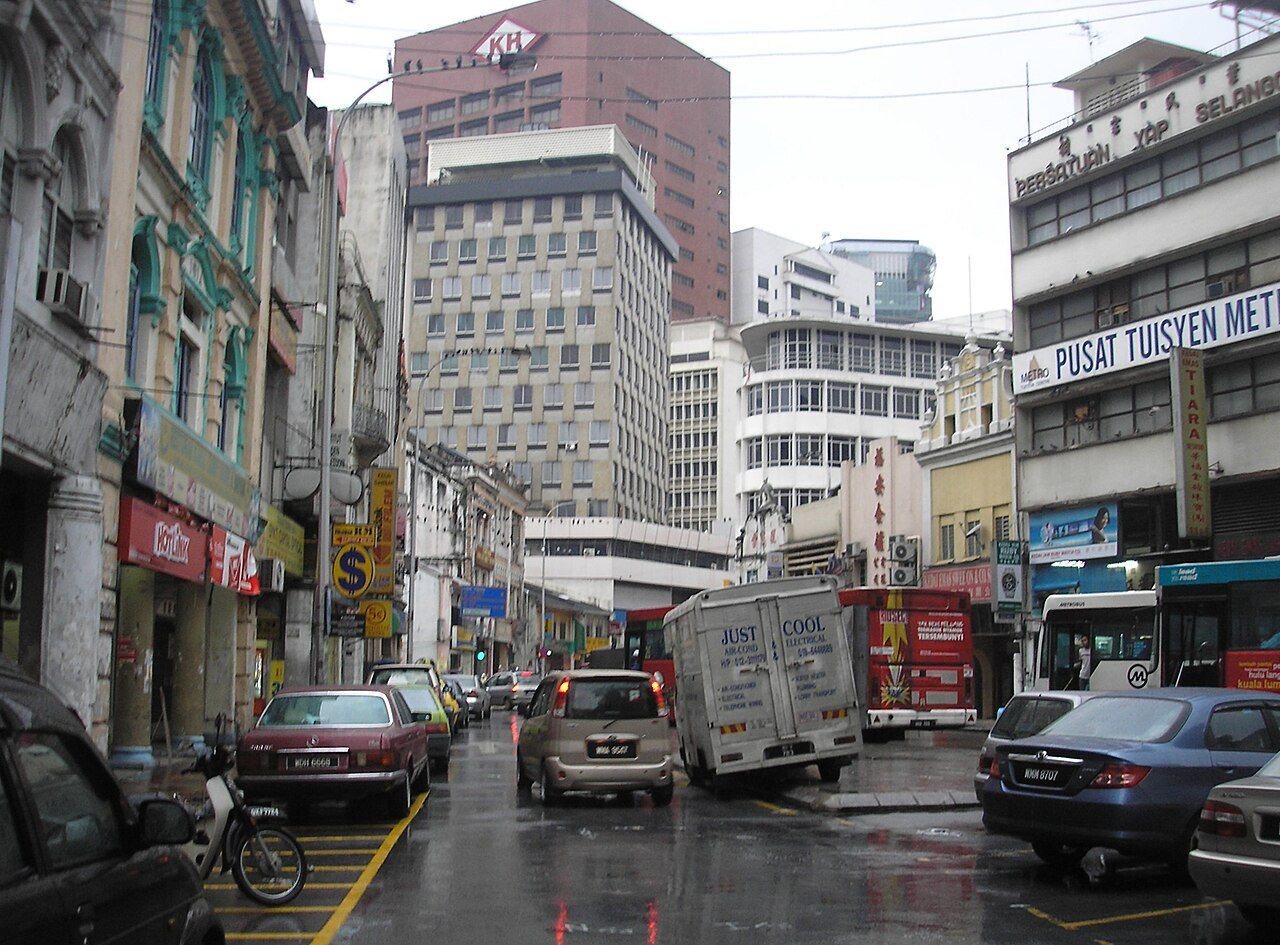
Chinatown
Petaling Street market and street food.
Heritage
Merdeka Square, mosques and colonial buildings.
Food paradise
Malay, Chinese and Indian flavours, cheaply.
Whether you want skyscrapers, temples, shopping, culture or unbeatable food, Kuala Lumpur delivers an exciting, great-value city break, and pairs beautifully with Langkawi, Penang or Singapore for a fuller trip.
Kuala Lumpur is Asia in one city — twin towers and cave temples, three cultures and incredible food, all at a brilliant-value pace.
Part 2 of 8
Visas and getting to Kuala Lumpur
KL is easy to reach from India and a great hub for the region.
Visa: Malaysia currently offers visa-free entry for Indian tourists for short stays, making a KL trip especially easy. Rules and the permitted duration can change, so always confirm the latest entry requirements before booking.
By air: Direct and one-stop flights connect many Indian cities to Kuala Lumpur International Airport (KLIA), including low-cost carriers, with competitive fares. The KLIA Ekspres train and buses link the airport to the city centre quickly.
Pro tip
Take the KLIA Ekspres train into the city instead of a taxi to save time and money. Use the integrated rail (LRT/MRT/monorail) and Grab to get around, and base yourself near a station in the city centre.
Getting around: KL’s LRT, MRT and monorail trains are cheap and cover the main sights, supplemented by Grab (ride-hailing) and buses, including a free city centre bus (GoKL). The integrated rail makes getting around easy and affordable.
Part 3 of 8
Best time to visit Kuala Lumpur
KL is hot and humid year-round with no real seasons, so timing is mainly about rain and events.
| Period | What to expect |
|---|---|
| May–Jul | Among the drier, more pleasant months for sightseeing. |
| Dec–Feb | Relatively drier with festive events; popular and a little busier. |
| Sep–Nov | Wetter months with more afternoon downpours (often short). |
| Year-round | Hot and humid always — carry an umbrella and stay hydrated. |
You can visit Kuala Lumpur any time, as it stays warm throughout. May–July and December–February tend to be slightly drier and pleasant, while the wetter months bring short, heavy afternoon showers rather than all-day rain. Festivals like Thaipusam (at Batu Caves) and Chinese New Year add colour but also crowds, so check dates.
Part 4 of 8
Costs and budgeting for Indians
Kuala Lumpur is excellent value, with cheap food, transport and accommodation. Here is a realistic per-person, per-day guide for 2026, excluding international flights.
| Style | Daily budget | What it covers |
|---|---|---|
| Budget | $30–55 | Hostels or budget hotels, hawker food, trains, free and cheap sights. |
| Mid-range | $70–130 | Good hotels, mix of dining, attractions and some Grab rides. |
| Luxury | $200+ | 5-star hotels, fine dining, tower decks and private tours. |
Hawker and food-court meals are delicious and cheap, the integrated rail is inexpensive, and many sights (Batu Caves, Merdeka Square, parks) are free or cheap. The main paid attractions are the Petronas skybridge and KL Tower. Carry Malaysian ringgit; cards work in malls and hotels, but cash is handy for stalls and markets.
Good to know
KL is generally safe and welcoming. Watch for petty theft and bag-snatching in crowded areas, use Grab or licensed taxis, and respect local customs — dress modestly at mosques and temples, and be mindful during prayer times and Ramadan. Stay hydrated in the heat.
Part 5 of 8
Where to stay, what to eat and top experiences
Where to stay: The KLCC area (near the Petronas Towers) is central and upscale; Bukit Bintang is the lively shopping and nightlife hub with many hotels; and Chinatown offers budget stays and street food. Staying near a rail station in the centre keeps everything within easy reach.
What to eat: KL is a food paradise blending Malay, Chinese and Indian cuisines — nasi lemak, satay, char kway teow, roti canai, banana-leaf meals and laksa, plus superb Indian food and abundant vegetarian and halal options (halal is the norm). Indian travellers eat extremely well and cheaply here.
Petronas Towers
Visit the skybridge and KLCC park.
Batu Caves
Climb the colourful steps to the cave temples.
KL Tower
Panoramic views and the skydeck.
Chinatown & markets
Petaling Street and the Central Market.
For more, explore Merdeka Square and the colonial quarter, the Islamic Arts Museum, the Bird Park and Botanical Gardens, the Bukit Bintang shopping district, and take a day trip to Genting Highlands or the Batu Caves.
Part 6 of 8
A 2-3 day Kuala Lumpur itinerary
This route covers KL’s highlights at a comfortable pace.
Day 1 — Modern KL: The Petronas Twin Towers and KLCC park, the KL Tower for views, and Bukit Bintang for shopping and dining in the evening.
Day 2 — Culture & heritage: The Batu Caves in the morning, then Merdeka Square, the colonial quarter, Chinatown’s Petaling Street and the Central Market.
Day 3 — More sights or a day trip: The Islamic Arts Museum, Bird Park and Botanical Gardens, or a day trip to Genting Highlands or Putrajaya before departing.
Extend: Combine KL with Langkawi, Penang or Singapore for a fuller Malaysia/Southeast Asia trip.
Pro tip
Visit the Batu Caves early to beat the heat and crowds, and book Petronas skybridge tickets online in advance as they sell out. Use the integrated rail and Grab to hop efficiently between the spread-out sights.
Part 7 of 8
Practical tips for Indian travellers
A few pointers make a KL trip smoother.
Check visa rules
Confirm Malaysia’s current visa-free entry terms for Indians.
Use the rail
Cheap LRT/MRT/monorail plus Grab to get around.
Eat at hawkers
Cheap, delicious Malay, Chinese and Indian food.
Carry an umbrella
Short afternoon downpours are common.
Kuala Lumpur is one of the easiest and best-value international cities for Indian travellers — visa-free entry, widely spoken English, a huge Indian community, superb and cheap Indian, halal and vegetarian food, and excellent public transport. Use the integrated rail and Grab to get around, and base yourself near a station in the centre.
Visit the Batu Caves early, book the Petronas skybridge online in advance, and take advantage of the many free and cheap sights. Watch for petty theft in crowds, dress modestly at mosques and temples, carry some ringgit for stalls and an umbrella for afternoon showers, and stay hydrated in the heat. With its skyscrapers, temples, culture and food, KL rewards Indian travellers with an exciting, affordable city break and a gateway to the region.
Part 8 of 8
Frequently asked questions
Do Indians need a visa for Kuala Lumpur (Malaysia)?
Malaysia currently offers visa-free entry for Indian tourists for short stays, making a Kuala Lumpur trip especially easy. However, the rules and permitted duration can change, so always confirm the latest entry requirements and any conditions before you travel.
How do I reach Kuala Lumpur from India?
Direct and one-stop flights connect many Indian cities to Kuala Lumpur International Airport (KLIA), including low-cost carriers, with competitive fares. The KLIA Ekspres train and buses quickly link the airport to the city centre, making arrival easy and affordable.
When is the best time to visit Kuala Lumpur?
KL is warm and visitable year-round. May–July and December–February tend to be slightly drier and pleasant, while the wetter months bring short afternoon showers rather than all-day rain. Festivals like Thaipusam and Chinese New Year add colour but also crowds, so check dates.
How much does a Kuala Lumpur trip cost?
KL is excellent value. Excluding flights, budget travellers manage on $30–55 a day, mid-range trips $70–130, and luxury stays $200 plus. Hawker food and the rail are cheap, many sights are free or low-cost, and the Petronas skybridge and KL Tower are the main paid attractions.
Is Kuala Lumpur good for vegetarians and Indian travellers?
Excellent. With a large Indian community, KL has superb and cheap Indian food, banana-leaf meals and abundant vegetarian and halal options (halal is the norm). Combined with visa-free entry, English widely spoken and great transport, it is one of the most Indian-friendly cities in the region.
How many days do I need in Kuala Lumpur?
Two to three days cover the highlights — the Petronas Towers, KL Tower, Batu Caves, Chinatown and the heritage quarter. Add a day for the Islamic Arts Museum, parks or a day trip to Genting Highlands, or combine KL with Langkawi, Penang or Singapore for a longer trip.
What are the must-see attractions in Kuala Lumpur?
The Petronas Twin Towers and skybridge, the Batu Caves with their colourful steps and Hindu shrines, the KL Tower for views, Chinatown’s Petaling Street, and Merdeka Square and the colonial quarter are the highlights. The Islamic Arts Museum and Bird Park are great additions.
Is Kuala Lumpur safe for tourists?
KL is generally safe and welcoming. Watch for petty theft and bag-snatching in crowded areas, use Grab or licensed taxis, and take standard city precautions. Respect local customs by dressing modestly at mosques and temples, and be mindful during prayer times and Ramadan.
Can I combine Kuala Lumpur with other destinations?
Yes. KL is a major regional hub, so it pairs easily with Langkawi or Penang within Malaysia, or with Singapore (a short flight or scenic train/bus away), and Bangkok or Bali. Many travellers use KL as a stopover or the start of a wider Southeast Asia trip, splitting costs across multiple destinations.
Is Kuala Lumpur good for families?
Very much so. KL is safe, affordable and full of family-friendly attractions — the Petronas towers and park, the KL Tower, the Bird Park, Aquaria KLCC, the Batu Caves and easy day trips to Genting Highlands theme parks. With cheap food, good transport and plenty of indoor options for the heat, it makes an easy family city break.
The bottom line
Kuala Lumpur is an exciting, great-value Southeast Asian capital — the iconic Petronas Towers, the colourful Batu Caves, vibrant Chinatown, a rich blend of Malay, Chinese and Indian cultures, and some of Asia’s best and cheapest food. Confirm Malaysia’s current visa-free rules, use the cheap integrated rail and Grab, visit the Batu Caves early and book the skybridge online. With superb Indian food, English everywhere and easy regional connections, KL rewards Indian travellers with a vibrant, affordable city break and a perfect gateway to Malaysia and beyond.
Related reading
 Singapore Malaysia Itinerary: 7 Days from India (2026)
 Malaysia 7-Day Itinerary 2026 — Kuala Lumpur, Penang & Langkawi
 Istanbul Travel Guide 2026 — Hagia Sophia, Bazaars, Bosphorus & Tips
Photos sourced from Wikimedia Commons under their respective Creative Commons licences. Visa, flight and travel details are indicative for 2026; confirm current visa rules and prices before you travel.