Leh Ladakh 7-Day Itinerary 2026 — Nubra, Pangong & Safe Acclimatisation
Last updated: July 8, 2026
Leh-Ladakh is the great Indian Himalayan adventure — a high-altitude desert of moonscape mountains, electric-blue lakes, ancient Buddhist monasteries and some of the highest motorable passes on earth. Over seven days you can acclimatise in Leh, visit centuries-old gompas, cross the legendary Khardung La into the Nubra Valley’s sand dunes, and stand on the shores of the surreal Pangong Lake. It is challenging, remote and utterly unforgettable, and with the right pacing it is well within reach of any traveller seeking a once-in-a-lifetime trip.
This 2026 itinerary guide for Indian travellers covers permits and how to get there, the best time to go, what it costs, a day-by-day plan with crucial acclimatisation, where to stay and eat, and the practical tips for a safe Ladakh journey.
- Getting there & permits: Fly to Leh (IXL) or drive the Manali/Srinagar highways in summer; Indians need Inner Line Permits for Nubra, Pangong and other areas.
- Best time: May/June to September, when the roads and high passes are open.
- Budget: ₹3,000–8,000 per day, including a vehicle, permits and stays.
- Don’t miss: Leh’s monasteries, Khardung La and the Nubra Valley, and Pangong Lake.
Part 1 of 8
Why a Ladakh trip works so well
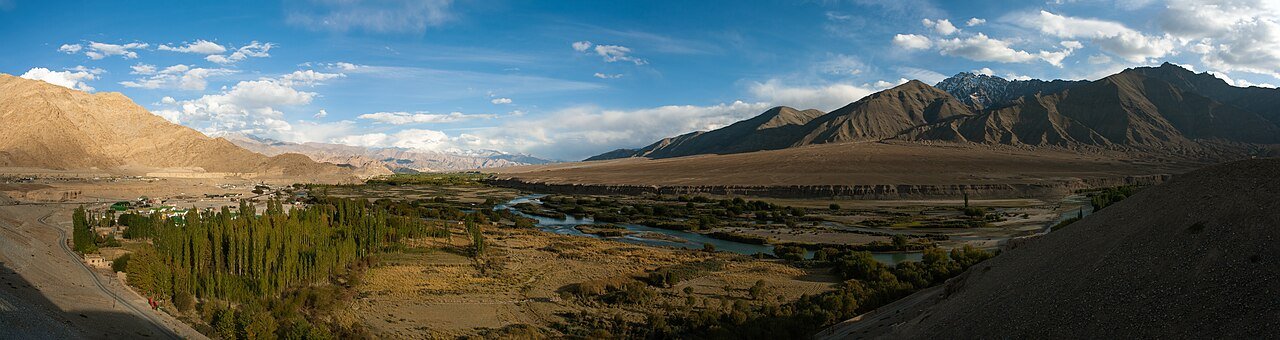
Nowhere else in India looks or feels like Ladakh. The landscapes are vast and stark — bare ochre mountains, green river oases, turquoise lakes and prayer-flag-draped passes — and the Buddhist culture is rich and living. A week lets you acclimatise safely, see the monasteries and the iconic high-altitude sights, and experience the thrill of crossing some of the world’s highest roads, all in one epic Himalayan adventure.
Pangong Lake
The vast, colour-shifting lake at over 4,300 m near the frontier.
Monasteries
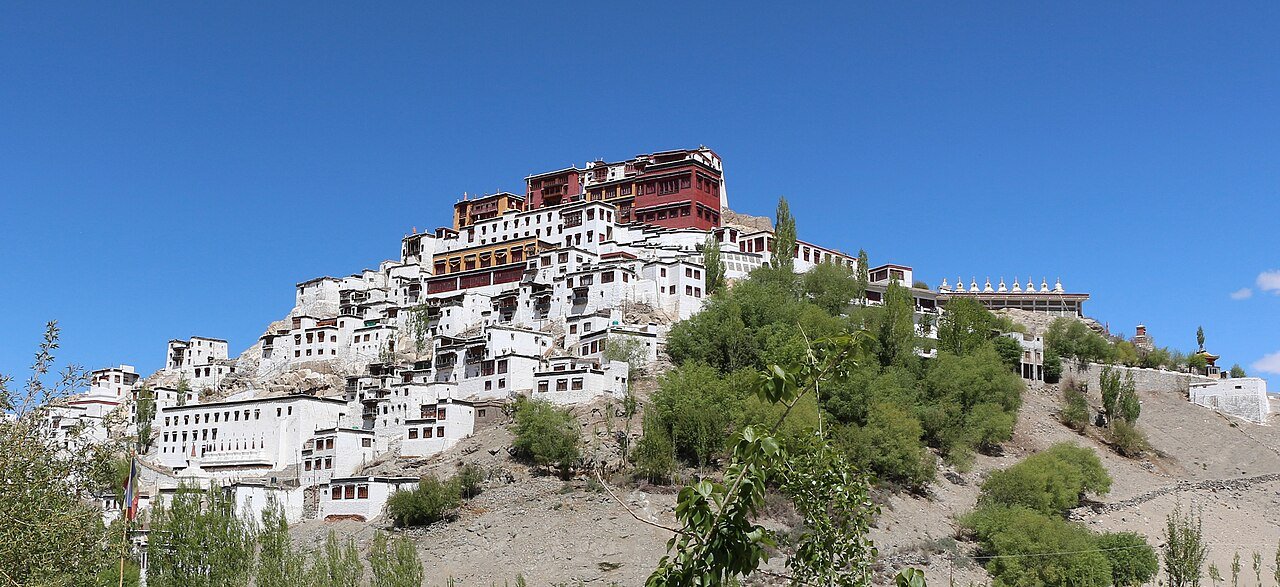
Thiksey, Hemis, Diskit and Lamayuru, perched amid the mountains.
Nubra Valley
Sand dunes, Bactrian camels and green oasis villages.
Khardung La
One of the world’s highest motorable passes, en route to Nubra.
Leh & around
The palace, Shanti Stupa, Magnetic Hill and the Indus–Zanskar Sangam.
Living culture
Prayer wheels, gompas and warm Ladakhi hospitality.
Whether you come for the landscapes, the monasteries or the sheer adventure of the high passes, Ladakh delivers one of the most spectacular and soul-stirring journeys in India.
Ladakh is another planet within India — ochre mountains, electric lakes and the highest roads on earth, all under an impossibly blue Himalayan sky.

Part 2 of 8
Getting there and permits
Ladakh is reached by a dramatic flight or two legendary mountain highways, and several areas require permits for Indian travellers.
By air: Flying into Leh (Kushok Bakula Rimpochee Airport, IXL), with direct flights from Delhi, is the quickest option — but it drops you straight to 3,500 m, so a full rest day to acclimatise is essential.
By road: In summer (roughly June–September), the Manali–Leh and Srinagar–Leh highways offer spectacular, gradual-acclimatisation drives over high passes. These close in winter.
Permits: Indian nationals do not need a permit for Leh itself, but do need Inner Line Permits for areas like Nubra, Pangong, Tso Moriri and Khardung La, easily arranged online or via the Leh DC office (operators usually handle this).
Pro tip
If you fly in, do nothing strenuous on day one — altitude sickness is the biggest risk in Ladakh. Driving in via Manali or Srinagar lets you acclimatise more gradually, which many travellers find easier on the body.
Getting around: Hire a vehicle with a local driver (taxis run on union rates), as the distances are huge and the high-altitude driving demanding. Bike trips are popular but only for experienced, acclimatised riders.
Part 3 of 8
Best time for this trip
Ladakh’s high passes and lake roads are only open in the warmer months, so timing is critical.
| Season | Months | What to expect |
|---|---|---|
| Early season | May–Jun | Roads opening, snow-lined passes and fewer crowds; some high routes may still be clearing. |
| Peak | Jul–Aug | All passes open, warmest weather and the most reliable access to Nubra and Pangong. |
| Late season | Sep | Clear skies, golden light and thinning crowds — a beautiful time to visit. |
| Winter | Oct–Apr | Bitterly cold with most roads closed; only for the Chadar trek and hardy travellers. |
For the full circuit including Nubra and Pangong, come between roughly June and September, when the high passes are reliably open. Avoid winter unless you are specifically attempting the frozen-river Chadar trek and are well prepared for extreme cold.
Part 4 of 8
Costs and budgeting for Indians
Ladakh is a bit pricier than many Indian destinations because of its remoteness, vehicles and permits. Here is a realistic per-person, per-day guide for 2026, excluding flights.
| Style | Daily budget | What it covers |
|---|---|---|
| Backpacker | ₹2,000–3,500 | Guesthouses, shared taxis or tours, local food and permits. |
| Mid-range | ₹4,000–8,000 | Comfortable hotels and camps, a private vehicle with driver, permits and good meals. |
| Premium | ₹12,000+ | Boutique stays and luxury camps, private guide and vehicle, curated experiences. |
Your biggest costs are the vehicle (priced on fixed union rates), accommodation, and the permits and entry fees for the high-altitude areas. Sharing a vehicle with a group brings the per-person cost down sharply. Carry cash, as ATMs are limited and connectivity is poor outside Leh, with prepaid SIMs often not working in the region.
Good to know
Altitude sickness is a genuine risk — acclimatise for at least a full day in Leh before going higher, ascend gradually, stay hydrated and avoid alcohol. Consult a doctor beforehand if you have heart or lung conditions.
Part 5 of 8
The 7-day Leh-Ladakh itinerary
This plan builds in proper acclimatisation before the high-altitude highlights.
Day 1 — Arrive & rest: Fly into Leh and take it very easy — rest, hydrate and acclimatise, with at most a gentle evening stroll.
Day 2 — Leh acclimatisation: Visit Leh’s low-key sights — the palace, Shanti Stupa, local market and nearby monasteries — to adjust to the altitude.
Day 3 — Monasteries & Sangam: Tour Thiksey and Hemis monasteries, Magnetic Hill and the Indus–Zanskar Sangam.
Days 4–5 — Nubra Valley: Cross Khardung La to Nubra for the Hunder sand dunes, Bactrian camels and Diskit monastery, staying overnight in the valley.
Days 6–7 — Pangong & return: Drive to the stunning Pangong Lake for a night by the water, then return to Leh for your departure.
Extend your trip: Add Tso Moriri and the Changthang plateau, the Lamayuru “moonland”, or arrive overland via the spectacular Manali–Leh or Srinagar–Leh highways.
Pro tip
Do not skip the two acclimatisation days at the start — they are the difference between a safe, enjoyable trip and serious altitude sickness. Resist the temptation to rush to Pangong or Nubra on day one or two.
Part 6 of 8
Where to stay, what to eat and experiences
Where to stay: Base yourself in Leh for the first few nights in a guesthouse or hotel, then use overnight stays in Nubra (Hunder camps or guesthouses) and by Pangong Lake (basic camps and homestays). Conditions are simpler at the high-altitude spots, so set expectations accordingly.
What to eat: Try Ladakhi and Tibetan dishes — thukpa, momos, skyu and butter tea — alongside the cafés of Leh, which serve everything from Israeli food to wholesome travellers’ fare. Eat light and hydrate well at altitude, and vegetarians are well catered for.
Monastery mornings
Catch prayers at Thiksey or Hemis early in the day.
Nubra dunes
Ride a Bactrian camel on the Hunder sand dunes.
Pangong night
Camp by the colour-shifting lake under a sky full of stars.
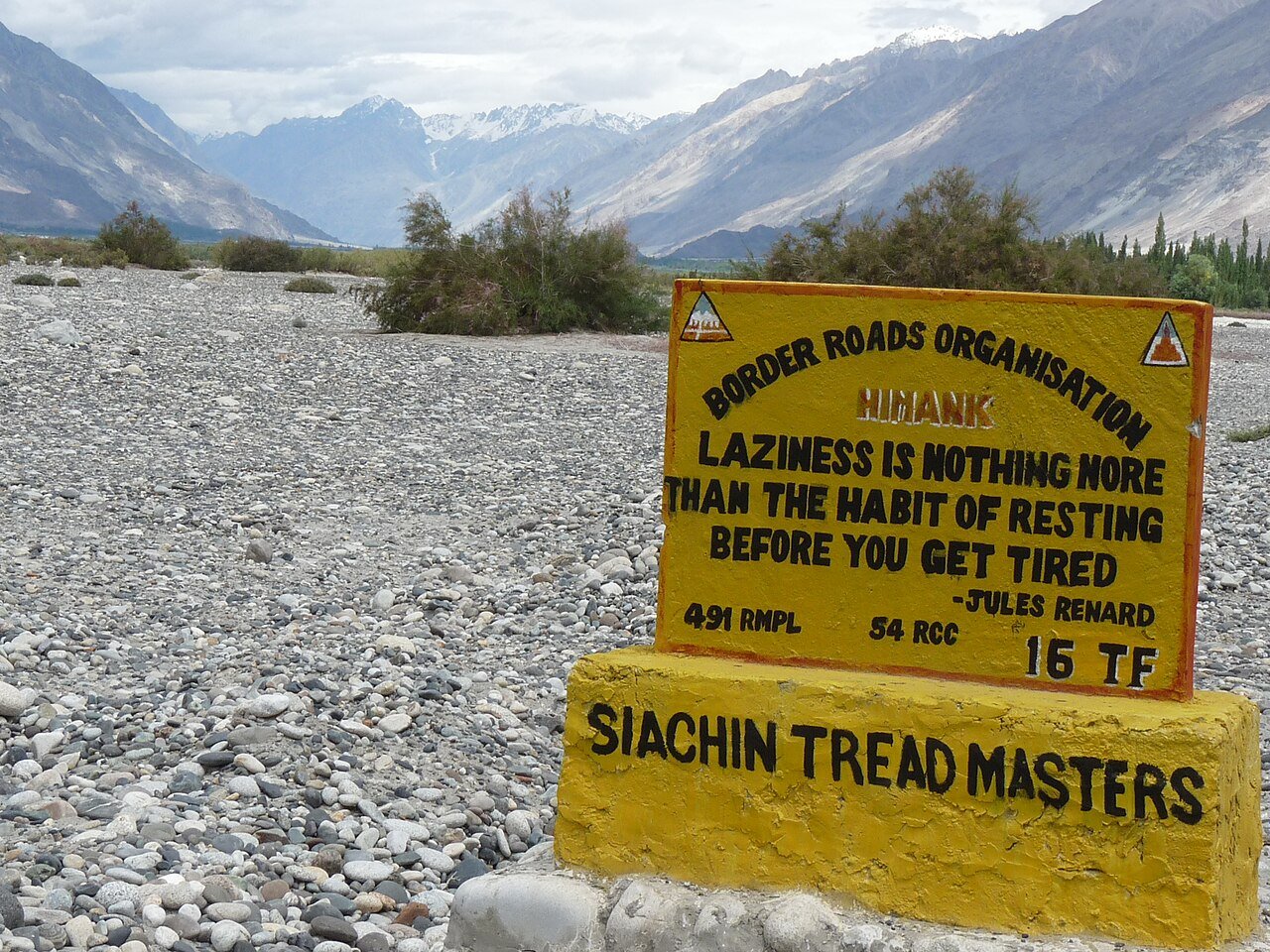
Khardung La
Stand atop one of the world’s highest motorable passes.
For more, add the dramatic Lamayuru monastery and “moonland”, the high lake of Tso Moriri, or a stargazing night in the clear Ladakhi skies.
Part 7 of 8
Practical tips for Indian travellers
Ladakh’s altitude and remoteness make a few precautions essential for a safe, enjoyable trip.
Acclimatise first
Rest a full day or two in Leh before heading to high passes and lakes.
Sort permits
Arrange Inner Line Permits for Nubra, Pangong and beyond, usually via your operator.
Carry cash
ATMs and connectivity are scarce outside Leh; prepaid SIMs often will not work.
Layer for extremes
Days can be sunny and nights freezing even in summer — pack warm layers.
Altitude is the single most important consideration: ascend gradually, hydrate constantly, avoid alcohol and overexertion early on, and watch for symptoms of altitude sickness, descending if they become severe. Consult a doctor before the trip if you have any heart or respiratory conditions, and carry a basic medical kit. Respect the monasteries and local Buddhist customs, conserve water in this fragile desert environment, and only attempt bike trips if you are experienced and properly acclimatised.
Ladakh also connects to other epic Himalayan journeys. It links to Kashmir via the Srinagar–Leh highway and to Himachal via the Manali–Leh road in summer, and pairs with the Spiti Valley for an extended high-altitude road trip. Building one of these into your route turns a Ladakh week into a grand trans-Himalayan adventure.
Part 8 of 8
Frequently asked questions
How many days do I need for Leh-Ladakh?
Seven days is a good minimum — two for acclimatisation in Leh, then the monasteries, Nubra Valley and Pangong Lake. Add more days for Tso Moriri, Lamayuru, or an overland arrival via the Manali or Srinagar highways.
Do Indians need permits for Ladakh?
No permit is needed for Leh town, but Indian nationals require Inner Line Permits for areas like Nubra, Pangong, Tso Moriri and Khardung La. These are easily arranged online or via the Leh DC office, and operators usually handle them.
When is the best time to visit Ladakh?
June to September, when the high passes and lake roads are reliably open and the weather is warmest. May is early season with some routes still clearing, and most of Ladakh is closed and bitterly cold from October to April.
How serious is altitude sickness in Ladakh?
It is a genuine risk, as Leh sits at around 3,500 m and the passes exceed 5,000 m. Acclimatise for a full day or two in Leh before going higher, ascend gradually, hydrate, avoid alcohol early on, and descend if symptoms become severe.
Should I fly into Leh or drive?
Flying is quickest but drops you straight to high altitude, so a rest day is essential. Driving in via the Manali or Srinagar highways in summer allows more gradual acclimatisation and is spectacular, though it takes longer and the roads are demanding.
Is Ladakh suitable for families?
Yes, with care. Families can enjoy Leh, the monasteries, Nubra and Pangong, but everyone must acclimatise properly and the high altitude may not suit very young children or those with health conditions. Build in rest and pace the trip gently.
Will my phone work in Ladakh?
Connectivity is limited. Only postpaid connections work in Ladakh (prepaid SIMs from other states generally do not), and signal is poor outside Leh. Carry cash and download offline maps, and do not rely on mobile data in the high-altitude areas.
What can I combine with a Ladakh trip?
Ladakh links to Kashmir via the Srinagar–Leh highway and to Himachal via the Manali–Leh road in summer, and pairs with the Spiti Valley for an extended high-altitude road trip across the trans-Himalaya.
The bottom line
A Leh-Ladakh trip is the ultimate Indian Himalayan adventure — monasteries and moonscapes, the world’s highest passes and lakes of impossible blue. Come in summer when the roads are open, build in real acclimatisation, sort your permits, hire a capable vehicle, and respect the altitude and the fragile environment. Do that, and Ladakh will reward you with seven days of scenery and experiences that few other places on earth can match.
Related reading
 Self-Drive Car Rentals in India: A Complete Guide (2026)
 Luxury & Tourist Trains in India: A Complete Guide (2026)
 Offbeat & Hidden Destinations in India to Explore (2026)
Photos sourced from Wikimedia Commons under their respective Creative Commons licences. Permit, road and travel details are indicative for 2026; confirm current rules, road status and altitude precautions before you travel.