Kashmir Travel Guide 2026 — Srinagar, Gulmarg, Pahalgam & Best Time
Last updated: July 8, 2026
Kashmir is the “Paradise on Earth” of legend — a Himalayan valley of mirror-still lakes, houseboats, Mughal gardens, alpine meadows and snow-capped peaks that has enchanted travellers for centuries. Srinagar’s Dal Lake, the gondola and ski slopes of Gulmarg, the pine valleys of Pahalgam and the glaciers of Sonamarg combine into one of India’s most scenic destinations. With saffron fields, world-famous Wazwan cuisine and warm hospitality, a trip to Kashmir is a feast for every sense.
This 2026 guide for Indian travellers covers how to reach Kashmir, the best time to go, what it costs, where to stay and eat, and how to plan a memorable trip across Srinagar, Gulmarg, Pahalgam and Sonamarg.
- Getting there: Fly into Srinagar (SXR), the easiest gateway; rail and road links via Jammu are improving.
- Best time: April–October for gardens, meadows and tulips; December–February for snow and skiing in Gulmarg.
- Budget: ₹2,500–7,000 per day, including a houseboat or hotel and local transport.
- Don’t miss: A Dal Lake shikara ride, the Gulmarg gondola, Pahalgam’s valleys and the Mughal gardens.
Part 1 of 8
Why Kashmir belongs on your list
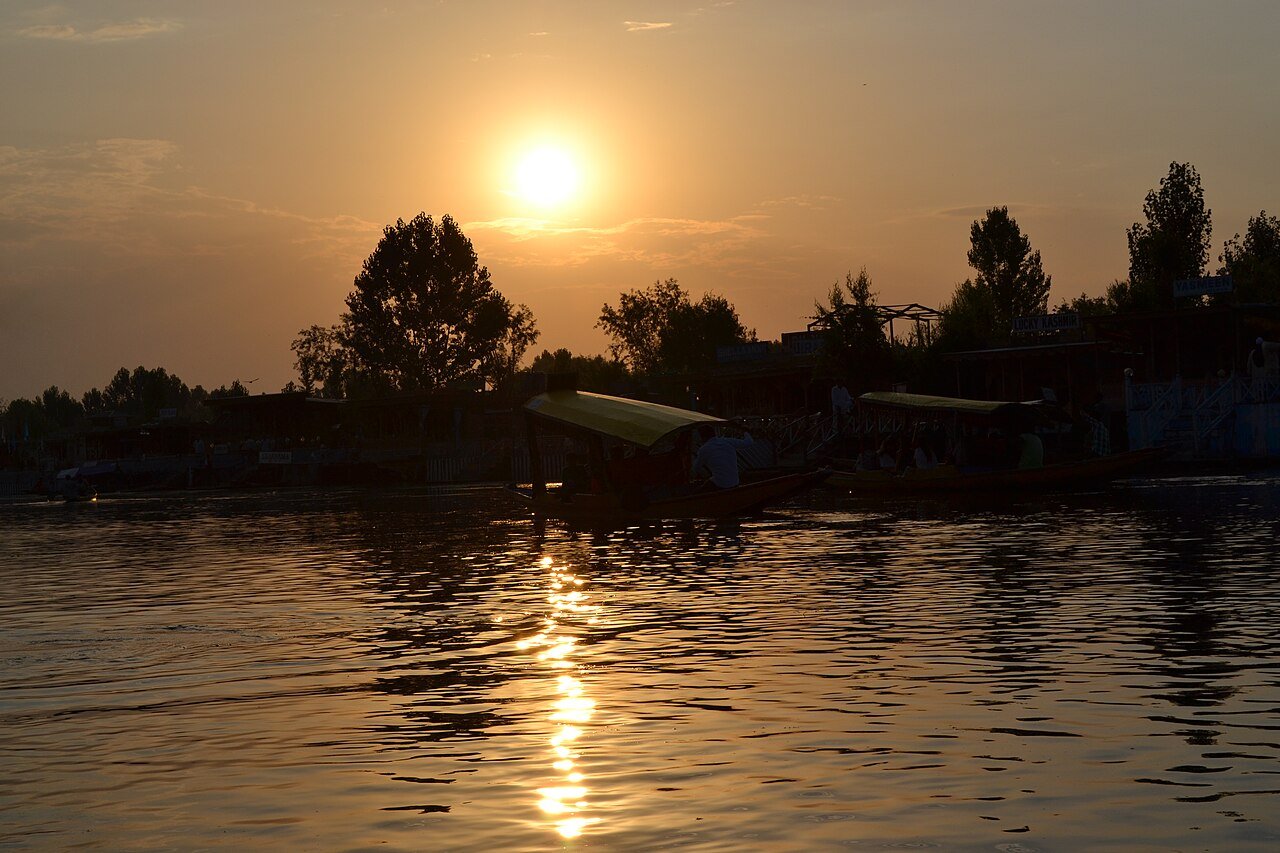
Few places live up to their reputation like Kashmir. You can glide across Dal Lake in a shikara at dawn, ride one of the world’s highest gondolas above Gulmarg, picnic in Pahalgam’s pine valleys, and wander centuries-old Mughal gardens — all framed by snow peaks. Add a tulip garden in spring, saffron fields in autumn and the legendary Wazwan feast, and Kashmir offers an unmatched blend of beauty, culture and cuisine.
Dal Lake
Shikara rides, houseboats and the floating gardens of Srinagar.
Gulmarg gondola
One of the world’s highest cable cars, to meadows and ski slopes.
Pahalgam
The Betaab, Aru and Chandanwari valleys along the Lidder river.
Mughal gardens
Nishat and Shalimar gardens, and the spring tulip garden.
Sonamarg
Glaciers and alpine meadows, the gateway towards Ladakh.
Wazwan & kahwa
The famous multi-course feast and saffron-scented kahwa tea.
Whether you want lake-and-garden serenity, mountain adventure or snow and skiing, Kashmir delivers some of the most spectacular scenery in the country.
Kashmir is the valley of poets’ dreams — a shikara at sunrise, a gondola into the snow, and a Wazwan feast to end the day.
Part 2 of 8
Getting to Kashmir and getting around
Srinagar is the main gateway, with flights the most popular way in and rail and road links via Jammu steadily improving.
By air: Srinagar International Airport (SXR) has flights from Delhi, Mumbai, Bengaluru and other cities — by far the easiest and most popular way to reach the valley.
By train and road: Rail links to the valley via Jammu and the new Himalayan railway are expanding, and the Jammu–Srinagar highway connects by road, though it can be affected by weather. Many travellers fly in and use road transfers within Kashmir.
Pro tip
Base yourself in Srinagar and do Gulmarg, Pahalgam and Sonamarg as day trips or short overnights. Spend at least one night on a Dal Lake houseboat for the quintessential Kashmir experience.
Getting around: Hire a car with a local driver for the day trips, as the valleys are spread out. Within Srinagar, shikaras cover the lake and autos and taxis the city. At Gulmarg, Pahalgam and Sonamarg, local ponies and union taxis serve the viewpoints.
Part 3 of 8
Best time to visit Kashmir
Kashmir is a true four-season destination, and the time of year transforms the experience.
| Season | Months | What to expect |
|---|---|---|
| Spring | Mar–May | Blossom, tulips and green valleys — the famous tulip garden blooms in early spring. |
| Summer | Jun–Aug | Pleasant and lush, ideal for gardens, meadows and lake life. Peak season. |
| Autumn | Sep–Nov | Golden chinar trees, saffron harvest and crisp, clear days — beautiful and calmer. |
| Winter | Dec–Feb | Snow and skiing in Gulmarg, a frozen-wonderland Srinagar; cold but magical. |
For flowers, gardens and pleasant weather, come in spring or summer; for golden chinars and the saffron harvest, choose autumn; and for snow and skiing, visit Gulmarg in deep winter. Each season offers a completely different Kashmir, so pick the one that matches what you most want to see.
Part 4 of 8
Costs and budgeting for Indians
Kashmir suits a range of budgets, with houseboats and the day trips being the signature spends. Here is a realistic per-person, per-day guide for 2026.
| Style | Daily budget | What it covers |
|---|---|---|
| Backpacker | ₹1,800–3,000 | Guesthouse or basic houseboat, shared transport, local meals. |
| Mid-range | ₹3,500–7,000 | Houseboat or hotel, a car with driver for day trips, shikara rides and good meals. |
| Premium | ₹10,000+ | Deluxe houseboat or luxury hotel, private car, gondola and curated experiences. |
The biggest variables are accommodation (a houseboat is a must-do at least once) and the hired car for Gulmarg, Pahalgam and Sonamarg. The Gulmarg gondola, pony rides and shikara trips are extra. Carry cash, as ATMs and connectivity can be patchy outside Srinagar, especially in the valleys.
Good to know
Check the latest official travel advisories before booking, as conditions in the region can change. Agree shikara, pony and taxi prices in advance, as overcharging is common at the tourist spots.
Part 5 of 8
Where to stay, what to eat and top experiences
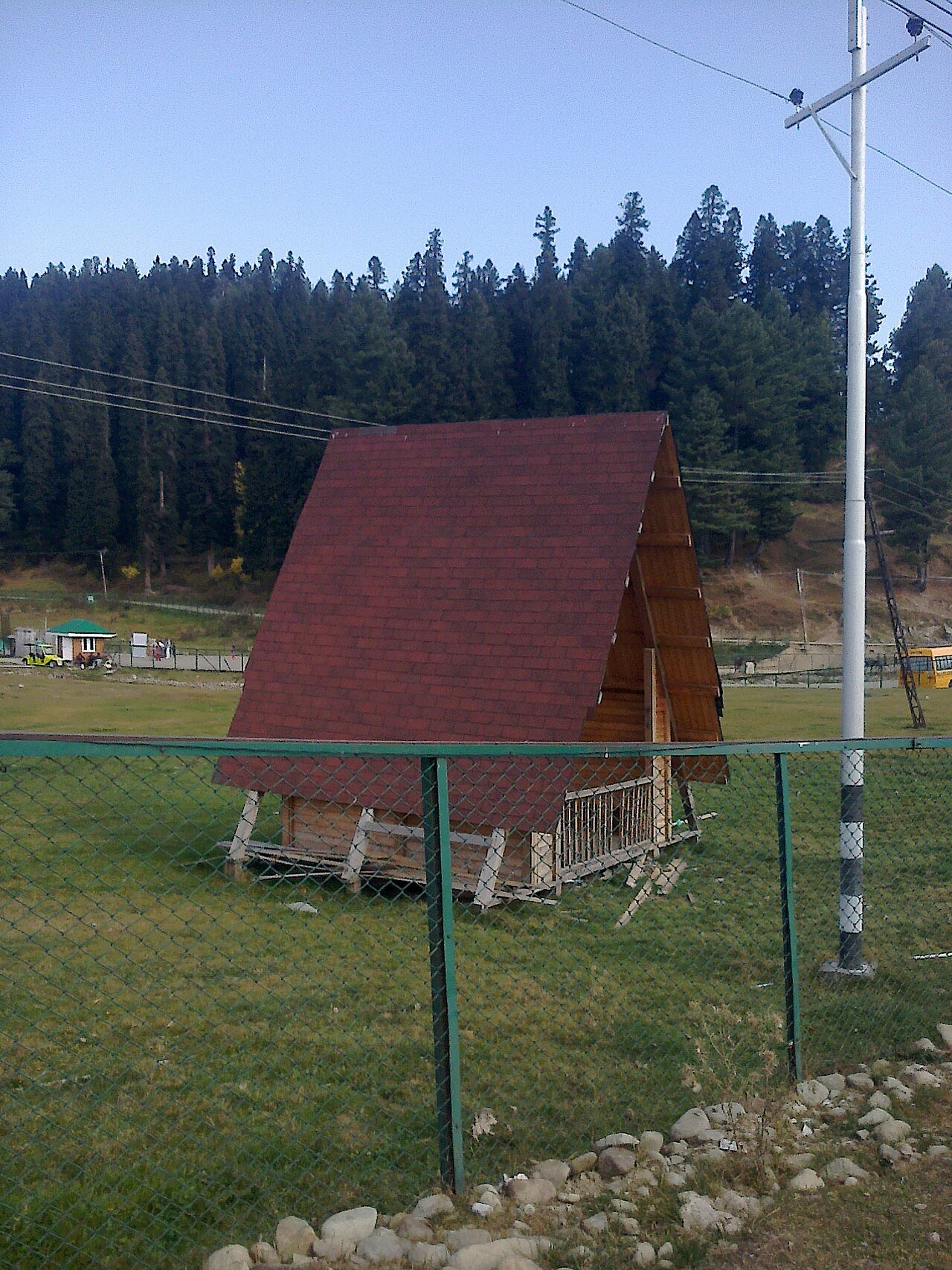
Where to stay: A Dal Lake houseboat is the iconic Kashmir stay, ranging from simple to deluxe; combine it with hotels in Srinagar and short overnights in Gulmarg or Pahalgam if you want to wake up in the mountains. Pahalgam and Gulmarg both have a good range of resorts.
What to eat: Kashmiri cuisine is a highlight — the multi-course Wazwan with dishes like rogan josh, gushtaba and rista, plus Kashmiri pulao, and the aromatic kahwa tea with saffron and almonds. Bakeries and local breads are wonderful, and vegetarians can enjoy dum aloo, haakh greens and nadru (lotus stem) dishes.
Shikara at dawn
Glide across Dal Lake and visit the floating vegetable market.
Gulmarg gondola
Ride up for meadows in summer or snow and skiing in winter.
Pahalgam valleys
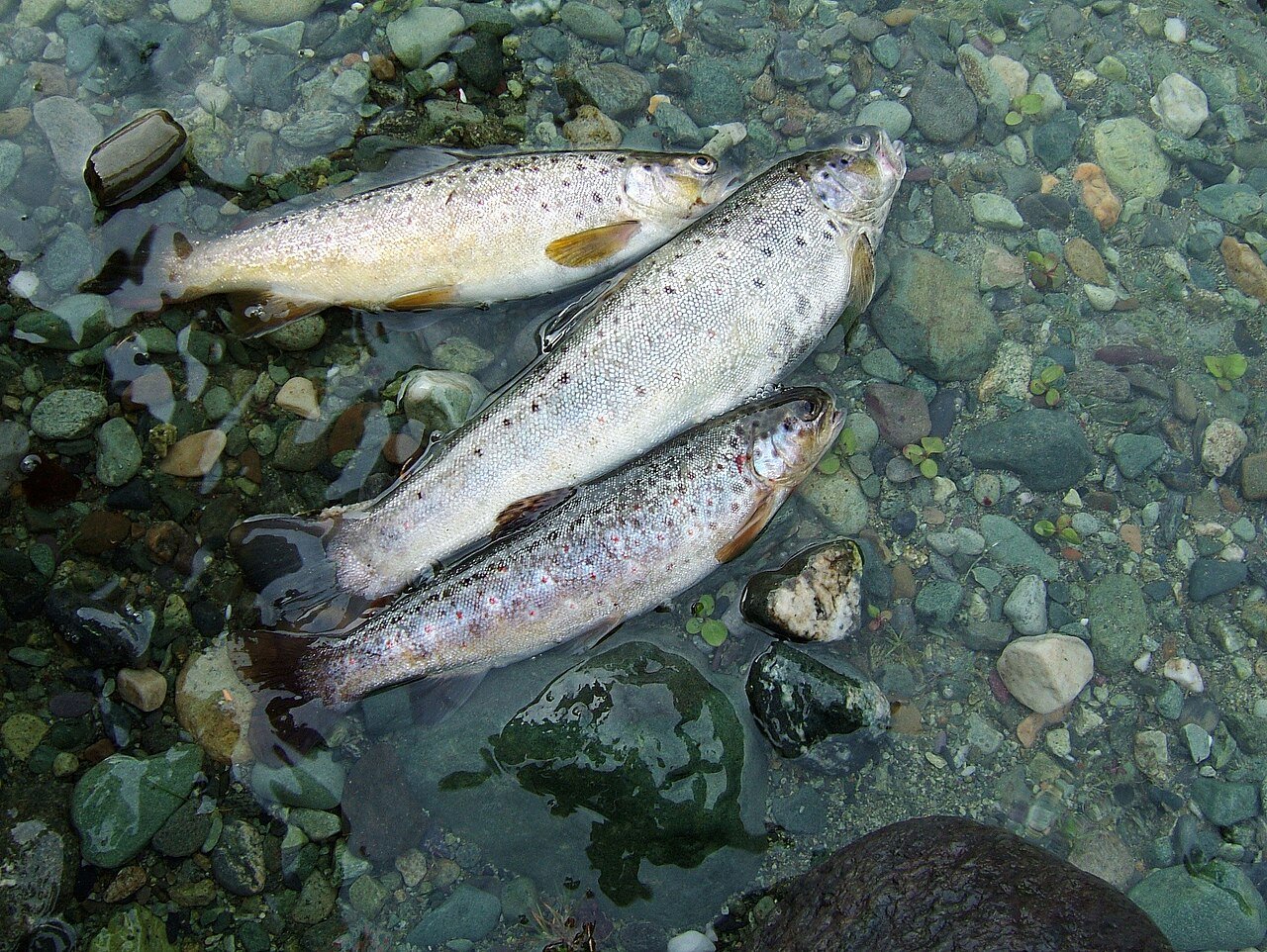
Explore Betaab and Aru valleys along the Lidder river.
Mughal gardens
Stroll Nishat and Shalimar, and the tulip garden in spring.
For more, visit Sonamarg’s glaciers, the saffron fields of Pampore in autumn, the old city and Hazratbal shrine in Srinagar, and the quieter meadows of Doodhpathri and Yusmarg.
Part 6 of 8
A 5-6 day Kashmir itinerary
This plan bases you in Srinagar with day trips and overnights to the famous valleys.
Day 1 — Srinagar: Settle into a Dal Lake houseboat, take a sunset shikara ride, and visit the Mughal gardens of Nishat and Shalimar.
Day 2 — Gulmarg: Day-trip or overnight to Gulmarg for the gondola, meadows or snow, and mountain views.
Day 3 — Pahalgam: Head to Pahalgam for the Betaab, Aru and Chandanwari valleys along the Lidder river.
Day 4 — Sonamarg: Drive to Sonamarg for glaciers, alpine meadows and river views.
Days 5–6 — Srinagar & beyond: Explore Srinagar’s old city, Hazratbal and the floating market, with time for the tulip garden (spring), saffron fields (autumn) or quieter Doodhpathri before departure.
Extend your trip: In the right season, Sonamarg is the gateway to a Srinagar–Leh road journey into Ladakh, for a spectacular Himalayan extension.
Pro tip
Start the valley day trips early, as the roads and gondola queues build through the day. For the Gulmarg gondola, going up first thing means shorter lines and clearer mountain views before the afternoon cloud.
Part 7 of 8
Practical tips for Indian travellers
A few practical notes help you plan a smooth and respectful Kashmir trip.
Check advisories
Review the latest official travel advisories before booking.
Carry cash
ATMs and connectivity are patchy outside Srinagar; agree prices in advance.
Pack for cold
Even in summer the high meadows are chilly; winter needs serious warm gear.
Do a houseboat
A night on a Dal Lake houseboat is the quintessential Kashmir experience.
Kashmir is warmly hospitable and a hugely rewarding destination, and most tourist trips pass without incident, but it is sensible to check current official travel advisories before booking and to stay informed locally. Practically, agree shikara, pony and taxi fares in advance to avoid overcharging at the tourist spots, carry cash and any regular medication, and dress modestly and respectfully, especially at shrines. Mobile connectivity can be limited in the valleys, so download offline maps.
Kashmir also connects to some of India’s greatest Himalayan journeys. In the warmer months, Sonamarg is the start of the dramatic Srinagar–Leh highway into Ladakh, and the valley pairs with pilgrimages and treks in the wider region. Building one of these into your route turns a Kashmir holiday into an unforgettable Himalayan adventure.
Part 8 of 8
Frequently asked questions
How many days are enough for Kashmir?
Five to six days are ideal — a couple in Srinagar with a houseboat stay, and day trips or overnights to Gulmarg, Pahalgam and Sonamarg. A week lets you add the tulip garden, saffron fields or quieter meadows like Doodhpathri.
How do I reach Kashmir?
Flying into Srinagar International Airport (SXR) is the easiest and most popular option, with flights from Delhi, Mumbai and other cities. Rail and road links via Jammu are improving, but most travellers fly in and use road transfers within the valley.
When is the best time to visit Kashmir?
Spring and summer (March–August) are best for gardens, meadows, tulips and lake life; autumn brings golden chinars and the saffron harvest; and December–February is the season for snow and skiing in Gulmarg. Each offers a very different experience.
Is staying on a Dal Lake houseboat worth it?
Yes, it is the quintessential Kashmir experience. Houseboats range from simple to deluxe, and a night on the lake — with a sunrise shikara ride and the floating market — is a highlight of most Kashmir trips.
Is Kashmir safe for tourists?
Kashmir is warmly hospitable and most tourist trips pass without incident, but conditions in the region can change, so it is sensible to check the latest official travel advisories before booking and stay informed locally during your visit.
What is Wazwan?
Wazwan is Kashmir’s elaborate multi-course feast, featuring dishes like rogan josh, gushtaba and rista, traditionally served on special occasions. Many restaurants offer it to visitors, and it is a must-try alongside the saffron-scented kahwa tea.
Will my phone work in Kashmir?
Connectivity is generally fine in Srinagar but can be patchy in the valleys like Gulmarg, Pahalgam and Sonamarg. Postpaid connections tend to work better, and it is wise to carry cash and download offline maps for the mountain day trips.
Can I travel from Kashmir to Ladakh?
Yes, in the warmer months (roughly June to September). Sonamarg is the gateway to the spectacular Srinagar–Leh highway into Ladakh, making a combined Kashmir–Ladakh Himalayan road journey possible when the high passes are open.
Do Indians need any permit for Kashmir?
No special permit is needed for Indian travellers to visit the main Kashmir valley destinations like Srinagar, Gulmarg, Pahalgam and Sonamarg. Carry valid photo ID as always, and check current advisories, as some specific areas or routes may have their own access rules at times.
Is Kashmir suitable for a family holiday?
Very much so. Families love the Dal Lake houseboats and shikara rides, the Gulmarg gondola and snow, and the gentle valleys of Pahalgam. The sightseeing is relaxed and scenic, and houseboat stays are a memorable novelty for children and adults alike.
The bottom line
Kashmir truly is a paradise — a valley of shimmering lakes, alpine meadows, Mughal gardens and snow peaks, wrapped in saffron, Wazwan and warm hospitality. Choose your season for flowers, autumn gold or winter snow, base yourself in Srinagar with a houseboat night, take day trips to Gulmarg, Pahalgam and Sonamarg, and check current advisories before you go. Do that, and Kashmir will reward you with some of the most breathtaking scenery and memorable experiences in all of India. Few places reward travellers with such variety — lake, garden, meadow and snow — within so small and beautiful a valley.
Related reading
 South Africa Travel Guide for Indians (2026)
 Adventure Travel in India: Activities & How to Plan Safely
 Vaishno Devi Yatra Guide: Katra, Registration & Trek (2026)
Photos sourced from Wikimedia Commons under their respective Creative Commons licences. Travel details are indicative for 2026; confirm current travel advisories, road conditions and prices before you travel.