Gangtok & Sikkim Travel Guide 2026 — Permits, Best Time & 3-Day Plan
Last updated: July 8, 2026
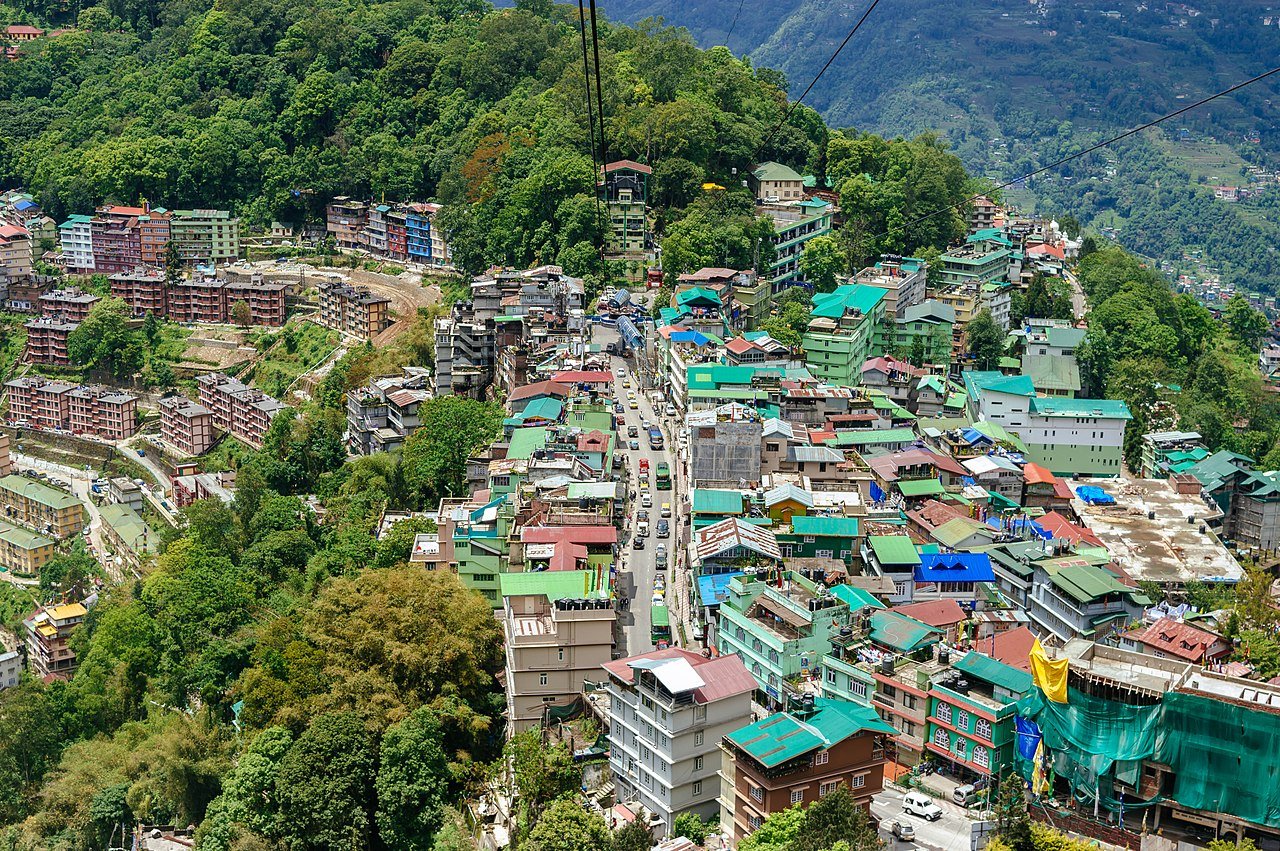
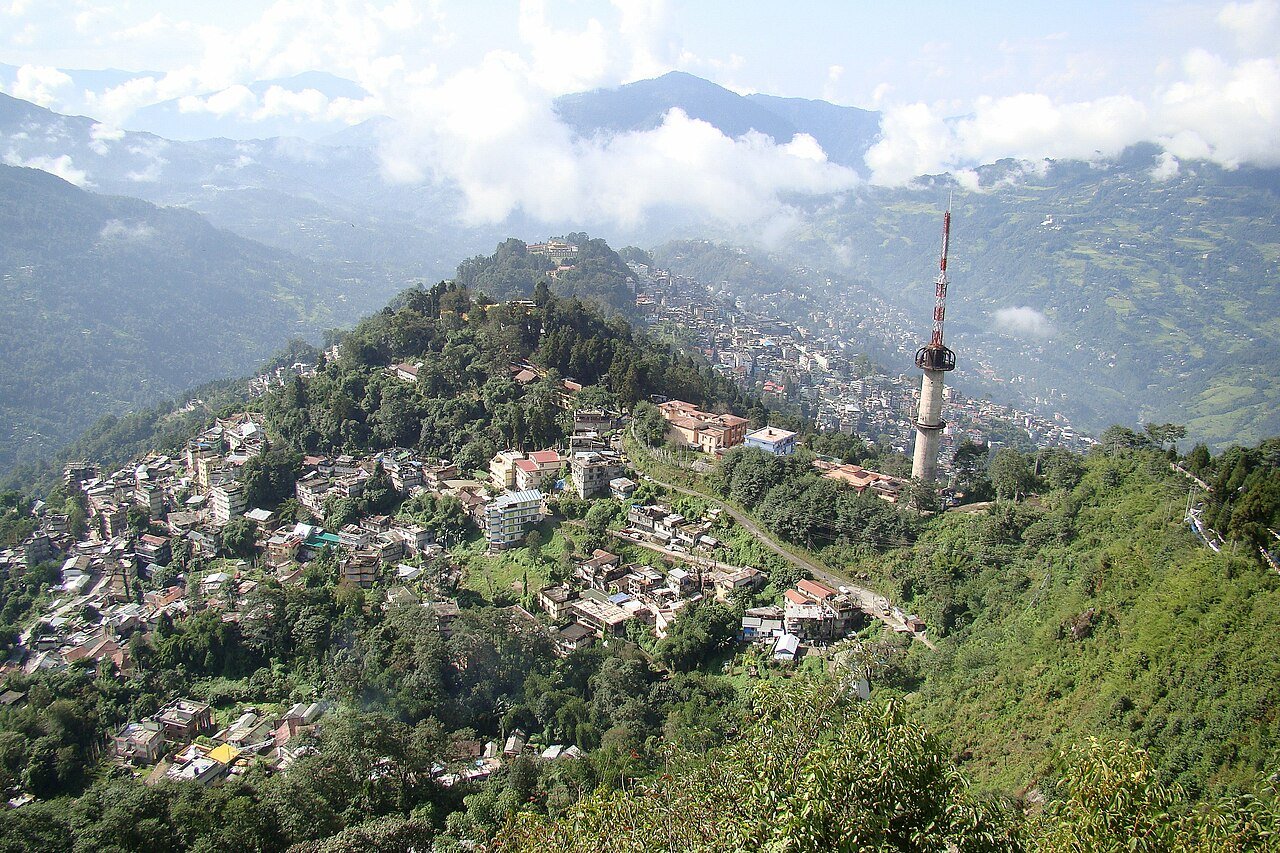
Gangtok, the cheerful hill capital of Sikkim, is the Eastern Himalaya at its most welcoming. Clinging to a ridge at around 1,650 metres, it mixes spotless mountain streets, glittering monasteries and views of Kanchenjunga — the world’s third-highest peak — with one of the cleanest, friendliest urban vibes in India. It is also the launchpad for some of the country’s most dramatic high-altitude drives, from the glacial Tsomgo Lake to the Indo-China frontier at Nathula and the remote valleys of North Sikkim.
This 2026 guide for Indian travellers explains how to reach Gangtok, the permits you will need for the big day trips, the best time to go, what it costs, where to stay and eat, and how to build a smooth three-to-four day Sikkim itinerary around the city.
- Getting there: Fly to Bagdogra (IXB) or Pakyong (PYG), or train to New Jalpaiguri (NJP), then a 4–5 hour scenic drive up to Gangtok.
- Permits: Indians need permits for Tsomgo Lake, Nathula and North Sikkim, arranged easily through registered local operators.
- Best time: March–May for flowers and April greenery, and October–December for the clearest Kanchenjunga views.
- Don’t miss: Tsomgo Lake, MG Marg, Rumtek Monastery and a Kanchenjunga sunrise from Tashi Viewpoint.
Part 1 of 8
Why Gangtok belongs on your list
Gangtok manages a rare balance: it is a proper little city with cafés, viewpoints and a buzzing pedestrian promenade, yet within an hour or two you can be standing beside a frozen lake or gazing across a Himalayan border. Sikkim’s strong environmental ethic means the streets are clean, plastic is discouraged, and the whole place feels relaxed and safe.
Kanchenjunga views
Catch the world’s third-highest peak glowing at dawn from Tashi or Hanuman Tok.
MG Marg
A spotless, traffic-free boulevard lined with cafés, shops and people-watching benches.
Tsomgo Lake
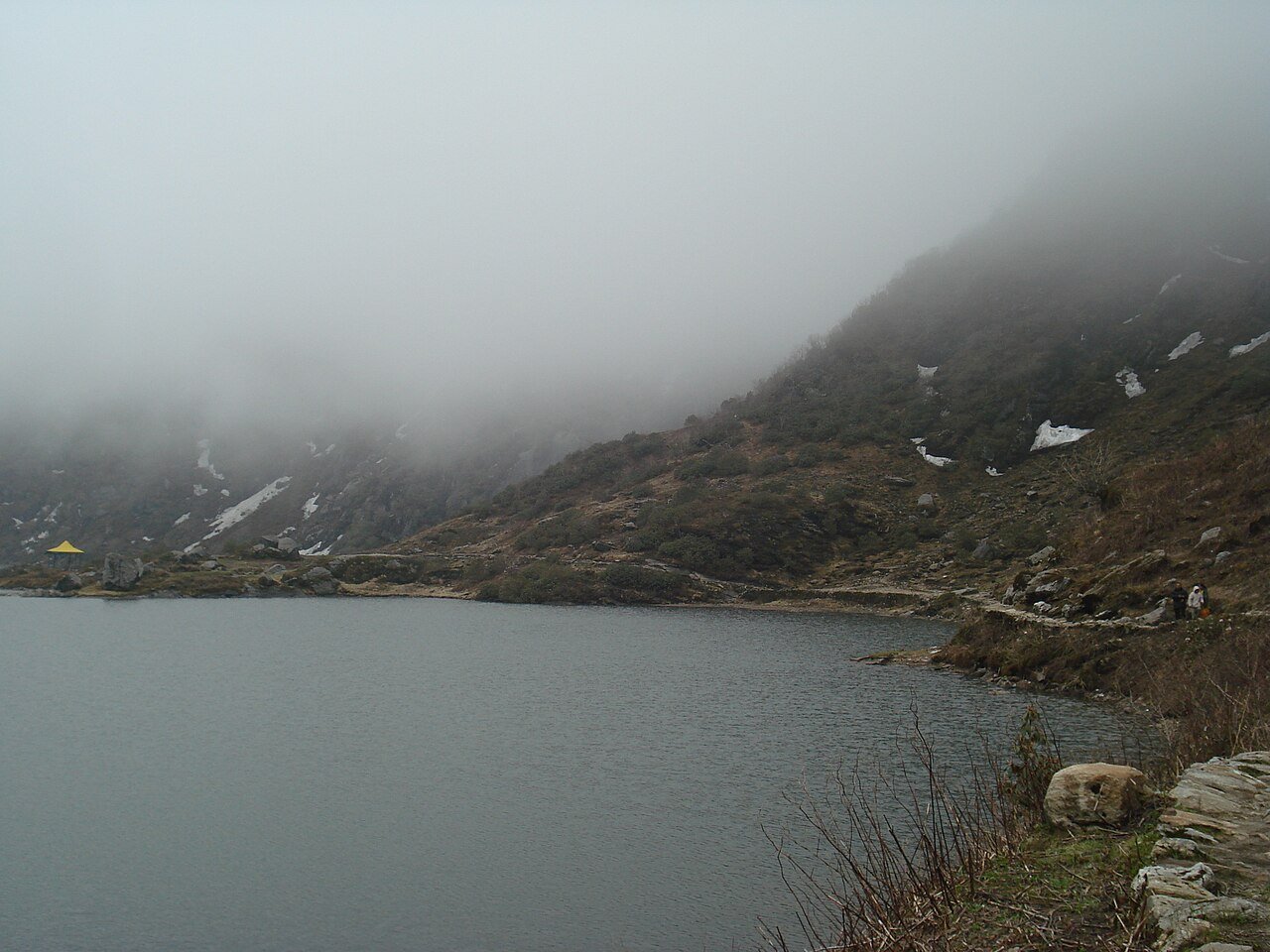
A sacred glacial lake at 3,750 m, often frozen in winter, with yak rides on the shore.
Nathula Pass
The historic Indo-China border post high in the mountains, open on select days.
Monasteries
Rumtek, Enchey and others — serene seats of Tibetan Buddhism with grand prayer halls.
North Sikkim gateway
Base yourself here before heading to Lachung, Yumthang and Gurudongmar.
Whether you want gentle sightseeing or a high-altitude adventure, Gangtok gives you both within easy reach, with excellent food and warm hospitality to match.
Few Indian capitals are this clean, this green and this close to a Himalayan giant — Gangtok feels like a mountain town that simply works.
Part 2 of 8
Getting to Gangtok, and the permits you need
Gangtok has no major airport or railway of its own, so most journeys involve a beautiful drive up from the plains of North Bengal.
By air: Bagdogra Airport (IXB) near Siliguri is the main gateway, about 125 km and 4–5 hours away by road, with wide connectivity. Pakyong Airport (PYG) is much closer to Gangtok (around 30 km) but has limited, weather-dependent flights.
By train: New Jalpaiguri (NJP) is the nearest major railhead, roughly 120 km away, well connected to Kolkata, Delhi and the rest of India. From NJP, Bagdogra or Siliguri you continue by shared jeep or private taxi.
Permits (important): Indian travellers do not need a permit for Gangtok city, but you do need permits for Tsomgo Lake and Baba Mandir, for Nathula Pass, and for North Sikkim (Lachung, Lachen, Yumthang, Gurudongmar). These are arranged quickly through registered local tour operators, who handle the paperwork if you carry valid photo ID and passport-size photos. Foreign nationals additionally need an Inner Line Permit.
Pro tip
Carry several passport-size photos and copies of your ID. They speed up permit processing for Tsomgo, Nathula and North Sikkim, which must be booked through an authorised operator with a registered vehicle.
Getting around: Shared and reserved jeeps are the backbone of Sikkim travel. Within Gangtok, taxis and walking work well, and the city ropeway offers a quick scenic hop.
Part 3 of 8
Best time to visit Gangtok
Sikkim is a year-round destination, but the experience changes dramatically with the seasons, especially for mountain views and high-altitude access.
| Season | Months | What to expect |
|---|---|---|
| Spring | Mar–May | Rhododendrons in bloom, pleasant days and good visibility. One of the best windows. |
| Summer/monsoon | Jun–Sep | Lush but wet, with a real risk of landslides blocking mountain roads. Travel with buffer days. |
| Autumn | Oct–Nov | Crisp, clear skies and superb Kanchenjunga views — peak season for photography. |
| Winter | Dec–Feb | Cold, with snow at Tsomgo and Nathula. Atmospheric, but some high roads can close. |
For the classic combination of clear peaks and comfortable weather, aim for October to early December. For flowers and greenery, come in spring. Avoid the peak monsoon months if you can, as landslides are common and can disrupt the high-altitude excursions that make Sikkim special.
Part 4 of 8
Costs and budgeting for Indians
Gangtok suits a wide range of budgets, though the permit-based day trips and shared-jeep system add a predictable cost layer. Here is a realistic per-person, per-day guide for 2026.
| Style | Daily budget | What it covers |
|---|---|---|
| Backpacker | ₹1,800–2,800 | Budget guesthouse, shared jeeps, momos and local eateries, plus a share of permit/excursion costs. |
| Mid-range | ₹3,500–6,500 | Comfortable hotel with a view, reserved taxi for sightseeing, guided Tsomgo/Nathula day trip. |
| Premium | ₹9,000+ | Boutique resort, private vehicle throughout, curated North Sikkim packages and fine dining. |
Day excursions to Tsomgo–Baba Mandir–Nathula and multi-day North Sikkim trips are usually sold as per-vehicle packages including permits, so they are far cheaper when you share with a full jeep. Booking through a reputable local operator is the simplest way to keep costs and logistics under control.
Good to know
Carry cash. ATMs are reliable in Gangtok but scarce once you head to Tsomgo, Nathula or North Sikkim, where card and UPI acceptance is minimal.
Part 5 of 8
Where to stay, what to eat and top experiences
Where to stay: Staying near MG Marg puts you in the heart of the action, within walking distance of restaurants, viewpoints and operators. For quieter views, choose a ridge-top hotel on the city’s upper roads, many of which look out towards Kanchenjunga on clear mornings.
What to eat: Sikkimese and Tibetan food is the highlight — steaming momos, hearty thukpa noodle soup, gundruk and sinki (fermented greens), and sael roti. Wash it down with local Temi tea, and try a glass of the regional millet brew, tongba, if you fancy something traditional.
Sunrise viewpoint
Head to Tashi Viewpoint or Hanuman Tok early for Kanchenjunga at first light.
Tsomgo day trip
Drive up to the sacred lake and Baba Mandir, with a yak photo on the shore.
Monastery circuit
Visit Rumtek and Enchey to experience living Tibetan Buddhist tradition.
Ropeway ride
A quick cable-car hop over the city for sweeping ridge-and-valley views.
With more time, extend north to Lachung and the Yumthang “Valley of Flowers,” or push to the dazzling high-altitude Gurudongmar Lake — both unforgettable, and both arranged through registered operators.
Part 6 of 8
A 3–4 day Gangtok itinerary
This plan covers the city and its big day trip, with an option to extend into the high north.
Day 1 — Arrival and the city: Drive up from Bagdogra or NJP, check in near MG Marg, and spend the evening strolling the promenade. If you arrive early, fit in the ropeway or a nearby viewpoint.
Day 2 — Tsomgo, Baba Mandir and Nathula: Take the permit-based excursion up to the glacial Tsomgo Lake and Baba Harbhajan Singh Mandir, adding Nathula if it is open on your day. Return by evening for dinner in town.
Day 3 — Monasteries and viewpoints: Visit Rumtek and Enchey monasteries, Tashi Viewpoint, and the local sights like Banjhakri Falls and the flower exhibition, with time to shop on MG Marg.
Day 4 (optional) — North Sikkim: Begin a two-to-three day add-on to Lachung, Yumthang and, if acclimatised, Gurudongmar — the scenic high point of any Sikkim trip.
Pro tip
Nathula Pass is open only on select days (typically Wednesday to Sunday) and is subject to weather and security clearance. Confirm with your operator before counting on it, and keep a flexible backup plan.

Part 7 of 8
Practical tips for Indian travellers
Sikkim travel is wonderfully rewarding but comes with a few mountain-specific considerations, mainly around permits, altitude and weather.
Carry ID & photos
Original photo ID and several passport photos make permit processing quick and painless.
Mind the altitude
Tsomgo, Nathula and Gurudongmar are very high; ascend gradually and rest if you feel unwell.
Go plastic-light
Sikkim discourages single-use plastic — carry a refillable bottle and pack out your waste.
Cash on hand
ATMs thin out beyond Gangtok; keep enough cash for the high-altitude legs.
Altitude is the most underestimated risk here. Tsomgo Lake sits at around 3,750 m and Gurudongmar even higher, so build in an acclimatisation day, stay hydrated, avoid alcohol before going high, and never rush straight to the highest points on your first day. If you have heart or respiratory conditions, consult your doctor before the high passes.
Weather can reshape any Sikkim plan at short notice — Pakyong flights are cancellation-prone, monsoon landslides close roads, and high passes shut without warning. Keep one or two buffer days in your itinerary, book the permit-based trips through a trusted registered operator, and treat the mountains’ unpredictability as part of the adventure rather than a setback.
Part 8 of 8
Frequently asked questions
Do Indians need a permit for Gangtok?
No permit is required to visit Gangtok city itself. However, Indian travellers do need permits for Tsomgo Lake and Baba Mandir, for Nathula Pass, and for North Sikkim destinations, all of which are arranged easily through registered local operators.
How do I reach Gangtok?
Fly to Bagdogra (the main gateway, 4–5 hours away) or the closer but weather-dependent Pakyong, or take a train to New Jalpaiguri. From any of these you continue to Gangtok by shared jeep or private taxi.
When is the best time to see Kanchenjunga?
October to December offers the clearest skies and the best chance of crisp Kanchenjunga views, while spring (March–May) adds blooming rhododendrons. The monsoon months bring cloud and landslide risk.
Is Nathula Pass always open?
No. Nathula is open only on select days, usually Wednesday to Sunday, and access depends on weather and security clearance. Always confirm with your operator and keep a backup plan in case it is closed.
How many days do I need for Gangtok and Sikkim?
Three to four days cover Gangtok and the Tsomgo–Nathula excursion comfortably. Add two to three more days if you want to include North Sikkim’s Lachung, Yumthang and Gurudongmar.
Is Gangtok safe for solo and family travellers?
Very. Sikkim is one of India’s safest and cleanest states, friendly to solo travellers, couples and families alike. The main precautions are altitude-related rather than safety-related.
Will my phone and UPI work in Sikkim?
Connectivity is good in Gangtok but weakens sharply on the high-altitude routes and in North Sikkim. Carry cash, as card and UPI acceptance is limited once you leave the city.
Can first-timers handle the high-altitude trips?
Most healthy travellers can, provided they acclimatise, hydrate and ascend gradually. Tsomgo and especially Gurudongmar are very high, so take it slow, watch for altitude sickness, and consult a doctor if you have existing health conditions.
The bottom line
Gangtok is the perfect introduction to the Eastern Himalaya — clean, friendly and astonishingly scenic, with big adventures a short drive from a comfortable bed. Sort your permits through a reliable operator, come in autumn for the clearest peaks or spring for the flowers, respect the altitude, and keep a buffer day for mountain weather. Do that, and Sikkim’s capital will reward you with some of the finest views and warmest hospitality in the country.
Related reading
 Gangtok Lachung Itinerary: 6-Day North Sikkim Trip (2026)
 Darjeeling Gangtok Itinerary: 6-Day Eastern Himalaya Trip (2026)
 Luxury & Tourist Trains in India: A Complete Guide (2026)
Photos sourced from Wikimedia Commons under their respective Creative Commons licences. Travel details, permit rules and pass timings are indicative for 2026; confirm with a registered Sikkim operator before you travel.