Spiti Valley Circuit 2026 – High-Altitude Desert in Himachal
Last updated: July 8, 2026
The Spiti circuit is one of India’s greatest high-altitude loops — a complete Himalayan journey that climbs from the green apple orchards of Kinnaur into the stark cold desert of Spiti, past thousand-year-old monasteries and the world’s highest villages, and out over the dramatic Kunzum and Rohtang passes to Manali. Doing the full circuit, rather than an out-and-back, lets you ascend gently for safe acclimatisation and experience the astonishing transition from lush valleys to moonscape mountains. It is a raw, remote and unforgettable Himalayan adventure.
This 2026 itinerary guide for Indian travellers covers the circuit and how to get there, the best time to go, what it costs, a day-by-day plan with crucial acclimatisation, where to stay and eat, and the practical tips for a safe Spiti loop.
- The circuit: Loop from Shimla through Kinnaur to Spiti and out via Kunzum and Rohtang to Manali (or reverse); the full loop is summer-only.
- Best time: June to September, when both passes are open and the roads are clear.
- Budget: ₹2,500–6,000 per day, including a vehicle, fuel and stays.
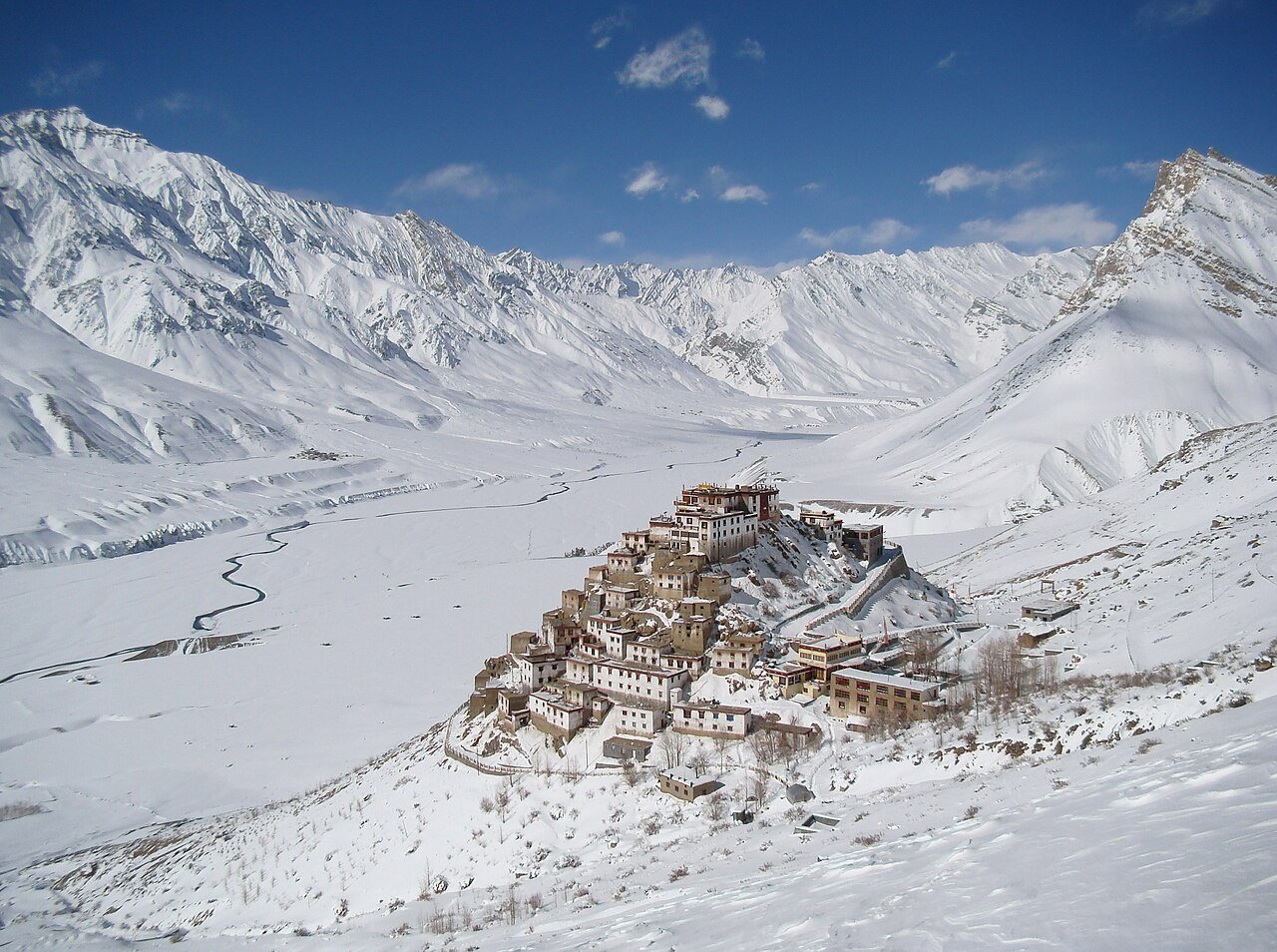
- Don’t miss: Key Monastery, Tabo and Dhankar, the high villages of Langza and Komic, and Chandratal lake.
Part 1 of 8
Why the full Spiti circuit works so well
The circuit is the best way to do Spiti, for both scenery and safety. Entering via Kinnaur gives a gradual climb that helps your body adjust to altitude, and the changing landscapes — from apple orchards and river gorges to bare ochre mountains, ancient monasteries and a turquoise lake — are breathtaking. Exiting over the high passes to Manali completes a satisfying loop without backtracking, taking in the very best of the region.
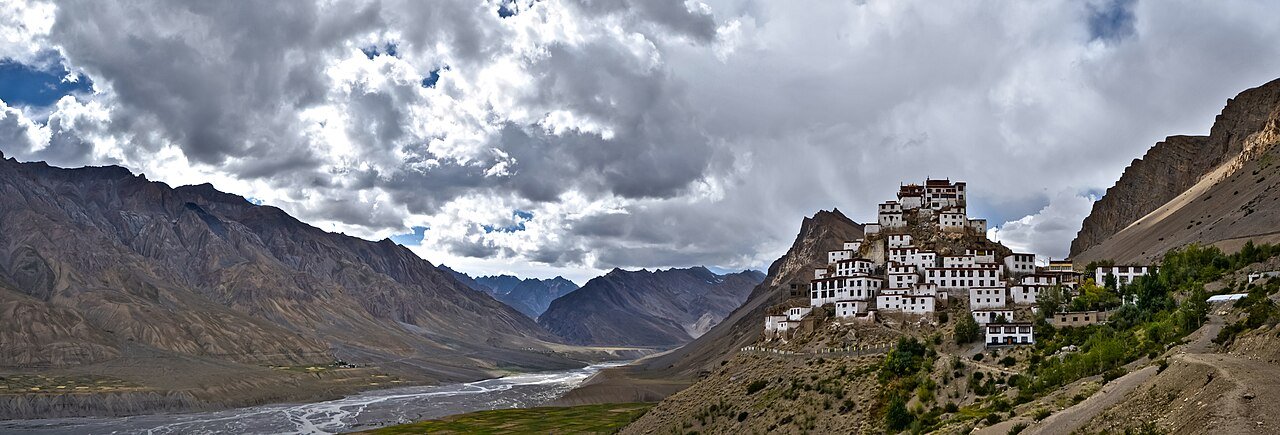
Key Monastery
Spiti’s iconic hilltop gompa above the river.
Tabo & Dhankar
A 1,000-year-old monastery and a dramatic cliff-edge gompa.
High villages
Langza, Komic, Hikkim and Kibber among the highest in the world.
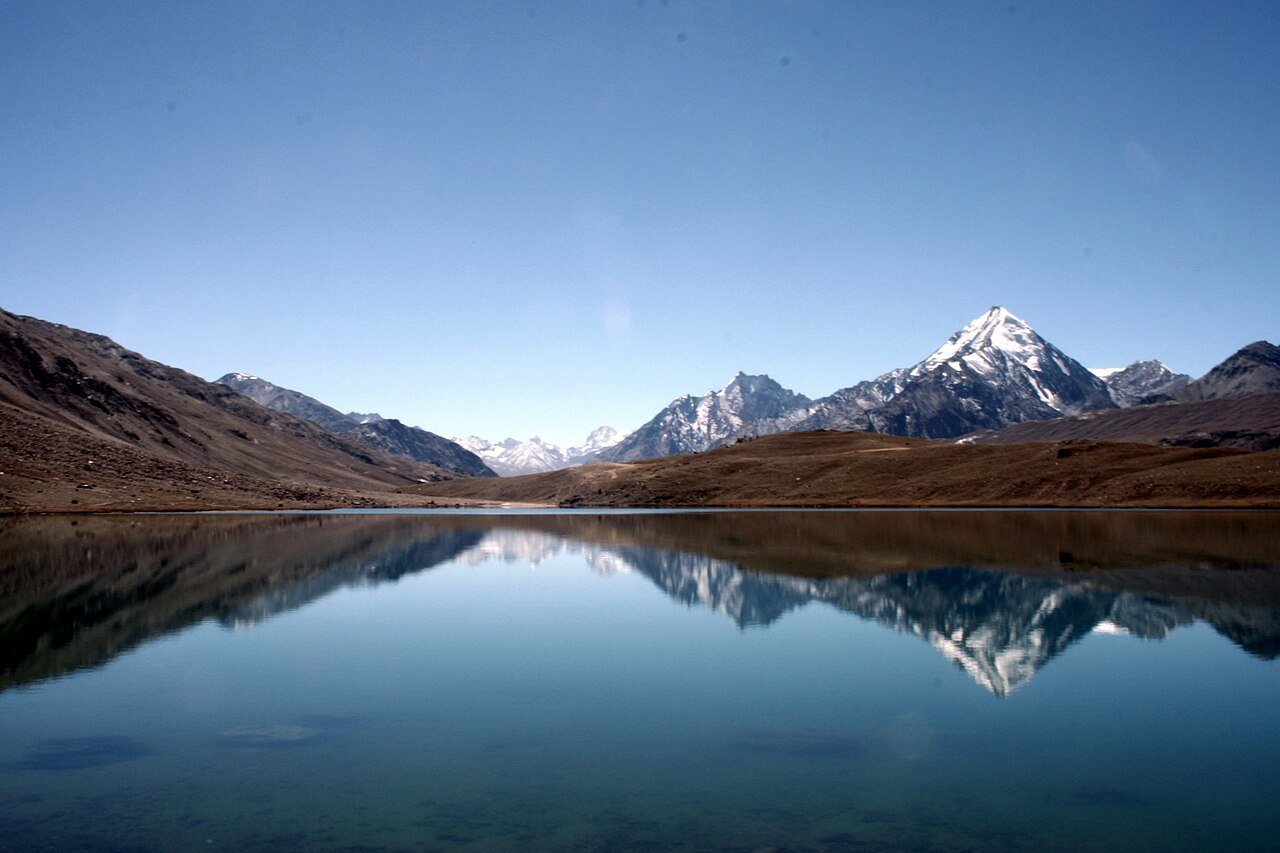
Chandratal
A stunning turquoise lake near the Kunzum Pass.
Kinnaur
Apple orchards, Kalpa and the Kinner Kailash views.
High passes
The dramatic Kunzum and Rohtang passes on the Manali leg.
Whether you crave raw Himalayan landscapes, Buddhist heritage or a true circuit road trip, the full Spiti loop delivers an experience unlike anywhere else in India.
The Spiti circuit is the trans-Himalaya in a loop — apple orchards giving way to moonscapes, cliff-top monasteries and the world’s highest villages.
Part 2 of 8
The circuit and getting there
The Spiti circuit links two dramatic mountain roads, and the direction matters for safe acclimatisation.
The loop: The classic circuit enters from Shimla via Kinnaur (a longer, gentler ascent that aids acclimatisation and stays open more of the year) and exits over the Kunzum and Rohtang passes to Manali — or the reverse. Doing the full loop avoids backtracking and eases altitude adjustment.
Getting there: Start by reaching Shimla (via Chandigarh/Kalka) or Manali (via Volvo from Delhi or a flight to Bhuntar). From there it is a multi-day drive.
Permits: Indian nationals do not need permits for the main Spiti circuit, though some border-area routes have restrictions; foreigners need an Inner Line Permit for parts of it.
Pro tip
Always do the circuit Shimla-to-Manali (entering via Kinnaur) rather than straight over the high Manali passes. The gradual gain in altitude through Kinnaur dramatically reduces the risk of altitude sickness.
Getting around: Most travellers hire a sturdy vehicle (ideally a 4×4) with an experienced mountain driver, or join a group tour. Self-driving and motorbiking are popular but only for the well-prepared and acclimatised.
Part 3 of 8
Best time for the circuit
The full loop depends on both passes being open, so timing is critical.
| Season | Months | What to expect |
|---|---|---|
| Summer | Jun–Sep | The best window — both passes open, clear roads and the full loop possible. Chandratal accessible. |
| Shoulder | May & Oct | The Shimla–Kaza side may be open while the Manali pass is not; check road status. |
| Winter | Nov–Apr | Bitterly cold and snowbound; only the Shimla side reaches Kaza, for hardy travellers. |
| Monsoon note | Jul–Aug | The Kinnaur stretch can see landslides in heavy rain — check conditions. |
For the complete Shimla-to-Manali circuit including Chandratal, come between roughly June and September, when both the Kunzum and Rohtang passes are open. Outside this window the full loop is not possible, though dedicated winter travellers can still reach Kaza via the Shimla side.
Part 4 of 8
Costs and budgeting for Indians
The Spiti circuit is relatively affordable for an adventure of this scale, with transport the main cost. Here is a realistic per-person, per-day guide for 2026.
| Style | Daily budget | What it covers |
|---|---|---|
| Backpacker | ₹1,800–3,000 | Homestays and guesthouses, shared cabs or HRTC buses, local meals. |
| Mid-range | ₹3,500–6,000 | Comfortable homestays and a shared 4×4 or tour, meals and a Chandratal camp. |
| Premium | ₹8,000+ | Private vehicle with experienced driver, the best available stays and curated experiences. |
The biggest cost is the vehicle and fuel for the long mountain drives, best shared with a group. Homestays in the villages are inexpensive and a highlight in themselves. Carry plenty of cash — there is essentially one ATM in Kaza and connectivity is minimal, so digital payments are unreliable throughout the circuit.
Good to know
Altitude sickness is a real risk in Spiti. Acclimatise via Kinnaur, ascend gradually, hydrate, and carry a basic medical kit. Fuel up at Kaza (the only reliable pump for a long stretch) and carry cash, as there is just one ATM.
Part 5 of 8
The Spiti circuit itinerary
This loop ascends gently via Kinnaur, explores the heart of Spiti, and exits over the high passes to Manali.
Day 1 — Shimla to Sangla/Kalpa: Drive into Kinnaur along the Sutlej, staying in the apple-orchard villages of Sangla or Kalpa with Kinner Kailash views.
Day 2 — Kalpa to Tabo: Continue along dramatic gorges into Spiti, reaching the ancient Tabo monastery.
Day 3 — Tabo to Kaza: Visit the cliff-edge Dhankar monastery and lake, then settle in Kaza to acclimatise.
Day 4 — High villages: Explore Key Monastery, Kibber, the Chicham bridge and the high villages of Langza, Komic and Hikkim.
Day 5 — Pin Valley: Day-trip into the stark, beautiful Pin Valley National Park.
Days 6–7 — Chandratal & Manali: Cross towards Kunzum La to camp near the turquoise Chandratal lake, then descend over Rohtang to Manali, completing the circuit.
Extend your trip: Add more days in Kaza or the villages to slow down, or link the circuit with a Manali–Leh onward journey for an epic high-altitude road trip.
Pro tip
Spend at least two nights acclimatising around Kaza before the highest villages and Chandratal. Rushing to altitude is the most common mistake in Spiti, and a gradual ascent makes the whole circuit safer and more enjoyable.
Part 6 of 8
Where to stay, what to eat and experiences
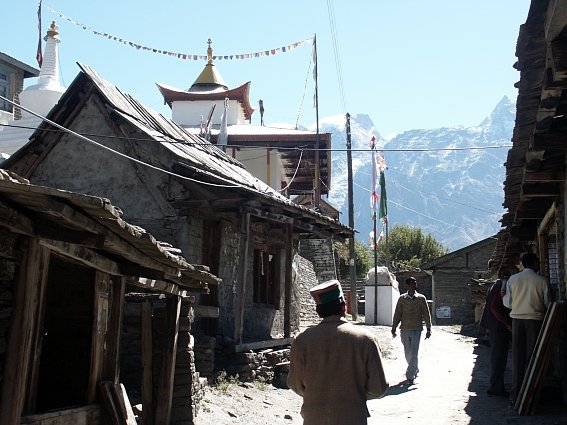
Where to stay: The circuit is all about simple homestays and guesthouses in the villages — Kalpa, Tabo, Kaza and the high hamlets — which offer warm hospitality and a real taste of local life. Chandratal has seasonal camps a short distance from the lake. Expect basic but characterful accommodation throughout.
What to eat: Spitian and Tibetan food is the staple — thukpa, momos, thenthuk and hearty local dishes, plus butter tea. Homestays serve simple, warming home-cooked meals, and vegetarians are well catered for. Eat light and hydrate well at altitude.
Monastery mornings
Catch prayers at Key, Tabo or Dhankar.
Highest post office
Send a postcard from Hikkim, the world’s highest.
Chandratal camp
Camp near the turquoise lake under the stars.
Village homestay
Stay with a Spitian family for authentic hospitality.
For more, hunt for fossils around Langza, visit one of the world’s highest motorable villages at Komic, and soak up the silence and star-filled skies of this remote valley.
Part 7 of 8
Practical tips for Indian travellers
Spiti’s altitude and remoteness make a few precautions essential for a safe circuit.
Acclimatise
Ascend via Kinnaur, take it slow, and rest around Kaza before going higher.
Fuel at Kaza
Kaza has the only reliable petrol pump for a long stretch — fill up.
Carry cash
There is essentially one ATM (in Kaza); digital payments rarely work.
Low connectivity
Only BSNL/postpaid works in patches; download offline maps.
Altitude is the main consideration — much of Spiti sits above 3,500 m, so ascend gradually (the Kinnaur route helps), hydrate, avoid overexertion early, and watch for altitude sickness, descending if symptoms worsen. Carry warm layers for cold nights even in summer, a basic medical kit and any regular medication, as facilities are minimal. Respect the monasteries and village customs, conserve water in this fragile desert, and travel responsibly by carrying out your waste.
The Spiti circuit also connects to other great Himalayan journeys. It links to the Kullu Valley and Manali at one end and to Shimla and Kinnaur at the other, and can be combined with a Manali–Leh road trip into Ladakh for an epic trans-Himalayan adventure. Building one of these in turns a Spiti loop into a grander high-altitude expedition.
Part 8 of 8
Frequently asked questions
How many days do I need for the Spiti circuit?
Around seven days for the full Shimla-to-Manali loop with proper acclimatisation, covering Kinnaur, the monasteries, the high villages, Pin Valley and Chandratal. Add more days to slow down or explore further, as the distances and altitude demand a relaxed pace.
Should I do the circuit or an out-and-back trip?
The full circuit (Shimla–Kinnaur–Spiti–Manali) is best, as it eases acclimatisation by ascending gently through Kinnaur and avoids backtracking, taking in the most varied scenery. It is only possible in summer when both passes are open.
When is the best time for the Spiti circuit?
June to September, when both the Kunzum and Rohtang passes are open and the full loop, including Chandratal, is possible. The Shimla–Kaza side stays open longer, but the complete circuit is summer-only, and winter is bitterly cold and snowbound.
Do Indians need permits for Spiti?
Indian nationals do not need permits for the main Spiti circuit, though some border-area routes have restrictions, and foreigners require an Inner Line Permit for certain stretches. Always check current rules, especially near the border.
How do I avoid altitude sickness on the circuit?
Enter via the gentler Shimla–Kinnaur route for gradual acclimatisation, ascend slowly, spend a night or two around Kaza before the highest villages, stay hydrated, avoid overexertion early, and descend if symptoms become severe. Consult a doctor beforehand if you have health conditions.
Should I self-drive or hire a vehicle?
Hiring a sturdy vehicle (ideally a 4×4) with an experienced mountain driver, or joining a group tour, is the safest and most popular option. Self-driving and motorbiking are possible but only for the well-prepared and properly acclimatised.
Is there mobile network and ATM access in Spiti?
Barely. Only BSNL and some postpaid connections work in patches, and there is essentially one ATM, in Kaza. Carry plenty of cash, fuel up at Kaza, download offline maps, and do not rely on connectivity or digital payments.
What can I combine with the Spiti circuit?
The circuit links to Manali and the Kullu Valley at one end and Shimla and Kinnaur at the other, and can be combined with a Manali–Leh road trip into Ladakh for an extended trans-Himalayan adventure.
The bottom line
The Spiti circuit is one of India’s greatest Himalayan loops — apple orchards climbing to moonscapes, cliff-top monasteries, the world’s highest villages and a turquoise lake, all on a spectacular Shimla-to-Manali road trip. Travel in summer when the passes are open, ascend gently via Kinnaur, hire a capable vehicle, carry cash and fuel up at Kaza, and respect the altitude and fragile environment. Do that, and the Spiti circuit will reward you with a week of raw, remote beauty unlike anywhere else in the country.
Related reading
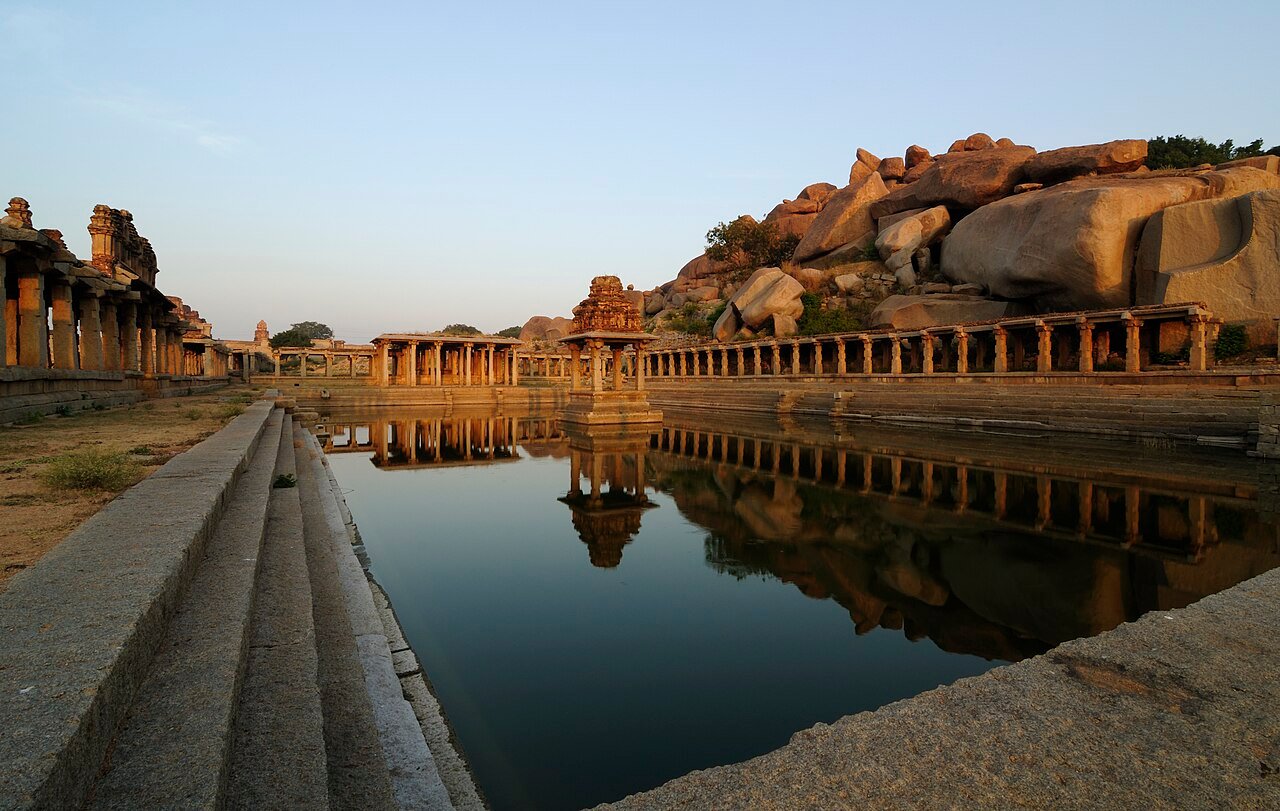 Offbeat & Hidden Destinations in India to Explore (2026)
 Shimla Manali Itinerary: 6-Day Himachal Trip Plan (2026)
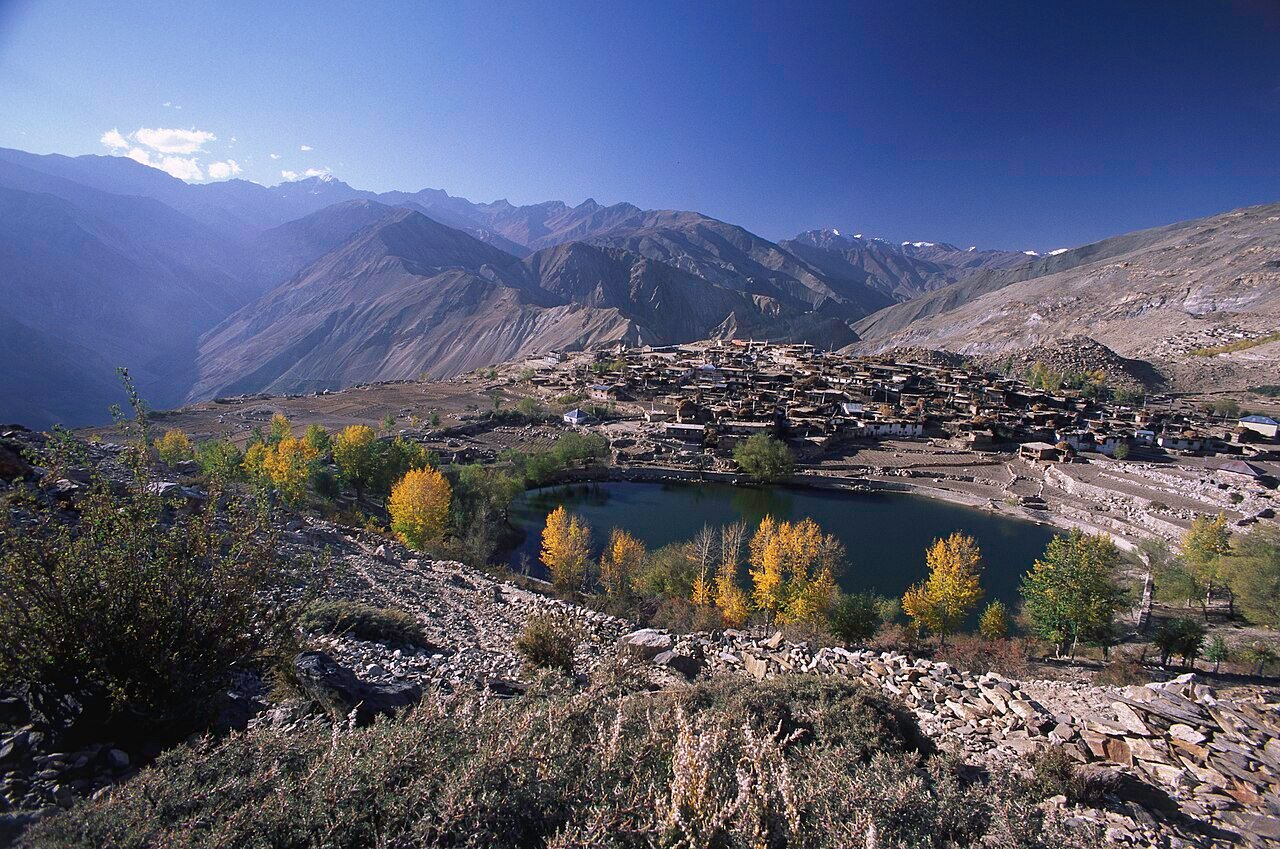 Himachal Honeymoon Itinerary: 6 Romantic Days (2026)
Photos sourced from Wikimedia Commons under their respective Creative Commons licences. Permit, road and travel details are indicative for 2026; confirm current rules, road status and altitude precautions before you travel.