Wayanad Travel Guide 2026 — Plantations, Treks, Best Time & 2-Day Plan
Last updated: July 8, 2026
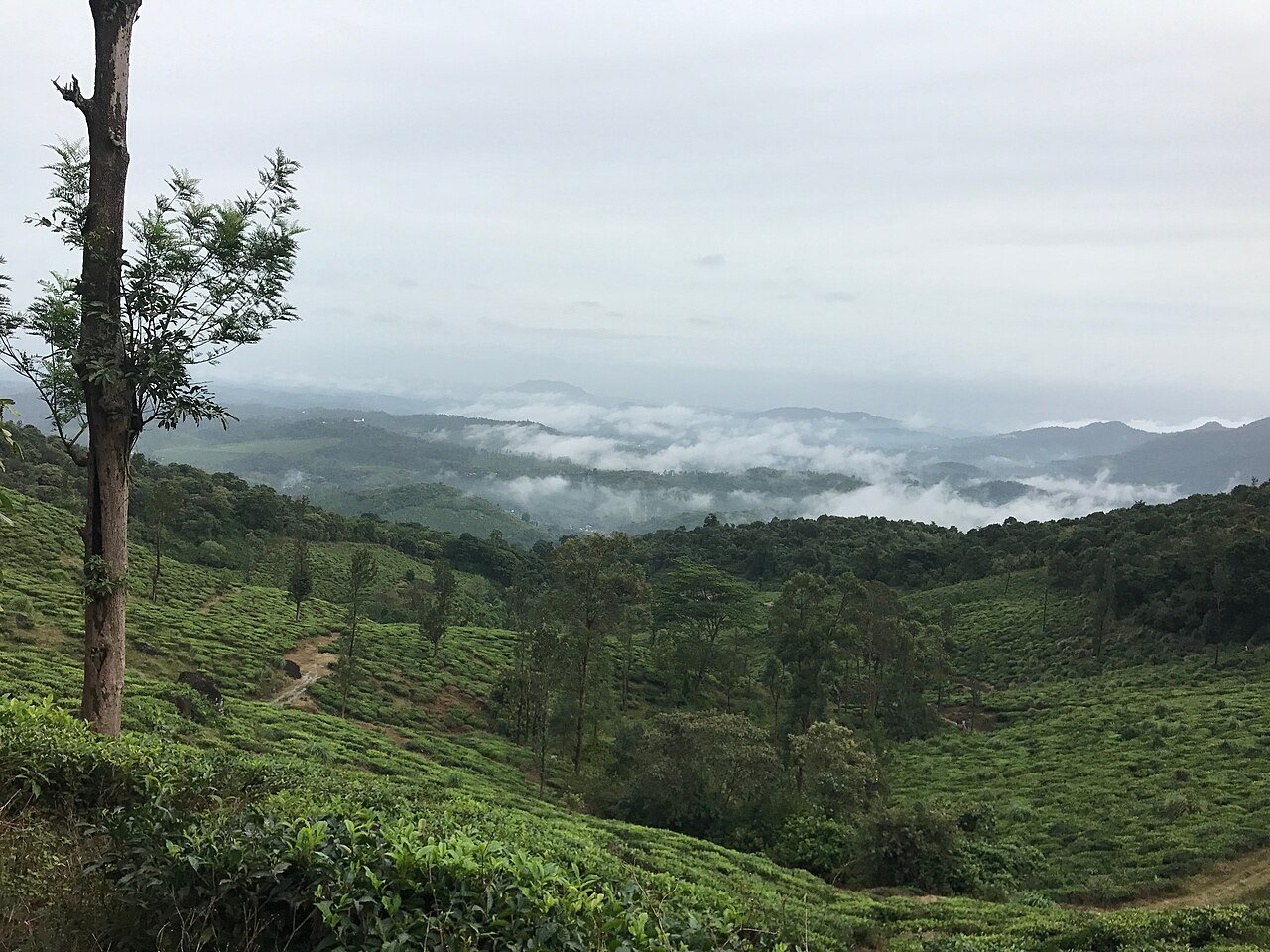
Wayanad is Kerala at its wildest and greenest — a high plateau in the Western Ghats where coffee and cardamom plantations roll into misty forests, waterfalls tumble through the trees, and Stone Age petroglyphs hide in rock-shelters above the valley. Less polished and more rugged than the state’s famous backwaters, this northern district rewards travellers who like their hill stations laced with adventure: trekking to a heart-shaped lake, drifting along a bamboo-fringed river island, or scanning the forest for elephants on an early-morning safari.
This 2026 guide for Indian travellers covers how to reach Wayanad, when to go, what it costs, where to stay and eat, and how to plan a relaxed two-to-three day trip across its caves, peaks, dams and sanctuaries.
- Getting there: Fly to Kozhikode (Calicut) or Kannur, then a 2.5–3.5 hour drive up the ghats; the nearest railhead is Kozhikode.
- Best time: October to May for greenery and comfortable weather; the monsoon is beautiful but can be hazardous in the hills.
- Budget: ₹2,500–6,000 per day for a comfortable trip, including a vehicle for sightseeing.
- Don’t miss: Edakkal Caves, the Chembra Peak trek, Banasura Sagar Dam and a wildlife safari at Muthanga.
Part 1 of 8
Why Wayanad belongs on your list
Wayanad packs an unusual variety into one district. In a single trip you can climb to ancient carved caves, trek to an alpine-feeling peak, boat beneath India’s largest earthen dam, walk into a riverine forest island, and go looking for wild elephants — all wrapped in the scent of coffee blossom and wood smoke. It feels remote and unhurried, a refreshing antidote to busier hill stations.
Edakkal Caves
Prehistoric petroglyphs carved into rock-shelters high on Ambukuthi Hill.
Chembra Peak
A rewarding trek to a famous heart-shaped lake and Wayanad’s highest summit.
Banasura Sagar
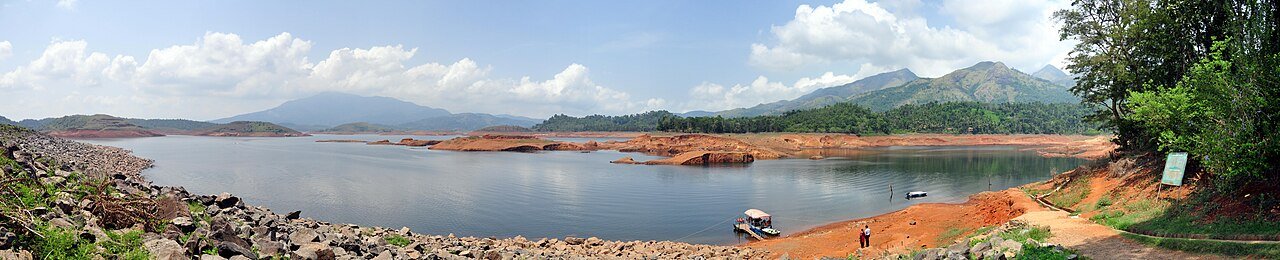
India’s largest earthen dam, with boating and island views among green hills.
Waterfalls
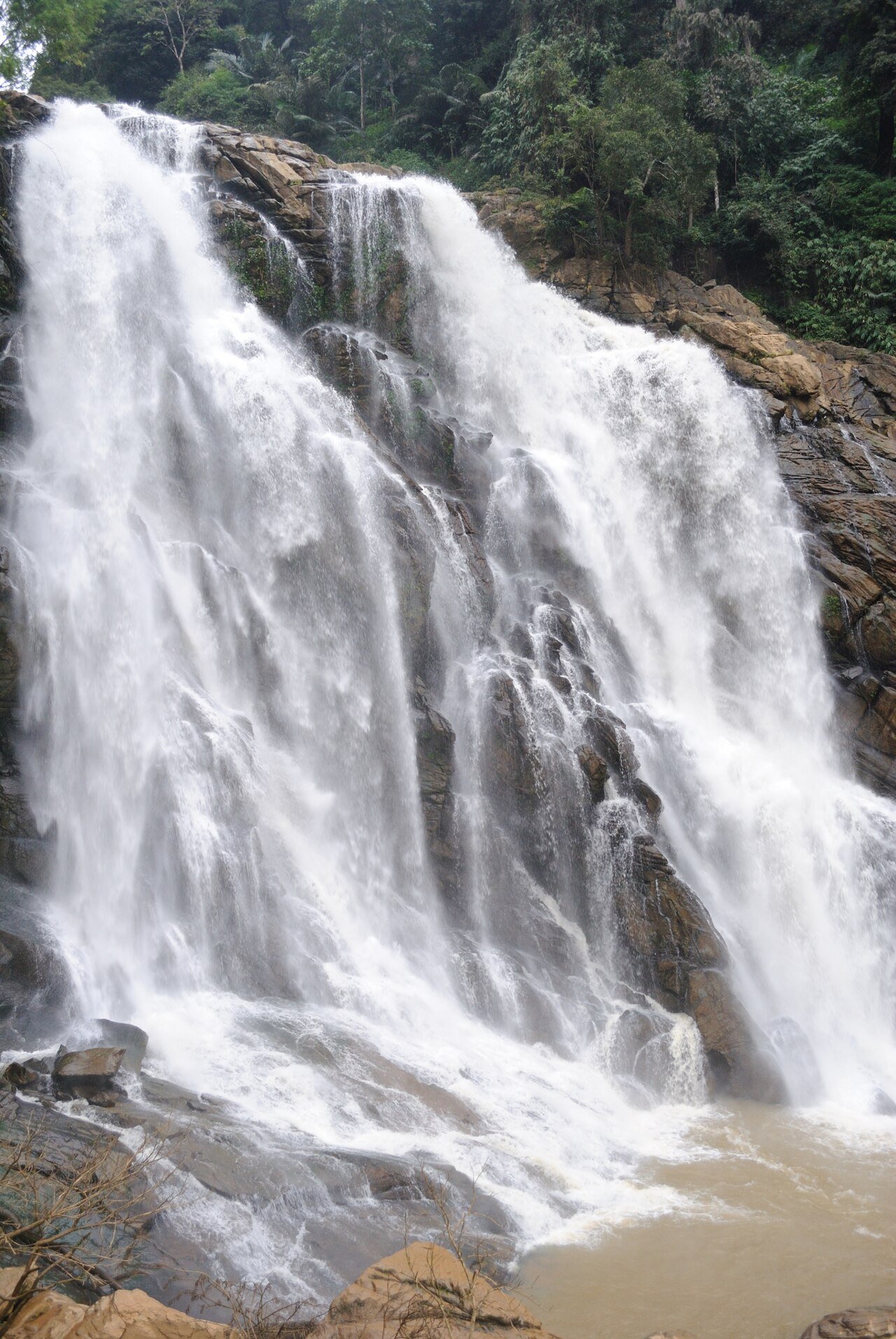
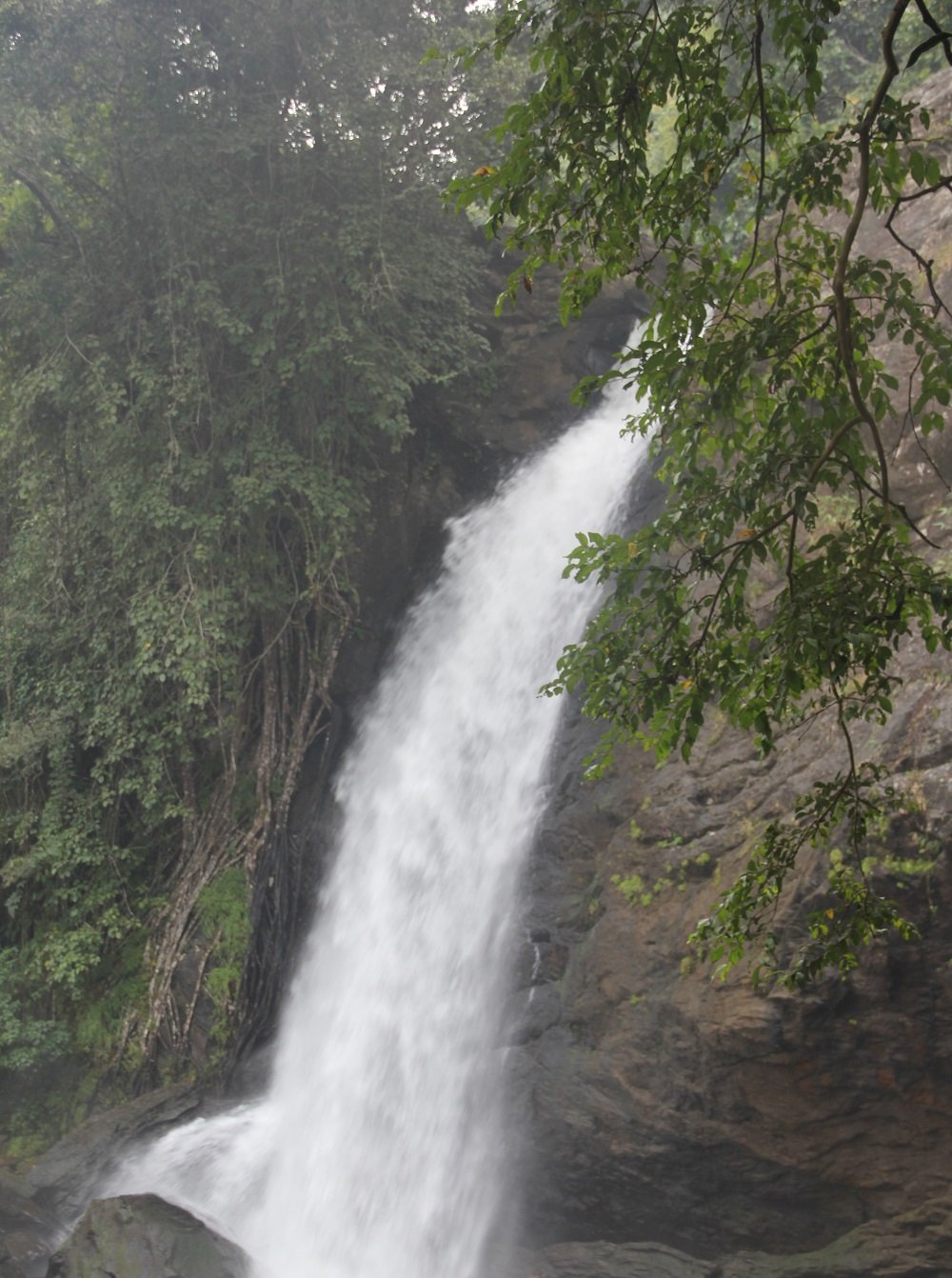
Soochipara (Sentinel Rock) and Meenmutty falls thunder through the forest.
Wildlife safaris
Muthanga and Tholpetty sanctuaries, part of the Nilgiri Biosphere, teem with elephants and deer.
Plantations
Coffee, pepper, cardamom and tea estates you can stay on and tour.
Whether you want a gentle plantation retreat or a few active days of trekking and waterfalls, Wayanad flexes to suit, and its homestays put you right in the middle of the greenery.
Wayanad is the rare hill destination that mixes prehistory, wildlife and waterfalls — a place to be active by day and unplug completely by night.
Part 2 of 8
Getting to Wayanad and getting around
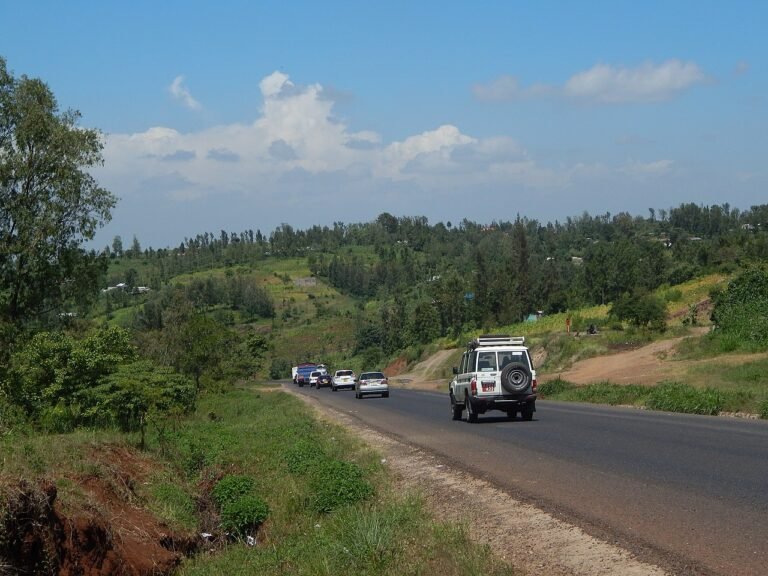
Like most Western Ghats destinations, Wayanad is reached by a scenic climb up from the plains, with the final stretch winding through hairpin bends and forest.
By air: Kozhikode (Calicut) International Airport (CCJ) is around 95–100 km away, and Kannur International Airport (CNN) is a similar distance, both roughly 2.5–3.5 hours by road. Both have good domestic and Gulf connectivity.
By train: There is no railway in Wayanad; Kozhikode is the nearest major railhead, well connected along the coast, from where you continue by taxi or bus.
By road: The classic approach is the Thamarassery ghat with its famous hairpin bends, or the Kuttiyadi route. State and private buses serve the main towns of Kalpetta, Sulthan Bathery and Mananthavady.
Pro tip
Base yourself centrally around Kalpetta or Meppadi. The sights are spread across the district, and a central base keeps daily drives shorter and your options open.
Getting around: A hired car or taxi for the day is the most practical way to link the scattered attractions. Autos work for short hops, and self-driving is fine if you are comfortable on ghat roads.
Part 3 of 8
Best time to visit Wayanad
Wayanad’s elevation keeps it pleasant for much of the year, but the monsoon transforms the district and calls for extra caution.
| Season | Months | What to expect |
|---|---|---|
| Post-monsoon | Sep–Nov | Lush, green and full-flowing waterfalls with comfortable temperatures. A lovely time to visit. |
| Winter | Dec–Feb | Cool, dry and ideal for trekking and safaris. Peak season, especially over holidays. |
| Summer | Mar–May | Warm but still green at altitude; good for plantation stays and lower crowds. |
| Monsoon | Jun–Aug | Heavy rain and dramatic scenery, but landslide risk and slippery trails — travel carefully and check conditions. |
For the best mix of greenery and easy sightseeing, aim for the post-monsoon and winter months from September to February. If you visit during the monsoon, keep your plans flexible, avoid risky trails, and heed local advisories, as the steep terrain can be hazardous in heavy rain.
Part 4 of 8
Costs and budgeting for Indians
Wayanad is affordable, with the added charm of staying right inside coffee and spice estates. Here is a realistic per-person, per-day picture for 2026.
| Style | Daily budget | What it covers |
|---|---|---|
| Backpacker | ₹1,500–2,500 | Homestay or hostel, local buses and shared transport, meals at local eateries. |
| Mid-range | ₹3,000–6,000 | Plantation homestay or resort, a hired car for sightseeing, good meals and a safari. |
| Premium | ₹8,000+ | Boutique resort or treehouse, private vehicle throughout, guided treks and fine dining. |
Entry fees for the caves, waterfalls, dam and safaris are individually modest but add up across a packed day. A shared vehicle keeps transport costs down, and the plantation homestays often include hearty home-cooked meals that are excellent value.
Good to know
Carry cash. Many homestays, forest counters and small eateries in the interior prefer it, and connectivity can be patchy across the district.
Part 5 of 8
Where to stay, what to eat and top experiences
Where to stay: Wayanad’s signature experience is a plantation homestay or eco-resort tucked among coffee and spice gardens, often with treehouse options. Kalpetta and Meppadi make good central bases, while Sulthan Bathery suits trips focused on Edakkal and the eastern sanctuaries.
What to eat: Expect hearty Kerala and Malabar cooking — appam and stew, Malabar biryani, fresh plantation produce, banana fritters and excellent local coffee. Many homestays serve traditional meals made with home-grown spices.
Chembra trek
Hike to the heart-shaped lake on a permit-controlled forest trail.
Morning safari
Jeep into Muthanga or Tholpetty at dawn for the best wildlife sightings.
Kuruva Island
Walk and raft around a tranquil river island of bamboo and evergreen forest.
Plantation walk
Tour a working coffee or spice estate and learn how your morning brew is grown.
Round it off with the petroglyphs at Edakkal, a boat ride at Banasura Sagar, and a refreshing stop at Soochipara or Meenmutty falls.
Part 6 of 8
A 3-day Wayanad itinerary
This loop balances active mornings with relaxed plantation afternoons so you experience the district’s range without rushing.
Day 1 — Caves and the east: Drive up via the ghats, settle into your stay, then visit the Edakkal Caves and their prehistoric carvings, followed by Sulthan Bathery’s sights or a plantation walk and a quiet estate evening.
Day 2 — Peak and waterfalls: Start early with the Chembra Peak trek to the heart-shaped lake, then cool off at Soochipara or Meenmutty falls in the afternoon. Return for a hearty homestay dinner.
Day 3 — Dam, island and wildlife: Take a dawn safari at Muthanga or Tholpetty, then visit Banasura Sagar Dam and Kuruva Island, or relax at Pookode Lake before the drive back down.
Pro tip
The Chembra Peak trek requires a forest permit and has daily limits, and safaris must be booked through the forest department. Reserve early in peak season and arrive at opening time for the best experience.
Part 7 of 8
Practical tips for Indian travellers
A little preparation makes a Wayanad trip smoother, particularly because so much of it happens in and around protected forests.
Permits & timings
Chembra, Edakkal and the safaris have entry limits and fixed hours — start early.
Trek-ready shoes
Trails can be steep and slippery; sturdy footwear and water are essential.
Leech protection
In wet months, salt or repellent and covered shoes help against forest leeches.
Carry cash
Forest counters and interior homestays often prefer cash; ATMs cluster in the towns.
Wildlife should be respected rather than chased: keep quiet on safaris, never feed animals, and remember that elephants can cross roads at dusk, so drive slowly and avoid forest stretches after dark. On treks, stick to marked trails and go with the assigned guides where required.
Wayanad pairs beautifully with the rest of the region. It links naturally with the Nilgiris and Ooty across the state border, with Coorg’s coffee country to the north, and with a Malabar coast trip through Kozhikode or Kannur. Building one of these into your route turns a short Wayanad break into a fuller South India journey through plantations, forests and coastline.
Part 8 of 8
Frequently asked questions
How many days are enough for Wayanad?
Two to three days let you cover the highlights — Edakkal Caves, Chembra Peak, a waterfall, Banasura Sagar Dam and a wildlife safari — at a comfortable pace. Add a day if you want to simply unwind on a plantation.
How do I reach Wayanad?
Fly to Kozhikode (Calicut) or Kannur and drive up the ghats in about 2.5–3.5 hours, or take a train to Kozhikode and continue by road. There is no railway station within Wayanad itself.
Is the Chembra Peak trek difficult?
It is a moderate trek with some steep sections and takes a few hours round trip. A forest permit is required and daily numbers are capped, so book early and start in the cooler morning hours.
When is the best time to visit Wayanad?
October to May offers the best mix of greenery and easy sightseeing, with winter ideal for trekking and safaris. The monsoon is lush but brings landslide risk in the hills, so travel cautiously and follow local advisories.
Can I see wild elephants in Wayanad?
Yes. The Muthanga and Tholpetty sanctuaries, part of the Nilgiri Biosphere, are known for elephants, deer and rich birdlife. Morning safaris booked through the forest department give the best chances.
Is Wayanad good for families and couples?
Very. Plantation homestays and treehouses suit couples seeking quiet, while families enjoy the caves, dam boating, gentle walks and wildlife. The pace is relaxed and the homestays are welcoming.
Will my phone and UPI work in Wayanad?
Connectivity is fine in the main towns but patchy in the interior and forests. Carry cash for forest counters, small eateries and remote homestays where card and UPI may not work.
What can I combine with a Wayanad trip?
Wayanad links well with the Nilgiris and Ooty, Coorg’s coffee region, and the Malabar coast around Kozhikode and Kannur, making it easy to build a longer, varied South India itinerary.
Are there entry fees for Wayanad’s attractions?
Yes, but they are modest. The Edakkal Caves, waterfalls, Banasura Sagar Dam, Kuruva Island and the wildlife safaris each charge small individual fees that add up across a busy day, so carry some cash and factor them into your budget.
Is Wayanad suitable for senior citizens?
Much of Wayanad is, including the dam, Pookode Lake, plantation stays and gentle safaris. The tougher treks like Chembra and the climb to the Edakkal Caves involve steep stretches, so seniors can simply skip those and still enjoy a full, scenic trip.
The bottom line
Wayanad is for travellers who want their hill station with a side of adventure — caves older than history, treks to mirror-still lakes, waterfalls in the forest and elephants at dawn, all between cups of estate-grown coffee. Come in the cooler, greener months, base yourself on a plantation, book your permits and safaris ahead, and respect the wild surroundings. Do that, and this rugged corner of Kerala will give you one of the most varied and restorative trips in the south. Pack for both sunshine and sudden showers, slow down enough to enjoy the plantation evenings, and you will understand why so many travellers rank this green corner of Kerala among their favourite Indian escapes.
Related reading
 Gokarna Itinerary: 2-3 Day Beach Trip Plan (2026)
 Jaisalmer Itinerary: 2-3 Day Desert Trip Plan (2026)
 Pondicherry Itinerary: 2-3 Day French Riviera Plan (2026)
Photos sourced from Wikimedia Commons under their respective Creative Commons licences. Travel details, permits and safari rules are indicative for 2026; confirm locally and follow forest-department and weather advisories before you travel.