Munnar Travel Guide (2026)
Last updated: July 8, 2026
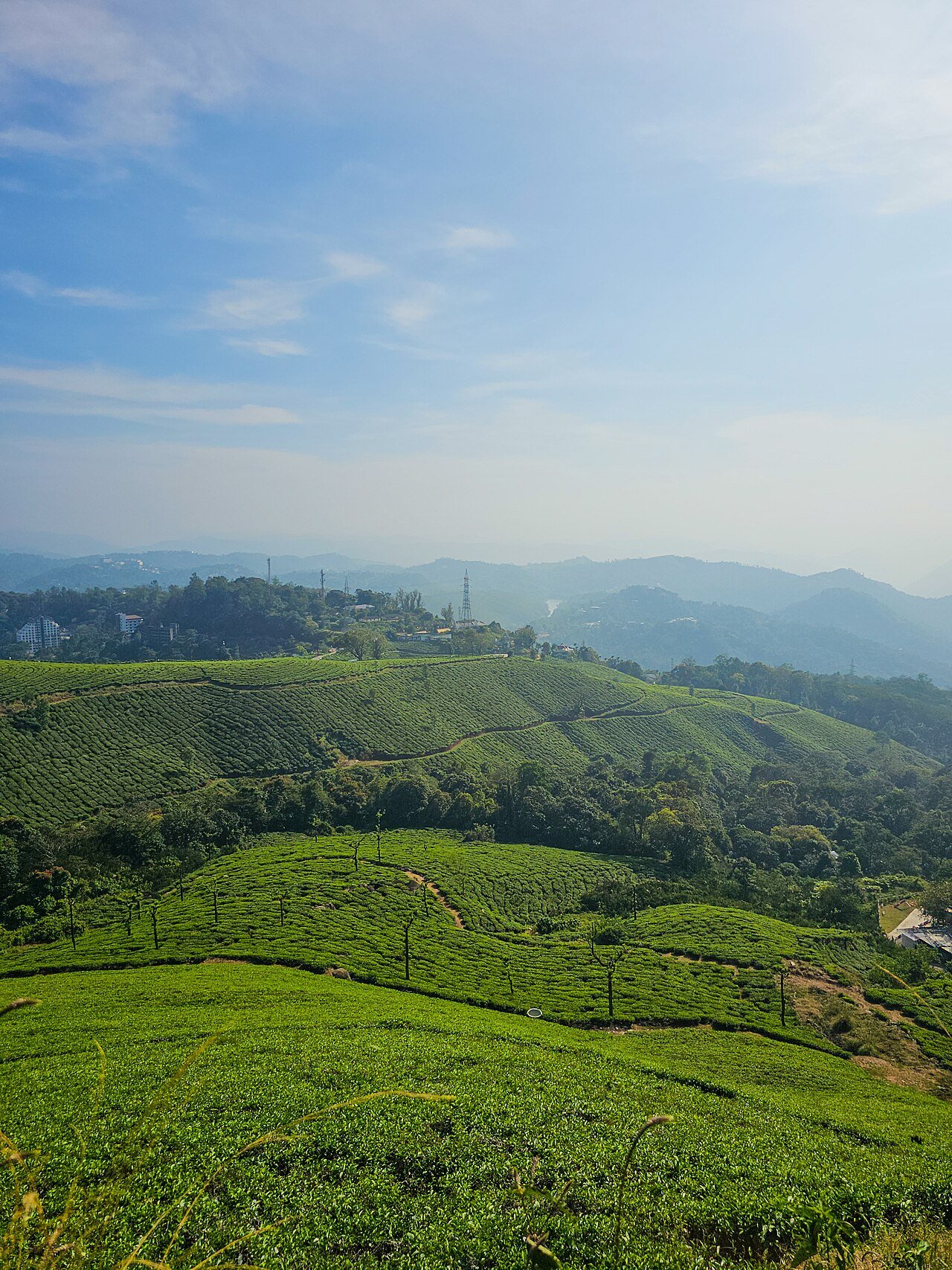
Munnar is the South Indian hill station that launched a thousand desktop wallpapers — endless tea gardens combed into emerald terraces, mist that pours over the ridgelines by mid-afternoon, and a cool, eucalyptus-scented climate that feels impossible just a few hours from sweltering Kochi. Sitting at roughly 1,600 metres in Kerala’s Idukki district, it has been a planters’ retreat since the British laid out the Kannan Devan tea estates in the 19th century, and those same hills still define the view today.
This guide is written for Indian travellers planning a Munnar trip in 2026 — how to get there, when to go, what it costs, where to stay, and how to string the best viewpoints into a relaxed two-to-three day loop without spending your holiday stuck in ghat traffic.
- Getting there: Fly to Kochi (COK), then a scenic 110 km / ~4-hour drive up the ghats — there is no airport or railway in Munnar itself.
- Best time: September to March for clear views and lush post-monsoon greenery; carry a light jacket year-round.
- Budget: ₹2,500–6,000 per day for a comfortable mid-range trip, including a private cab for sightseeing.
- Don’t miss: Eravikulam National Park, the Kolukkumalai sunrise jeep ride, Mattupetty Lake and a working tea-estate visit.
Part 1 of 8
Why Munnar belongs on your list
Most hill stations give you one good viewpoint and a crowded market. Munnar gives you an entire landscape that changes by the hour — sharp and sunlit at breakfast, swallowed by cloud by lunch, glowing gold at sunset. The tea estates are not a backdrop here; they are the main event, and you can walk straight into them on countless trails between the bushes.
Tea gardens
Hike the manicured slopes of the Kannan Devan hills and tour a working factory at the Tata Tea Museum.
Eravikulam NP
Home of the endangered Nilgiri Tahr and Anamudi (2,695 m), the highest peak in South India.
Kolukkumalai
A bumpy jeep ride to the world’s highest tea estate for a sunrise above a sea of cloud.
Lakes & falls
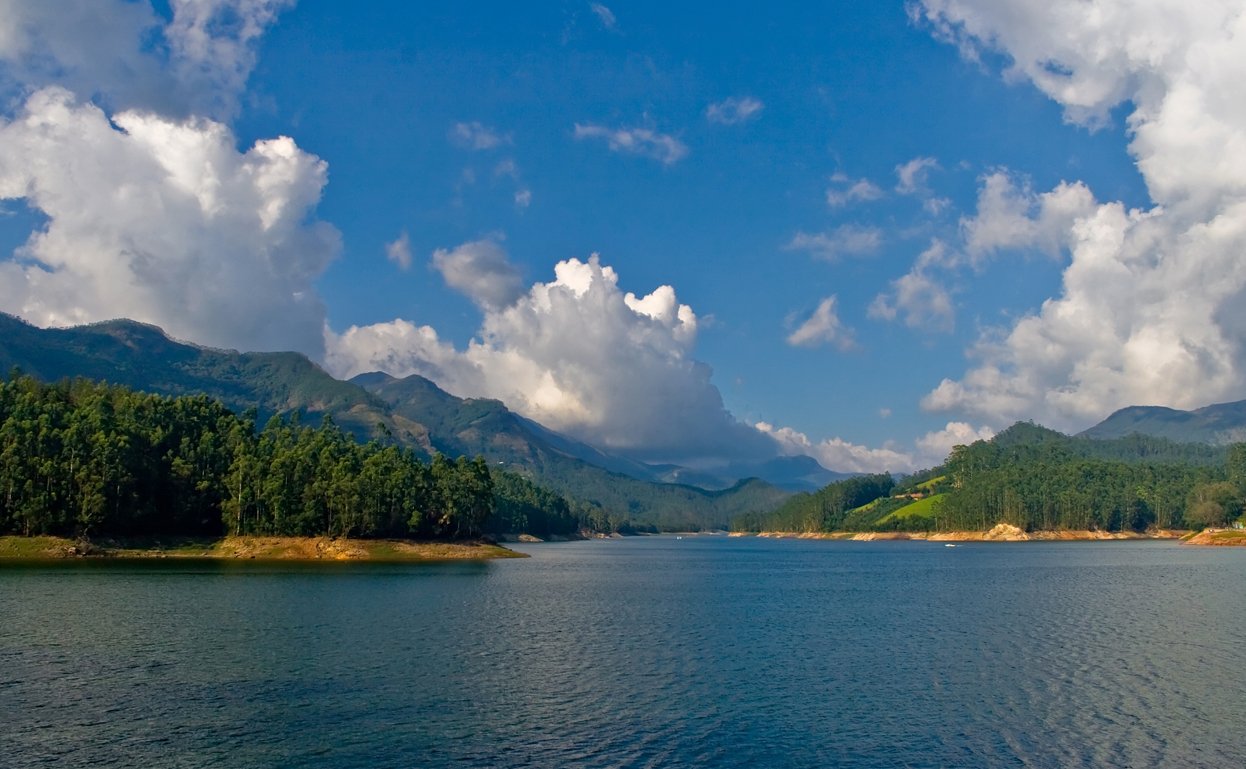
Mattupetty Dam, Kundala Lake, Echo Point and the roadside Attukad and Lakkam waterfalls.
Top Station
A classic viewpoint on the Kerala–Tamil Nadu border looking over the Western Ghats.
Neelakurinji
The hills turn purple-blue when the Neelakurinji blooms — a rare event roughly every 12 years.
Because everything sits within an hour or so of Munnar town, you can cover the highlights at a gentle pace and still have time to simply sit with a cup of estate-fresh tea and watch the mist roll in.
Munnar rewards slowness — the best moments are the ones you don’t schedule, watching cloud spill over a tea ridge with a hot chai in hand.

Part 2 of 8
Getting to Munnar and getting around
Munnar has no airport and no railway station, so every route ends with a road journey up the Western Ghats. The good news is that the drive itself is part of the experience, winding past waterfalls, spice plantations and viewpoints.
By air: Cochin International Airport (COK) is the nearest, about 110 km and 3.5–4 hours away by taxi. It has the widest domestic and international connectivity, so most travellers fly here. Madurai airport in Tamil Nadu is a similar distance via Theni if you are combining with a Tamil Nadu trip.
By train: The closest usable railheads are Aluva and Ernakulam (both near Kochi), roughly 110–120 km away. From either station you can pick up a pre-paid taxi or connect to a bus.
By bus: Kerala’s KSRTC and private operators run regular services from Ernakulam, Kochi and Madurai to Munnar. They are cheap and frequent, though slower on the ghat sections.
Pro tip
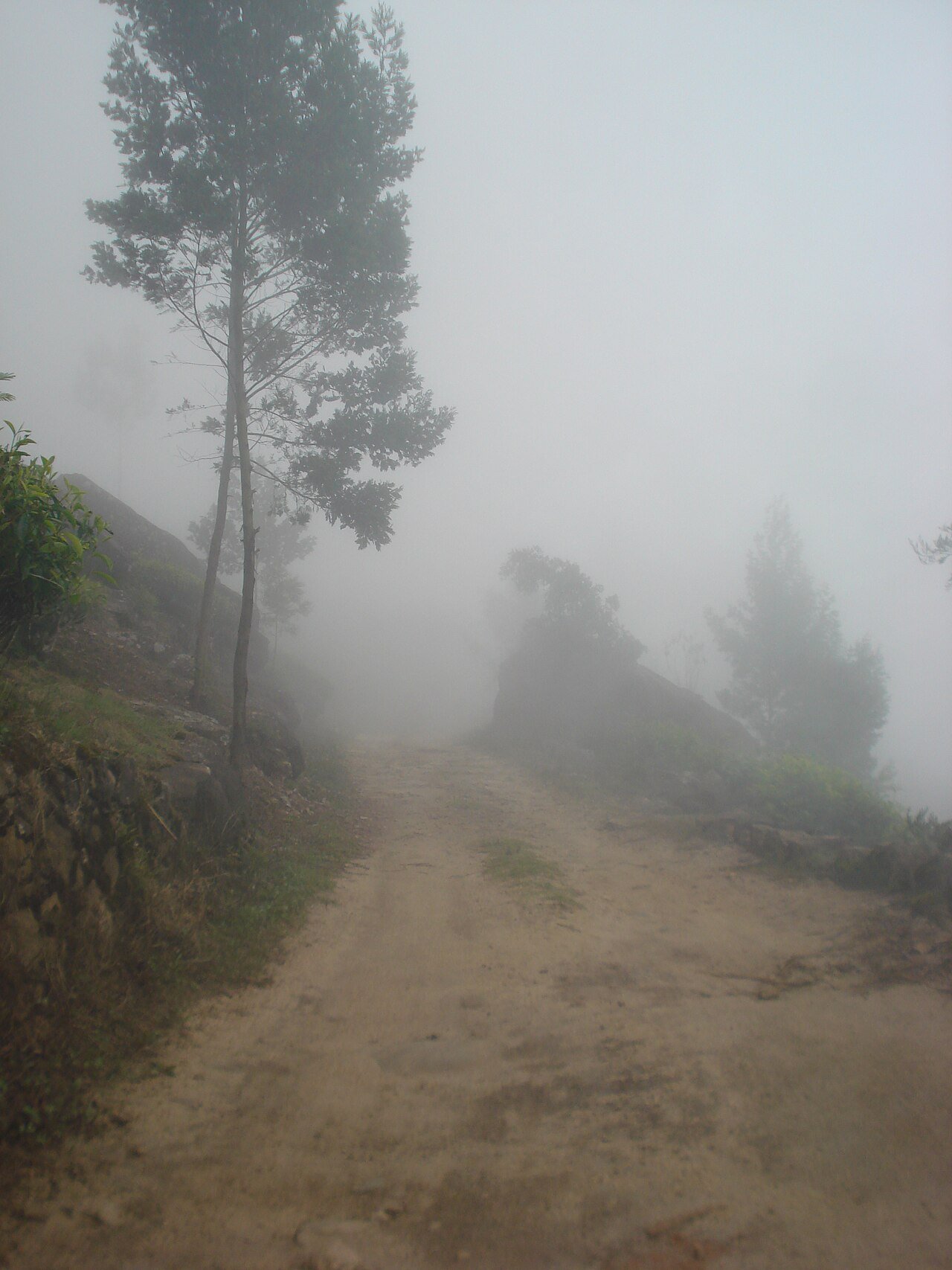
Start the drive up early in the day. Afternoon mist and rain reduce visibility on the ghat roads, and you will want daylight for the waterfall stops on the way.
Getting around locally: The sights are spread out, so the easiest option is to hire a private cab for the day (roughly ₹2,500–3,500 depending on the route). Autos work for short hops in and around town, and self-driving is doable if you are comfortable on narrow, winding mountain roads. Kolukkumalai can only be reached by a hired 4×4 jeep.
Part 3 of 8
Best time to visit Munnar
Munnar is a year-round destination, but what you get varies a lot by season. The sweet spot for most visitors is the cool, clear stretch from September to March.
| Season | Months | What to expect |
|---|---|---|
| Post-monsoon | Sep–Nov | The hills are at their greenest and waterfalls are full. Clear mornings, frequent afternoon mist. Excellent for photography. |
| Winter | Dec–Feb | Cool and dry, with temperatures dipping to 5–10°C at night. Peak season — book stays early, especially around Christmas and New Year. |
| Spring/summer | Mar–May | Pleasant days and good for tea-garden walks. Eravikulam often closes part of this window for the Tahr calving season. |
| Monsoon | Jun–Aug | Heavy rain, lush landscapes and low prices, but landslides and leeches are possible. Best for those who love misty, moody hills. |
If you want the famous carpet-green tea slopes, come just after the monsoon. If you want crisp, sunny weather and don’t mind crowds, aim for the December–January window — just reserve accommodation well ahead, as Munnar fills up fast over the holidays.
Part 4 of 8
Costs and budgeting for Indians
Munnar can flex to almost any budget, from backpacker homestays to cliff-edge luxury resorts. Here is a realistic per-person, per-day picture for 2026.
| Style | Daily budget | What it covers |
|---|---|---|
| Backpacker | ₹1,500–2,500 | Dorm or basic homestay, local bus and shared transport, meals at local eateries. |
| Mid-range | ₹3,000–6,000 | Comfortable hotel or estate-view homestay, a shared private cab for sightseeing, mix of café and restaurant meals. |
| Premium | ₹8,000+ | Boutique resort or tea-estate bungalow, private cab all day, guided experiences and fine dining. |
Your biggest variable is transport. A private cab is the single most useful spend in Munnar — it turns a scattered set of viewpoints into an easy day. Entry fees are modest: Eravikulam National Park and the Tea Museum each cost a small ticket, and the Kolukkumalai jeep is the priciest single activity at a few thousand rupees per vehicle, so split it with your group.
Good to know
Carry enough cash. Card and UPI acceptance is patchy at smaller homestays, jeep operators and roadside stalls, and mobile signal can drop on the higher routes.
Part 5 of 8
Where to stay, what to eat and top experiences
Where to stay: For convenience, base yourself in or near Munnar town, which keeps you close to restaurants and transport. For views and quiet, choose a homestay or resort out among the tea estates around Chinnakanal, Pothamedu or the Mattupetty road — you will trade a short drive into town for waking up surrounded by green.
What to eat: Kerala’s flavours shine here. Try a traditional sadya (banana-leaf thali), appam with stew, Malabar parotta with vegetable or meat curry, and fresh fish where available. Don’t leave without sampling local cardamom tea and the home-made chocolate and spice products Munnar is known for.
Tea factory tour
See leaf-to-cup processing and taste estate-fresh blends at the Tata Tea Museum.
Tea-trail walk
Wander the estate footpaths at golden hour for the classic Munnar photographs.
Mattupetty boating
A gentle pedal- or speed-boat ride on the dam reservoir, framed by hills.
Kolukkumalai sunrise
Pre-dawn jeep to the world’s highest tea estate for a cloud-sea sunrise.
For something different, add a spice-plantation visit, a short guided trek, or a day trip to Marayoor for its sandalwood forests and ancient dolmens.
Part 6 of 8
A relaxed 3-day Munnar itinerary
This loop balances big viewpoints with downtime so you actually enjoy the hills rather than racing between car parks.
Day 1 — Arrival and the tea country: Drive up from Kochi in the morning, stopping at Cheeyappara or Valara waterfalls en route. After lunch and check-in, visit the Tata Tea Museum and take an easy tea-trail walk near your stay, finishing with sunset over the estates.
Day 2 — The classic circuit: Start early at Eravikulam National Park to spot Nilgiri Tahr before the crowds, then loop through Mattupetty Dam, Echo Point, Kundala Lake and Top Station. Keep the afternoon light for photo stops and a roadside chai.
Day 3 — Sunrise and slow morning: Pre-dawn jeep to Kolukkumalai for sunrise, breakfast back at your stay, then a final stroll or a spice-plantation visit before the drive back down. If you have a fourth day, add Marayoor and Anayirangal for a quieter, less-touristed side of Munnar.
Pro tip
Eravikulam issues a limited number of tickets each day and the shuttle queue builds quickly. Arrive at opening time or book online in advance during peak season.
Part 7 of 8
Practical tips for Indian travellers
A few practical notes make a Munnar trip noticeably smoother, especially if it is your first time in the high Western Ghats. The mountain weather is the thing most visitors underestimate — bright sunshine at breakfast can turn into cold, wind-driven mist within an hour, so pack in layers regardless of the season.
Pack layers
A fleece or light jacket, a compact rain shell and sturdy walking shoes cover almost every Munnar day.
Carry cash
ATMs and reliable UPI are mostly limited to the town; jeep operators and small stalls often prefer notes.
Patchy signal
Jio and Airtel work well in town but drop on heights like Kolukkumalai and Top Station.
Go early
Mornings are clear; tackle viewpoints and Eravikulam first before the afternoon cloud rolls in.
If you are prone to motion sickness, take something before the winding ghat climb, as the final stretch has dozens of hairpin bends. The pre-dawn jeep to Kolukkumalai is genuinely cold, so keep a warm layer handy even in summer. Travel responsibly while you are here: stay on marked trails, never pluck leaves or litter inside the working tea estates, and keep a respectful distance from the Nilgiri Tahr in Eravikulam.
Munnar also pairs beautifully with the rest of the region. Thekkady and the Periyar wildlife reserve are about three hours away, the Alleppey and Kumarakom backwaters make an easy add-on for a few relaxed days, and Kodaikanal lies just across the border in Tamil Nadu for travellers wanting to link two hill stations. Planning even one of these into your route turns a short Munnar break into a fuller South India trip.
Part 8 of 8
Frequently asked questions
How many days are enough for Munnar?
Two nights and three days is the sweet spot — enough to cover Eravikulam, the lakes, Top Station and a Kolukkumalai sunrise without rushing. Add a day if you want to explore Marayoor or simply slow down on a tea estate.
Is Munnar good for a honeymoon or a family trip?
Both. Couples love the misty estate-view resorts and quiet trails, while families appreciate the easy sightseeing, boating at Mattupetty and the wildlife at Eravikulam. The gentle pace suits all ages.
Do I need to book Eravikulam tickets in advance?
During peak season (December–January and long weekends) it is strongly recommended, as daily tickets and the shuttle have limited capacity. Off-season, you can usually buy at the counter if you arrive early.
Is self-driving to Munnar difficult?
The roads are well surfaced but narrow and winding with steep sections. If you are comfortable with ghat driving it is very rewarding; otherwise a hired cab with a local driver is stress-free and not expensive.
Will my phone and UPI work in Munnar?
Signal is reliable in and around the town but weak on higher routes like Kolukkumalai and Top Station. Carry some cash, as many homestays, jeep operators and small stalls prefer it.
When do the Neelakurinji flowers bloom?
The Neelakurinji blooms en masse only about once every 12 years, last seen in 2018, so the next major bloom is expected around 2030. In other years you can still enjoy Munnar’s tea-garden greenery year-round.
How many days do I need in Munnar?
Two to three days is ideal to enjoy Munnar at a relaxed pace — the tea gardens and Tea Museum, Eravikulam National Park, Mattupetty Dam and Echo Point, and viewpoints like Top Station. Add a day for Munnar as part of a wider Kerala trip combining the backwaters, Thekkady or the coast for a fuller hill-and-plains experience.
Is Munnar good for families and honeymooners?
Yes. Munnar is a top choice for both. Honeymooners love its misty hills, scenic resorts, cool climate and romantic viewpoints, while families enjoy the tea gardens, wildlife at Eravikulam, boating at Mattupetty and gentle sightseeing. The relaxed pace, pleasant weather and easy attractions make it comfortable and enjoyable for all ages.
The bottom line
Munnar is the rare hill station that lives up to its photographs. Give it a calm two-to-three days, base yourself among the tea estates, and let the rhythm of misty mornings and golden evenings set the pace. Go just after the monsoon for the greenest hills, book ahead in winter, and keep a private cab on hand — do that, and you will leave with the kind of slow, restful memories a good mountain holiday is supposed to make.
Related reading
 Offbeat & Hidden Destinations in India to Explore (2026)
 Weekend Getaways from Bangalore: 15 Best Short Trips (2026)
 Coorg & Wayanad Itinerary 2026 — 6-Day Western Ghats Road Trip
Photos sourced from Wikimedia Commons under their respective Creative Commons licences. Travel details are indicative for 2026; confirm timings, fees and park closures locally before you travel.