Karnataka Heritage Itinerary 2026 — Hampi, Badami, Pattadakal & Aihole
Last updated: July 8, 2026
Karnataka is a treasure house of Indian heritage — a state of magnificent ruins, ornate temples, grand palaces and ancient capitals that span centuries of history. From the boulder-strewn wonderland of Hampi and the royal splendour of Mysore to the exquisite Hoysala temples of Belur and Halebidu and the cave temples of Badami, a heritage itinerary here is a journey through India’s artistic and architectural soul. Rich, varied and rewarding, it is a wonderful trip for culture-loving Indian travellers.
This 2026 heritage itinerary lays out a practical route through Karnataka’s historic highlights, with tips on getting around, the best time to go, costs, where to stay and what not to miss.
- Getting there: Fly into Bengaluru or Hubballi; trains and roads link the heritage sites.
- Best time: October to March for pleasant weather across the state.
- This route: Bengaluru → Mysore → Hassan (Belur/Halebidu) → Hampi (+ Badami), over about 7–8 days.
- Don’t miss: Hampi’s ruins, Mysore Palace, the Hoysala temples and the Badami caves.
Part 1 of 8
Why a Karnataka heritage itinerary is special
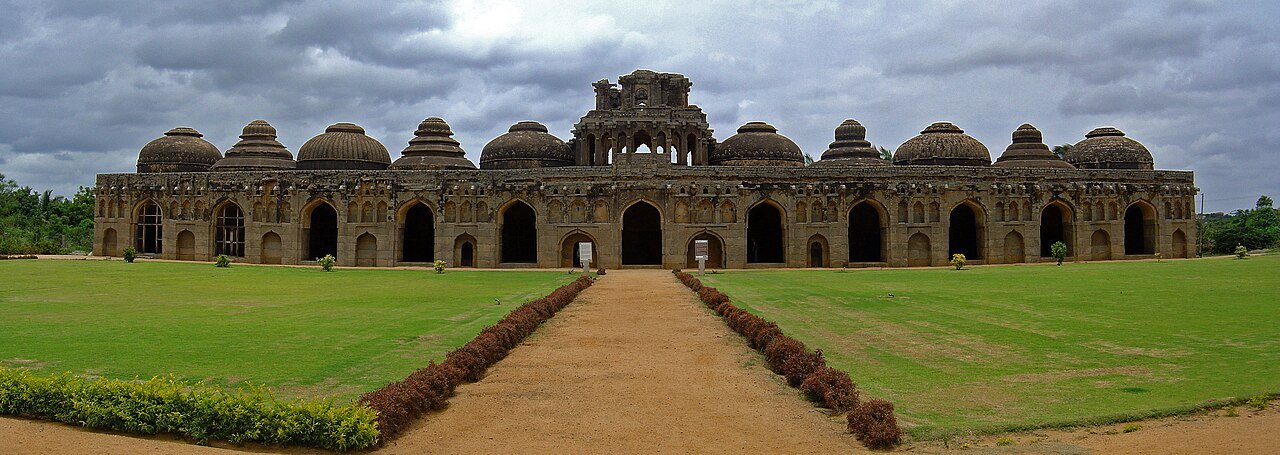
Few states pack in as much history as Karnataka. Wander the surreal, UNESCO-listed ruins of Hampi, the capital of the mighty Vijayanagara Empire, marvel at the illuminated Mysore Palace, admire the astonishingly intricate Hoysala carvings at Belur and Halebidu, and explore the ancient cave temples and rock-cut shrines of Badami, Aihole and Pattadakal. Add palaces, forts and a rich culture of art and cuisine, and Karnataka becomes an unmissable heritage journey.
Hampi
The UNESCO ruins of the Vijayanagara Empire.
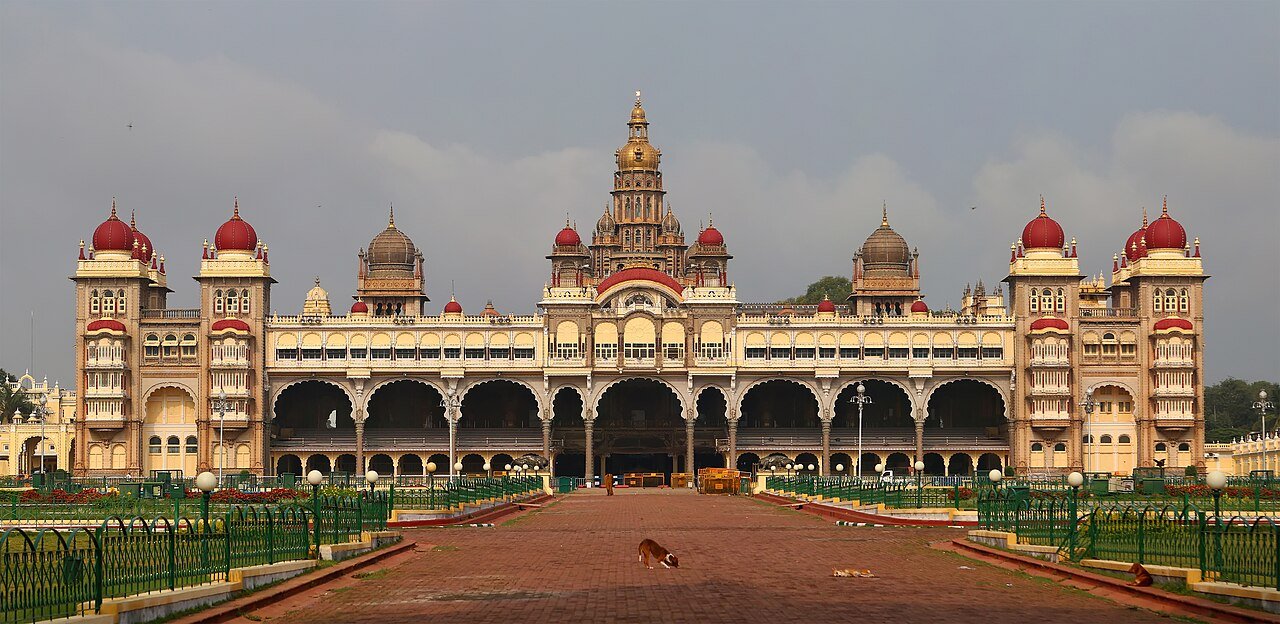
Mysore Palace
A dazzling royal palace, magical when lit.
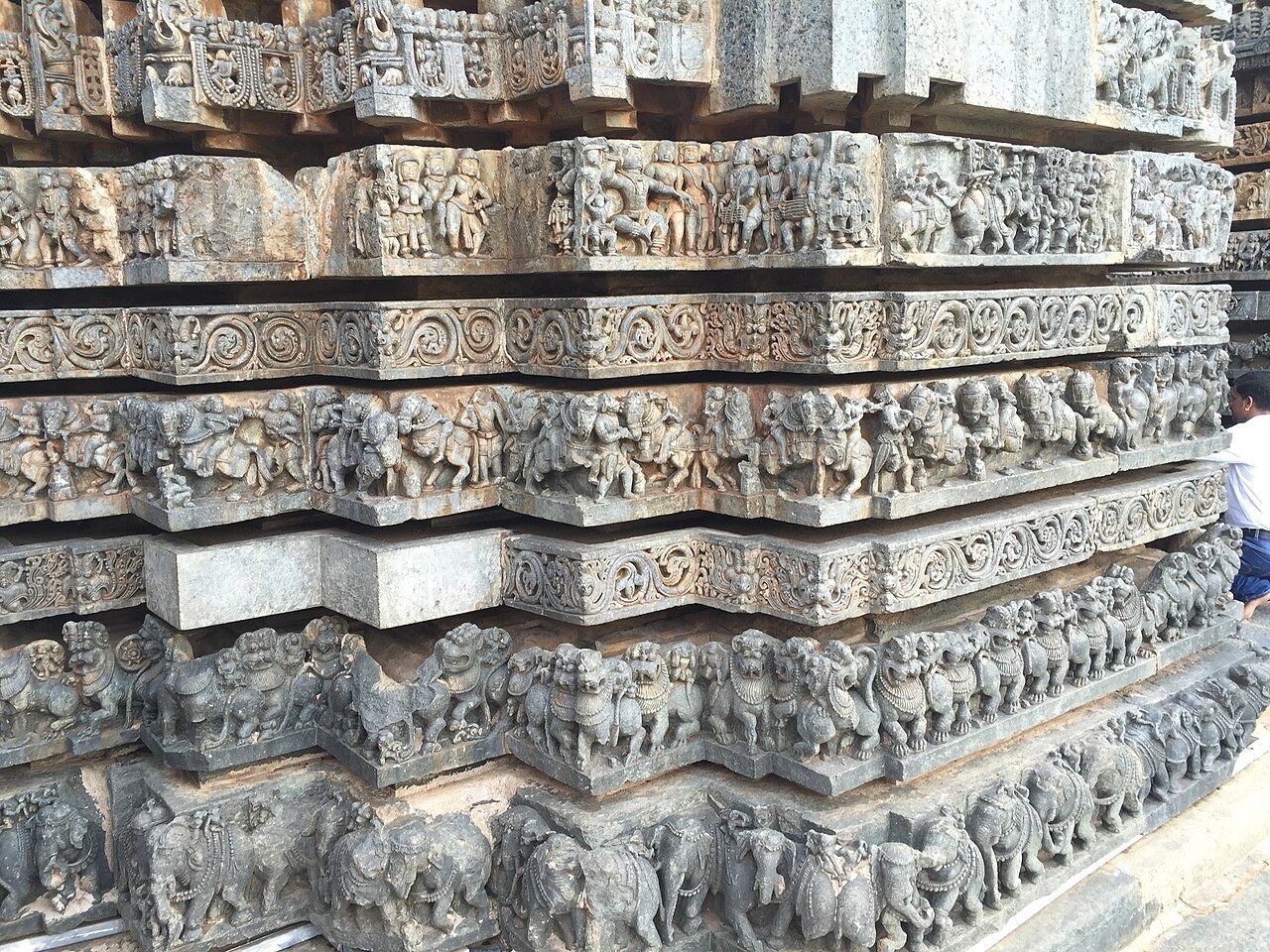
Hoysala temples
Exquisite carvings at Belur and Halebidu.
Badami caves
Ancient rock-cut cave temples.
Forts & palaces
Srirangapatna and more royal history.
Karnataka cuisine
Dosas, Mysore specialities and filter coffee.
Whether you love history, architecture, art or culture, a Karnataka heritage itinerary delivers a deep and rewarding journey through some of India’s most remarkable monuments.
A Karnataka heritage trip is India’s history in stone — Hampi’s ruins, Mysore’s palace and the jewel-like carvings of the Hoysalas.
Part 2 of 8
Getting there and around
Karnataka’s heritage sites are spread out, so plan transport for an efficient route.
Getting there: Fly into Bengaluru, the main gateway, to start; Hubballi airport is handy for the Hampi/Badami region. Mysore is an easy train or road trip from Bengaluru.
Getting around: A hired car with driver is the most flexible way to cover the spread-out sites, especially Belur/Halebidu and Badami/Aihole/Pattadakal. Trains connect Bengaluru, Mysore and Hospet (for Hampi) affordably and scenically, and you can combine train and car for the route.
Pro tip
Take a train Bengaluru–Mysore and Bengaluru/Hubballi–Hospet for Hampi, and use a car for the cluster sites like Belur/Halebidu and Badami/Aihole/Pattadakal. Hire a local guide at the major monuments to bring the history alive.
Note: Distances between the heritage clusters are long, so plan realistic travel days and consider internal flights or trains to save time.
Part 3 of 8
Best time to do this itinerary
Karnataka’s heritage sites are best enjoyed in the cooler, drier months.
| Season | Months | What to expect |
|---|---|---|
| Peak/cool | Oct–Mar | The best time — pleasant for sightseeing the ruins, temples and palaces. |
| Festive | Sep–Oct | Mysore Dasara brings spectacular palace illuminations and processions. |
| Summer | Apr–Jun | Hot, especially at exposed sites like Hampi and Badami; start early. |
| Monsoon | Jul–Sep | Greener landscapes but rain; some disruption, though sites stay open. |
For comfortable sightseeing across Hampi, Mysore, the Hoysala temples and Badami, travel between October and March. The Mysore Dasara festival (around September–October) is a spectacular time to see the palace lit and the grand processions, though it draws crowds. Summer is hot at exposed sites, so start early and carry water.
Part 4 of 8
Costs and budgeting
Karnataka is affordable, from budget guesthouses to heritage hotels. Here is a realistic per-person, per-day guide for 2026, excluding transport to the state.
| Style | Daily budget | What it covers |
|---|---|---|
| Budget | ₹1,800–3,200 | Guesthouses and budget hotels, local food, trains and shared transport. |
| Mid-range | ₹4,500–8,500 | Good hotels, a car with driver, guides and nicer dining. |
| Heritage/luxury | ₹14,000+ | Heritage and luxury hotels, private guides and curated experiences. |
A car with driver is the main transport cost but adds flexibility for the spread-out sites. Food is cheap and delicious, and monument entry fees are modest, though a good guide is worth budgeting for. Carry some cash for smaller towns like Hospet and Badami, though cards and UPI work in cities.
Good to know
Karnataka is generally safe and welcoming. The heritage sites involve a lot of walking, often on uneven stone and in the sun, so wear good shoes, carry water and a hat, and start early. Dress modestly at temples, respect monument rules, and use licensed guides for the best (and accurate) history.
Part 5 of 8
The Karnataka heritage itinerary, day by day
This route links Karnataka’s great heritage clusters.
Day 1 — Bengaluru: Arrive, with optional sights like the Bangalore Palace and gardens before heading out.
Days 2–3 — Mysore: The magnificent Mysore Palace (stunning when illuminated), Chamundi Hill, the markets, and nearby Srirangapatna’s fort and history.
Day 4 — Hassan (Belur & Halebidu): The exquisitely carved Hoysala temples at Belur and Halebidu, and optionally the Jain statue at Shravanabelagola.
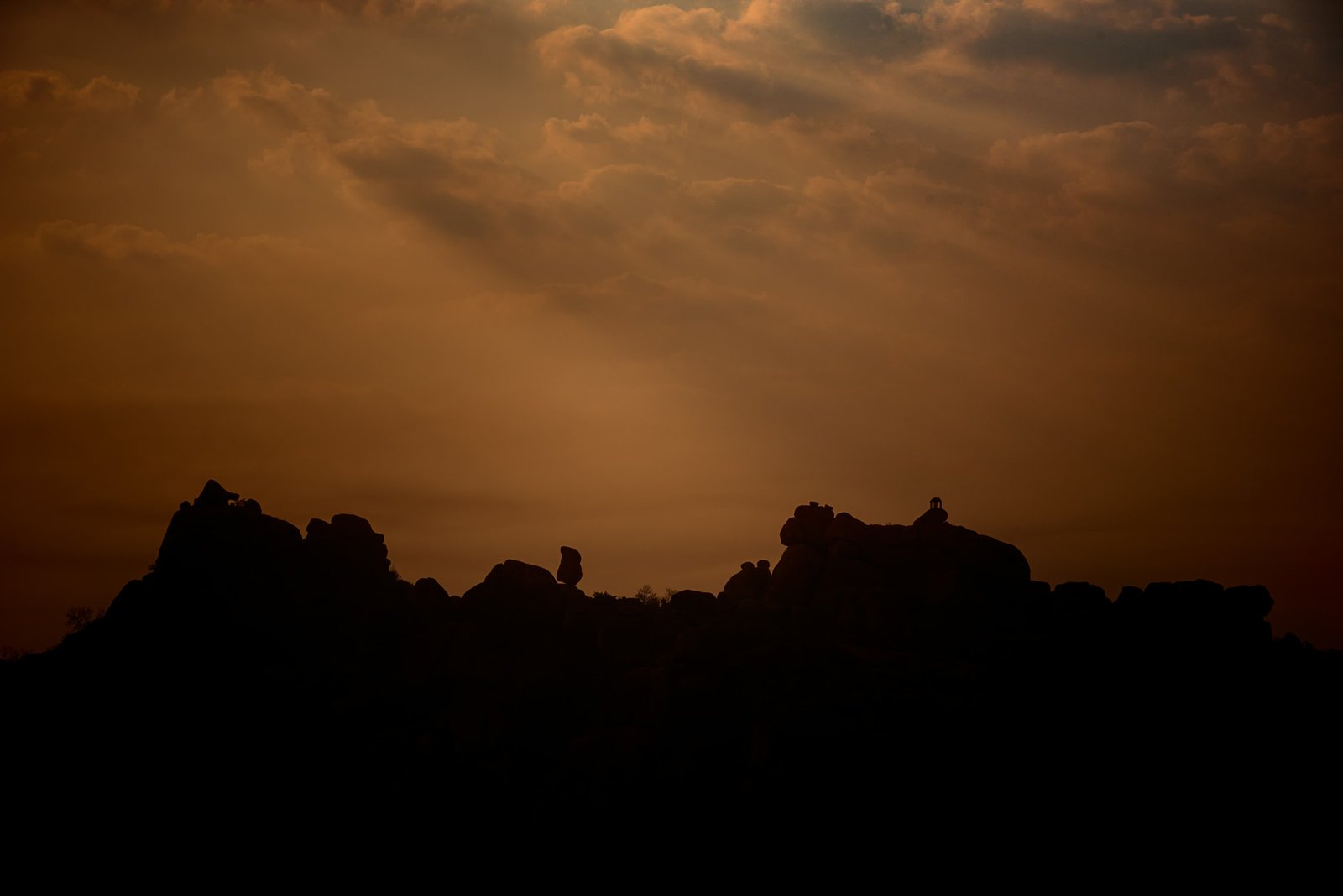
Days 5–7 — Hampi: Travel to Hampi for several days exploring the vast Vijayanagara ruins — the Virupaksha Temple, Vittala Temple and stone chariot, royal enclosures and boulder landscapes.
Day 8 — Badami (optional): The Badami cave temples and nearby Aihole and Pattadakal, cradles of temple architecture, before returning via Hubballi.
Pro tip
Give Hampi at least two full days — it is vast and best explored slowly, by bicycle or auto, with sunrise and sunset over the boulders. Time your Mysore visit for a Sunday evening or Dasara to see the palace fully illuminated.
Part 6 of 8
Where to stay along the route
Choosing the right bases makes this spread-out route comfortable.
Mysore: Stay near the palace and centre for sights, markets and heritage hotels.
Hassan: A convenient base for the Belur and Halebidu temples.
Hampi: Hampi Bazaar/Virupaksha side for atmosphere, or quieter Hospet and the Hippie Island (Anegundi) side for variety.
Badami: Basic hotels in Badami town for the caves and nearby Aihole/Pattadakal.
Mysore: central
Near the palace and markets.
Hassan: temple base
For Belur and Halebidu.
Hampi: bazaar or Hospet
Atmosphere or comfort by the ruins.
Badami: town hotels
For the caves and Pattadakal.
Book ahead around Mysore Dasara and peak season, when the best-located stays fill quickly, and choose heritage hotels for an atmospheric experience.
Part 7 of 8
Practical tips for this Karnataka trip
A few habits make this heritage itinerary run smoothly.
Mix train & car
Trains for long hops, a car for cluster sites.
Hire guides
They bring the monuments and history alive.
Wear good shoes
Lots of walking on uneven stone in the sun.
Start early
Beat the heat and crowds at exposed sites.
This itinerary is designed to be rich yet manageable. Combine trains for the long hops (Bengaluru–Mysore, Bengaluru/Hubballi–Hospet) with a car for the spread-out cluster sites like Belur/Halebidu and Badami/Aihole/Pattadakal. Give Hampi at least two days, and hire licensed local guides to bring the monuments’ history alive.
The sites involve plenty of walking on uneven stone and in the sun, so wear good shoes, carry water and a hat, and start early to beat the heat and crowds. Dress modestly at temples, respect monument rules, and carry some cash for smaller towns. Time your trip for October–March, or Mysore Dasara for the spectacular palace illuminations, and Karnataka will reward you with one of India’s richest heritage journeys.
Part 8 of 8
Frequently asked questions
How do I plan a Karnataka heritage itinerary?
A classic route runs Bengaluru → Mysore → Hassan (Belur/Halebidu) → Hampi, optionally adding Badami, Aihole and Pattadakal, over about 7–8 days. Fly into Bengaluru (or Hubballi for the Hampi region), use trains for long hops and a car for the spread-out cluster sites.
When is the best time to visit Karnataka’s heritage sites?
October to March offers the most comfortable weather for the ruins, temples and palaces. The Mysore Dasara festival (around September–October) is spectacular for the illuminated palace and processions but draws crowds. Summer is hot at exposed sites like Hampi and Badami, so start early.
How many days do I need for this itinerary?
Seven to eight days covers Mysore, the Hoysala temples and Hampi at a comfortable pace, with Badami as an optional extension. Give Hampi at least two full days, as it is vast. With less time, focus on Mysore plus Hampi; with more, add Badami, Aihole and Pattadakal.
How do I get around Karnataka’s heritage sites?
Combine trains for the long hops — Bengaluru to Mysore and Bengaluru or Hubballi to Hospet for Hampi — with a hired car for the spread-out cluster sites like Belur/Halebidu and Badami/Aihole/Pattadakal. Within Hampi, explore by bicycle, scooter or auto-rickshaw.
How much does a Karnataka heritage trip cost?
Excluding transport to the state, budget travellers manage on roughly ₹1,800–3,200 a day, mid-range trips ₹4,500–8,500 including a car and guides, and heritage/luxury trips from ₹14,000. Food and monument entries are cheap; a private car and good guides are the main extras.
Is Hampi worth visiting, and how long do I need there?
Absolutely — Hampi’s vast, surreal UNESCO ruins among giant boulders are a highlight of any Karnataka trip. Give it at least two full days to explore the temples, royal enclosures and landscapes slowly, ideally with a sunrise or sunset over the boulders, by bicycle, scooter or auto.
What are the Hoysala temples and where are they?
The Hoysala temples at Belur and Halebidu (near Hassan), recently recognised by UNESCO, are famed for their astonishingly intricate stone carvings of gods, dancers and friezes. They are among India’s finest examples of temple art and a must-see on a Karnataka heritage itinerary, easily combined as a day from Hassan.
What should I wear and carry for the heritage sites?
Wear comfortable shoes for walking on uneven stone, light, modest clothing that covers shoulders and knees for temples, and a hat and sunglasses for sun-exposed ruins like Hampi and Badami. Carry water, sunscreen, and some cash for smaller towns, and start early to beat the heat and crowds.
Can I combine this with a Karnataka beach or coffee add-on?
Yes. After the heritage circuit you could add the beaches of Gokarna and the coastal Konkan, or the coffee hills of Coorg and Chikmagalur for greenery and plantations. Both pair naturally with Bengaluru and Mysore, extending a heritage trip into a varied week or more that mixes monuments with nature and the coast.
Is the Mysore Dasara festival worth planning around?
If your dates are flexible, yes. Mysore Dasara (around September–October) is one of India’s most spectacular festivals, with the palace illuminated by thousands of lights and grand processions of caparisoned elephants. It draws big crowds and higher prices, so book accommodation well ahead, but the atmosphere and the lit palace are unforgettable.
The bottom line
A Karnataka heritage itinerary is a journey through India’s history in stone — the surreal Vijayanagara ruins of Hampi, the royal splendour of Mysore Palace, the jewel-like Hoysala carvings of Belur and Halebidu, and the ancient cave temples of Badami. Fly into Bengaluru, combine trains and a car, give Hampi at least two days, and travel between October and March (or during Mysore Dasara for the illuminations). Hire guides, start early and dress modestly, and Karnataka will reward culture-loving travellers with one of India’s richest and most rewarding heritage trips.
Related reading
 Weekend Getaways from Bangalore: 15 Best Short Trips (2026)
 South India 10-Day Itinerary 2026 — Tamil Nadu & Kerala Highlights
 Adventure Travel in India: Activities & How to Plan Safely
Photos sourced from Wikimedia Commons under their respective Creative Commons licences. Travel details are indicative for 2026; confirm timings, fares and monument rules before you travel.