London Travel Guide 2026 — Landmarks, Museums, Food & 4-Day Plan
Last updated: July 8, 2026
London is one of the world’s great capitals — a vibrant, historic metropolis where royal palaces and ancient landmarks meet world-class museums, diverse neighbourhoods, leafy parks and a buzzing food and theatre scene. From Big Ben and Buckingham Palace to the Tower of London, the British Museum and the London Eye, the city brims with iconic sights. English-speaking, multicultural and superbly connected, with a large Indian community, London is a fantastic and familiar destination for Indian travellers.
This 2026 guide for Indian travellers covers visas and flights, the best time to go, what it costs, where to stay and eat, and how to make the most of a few days in London.
- Visa: Indians need a UK Standard Visitor visa — apply online well in advance.
- Getting there: Direct and one-stop flights from many Indian cities to London (Heathrow/Gatwick).
- Best time: May to September for the warmest, brightest weather; the city is great year-round.
- Don’t miss: Big Ben and Westminster, the Tower of London, the British Museum and a Thames cruise.
Part 1 of 8
Why London belongs on your list
London offers an extraordinary mix of history, culture and energy. Watch the Changing of the Guard at Buckingham Palace, explore the Tower of London and its Crown Jewels, ride the London Eye, wander free world-class museums like the British Museum and the National Gallery, catch a West End show, and soak up the buzz of Soho, Camden and Covent Garden. With royal pageantry, global cuisine and easy day trips, London is endlessly rewarding.
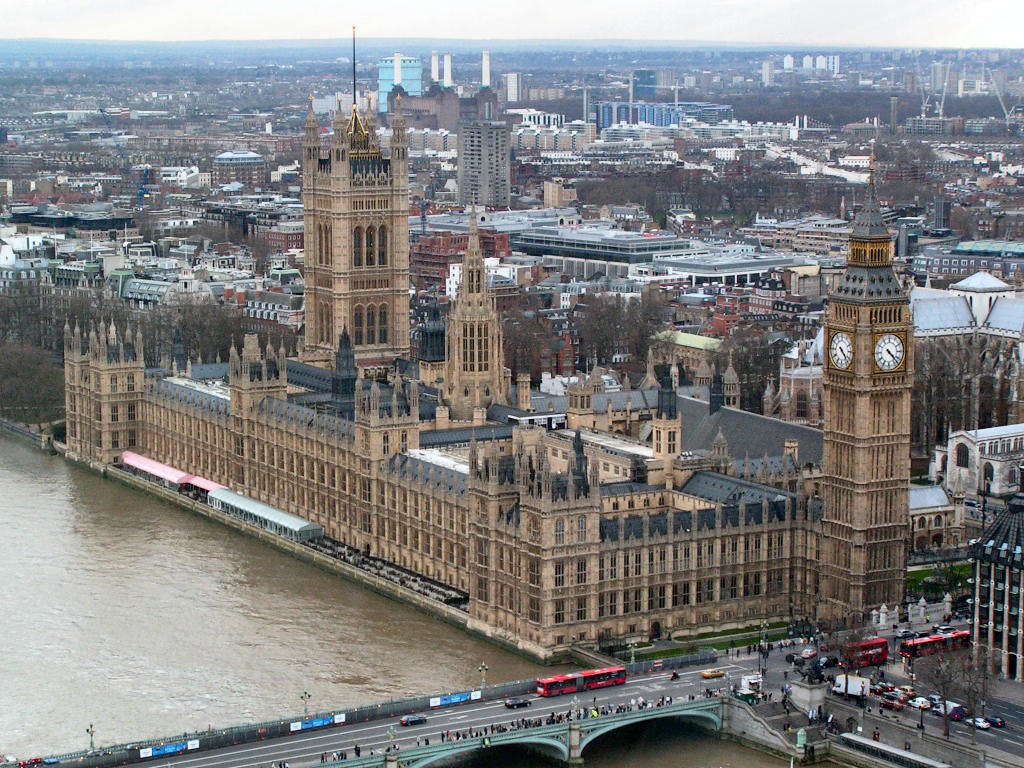
Westminster
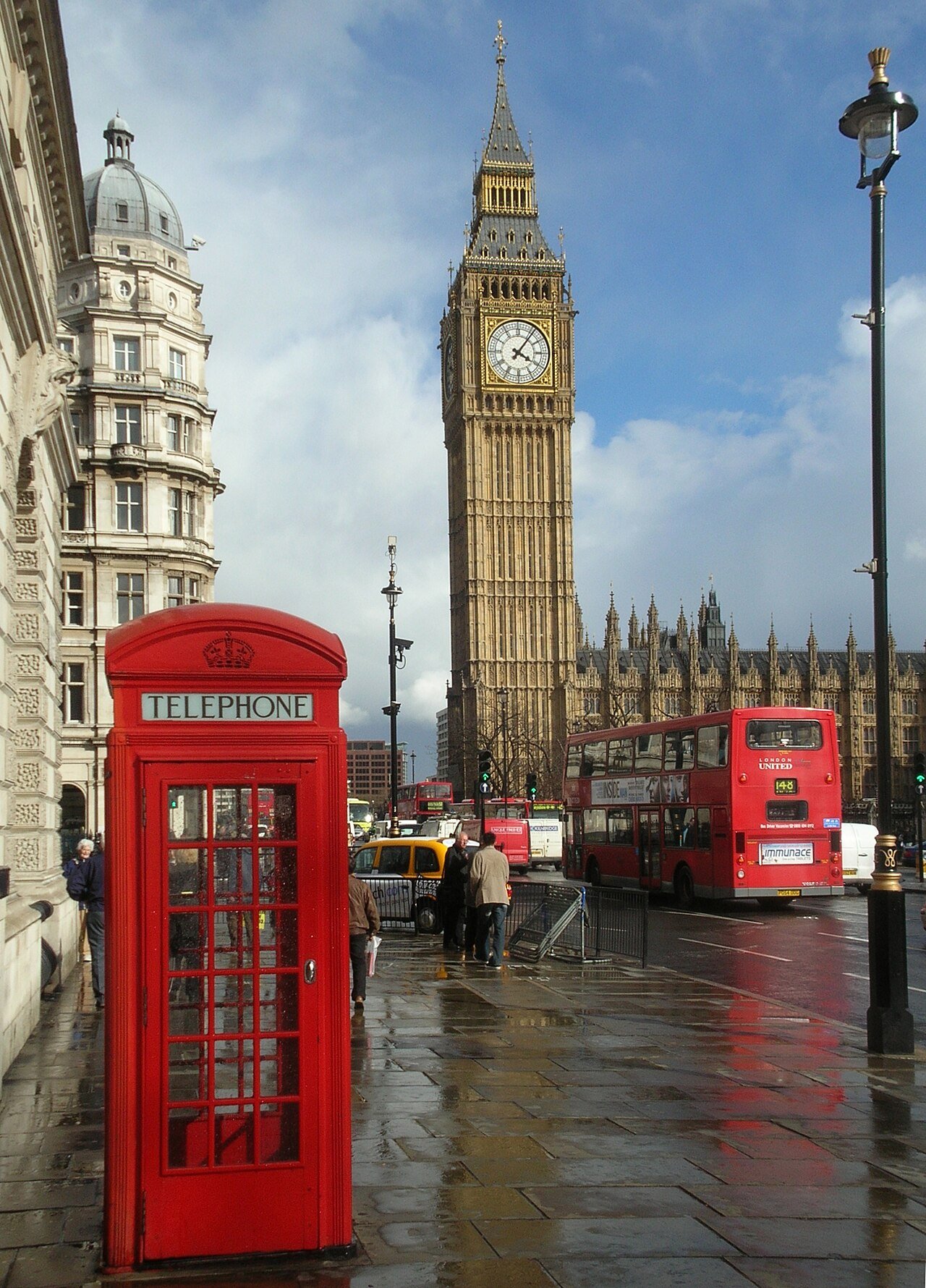
Big Ben, the Houses of Parliament and the Abbey.
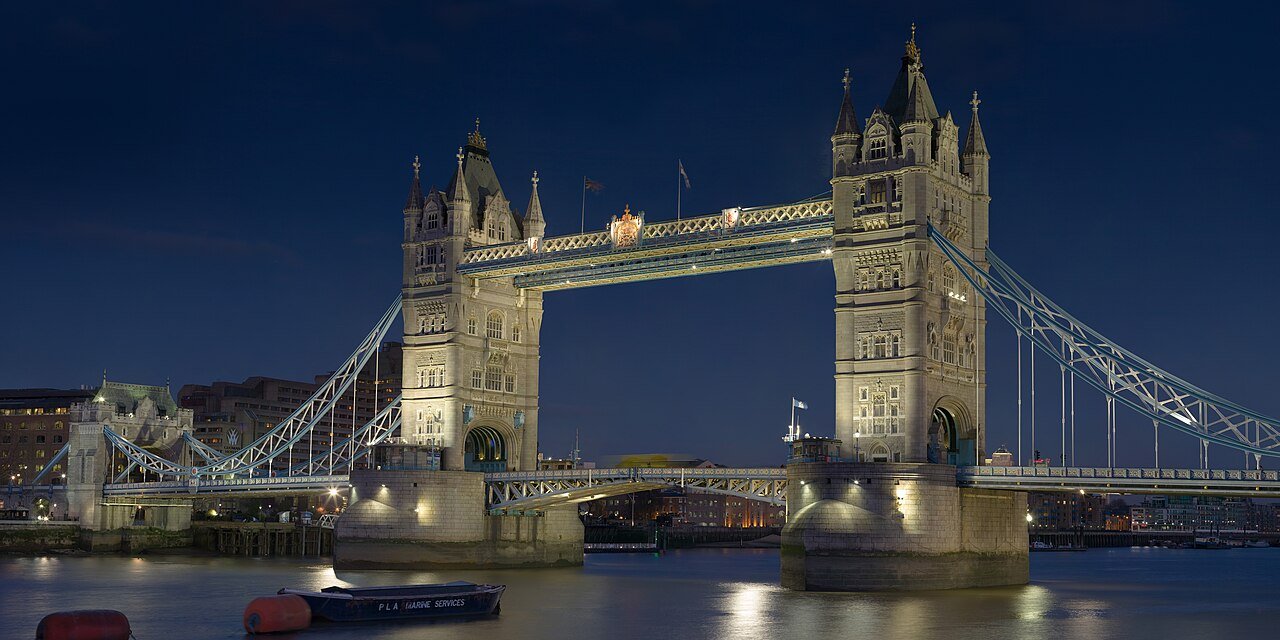
Tower of London
History, the Crown Jewels and Tower Bridge.
Buckingham Palace
Royal pageantry and the Changing of the Guard.
Free museums
The British Museum, National Gallery and more.
London Eye
Sweeping views over the Thames and skyline.
West End
World-famous theatre, shopping and dining.
Whether you love history, museums, royalty, theatre, shopping or food, London delivers a world-class city experience that is easy and familiar for Indian travellers, and a perfect gateway to the UK and Europe.
London is history and energy combined — royal palaces and ancient towers, free museums and West End lights, all in one buzzing capital.
Part 2 of 8
Visas and getting to London
A UK visa and good flight links make London straightforward to reach, with planning.
Visa: Indian passport holders need a UK Standard Visitor visa. Apply online well in advance, providing your itinerary, flights, accommodation, financial documents and travel history. Processing takes time, so plan ahead, and note the UK visa is separate from the Schengen visa for mainland Europe.
By air: Direct and one-stop flights connect many Indian cities to London’s Heathrow and Gatwick airports on British Airways, Indian carriers and others. Booking early lands the best fares. The Heathrow Express, Underground and trains link the airports to the city.
Pro tip
Apply for your UK visa early, as processing can take weeks. Get an Oyster card or use contactless payment for cheap, capped travel on the Tube and buses, and book major attractions and West End shows online in advance.
Getting around: London’s Underground (the Tube) and red buses are the best way to get around — tap in with an Oyster card or contactless card for daily-capped fares. The city is also walkable in the centre. Taxis and ride-hailing are pricier but handy at night.
Part 3 of 8
Best time to visit London
London is a year-round city, but the season shapes the weather, daylight and crowds.
| Season | Months | What to expect |
|---|---|---|
| Summer | Jun–Aug | Warmest and brightest with long days; busiest and priciest, lively parks and events. |
| Spring | Apr–May | Mild, blooming and pleasant — among the best times to visit. |
| Autumn | Sep–Oct | Crisp and atmospheric with thinner crowds — another good window. |
| Winter | Nov–Feb | Cold, dark and often wet, but festive and magical around Christmas, with lower prices. |
For the warmest, brightest weather and long days, visit between May and September, though summer is the busiest and most expensive. Spring and autumn offer pleasant weather with fewer crowds, while winter is cold and dark but festive around Christmas. Pack an umbrella and layers year-round, as London weather is famously changeable.
Part 4 of 8
Costs and budgeting for Indians
London is one of the world’s pricier cities, but free museums and smart choices help. Here is a realistic per-person, per-day guide for 2026, excluding international flights.
| Style | Daily budget | What it covers |
|---|---|---|
| Budget | £70–120 | Hostels or budget hotels, casual meals, Tube travel, free museums. |
| Mid-range | £180–300 | Good hotels, restaurant dining, paid attractions and a show. |
| Luxury | £450+ | Upscale hotels, fine dining, private tours and premium experiences. |
Accommodation and dining are the biggest costs, but London’s superb museums are largely free, and parks, markets and landmarks cost nothing to enjoy. The Tube is convenient with daily fare caps via Oyster/contactless. Eat at markets, pubs and casual spots to save, carry a card (widely accepted) plus some cash, and book attractions and shows online for the best prices.
Good to know
London is generally safe but watch for pickpockets in crowded tourist areas and on the Tube, and be alert to common scams. Use licensed black cabs or ride-hailing apps at night, keep valuables secure, and follow standard city precautions. Keep copies of your passport and visa.
Part 5 of 8
Where to stay, what to eat and top experiences
Where to stay: Central areas like Westminster, South Kensington, Covent Garden and the South Bank put you near the sights and transport; King’s Cross and Paddington are handy for stations. Outer zones near a Tube line offer better value. Choose a well-connected location to save time.
What to eat: London is a global food capital — try a classic fish and chips, a Sunday roast, afternoon tea, and food from its markets (Borough, Camden), plus cuisines from around the world. There is superb Indian food everywhere (the city is famous for it), and plentiful vegetarian and halal options, so Indian travellers eat very well.
Tower of London
The Crown Jewels and centuries of history.
British Museum
World treasures, free to enter.
London Eye & Thames
Skyline views and a river cruise.
Buckingham Palace
The Changing of the Guard ceremony.
For more, see Westminster Abbey and Big Ben, St Paul’s Cathedral, the West End for a show, the markets of Borough and Camden, the parks, and easy day trips to Windsor, Oxford, Bath or Stonehenge.
Part 6 of 8
A 3-4 day London itinerary
This route covers London’s highlights with room for a day trip.
Day 1 — Westminster & royal London: Big Ben, the Houses of Parliament, Westminster Abbey, Buckingham Palace (Changing of the Guard) and the London Eye.
Day 2 — City & history: The Tower of London, Tower Bridge, St Paul’s Cathedral, and a Thames river cruise, ending with a West End show.
Day 3 — Museums & markets: The British Museum or the South Kensington museums, then Covent Garden, Soho or Camden, with shopping and food.
Day 4 — Day trip: Windsor Castle, Oxford, Bath or Stonehenge, before departing.
Extend: Add Paris via the Eurostar or other UK cities on a longer trip.
Pro tip
Many of London’s best museums are free, so build your trip around them to save. Book the Tower of London, London Eye and West End shows online in advance, and use an Oyster/contactless card for capped, hassle-free travel.
Part 7 of 8
Practical tips for Indian travellers
A few pointers make a London trip smoother.
Apply early for the visa
UK visa processing can take weeks.
Use Oyster/contactless
Cheap, daily-capped Tube and bus travel.
Enjoy free museums
World-class museums cost nothing to enter.
Pack for rain
Bring an umbrella and layers year-round.
London is one of the easiest international cities for Indian travellers — English-speaking, multicultural, with a huge Indian community, superb Indian food and excellent public transport. Apply for your UK visa well in advance, use an Oyster or contactless card for capped Tube and bus fares, and take advantage of the many free world-class museums.
Book major attractions and West End shows online to save and skip queues, and eat at markets, pubs and the city’s famous Indian restaurants to balance the high costs. Watch for pickpockets in crowded areas and on the Tube, carry an umbrella and layers for the changeable weather, and keep copies of your documents. With its history, culture, food and familiarity, London offers Indian travellers a rewarding and comfortable city break and a gateway to the UK and Europe.
Part 8 of 8
Frequently asked questions
Do Indians need a visa for London (UK)?
Yes. Indian passport holders need a UK Standard Visitor visa. Apply online well in advance with your itinerary, flights, accommodation, financial documents and travel history. Processing takes time, so plan ahead. Note the UK visa is separate from the Schengen visa needed for mainland Europe.
How do I reach London from India?
Direct and one-stop flights connect many Indian cities to London’s Heathrow and Gatwick airports on British Airways, Indian carriers and others. Booking early lands the best fares. From the airports, the Heathrow Express, the Underground and trains take you into the city.
When is the best time to visit London?
May to September offers the warmest, brightest weather and long days, though summer is the busiest and priciest. Spring and autumn are pleasant with fewer crowds, while winter is cold and dark but festive around Christmas. Pack an umbrella and layers any time of year.
How much does a London trip cost?
London is pricey. Excluding flights, budget travellers manage on £70–120 a day, mid-range trips £180–300, and luxury stays £450 plus. Accommodation and dining are the main costs, but free museums, parks and markets, plus capped Tube fares, help keep budgets in check.
Are London’s museums really free?
Yes. Many of London’s world-class museums — including the British Museum, the National Gallery, the Natural History Museum and the Tate galleries — have free general admission, though special exhibitions may charge. They are a fantastic, budget-friendly highlight of any London trip.
Is London good for vegetarians and Indian travellers?
Excellent. London has some of the best Indian food outside India, a huge Indian community, and plentiful vegetarian and halal options across all cuisines and budgets. Combined with English being the local language, this makes London especially easy and familiar for Indian travellers.
How many days do I need in London?
Three to four days cover the highlights — Westminster, the Tower of London, the museums, a Thames cruise and a West End show — plus a day trip to Windsor, Oxford or Bath. Add more time for additional museums, neighbourhoods and day trips, or to pair London with Paris.
What is the best way to get around London?
The Underground (the Tube) and red buses are the best way to get around — tap in with an Oyster card or contactless payment for daily-capped fares. Central London is also very walkable. Taxis and ride-hailing are pricier but useful late at night when the Tube is limited.
The bottom line
London is a world-class capital that blends royal history with modern energy — Big Ben and Buckingham Palace, the Tower of London, free museums, the London Eye and the West End, all in one buzzing, multicultural city. Apply for your UK visa early, travel between May and September for the brightest weather, use an Oyster card for capped fares, and make the most of the free museums. With superb Indian food, English everywhere and easy day trips, London offers Indian travellers a rewarding, familiar and unforgettable city break.
Related reading
 South Africa Travel Guide for Indians (2026)
 Greece Travel Guide for Indians: Visa, Islands & Itinerary
 Spain Travel Guide for Indians: Visa, Costs & Itinerary
Photos sourced from Wikimedia Commons under their respective Creative Commons licences. Visa, flight and travel details are indicative for 2026; confirm current visa rules and prices before you travel.