Vietnam Travel Guide for Indians 2026 — e-Visa, Cost, Best Time & Itinerary
Last updated: July 8, 2026
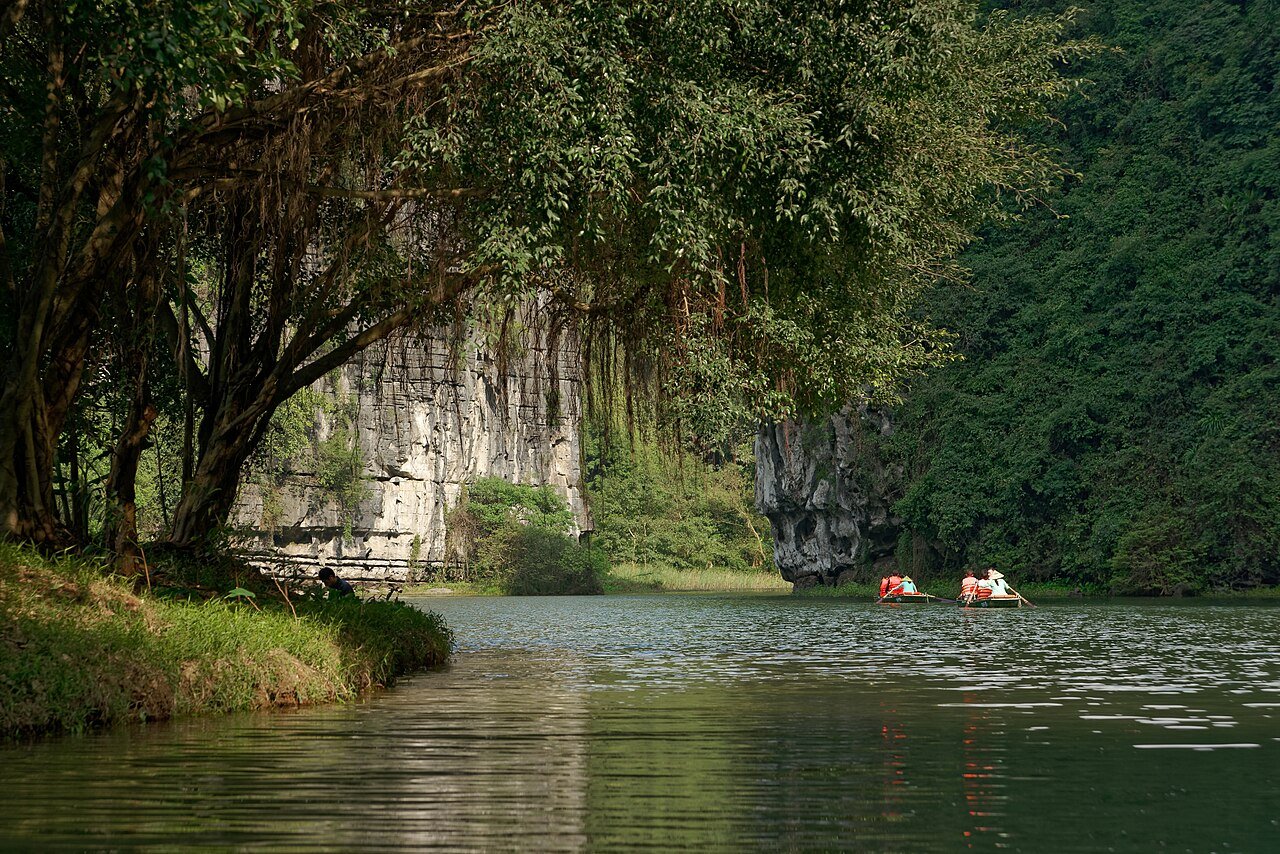
Vietnam is one of Asia’s most rewarding and affordable destinations — a long, beautiful country of emerald rice terraces, dramatic limestone seascapes, lantern-lit old towns, buzzing cities, golden beaches and extraordinary food. From Hanoi and the wonder of Halong Bay to the charm of Hoi An and the energy of Ho Chi Minh City, it offers incredible variety and value. With an easy e-visa and good flight links, Vietnam is a fantastic, great-value trip for Indian travellers seeking culture, scenery and adventure.
This 2026 guide for Indian travellers covers visas and flights, the best time to go, what it costs, where to stay and eat, getting around and what not to miss.
- Visa: Indians need a visa for Vietnam — the e-visa is available online; apply in advance.
- Getting there: Direct and one-stop flights from Indian cities to Hanoi or Ho Chi Minh City.
- Best time: Vietnam is long, so climates vary — spring (Feb–Apr) and autumn (Sep–Nov) suit most of the country.
- Don’t miss: Hanoi, Halong Bay, Hoi An, Ho Chi Minh City and the Mekong Delta.
Part 1 of 8
Why Vietnam belongs on your list
Vietnam packs astonishing variety into one country. Explore Hanoi’s atmospheric Old Quarter, cruise the legendary limestone karsts of Halong Bay, wander the lantern-lit ancient town of Hoi An, relax on Da Nang’s beaches, and dive into the buzz and history of Ho Chi Minh City with a Mekong Delta day trip. Add the rice terraces of Sapa, world-famous food and exceptional value, and Vietnam becomes a brilliant destination for culture, nature and adventure — all wonderfully affordable.
Hanoi
The atmospheric Old Quarter and street food.
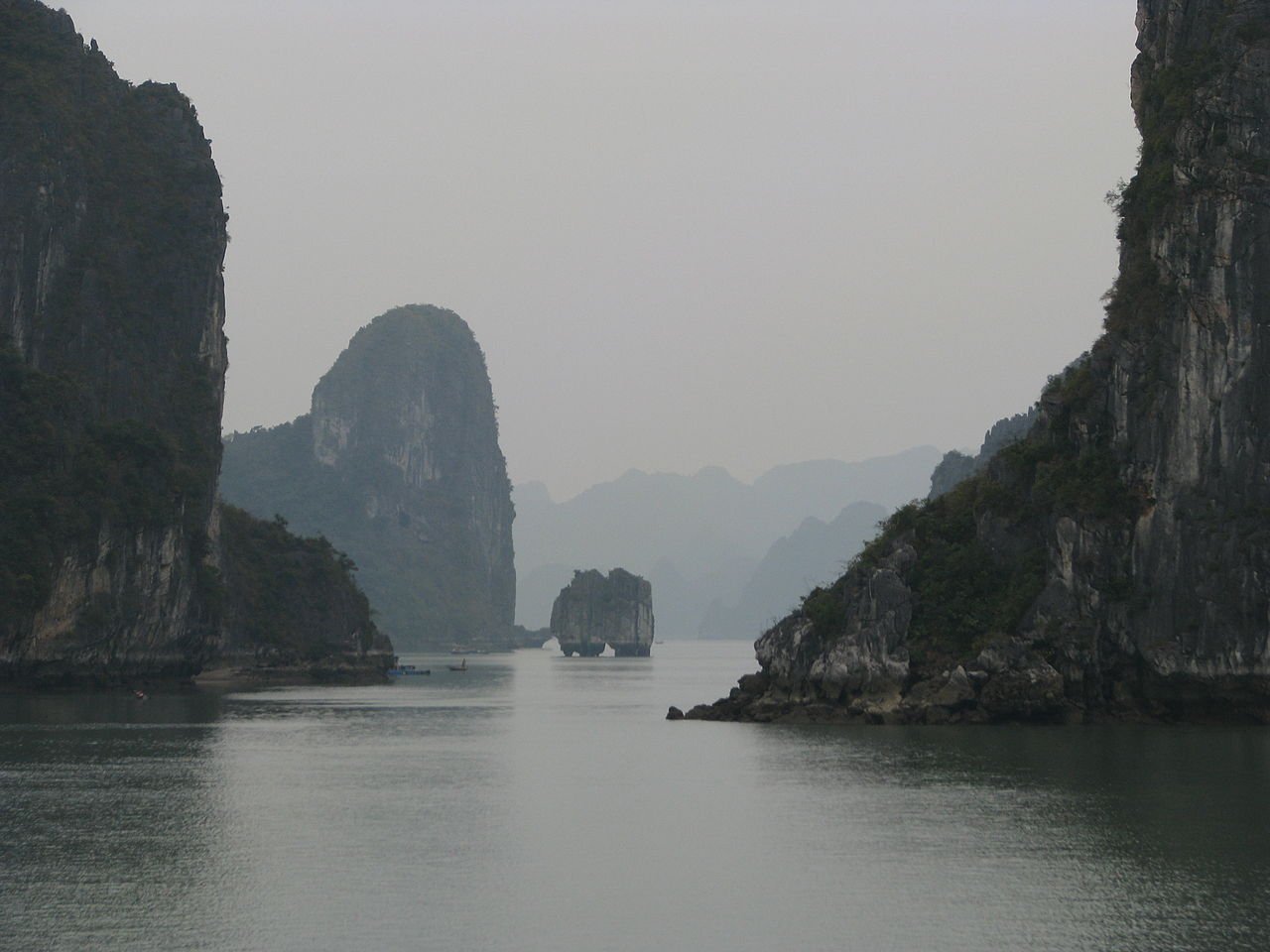
Halong Bay
World-famous limestone karsts on a cruise.
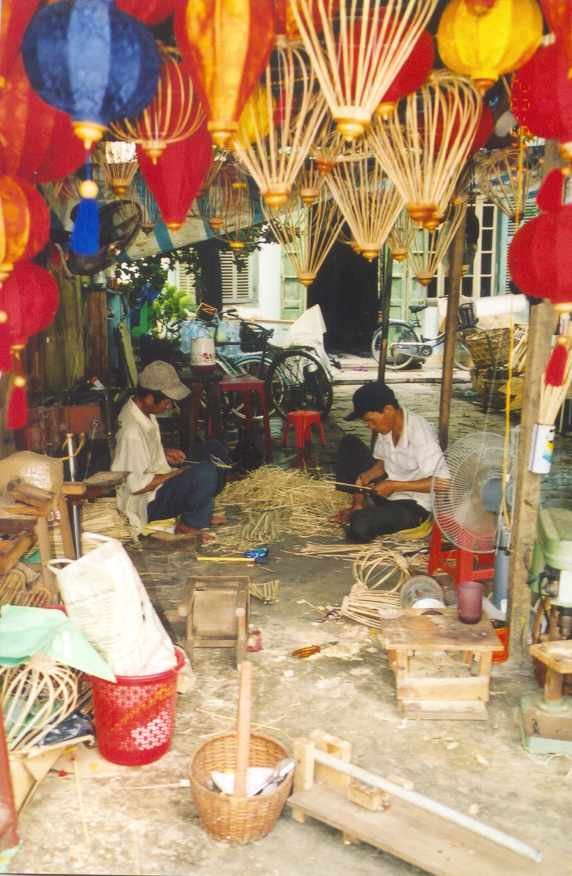
Hoi An
Lantern-lit ancient town and tailors.
Da Nang & beaches
Beaches and the Golden Bridge.
Ho Chi Minh City
Energy, history and the Mekong Delta.
Vietnamese food
Pho, banh mi and incredible street eats.
Whether you want cities, seascapes, heritage, beaches or mountains, Vietnam delivers an exceptional, great-value journey, and works brilliantly as a north-to-south trip for Indian travellers.
Vietnam is variety and value combined — Hanoi’s buzz, Halong’s karsts, Hoi An’s lanterns and Saigon’s energy, all at brilliant prices.
Part 2 of 8
Visas and getting to Vietnam
Vietnam is easy to reach from India with a simple e-visa and good flight links.
Visa: Indian passport holders need a visa for Vietnam. The easiest route is the Vietnam e-visa, applied for online before travel — quick and inexpensive. Apply in advance with your documents, and confirm the current rules before booking.
By air: Direct and one-stop flights connect Indian cities to Hanoi (Noi Bai) and Ho Chi Minh City (Tan Son Nhat), often via Bangkok, Singapore or Kuala Lumpur, with low-cost options. Flying into one and out of the other suits a north-to-south trip.
Pro tip
Apply for your e-visa a few days before travel, and fly into Hanoi and out of Ho Chi Minh City to avoid backtracking. Use cheap domestic flights to cover the long distances, and Grab (ride-hailing) within cities.
Getting around: Cheap domestic flights link Hanoi, Da Nang and Ho Chi Minh City; trains and buses connect nearer towns; and Grab is handy in cities. Cross the motorbike-heavy roads slowly and predictably — the traffic flows around you.
Part 3 of 8
Best time to visit Vietnam
Vietnam stretches over 1,600 km, so the climate varies by region — timing is about finding a good overall window.
| Season | Months | What to expect |
|---|---|---|
| Spring | Feb–Apr | Generally pleasant nationwide — a good all-round time to travel. |
| Autumn | Sep–Nov | Mild and pleasant in most regions — another excellent window. |
| Summer | May–Aug | Hot and humid; central beaches are good, but the north can be rainy. |
| Winter | Dec–Jan | Cool in the north (Hanoi/Halong can be misty), warm in the south. |
Because Vietnam spans several climate zones, no single month is perfect everywhere, but spring (February–April) and autumn (September–November) generally offer the best weather across the whole country. Expect cooler, sometimes misty conditions in the north in winter and a hot, humid summer, with the south staying warm year-round.
Part 4 of 8
Costs and budgeting for Indians
Vietnam is wonderfully affordable. Here is a realistic per-person, per-day guide for 2026, excluding international flights.
| Style | Daily budget | What it covers |
|---|---|---|
| Backpacker | $25–45 | Hostels and guesthouses, street food, buses and shared tours. |
| Mid-range | $60–120 | Good hotels, a Halong Bay cruise, dining out and private transport. |
| Comfort | $160+ | Boutique hotels, premium cruises, private guides and experiences. |
Street food and local eateries are remarkably cheap and delicious, and accommodation is great value. The main planned costs are domestic flights and a Halong Bay cruise. Carry Vietnamese dong in cash for street stalls and markets, though cards work in hotels and bigger restaurants. Booking tours via reputable operators keeps costs and hassle down.
Good to know
Vietnam is generally safe but watch for petty scams and overcharging (agree prices, use Grab), mind belongings in crowds, and cross the motorbike-heavy roads slowly and predictably. Choose reputable Halong Bay and tour operators with good safety standards, and carry small change for vendors.
Part 5 of 8
Where to stay, what to eat and top experiences
Where to stay: In Hanoi, the Old Quarter is central and atmospheric; in Hoi An, the ancient town or An Bang beach; in Da Nang, the beachfront; and in Ho Chi Minh City, central District 1. Sleep aboard the cruise boat for Halong Bay. Each region has everything from cheap guesthouses to boutique hotels.
What to eat: Vietnamese food is a highlight — pho, banh mi, fresh spring rolls, bun cha and the famous egg coffee — cheap and delicious everywhere. Vegetarian (“chay”) eateries and Indian restaurants exist in major cities, so Indian travellers, including vegetarians, eat very well.
Halong Bay cruise
Day or overnight among the karsts.
Hoi An old town
Lanterns, tailors and riverside charm.
Hanoi Old Quarter
Street food and the water-puppet show.
Mekong Delta
Rivers, floating markets and orchards.
For more, see the Golden Bridge at Ba Na Hills, the Cu Chi Tunnels and War Remnants Museum in Ho Chi Minh City, and the rice terraces of Sapa in the north.
Part 6 of 8
A 7-10 day Vietnam itinerary
This north-to-south route covers Vietnam’s highlights.
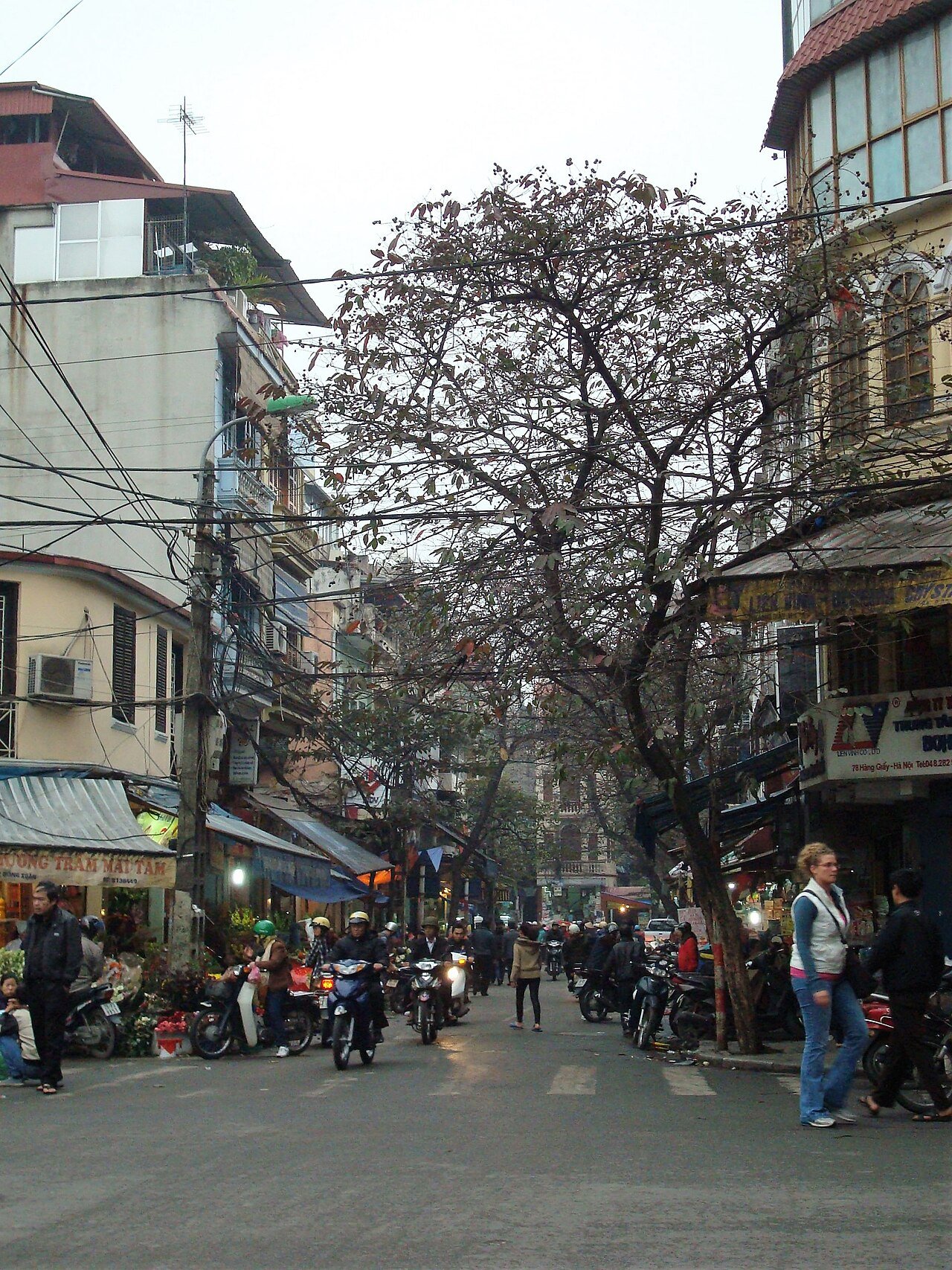
Days 1–2 — Hanoi: The Old Quarter, Hoan Kiem Lake, the Temple of Literature, street food and a water-puppet show.
Day 3 — Halong Bay: An overnight cruise among the limestone karsts, with kayaking and caves.
Days 4–6 — Hoi An & Da Nang: Fly to Da Nang for its beaches and the Golden Bridge, then the lantern-lit ancient town of Hoi An.
Days 7–9 — Ho Chi Minh City: Fly south for the War Remnants Museum, the Cu Chi Tunnels, markets and a Mekong Delta day trip.
Day 10 — Depart: Last-minute shopping and food before flying home.
Pro tip
Use cheap domestic flights to bridge the long distances, and base in Hoi An (not just Da Nang) for its magical evening atmosphere. An overnight Halong Bay cruise is far better than a rushed day trip.
Part 7 of 8
Practical tips for Indian travellers
A few pointers make a Vietnam trip smoother.
Get the e-visa
Apply online before travel — quick and inexpensive.
Fly domestically
Cheap flights bridge the long north-south distances.
Use Grab
Ride-hailing avoids taxi overcharging in cities.
Carry dong
Cash rules at street stalls and markets.
Vietnam is affordable and rewarding with a little street smarts. Apply for your e-visa in advance, fly into Hanoi and out of Ho Chi Minh City to avoid backtracking, and use cheap domestic flights to cover the long distances. Use Grab in cities to avoid overcharging, and carry Vietnamese dong for the abundant street food and markets.
Cross the motorbike-heavy roads slowly and predictably, keep an eye on belongings in crowds, and choose reputable Halong Bay and tour operators with good safety standards. Vegetarian travellers can seek out “chay” eateries, and Indian restaurants exist in major cities for familiar food. Travel in spring or autumn for the best overall weather, and Vietnam will reward Indian travellers with an unforgettable, brilliant-value adventure of cities, seascapes, heritage and incredible food.
Part 8 of 8
Frequently asked questions
Do Indians need a visa for Vietnam?
Yes. Indian passport holders need a visa, and the easiest route is the Vietnam e-visa, applied for online before travel. It is quick and inexpensive. Apply in advance with your documents, and always confirm the current rules and validity before booking your trip.
How do I reach Vietnam from India?
Direct and one-stop flights connect Indian cities to Hanoi (Noi Bai) and Ho Chi Minh City (Tan Son Nhat), often via Bangkok, Singapore or Kuala Lumpur, with low-cost options. Flying into one and out of the other suits a north-to-south trip and avoids backtracking.
When is the best time to visit Vietnam?
Vietnam spans several climate zones, so no month is perfect everywhere, but spring (February–April) and autumn (September–November) generally offer the best weather across the whole country. The north is cool and misty in winter, while the south stays warm year-round.
How much does a Vietnam trip cost?
Vietnam is very affordable. Excluding international flights, backpackers manage on $25–45 a day, mid-range trips $60–120 including a Halong Bay cruise, and comfort trips from $160. Street food and stays are cheap; domestic flights and the cruise are the main extras.
Is a Halong Bay cruise worth it?
Absolutely — Halong Bay’s thousands of limestone karsts rising from emerald waters are a highlight of Vietnam. An overnight cruise with kayaking and caves is far more rewarding than a rushed day trip. Book reputable operators with good safety standards, and keep a flexible day for weather.
Is Vietnam good for vegetarian Indian travellers?
Yes. Vietnam has “chay” (vegetarian) eateries and Buddhist restaurants, plus Indian restaurants in major cities for familiar food, so vegetarians and Indian travellers eat well. The abundant, cheap and fresh food, along with great-value stays, makes Vietnam very budget-friendly.
How many days do I need for Vietnam?
Seven to ten days lets you cover Hanoi, Halong Bay, Hoi An and Da Nang, and Ho Chi Minh City with a Mekong Delta day trip, using cheap domestic flights. With two weeks you could add Sapa, Hue or the beaches. Use flights to bridge the long distances.
Is Vietnam safe for tourists?
Vietnam is generally safe, but watch for petty scams and overcharging — agree prices or use Grab, and mind belongings in crowds. Cross the motorbike-heavy roads slowly and predictably, and choose reputable Halong Bay and tour operators. Take standard precautions and the trip is smooth and rewarding.
Can I combine Vietnam with other Southeast Asian countries?
Yes. Vietnam pairs easily with Thailand, Cambodia (Angkor Wat is a short flight or overland trip from Ho Chi Minh City) or Laos for a longer Southeast Asia journey. Cheap regional flights and overland routes make multi-country trips straightforward, though for a first visit, Vietnam alone offers more than enough variety over a week or two.
Is Vietnam suitable for families?
Yes. Vietnam is safe, affordable and family-friendly, with a Halong Bay cruise, Hoi An’s lantern-lit streets, Da Nang’s beaches and theme parks, and gentle Mekong Delta boat trips that appeal to all ages. Cheap food, easy domestic flights and warm hospitality make it a manageable and rewarding family destination from India.
The bottom line
Vietnam is one of Asia’s most rewarding and affordable destinations — Hanoi’s atmospheric Old Quarter, the wonder of Halong Bay, the lantern-lit charm of Hoi An, Da Nang’s beaches, and the energy of Ho Chi Minh City with the Mekong Delta. Sort your e-visa, fly into Hanoi and out of Saigon, use cheap domestic flights to bridge the distances, and book your Halong Bay cruise ahead. Travel in spring or autumn for the best overall weather, and Vietnam will reward Indian travellers with an unforgettable, brilliant-value journey of cities, seascapes, heritage and incredible food.
Related reading
 Thailand + Cambodia 10-Day Itinerary for Indians (2026)
 Vietnam + Cambodia 10-Day Itinerary 2026 — Hanoi, Ha Long, Hoi An & Angkor Wat
 Vietnamese Food Guide for Indians 2026 — What to Eat & Veg Tips
Photos sourced from Wikimedia Commons under their respective Creative Commons licences. Visa, flight and travel details are indicative for 2026; confirm current visa rules and prices before you travel.