Japan 10-Day Itinerary 2026 — Tokyo, Kyoto, Osaka Golden Route
Last updated: July 8, 2026
Japan is a country of mesmerising contrasts — neon megacities and serene temples, bullet trains and ancient shrines, world-class food and exquisite nature. A 10-day trip is the perfect length to experience its essence: the energy of Tokyo, the timeless beauty of Kyoto, the history of Hiroshima, and an unforgettable view of Mount Fuji. With the famously efficient Shinkansen linking it all, Japan rewards first-timers with one of the most rewarding journeys in the world.
This 2026 itinerary for Indian travellers lays out a practical, well-paced 10-day route through Japan’s highlights, with tips on visas, the rail pass, costs, where to stay and what not to miss.
- Visa: Indians need a visa for Japan; an e-visa is available through authorised channels for tourism — apply in advance.
- Getting around: The Shinkansen and trains are superb; consider a Japan Rail Pass or regional passes for this route.
- Best time: Spring (cherry blossoms) and autumn (foliage) are the most beautiful; this route works year-round.
- This route: Tokyo → Hakone/Fuji → Kyoto → Nara → Hiroshima/Miyajima → Osaka, in 10 days.
Part 1 of 8
Why 10 days in Japan works so well
Ten days lets you balance Japan’s great cities with day trips and scenery without rushing. You get the buzz of Tokyo, the temples and traditions of Kyoto and Nara, a classic Mount Fuji experience, the moving history of Hiroshima and the island shrine of Miyajima, and the food and fun of Osaka. The Shinkansen makes these connections fast and effortless, so you spend time exploring, not commuting.
Tokyo
Neon districts, temples, food and day trips.
Mount Fuji
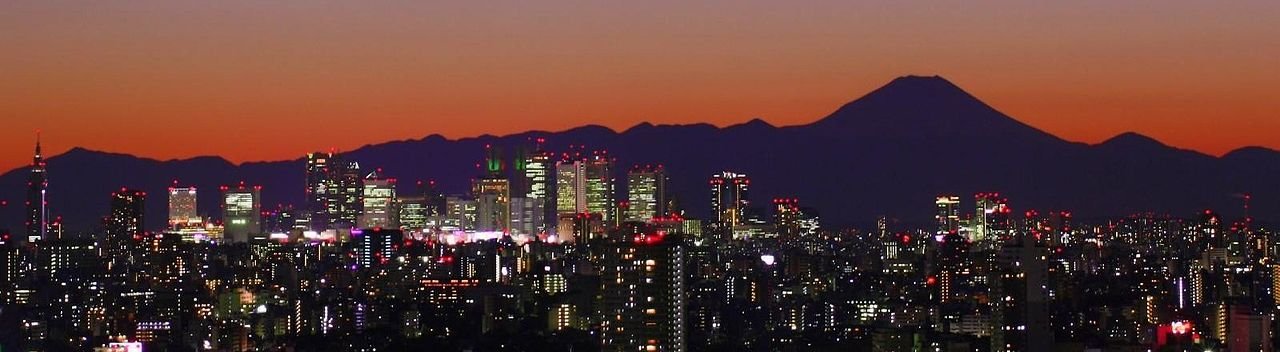
Iconic views from Hakone or the Fuji Five Lakes.
Kyoto
Thousands of temples, shrines and geisha districts.
Nara
Ancient temples and friendly free-roaming deer.
Hiroshima & Miyajima
Peace Memorial and the floating torii gate.
Osaka
Japan’s street-food capital and lively nightlife.
This itinerary suits first-timers wanting the definitive highlights, while leaving room to slow down and soak up Japan’s unique culture, cuisine and hospitality.
Ten days in Japan is the perfect first taste — Tokyo’s energy, Kyoto’s soul, Fuji’s majesty and the magic of the bullet train.
Part 2 of 8
Visa, flights and the rail pass
A little planning on visas and rail makes this trip smooth and good value.
Visa: Indian passport holders need a visa for Japan. A tourist e-visa is available through authorised channels for eligible applicants, otherwise apply via the embassy or an accredited agent. Apply well in advance with your itinerary, flights and hotel bookings.
Flights: Direct and one-stop flights connect Indian metros to Tokyo (Narita/Haneda) and Osaka (Kansai). Flying into Tokyo and out of Osaka (or vice versa) saves backtracking on this route.
Rail pass: The Japan Rail Pass or regional passes can cut costs for the long Shinkansen hops on this itinerary. Compare the nationwide pass against individual tickets and regional passes for your exact route, and buy before or on arrival as applicable.
Pro tip
Fly into Tokyo and out of Osaka/Kansai to avoid doubling back. Get an IC card (Suica/ICOCA) for city transport and a pocket Wi-Fi or travel SIM for easy navigation with Google Maps, which works brilliantly for Japanese trains.
Getting around cities: Japan’s metros and buses are punctual and easy with an IC card. Trains are the backbone between cities; this itinerary is built around comfortable Shinkansen journeys.
Part 3 of 8
Best time to do this itinerary
Japan is a year-round destination, but the season shapes the experience and the crowds.
| Season | Months | What to expect |
|---|---|---|
| Spring | Mar–May | Cherry blossoms (late Mar–early Apr) — stunning but busy and pricey. |
| Summer | Jun–Aug | Hot and humid, with festivals; June is rainy season. |
| Autumn | Sep–Nov | Spectacular fall foliage, comfortable weather — a favourite season. |
| Winter | Dec–Feb | Cold, crisp and clear, great Fuji views, snow up north, fewer crowds. |
Spring (cherry blossoms) and autumn (fall colours) are the most beautiful and popular times, so book early and expect crowds at famous spots. Winter offers clear Fuji views and lower prices, while summer is lively but hot. This 10-day route works in any season — just pack accordingly.
Part 4 of 8
Costs and budgeting for Indians
Japan has a reputation for being expensive, but smart choices — rail passes, convenience-store meals and business hotels — keep it manageable. Here is a realistic per-person, per-day guide for 2026, excluding international flights and the rail pass.
| Style | Daily budget | What it covers |
|---|---|---|
| Budget | $70–110 | Hostels/capsule hotels, convenience-store and ramen meals, IC-card transport. |
| Mid-range | $150–250 | Business hotels and ryokan, mix of dining, attractions and some taxis. |
| Premium | $350+ | Upscale hotels and ryokan, fine dining and private experiences. |
Budget separately for the rail pass and intercity Shinkansen, which are the big transport costs. Food can be very affordable — convenience stores, ramen shops and set-meal restaurants are excellent value — while temples and many attractions are cheap. Carry some cash, as Japan still uses it widely, alongside cards and IC cards.
Good to know
Japan is extremely safe with very low crime, but it can be cash-reliant and the language a barrier. Carry cash, use translation apps, and keep your passport handy for tax-free shopping. Trains are punctual to the minute, so allow time and follow platform etiquette.
Part 5 of 8
The 10-day Japan itinerary, day by day
This well-paced route flows from Tokyo to Osaka, taking in Japan’s essential highlights.
Days 1–3 — Tokyo: Explore Shibuya, Shinjuku, Asakusa’s Senso-ji temple, Meiji Shrine and Akihabara, with food in Tsukiji and views from a skyscraper. Optional day trip to Nikko or Kamakura.
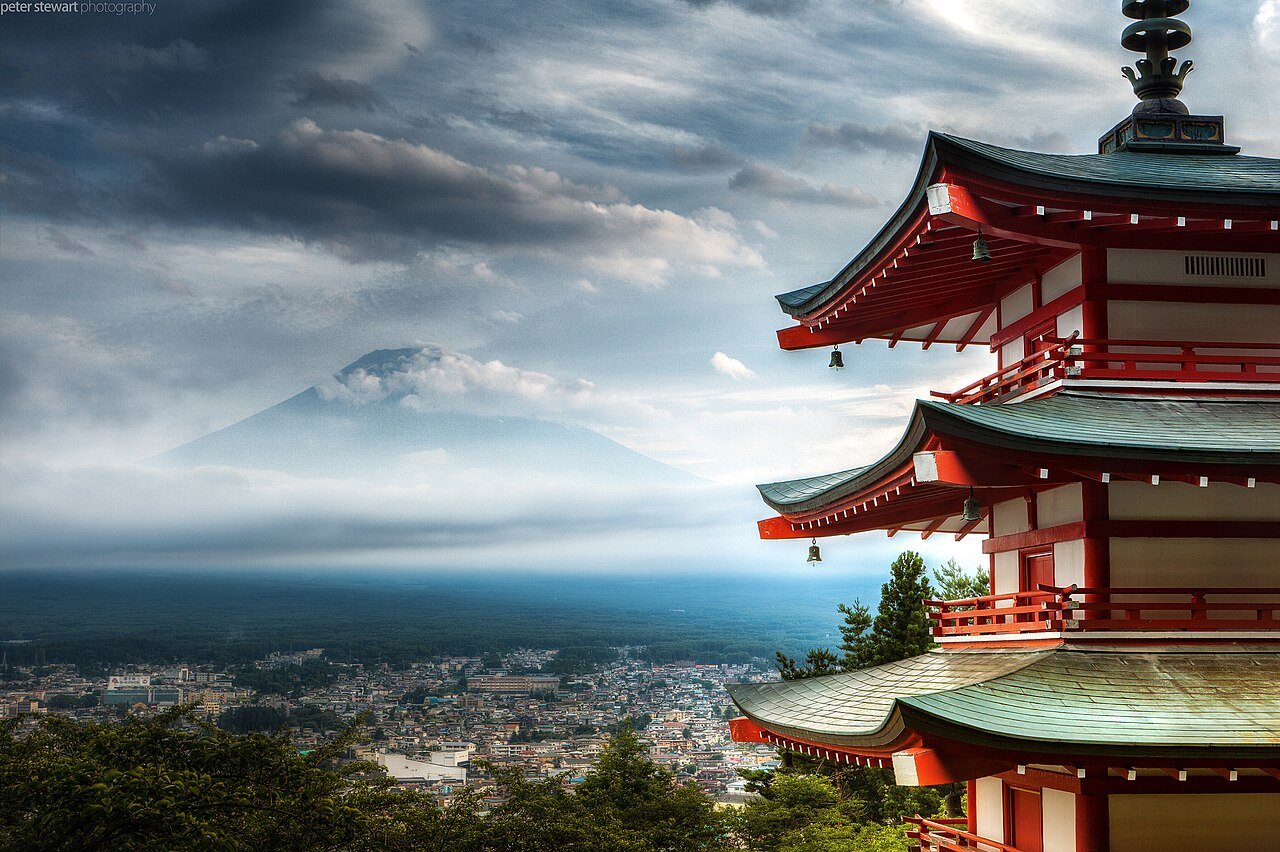
Day 4 — Hakone / Mount Fuji: Travel to Hakone for hot springs, the ropeway, Lake Ashi and Mount Fuji views (or the Fuji Five Lakes), staying overnight in a ryokan.
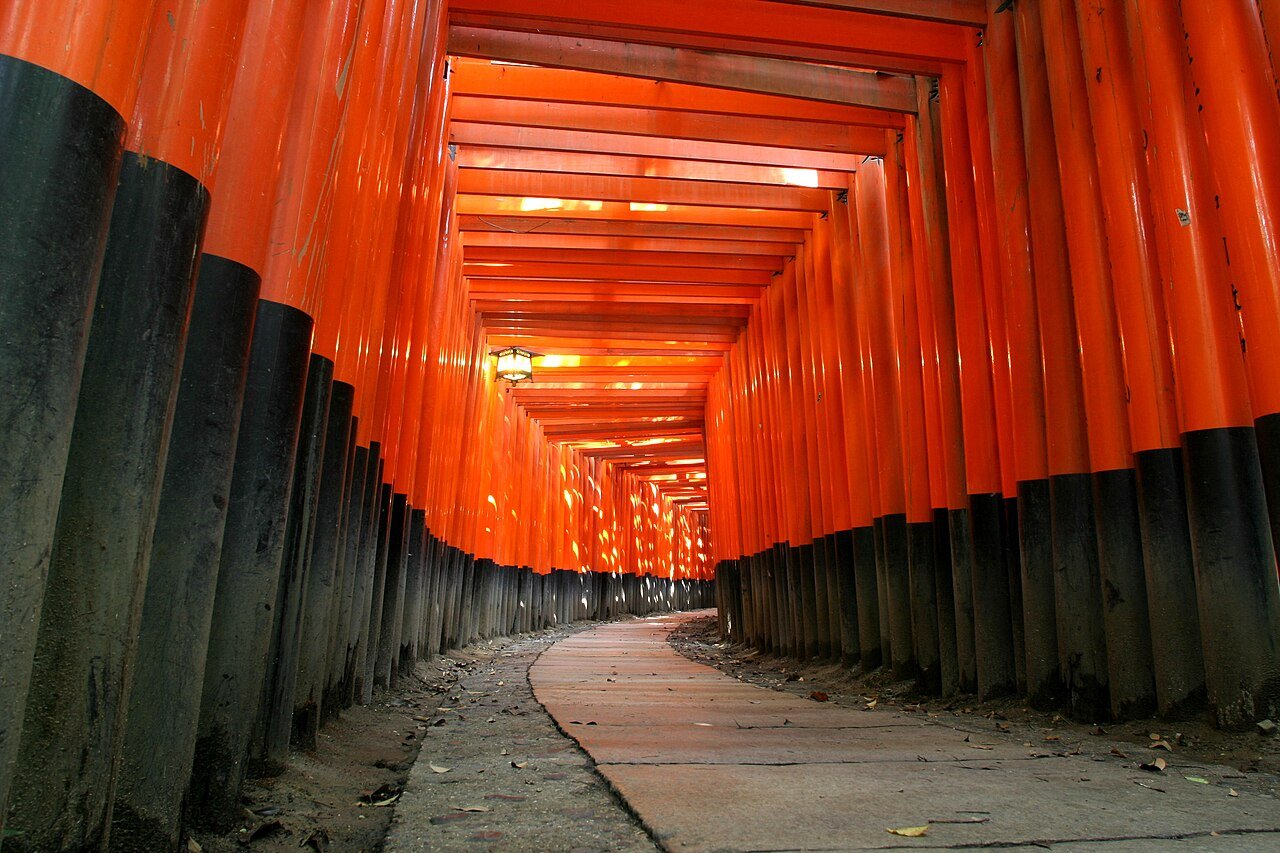
Days 5–7 — Kyoto: Shinkansen to Kyoto for Fushimi Inari’s torii gates, Kinkaku-ji, Arashiyama bamboo grove, Gion and countless temples and shrines.
Day 8 — Nara day trip: A short hop to Nara for Todai-ji’s Great Buddha and the friendly deer of Nara Park, returning to Kyoto or moving to Osaka.
Day 9 — Hiroshima & Miyajima: Shinkansen to Hiroshima for the Peace Memorial Park and Museum, then the floating torii gate of Miyajima island.
Day 10 — Osaka: Osaka Castle, Dotonbori street food and Shinsaibashi shopping before flying home from Kansai.
Pro tip
Base in Kyoto for Days 5–8 and treat Nara (and even Osaka) as day trips to avoid repacking. Send luggage ahead with takkyubin courier services between cities so you travel light on the Shinkansen.
Part 6 of 8
Where to stay along the route
Choosing the right bases keeps this itinerary efficient and enjoyable.
Tokyo: Stay near a JR Yamanote line station such as Shinjuku, Shibuya or Tokyo/Ueno for easy access to sights and the Shinkansen. Business hotels offer great value and convenience.
Hakone: A traditional ryokan with an onsen (hot spring) is the highlight here — book one with Fuji or valley views for a memorable night.
Kyoto: Stay near Kyoto Station or in the central Karasuma/Gion areas for temples and transport. Kyoto makes an ideal base for Nara and even Osaka day trips.
Osaka: The Namba/Dotonbori area puts you in the heart of the food and nightlife, close to Kansai Airport links for departure.
Tokyo: by a JR line
Shinjuku, Shibuya or Ueno for sights and trains.
Hakone: a ryokan
Onsen stay with Fuji or valley views.
Kyoto: central base
Near the station or Gion for temples and day trips.
Osaka: Namba
Dotonbori food and easy airport access.
Booking accommodation early is essential in cherry-blossom and autumn seasons, when the best places fill months ahead.
Part 7 of 8
Practical tips for this Japan trip
A few practical pointers make this 10-day route run like the trains — on time.
Apply early for the visa
Sort your Japan visa well before booking the trip.
Plan the rail pass
Compare the JR Pass vs regional passes for this route.
Carry cash
Japan is cash-friendly; get an IC card for transport.
Stay connected
Pocket Wi-Fi or a travel SIM for maps and translation.
This itinerary is designed to be efficient yet unhurried, but a few habits make it even smoother. Apply for your visa early, plan your rail pass around the long Shinkansen legs, and use luggage-forwarding so you are not hauling suitcases through stations. Download Google Maps and a translation app, and pick up an IC card on arrival for tap-and-go city travel.
Respect local etiquette — be quiet on trains, queue neatly, remove shoes where required, and don’t tip (it isn’t customary). Japan is wonderfully safe and clean, vegetarian and Jain travellers should research restaurants and carry some snacks as veg options can be limited, and an Indian restaurant or two exists in big cities for familiar food. With these basics covered, your 10 days will deliver an unforgettable first journey through Japan.
Part 8 of 8
Frequently asked questions
Do Indians need a visa for Japan?
Yes. Indian passport holders need a tourist visa for Japan. An e-visa is available through authorised channels for eligible applicants; otherwise apply via the embassy or an accredited agent. Apply well in advance with your itinerary, flights and accommodation bookings.
Is 10 days enough for Japan?
Ten days is an excellent length for a first trip, enough to cover Tokyo, Mount Fuji, Kyoto, Nara, Hiroshima/Miyajima and Osaka at a comfortable pace using the Shinkansen. It hits the essential highlights while leaving a little room to slow down and absorb the culture.
Should I buy a Japan Rail Pass for this itinerary?
Possibly. This route includes several long Shinkansen journeys, so a nationwide JR Pass or regional passes can save money — but with recent price changes, compare the pass cost against individual and regional tickets for your exact dates and route before deciding.
When is the best time to visit Japan?
Spring (late March to early April) for cherry blossoms and autumn (October to November) for fall foliage are the most beautiful and popular seasons, so book early. Winter offers clear Fuji views and fewer crowds, while summer is hot, humid and festival-filled.
How much does a 10-day Japan trip cost?
Excluding international flights and the rail pass, budget travellers manage on roughly $70–110 a day, mid-range trips $150–250, and premium stays $350 plus. Add the rail pass and Shinkansen costs separately, and book accommodation early in peak seasons for the best rates.
Is Japan good for vegetarian Indian travellers?
Japan can be challenging for strict vegetarians and Jains, as dashi (fish stock) is common, so research restaurants, learn key phrases, and carry some snacks. That said, vegetarian-friendly spots, Indian restaurants and convenience-store options exist in major cities, making it manageable with planning.
Do I need to know Japanese to travel in Japan?
No. While English is not widely spoken, signage in tourist areas and on trains is often bilingual, and translation apps bridge the gap easily. Japan is very orderly and visitor-friendly, so with Google Maps, a translation app and basic courtesy, you will get around comfortably.
Can I see Mount Fuji on this itinerary?
Yes — the Hakone or Fuji Five Lakes stop on Day 4 is built around Mount Fuji views and an onsen ryokan stay. Fuji is famously shy behind clouds, so clear autumn and winter days offer the best chances; an early start improves your odds.
The bottom line
This 10-day Japan itinerary delivers the perfect first journey — Tokyo’s electric energy, Mount Fuji’s majesty, Kyoto’s timeless temples, Nara’s deer, Hiroshima’s moving history and Osaka’s incredible food, all linked by the seamless Shinkansen. Sort your visa early, plan your rail pass, fly into Tokyo and out of Osaka, and book ahead in peak seasons. Follow this well-paced route and Japan will reward you with an unforgettable blend of tradition, modernity and hospitality that keeps travellers coming back.
Related reading
 South Korea Travel Guide for Indians (2026)
 Japanese Food Guide for Indians 2026 — What to Eat & Vegetarian Tips
 Best Street Food Cities in the World 2026 — Where & What to Eat
Photos sourced from Wikimedia Commons under their respective Creative Commons licences. Visa, rail and travel details are indicative for 2026; confirm current visa rules, rail-pass pricing and timings before you travel.