Australia Travel Guide for Indians 2026 — Visa, Cost, Best Time & Tips
Last updated: June 29, 2026
Australia is a bucket-list destination for many Indian travellers, offering a vast, sun-drenched country of iconic cities, stunning beaches, unique wildlife, world-famous landmarks and dramatic natural wonders, from the Sydney Opera House and the Great Barrier Reef to the red-rock heart of the Outback. With a large Indian community, excellent infrastructure, English widely spoken and a welcoming, laid-back culture, Australia is a comfortable yet exhilarating long-haul destination for Indians.
A trip to Australia takes more planning and budget than a regional getaway, given the distance, the visa requirement and the country’s size, but it richly rewards the effort. This guide covers the visa process for Indians, realistic trip costs in rupees, the best time to visit, the must-see cities and natural attractions, food and vegetarian options, and practical tips to help you plan a memorable journey Down Under.
Do Indians Need a Visa for Australia?
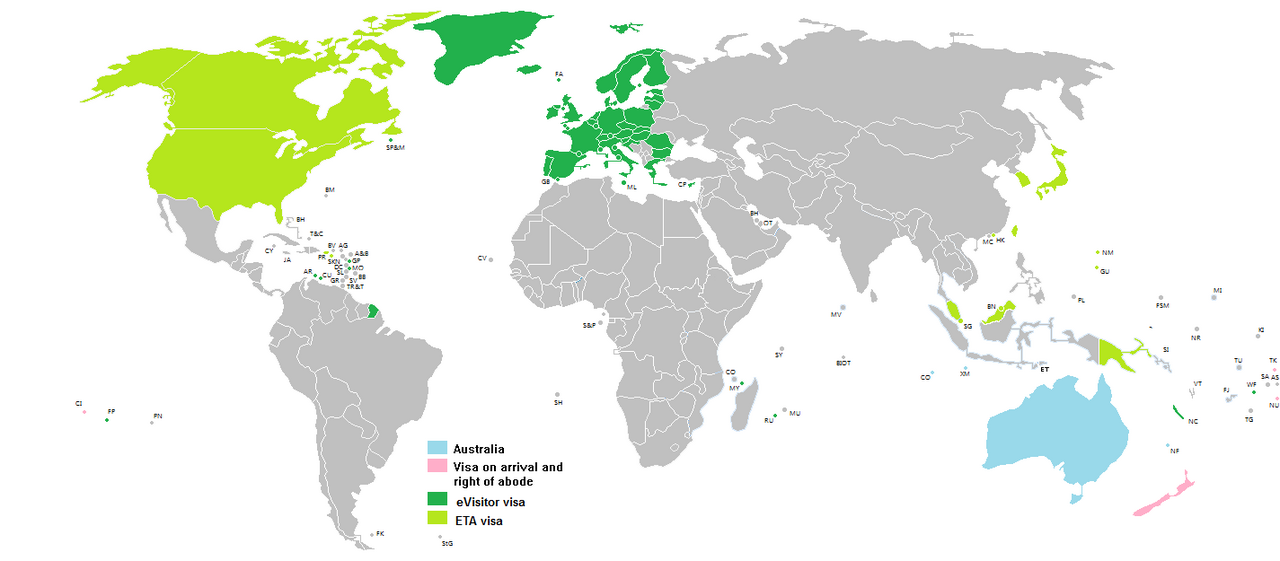
Yes, Indian passport holders need a visa to visit Australia, and importantly, the free ETA and eVisitor options available to some nationalities are not open to Indian citizens. Instead, most Indian tourists apply for the Visitor Visa (Subclass 600) in the tourist stream, which is applied for online with supporting documents and biometrics, and allows stays typically of three, six or twelve months depending on what is granted.
The Subclass 600 visa carries a government application fee of around AUD 190 (roughly ₹10,400), and once you add biometric enrolment and service charges, the all-in cost is generally in the region of ₹12,000–₹13,500. Processing times vary, so apply well in advance with proof of funds, travel itinerary, accommodation and ties to India. Always check the latest requirements on the official Australian immigration website, as visa rules and fees can change.
How Much Does an Australia Trip Cost from India?
Australia is a higher-budget destination for Indians, mainly due to the long-haul flights, the visa, and the country’s relatively high cost of living. Return flights from India typically range from around ₹55,000 to ₹1 lakh or more depending on the season, route and how early you book, usually with one stop. The visa adds roughly ₹12,000–₹13,500.
On the ground, budget for accommodation, food, transport and the many paid attractions and tours. A two-week trip, including flights, mid-range hotels, food, internal transport and activities, can range from roughly ₹1.5 lakh to ₹3 lakh or more per person depending on your style and how much you cover. Australia’s size means internal flights between cities add up, so plan your route carefully and book flights, tours and accommodation early for the best value.
Best Time to Visit Australia
Australia is in the southern hemisphere, so its seasons are reversed from India: summer runs from December to February and winter from June to August. The country is huge and spans several climate zones, so the best time depends on where you are headed. Broadly, the spring (September–November) and autumn (March–May) shoulder seasons offer pleasant, mild weather across much of the country and are ideal for sightseeing in the major cities.
For the southern cities like Sydney and Melbourne, the warmer months from spring through autumn are lovely, while the tropical north (such as Cairns and the Great Barrier Reef) is best in the dry season from roughly May to October, avoiding the wet, humid summer. The Outback is more comfortable in the cooler months. Aligning your trip with the right season for your chosen regions makes a big difference to the experience.
Top Cities to Visit
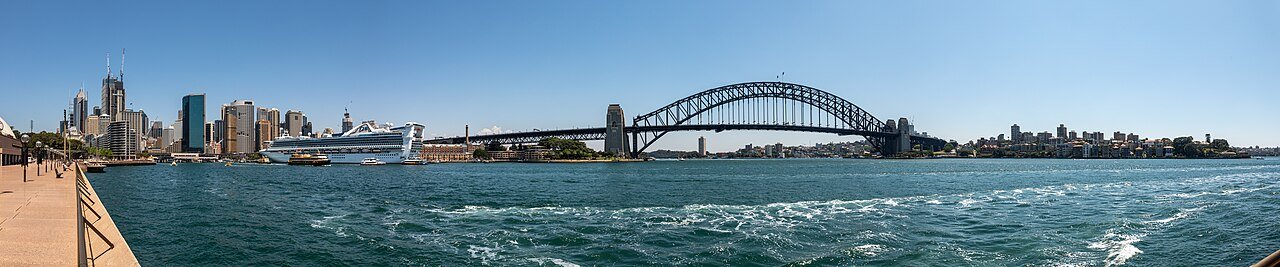
Sydney is the iconic gateway, home to the Opera House, Harbour Bridge, beautiful beaches like Bondi, and a stunning harbour setting — usually the first stop for Indian visitors. Melbourne, the cultural capital, charms with its laneways, coffee culture, arts, sports and food scene, and is the launch point for the spectacular Great Ocean Road. Brisbane and the nearby Gold Coast offer sunshine, beaches and theme parks.
Further afield, Cairns is the gateway to the Great Barrier Reef and tropical north Queensland, Perth offers the relaxed west coast, and Adelaide is known for wine regions. The red-rock monolith of Uluru in the heart of the Outback is a profound natural and cultural icon worth the journey. Given the distances, most first-time itineraries focus on a couple of cities plus one or two natural highlights rather than trying to see everything.
Natural Wonders and Wildlife
Australia’s natural attractions are a major draw. The Great Barrier Reef, the world’s largest coral reef system, offers world-class snorkelling and diving among vibrant coral and marine life, accessed from Cairns and the Queensland coast. The Great Ocean Road delivers dramatic coastal scenery and the famous Twelve Apostles rock formations, while Uluru in the Outback is a spiritual and visual icon, especially at sunrise and sunset.
Australia’s unique wildlife is unmissable — kangaroos, koalas, wombats, wallabies and exotic birds — encountered in wildlife parks, sanctuaries and the wild. Tasmania offers pristine wilderness, the Whitsunday Islands stunning beaches, and the national parks abundant hiking. Encountering animals found nowhere else on Earth and witnessing landscapes of vast, ancient beauty are among the most memorable experiences of any Australian trip, blending adventure, nature and wonder.
Food and Vegetarian Options
Australia has a diverse, multicultural food scene reflecting its immigrant population, with excellent cafés (and a famous coffee culture), fresh seafood, world cuisines and a strong emphasis on quality produce. For Indian travellers, the large Indian community means Indian restaurants are widely available in the major cities, so familiar food is never far away, and vegetarian and Jain options are increasingly well catered for.
Beyond Indian food, the cities offer everything from casual brunch culture to fine dining and multicultural street food, with plenty of vegetarian and vegan choices given Australia’s health-conscious dining trends. Self-catering is easy with well-stocked supermarkets. While eating out in Australia is relatively expensive, the quality and variety are high, and vegetarians will find the cities, in particular, accommodating and full of appealing options across cuisines.
Getting Around Australia
Australia is vast — distances between cities are enormous — so domestic flights are the practical way to cover long distances, and budgeting for a few internal flights is usually necessary on a multi-city trip. Booking these early keeps costs down. The major cities have good public transport (trains, trams and buses), making them easy to explore without a car.
For regional exploration, road trips are iconic and rewarding — the Great Ocean Road being a classic — and renting a car or campervan offers freedom in areas where public transport is limited, though remember Australians drive on the left (as in India) and distances are long, so plan fuel and rest stops. A mix of internal flights between regions and local transport or car hire within them is the typical approach for a well-planned Australian itinerary.
Sample Itinerary Ideas
For a first two-week trip, a popular route combines Sydney (a few days for the harbour, beaches and city), Melbourne (with a Great Ocean Road excursion), and Cairns (for the Great Barrier Reef and tropical north), linked by domestic flights. This balances iconic city experiences with the country’s signature natural wonder, the reef.
Those wanting the Outback can add Uluru, while travellers with more time might include the Gold Coast for beaches and theme parks, Tasmania for wilderness, or wine regions near Adelaide. Given the distances and costs, it is wiser to explore a couple of regions well than to rush across the whole continent. Tailor the route to your interests — cities, reef, Outback or wildlife — and the season, for a rewarding and well-paced Australian adventure.
Practical Tips for This Trip
Apply for your Subclass 600 visa well in advance with thorough documentation, and ensure your passport is valid well beyond your trip. Budget realistically for the higher costs of flights, the visa and on-the-ground expenses, and book internal flights, popular tours (like reef trips) and accommodation early for the best prices. Travel insurance is strongly recommended for such a long-haul, higher-cost trip.
Pack for the season and regions you are visiting, remembering the reversed seasons and strong sun (high-quality sunscreen and sun protection are essential, as Australia’s UV levels are intense). Australia is very safe and English-speaking, tap water is generally safe to drink, and the culture is friendly and informal. Respect wildlife and natural sites, follow safety advice at beaches (swim between the flags) and in the Outback, and you will find Australia a smooth, rewarding destination.
Frequently Asked Questions
Do Indians need a visa for Australia? Yes. The free ETA and eVisitor options are not available to Indians, so most tourists apply for the Visitor Visa (Subclass 600) online, with a government fee around AUD 190 (roughly ₹10,400, ~₹12,000–₹13,500 all-in).
How much does an Australia trip cost from India? A two-week trip typically ranges from about ₹1.5–3 lakh per person including long-haul flights, the visa, mid-range hotels, internal flights, food and activities, depending on your style.
What is the best time to visit Australia? Spring (September–November) and autumn (March–May) are pleasant nationwide. The tropical north is best in the dry season (May–October); remember seasons are reversed from India.
How many days do I need for Australia? At least two weeks for a first trip combining a couple of cities with a natural highlight like the Great Barrier Reef, given the long flights and large distances.
Is Australia good for vegetarians? Yes. The large Indian community and health-conscious dining scene mean Indian restaurants and vegetarian/vegan options are widely available, especially in the major cities.
Australia rewards the extra planning and budget it demands with an unforgettable long-haul adventure — iconic cities, the Great Barrier Reef, unique wildlife and the ancient beauty of the Outback. Sort out your Subclass 600 visa early, budget realistically, focus on a couple of regions rather than the whole continent, and time your trip to the seasons, and you will experience the very best of this vast and captivating country.
Tips for First-Time Visitors to Australia
First-time visitors should embrace the scale of Australia by resisting the urge to see everything at once; the country is roughly the size of a continent, and trying to cover too much leads to exhausting transit and shallow experiences. Pick a region or two, give them proper time, and accept that Australia rewards repeat visits. Build your itinerary around your interests — reef and beaches, cities and culture, or Outback and wildlife — and the season for those regions.
Practical habits make the trip smoother: book flights, accommodation and popular tours like Great Barrier Reef trips well in advance for the best prices, carry comprehensive travel insurance for this higher-cost, long-haul journey, and protect yourself from the famously intense Australian sun with strong sunscreen, a hat and sunglasses. Stay hydrated, follow beach safety flags and Outback advice, and respect wildlife and Indigenous cultural sites. With realistic planning and these precautions, a first Australian trip is smooth, safe and genuinely unforgettable.
Money, Connectivity and Essentials
The currency is the Australian Dollar (AUD), and cards and contactless payments are accepted almost everywhere, so you need little cash; inform your bank of your travel and watch foreign-transaction fees. A local SIM or eSIM provides reliable data across the cities and most travelled areas, though coverage thins in the remote Outback, where you should plan ahead and not rely on connectivity. Tipping is not obligatory in Australia, as service staff are paid fairly, though rounding up is appreciated.
Australia is very safe, clean and well-organised, with high-quality healthcare (though expensive without insurance, which is why cover is essential), safe tap water, and English spoken everywhere. Be sun-smart given the intense UV, follow beach safety flags and surf advice, carry water in the Outback, and respect wildlife and the natural environment. With a valid visa, sensible budgeting and these practical basics covered, getting around and staying comfortable in Australia is refreshingly straightforward for Indian travellers.
Visa rules, fees, flight prices and costs change frequently. The details here are 2026 estimates from public sources; always verify current visa requirements and fees on the official Australian Department of Home Affairs website before applying or booking.
Related reading: Egypt Travel Guide for Indians 2026 — Visa, Cost, Best Time & Tips · Mauritius Travel Guide for Indians 2026 — Visa, Best Time, Cost & Itinerary · Philippines Travel Guide for Indians 2026 — Islands, Visa, Cost & Best Time