Travel First-Aid Kit Essentials 2026 — What to Pack for Any Trip
Last updated: June 29, 2026
A well-stocked travel first-aid kit is one of those things you hope never to need but are immensely grateful for when you do — whether it is a headache on a long flight, an upset stomach from unfamiliar food, a blister on a long walk, or a minor cut on a remote beach. For Indian travellers heading abroad or exploring within India, a compact personal first-aid kit means you can handle common ailments and minor injuries on the spot, without scrambling to find a pharmacy in an unfamiliar place or language.
This guide covers what to pack in a travel first-aid kit, from essential medicines and wound-care supplies to items tailored to your destination and activities, along with practical advice on prescriptions, documentation and staying healthy on the road. While it offers general guidance, it is not medical advice — always consult a doctor for your personal needs and before any trip, especially for prescription medication, vaccinations and destination-specific health risks.
Why Carry a Travel First-Aid Kit
Carrying your own first-aid kit gives you immediate, reliable access to remedies for the minor health issues that commonly crop up while travelling, without depending on finding an open pharmacy, navigating a language barrier, or being sure of equivalent products abroad. Common travel ailments — headaches, colds, stomach upsets, minor cuts, blisters, insect bites and allergies — are far easier to manage when you have familiar, trusted supplies on hand.
A personal kit is especially valuable in remote areas, on long journeys, during outdoor activities, and in destinations where medicine names, brands and availability differ from home. It also saves time and stress, letting you treat a small problem before it disrupts your trip. For Indian travellers in particular, carrying familiar medicines avoids the uncertainty of unfamiliar foreign products and ensures you have what works for you, packaged in a compact, grab-and-go form.
Essential Medicines to Pack
A core travel medicine kit typically includes pain and fever relief (such as paracetamol), an anti-inflammatory if you tolerate it, antihistamines for allergies, bites and reactions, and remedies for the most common travel complaint — stomach trouble. For digestive issues, oral rehydration salts (ORS), anti-diarrhoeal medication, antacids and motion-sickness tablets are invaluable, as upset stomachs are among the most frequent travel ailments.
Also consider a basic cold-and-cough remedy, throat lozenges, and any medication you personally tend to need. Crucially, pack an adequate supply of all your regular prescription medicines for the full trip plus a buffer, in their original packaging. Tailor the kit to your needs and destination, and consult a doctor or pharmacist about appropriate medicines and dosages, especially for anti-diarrhoeals, antibiotics (which require a prescription and medical guidance) and anything you have not used before.
Wound Care and Supplies
Beyond medicines, a first-aid kit needs basic supplies for minor injuries. Pack an assortment of adhesive bandages (plasters) in various sizes, sterile gauze pads, medical tape, antiseptic wipes or solution to clean wounds, and antiseptic cream to prevent infection. Blister plasters are a must for travellers who walk a lot, as blisters can quickly ruin a trip of sightseeing or trekking.
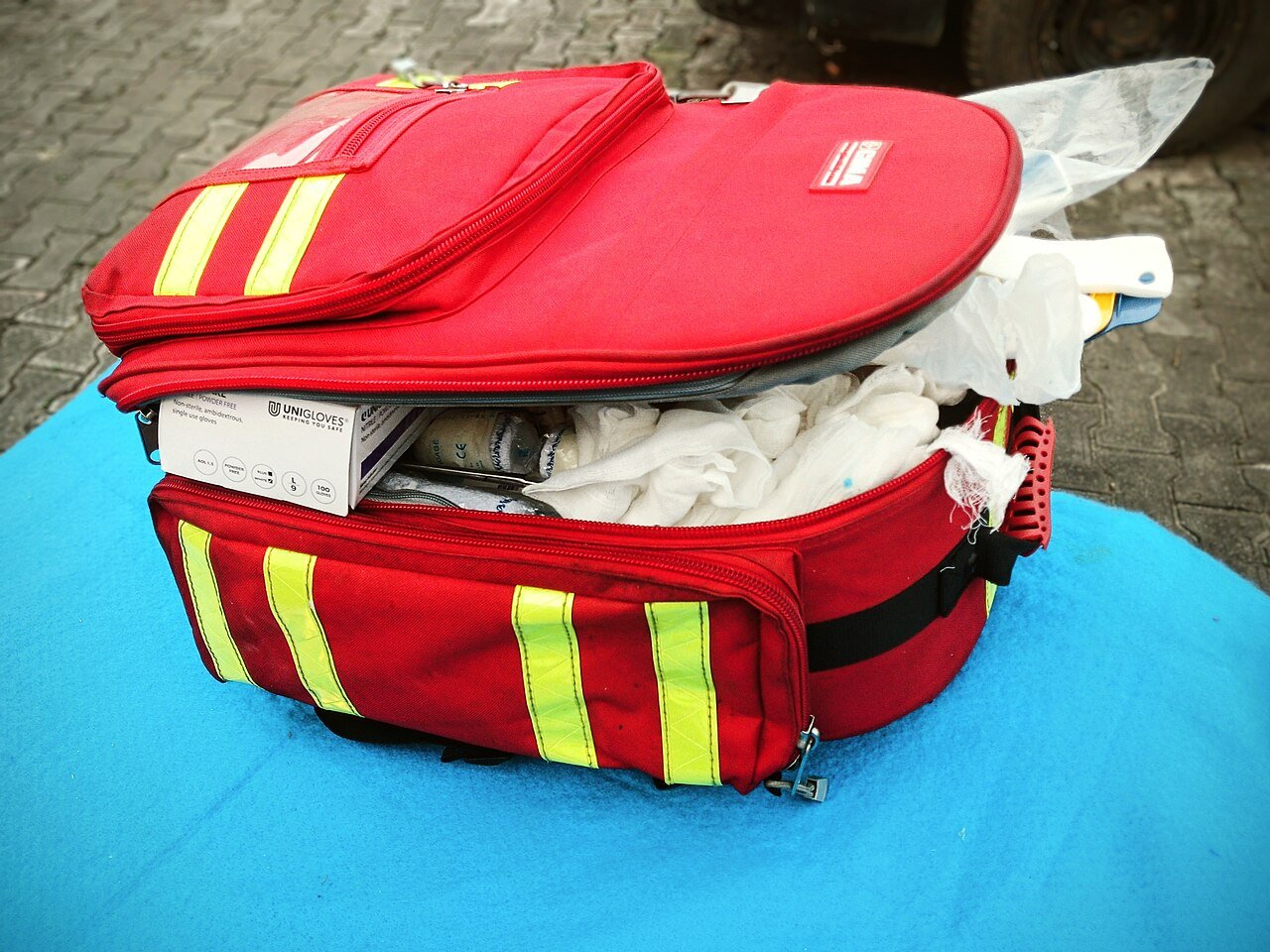
A small pair of scissors and tweezers (for splinters or ticks), a few safety pins, disposable gloves, a thermometer, and a roll of bandage round out a practical supplies kit. Cotton and a small antiseptic for cleaning are useful too. Keep these in a compact, water-resistant pouch so they stay clean and dry. These simple items let you clean and dress minor cuts, grazes and blisters promptly, preventing small injuries from becoming bigger problems.
Destination and Activity-Specific Items
Tailor your kit to where you are going and what you will do. For tropical and sunny destinations, pack strong sunscreen, after-sun or soothing gel for sunburn, insect repellent, and remedies for bites and stings — and consider anti-malarial precautions where relevant, after consulting a doctor. For high-altitude trips like Ladakh or Himalayan treks, discuss altitude-sickness medication with your doctor in advance.
For adventure and trekking trips, add extra blister care, muscle-pain relief, rehydration salts and a more robust wound kit. Beach and water trips warrant ear drops and waterproofing for supplies. Cold-weather destinations may call for lip balm and remedies for dry skin and colds. Researching your destination’s specific health considerations — and any required or recommended vaccinations — well before you travel ensures your kit and your body are prepared for the conditions you will face.
Prescriptions and Documentation
If you take prescription medication, carry enough for your entire trip plus a few extra days in case of delays, always in the original labelled packaging to avoid problems at customs and to identify the medicine if needed. Carry a copy of your prescription and, ideally, a doctor’s letter listing your medications (using generic names, which are recognised internationally), especially for controlled substances, injectables or larger quantities, as some countries have strict rules on what you can bring in.
Keep essential medicines in your carry-on, never only in checked luggage that could be delayed or lost. Research your destination’s regulations on medicines in advance, as some common medications are restricted or banned in certain countries. Note down the generic names of your medicines and any allergies, and keep your doctor’s and travel-insurance emergency contacts accessible. This documentation protects you at borders and helps any medical professional treat you correctly abroad.
First-Aid Kit for Families and Children
Travelling with children calls for a few additions to the family first-aid kit. Pack child-appropriate formulations and doses of fever and pain relief, rehydration salts suitable for children, and remedies for the common childhood travel issues of upset stomachs, motion sickness and minor scrapes. A thermometer, plenty of plasters, and any of your child’s regular or prescribed medicines are essential.
Consider items like soothing gel for bites and rashes, child-safe insect repellent and sunscreen, and any comfort items that help a unwell child rest. As with adults, consult your paediatrician before the trip about appropriate medicines, doses and any destination-specific concerns or vaccinations for children. Keeping the family kit well stocked and easily accessible means you can quickly soothe the minor ailments that are especially common — and especially disruptive — when travelling with little ones.
Staying Healthy on the Road
A first-aid kit handles problems, but prevention keeps you healthier in the first place. The most common travel illness is stomach upset, so be careful with food and water: drink bottled or purified water where tap water is unsafe, be cautious with ice, raw foods and unpeeled fruit if your stomach is sensitive, and eat at busy, reputable places. Wash or sanitise your hands regularly, especially before eating.
Stay hydrated, particularly in hot climates and on flights, protect yourself from the sun, get enough rest to keep your immune system strong, and ease into unfamiliar or spicy foods gradually. Pace yourself to avoid exhaustion, which lowers resistance to illness. Combining sensible precautions with a well-stocked kit means you are both less likely to fall ill and well prepared to handle minor issues quickly if they do arise, keeping your trip on track.
Travel Insurance and Medical Help
A first-aid kit is for minor issues only — for anything serious, you need professional medical care, which is where travel insurance becomes essential. Always travel with comprehensive insurance covering emergency medical treatment, hospitalisation and evacuation, and carry your policy details and the insurer’s 24×7 assistance helpline, which can direct you to appropriate care and arrange cashless treatment abroad. The cost of overseas medical care without insurance can be enormous.
Before you travel, research the location of hospitals and pharmacies at your destination, note local emergency numbers, and know how to contact your country’s embassy if needed. Do not hesitate to seek professional help for anything beyond minor ailments, fevers that persist, severe symptoms, or injuries needing more than basic care. Your kit and good prevention handle the small stuff; insurance and local medical services are your safety net for anything more serious.
Packing and Maintaining Your Kit
Keep your first-aid supplies in a compact, clearly identifiable, water-resistant pouch so everything stays clean, dry and easy to find in an emergency, and store the most-needed items (like pain relief, ORS and plasters) where you can reach them quickly. Pack the kit in your carry-on for flights so it is always with you, mindful of liquid limits and any restricted items at security.
Maintain your kit between trips by checking expiry dates and replacing used or out-of-date items, and review its contents before each trip to add anything specific to that destination or activity. Keep a small note of dosages and your key medical information inside. A well-organised, up-to-date and accessible kit is far more useful than a comprehensive one buried and forgotten, so a little regular upkeep ensures it is ready whenever you need it.
Frequently Asked Questions
What should a basic travel first-aid kit include? Pain and fever relief, antihistamines, remedies for stomach upset (ORS, anti-diarrhoeal, antacids, motion-sickness tablets), plasters, antiseptic, gauze, tape, tweezers, a thermometer, and your prescription medicines.
Can I carry medicines in my hand luggage? Yes, and you should keep essential medicines in your carry-on. Carry them in original packaging with a copy of your prescription, and check destination rules, as some medicines are restricted in certain countries.
What is the most common travel illness to prepare for? Stomach upset and traveller’s diarrhoea. Pack oral rehydration salts, anti-diarrhoeal medication and antacids, and be careful with food, water and ice.
Do I still need travel insurance if I have a first-aid kit? Yes, absolutely. A kit handles minor issues only; travel insurance covers serious medical emergencies, hospitalisation and evacuation, which can be enormously expensive abroad.
Should I consult a doctor before a trip? Yes, especially for prescription medicines, anti-malarials, altitude-sickness medication, vaccinations and any destination-specific health risks. This guide is general information, not medical advice.
A compact, well-stocked travel first-aid kit is one of the smartest things you can pack, letting you handle the minor ailments and injuries that commonly crop up on the road quickly and confidently. Tailor it to your destination and needs, carry your prescriptions and documentation properly, pair it with sensible prevention and comprehensive travel insurance, and keep it maintained — and you will be ready for whatever small bumps your travels bring.
Handling Common Travel Health Scenarios
Knowing how to respond to the most frequent travel health scenarios helps you act calmly. For traveller’s diarrhoea — the most common issue — the priority is staying hydrated with oral rehydration salts and fluids, resting, eating bland foods, and using anti-diarrhoeal medication for relief where appropriate; seek medical help if symptoms are severe, persistent or accompanied by high fever or blood. For minor cuts and grazes, clean the wound with antiseptic, apply a dressing, and keep it clean and dry.
For blisters, clean and cover them with a blister plaster before they worsen, and address footwear issues. For insect bites and mild allergic reactions, antihistamines and soothing creams help, but watch for any signs of a severe reaction, which needs immediate medical attention. For headaches, motion sickness, colds and minor aches, your basic medicines provide relief. In all cases, the rule is simple: handle the minor stuff with your kit, but seek professional medical care promptly for anything serious, worsening or beyond your confidence.
What Not to Pack and Final Tips
Just as important as what to include is keeping your kit lean and compliant. Avoid packing large quantities of medicines you are unlikely to need, anything past its expiry, or restricted substances without proper documentation, and check your destination’s rules, as some everyday medicines at home are controlled or banned elsewhere. Sharp items like scissors must go in checked luggage on flights or comply with cabin rules. Keep the kit proportionate to your trip rather than overloaded.
Finally, personalise the kit to you: include anything you specifically rely on, note your blood group, allergies and key medical details on a card inside, and make sure travelling companions know where the kit is. Review and replenish it before each trip. A lean, current, well-organised and personalised first-aid kit — backed by good prevention and travel insurance — is one of the most reassuring things you can carry, ready to turn a potential travel setback into a minor, manageable moment.
This guide provides general information only and is not medical advice. Always consult a qualified doctor or pharmacist about appropriate medicines, dosages, vaccinations and destination-specific health risks before travelling, and seek professional medical care for anything beyond minor ailments.
Related reading: Best Travel Shoes & Footwear Guide 2026 — What to Pack for Any Trip · Beach & Summer Travel Essentials 2026 — What to Pack · Travel Essentials & Accessories Every Traveler Needs 2026 — Packing Checklist