Mauritius Travel Guide for Indians 2026 — Visa, Best Time, Cost & Itinerary
Last updated: July 8, 2026
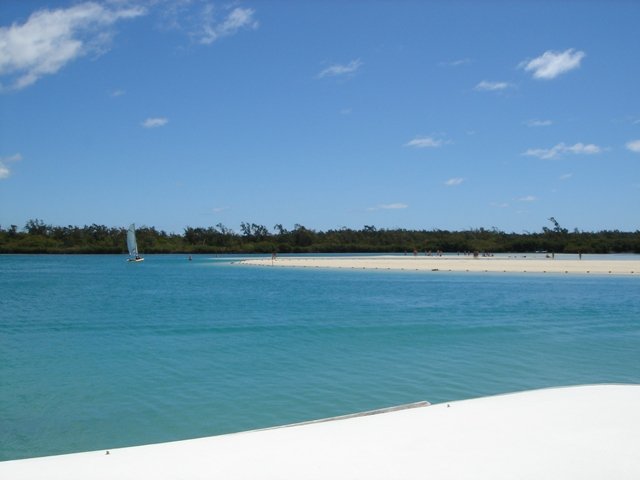
Mauritius is the Indian Ocean at its most idyllic — a volcanic island ringed by turquoise lagoons, white-sand beaches and protective coral reefs, with a lush, mountainous interior of waterfalls and forests. Add a rich Indian-influenced culture, warm year-round weather and a reputation as a honeymoon paradise, and it becomes one of the most appealing beach escapes for Indian travellers. It is also famously easy to reach and welcoming, with deep cultural ties to India.
This 2026 guide for Indian travellers covers visas and flights, the best time to go, what it costs, where to stay and eat, and how to plan a relaxing yet varied island trip.
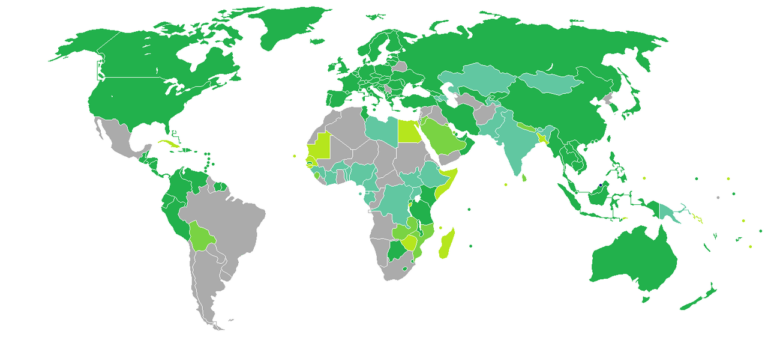
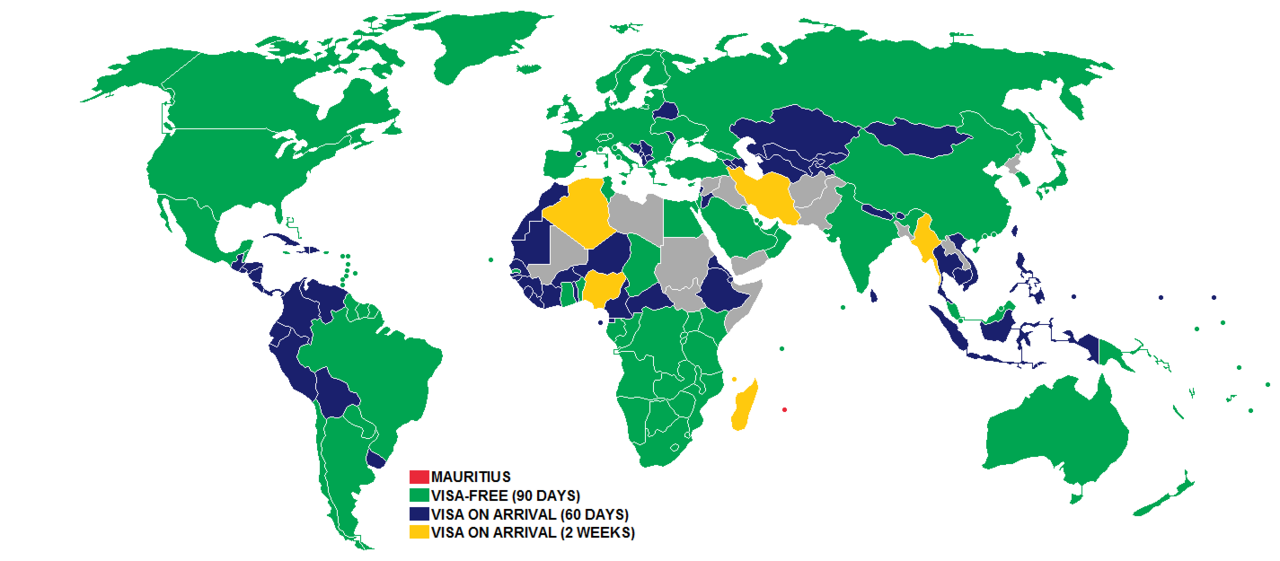
- Visa: Mauritius offers free visa-on-arrival for Indian passport holders for tourism — among the easiest destinations to visit.
- Getting there: Direct flights from Mumbai, Delhi and Bengaluru, plus one-stop options, to Port Louis (SSR Airport).
- Best time: May to December for cooler, drier weather; the beaches are good year-round.
- Don’t miss: The lagoons and beaches, Chamarel’s coloured earth, Black River Gorges and Île aux Cerfs.
Part 1 of 8
Why Mauritius belongs on your list
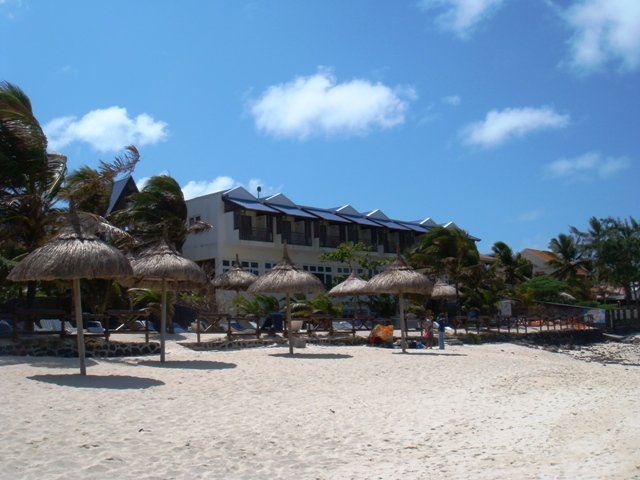
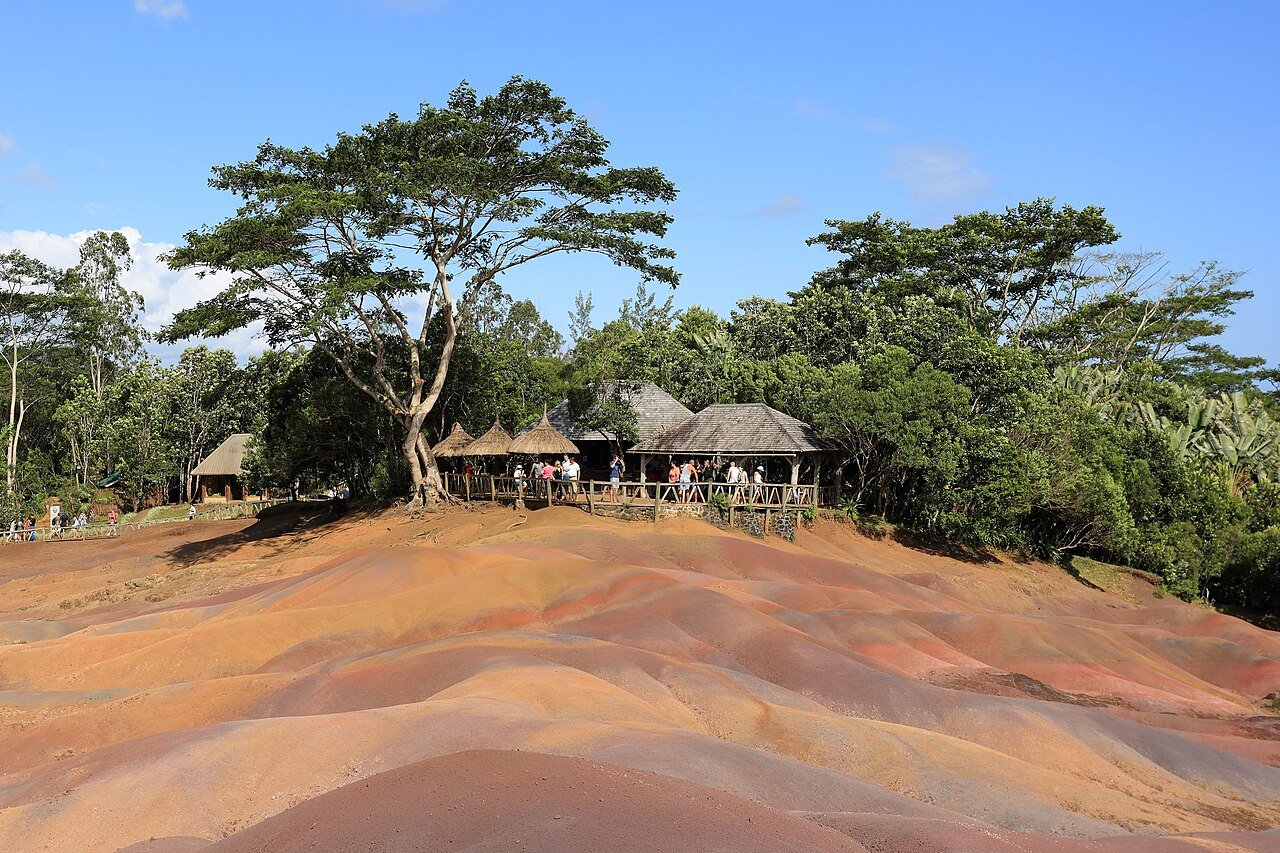
Mauritius pairs postcard beaches with surprising variety. Beyond its lagoons and reefs you will find a green, mountainous interior with waterfalls, the surreal seven-coloured earth of Chamarel, national parks full of birdlife, and a vibrant Creole culture shaped strongly by Indian heritage. It is relaxed, safe and easy, yet offers water sports, hikes and day trips when you want them — a beach holiday with depth.
Lagoon beaches
Calm, shallow turquoise waters perfect for swimming and snorkelling.
Chamarel
Seven-coloured earths and a dramatic waterfall.
Black River Gorges
Lush national park with hikes and viewpoints.
Île aux Cerfs
A stunning offshore island for a beach day and water sports.
Snorkel & dive
Coral reefs, marine life and clear lagoon waters.
Indian heritage
Temples, festivals and familiar flavours across the island.
Whether you want pure beach relaxation, a honeymoon, family fun or a touch of adventure, Mauritius delivers a varied island escape with a warm, familiar feel for Indian travellers.
Mauritius is paradise made easy — turquoise lagoons, lush peaks and a culture that feels like home, all a direct flight away.
Part 2 of 8
Visas and getting to Mauritius
Mauritius is one of the easiest international destinations for Indians, with simple entry and direct flights.
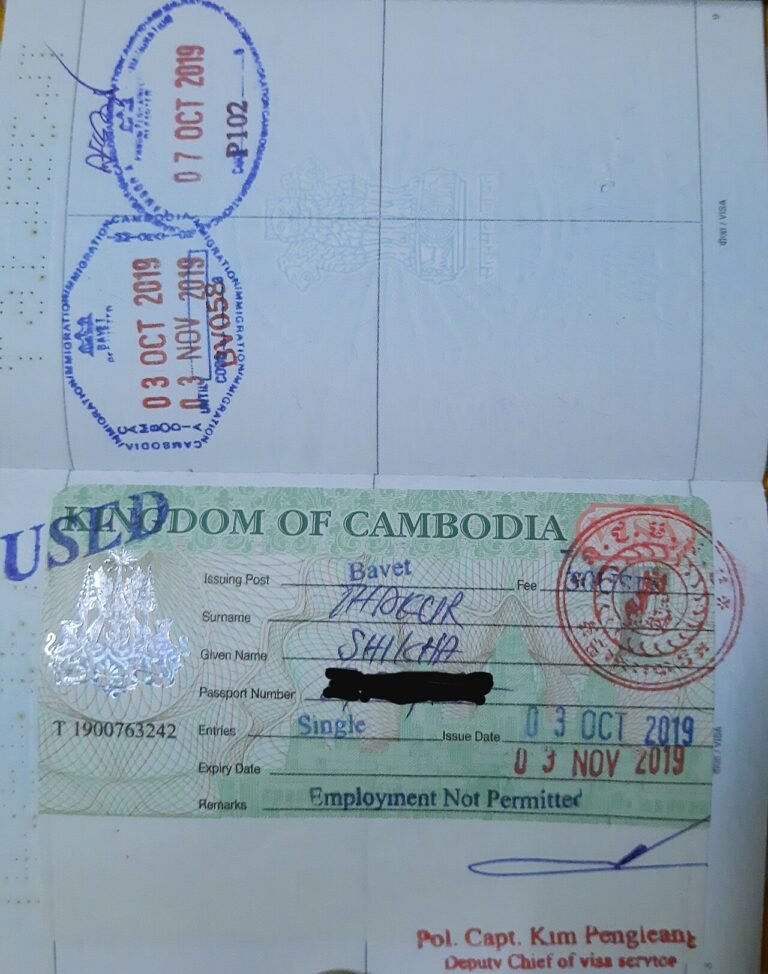
Visa: Indian passport holders receive a free visa-on-arrival for tourism, typically valid for up to 60 days. You will need a passport valid for at least six months, a return ticket, confirmed accommodation and proof of sufficient funds. No advance visa is required, though always confirm current rules before travel.
By air: Air Mauritius and Indian carriers operate direct flights from Mumbai, Delhi and Bengaluru to Sir Seewoosagur Ramgoolam (SSR) International Airport near Port Louis, with one-stop options via the Gulf too. The flight is around six to seven hours direct.
Pro tip
Because the visa is free on arrival, you can plan a Mauritius trip quickly. Pre-book an airport transfer or rent a car, as the airport is in the southeast while many resorts are on the north and west coasts.
Getting around: Renting a car gives the most freedom to explore beaches and the interior; otherwise use taxis, hotel transfers and organised day tours. Buses are cheap but slow. Roads are good, though driving is on the left.
Part 3 of 8
Best time to visit Mauritius
Mauritius enjoys warm weather year-round, but the seasons affect rain, humidity and cyclone risk.
| Season | Months | What to expect |
|---|---|---|
| Cool & dry | May–Nov | The best window — pleasant, less humid, ideal for beaches and sightseeing. |
| Peak winter | Jul–Sep | Cooler and breezier; great for whale-watching and the west-coast beaches. |
| Hot & wet | Dec–Apr | Hot and humid summer with more rain and a cyclone risk, but warm seas. |
| Shoulder | Apr & Nov | Pleasant edges of the seasons with fewer crowds and good value. |
For the most comfortable weather, visit between May and December, when it is cooler and drier. The December–April summer is hotter and wetter with a small cyclone risk, though still popular over the holidays. The beaches and lagoons are enjoyable year-round, so timing is about comfort rather than access.
Part 4 of 8
Costs and budgeting for Indians
Mauritius spans budget guesthouses to ultra-luxury resorts, so costs vary widely. Here is a realistic per-person, per-day guide for 2026, excluding international flights.
| Style | Daily budget | What it covers |
|---|---|---|
| Budget | $50–80 | Guesthouses and self-catering, local food, buses and a few paid activities. |
| Mid-range | $120–220 | Good 3–4 star hotels, car hire, day tours, water sports and nice meals. |
| Luxury | $350+ | 5-star beach resorts, spa, private tours and fine dining. |
Accommodation is the biggest variable — Mauritius is famous for luxury resorts, but plenty of affordable guesthouses and apartments exist, especially in the north around Grand Baie. Local food is cheap and delicious, while resort dining and excursions cost more. The currency is the Mauritian rupee; cards are widely accepted, but carry some cash for markets and small vendors.
Good to know
Mauritius is safe and relaxed, with low crime. Take normal precautions with valuables on the beach, respect lagoon swimming and snorkelling safety, and use reputable operators for water sports and boat trips.
Part 5 of 8
Where to stay, what to eat and top experiences
Where to stay: The north around Grand Baie is lively with beaches, dining and budget options; the west (Flic en Flac, Le Morne) has sunsets, diving and resorts; the east (Belle Mare) has stunning calm beaches and upscale hotels; and the south is wilder and more scenic. Choose a base or split your stay.
What to eat: Mauritian cuisine is a delicious blend of Indian, Creole, Chinese and French — expect curries, dholl puri and roti, rougaille, fresh seafood and tropical fruit. Indian flavours are everywhere, and vegetarians are well catered for, so Indian travellers feel right at home.
Île aux Cerfs
Catamaran cruise to a gorgeous offshore island.
Chamarel & south
Coloured earths, waterfall and the wild south coast.
Black River Gorges
Hike the forested national park and viewpoints.
Dolphin & snorkel
Swim with dolphins and snorkel the west-coast reefs.
For more, ride the underwater sea walk, visit the Pamplemousses botanical garden and Hindu temples, explore Port Louis market, and enjoy the lagoon water sports included at many resorts.
Part 6 of 8
A 5-7 day Mauritius itinerary
This relaxed route balances beach time with the island’s best sights.
Days 1–2 — North (Grand Baie): Settle in, enjoy the beaches, snorkel, and visit Pamplemousses garden and the Cap Malheureux church.
Day 3 — East / Île aux Cerfs: Take a catamaran cruise to Île aux Cerfs for a beach day and water sports.
Day 4 — South & southwest: Tour Chamarel’s seven-coloured earth and waterfall, Black River Gorges and the dramatic south coast.
Day 5 — West (Flic en Flac / Le Morne): Diving or snorkelling, a dolphin swim, and sunset at Le Morne.
Days 6–7 — Relax or explore: More beach time, Port Louis and the central plateau, or simply unwind at your resort.
Pro tip
Renting a car for a day or two unlocks the south and interior, which day tours rush. Pick one or two bases to avoid wasting time relocating, as the island is small but cross-island drives still take time.
Part 7 of 8
Practical tips for Indian travellers
A few practical pointers make a Mauritius trip even smoother.
Free visa on arrival
Just bring a valid passport, return ticket and hotel booking.
Consider a car
Driving (on the left) unlocks the interior and quiet beaches.
Familiar food
Indian and vegetarian options are everywhere — easy dining.
Plan by season
May–Dec is cooler and drier; pack reef-safe sunscreen.
Mauritius is one of the most comfortable international destinations for Indian travellers — the free visa-on-arrival, direct flights, familiar food and a large Indian-origin population make it feel welcoming and easy. English and French are widely spoken, and many locals speak Hindi or Bhojpuri too, so communication is simple.
The island is safe and relaxed with low crime, though you should still take normal care of valuables on the beach. Respect the ocean — swim within lagoon areas, heed local advice on currents, and choose reputable operators for diving, boat trips and water sports. With easy entry, warm seas and a blend of beach and culture, Mauritius rewards Indian travellers with a truly hassle-free tropical escape.
Part 8 of 8
Frequently asked questions
Do Indians need a visa for Mauritius?
No advance visa is needed. Indian passport holders receive a free visa-on-arrival for tourism, typically up to 60 days. You will need a passport valid for six months, a return ticket, confirmed accommodation and proof of funds. Confirm current rules before travel.
Are there direct flights from India to Mauritius?
Yes. Air Mauritius and Indian carriers fly direct from Mumbai, Delhi and Bengaluru to SSR International Airport near Port Louis, with one-stop options via the Gulf. The direct flight takes around six to seven hours.
When is the best time to visit Mauritius?
May to December is the cooler, drier and most comfortable period. The December–April summer is hotter and wetter with a small cyclone risk. The beaches and lagoons are enjoyable year-round, so timing is mainly about comfort.
Is Mauritius expensive?
It can be, but it need not be. Budget travellers manage on $50–80 a day using guesthouses and local food, mid-range trips run $120–220, and luxury resorts start around $350. Accommodation is the biggest variable, with affordable options around Grand Baie.
Is Mauritius good for vegetarians and Indian food?
Very much so. Mauritian cuisine has strong Indian roots, so curries, roti, dholl puri and vegetarian dishes are everywhere, and the large Indian-origin population means familiar flavours and ingredients are easy to find across the island.
Is Mauritius safe for tourists and families?
Yes. Mauritius is safe, relaxed and very family-friendly, with low crime and calm lagoon beaches ideal for children. Take normal precautions with valuables on the beach, follow ocean-safety advice, and use reputable operators for water sports.
How many days do I need for Mauritius?
Five to seven days is ideal — enough for plenty of beach time plus the key sights like Île aux Cerfs, Chamarel and Black River Gorges. A week lets you split between two coasts without rushing, while shorter trips work for a focused beach break.
What activities should I not miss in Mauritius?
A catamaran cruise to Île aux Cerfs, snorkelling or diving the west-coast reefs, visiting Chamarel’s coloured earth and waterfall, hiking Black River Gorges, and a dolphin swim are the highlights. Many resorts also include lagoon water sports.
Is Mauritius good for a honeymoon?
Mauritius is one of the world’s classic honeymoon destinations — calm turquoise lagoons, romantic beach resorts, private dinners, spa treatments and sunset catamaran cruises make it idyllic for couples. Many resorts offer honeymoon packages, and the easy visa and direct flights make planning simple for Indian newlyweds.
Can I combine Mauritius with other islands?
Yes. Mauritius pairs naturally with nearby Réunion for volcanoes and hiking, or with the Seychelles for more beaches, though each adds cost and flights. For most Indian travellers, however, Mauritius alone offers more than enough variety — beaches, interior, culture and water sports — for a complete and relaxing trip.
The bottom line
Mauritius is the easy tropical paradise — turquoise lagoons and white beaches, a lush green interior, and a warm Indian-influenced culture that makes Indian travellers feel instantly at home, all with a free visa on arrival and direct flights. Travel between May and December for the best weather, mix beach days with the island’s waterfalls and viewpoints, and enjoy the familiar food. Whether for a honeymoon, a family holiday or a relaxed escape, Mauritius delivers one of the most effortless and rewarding beach trips you can take.
Related reading
 Andaman Honeymoon Itinerary: 6 Romantic Days (2026)
 Maldives 5-Day Budget Itinerary 2026 — Local Islands, Sandbanks & Snorkelling
 Tamil Nadu Temple Trail 7-Day Itinerary 2026 — Madurai, Thanjavur, Trichy, Kanchipuram & Rameswaram
Photos sourced from Wikimedia Commons under their respective Creative Commons licences. Visa, flight and travel details are indicative for 2026; confirm current visa rules and advisories before you travel.