Philippines Travel Guide for Indians 2026 — Islands, Visa, Cost & Best Time
Last updated: July 8, 2026
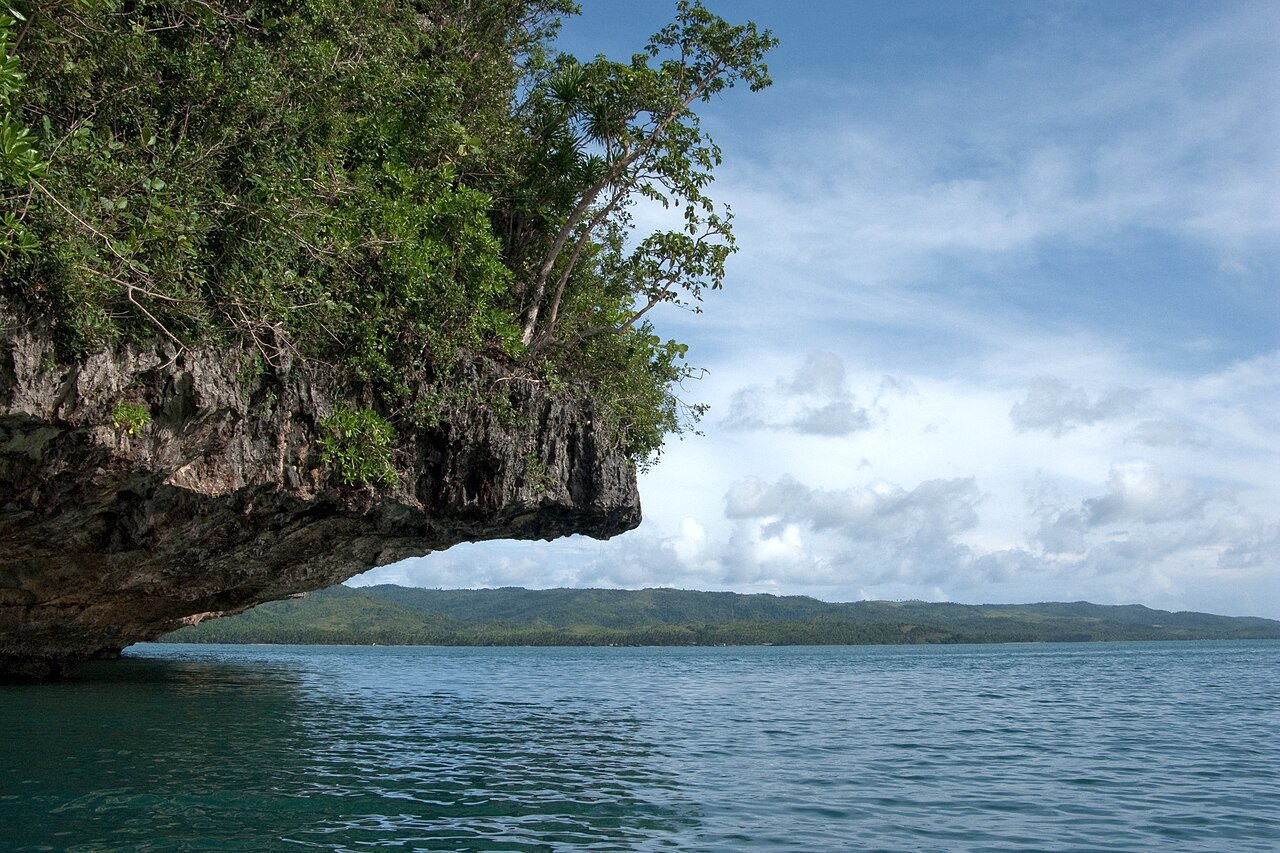
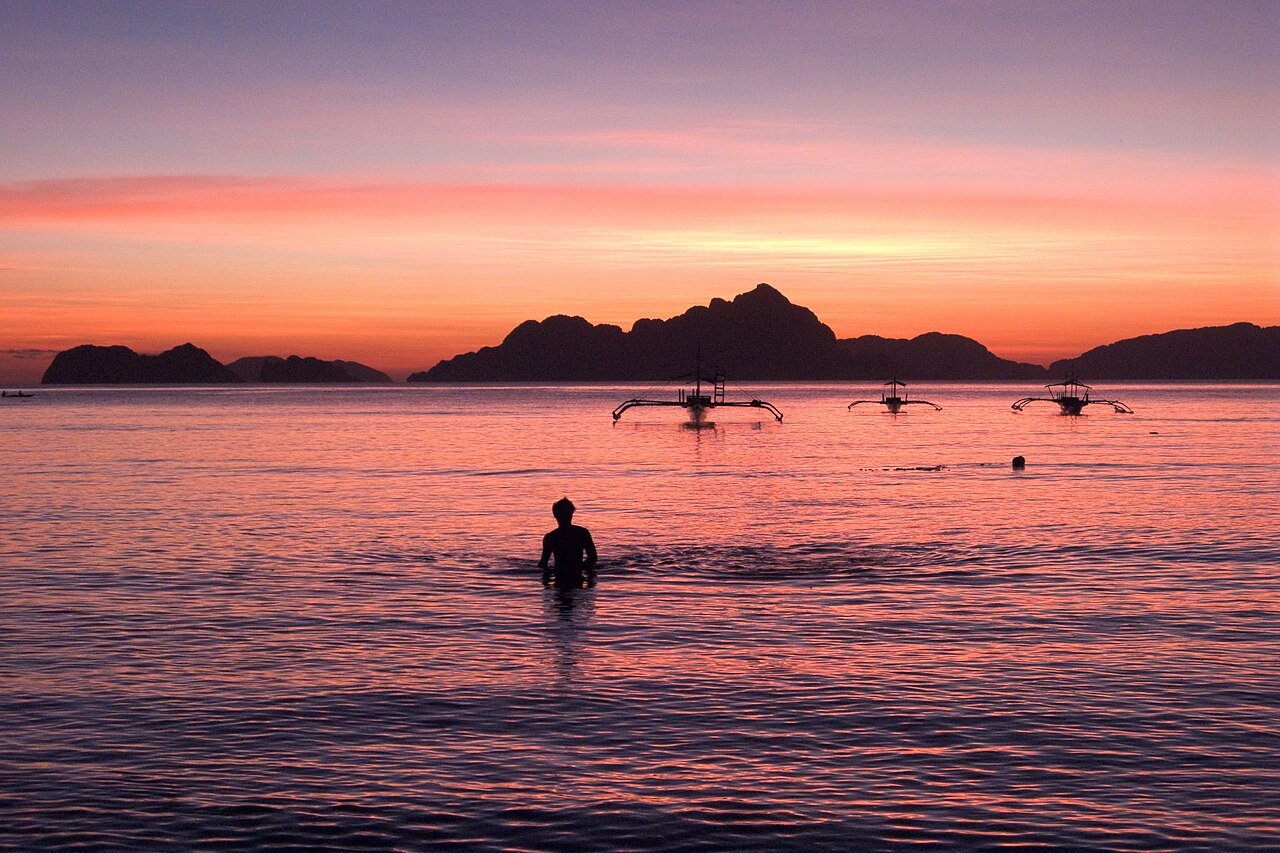
The Philippines is a dazzling archipelago of more than 7,000 islands — a tropical dream of turquoise lagoons, limestone cliffs, white-sand beaches and some of the best diving and island-hopping on earth. From the surreal lagoons of El Nido and Coron in Palawan to the Chocolate Hills of Bohol, the powdery sands of Boracay and the surf of Siargao, it offers beach and ocean adventures to rival anywhere in the world. For Indian travellers seeking a different, less-crowded tropical escape, the Philippines is a stunning and rewarding choice.
This 2026 guide for Indian travellers covers visas and how to get there, the best time to go, what it costs, where to stay and eat, and how to plan an island-hopping trip across the country’s highlights.
- Visa: Indians generally need a visa for the Philippines, with visa-free entry for holders of valid US, UK, Schengen, Japan, Australia and similar visas — confirm current rules.
- Getting there: No direct flights from India — connect via Singapore, Kuala Lumpur, Bangkok or Hong Kong to Manila or Cebu.
- Best time: November to April, the dry season, for the best beach and island weather.
- Don’t miss: El Nido and Coron in Palawan, Bohol’s Chocolate Hills, Boracay’s beaches and the diving.
Part 1 of 8
Why the Philippines belongs on your list
The Philippines is all about its islands and oceans. You can kayak through hidden lagoons ringed by karst cliffs, snorkel or dive over vivid coral and shipwrecks, laze on some of the world’s best beaches, and hop between islands by boat each day. Add quirky natural wonders like the Chocolate Hills and tiny tarsiers, warm and English-speaking locals, and far fewer crowds than mainland Southeast Asia, and it becomes a tropical paradise with real variety.
El Nido & Coron
Palawan’s spectacular lagoons, limestone cliffs and island-hopping.
Boracay
Powdery White Beach and a lively island scene.
Chocolate Hills
Bohol’s surreal rolling hills, plus tiny tarsiers.
World-class diving
Coral reefs, wrecks and whale sharks across the islands.
Island hopping
Boat trips to hidden beaches, lagoons and snorkel spots.
Siargao surf
The country’s surfing capital and laid-back island life.
Whether you want beaches, diving, island-hopping or natural wonders, the Philippines delivers a tropical escape with a wilder, more off-the-beaten-path feel than much of the region.
The Philippines is 7,000 islands of turquoise dreams — hidden lagoons, white sands and coral seas, with the warmest of welcomes.
Part 2 of 8
Visas and getting to the Philippines
The Philippines takes a connection to reach from India, and entry rules depend on your other visas.
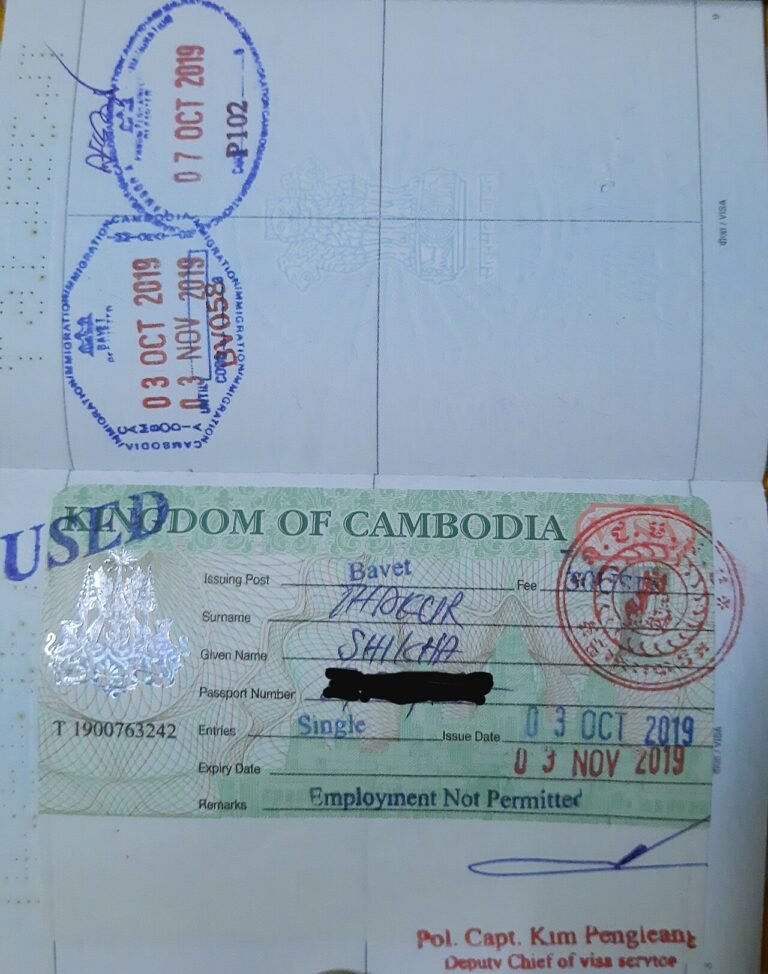
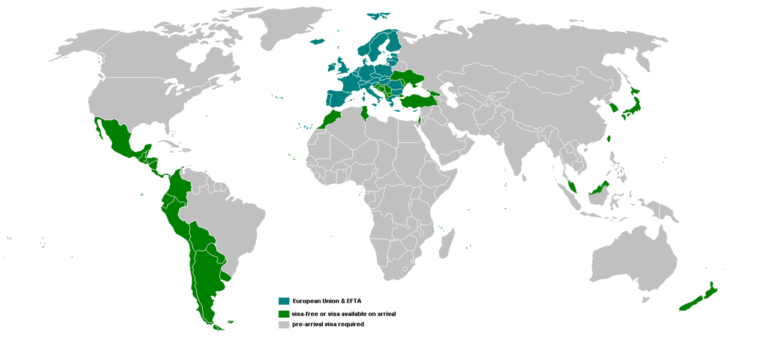
Visa: Indian passport holders generally need a visa for the Philippines, applied for in advance (an e-visa is being rolled out). However, Indians holding a valid visa or residence permit from countries such as the US, UK, Schengen states, Japan, Australia, Canada and Singapore can usually enter visa-free for a short stay under certain conditions. Rules change, so always confirm the latest requirements before booking.
By air: There are no direct flights from India, so connect via Singapore, Kuala Lumpur, Bangkok or Hong Kong to Manila or Cebu. Cebu is a handy gateway for the central and southern islands.
Pro tip
If you hold a valid US, UK or Schengen visa, check the visa-free entry option carefully, as it can save time and money. Otherwise apply for your visa well in advance, and fly into Cebu rather than Manila if your focus is Palawan, Bohol or Boracay.
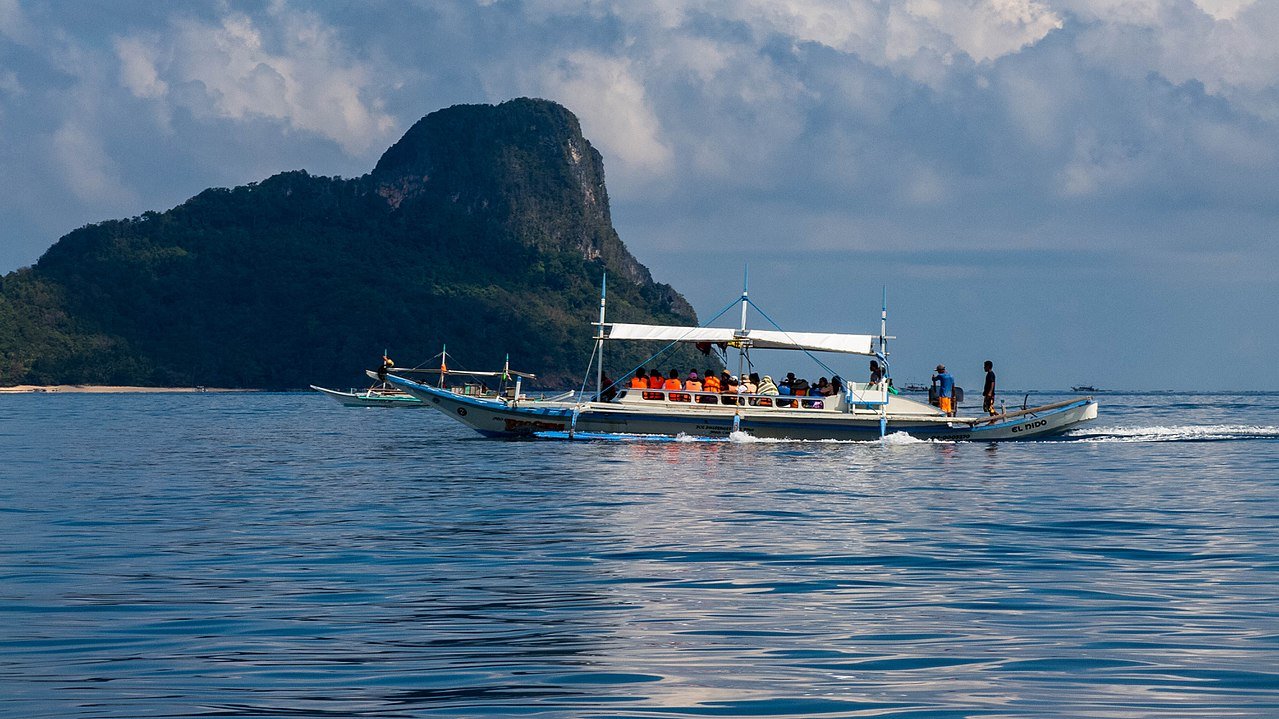
Getting around: Domestic flights link the islands quickly (Cebu Pacific and others), supplemented by ferries and boats for island-hopping. Within islands, tricycles, vans and boats are the norm.
Part 3 of 8
Best time to visit the Philippines
The Philippines has a tropical climate with a clear dry season and a typhoon-prone wet season, so timing matters for the islands.
| Season | Months | What to expect |
|---|---|---|
| Dry season | Nov–Apr | The best window — sunny, calm seas, ideal for beaches and diving. Peak around Dec–Feb. |
| Hot & dry | Mar–May | Very warm but still good for the islands, with the seas at their calmest early on. |
| Wet/typhoon | Jun–Oct | Rain and the risk of typhoons, especially in the east; some boat trips are cancelled. |
| Year-round | — | Hot and humid always — pack light, breathable clothing and reef-safe sunscreen. |
For the calmest seas, clearest water and reliable island-hopping, come between November and April. The wet season brings typhoon risk that can disrupt boats and flights, so it is best avoided for a beach-focused trip, though the south is generally less affected.
Part 4 of 8
Costs and budgeting for Indians
The Philippines offers good value, though inter-island flights and boat trips add up. Here is a realistic per-person, per-day guide for 2026, excluding international flights.
| Style | Daily budget | What it covers |
|---|---|---|
| Backpacker | $30–50 | Hostels and guesthouses, ferries and shared island tours, local food. |
| Mid-range | $70–130 | Comfortable resorts, domestic flights, island-hopping tours and good meals. |
| Premium | $200+ | Beach resorts and dive packages, private transfers and curated experiences. |
Food and local transport are cheap, with domestic flights, island-hopping tours and diving the main planned costs. Carry Philippine pesos, as cash is essential on the smaller islands where card acceptance and ATMs are limited. Booking island-hopping tours locally is usually cheaper than online.
Good to know
Carry cash for the islands, as ATMs are scarce outside the main towns. Check current travel advisories, as some far-southern regions are best avoided, and book reputable dive and boat operators with proper safety gear.
Part 5 of 8
Where to stay, what to eat and top experiences
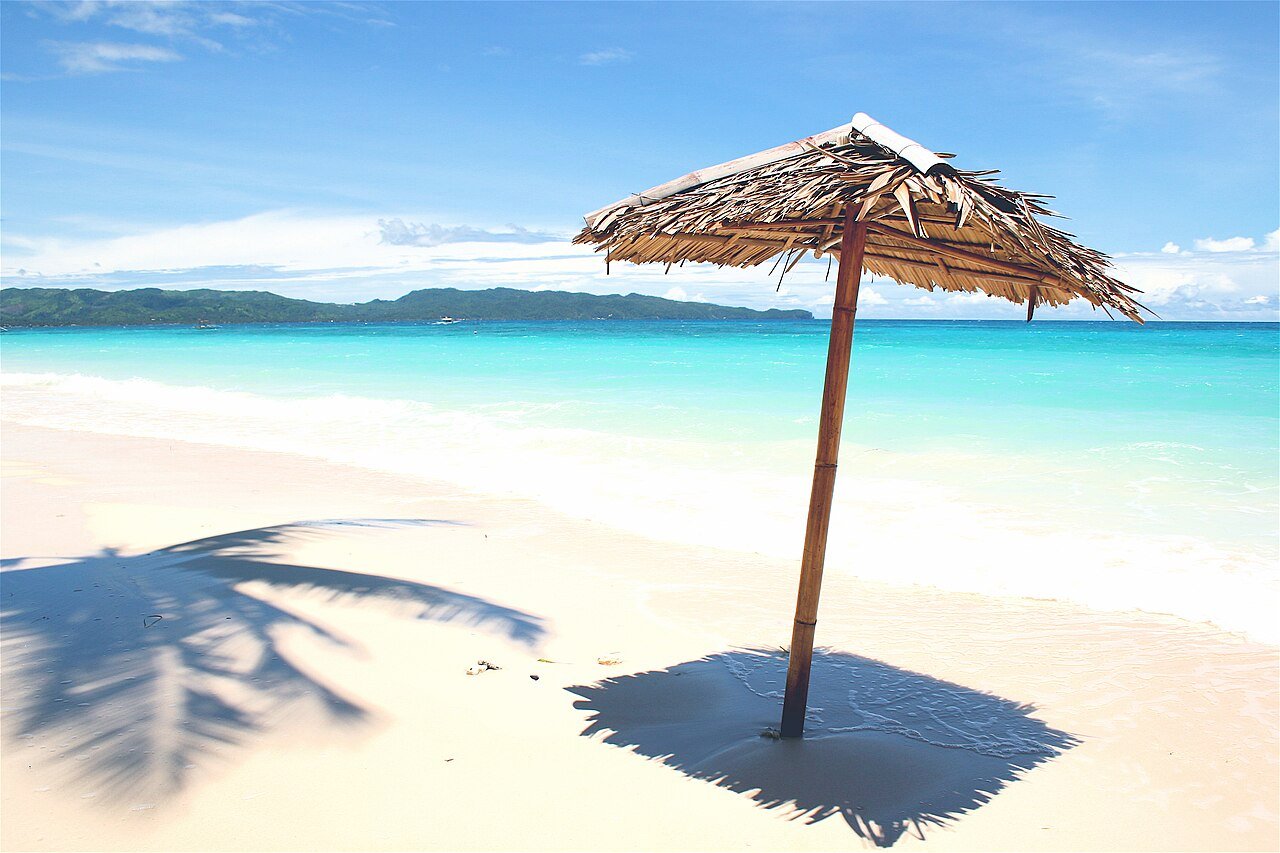
Where to stay: Base yourself by the beaches — El Nido or Coron in Palawan for lagoons and island-hopping, Boracay’s White Beach for resorts and nightlife, Bohol’s Panglao for diving and the Chocolate Hills, and Siargao for surf. Each island has everything from hostels to upscale resorts.
What to eat: Filipino food is hearty and distinctive — adobo (meat braised in soy and vinegar), sinigang (sour soup), lechon (roast pork) and fresh seafood, with rice at every meal. Vegetarian options exist but are more limited, so it helps to ask; tropical fruit and fresh juices are abundant.
Lagoon island tour
Kayak the Big and Small Lagoons of El Nido.
Dive or snorkel
Explore reefs, wrecks and marine life across the islands.
Chocolate Hills
See Bohol’s rolling hills and meet the tiny tarsiers.
Beach time
Relax on Boracay’s White Beach or a hidden Palawan cove.
For more, surf at Siargao, swim with sardines or whale sharks (choose ethical operators), chase the Kawasan Falls in Cebu, or simply island-hop to your own quiet beach.
Part 6 of 8
A 7-10 day Philippines itinerary
This island route links Palawan’s lagoons with Bohol or Boracay, via Cebu.
Days 1–4 — Palawan: Fly to El Nido or Coron for several days of island-hopping, lagoons, snorkelling and beach time — the highlight of most trips.
Days 5–7 — Bohol or Boracay: Fly via Cebu to Bohol for the Chocolate Hills, tarsiers and Panglao’s diving, or to Boracay for its famous White Beach.
Days 8–10 — More islands or relax: Add Cebu’s Kawasan Falls and canyoneering, the surf of Siargao, or simply more beach time before flying home.
Extend your trip: Add the Banaue rice terraces in the north, more diving in Apo Reef or Tubbataha, or combine with a stopover in Singapore or Hong Kong.
Pro tip
Build in buffer time around domestic flights and boat trips, which can be affected by weather, and do not pack too many islands into one trip — the Philippines rewards going deeper on two or three islands rather than rushing across many.
Part 7 of 8
Practical tips for Indian travellers
A few practical notes make a Philippines trip smoother and safer.
Check visa rules
Confirm whether you need a visa or qualify for visa-free entry.
Use domestic flights
Cheap inter-island flights link the highlights quickly.
Carry cash
ATMs and cards are limited on smaller islands — bring pesos.
Mind the season
Travel in the November–April dry season to avoid typhoons.
The Philippines is friendly and English-speaking, which makes it easy for Indian travellers, and the main tourist islands are safe and well set up. Take normal precautions with belongings, choose reputable dive and boat operators with proper safety equipment, and check current travel advisories, as some far-southern regions are best avoided. Drink bottled water, protect yourself from the strong tropical sun, and respect the marine environment by not touching coral or littering.
Because it is a connection away, the Philippines also pairs well with a stopover. You can combine it with Singapore, Hong Kong or Bangkok on the way, or with the rest of Southeast Asia for a longer trip. Within the country, going deeper on Palawan and one other island makes for a more relaxed and rewarding journey than island-overload.
Part 8 of 8
Frequently asked questions
Do Indians need a visa for the Philippines?
Generally yes, applied for in advance, though an e-visa is being rolled out. However, Indians holding a valid visa or residence from countries like the US, UK, Schengen states, Japan and Australia can usually enter visa-free for a short stay under certain conditions. Confirm current rules before booking.
How do I reach the Philippines from India?
There are no direct flights, so connect via Singapore, Kuala Lumpur, Bangkok or Hong Kong to Manila or Cebu. Cebu is a convenient gateway if you are focusing on Palawan, Bohol or Boracay.
When is the best time to visit the Philippines?
November to April is the dry season, with calm seas and the best conditions for beaches, diving and island-hopping. The June–October wet season brings typhoon risk that can disrupt boats and flights, so it is best avoided for a beach trip.
Which islands should I prioritise?
Palawan (El Nido and Coron) is the headline for lagoons and island-hopping, Bohol for the Chocolate Hills and diving, Boracay for beaches, and Siargao for surf. On a single trip, focus on two or three islands rather than rushing across many.
Is the Philippines cheap for Indian travellers?
It offers good value — food and local transport are cheap, with inter-island flights, island-hopping tours and diving the main costs. Carry pesos, as cash is essential on the smaller islands where cards and ATMs are limited.
Is the Philippines safe for tourists?
The main tourist islands are safe and welcoming, and English is widely spoken. Take normal precautions with belongings, use reputable dive and boat operators, and check current travel advisories, as some far-southern regions are best avoided.
Can I see whale sharks ethically in the Philippines?
Yes, but choose carefully. Some whale-shark interactions (such as feeding-based ones) raise welfare concerns, so opt for responsible, non-feeding operators and snorkelling experiences that keep a respectful distance from the animals.
How many days do I need for the Philippines?
Seven to ten days lets you enjoy Palawan plus Bohol or Boracay without rushing. Two weeks allows more islands, more diving, or adding the Banaue rice terraces in the north. Build in buffer time for weather-dependent flights and boats.
What should I pack for the Philippines?
Pack light, breathable clothing, swimwear, a quick-dry towel, reef-safe sunscreen, a hat and sunglasses, water shoes for rocky shores, and a dry bag for boat trips. A basic first-aid kit and any personal medicines are worth carrying, as pharmacies can be limited on smaller islands.
Is the Philippines good for non-divers?
Absolutely. Even without diving you can snorkel over reefs, kayak through lagoons, island-hop to hidden beaches, surf at Siargao, see the Chocolate Hills and tarsiers, and chase waterfalls — the islands offer plenty above and just beneath the water.
The bottom line
The Philippines is a tropical paradise of more than 7,000 islands — hidden lagoons, white-sand beaches, world-class diving and warm, English-speaking hospitality, all with a wilder, less-crowded feel than much of Southeast Asia. Check your visa or visa-free eligibility, come in the November–April dry season, focus on Palawan plus one other island, and carry pesos for the smaller spots. Do that, and the Philippines will reward you with one of the most beautiful and adventurous beach trips an Indian traveller can take.
Related reading
 Jodhpur Itinerary: 2-Day Blue City Plan (2026)
 Pondicherry Itinerary: 2-3 Day French Riviera Plan (2026)
 Singapore Malaysia Itinerary: 7 Days from India (2026)
Photos sourced from Wikimedia Commons under their respective Creative Commons licences. Visa, flight and travel details are indicative for 2026; confirm current visa rules and advisories before you travel.