USA Travel Guide for Indians 2026 — First Trip, Visa, Regions & Tips
The USA is a continent-sized adventure — from the skyscrapers of New York to the beaches of California, the canyons of the Southwest to the swamps and theme parks of Florida. It’s a bucket-list destination for many Indian travellers, but it takes more planning than most: the visa is a serious process, distances are vast, and costs run high. Done right, though, it’s one of the most rewarding trips out there. This guide covers the visa reality, the best time to go, how to get around, the main regions, suggested first-trip routes, food, costs and practical tips.
The US visa: what Indians need to know
Indians need a US B1/B2 tourist visa, which involves an online application (DS-160), a fee, and typically an in-person interview at a US consulate — and appointment wait times can be long, so apply well in advance. (The ESTA visa-waiver does not apply to Indian passport holders.) Once granted, the visa is often valid for ten years with multiple entries. Prepare your documents, ties to India and travel plans carefully; confirm the latest process before applying.
Best time to visit
The US is vast, so timing depends on region. Spring (April–June) and autumn (September–October) are pleasant nationwide and ideal for cities and national parks (autumn foliage in the northeast is spectacular). Summer is peak for national parks and the north but hot in the south; winter suits Florida, the southwest and skiing, while the northeast and midwest get cold and snowy.
How to reach and get around
Direct and one-stop flights connect Indian metros to hubs like New York, Newark, Chicago, San Francisco and Los Angeles. Within the US, domestic flights are essential for covering distance, and a rental car is the best way to explore regions, national parks and road-trip routes (an international driving permit plus your licence is usually accepted). Public transport is good within big cities (New York’s subway, for example) but limited between them.
The main regions
East Coast: New York’s icons, Washington DC’s monuments and museums, Boston’s history, and Niagara Falls — great for first-timers and easy to combine. West Coast: Los Angeles, San Francisco, Las Vegas and the Pacific Coast Highway, plus the gateway to desert parks. The Southwest & national parks: the Grand Canyon, Zion, Bryce, Yosemite and Antelope Canyon — bucket-list nature. Florida: Orlando’s theme parks and Miami’s beaches, ideal for families. The Pacific Northwest, Chicago and the South add further variety for repeat visitors.
Suggested first-trip routes
East Coast classic (8–10 days): New York → Washington DC → Niagara Falls (and optionally Boston). West Coast & parks (10–12 days): Los Angeles → Las Vegas → Grand Canyon → San Francisco. Family/theme parks (7–9 days): Orlando plus Miami. Pick one region per trip — the country is too big to “do” in one visit — and use the ten-year visa for return trips.
Where to stay
Cities offer everything from hostels and budget motels to mid-range chains and luxury hotels; book central in big cities to save on transport. For national parks, reserve in-park lodges or nearby gateway towns far ahead, as they fill months in advance. Vacation rentals work well for families and longer stays.
Food (with vegetarian notes)
American food goes far beyond burgers — every cuisine on earth is represented, especially in big cities. Vegetarians and vegans are well served in urban areas with dedicated menus and Indian restaurants everywhere; rural areas and parks have fewer options, so plan and self-cater on road trips. Portion sizes are large, and the famous Indian-American food scene means you’re never far from familiar flavours in major cities.
What it costs
The US is expensive. Mid-range travellers spend roughly ₹12,000–22,000 per person per day on the ground (hotels, meals, car/transport, attractions), more in New York and California. Budget travellers using hostels, self-catering and careful planning can trim this. Add international flights (₹70,000–1,30,000 return depending on city and season), car rental and fuel, domestic flights, and remember tipping (15–20% at restaurants) and taxes added at checkout. Travel insurance is essential given high US healthcare costs.
Practical tips
Apply for the visa early and keep your ten-year visa for multiple trips. Budget for tipping and sales tax (prices shown are usually pre-tax). Carry a credit card (widely required, e.g., for car rental and hotels) plus some cash. Get a US travel eSIM/SIM for data. Distances are deceptive — don’t over-pack the itinerary; one region per trip is plenty. Book national-park lodging and popular attractions far ahead, and always carry comprehensive travel and medical insurance.
Is the USA safe for Indian travellers?
The main tourist areas and parks are generally safe with common-sense precautions. Be aware of your surroundings in big cities at night, secure valuables, follow park safety rules (weather, wildlife, hydration), and keep emergency and insurance details handy. Check local advisories for specific areas.
Frequently asked questions
How hard is the US visa for Indians? It requires an interview and planning, with potentially long wait times — apply early; once granted it’s usually valid ten years.
How many days do you need? At least 8–10 for one region; the US rewards multiple trips rather than one rushed visit.
Do I need a car? For national parks and road trips, yes; big cities are fine on public transport.
Is the USA expensive? Yes — budget generously for flights, hotels, car, tips and taxes.
National parks deep-dive
America’s national parks are among its greatest attractions and worth building a trip around. The Grand Canyon (Arizona) is the iconic one; nearby Zion and Bryce Canyon (Utah) and Antelope Canyon and Monument Valley form a stunning Southwest loop. Yosemite (California) dazzles with waterfalls and granite cliffs, while Yellowstone and Grand Teton (Wyoming) offer geysers and wildlife. Buy the “America the Beautiful” annual pass if visiting several parks, book in-park or gateway lodging months ahead, carry plenty of water, and check seasonal road/trail closures before you go.
Road-trip routes
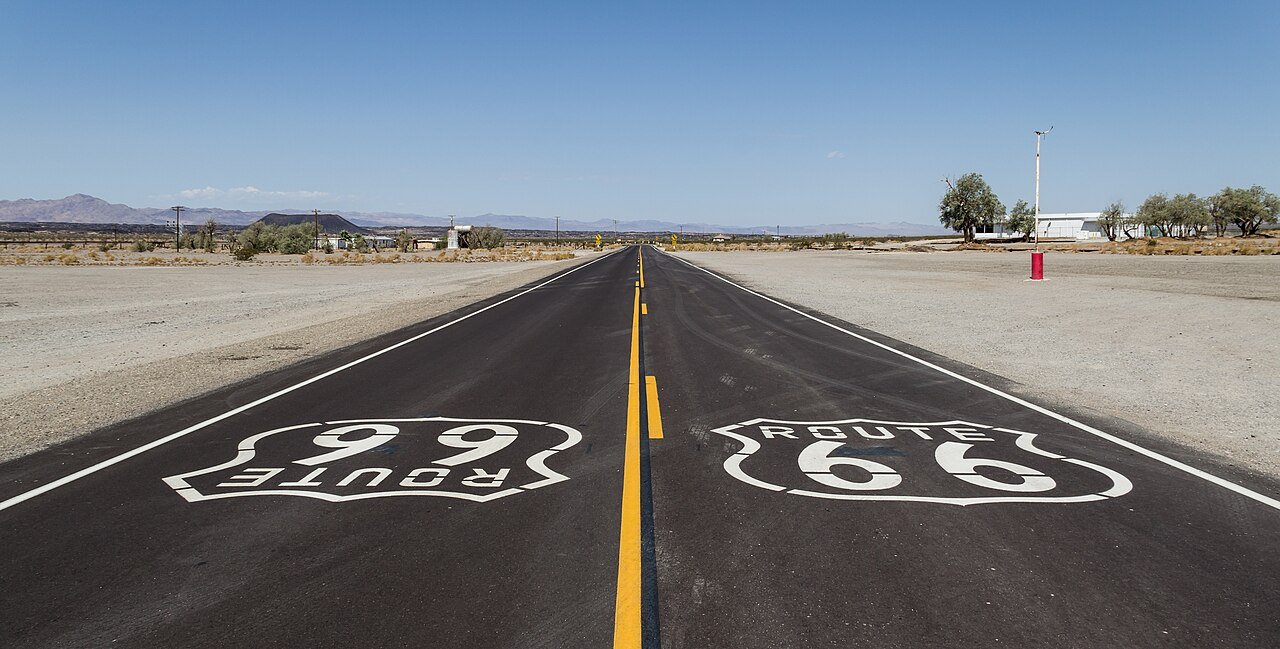
The US is made for road trips. The Pacific Coast Highway (San Francisco–Los Angeles via Big Sur) is a classic coastal drive. The Southwest loop (Las Vegas–Grand Canyon–Zion–Bryce–Monument Valley) packs in jaw-dropping scenery. Route 66 nostalgia, the Florida Keys drive, and New England’s autumn-foliage routes are other favourites. Rent a car with an international driving permit, plan fuel and distances carefully, and don’t underestimate drive times across this vast country.
City highlights at a glance
New York — Times Square, Central Park, the Statue of Liberty, world-class museums and food. San Francisco — the Golden Gate Bridge, cable cars, and Alcatraz, plus wine country nearby. Los Angeles — Hollywood, beaches and theme parks. Las Vegas — the Strip and a base for desert parks. Washington DC — the (mostly free) Smithsonian museums and national monuments. Chicago — architecture and lakefront. Each city easily fills 2–3 days.
Detailed budget breakdown
Per person, per day (mid-range, excluding international flights): accommodation ₹6,000–14,000 (more in NYC/SF), food ₹2,500–5,000 (plus 15–20% tips and sales tax), car rental + fuel ₹3,000–6,000 split between travellers, or city transit ₹500–1,500, and attractions ₹1,500–4,000. Domestic flights between regions add ₹8,000–20,000 per hop. International flights run ₹70,000–1,30,000 return. Comprehensive travel and medical insurance is non-negotiable given US healthcare costs.
Packing and staying connected
Pack for the region and season — layers for variable park weather, sturdy shoes for hikes, and sun protection for the Southwest. Bring a credit card (essential for car rental and hotel holds), a US travel eSIM/SIM for data and navigation, a universal adapter (Type A/B, 120V), and a refillable water bottle. Keep digital and printed copies of your visa, insurance and bookings.
First-trip mistakes to avoid
Don’t try to see “all of America” in one trip — pick one region. Don’t underestimate distances and drive times, or forget to add tax and tip to budgeted prices. Don’t skip travel insurance, and don’t leave national-park lodging or popular attraction tickets to the last minute. Finally, apply for your visa early — interview wait times can derail tight plans.
More frequently asked questions
Which region is best for a first US trip? The East Coast (New York–DC) is easiest to combine; the West Coast and Southwest parks are best for scenery.
Do I need domestic flights? For multi-region trips, yes — the country is too large to drive end to end on a normal holiday.
Is the US family-friendly? Very — theme parks, national parks and big-city attractions all cater well to families.
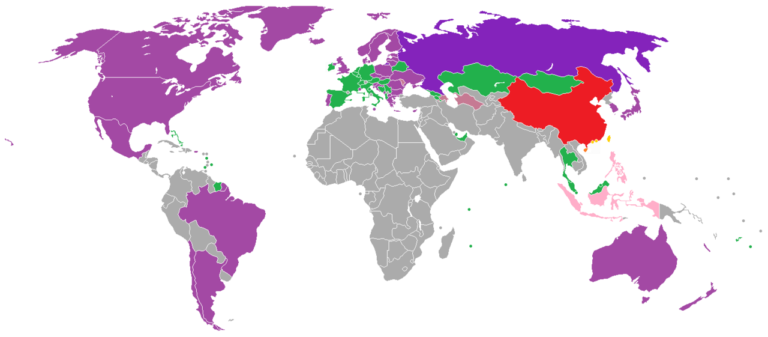
Before you book: check entry rules in the visa checker, estimate spend with the Trip Cost Calculator, and browse more international travel guides.
Last updated: June 2026. Visa rules, fees, prices and timings change — confirm on official sources before booking.
Related reading: Schengen Visa Guide for Indians 2026 — Process, Documents & Tips · Australia Travel Guide for Indians 2026 — Visa, Cost, Best Time & Tips · Egypt Travel Guide for Indians 2026 — Visa, Cost, Best Time & Tips