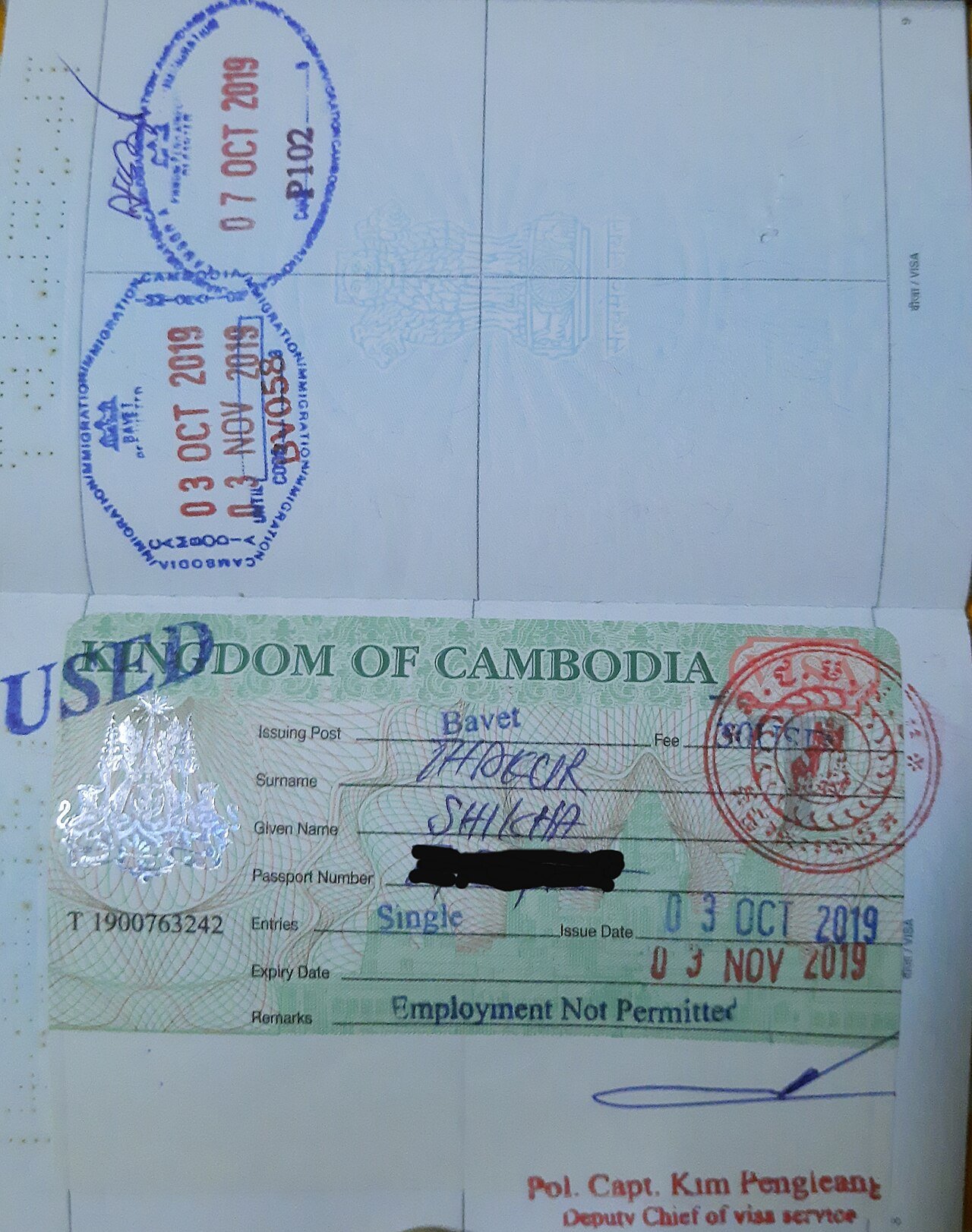
Visa on Arrival for Indians: How It Works & What to Carry
For Indian travellers, the ease of getting a visa can make or break a destination choice. Visa-on-arrival (VoA) destinations — where you obtain your visa upon landing rather than applying in advance — are especially convenient for spontaneous or simpler trips. But how does visa on arrival work, how does it differ from e-visas and visa-free travel, and what should you prepare? This guide explains visa on arrival for Indian passport holders. Always confirm current rules with the official source before travelling, as they change often.
What is visa on arrival?
Visa on arrival means you can obtain your entry visa at the destination’s airport or border on arrival, rather than applying beforehand at an embassy. You typically complete a form, provide documents and photographs, pay a fee, and receive the visa stamp, allowing entry for a permitted stay. It’s distinct from visa-free travel (no visa needed at all) and from e-visas (applied for and approved online before you fly). Visa on arrival offers convenience for eligible travellers but still requires meeting conditions and carrying the right documents, so preparation remains important.
How VoA differs from e-visa and visa-free
It’s important not to confuse the three. Visa-free means Indians can enter with just a valid passport (and sometimes other conditions) for a permitted period. Visa on arrival means you get the visa at the border on landing, usually with a fee and documents. E-visa means you apply and pay online in advance and arrive with an approved electronic visa. Some countries offer a combination or have an e-visa that substitutes for VoA. Knowing which applies to your destination — and the exact conditions — ensures you arrive prepared and avoid being denied entry.
What to prepare for visa on arrival
Even for VoA, come prepared. Typically you’ll need a passport valid for the required period (often at least six months), return or onward tickets, proof of sufficient funds, accommodation details, passport-size photographs, a completed arrival/visa form, and the fee (in accepted currency or card). Some destinations require additional documents. Having everything ready speeds the process and avoids problems at immigration. Always check the specific VoA requirements for your destination in advance, as conditions, fees and eligibility can change, and ensure you genuinely qualify before relying on getting a visa on arrival.
Frequently asked questions
What is visa on arrival? It’s a visa you obtain at the destination’s airport or border on arrival, after providing documents and paying a fee, rather than applying in advance.
How is it different from an e-visa? An e-visa is applied for and approved online before you travel; visa on arrival is granted at the border when you land.
What should I carry for VoA? A valid passport, return/onward tickets, proof of funds, accommodation details, photos, the completed form and the fee — plus any destination-specific documents.
Benefits and limitations of visa on arrival
Visa on arrival offers clear benefits: convenience, no advance embassy process, and the ability to travel more spontaneously. But it has limitations too. You’re reliant on meeting the conditions and carrying the right documents at the border, queues at arrival can be long, fees must be paid on the spot, and there’s a small risk of being refused entry if you don’t qualify or lack documents — with no fallback since you’ve already travelled. For peace of mind on important trips, some travellers prefer an e-visa (approved before flying) where available, reserving VoA for destinations where it’s straightforward.
Typical visa-on-arrival conditions
VoA usually comes with conditions: a maximum permitted stay, allowed purpose (often tourism), a fee, and the requirement to meet entry criteria (valid passport, onward tickets, funds, accommodation). Some destinations limit VoA to certain entry points (specific airports). There may be limits on how often you can use it. Overstaying or breaching conditions can lead to penalties. Understanding these conditions for your specific destination — the stay length, fee, eligible entry points and purpose — ensures you use VoA correctly and enjoy a smooth entry without complications.
Tips for a smooth arrival
To breeze through visa on arrival: have all documents organised and accessible (passport, photos, tickets, accommodation, funds proof, completed form), carry the fee in an accepted form, fill the arrival form accurately, and join the correct queue promptly. Arriving with everything ready avoids fumbling at the counter and speeds the process. Be polite and clear with immigration officers, and ensure your answers match your documents. A little organisation transforms VoA from a potentially stressful queue into a quick formality, letting you start your trip without delay right after landing.
Checking eligibility before you travel
Crucially, verify your eligibility and the current rules before booking. VoA arrangements change — countries add, remove or modify them, and conditions can shift. Confirm through the official source that visa on arrival is currently available for Indian passport holders at your destination and entry point, what it costs, the permitted stay, and the documents required. Don’t rely on older information or assume past arrangements still hold. This verification step protects you from arriving without the right preparation or, worse, being turned away. Always treat “check the latest official rules” as an essential part of planning.
A quick recap
To recap: visa on arrival lets eligible Indian travellers obtain a visa at the destination’s border on landing, distinct from visa-free travel and pre-approved e-visas. Prepare a valid passport, return tickets, proof of funds, accommodation, photos, the form and the fee, and understand the conditions (stay length, entry points, purpose). Weigh its convenience against its limitations, organise your documents for a smooth arrival, and always verify current eligibility and rules officially before you travel.
The bottom line
Visa on arrival is a wonderful convenience for Indian travellers, opening up destinations with minimal advance paperwork. The keys to using it well are understanding how it differs from e-visas and visa-free travel, preparing all the required documents and the fee, knowing the conditions and eligible entry points, and — most importantly — verifying the current rules through official sources before you book, since these arrangements change. Weigh VoA’s spontaneity against the certainty of a pre-approved e-visa for important trips. Prepared and informed, you’ll enjoy smooth, hassle-free entry. Always confirm current requirements officially before travelling.
Visa on arrival vs applying in advance
Deciding between visa on arrival and applying in advance (e-visa or embassy visa) depends on the destination and your comfort with risk. VoA offers spontaneity and less upfront paperwork, but you only learn the outcome at the border. Applying in advance gives certainty before you fly and avoids airport queues, which matters for important or non-refundable trips. Where a destination offers both, weigh convenience against certainty: for a relaxed trip where VoA is well-established, it’s fine; for a high-stakes journey, the reassurance of a pre-approved visa is often worth the extra effort.
Money and documents at the border
At the VoA counter, be ready with the fee in an accepted form (some accept only certain currencies or cards), and have your supporting documents to hand. Immigration may ask to see return tickets, accommodation and proof of funds, so keep these accessible rather than buried in your luggage. Carrying a little local or major currency for the fee, plus printed copies of bookings, smooths the process. Being financially and document-ready at the border avoids delays and demonstrates you meet the entry conditions, which is exactly what the officer needs to grant your visa quickly.
Families and group travel with VoA
When travelling as a family or group on visa on arrival, ensure each traveller has their own complete set of documents, photos and (where applicable) fees, including children with their own passports. Keep everyone’s paperwork organised together for the counter, and be prepared for the process to take a little longer for multiple people. Confirm that VoA applies to all members (including minors) for your destination. A little extra organisation — one folder per traveller — makes group arrivals far smoother and avoids the chaos of fumbling for documents at a busy immigration desk.
Avoiding entry refusal
To minimise any risk of refused entry, ensure you genuinely meet all the conditions: valid passport with enough validity and blank pages, confirmed return/onward tickets, sufficient funds, accommodation proof, and a clear, honest purpose of visit matching your documents. Answer immigration questions consistently and truthfully. Don’t rely on VoA if there’s doubt about your eligibility — verify first. Since you’ve already travelled, refusal at the border is costly, so the safeguard is thorough preparation and honest, well-documented answers. Meeting the criteria fully is the best guarantee of a smooth, successful entry.
Final thoughts
Visa on arrival is a great convenience that opens up spontaneous international travel for Indians, but it rewards preparation. Understand how it differs from e-visas and visa-free entry, carry every required document and the fee, know the conditions and eligible entry points, and weigh VoA’s spontaneity against the certainty of applying in advance for important trips. Organise paperwork carefully, especially for families, and ensure you fully meet the entry criteria to avoid refusal. Above all, verify the current rules officially before you book. Prepared and informed, you’ll enjoy quick, smooth entry on arrival.
Keeping documents accessible on arrival
A practical habit for visa on arrival is keeping a dedicated travel folder — physical and digital — with your passport, photos, the completed arrival/visa form, printed return and onward tickets, hotel bookings and proof of funds. Have the fee ready separately. When you land tired after a flight, fumbling for documents at a busy counter is stressful, so having everything in one accessible place makes the process quick and calm. This small organisational step is one of the easiest ways to ensure a smooth, confident arrival and visa issuance at your destination.
Understanding permitted stay and extensions
Visa on arrival grants a specific permitted stay, and overstaying can lead to fines or future entry problems, so note your allowed duration and plan to leave or seek an extension within it. Some destinations allow extensions through local immigration procedures, while others don’t. If you might stay longer, check the extension rules in advance rather than assuming. Respecting the permitted stay — and knowing whether and how it can be extended — keeps you on the right side of immigration rules and protects your ability to visit that country again in future.
Final thoughts
Visa on arrival is a genuine boon for Indian travellers, enabling more spontaneous trips with less advance paperwork — but it works best with preparation. Understand how it differs from e-visas and visa-free travel, carry all required documents and the fee, know the conditions, permitted stay and eligible entry points, and keep your paperwork accessible for a smooth arrival. Weigh its spontaneity against the certainty of applying in advance for important trips, and ensure you fully meet the entry criteria. Above all, verify the current rules officially before booking, since these arrangements change frequently.
Popular VoA-friendly destinations for Indians
A number of destinations have historically made entry easier for Indian travellers through visa on arrival or e-visa-on-arrival style arrangements, spanning parts of Southeast Asia, the Middle East, and various island and emerging destinations. These easier-access countries are often top choices precisely because they reduce pre-trip paperwork. However, which countries offer VoA — and the exact conditions — change regularly, so treat any list as a starting point only. Always confirm the current arrangement for your specific destination and Indian passport holders through the official source before booking, since eligibility and rules are frequently updated.
Related reading: Bali / Indonesia Visa for Indians 2026 — Visa on Arrival, e-VOA, Fees & Tourist Levy · Malaysia Visa for Indians 2026 — Visa-Free Entry, MDAC Arrival Card & Requirements · Qatar Visa for Indians 2026 — Free Visa on Arrival, Hayya, Conditions & Requirements
Plan smarter: browse more visa guides and international travel guides, and use our visa checker.
Last updated: June 2026. Visa and passport rules change frequently — always confirm current requirements with the official embassy, consulate or passport authority before you travel.