Kumbh Mela Planning Guide: Dates, Tips & Logistics (2026)
Last updated: July 8, 2026
The Kumbh Mela is the largest religious gathering on earth — a vast, awe-inspiring congregation of tens of millions of pilgrims, sadhus and seekers who come to bathe at sacred river confluences and seek spiritual liberation. Rotating between Prayagraj, Haridwar, Ujjain and Nashik, this UNESCO-recognised festival is a once-in-a-lifetime spectacle of faith, colour and ritual. Given its immense scale, careful planning is essential. This guide helps Indian pilgrims and travellers plan a Kumbh Mela visit safely and meaningfully.
This guide covers what the Kumbh is, the host cities and cycle, key bathing dates, how to reach and stay, costs, safety in the crowds and what not to miss.
- What: The world’s largest spiritual gathering, centred on sacred river bathing (shahi snan) on auspicious dates.
- Where: Rotates between Prayagraj, Haridwar, Ujjain and Nashik on a roughly 12-year cycle (with Ardh and Maha Kumbh variations).
- Plan ahead: Book accommodation and transport very early; the crowds are immense.
- Safety: Stay with your group, note landmarks, and follow crowd-management advisories.
Part 1 of 8
About the Kumbh Mela
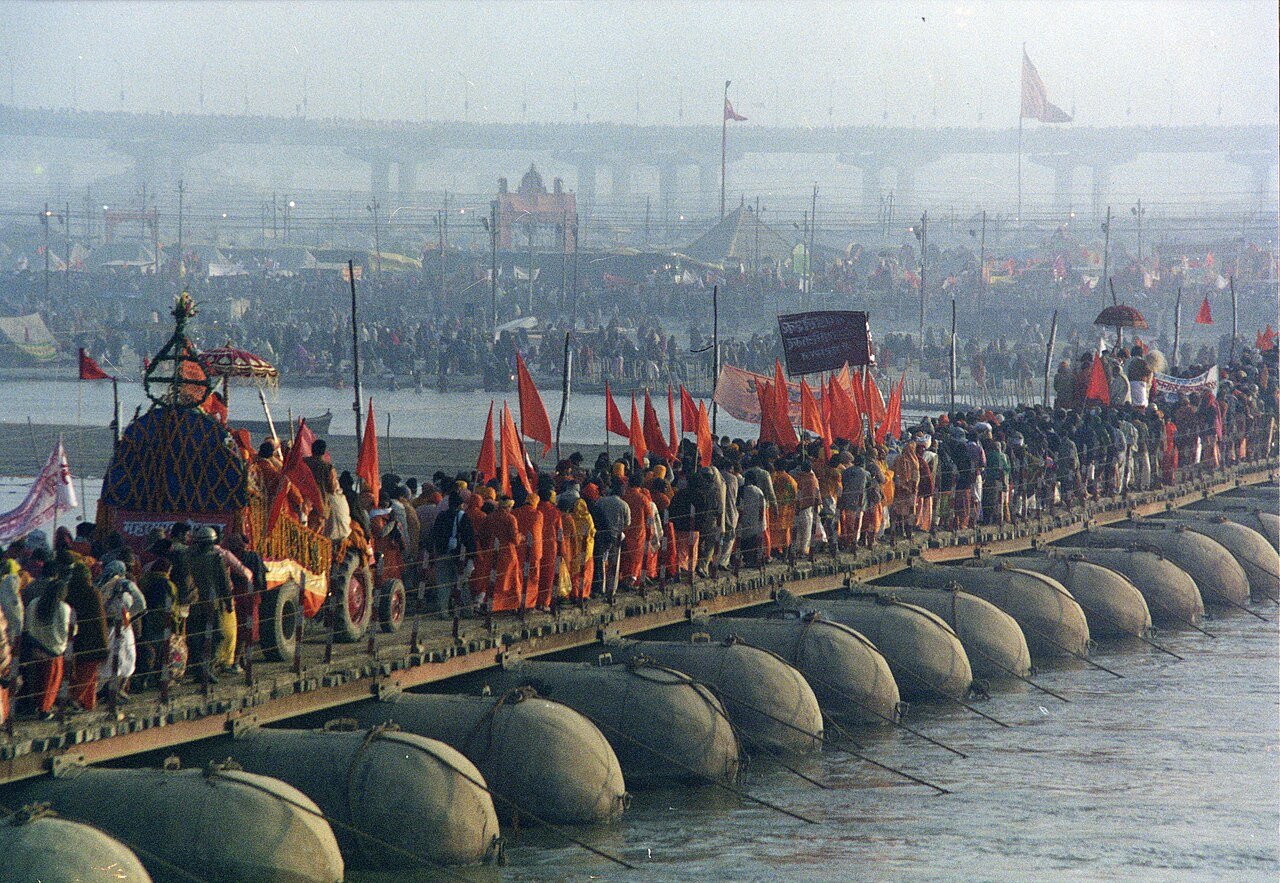
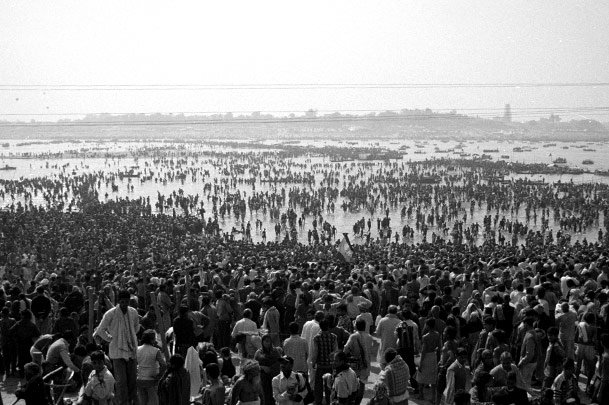
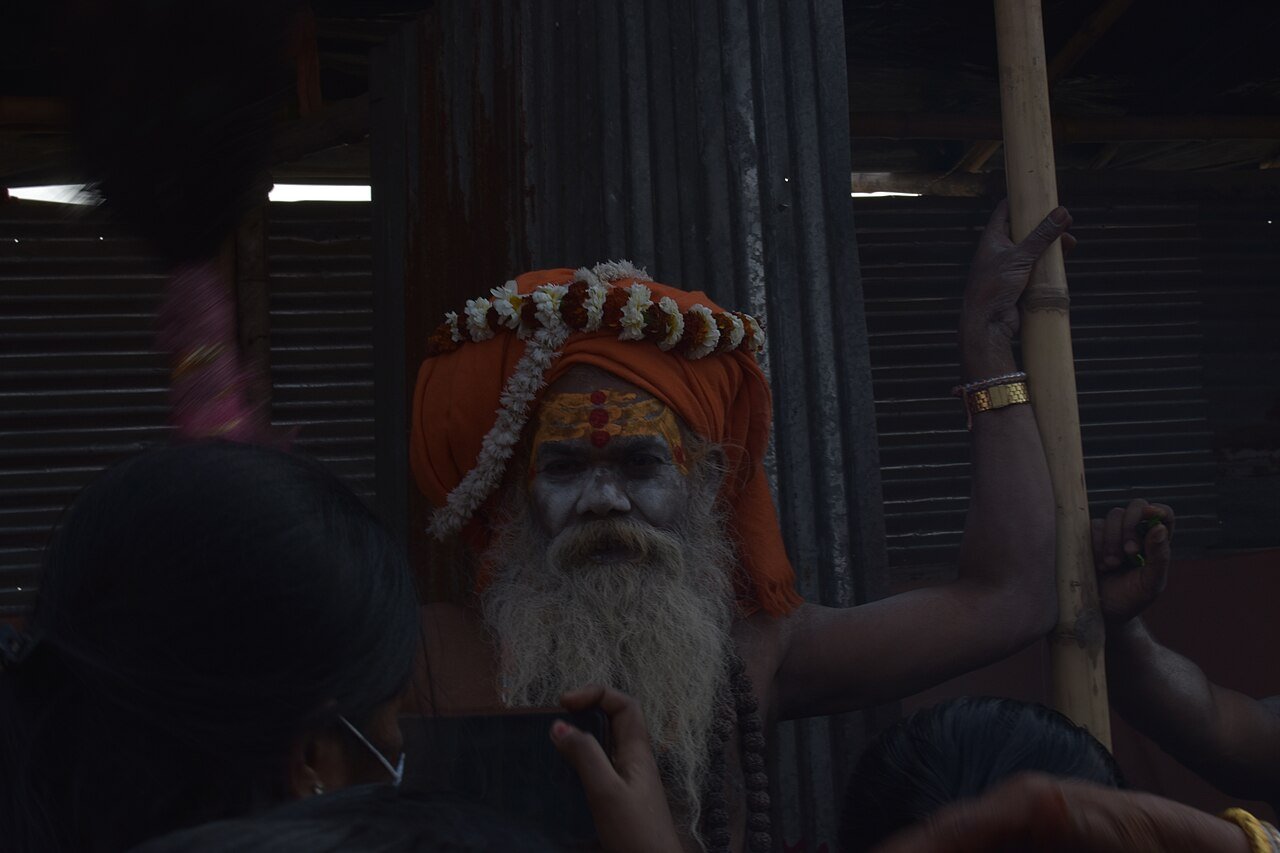
The Kumbh Mela is a Hindu festival of cosmic significance, when pilgrims gather to bathe at sacred river confluences on astrologically auspicious dates, believing it cleanses sins and aids liberation (moksha). It is the largest peaceful gathering of humanity on the planet, drawing tens of millions, including ascetic akharas and naga sadhus whose processions and shahi snan (royal baths) are the festival’s dramatic highlights. Beyond the rituals, it is an extraordinary, immersive spectacle of devotion, culture and humanity.
Sacred bathing
The holy dip (snan) at river confluences.
Shahi Snan
The royal bathing days led by akharas.
Sadhus & akharas
Naga sadhus and ascetic orders.
Tent cities
Vast temporary camps and ashrams.
Largest gathering
Tens of millions of pilgrims.
Spiritual depth
A once-in-a-lifetime experience.
Whether you come as a pilgrim for the sacred bath or as a traveller drawn to its sheer scale and spiritual energy, the Kumbh Mela is a profound, unforgettable experience — but one that demands serious planning given its immense crowds.
The Kumbh Mela is humanity at its most devout — tens of millions gathering by the sacred rivers for the holy dip, the greatest gathering on earth.
Part 2 of 8
Host cities, cycle and key dates
Understanding where and when the Kumbh is held is the first step in planning.
Host cities: The Kumbh rotates between four sacred cities — Prayagraj (at the Triveni Sangam of the Ganga, Yamuna and mythical Saraswati), Haridwar (on the Ganga), Ujjain (on the Shipra) and Nashik (on the Godavari).
The cycle: A Purna (full) Kumbh is held at each city roughly every 12 years, with an Ardh (half) Kumbh at Haridwar and Prayagraj around every 6 years, and the rare Maha Kumbh at Prayagraj. Exact dates are set by astrological calculations and announced in advance.
Key dates: The most auspicious days are the Shahi Snan (royal bathing) dates, which draw the biggest crowds. Plan around these for the spectacle, or just outside them for a calmer visit.
Pro tip
Confirm the exact host city and dates for the year you plan to visit, as these follow astrological cycles. For the dramatic Shahi Snan, expect the largest crowds; for a calmer dip and easier logistics, visit a few days before or after the peak bathing dates.
Getting there: The host city is served by rail, road and (usually) air, with massive special arrangements during the Mela. Expect heavy congestion and follow the official transport and parking plans.
Part 3 of 8
Best dates and timing your visit
Timing your visit around the bathing dates shapes your entire experience.
| Option | What to expect |
|---|---|
| Shahi Snan (royal bath) days | The most auspicious and spectacular, with akhara processions — but the most crowded. |
| Other auspicious days | Still significant and busy, with large but slightly more manageable crowds. |
| Off-peak days | Calmer, easier logistics and accommodation, with a more relaxed atmosphere. |
| Weather | Often cool to cold (many Kumbhs fall in winter); dress warmly for early-morning dips. |
If you want to witness the dramatic Shahi Snan processions and the full scale of the gathering, plan around those dates — but be ready for enormous crowds and tighter logistics. For a more relaxed pilgrimage and easier accommodation and movement, visit a few days before or after the major bathing dates, when the spiritual atmosphere remains but the crush eases.
Part 4 of 8
Accommodation, costs and budgeting
Kumbh accommodation ranges from free dharamshalas to luxury tent camps, and demand is huge. Here is a rough per-person, per-day guide for 2026.
| Style | Daily budget | What it covers |
|---|---|---|
| Budget | ₹500–2,000 | Dharamshalas, ashram stays or basic tents, langar/simple meals. |
| Mid-range | ₹3,000–8,000 | Comfortable tents or hotels, meals and transfers. |
| Luxury | ₹15,000+ | Premium “tent city” camps with amenities and guided experiences. |
Free community kitchens (langars) and basic dharamshala or ashram stays keep costs low for pilgrims, while organised “tent cities” offer mid-range to luxury comfort near the bathing areas (book very early). Hotels in the host city fill months ahead and prices soar around peak dates. Carry sufficient cash, as crowds can strain digital networks and ATMs.
Good to know
With tens of millions present, crowd safety is paramount. Stay with your group, agree a meeting point and note landmarks, keep children and elders close (consider wristbands with contact details), and avoid the densest crush at peak Shahi Snan times. Follow all official crowd-management, route and announcement systems, and keep valuables secure.
Part 5 of 8
How to plan and what to expect
A Kumbh visit is an immersive, large-scale experience best approached with a clear plan.
Plan early: Decide your dates around (or just off) the Shahi Snan, and book accommodation and transport months in advance.
Know the layout: The Mela area is a vast temporary city with sectors, pontoon bridges, bathing ghats and akhara camps; study the official map and your sector.
The holy dip: Join the sacred bathing at the designated ghats, ideally early morning, dressing modestly and respecting rituals and the akharas.
Beyond bathing: Witness akhara processions, attend discourses, explore the tent city, and soak in the spiritual atmosphere.
Plan early
Dates, stays and transport months ahead.
Know the layout
Sectors, ghats, bridges and your camp.
The holy dip
Bathe early, dress modestly, respect rituals.
Soak it in
Processions, discourses and the atmosphere.
Approached with planning and patience, the Kumbh offers not just the sacred bath but a once-in-a-lifetime immersion in faith, ritual and the extraordinary scale of human devotion.
Part 6 of 8
Crowd safety and managing the scale
The Kumbh’s defining challenge is its sheer scale, so safety and crowd management are essential.
Stay together: Move as a group, fix a clear meeting point and time, and note prominent landmarks and your camp/sector number.
Protect the vulnerable: Keep children and elderly pilgrims close, consider ID wristbands with phone numbers, and avoid separating in dense crowds.
Time it wisely: Reach bathing ghats very early, avoid the densest peak-hour crush, and be patient with queues and diversions.
Follow the system: Heed official announcements, signage, one-way routes, helplines and lost-and-found arrangements, which are extensive during the Mela.
Stay together
Group, meeting point and landmarks.
Protect family
ID wristbands; keep elders close.
Beat the crush
Bathe early; avoid peak-hour density.
Follow officials
Heed announcements and route systems.
With tens of millions present, calm, patience and following the authorities’ extensive crowd-management systems are key to a safe and serene Kumbh experience.
Part 7 of 8
Practical tips for the Kumbh Mela
A few essentials make a Kumbh visit smoother and safer.
Confirm dates & city
They follow astrological cycles each year.
Book very early
Tents and hotels fill months ahead.
Mind the crowds
Stay together; follow safety advisories.
Carry cash
Networks and ATMs can be strained.
The Kumbh Mela is a once-in-a-lifetime experience, but its scale demands planning. Confirm the exact host city and dates for your year (they follow astrological cycles), decide whether to target the spectacular Shahi Snan or visit off-peak for calm, and book accommodation and transport months in advance as everything fills fast.
In the crowds, stay with your group, fix meeting points and landmarks, protect children and elders, and follow the extensive official crowd-management systems, signage and helplines. Carry cash and essentials, dress warmly for early-morning dips and modestly for the rituals, keep valuables secure, and be patient. Approached with preparation, respect and calm, the Kumbh Mela offers a profound and unforgettable immersion in the world’s greatest gathering of faith.
Part 8 of 8
Frequently asked questions
What is the Kumbh Mela?
The Kumbh Mela is a Hindu festival and the largest peaceful gathering on earth, when tens of millions of pilgrims, sadhus and seekers bathe at sacred river confluences on astrologically auspicious dates, believing it cleanses sins and aids liberation. Recognised by UNESCO, it is an extraordinary spectacle of faith, ritual and humanity.
Where and when is the Kumbh Mela held?
It rotates between four sacred cities — Prayagraj, Haridwar, Ujjain and Nashik — on a roughly 12-year cycle for the full (Purna) Kumbh, with Ardh (half) Kumbhs around every 6 years and the rare Maha Kumbh at Prayagraj. Exact dates follow astrological calculations and are announced in advance, so confirm them for your year.
What are the Shahi Snan dates?
Shahi Snan (royal bath) dates are the most auspicious bathing days, when the akharas and naga sadhus lead grand processions to the river. They are the festival’s dramatic highlights and draw the biggest crowds. Plan around them for the spectacle, or just before or after for a calmer dip and easier logistics.
How do I plan accommodation for the Kumbh?
Options range from free dharamshalas and ashram stays and basic tents to comfortable and luxury “tent cities” near the bathing areas, plus hotels in the host city. Demand is enormous and prices soar around peak dates, so book months in advance, and consider organised tent-city packages for comfort and convenience.
Is the Kumbh Mela safe given the huge crowds?
It is generally well managed, but with tens of millions present, crowd safety is paramount. Stay with your group, fix meeting points and landmarks, keep children and elders close (consider ID wristbands), avoid the densest peak-hour crush, follow official announcements and routes, and keep valuables secure. Calm and patience are essential.
How much does a Kumbh Mela visit cost?
It varies widely. Budget pilgrims manage on roughly ₹500–2,000 a day using dharamshalas, ashrams or basic tents and free langar meals, mid-range visitors ₹3,000–8,000 for comfortable tents or hotels, and luxury tent-city camps ₹15,000 plus. Accommodation near peak dates is the main cost; carry cash as networks can be strained.
When is the best time to visit the Kumbh?
For the full spectacle of the Shahi Snan and akhara processions, plan around those peak bathing dates, accepting the largest crowds. For a more relaxed pilgrimage with easier logistics and accommodation, visit a few days before or after the major dates, when the spiritual atmosphere remains but the crush eases.
What should I carry to the Kumbh Mela?
Carry warm clothing (many Kumbhs fall in winter and dips are early morning), modest attire for rituals, comfortable footwear, personal medicines and first aid, a torch, a power bank, sufficient cash, and ID. Note your camp/sector and keep contact details on you (and on children), as the Mela area is a vast temporary city.
The bottom line
The Kumbh Mela is a once-in-a-lifetime experience — the largest gathering of humanity on earth, where tens of millions bathe at the sacred rivers in a breathtaking spectacle of faith, ritual and devotion. Confirm the host city and dates for your year, decide whether to target the dramatic Shahi Snan or visit off-peak for calm, and book accommodation and transport months ahead. In the immense crowds, stay together, protect the vulnerable, follow the official systems, and carry cash and warm clothing. Approached with planning, patience and respect, the Kumbh Mela offers a profound and unforgettable immersion in India’s living spiritual heart.
Related reading
 Amarnath Yatra Registration & Planning Guide (2026)
 Ayodhya Ram Mandir Darshan: A Practical Guide (2026)
 Varanasi Itinerary 2 Days: Ghats & Temples Plan (2026)
Photos sourced from Wikimedia Commons under their respective Creative Commons licences. Dates, host-city and cost details follow astrological cycles and are indicative; confirm the official Kumbh dates, arrangements and advisories before you travel.