Amarnath Yatra Registration & Planning Guide (2026)
Last updated: July 8, 2026
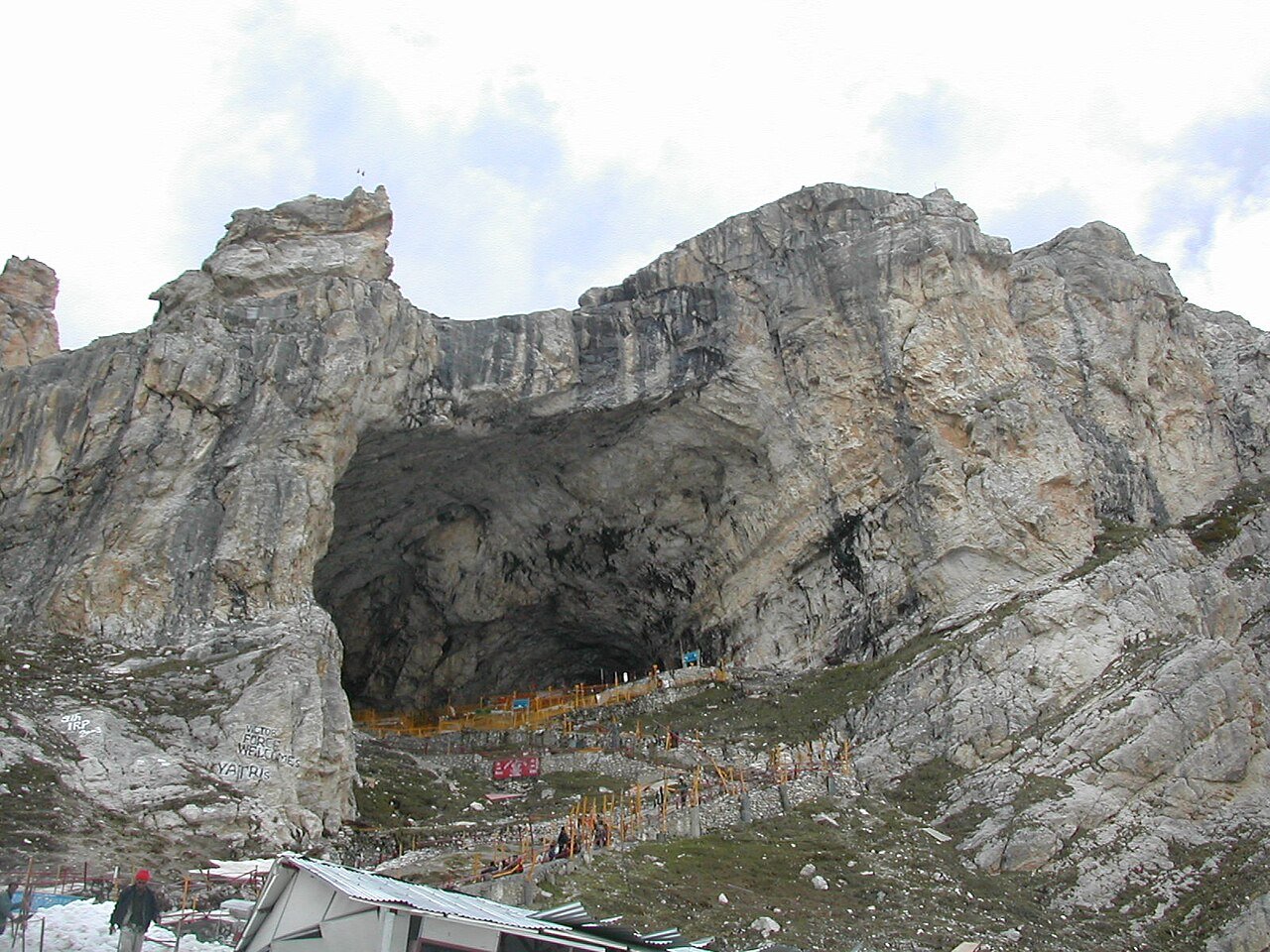
The Amarnath Yatra is one of Hinduism’s most revered and challenging pilgrimages — a high-altitude journey to the sacred Amarnath cave in the Himalayas of Kashmir, where devotees seek darshan of the naturally formed ice Shiva lingam. Held for a limited window each summer, the yatra demands mandatory registration, good health and careful preparation. This guide focuses on the registration process and planning essentials to help Indian pilgrims undertake the Amarnath Yatra safely and smoothly.
This 2026 guide covers Amarnath Yatra registration, the two routes, the season, health requirements, costs, what to pack and key safety advice.
- Registration: Mandatory — register online or at designated bank branches via the Shri Amarnathji Shrine Board (SASB), with a Compulsory Health Certificate.
- Routes: The Pahalgam route (longer, gradual) or the Baltal route (shorter, steeper); helicopters also operate.
- Season: A limited window in the summer (around July–August); dates are announced each year.
- Be prepared: High altitude and tough terrain — good health, fitness and warm gear are essential.
Part 1 of 8
About the Amarnath Yatra
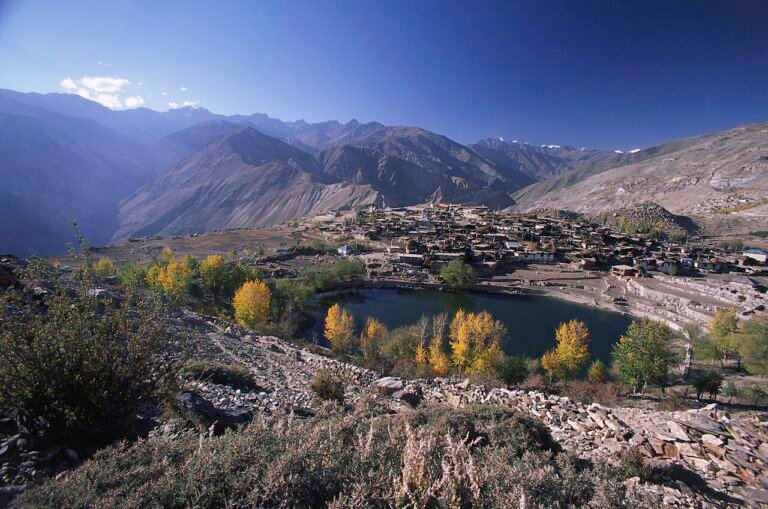
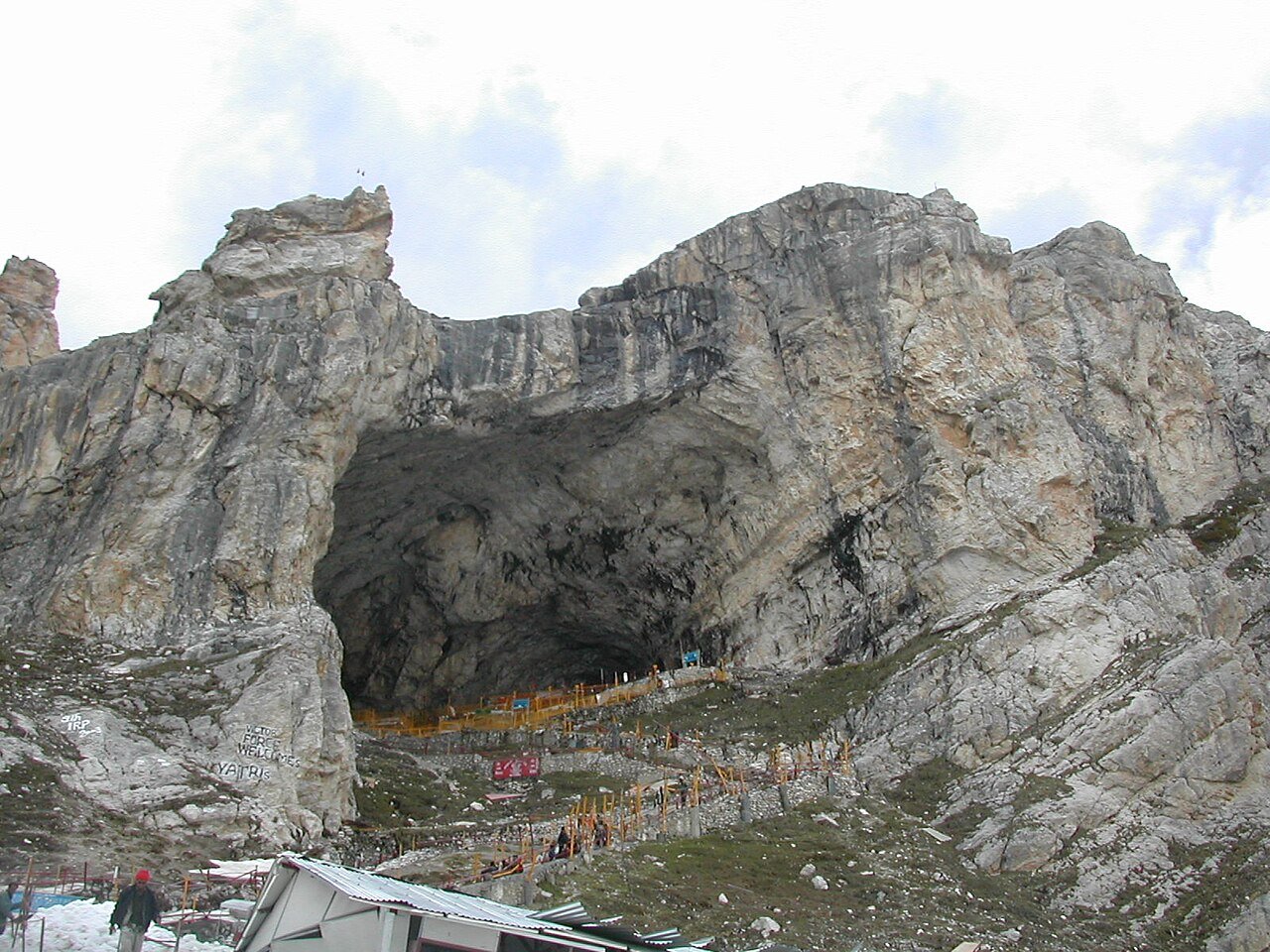
The Amarnath cave, at around 3,888m in the Himalayas, houses a naturally forming ice Shiva lingam (Shivling) that waxes and wanes with the moon, making it one of the holiest shrines for devotees of Lord Shiva. Each summer, for a limited window, hundreds of thousands of pilgrims undertake the demanding trek to the cave. Set amid breathtaking but rugged Himalayan terrain, the yatra is profoundly spiritual yet physically challenging, requiring registration, a health certificate and serious preparation.
Ice Shivling
The naturally formed ice lingam in the cave.
Registration
Mandatory via the SASB with a health certificate.
Two routes
Pahalgam (gradual) or Baltal (steep, shorter).
Helicopter
Services cut part of the trek.
High altitude
~3,888m; fitness and acclimatisation needed.
Summer window
A limited yatra period each year.
Undertaken for deep faith and the extraordinary darshan of the ice Shivling, the Amarnath Yatra is among India’s most demanding pilgrimages — best approached with mandatory registration, a genuine health assessment and thorough preparation.
The Amarnath Yatra is devotion at its most demanding — a Himalayan trek to the sacred ice Shivling, undertaken with registration and serious preparation.
Part 2 of 8
Registration, health certificate and routes
Registration and a health certificate are mandatory and central to planning the Amarnath Yatra.
Registration (SASB): Registration is compulsory through the Shri Amarnathji Shrine Board (SASB) — apply online via the official portal/app or at designated bank branches when registration opens (usually a few months before the yatra). You must submit a Compulsory Health Certificate (CHC) issued by an authorised doctor, plus ID and photos, and obtain a Yatra Permit.
Routes: Two main routes lead to the cave — the traditional Pahalgam route (longer, around 36–48 km, but more gradual) and the shorter, steeper Baltal route (around 14–16 km). Both are reached from the Kashmir valley (via Srinagar).
Helicopter: Helicopter services operate (e.g. from Baltal/Pahalgam helipads) to reduce the trek, and must be booked separately and early.
Pro tip
Register as soon as the SASB window opens, get your Compulsory Health Certificate from an authorised doctor, and book any helicopter early. Choose Pahalgam for a gradual climb or Baltal to save time, and acclimatise before the trek.
Getting there: Reach Srinagar by flight or road, then travel to the Pahalgam or Baltal base camps to begin. Carry your Yatra Permit, ID and health certificate at all times.
Part 3 of 8
Season and best time
The Amarnath Yatra is held only for a limited window each year, with dates announced annually.
| Aspect | Details |
|---|---|
| Yatra window | A limited period in summer (typically around July to August); exact dates announced each year by the SASB. |
| Weather | Cold, with possible rain and snow at altitude even in summer; conditions change fast. |
| Crowds | Peak periods and weekends are busiest; weekdays can be slightly quieter. |
| Closure | The yatra closes after the window; the cave is inaccessible in winter snow. |
The yatra runs only during its official summer window (broadly July–August, with the exact dates set each year), as the high-altitude cave is snowbound and inaccessible otherwise. Even in summer the weather is cold and changeable, with rain and snow possible, so pack warm gear and follow daily weather and route advisories from the authorities.
Part 4 of 8
Costs and budgeting
The Amarnath Yatra can be done on a modest budget or with helicopter and pony assistance. Here is a rough per-person guide for 2026, excluding travel to Srinagar.
| Style | Approx. cost | What it covers |
|---|---|---|
| Budget | ₹5,000–12,000 | Registration (nominal), shared transport, tents/langars, trek on foot. |
| Mid-range | ₹15,000–30,000 | Better stays, pony/porter help, meals and transport. |
| With helicopter | ₹40,000+ | Helicopter legs, better accommodation and faster darshan. |
Registration is inexpensive, and free community kitchens (langars) provide meals along the routes, keeping costs low for those trekking on foot. The main variables are transport, pony/palki/porter help, and helicopter tickets. Accommodation is mostly tents and basic lodges at the base camps and en route. Carry sufficient cash, as facilities are limited in the mountains.
Good to know
This is a high-altitude, physically demanding yatra. The Compulsory Health Certificate is mandatory for good reason — consult your doctor, build fitness beforehand, acclimatise, and watch for altitude sickness. Follow all SASB and security advisories, never trek off-route or against weather warnings, and keep warm, hydrated and within your limits.
Part 5 of 8
What to pack and prepare
Proper gear and preparation are essential for the cold, high-altitude trek.
Warm clothing: Heavy woollens, a waterproof jacket and trousers, gloves, a woollen cap, and thermal layers, as it is cold even in summer.
Footwear & trek gear: Sturdy, broken-in trekking shoes, a raincoat/poncho, a walking stick, and a small backpack.
Health & essentials: Personal medicines, basic first aid, anything for altitude, a torch, a power bank, and your documents (permit, ID, health certificate).
Fitness: Begin physical preparation (walking, breathing exercises) weeks in advance, as advised for the yatra.
Warm layers
Woollens, waterproofs, gloves and cap.
Trek shoes
Sturdy, broken-in footwear and a stick.
Medicines
Personal meds, first aid and altitude care.
Documents
Permit, ID and health certificate.
Preparing your body and your gear well in advance is as important as registration — the cold, altitude and terrain demand it, and good preparation keeps the yatra safe and fulfilling.
Part 6 of 8
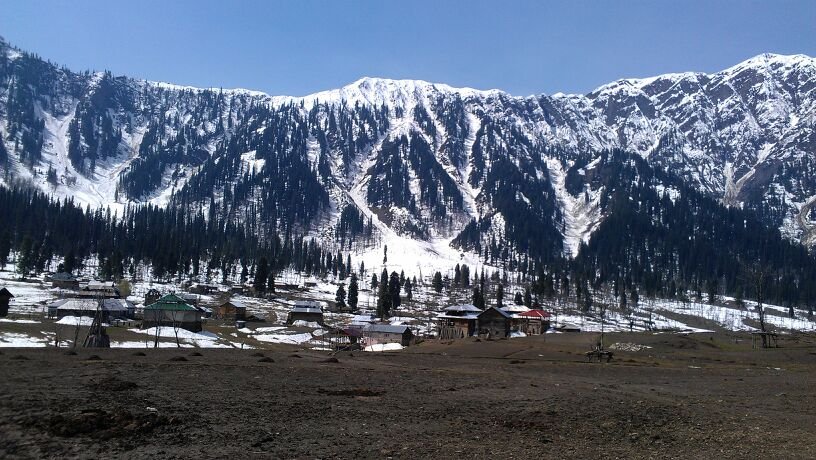
A typical Amarnath Yatra plan
The yatra typically unfolds over a few days from the Kashmir valley.
Day 1 — Reach Srinagar: Arrive and travel to your chosen base camp (Pahalgam or Baltal), completing formalities and resting to acclimatise.
Days 2–3 — The trek (Pahalgam route): Pahalgam → Chandanwari → Sheshnag → Panchtarni → the Amarnath cave for darshan, spread over the route with overnight halts (longer but gradual).
Or Days 2 (Baltal route): Baltal → the cave and back, a shorter but steeper one- to two-day option for the fit.
Helicopter option: Fly to near the cave (e.g. via Panchtarni) to dramatically reduce the trek, then a short walk/pony to the shrine.
Return: Descend to the base camp and back to Srinagar.
Pro tip
Choose the Pahalgam route for gentler acclimatisation or Baltal to save time if you are fit, and consider the helicopter if the trek is daunting. Always follow the day’s official route status and weather advisories, and never rush the climb.
Part 7 of 8
Practical tips for the Amarnath Yatra
A few essentials make the Amarnath Yatra safer and smoother.
Register early
Via the SASB with a Compulsory Health Certificate.
Get fit & checked
Prepare physically; the CHC is mandatory.
Pack for cold
Warm, waterproof gear even in summer.
Follow advisories
Heed SASB, weather and security guidance.
The Amarnath Yatra is deeply rewarding but among India’s most demanding pilgrimages, so preparation is everything. Register early through the official SASB process, obtain your Compulsory Health Certificate from an authorised doctor, and begin building fitness weeks in advance. Book any helicopter tickets early, and choose the Pahalgam (gradual) or Baltal (shorter, steeper) route to suit your fitness.
Pack heavy warm and waterproof clothing, sturdy trekking shoes and personal medicines, as it is cold and the altitude is serious. Acclimatise, stay hydrated, watch for altitude sickness, and never trek off-route or against weather warnings. Use the free langars, carry your documents at all times, and follow all SASB and security advisories closely. Approached with registration, fitness and respect for the mountains, the Amarnath Yatra is a profound and unforgettable pilgrimage.
Part 8 of 8
Frequently asked questions
Is registration mandatory for the Amarnath Yatra?
Yes, absolutely. Registration is compulsory through the Shri Amarnathji Shrine Board (SASB) — apply online via the official portal/app or at designated bank branches when the window opens, and submit a Compulsory Health Certificate (CHC) from an authorised doctor along with ID and photos to obtain your Yatra Permit.
What is the Compulsory Health Certificate (CHC)?
The CHC is a mandatory medical certificate issued by an authorised doctor, confirming you are fit for the high-altitude, physically demanding yatra. It is required for registration because the trek to around 3,888m poses real health risks. Get it from a doctor on the SASB’s authorised list, as specified each year.
What are the two routes to the Amarnath cave?
The traditional Pahalgam route is longer (around 36–48 km) but more gradual, with overnight halts at Chandanwari, Sheshnag and Panchtarni, while the Baltal route is much shorter (around 14–16 km) but steeper, suited to fitter pilgrims. Both start from the Kashmir valley via Srinagar, and helicopters also operate.
When is the Amarnath Yatra held?
The yatra runs only during a limited summer window, typically around July to August, with the exact dates announced each year by the SASB, as the high-altitude cave is snowbound and inaccessible otherwise. Even in summer it is cold with possible rain and snow, so always check the official dates and advisories.
How physically demanding is the Amarnath Yatra?
Very. It involves a high-altitude trek to around 3,888m over rugged terrain, in cold and changeable weather. Good fitness, acclimatisation and the mandatory health certificate are essential, and altitude sickness is a real risk. Begin physical preparation weeks ahead, and consider the helicopter or pony assistance if needed.
Can I do the Amarnath Yatra by helicopter?
Yes. Helicopter services operate from the Baltal and Pahalgam areas (to near Panchtarni), dramatically reducing the trek, after which a short walk or pony ride reaches the cave. Tickets are booked separately and sell out fast, so reserve early; flights also depend on the weather, so allow flexibility.
How much does the Amarnath Yatra cost?
Excluding travel to Srinagar, budget pilgrims trekking on foot manage on roughly ₹5,000–12,000 (registration is nominal and langars provide free meals), mid-range trips with pony/porter help ₹15,000–30,000, and helicopter-assisted trips ₹40,000 plus. Transport, assistance and helicopter tickets are the main variables.
What should I pack for the Amarnath Yatra?
Pack heavy woollens, a waterproof jacket and trousers, gloves and a woollen cap, thermal layers, sturdy broken-in trekking shoes, a raincoat, a walking stick and a small backpack. Carry personal medicines, basic first aid, altitude care, a torch, a power bank, and your permit, ID and health certificate at all times.
The bottom line
The Amarnath Yatra is among India’s most revered and demanding pilgrimages — a high-altitude Himalayan trek to the sacred ice Shivling, undertaken only during a limited summer window. Register early through the official SASB process with your mandatory Compulsory Health Certificate, choose the gradual Pahalgam or shorter Baltal route (or the helicopter), and prepare your fitness and gear thoroughly for the cold and altitude. Use the free langars, carry your documents, acclimatise, and follow all official and weather advisories. Approached with proper registration, health and respect for the mountains, the Amarnath Yatra is a profound and unforgettable spiritual journey.
Related reading
 Char Dham Yatra Registration: Rules & Planning (2026)
 Vaishno Devi Yatra Guide: Katra, Registration & Trek (2026)
 Ayodhya Ram Mandir Darshan: A Practical Guide (2026)
Photos sourced from Wikimedia Commons under their respective Creative Commons licences. Registration, route and cost details are indicative for 2026; confirm the official SASB dates, registration rules and advisories before you travel.