Northeast India 12-Day Itinerary 2026 – Meghalaya, Assam, Arunachal Pradesh
Last updated: July 8, 2026
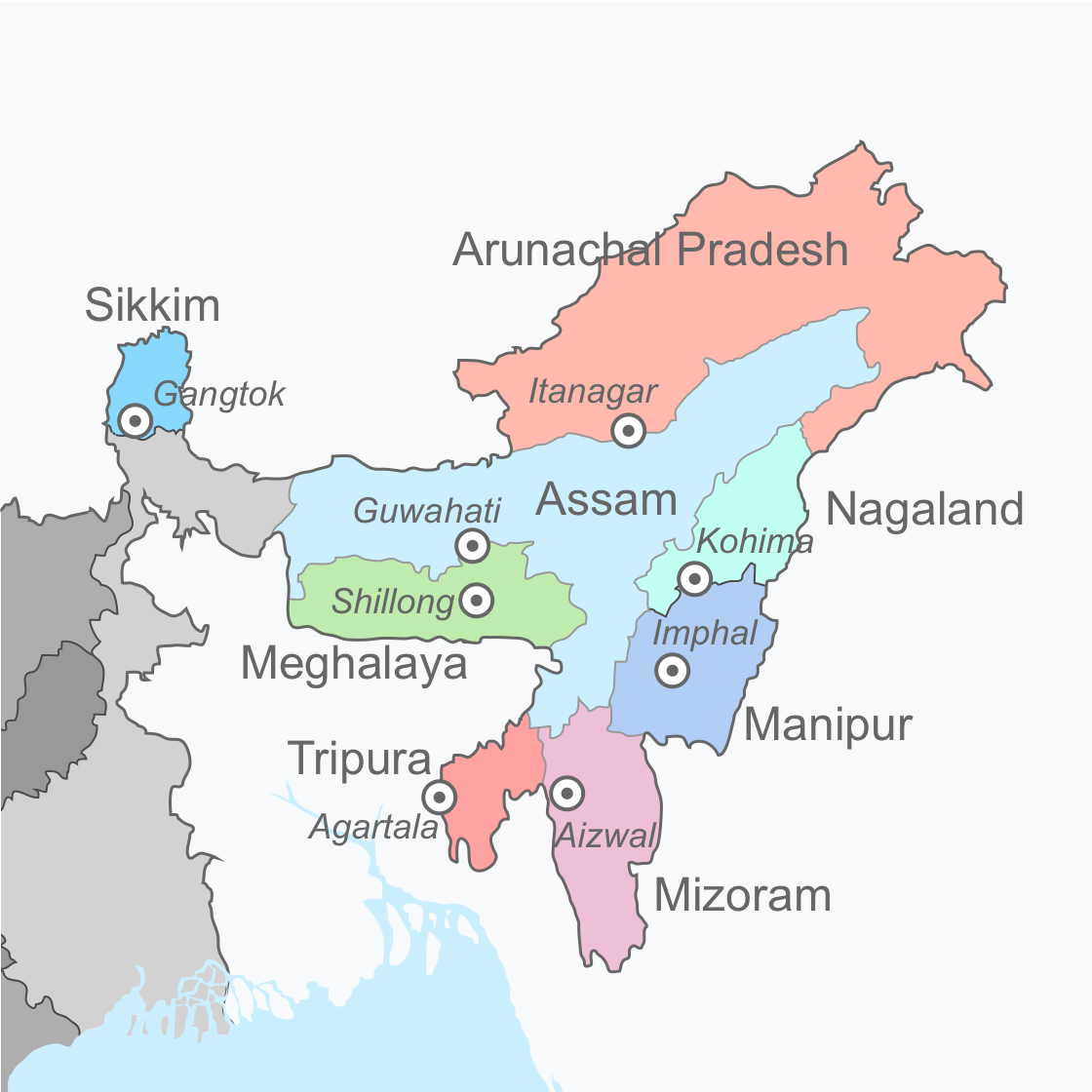
The Northeast — India’s “Seven Sisters” plus Sikkim — is one of the country’s most beautiful and least-explored regions, a land of living root bridges, mighty rivers, Himalayan monasteries, tea gardens and warm tribal cultures. A well-planned itinerary lets you combine Assam’s wildlife and the river island of Majuli with Meghalaya’s waterfalls and root bridges, and even Arunachal or Sikkim, for an unforgettable journey. Refreshingly uncrowded and deeply rewarding, the Northeast is a dream trip for curious Indian travellers.
This 2026 itinerary covers how to reach the Northeast, permits, the best time to go, costs, where to stay and a practical multi-day route through the region’s highlights.
- Permits: Some states (e.g. Arunachal) need an Inner Line Permit (ILP) for Indians — arrange in advance.
- Getting there: Fly or train to Guwahati (Assam), the main gateway, then travel overland.
- Best time: October to April — autumn and spring for clear weather and green landscapes.
- This route: Guwahati → Kaziranga → Majuli → Shillong → Cherrapunji, over about 8–10 days.
Part 1 of 8
Why a Northeast India itinerary is special
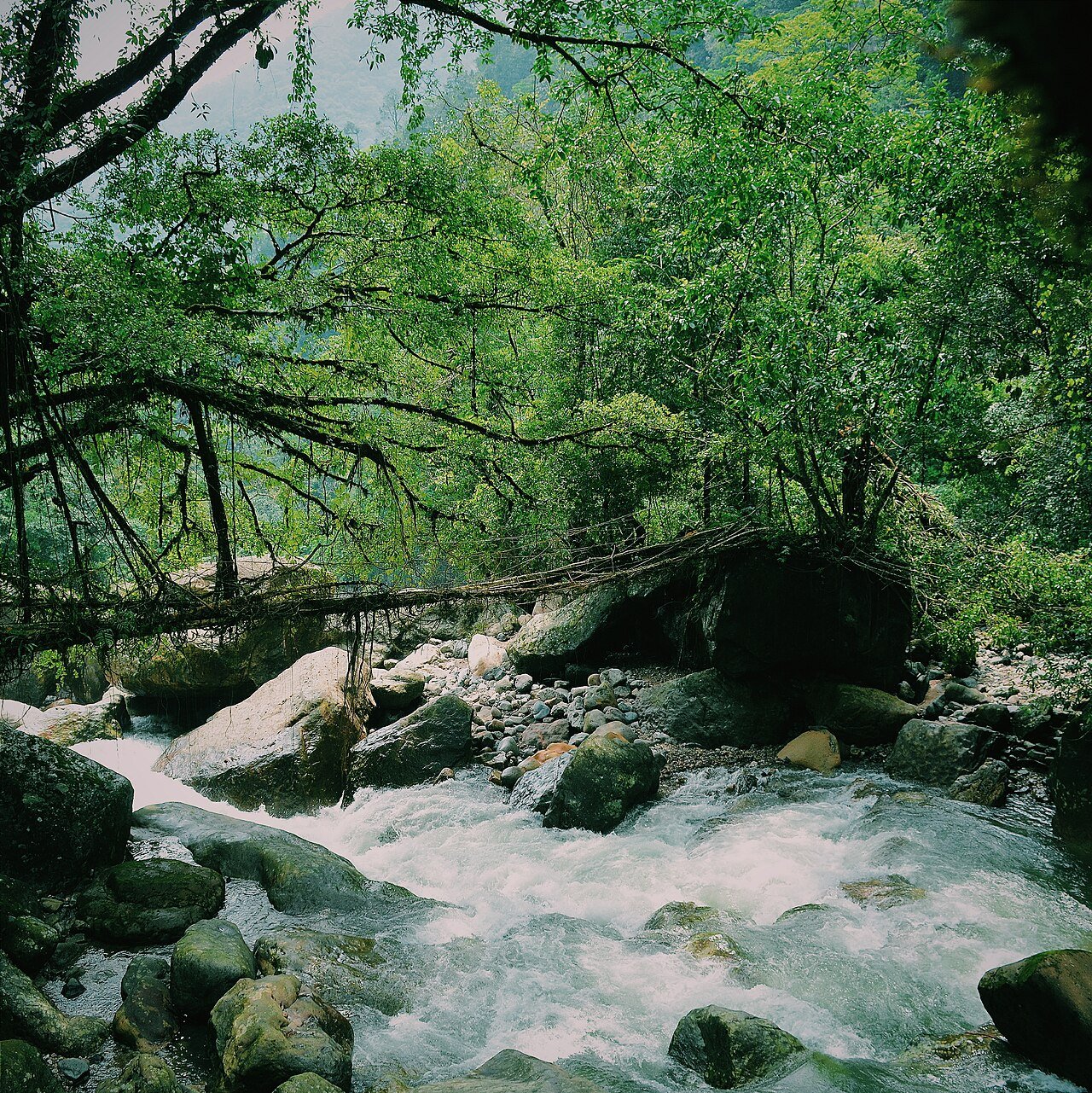
The Northeast offers experiences found nowhere else in India. Trek to double-decker living root bridges in Meghalaya, spot one-horned rhinos in Kaziranga, explore the world’s largest river island at Majuli, see Asia’s cleanest village at Mawlynnong, and immerse yourself in dozens of distinct tribal cultures and cuisines. Greener, quieter and more affordable than India’s tourist hotspots, with heartfelt hospitality, the region rewards travellers who venture off the beaten track.
Root bridges
Meghalaya’s living root bridges and waterfalls.
Kaziranga
One-horned rhinos and rich wildlife in Assam.
Majuli island
The world’s largest river island and its culture.
Cherrapunji
Among the wettest places on earth, with epic falls.
Tea gardens
Assam’s rolling green tea estates.
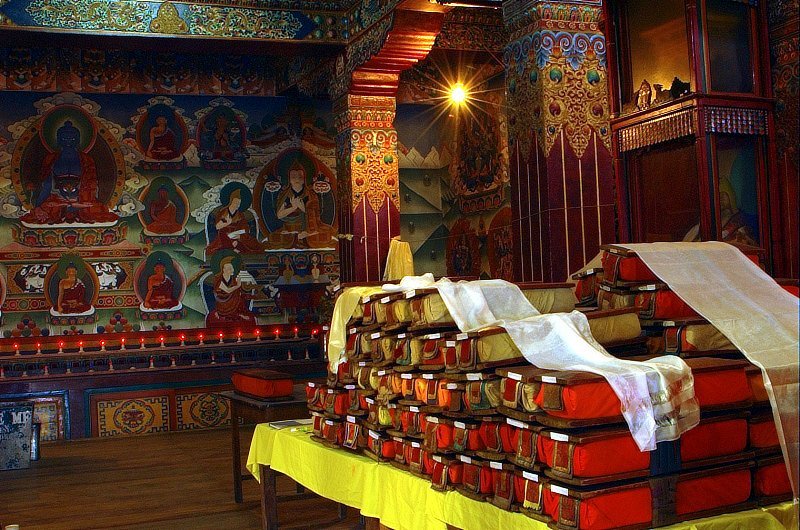
Hills & monasteries
Optional Arunachal (Tawang) or Sikkim add-ons.
Whether you seek wildlife, waterfalls, culture or unspoilt landscapes, a Northeast itinerary delivers a uniquely rewarding journey through one of India’s last great frontiers.
A Northeast itinerary is India unplugged — root bridges and rhinos, river islands and tea gardens, all far from the crowds.
Part 2 of 8
Permits, getting there and around
A little planning on permits and transport makes a Northeast trip smooth.
Permits: Indian travellers need an Inner Line Permit (ILP) for some states and areas — Arunachal Pradesh requires one, and parts of other states have restrictions. These are arranged online or on arrival; carry ID and confirm current requirements for each state before you go.
Getting there: Guwahati in Assam is the main gateway, with flights from across India and good train links. From there, travel overland by car, shared sumo or bus to the other states. Bagdogra (for Sikkim) and other airports help for specific regions.
Getting around: A hired car with driver gives the most flexibility for this multi-stop route, handling the hilly roads; shared sumos and buses are the budget option. Distances are slow on winding roads, so plan realistic days.
Pro tip
Arrange any required Inner Line Permits in advance, and hire a car with driver for a comfortable multi-state route. Build in buffer time, as mountain and rural roads make distances longer than they appear.
Tip: Carry cash, as ATMs and connectivity can be limited in remote areas, and download offline maps before heading into the hills.
Part 3 of 8
Best time to do this itinerary
The Northeast’s seasons strongly affect access, especially with its very heavy monsoon.
| Season | Months | What to expect |
|---|---|---|
| Autumn | Oct–Nov | Excellent — clear skies, green post-monsoon landscapes, great views. |
| Winter | Dec–Feb | Cool to cold, clear; good for wildlife and the plains, chilly in the hills. |
| Spring | Mar–Apr | Pleasant and blooming; good all-round, warming in the plains. |
| Monsoon | Jun–Sep | Very heavy rain (Meghalaya is among the wettest on earth); landslides possible. |
For the best weather, clear views and safe roads, travel between October and April, with autumn and spring especially good. Winter suits Kaziranga’s wildlife and the plains but is cold in the hills. The monsoon brings spectacular greenery and waterfalls but heavy rain and landslide risk that can disrupt travel, so it is best avoided for a multi-stop route.
Part 4 of 8
Costs and budgeting
The Northeast is affordable, from homestays to comfortable hotels. Here is a realistic per-person, per-day guide for 2026, excluding transport to the region.
| Style | Daily budget | What it covers |
|---|---|---|
| Budget | ₹1,500–3,000 | Homestays and guesthouses, local food, shared transport. |
| Mid-range | ₹4,000–8,000 | Good hotels, a car with driver, wildlife safaris and guided sights. |
| Comfort | ₹12,000+ | Premium lodges, private transport and curated experiences. |
Homestays are the heart of Northeast travel — affordable and a window into local life. Local food is cheap and delicious, and the main extras are wildlife safaris (Kaziranga) and a private car. Carry plenty of cash, as ATMs are scarce and cards rarely accepted in remote areas, and connectivity can be patchy.
Good to know
The Northeast is generally safe and very welcoming, but roads are winding and weather-dependent, so use reliable drivers and avoid night driving. Respect local tribal customs and permit rules, dress modestly, and check the current road and security situation for remote border areas before travelling.

Part 5 of 8
The Northeast itinerary, day by day
This route covers Assam and Meghalaya’s highlights; extend for Arunachal or Sikkim if time and permits allow.
Days 1 — Guwahati (Assam): Arrive, see the Kamakhya Temple and the Brahmaputra, and arrange onward transport.
Days 2–3 — Kaziranga: Travel to Kaziranga National Park for jeep and (where available) elephant safaris to spot rhinos and wildlife.
Days 4–5 — Majuli: Ferry to the world’s largest river island for its monasteries (satras), mask-making and village life.
Days 6–8 — Meghalaya: Head to Shillong, then Cherrapunji/Sohra for waterfalls and the living root bridges trek, and Mawlynnong village.
Days 9–10 — Optional add-on: Extend to Tawang (Arunachal, ILP needed), Sikkim/Gangtok, or Nagaland (e.g. the Hornbill Festival in December).
Pro tip
Don’t cram in too many states — Assam plus Meghalaya makes a great first Northeast trip. Build flexible days around the weather, and arrange permits ahead if extending to Arunachal or Nagaland.
Part 6 of 8
Where to stay along the route
Choosing the right bases keeps this multi-stop route comfortable.
Guwahati: A convenient hub with hotels for arrival and onward planning.
Kaziranga: Stay in lodges and resorts near the park gates for early-morning safaris.
Majuli: Family homestays and eco-cottages offer an authentic island experience.
Meghalaya: Shillong for amenities, and homestays in Cherrapunji/Sohra and Mawlynnong for the root bridges and villages.
Guwahati: the hub
Arrival base and onward transport.
Kaziranga: park lodges
Near the gates for early safaris.
Majuli: homestays
Authentic river-island life.
Cherrapunji: homestays
For waterfalls and root bridges.
Book ahead in peak season (autumn and spring), and choose homestays for the most authentic and affordable Northeast experience.
Part 7 of 8
Practical tips for this Northeast trip
A few habits make a Northeast itinerary run smoothly.
Sort permits
Arrange Inner Line Permits before travelling where needed.
Hire a driver
Best for the winding multi-state route.
Stay in homestays
Affordable, authentic and a regional highlight.
Carry cash
ATMs and network are scarce in remote areas.
A Northeast itinerary rewards flexibility and respect. Arrange any Inner Line Permits in advance, hire a car with driver for the winding multi-state route, and stay in homestays for affordable, authentic experiences and home-cooked meals. Carry plenty of cash, as ATMs are scarce and cards rarely work in remote areas, and download offline maps for patchy connectivity.
Don’t over-plan — mountain and rural roads make distances slow, so build buffer days and keep your route flexible around weather. Travel between October and April for the best conditions, respect the diverse tribal customs and dress modestly, and check current road and security updates for remote border regions. Do this, and the Northeast will reward you with one of the most beautiful and authentic journeys in India.
Part 8 of 8
Frequently asked questions
Do I need permits for a Northeast India trip?
For some states and areas, yes. Indian travellers need an Inner Line Permit (ILP) for Arunachal Pradesh and certain other restricted areas, arranged online or on arrival. Assam and Meghalaya do not require one for Indians. Carry ID and confirm current requirements for each state before travelling.
How do I reach Northeast India?
Guwahati in Assam is the main gateway, with flights from across India and good train links. From there, travel overland by car, shared sumo or bus to the other states. Bagdogra airport serves Sikkim, and this route is best explored by road from Guwahati.
When is the best time to visit the Northeast?
October to April offers the best weather, clear views and safe roads, with autumn (October–November) and spring especially good. Winter suits Kaziranga’s wildlife and the plains but is cold in the hills, while the June–September monsoon brings heavy rain and landslide risk.
How many days do I need for the Northeast?
Eight to ten days covers Assam (Guwahati, Kaziranga, Majuli) and Meghalaya (Shillong, Cherrapunji, root bridges) at a comfortable pace. Add more time and permits for Arunachal (Tawang), Sikkim or Nagaland. Don’t cram in too many states, as distances are slow on winding roads.
How much does a Northeast trip cost?
Excluding transport to the region, budget travellers manage on roughly ₹1,500–3,000 a day using homestays and shared transport, mid-range trips ₹4,000–8,000 including a car and safaris, and comfort trips from ₹12,000. Local food and homestays are cheap; safaris and a private car are the main extras.
Is Northeast India safe for tourists?
Generally yes — the region is welcoming and safe, with heartfelt hospitality. The main considerations are winding, weather-dependent roads (use reliable drivers and avoid night driving) and remote border areas, where you should check current updates. Respect local tribal customs and permit rules.
Can I see one-horned rhinos in the Northeast?
Yes — Kaziranga National Park in Assam is famous for its population of one-horned rhinos, best seen on early-morning jeep or (where available) elephant safaris. The park also hosts elephants, wild buffalo, deer and birdlife, and is a highlight of any Northeast itinerary in the open season.
Is the Northeast good for vegetarians?
Vegetarian food is available, especially in Assam and tourist hubs, but options can be limited in some tribal areas where meat and fish feature heavily. Ask ahead, especially at homestays where hosts can usually prepare vegetarian meals, and carry some snacks for remote stretches.
Can I combine Assam, Meghalaya and Arunachal in one trip?
Yes, but allow enough time. Assam and Meghalaya pair easily over 8–10 days, while adding Arunachal (which needs an Inner Line Permit) requires extra days for the long mountain drives to places like Tawang. For a first Northeast trip, Assam plus Meghalaya is ideal; save Arunachal, Sikkim or Nagaland for a longer or separate journey.
What is the living root bridges trek like?
The famous double-decker living root bridge near Cherrapunji involves a steep descent of around 3,500 steps each way, so it is moderately challenging and takes several hours round trip. Wear good shoes, carry water, start early, and pace yourself. Shorter single root bridges, like the one at Mawlynnong, are far easier and suit those wanting a gentler walk.
The bottom line
A Northeast India itinerary opens up one of the country’s most beautiful and least-crowded regions — Kaziranga’s rhinos, the river island of Majuli, Meghalaya’s living root bridges and waterfalls, and warm tribal hospitality throughout. Sort any permits, travel by road from Guwahati, stay in homestays, carry cash, and visit between October and April. Keep the route flexible around the weather and don’t cram in too many states, and the Northeast will reward you with an authentic, unforgettable journey through India’s last great frontier.
Related reading
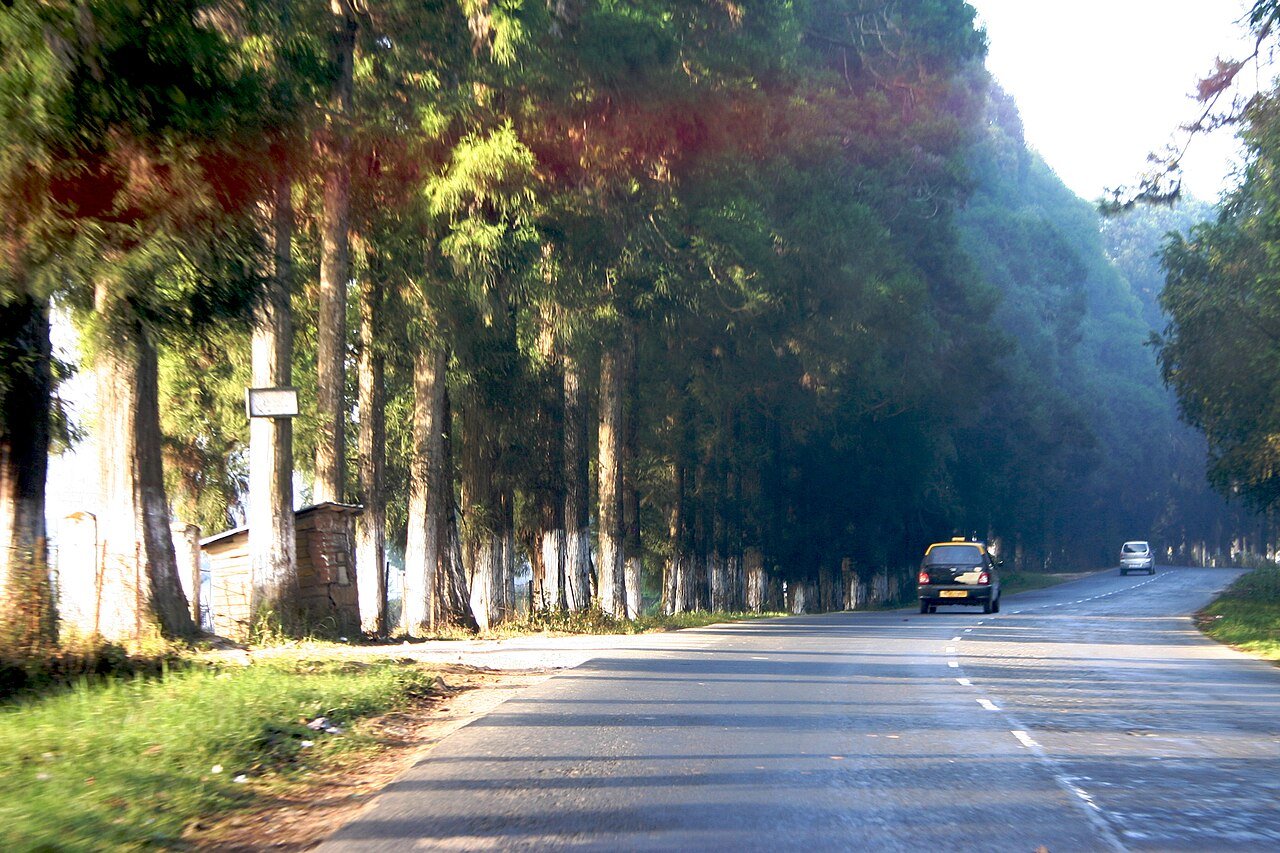 Shillong Cherrapunji Itinerary: 5-Day Meghalaya Trip (2026)
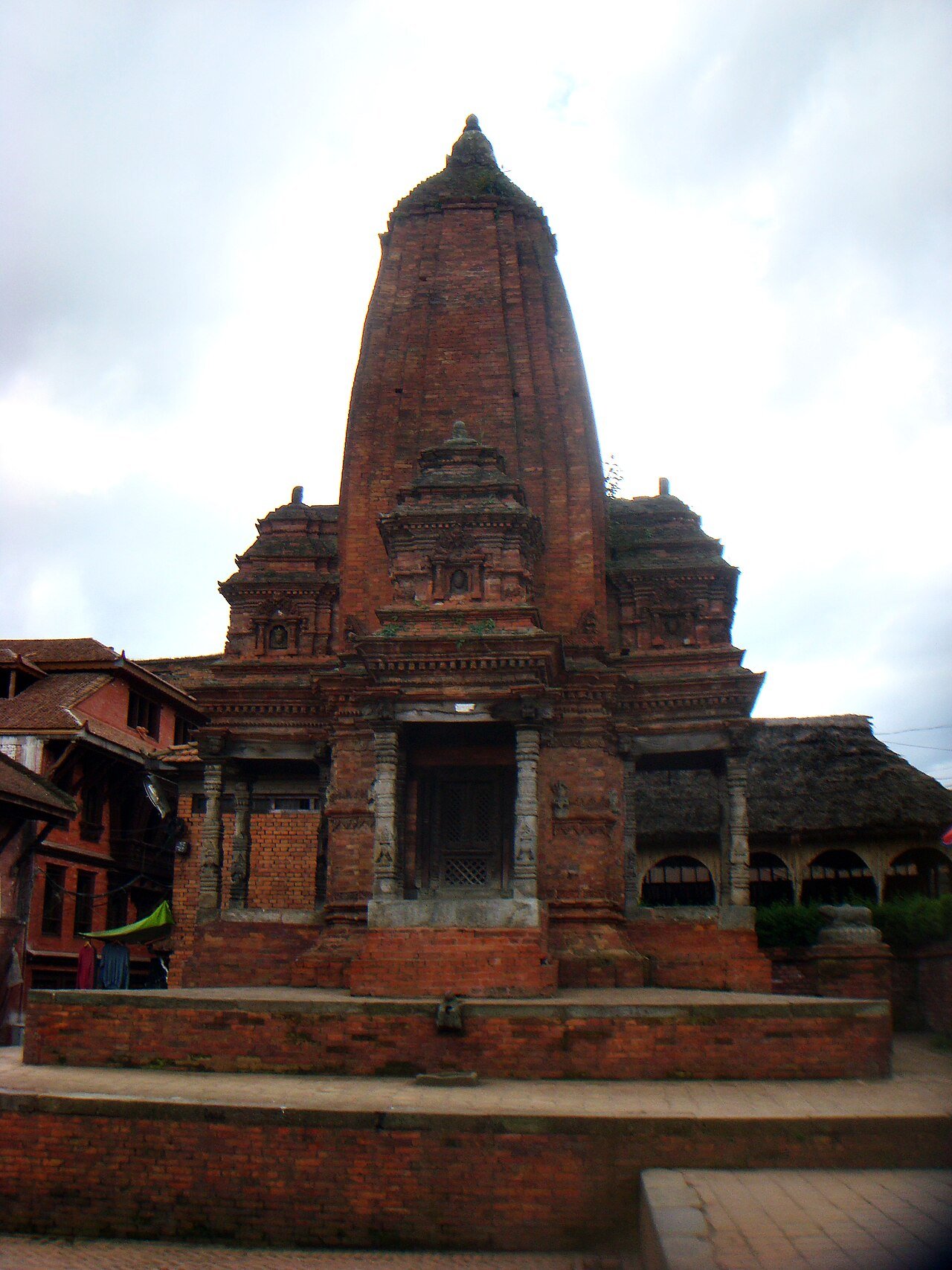 Kedarnath Badrinath Itinerary: 6-Day Do Dham Yatra (2026)
 Karnataka Heritage Itinerary 2026 — Hampi, Badami, Pattadakal & Aihole
Photos sourced from Wikimedia Commons under their respective Creative Commons licences. Permit, transport and cost details are indicative for 2026; confirm current permit rules, road conditions and prices before you travel.