Char Dham Yatra Itinerary 2026 — Yamunotri, Gangotri, Kedarnath & Badrinath
Last updated: July 8, 2026
The Char Dham Yatra — the sacred circuit of Yamunotri, Gangotri, Kedarnath and Badrinath in the Uttarakhand Himalayas — is one of Hinduism’s most revered pilgrimages, drawing devotees to four high-altitude shrines set amid breathtaking mountain scenery. A well-planned itinerary helps you complete this demanding but deeply rewarding journey safely and smoothly. From registration and the best season to the route, treks and what to pack, this guide helps Indian pilgrims plan their Char Dham Yatra.
This 2026 Char Dham itinerary lays out a practical day-by-day route, with tips on registration, getting around, the best time to go, costs, health and what not to miss.
- Registration: Char Dham Yatra registration is mandatory — register online or at counters before you travel.
- Season: The shrines open roughly late April/May to October/November (around Diwali); avoid the monsoon’s landslide risk.
- This route: Haridwar/Dehradun → Yamunotri → Gangotri → Kedarnath → Badrinath, over about 10–12 days.
- Be prepared: High altitude, treks and cold — carry warm clothing and check your health.
Part 1 of 8
About the Char Dham Yatra
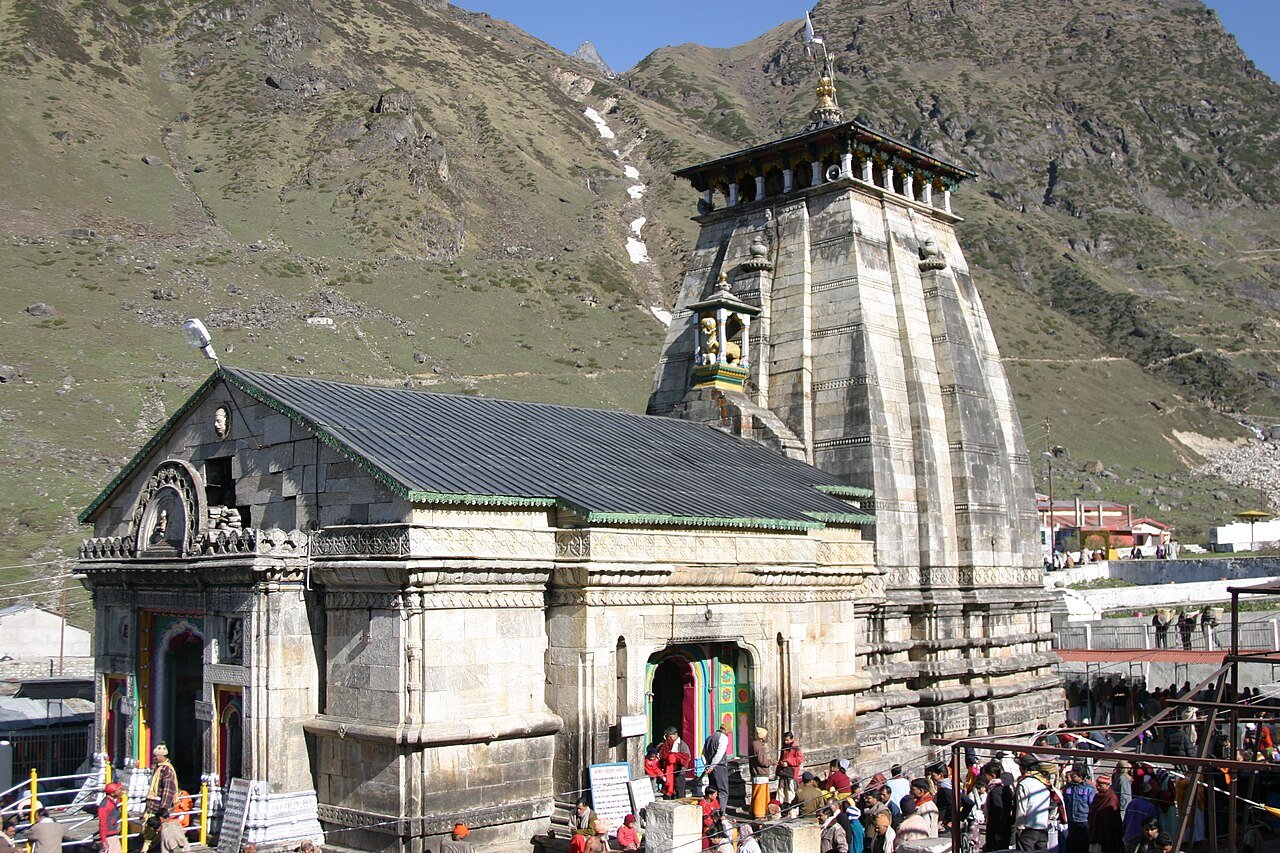
The Char Dham (four abodes) of Uttarakhand are Yamunotri (source of the Yamuna), Gangotri (source of the Ganga), Kedarnath (a revered Shiva shrine) and Badrinath (a sacred Vishnu temple). Completing all four in the traditional clockwise order is believed to wash away sins and grant liberation. Set amid soaring Himalayan peaks, glaciers and rivers, the yatra blends profound devotion with awe-inspiring scenery, though it demands time, stamina and careful planning at high altitude.
Yamunotri
Source of the Yamuna, reached by a trek.
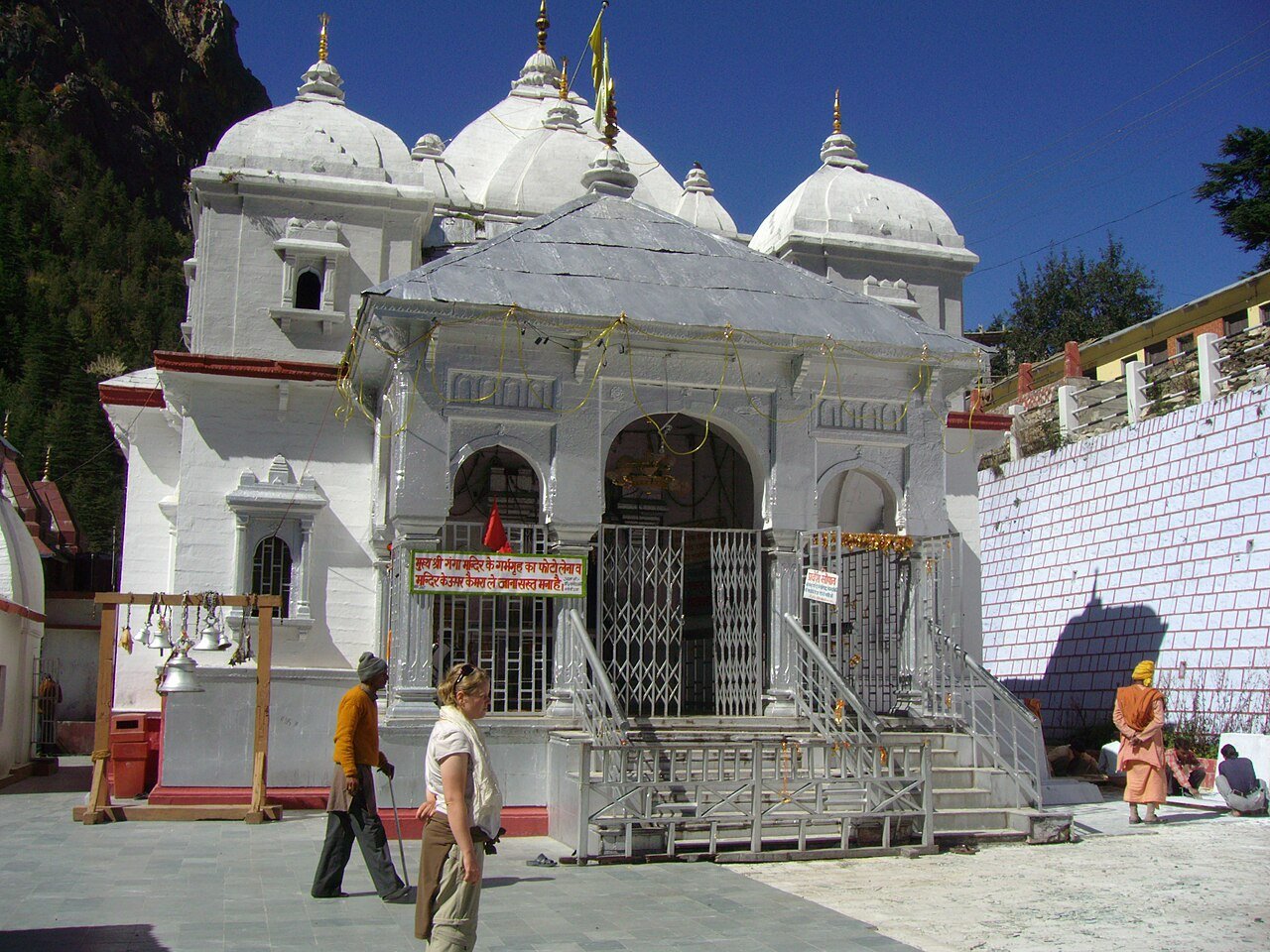
Gangotri
Source of the sacred Ganga river.
Kedarnath
A revered Shiva shrine after a long trek.
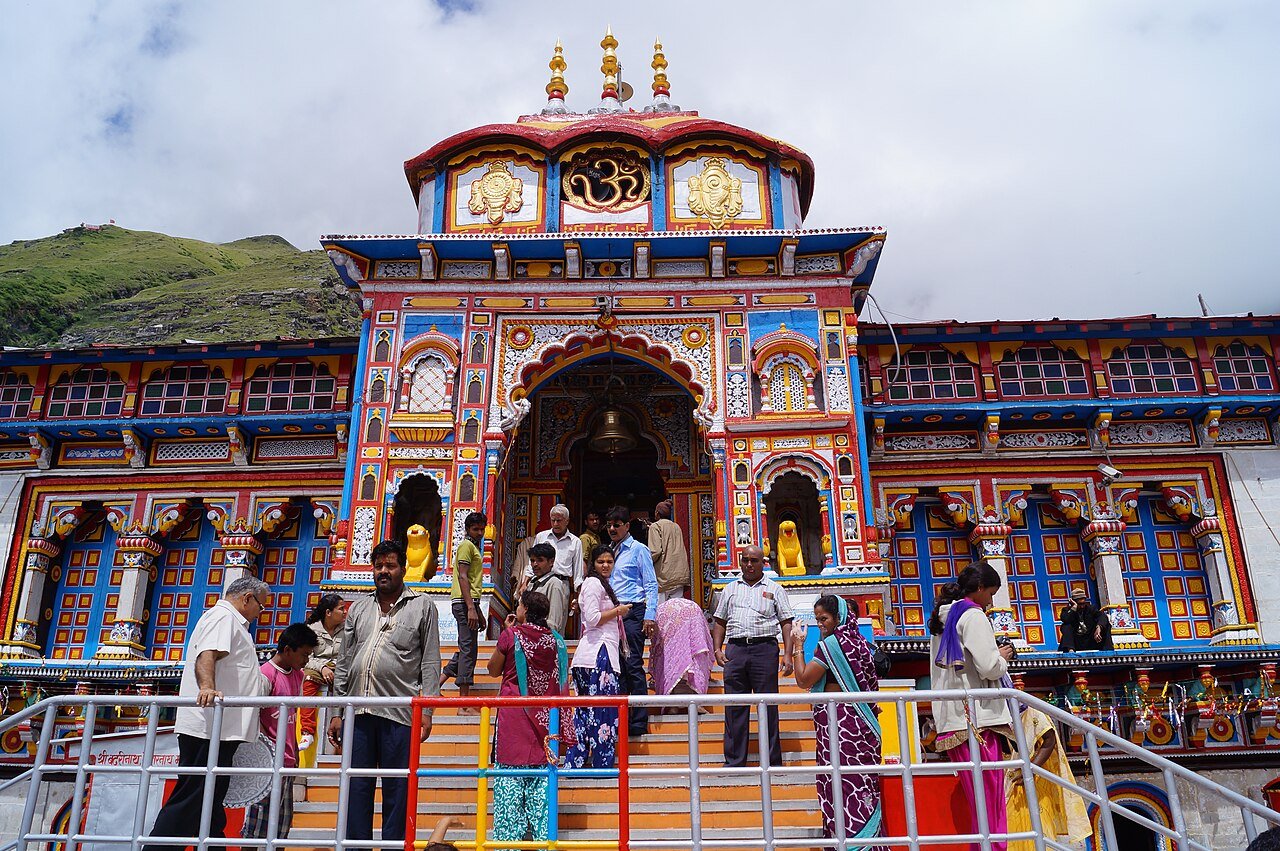
Badrinath
A sacred Vishnu temple, the most accessible.
Himalayan scenery
Peaks, glaciers and rivers throughout.
Spiritual journey
One of Hinduism’s holiest pilgrimages.
Whether undertaken for faith, family tradition or the Himalayan experience, the Char Dham Yatra is a profound and unforgettable journey — best approached with respect, preparation and a realistic, well-paced plan.
The Char Dham Yatra is devotion at the roof of the world — four sacred shrines amid Himalayan peaks, rivers and glaciers.
Part 2 of 8
Registration, getting there and around
Registration and transport planning are essential for a smooth Char Dham Yatra.
Registration: Char Dham Yatra registration is mandatory for all pilgrims — register online via the official Uttarakhand tourism portal (or at designated counters) before travelling, and carry your registration and ID. Daily pilgrim limits and health checks may apply, so register early.
Getting there: The yatra typically starts from Haridwar, Rishikesh or Dehradun, reachable by train or flight (Dehradun’s Jolly Grant Airport). From there, the shrines are reached by road through the mountains, with treks to Yamunotri and Kedarnath.
Getting around: Hire a car with driver or join an organised yatra package for the long mountain drives. Kedarnath involves a ~16–18 km trek (ponies, palki and helicopter options exist), and Yamunotri a shorter trek.
Pro tip
Register early and book accommodation and any Kedarnath helicopter tickets well in advance, as demand is huge. Consider an organised package for logistics, and build in buffer and acclimatisation days for the high altitude and weather.
Note: Mountain roads are winding and weather-dependent, so plan realistic days, avoid night driving, and keep your itinerary flexible.
Part 3 of 8
Best time for the Char Dham Yatra
The shrines are only open for part of the year, and timing matters greatly for safety.
| Period | What to expect |
|---|---|
| Opening (Apr/May) | The shrines open around late April/May (Akshaya Tritiya); pleasant but cold and busy at the start. |
| Early summer (May–Jun) | Popular and relatively stable weather, but peak crowds. |
| Monsoon (Jul–Aug) | Heavy rain and serious landslide risk — best avoided. |
| Autumn (Sep–Oct) | Clear, pleasant weather and fewer crowds — an excellent window before closing. |
The Char Dham shrines typically open from around late April/May and close near Diwali (October/November). The best windows are May–June (busy) and September–October (clearer and quieter), while the July–August monsoon brings dangerous landslides and is best avoided. The high shrines are cold year-round, so always pack warm clothing.
Part 4 of 8
Costs and budgeting
The Char Dham Yatra spans budget group tours to private and helicopter options. Here is a rough per-person guide for the full circuit in 2026, excluding travel to Uttarakhand.
| Style | Approx. cost (full yatra) | What it covers |
|---|---|---|
| Budget | ₹15,000–30,000 | Shared transport/group package, basic stays and meals, treks on foot. |
| Mid-range | ₹35,000–60,000 | Private car, better hotels, guides and some pony/palki help. |
| Premium | ₹1,00,000+ | Helicopter tours, premium stays and faster, comfortable darshan. |
The biggest variables are transport (group package vs private car vs helicopter) and the Kedarnath trek aids (ponies, palki, helicopter). Accommodation along the route is simple, food is basic and cheap (mostly vegetarian), and registration is free. Carry sufficient cash, as ATMs and connectivity are limited in the mountains.
Good to know
The yatra is physically demanding at high altitude. Get a medical check beforehand (essential for older pilgrims or those with heart, lung or BP conditions), acclimatise, stay hydrated, and watch for altitude sickness. Carry warm clothing and medicines, use registered operators, and follow weather and authority advisories closely.
Part 5 of 8
The Char Dham itinerary, day by day
This route follows the traditional clockwise order over about 10–12 days.
Day 1 — Arrive (Haridwar/Dehradun): Complete registration, rest and prepare; evening Ganga Aarti at Haridwar.
Days 2–3 — Yamunotri: Drive to Janki Chatti and trek (~6 km) to Yamunotri for darshan, then return.
Days 4–5 — Gangotri: Drive to Gangotri for darshan at the source of the Ganga, with time to acclimatise.
Days 6–8 — Kedarnath: Drive to Sonprayag/Gaurikund, then the ~16–18 km trek (or pony/palki/helicopter) to Kedarnath for darshan and an overnight, returning the next day.
Days 9–11 — Badrinath: Drive to Badrinath for darshan at the Vishnu temple and nearby Mana village, before returning to Haridwar.
Day 12 — Depart: Return journey and onward travel.
Pro tip
Build in acclimatisation and buffer days for weather and the demanding Kedarnath trek. If short on time or stamina, helicopter services to Kedarnath (and Do Dham/Char Dham heli packages) save days and effort, but book very early.
Part 6 of 8
Where to stay and Do Dham options
Accommodation along the route is simple but functional, and shorter pilgrimages are possible.
Where to stay: Expect basic guesthouses, dharamshalas, GMVN rest houses and simple hotels in towns like Barkot, Uttarkashi, Guptkashi/Sonprayag, Kedarnath and Badrinath. Comfort is limited at higher altitudes, so set expectations accordingly and book ahead in peak season.
Do Dham option: If time or fitness is limited, many pilgrims do the “Do Dham” — Kedarnath and Badrinath only — over about 5–7 days, the two most revered shrines, skipping Yamunotri and Gangotri.
Simple stays
Guesthouses, dharamshalas and GMVN rest houses.
Helicopter packages
Faster Kedarnath and heli-yatra options.
Do Dham
Kedarnath + Badrinath in 5–7 days.
Book early
Stays and heli tickets sell out fast.
Whether you do the full Char Dham or the shorter Do Dham, book accommodation and any helicopter services well ahead, and keep your plan flexible for weather.
Part 7 of 8
Practical tips for the Char Dham Yatra
A few essentials make the Char Dham Yatra safer and smoother.
Register first
Mandatory Char Dham registration before travel.
Health check
Essential for high altitude, especially for elders.
Pack warm
Cold year-round; carry layers and rain gear.
Book heli early
Kedarnath helicopter tickets sell out fast.
The Char Dham Yatra is deeply rewarding but demanding, so preparation is key. Complete the mandatory registration before travelling, get a medical check (especially important for older pilgrims and those with heart, lung or blood-pressure conditions), and acclimatise to the altitude with buffer days. Carry warm clothing, rain gear, sturdy shoes and personal medicines.
Travel in the open season (May–June or September–October), avoiding the landslide-prone monsoon, and book accommodation and any helicopter tickets well in advance. Use registered operators or organised packages for the logistics, carry sufficient cash as ATMs are scarce, and follow weather and authority advisories closely. Respect temple rituals and the fragile mountain environment, and the Char Dham Yatra will be a safe, profound and unforgettable pilgrimage.
Part 8 of 8
Frequently asked questions
Is registration mandatory for the Char Dham Yatra?
Yes. Char Dham Yatra registration is mandatory for all pilgrims. Register online via the official Uttarakhand tourism portal (or at designated counters) before travelling, and carry your registration and ID. Daily pilgrim limits and health checks may apply, so register early, especially in peak season.
When is the best time for the Char Dham Yatra?
The shrines open around late April/May and close near Diwali (October/November). The best windows are May–June (busy but stable) and September–October (clearer and quieter). Avoid the July–August monsoon, when heavy rain and serious landslide risk make the mountain roads dangerous.
How many days does the Char Dham Yatra take?
The full Char Dham circuit typically takes about 10–12 days from Haridwar, including the drives, treks and darshans. The shorter “Do Dham” (Kedarnath and Badrinath only) takes around 5–7 days, while helicopter packages can complete the yatra in fewer days for those short on time.
How difficult is the Char Dham Yatra?
It is physically demanding, involving long mountain drives, high altitude, and treks — notably the ~16–18 km Kedarnath trek and the ~6 km Yamunotri trek. Ponies, palki and helicopters help, but a good level of fitness and a medical check are important, especially for older pilgrims.
How much does the Char Dham Yatra cost?
Excluding travel to Uttarakhand, budget group tours run roughly ₹15,000–30,000 per person, mid-range private-car trips ₹35,000–60,000, and premium helicopter packages ₹1,00,000 plus. The main variables are transport and the Kedarnath trek aids; accommodation and food along the route are basic and cheap.
Can I do the Char Dham Yatra by helicopter?
Yes. Helicopter services operate to Kedarnath, and there are Do Dham and Char Dham heli packages that complete the pilgrimage faster and with far less physical strain. They are considerably more expensive and book out very early, so reserve well in advance if you choose this option.
What should I pack for the Char Dham Yatra?
Pack warm layers and a heavy jacket (it is cold year-round at the shrines), rain gear, sturdy trekking shoes, a torch, a power bank, and personal medicines including anything for altitude. Carry your registration and ID, sufficient cash, basic toiletries, and a small daypack for the treks.
What is the Do Dham Yatra?
The Do Dham (two abodes) Yatra covers just Kedarnath and Badrinath — the two most revered of the four shrines — over about 5–7 days, skipping Yamunotri and Gangotri. It suits pilgrims with limited time or fitness who still want to visit the holiest Char Dham temples.
Is the Char Dham Yatra suitable for elderly pilgrims?
It can be, with careful preparation. The high altitude, long drives and treks are demanding, so older pilgrims should get a thorough medical check, acclimatise with buffer days, and consider ponies, palki or helicopter services for Kedarnath. Those with heart, lung or blood-pressure conditions must consult a doctor first, and a Do Dham or heli package can reduce the strain significantly.
What medical precautions should I take for the yatra?
Get a pre-travel medical check, especially if you are older or have heart, lung or BP conditions, and carry your medicines plus basics for altitude sickness, colds and stomach upsets. Acclimatise gradually, stay hydrated, avoid overexertion on the treks, and descend if you develop severe altitude symptoms. Health screening may be part of the registration process at certain points.
The bottom line
The Char Dham Yatra is one of Hinduism’s holiest pilgrimages — the sacred circuit of Yamunotri, Gangotri, Kedarnath and Badrinath, set amid the breathtaking Uttarakhand Himalayas. Complete the mandatory registration, travel in the open season (May–June or September–October), avoid the monsoon, and prepare carefully for the high altitude with a medical check, warm clothing and acclimatisation. Book stays and any helicopter tickets early, use registered operators, and follow weather advisories. Whether you undertake the full Char Dham or the shorter Do Dham, this demanding but profound journey will be a deeply rewarding spiritual experience.
Related reading
 Char Dham Yatra Registration: Rules & Planning (2026)
 Amarnath Yatra Registration & Planning Guide (2026)
 Kedarnath Badrinath Itinerary: 6-Day Do Dham Yatra (2026)
Photos sourced from Wikimedia Commons under their respective Creative Commons licences. Registration, season and cost details are indicative for 2026; confirm current registration rules, shrine opening dates and advisories before you travel.