Goa Travel Guide 2026 — Best Beaches, Best Time, Things to Do & Itinerary
Last updated: July 8, 2026
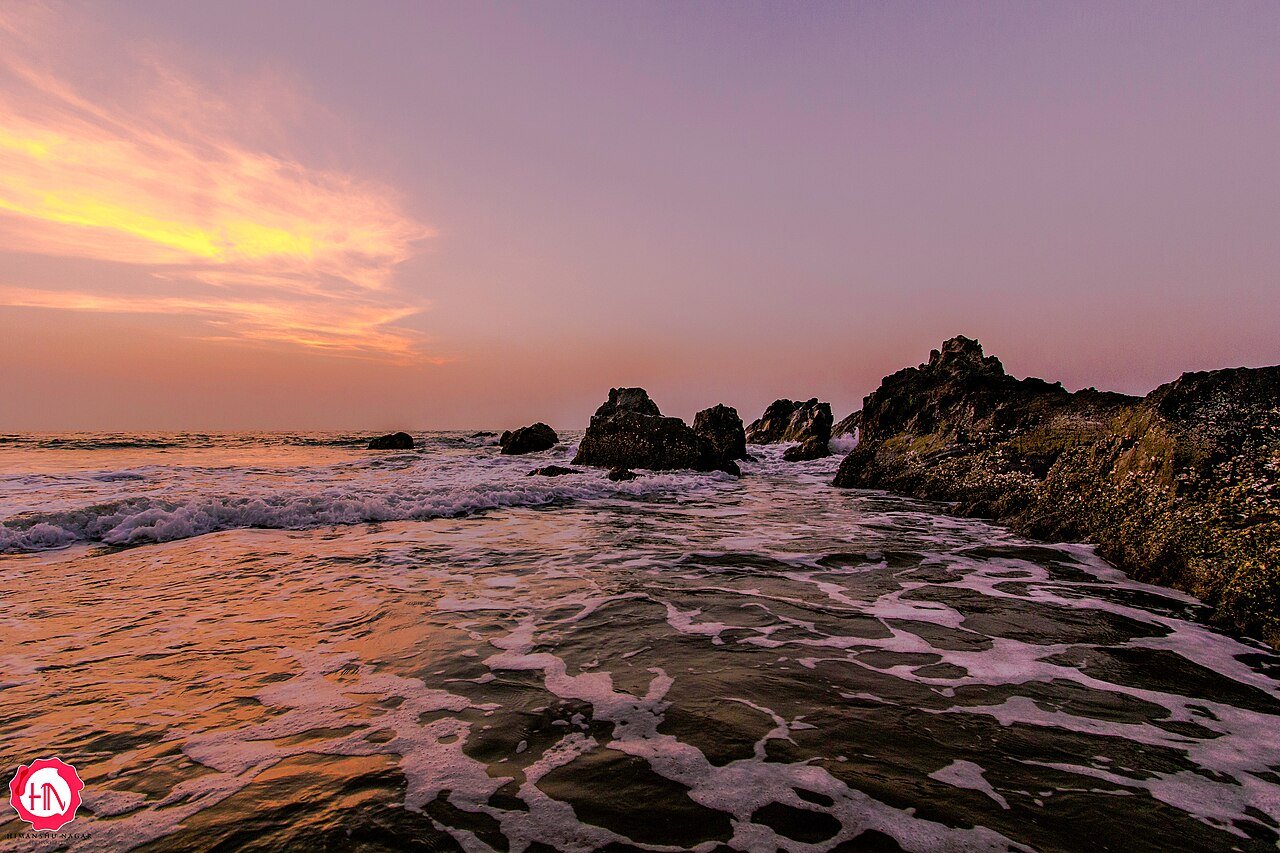
Goa is India’s favourite beach escape — a sun-soaked sliver of the Konkan coast where palm-lined sands, Portuguese-era churches, buzzing shacks and a famously relaxed susegad spirit come together. The north pulses with nightlife, flea markets and water sports, while the south unwinds into quieter, cleaner beaches and boutique stays. Beyond the coast lie spice plantations, jungle waterfalls and the colourful Latin quarter of Panaji. Easy to reach and endlessly versatile, Goa works for parties, families, couples and culture lovers alike.
This 2026 guide for Indian travellers covers how to reach Goa, the best time to go, what it costs, where to stay and eat, and how to plan a rewarding trip across its beaches, heritage and hinterland.
- Getting there: Fly into Dabolim (GOI) or the newer Mopa/Manohar (GOX) airport, train to Madgaon or Thivim, or drive from Mumbai, Pune or Bengaluru.
- Best time: November to February for dry, pleasant beach weather; the monsoon is lush and cheap.
- Budget: ₹2,000–6,000 per day, varying widely between budget shacks and luxury resorts.
- Don’t miss: A mix of north and south beaches, Old Goa’s churches, Panaji’s Fontainhas and Goan seafood.
Part 1 of 8
Why Goa belongs on your list
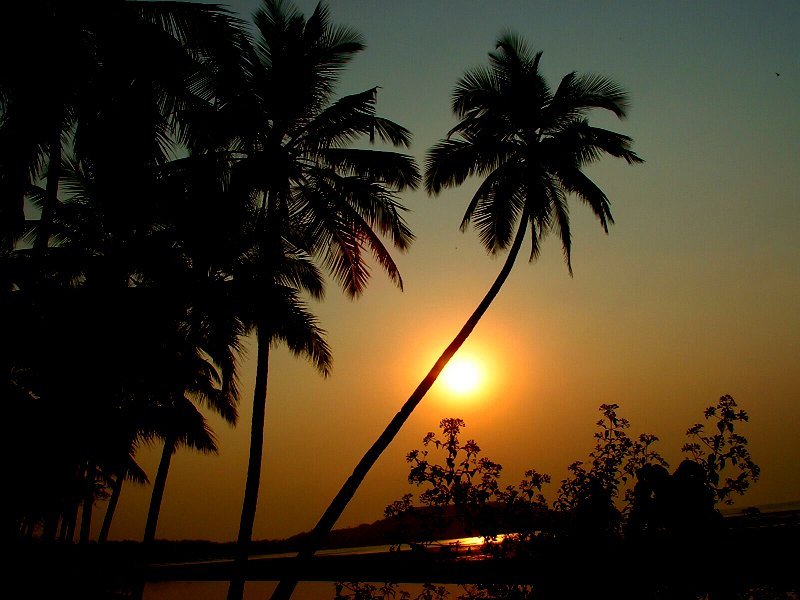
Goa’s magic is its variety. In one trip you can party at a north-coast beach club, laze on a near-empty southern sand, explore grand UNESCO churches, wander a pastel-hued Latin quarter, and trek to a thundering jungle waterfall. The food is a highlight in itself, the pace is gloriously unhurried, and there is a version of Goa to suit every kind of traveller and budget.
North beaches
Baga, Calangute, Anjuna and Vagator for nightlife, shacks and flea markets.
South beaches
Palolem, Agonda and Colva for calm, clean sands and boutique stays.
Old Goa churches
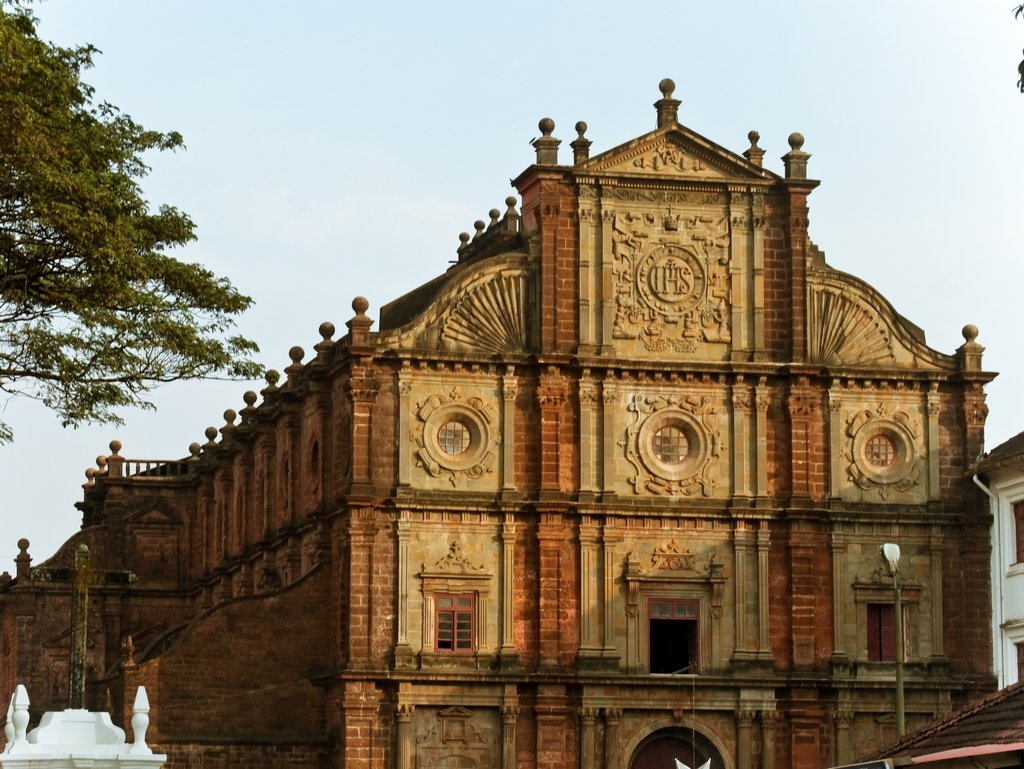
The UNESCO Basilica of Bom Jesus and Se Cathedral.
Fontainhas
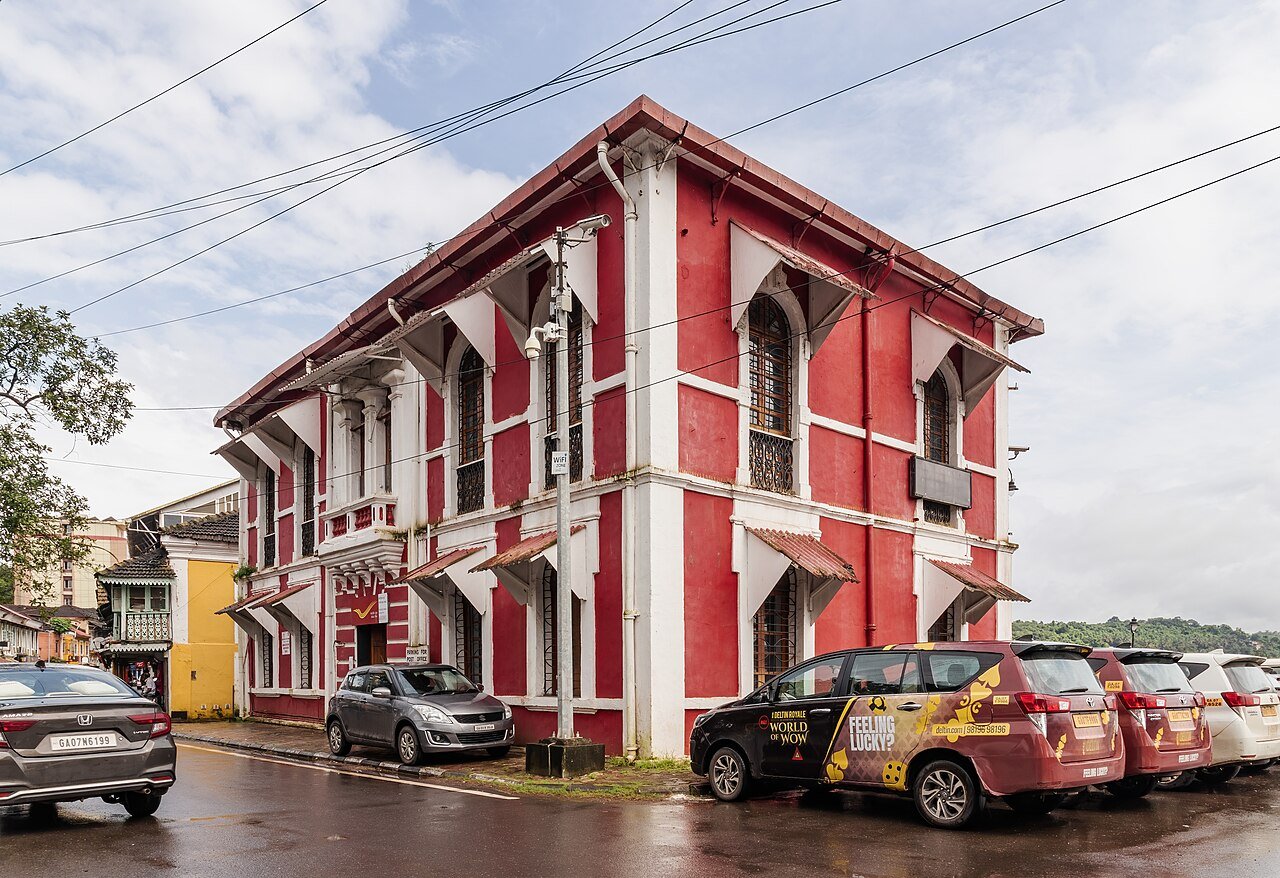
Panaji’s charming Portuguese-era Latin quarter of pastel houses.
Water sports
Parasailing, jet-skis and dolphin cruises along the coast.
Dudhsagar & spice
A mighty jungle waterfall and aromatic spice plantations inland.
Whether you want to party, relax, explore heritage or chase waterfalls, Goa packs an extraordinary range into one easygoing coastal state.
Goa is two holidays in one — neon nights and flea markets in the north, palm-shaded calm in the south, and great seafood everywhere in between.
Part 2 of 8
Getting to Goa and getting around
Goa is among the most accessible holiday destinations in India, with two airports, good rail links and easy road connections.
By air: Goa has two airports — Dabolim (GOI) in the centre-south and the newer Manohar International (GOX) at Mopa in the north — both with wide domestic and some international connectivity. Choose the one nearer your base to cut transfer time.
By train: Madgaon (Margao) and Thivim are the main stations on the scenic Konkan Railway, well connected to Mumbai, Pune, Bengaluru and beyond.
By road: Overnight buses and self-drive routes link Goa with Mumbai, Pune and Bengaluru along the coast and ghats.
Pro tip
Decide between north and south before you book. The north is livelier with nightlife and markets, while the south is calmer and cleaner — or split your stay to enjoy both sides of Goa.
Getting around: Renting a scooter or self-drive car gives the most freedom, as public transport is limited. App cabs operate but can be pricey, and pre-paid taxis are common. Always carry a licence and helmet for two-wheelers.
Part 3 of 8
Best time to visit Goa
Goa has a tropical coastal climate, so the dry winter season is peak beach time, while the monsoon offers a lush, low-cost alternative.
| Season | Months | What to expect |
|---|---|---|
| Peak | Nov–Feb | Dry, sunny and pleasant — the best beach weather. Busy and pricey, especially around New Year. |
| Shoulder | Mar–May | Hot and humid but quieter and cheaper, with the sea still swimmable early in the day. |
| Monsoon | Jun–Sep | Lush, green and dramatic, with heavy rain, low prices and a moody charm; many shacks close. |
| Post-monsoon | Oct | Fresh and green as the rains ease and the season starts up again. |
For classic beach weather, come between November and February, booking well ahead for the busy Christmas–New Year peak. The monsoon is a beautiful, budget-friendly time for those who love green landscapes and don’t mind the rain, though water sports and many beach shacks pause during the heaviest months.
Part 4 of 8
Costs and budgeting for Indians
Goa spans every budget, from beach huts to five-star resorts, with big seasonal price swings. Here is a realistic per-person, per-day guide for 2026.
| Style | Daily budget | What it covers |
|---|---|---|
| Backpacker | ₹1,500–2,500 | Hostel or beach hut, scooter hire, shack meals and a couple of activities. |
| Mid-range | ₹3,000–6,000 | Comfortable hotel or guesthouse, scooter or cab, water sports and good dining. |
| Premium | ₹9,000+ | Beach resort or boutique villa, private transport, fine dining and curated experiences. |
Scooter hire and shack food keep costs low, while resorts, nightlife and water sports add up. Prices spike sharply over the December–January peak and drop in the monsoon. Carry some cash for shacks, scooter fuel and markets, though cards and UPI are widely accepted.
Good to know
Rent two-wheelers only with a valid licence and helmet, and watch for sudden rip currents — swim at flagged beaches and heed lifeguard warnings. Agree taxi or water-sport prices in advance.
Part 5 of 8
Where to stay, what to eat and top experiences
Where to stay: North Goa around Baga, Calangute, Anjuna and Vagator suits nightlife and markets, while South Goa’s Palolem, Agonda and Colva offer calmer, cleaner beaches and boutique stays. Panaji is ideal for heritage and food, and the hinterland has eco-stays near the spice farms.
What to eat: Goan cuisine is a highlight — fish curry rice, prawn balchão, chicken xacuti, pork vindaloo and the layered bebinca dessert — best enjoyed at beach shacks and local eateries. Vegetarians and those after global fare are well catered for, and feni is the local tipple.
Beach-hop
Mix a lively north beach with a calm southern sand.
Old Goa & Panaji
Tour the grand churches and wander Fontainhas.
Dudhsagar Falls
Take a jeep safari to the spectacular four-tiered waterfall.
Spice plantation
Tour a spice farm with a traditional Goan lunch.
For more, take a Mandovi river sunset cruise, browse the Anjuna and Saturday night markets, try parasailing or a dolphin trip, and simply enjoy a long, lazy seafood lunch by the sea.
Part 6 of 8
A 4-day Goa itinerary
This plan balances beaches, heritage and the hinterland across both halves of the state.
Day 1 — North beaches: Settle in around Baga or Anjuna, beach-hop and try a water sport, then enjoy the nightlife or a flea market and a shack dinner by the sea.
Day 2 — Heritage day: Explore Old Goa’s churches and the Latin quarter of Fontainhas in Panaji, ending with a Mandovi sunset cruise.
Day 3 — Hinterland: Take a jeep safari to Dudhsagar Falls and tour a spice plantation with a Goan lunch.
Day 4 — South Goa: Move to or day-trip to the quieter south — Palolem and Agonda — for calm beaches, dolphin spotting and a relaxed finale before departure.
Extend your trip: Goa pairs well with neighbouring Gokarna’s beaches in Karnataka, or with the Western Ghats hill stations inland, for a longer coastal-and-hills journey.
Pro tip
Rent a scooter for the freedom to explore Goa’s spread-out beaches and lanes, but ride carefully, wear a helmet and avoid night riding on unlit coastal roads. Always carry your licence.
Part 7 of 8
Practical tips for Indian travellers
A few practical notes help you enjoy Goa safely and make the most of its variety.
Ride legally
Hire scooters with a valid licence and helmet; ride cautiously on coastal roads.
Swim safely
Stick to flagged beaches and heed lifeguards — currents can be strong.
Carry cash
Shacks, fuel and markets often prefer notes, though UPI is widely used.
Book peak early
Christmas and New Year sell out and surge in price — reserve well ahead.
Goa is relaxed and very tourist-friendly, suiting families, couples, groups and solo travellers, including women, with the usual precautions in nightlife areas and after dark. Watch your belongings on busy beaches, agree prices for taxis and water sports in advance, and be mindful that drink-driving and drugs are illegal and policed. Respect local sensibilities away from the beaches, and protect yourself from the strong coastal sun.
Goa also combines well with the wider region. It pairs naturally with Gokarna’s quieter beaches just south in Karnataka, with the spice hills and waterfalls of the Western Ghats inland, and as a relaxing finale to a longer South India or Konkan-coast trip. Building one of these into your route turns a Goa break into a fuller coastal journey.
Part 8 of 8
Frequently asked questions
How many days are enough for Goa?
Four to five days let you balance north and south beaches with Old Goa’s heritage, Panaji and a hinterland trip to Dudhsagar Falls or a spice farm. A quick beach break can be done in three days, while a week allows a truly relaxed pace.
Which airport should I use for Goa?
Goa has two airports — Dabolim (GOI) in the centre-south and the newer Manohar International (GOX) at Mopa in the north. Choose the one closer to where you are staying to cut down on transfer time and cost.
Is North or South Goa better?
It depends on your style. North Goa is livelier, with nightlife, water sports and flea markets, while South Goa is calmer and cleaner with boutique stays. Many travellers split their time to enjoy both sides.
When is the best time to visit Goa?
November to February offers the best dry, sunny beach weather, though it is busy and pricey at the New Year peak. The monsoon (June–September) is lush and cheap but wet, with many shacks and water sports closed.
Is Goa safe for families and women travellers?
Yes, it is one of India’s most tourist-friendly states. Take normal precautions in nightlife areas and after dark, watch belongings on busy beaches, swim only at flagged spots, and agree taxi and activity prices in advance.
What food is Goa famous for?
Goan cuisine is known for fish curry rice, prawn balchão, chicken xacuti, pork vindaloo and the bebinca dessert, best enjoyed at beach shacks and local eateries, with feni as the local spirit.
How do I get around in Goa?
Renting a scooter or self-drive car gives the most freedom, as public transport is limited. App cabs and pre-paid taxis operate but can be pricey. Always carry a licence and wear a helmet on two-wheelers.
What can I combine with a Goa trip?
Goa pairs well with Gokarna’s quieter beaches in Karnataka, the Western Ghats hill stations and waterfalls inland, and a wider South India or Konkan-coast route for a longer coastal journey.
Is Goa good to visit during the monsoon?
Yes, if you enjoy lush, green landscapes and lower prices. The monsoon (June–September) turns Goa wonderfully verdant, with full waterfalls like Dudhsagar and a moody charm, though heavy rain means rough seas, paused water sports and many beach shacks closed. It suits travellers seeking calm and value over classic beach days.
What are the rules around alcohol and parties in Goa?
Alcohol is legal and widely available in Goa, and the state is known for its nightlife, but drink-driving and drugs are illegal and actively policed. Stick to licensed venues, arrange safe transport rather than riding after drinking, and be respectful of quieter family beaches and residential areas late at night.
The bottom line
Goa remains India’s most versatile holiday — lively northern beaches, serene southern sands, Portuguese churches, a charming Latin quarter and a jungle waterfall, all wrapped in an easygoing coastal spirit and superb food. Come in the dry season for classic beach days or the monsoon for green and budget-friendly calm, split your time between north and south, ride carefully and eat boldly. Do that, and Goa will reward you with one of the most relaxing and varied trips in the country. Whether you come to dance till dawn or do nothing at all on a quiet southern sand, Goa has a way of making everyone feel instantly, happily on holiday.
Related reading
 Adventure Travel in India: Activities & How to Plan Safely
 Wellness, Ayurveda & Yoga Retreats in India: A Guide (2026)
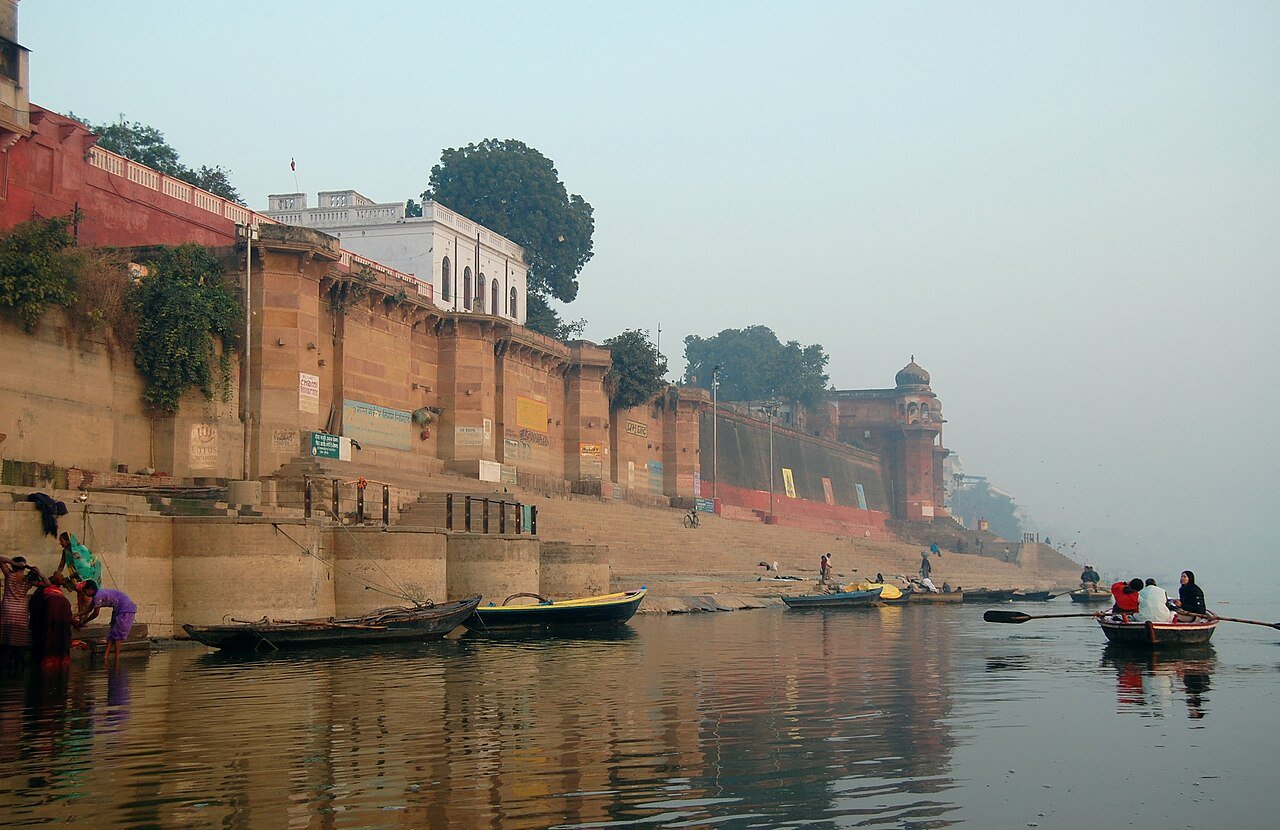 Varanasi Itinerary 2 Days: Ghats & Temples Plan (2026)
Photos sourced from Wikimedia Commons under their respective Creative Commons licences. Travel details are indicative for 2026; confirm timings, transport and prices locally before you travel.