Darjeeling Travel Guide 2026 — Tiger Hill, Toy Train, Tea & Best Time
Last updated: July 8, 2026
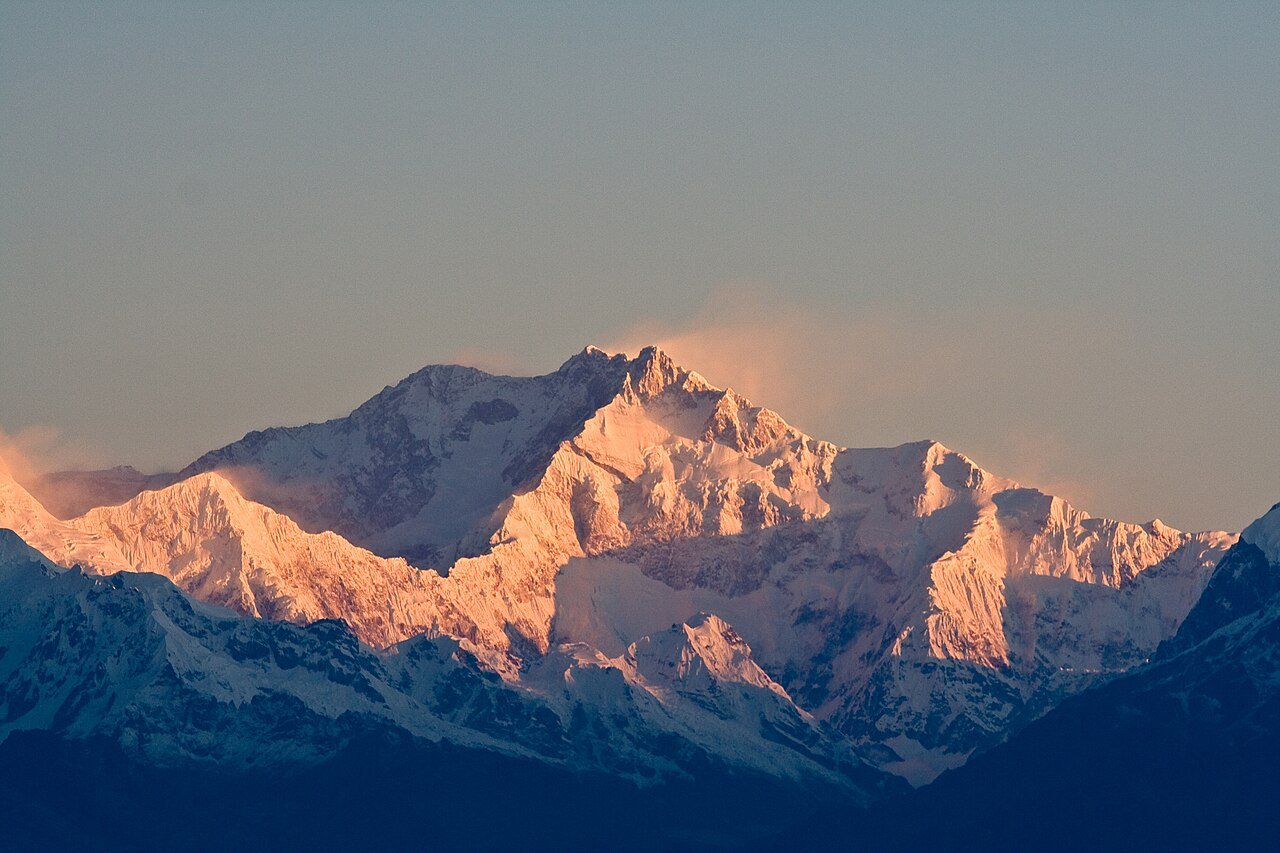
Darjeeling, the “Queen of the Hills” in West Bengal, is the grand old Himalayan tea town — a place of misty ridges, emerald estates and a UNESCO-listed toy train, all crowned by dawn views of Kanchenjunga, the world’s third-highest peak. Since British times it has drawn visitors for its cool air, colonial charm and the world-famous tea grown on its slopes. With a heritage railway, a renowned mountaineering institute and a red-panda zoo to boot, Darjeeling packs heritage, nature and Himalayan grandeur into one walkable hill town.
This 2026 guide for Indian travellers covers how to reach Darjeeling, the best time to go, what it costs, where to stay and eat, and how to plan a relaxed two-to-three day trip across the town and its tea country.
- Getting there: Fly to Bagdogra or train to New Jalpaiguri (both about 70 km), then a scenic 3-hour drive up; or ride the toy train.
- Best time: March–May for spring and October–November for the clearest Kanchenjunga views; the monsoon brings landslide risk.
- Budget: ₹2,500–6,000 per day for a comfortable trip, including a vehicle for sightseeing.
- Don’t miss: A Tiger Hill sunrise, the toy train and Batasia Loop, a tea estate and the red pandas at the zoo.
Part 1 of 8
Why Darjeeling belongs on your list
Darjeeling combines big-mountain drama with old-world charm. On a clear morning, Kanchenjunga floats above the ridgelines in soft pink light; by day you can ride a heritage steam train, walk among tea bushes, and meet red pandas at one of India’s best high-altitude zoos; and in the evening the Mall and Chowrasta come alive with strollers and momo stalls. It is compact, characterful and steeped in Himalayan history.
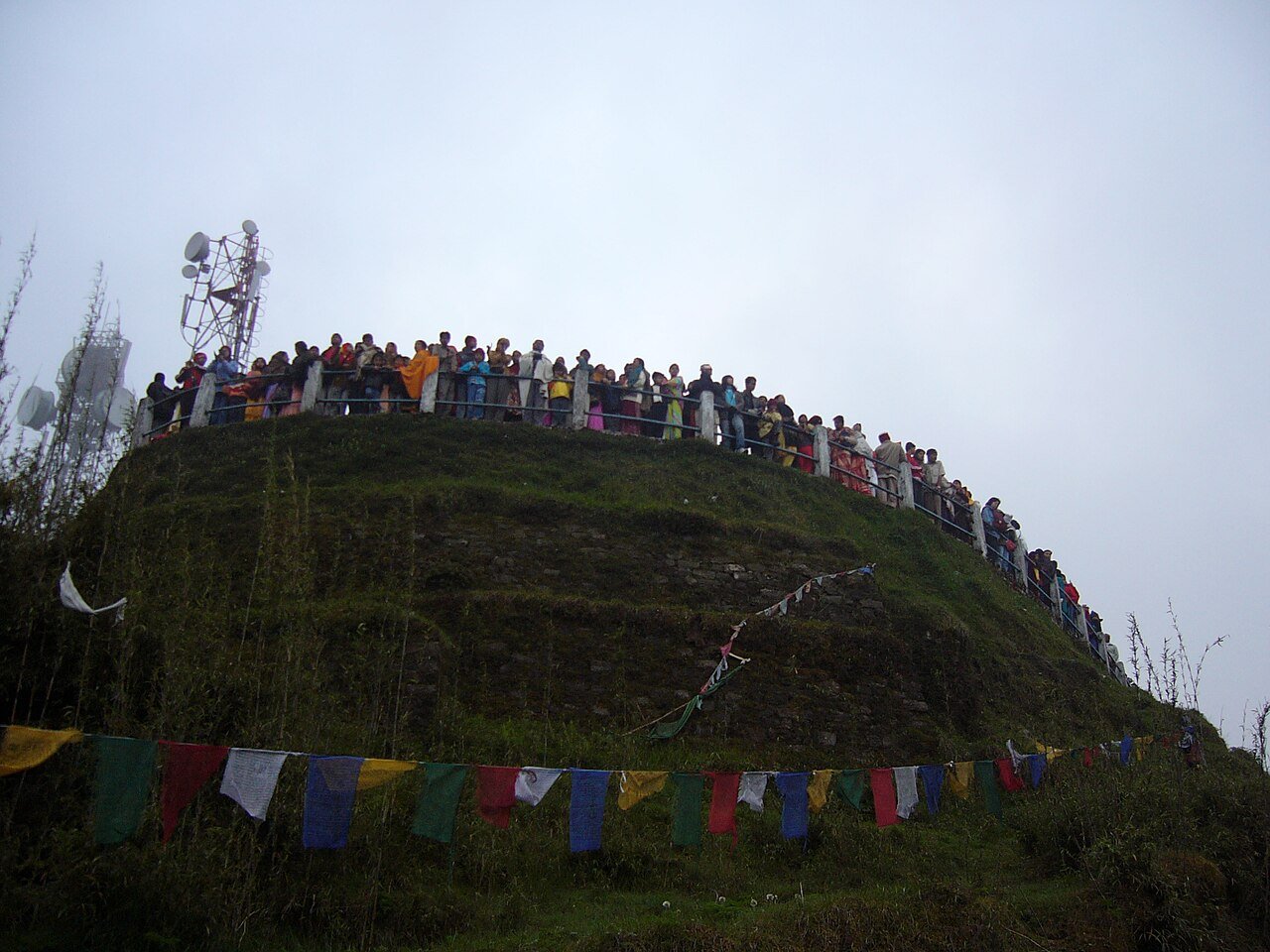
Tiger Hill sunrise
Watch dawn set Kanchenjunga ablaze from the famous viewpoint.
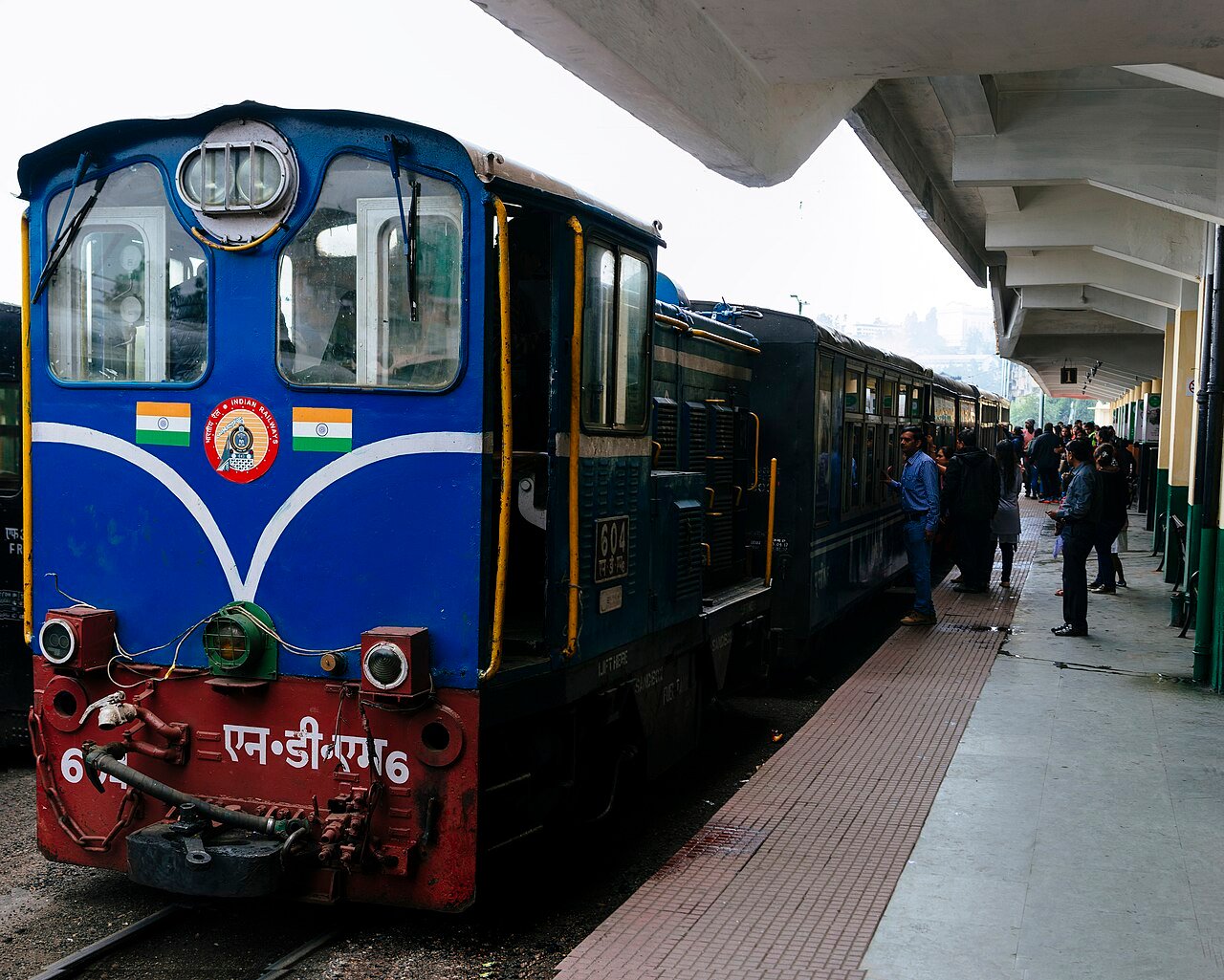
Toy train
The UNESCO Darjeeling Himalayan Railway and its scenic Batasia Loop.
Tea estates
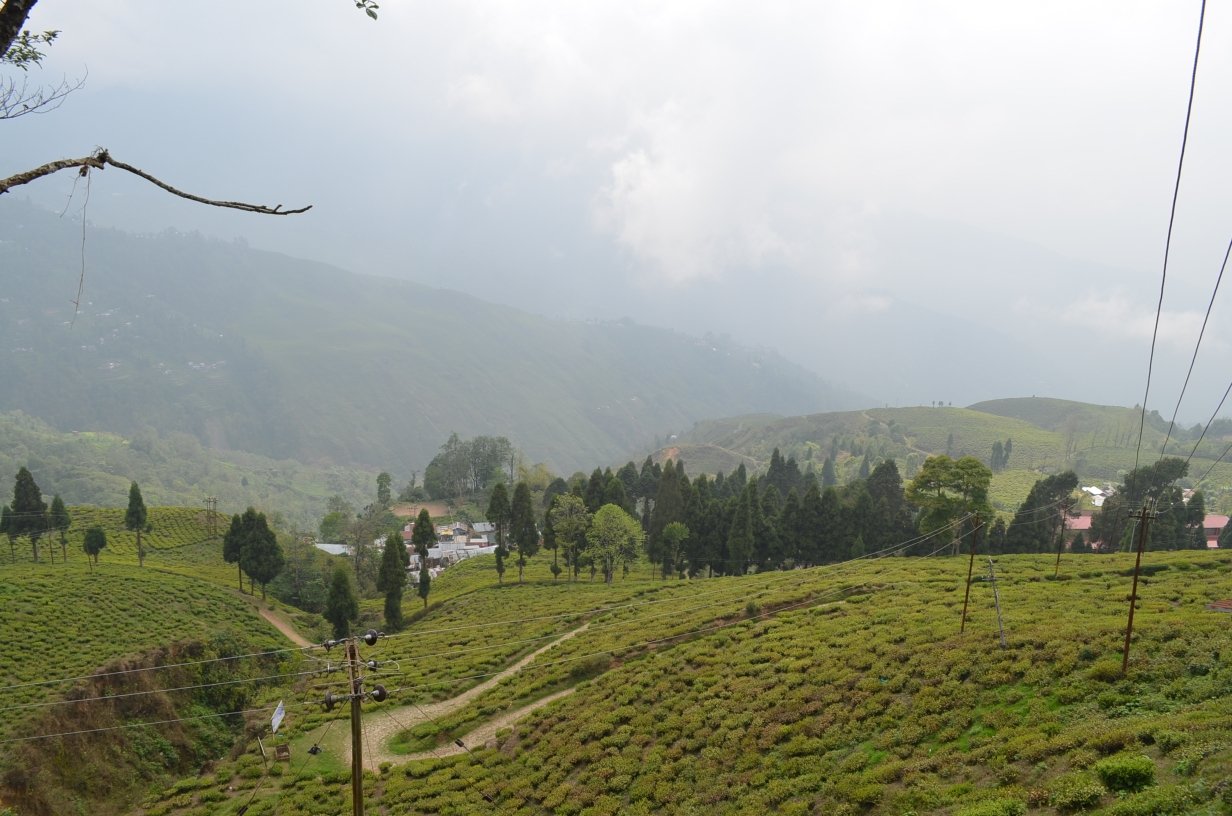
Tour Happy Valley and taste world-renowned Darjeeling tea.
Red pandas
See red pandas and snow leopards at the Padmaja Naidu zoo.
Mountaineering Institute
The HMI museum tracing Himalayan climbing history.
Mall & Chowrasta
The lively heart of town for strolls, cafés and shopping.
Whether you come for the sunrise, the train, the tea or the gentle hill-town pace, Darjeeling delivers one of the most atmospheric and rewarding Himalayan escapes in the east.
Darjeeling is the Himalaya with a cup of tea in hand — Kanchenjunga at dawn, a steam train through the clouds, and the Mall buzzing by night.
Part 2 of 8
Getting to Darjeeling and getting around
Darjeeling is reached via the plains of North Bengal, with a beautiful climb into the hills — and one approach, the heritage railway, that is an experience in itself.
By air: Bagdogra Airport near Siliguri is the nearest at around 70 km, roughly 3 hours by road, with wide connectivity. From there, shared and private taxis run up to Darjeeling.
By train: New Jalpaiguri (NJP) is the main railhead, about 70 km away and well connected to Kolkata, Delhi and beyond. The narrow-gauge Darjeeling Himalayan Railway also climbs from NJP/Siliguri, with the popular Darjeeling–Ghum joy rides bookable in advance.
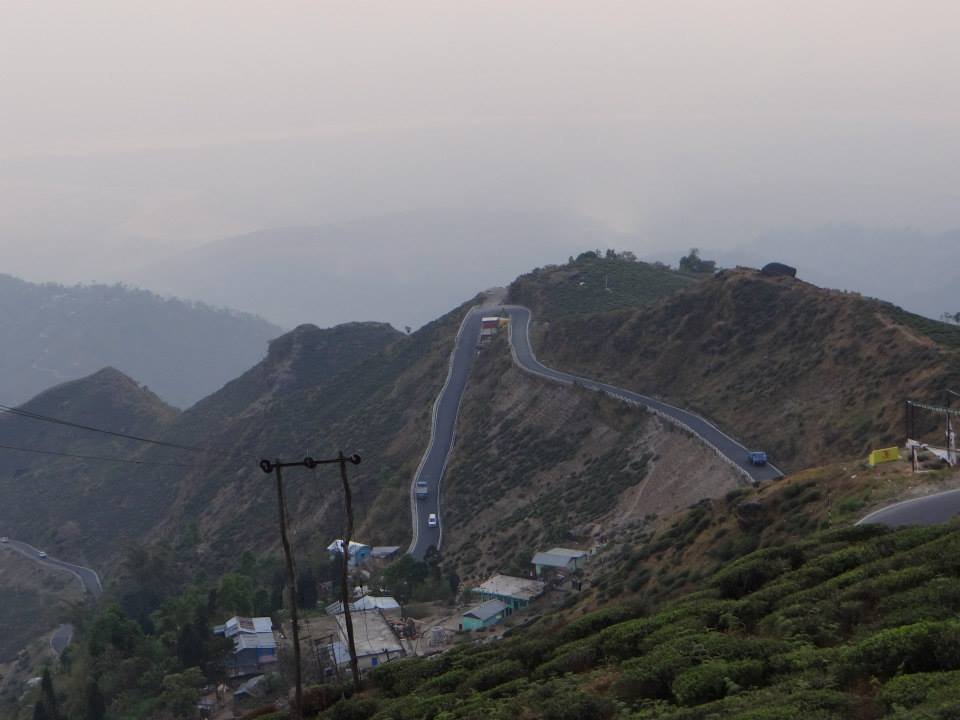
By road: Shared jeeps and taxis from Siliguri, NJP and Bagdogra are the standard way up the winding hill roads to Darjeeling.
Pro tip
Book the toy train’s Darjeeling–Ghum joy ride early — it includes the Batasia Loop and the highest railway station in India, and seats sell out fast in peak season.
Getting around: The Mall, Chowrasta and town centre are walkable, while shared jeeps and taxis cover Tiger Hill, the tea estates and the zoo. Many sights cluster close enough to combine on a half-day circuit.
Part 3 of 8
Best time to visit Darjeeling
Darjeeling is a year-round destination, but mountain views and the monsoon are the key factors to plan around.
| Season | Months | What to expect |
|---|---|---|
| Spring | Mar–May | Pleasant days, blooming hills and good visibility — a lovely, popular window. |
| Monsoon | Jun–Sep | Lush but wet, with frequent cloud and a real risk of landslides on the roads. |
| Autumn | Oct–Nov | Crisp, clear skies and the best chances of sharp Kanchenjunga views — peak photography time. |
| Winter | Dec–Feb | Cold and quiet, with clear spells and the occasional dusting of snow on the heights. |
For the clearest Kanchenjunga views and comfortable weather, aim for October–November or spring. Avoid the peak monsoon if you can, as cloud often hides the peaks and landslides can disrupt the hill roads. Winter is cold but rewards early risers with crisp, clear mountain mornings.
Part 4 of 8
Costs and budgeting for Indians
Darjeeling suits a wide range of budgets, with heritage tea-estate stays at the upper end. Here is a realistic per-person, per-day guide for 2026.
| Style | Daily budget | What it covers |
|---|---|---|
| Backpacker | ₹1,500–2,500 | Budget guesthouse, shared jeeps, momos and local eateries, plus key entries. |
| Mid-range | ₹3,000–6,000 | Comfortable hotel or homestay, taxi for sightseeing, the toy train and good meals. |
| Premium | ₹8,000+ | Heritage or tea-estate bungalow, private vehicle, guided tea tours and fine dining. |
The toy train, Tiger Hill trips, the zoo and tea-estate visits are individually modest. Your biggest variable is accommodation, especially the atmospheric colonial-era and tea-estate stays. Keep a little budget for Darjeeling tea and Himalayan handicrafts to take home.
Good to know
Card and UPI work in town, but shared-jeep drivers, small stalls and the early-morning Tiger Hill trip often need cash, so carry some notes.
Part 5 of 8
Where to stay, what to eat and top experiences
Where to stay: For convenience and atmosphere, stay near the Mall and Chowrasta, within walking distance of cafés and viewpoints. For tea-country tranquillity and Kanchenjunga views, choose a heritage hotel or a tea-estate bungalow on the ridges around town.
What to eat: Darjeeling’s food leans Tibetan and Himalayan — steaming momos, thukpa noodle soup and hearty local fare — best followed by a pot of the town’s celebrated tea. The cafés around Chowrasta are perfect for a slow afternoon brew with a mountain view.
Tiger Hill dawn
Set off pre-dawn for sunrise over Kanchenjunga.
Joy-ride the train
Take the Darjeeling–Ghum steam ride via the Batasia Loop.
Tea tasting
Tour Happy Valley estate and sample fresh Darjeeling tea.
Meet red pandas
Visit the Padmaja Naidu zoo and the adjacent HMI museum.
For more, walk to the Peace Pagoda and Observatory Hill, browse the Rock Garden, or take a wider Himalayan circuit towards Kalimpong and Mirik.
Part 6 of 8
A 3-day Darjeeling itinerary
This plan covers the sunrise, the train, the tea and the town at a relaxed pace.
Day 1 — The town: Arrive and settle in, then explore the Mall, Chowrasta, Observatory Hill and the Peace Pagoda, ending with sunset views and momos in town.
Day 2 — Sunrise & sights: Rise pre-dawn for Tiger Hill, then loop through Ghum, the Batasia Loop and the Padmaja Naidu zoo and HMI museum, with an afternoon tea-estate visit at Happy Valley.
Day 3 — Train & tea: Take the toy train joy ride, browse the bazaars for tea and handicrafts, and add the Rock Garden or a quiet ridge walk before your onward journey.
Pro tip
The Tiger Hill sunrise draws crowds and an early convoy of jeeps. Book your seat the day before, set off very early, and dress warmly — mornings are cold even in spring, and clear skies make all the difference.
Part 7 of 8
Practical tips for Indian travellers
A few practical notes make a Darjeeling trip smoother, especially around the weather, the early starts and the hill roads.
Pre-book the train
The toy train joy rides sell out fast, so reserve ahead in peak season.
Layer up
Mornings and evenings are cold year-round; pack warm clothing and a windproof layer.
Plan for clear days
For Kanchenjunga views, favour autumn or spring and rise early before cloud builds.
Carry cash
Shared jeeps, small stalls and the Tiger Hill trip often prefer notes.
Darjeeling is a relaxed, friendly town, so the main considerations are practical rather than about safety. Mountain weather changes quickly and the monsoon can trigger landslides on the access roads, so keep buffer time in your plans and check conditions before travelling. The shared-jeep system is efficient but can be crowded, and roads are winding, so take motion-sickness precautions if needed and start early to beat both the cloud and the crowds.
Darjeeling also pairs naturally with the wider eastern Himalaya. It combines easily with Gangtok and Sikkim, with the quieter hill towns of Kalimpong and Mirik, and with the tea-and-mountain scenery of the Dooars on the way to or from the plains. Building one of these into your route turns a Darjeeling break into a fuller eastern Himalayan journey.
Part 8 of 8
Frequently asked questions
How many days are enough for Darjeeling?
Two to three days are ideal — one for the town and viewpoints, one for the Tiger Hill sunrise, toy train, zoo and a tea estate, and an optional third for the Rock Garden or a trip towards Kalimpong and Mirik.
How do I reach Darjeeling?
Fly to Bagdogra or take a train to New Jalpaiguri (both about 70 km), then drive up in around 3 hours. The narrow-gauge Darjeeling Himalayan Railway also climbs from the plains, with popular joy rides from Darjeeling.
When is the best time to see Kanchenjunga?
October and November offer the clearest skies and the sharpest Kanchenjunga views, with spring also good. The monsoon often hides the peaks behind cloud and brings landslide risk, so it is best avoided for views.
Should I book the toy train in advance?
Yes. The Darjeeling Himalayan Railway joy rides, including the scenic Batasia Loop and Ghum, are very popular and sell out quickly in peak season, so reserve your seats ahead of time.
Is Darjeeling good for families and couples?
Yes to both. Families love the toy train, the zoo’s red pandas and the easy Mall walks, while couples enjoy the tea-estate stays, sunrise views and the town’s romantic, misty charm. The pace suits all ages.
Can I see red pandas in Darjeeling?
Yes. The Padmaja Naidu Himalayan Zoological Park is known for its red pandas, along with snow leopards and other high-altitude species, and sits next to the Himalayan Mountaineering Institute museum.
Will my phone and UPI work in Darjeeling?
Connectivity is reliable in town but can weaken on the higher viewpoints and remote tea estates. Carry cash, as shared-jeep drivers, small stalls and the early Tiger Hill trip often prefer notes.
What can I combine with a Darjeeling trip?
Darjeeling pairs well with Gangtok and Sikkim, the quieter hill towns of Kalimpong and Mirik, and the Dooars region, making it easy to build a longer eastern Himalayan itinerary.
Is Darjeeling tea worth buying at source?
Absolutely. Buying directly from estates or reputable shops in Darjeeling lets you taste before you buy and pick up the prized first-flush and second-flush teas fresh. It is one of the best souvenirs from the trip, and estate visits like Happy Valley make the purchase more meaningful.
Can I combine Darjeeling and Gangtok in one trip?
Yes, and many travellers do. The two are linked by a scenic few-hour drive, so a combined Darjeeling–Gangtok itinerary of around a week lets you pair Darjeeling’s tea and toy train with Sikkim’s high-altitude lakes and monasteries for a complete eastern Himalayan experience.
The bottom line
Darjeeling remains the queen of the eastern hills — a heritage toy train, world-famous tea, a dawn view of Kanchenjunga and a charming, walkable centre, all wrapped in cool Himalayan air. Come in autumn or spring for the clearest peaks, book the train ahead, rise early for Tiger Hill, and give yourself time for the tea estates and the zoo. Do that, and Darjeeling will reward you with one of the most atmospheric and memorable mountain escapes in India. Rise for one clear sunrise, ride the train at least once, and sip the tea where it grows — that is Darjeeling at its unforgettable best.
Related reading
 Gangtok Lachung Itinerary: 6-Day North Sikkim Trip (2026)
 Darjeeling Gangtok Itinerary: 6-Day Eastern Himalaya Trip (2026)
 Ooty Kodaikanal Itinerary: 5-Day Hill Station Trip (2026)
Photos sourced from Wikimedia Commons under their respective Creative Commons licences. Travel details are indicative for 2026; confirm timings, fees and train bookings locally before you travel.