Varanasi Itinerary & Pilgrimage Planner — 1, 2 & 3-Day Routes, Temples & Sarnath
Last updated: June 29, 2026
Planning how many days to spend in Varanasi and what to fit in? This itinerary and pilgrimage planner lays out ready-made 1, 2 and 3-day routes through the ghats, temples, the Ganga aarti and a side trip to Sarnath — built for pilgrims and first-time visitors who want a clear day-by-day plan. (For the full destination overview, see our main Varanasi travel guide.)
Varanasi can be intense — crowded, chaotic and deeply emotional — but it is also unforgettable, rewarding those who surrender to its atmosphere with experiences that stay with them forever. This guide covers how to reach the city, the best time to visit, the must-see ghats and temples, the spellbinding Ganga Aarti, day trips like Sarnath, the famous food, realistic costs in rupees, and a sample itinerary to help you make the most of a trip to this sacred and ancient city.
How to Reach Varanasi
Varanasi is well connected by air, rail and road. The Lal Bahadur Shastri International Airport, about 25 kilometres from the city, receives frequent domestic flights from Delhi, Mumbai, Kolkata, Bengaluru and other major cities, along with some international connections, making flying the quickest option for most travellers. Taxis and app-based cabs cover the journey from the airport into the city.
As one of India’s most important railway hubs, Varanasi is superbly connected by train to virtually every corner of the country, and arriving by rail is a classic, atmospheric way to reach the city. The main stations are Varanasi Junction and Banaras. Long-distance buses also serve the city from neighbouring states, though for most travellers the convenience of a flight or the romance of an overnight train are the preferred ways to arrive.
Best Time to Visit Varanasi
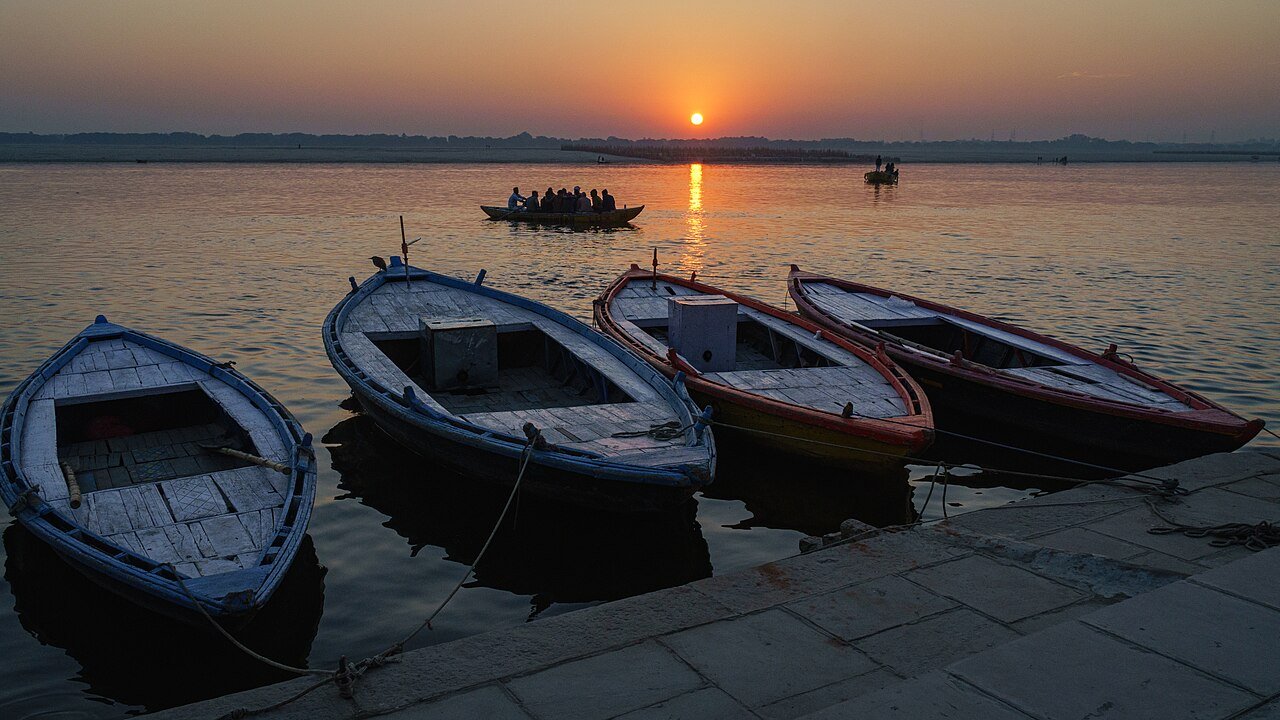
The best time to visit Varanasi is during the cooler months from October to March, when the weather is pleasant and ideal for exploring the ghats, temples and lanes on foot. Winter, from November to February, can be cool and occasionally foggy in the mornings but offers the most comfortable conditions for sightseeing and the magical experience of misty sunrise boat rides on the Ganga.
The summer months from April to June are extremely hot, with temperatures often soaring uncomfortably high, making daytime exploration difficult. The monsoon from July to September brings rain and a swollen river, which can sometimes affect the lower ghats and boat operations. For the best balance of comfortable weather and the full ghat experience, the October-to-March window is the clear recommendation, with festivals like Dev Deepawali adding extra magic.
The Ghats of Varanasi
The ghats — the steps leading down to the Ganga — are the soul of Varanasi, and there are around eighty of them stretching along the riverfront. Dashashwamedh Ghat is the most famous and vibrant, the site of the spectacular evening Ganga Aarti, while Assi Ghat at the southern end is a popular spot for morning yoga and a more relaxed atmosphere. Walking the length of the ghats at dawn, as the city awakens and pilgrims bathe in the river, is an essential Varanasi experience.
Manikarnika and Harishchandra are the cremation ghats, where the cycle of life and death plays out openly in keeping with the Hindu belief that dying in Kashi brings liberation — these are places to observe respectfully and quietly, without photography. A sunrise boat ride along the ghats, gliding past the temples, palaces and bathing pilgrims as the sun rises over the river, is the single most magical thing to do in Varanasi.
The Ganga Aarti
Every evening at Dashashwamedh Ghat, the Ganga Aarti unfolds as one of the most mesmerising spectacles in India. Priests in coordinated robes perform an elaborate ritual of fire, incense, conch shells and chanting, raising large multi-tiered brass lamps in synchronised movements as crowds gather on the steps and in boats on the river to witness the devotion. The atmosphere of sound, light and faith is deeply atmospheric and moving.
To get a good view, arrive early to find a spot on the steps, or hire a boat to watch the aarti from the water, which offers a beautiful perspective and avoids the densest crowds. The ceremony lasts around 45 minutes and takes place daily, with grander versions on special occasions. It is the perfect bookend to a day in Varanasi, capturing the city’s spiritual essence in a single unforgettable ritual.
Temples of Varanasi
The Kashi Vishwanath Temple, dedicated to Lord Shiva, is the holiest and most important temple in Varanasi and one of the most revered Shiva shrines in India. The recently developed Kashi Vishwanath Corridor has transformed access to the temple, creating a grand pathway connecting it to the riverfront, though queues can be long, especially on auspicious days, so plan your visit accordingly and follow the security and dress guidelines.
Beyond the main temple, Varanasi is dotted with countless shrines, including the Sankat Mochan Hanuman Temple, the Durga Temple and the modern marble Tulsi Manas Temple, as well as the Bharat Mata Temple with its relief map of India. The Banaras Hindu University campus, home to the New Vishwanath Temple, is also worth a visit for its serene atmosphere and architecture, offering a quieter counterpoint to the intensity of the old city.
Sarnath: A Buddhist Day Trip
Just about ten kilometres from Varanasi lies Sarnath, one of the most important pilgrimage sites in Buddhism, where Gautama Buddha delivered his first sermon after attaining enlightenment. This peaceful, green site offers a complete change of pace from the intensity of the city and is easily visited as a half-day trip by taxi or auto.
The highlights at Sarnath include the towering Dhamek Stupa, the ruins of ancient monasteries, the Ashoka Pillar (whose lion capital became India’s national emblem), and the excellent Sarnath Museum housing remarkable sculptures. The modern temples built by various Buddhist nations and the serene deer park add to the contemplative atmosphere. Sarnath beautifully complements a Varanasi trip, highlighting the region’s significance to multiple faiths and offering a tranquil, reflective interlude.
Food in Varanasi
Varanasi is a paradise for vegetarian street food and traditional sweets, and eating here is an essential part of the experience. The city is famous for its kachori-sabzi breakfasts, crispy tamatar chaat, creamy malaiyo (a frothy winter delicacy), and the legendary Banarasi paan. Lassi served in clay cups, jalebis, and a host of regional snacks make the lanes a continuous feast for the senses.
Being a deeply religious city, Varanasi is overwhelmingly vegetarian, which makes it wonderfully easy for vegetarian and Jain travellers, with countless eateries serving pure-veg North Indian fare and the local Banarasi specialities. Stick to busy, popular stalls with high turnover for freshness, drink bottled or filtered water, and don’t miss sampling the sweets and chaat that have made Banaras a culinary destination in its own right.
Getting Around Varanasi
The heart of old Varanasi is a maze of narrow lanes (galis) that are best explored on foot, as vehicles cannot enter and getting pleasantly lost among the temples, shops and shrines is part of the charm. Wear comfortable shoes, watch your step on the uneven, sometimes slippery paths, and be prepared for crowds, cows and the general delightful chaos of the old city.
For longer distances within the city, cycle-rickshaws, autos and app-based cabs are widely available, though traffic can be heavy and slow. Boats are the way to travel along the river, whether for the sunrise ride or to reach the aarti. Agree fares with rickshaws and boatmen in advance, and consider hiring a local guide for a half-day to help you navigate the lanes and understand the layers of history and ritual around you.
Where to Stay
Staying near the ghats puts you in the heart of the action, within walking distance of the river, the aarti and the old city’s lanes, with options ranging from budget guesthouses and backpacker hostels to atmospheric heritage hotels in restored riverfront buildings. This is the most immersive choice, though access can involve walking through narrow lanes with luggage.
For more comfort and easier vehicle access, the cantonment area and the neighbourhoods away from the old city offer a range of mid-range and upscale hotels, a short ride from the ghats. Families and those wanting modern amenities often prefer these areas. Whichever you choose, book ahead during the festival season and major Hindu observances, when the city fills with pilgrims and accommodation is in high demand.
Sample 3-Day Varanasi Itinerary
Begin with a pre-dawn boat ride on the Ganga to witness sunrise over the ghats, followed by a walk along the riverfront as the city awakens, and a traditional kachori-sabzi breakfast. Spend the rest of the first day exploring the old city lanes, visiting the Kashi Vishwanath Temple, and watching the evening Ganga Aarti at Dashashwamedh Ghat from the steps or a boat.
On day two, take a half-day trip to Sarnath to explore the Buddhist heritage, returning to enjoy more of the ghats, temples and street food in the afternoon. Use day three for any remaining temples, a visit to the Banaras Hindu University campus, shopping for the famous Banarasi silk, and soaking up the atmosphere before departure. This pace captures the spiritual, cultural and culinary essence of Kashi.
Practical Tips for Varanasi
Dress modestly out of respect for the city’s religious significance, covering shoulders and knees, and remove footwear before entering temples. Be respectful and discreet around the cremation ghats, where photography is strictly prohibited and you should observe quietly. Politely decline aggressive touts, unsolicited “guides” and anyone demanding money for blessings or rituals at the ghats.
Carry cash for small purchases, autos and boats, though cards work in hotels and bigger shops, and keep your belongings secure in the crowds. Drink only bottled or filtered water, eat at busy and reputable stalls, and be prepared for an intense sensory experience that can feel overwhelming at first. Approach Varanasi with patience and an open mind, and the city will reveal an extraordinary depth that few places on Earth can match.
Frequently Asked Questions
What is the best time to visit Varanasi? October to March offers the most pleasant weather for exploring the ghats and lanes. Winter brings atmospheric misty sunrises, while summer is extremely hot and the monsoon swells the river.
What is the Ganga Aarti and where do I see it? It is a mesmerising evening fire-and-lamp ritual performed daily at Dashashwamedh Ghat. Arrive early for a spot on the steps, or watch from a boat on the river.
How many days are enough for Varanasi? Two to three days lets you experience the ghats, a sunrise boat ride, the main temples, the Ganga Aarti, the food and a day trip to Sarnath without rushing.
Is Varanasi good for vegetarians? Exceptionally so. The city is overwhelmingly vegetarian, with countless pure-veg eateries and famous street food and sweets, making it very easy for veg and Jain travellers.
Is a sunrise boat ride worth it in Varanasi? Absolutely. Gliding along the ghats as the sun rises over the Ganga and the city awakens is the single most magical experience in Varanasi.
Varanasi is not just a destination but an experience that touches something deep within, where ancient ritual, faith and everyday life flow together along the banks of the sacred Ganga. Visit in the cooler months, rise early for the river at dawn, witness the evening aarti, and approach the city with patience and respect — and Kashi will leave an impression on you that lasts a lifetime.
Costs and Budget for a Varanasi Trip
Varanasi is an affordable destination for travellers of all budgets. For a three-day trip, budget travellers staying in guesthouses near the ghats and eating at local stalls can manage on roughly ₹8,000–₹15,000 per person excluding travel to the city, while mid-range travellers choosing comfortable hotels and a guided boat ride or two should plan ₹18,000–₹30,000. Heritage riverfront hotels and private guides push costs higher but add considerably to the experience.
On the ground, costs are low: a shared sunrise boat ride is inexpensive (a private boat costs more but is worth it), street food and meals are very cheap, and temple visits are generally free. The main extras are a private boat, a knowledgeable local guide to navigate the lanes and history, shopping for Banarasi silk, and the taxi to and from the airport. Carrying cash is essential for the many small purchases, autos and boatmen across the old city.
Travel costs, temple access and conditions can change, especially around festivals. The details here are 2026 estimates from public sources; verify current arrangements, especially at the Kashi Vishwanath Temple, before you travel, and always be respectful at religious and cremation sites.
Related reading: Varanasi Travel Guide 2026 — Ganga Aarti, Ghats, Sarnath & Best Time · Varanasi Itinerary 2 Days: Ghats & Temples Plan (2026) · Andaman Islands Travel Guide 2026 — Beaches, Best Time, Permits & Itinerary